

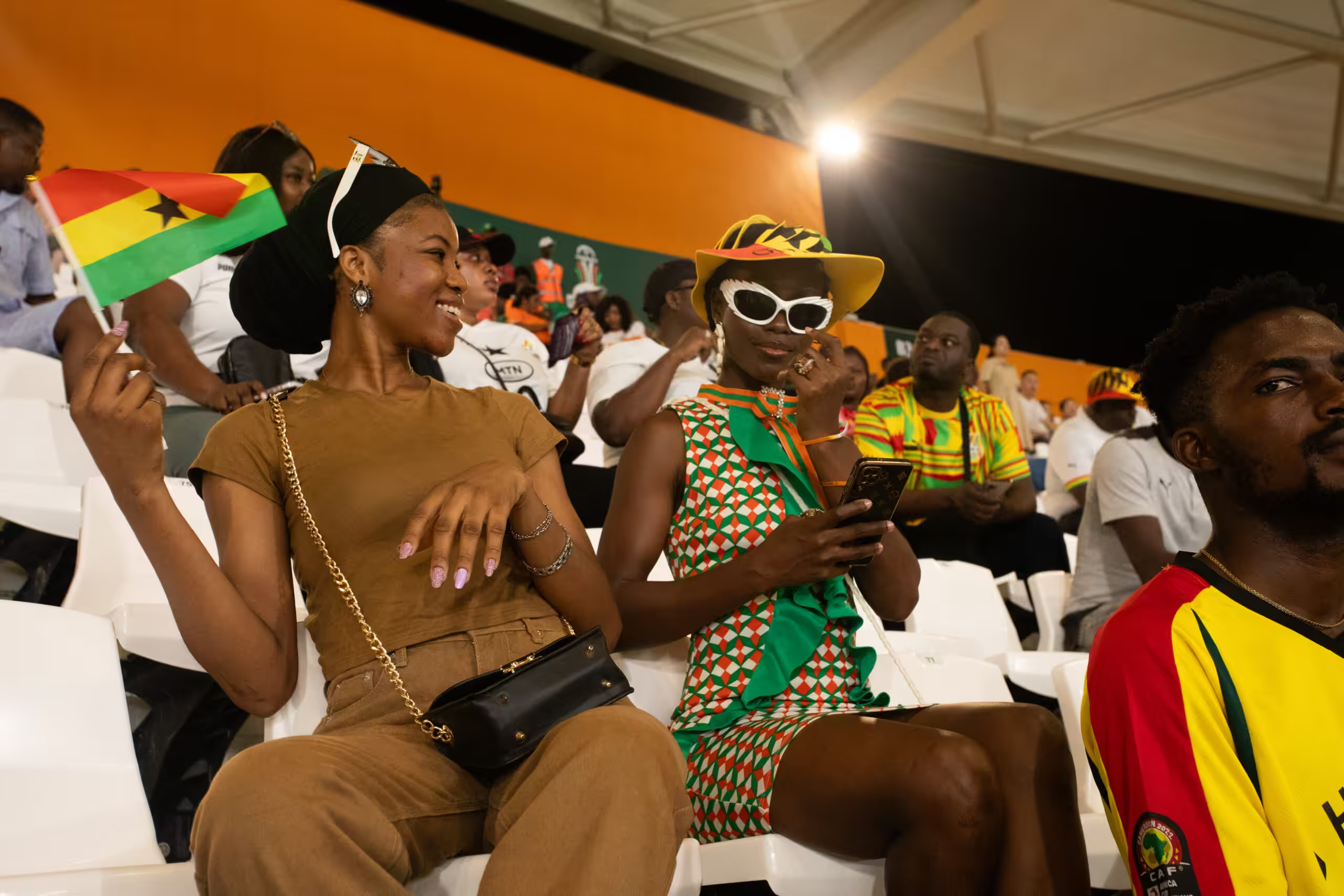
Ghanaian fans in the stands at AFCON 2023. Photography by Nana Asomani.
The visa regime that will keep most African fans out of the stadiums of the 2026 World Cup is the same one that keeps African artists out of biennials, designers out of Paris fashion weeks, and scholars out of the conferences where their fields are debated. The audience changes. The architecture does not. What follows is a story about football, but the structure it describes is not specific to football.
In Praia, fans have been saving since the night Cape Verde qualified for their first World Cup, putting money aside for flights, hotels, tickets, and the chance to watch their team take the field on the largest stage football has ever built. Many of them will not get there, and the reason is not only the cost: between them and the stadiums of the United States sits a process, bureaucratic and financial and deeply personal, that has quietly made this journey harder for African supporters than for almost anyone else in the world.
The 2026 World Cup, co-hosted by the United States, Canada and Mexico, is the largest tournament in the competition’s history, with forty-eight nations competing. Ten of them are African: Morocco, Senegal, Egypt, Ghana, Ivory Coast, Tunisia, Algeria, South Africa, DR Congo, and Cape Verde making their debut. The continent has never been more represented at a World Cup, nor more commercially visible, though getting there remains another matter altogether for the supporters who would travel to see it.
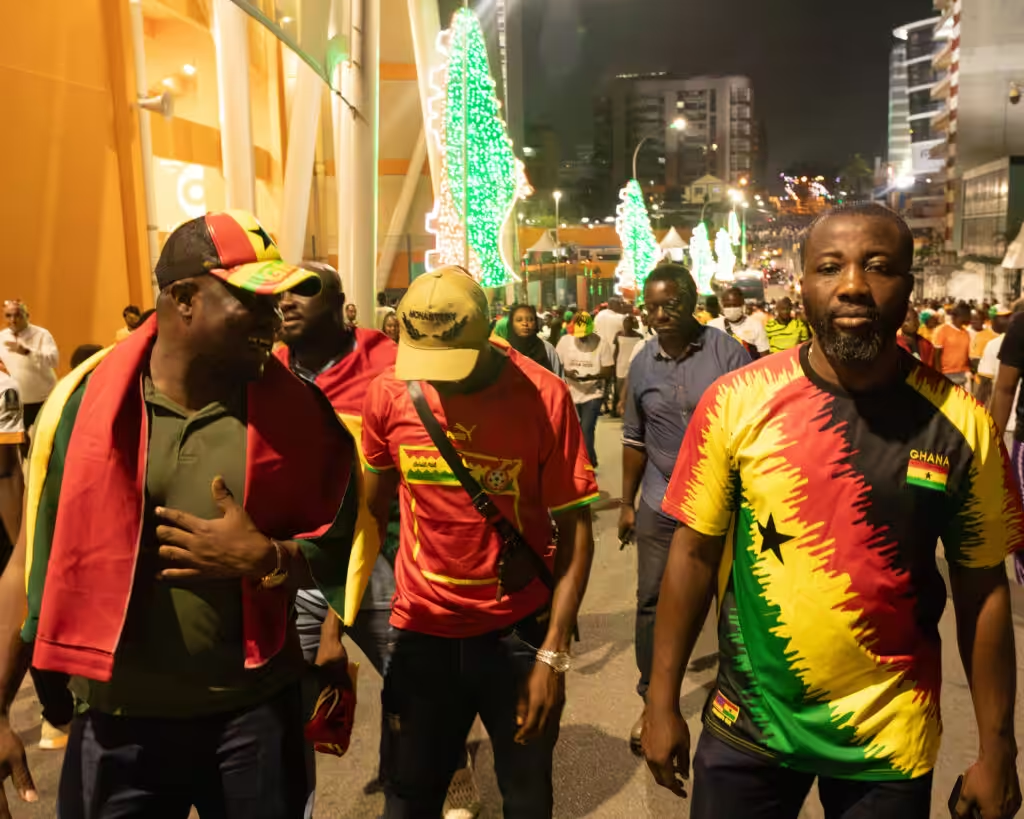
Much of the conversation about African fans and this World Cup has focused on the financial barriers: flights, hotels at tournament prices, match tickets, daily expenses in cities where every cost has tripled. These costs are real enough, but according to Marta Foresti, founder and CEO of LAGO Collective, a social enterprise that monitors passport and visa inequality globally, they are not the only ones. “Issues of visas and passport inequality are very badly overlooked in a lot of the policy and political debate about migration. There is not enough discussion about what happens when people want to visit a country, for business, for leisure, including things like the World Cup,” she says. “That’s precisely why we focus on short-term visas at LAGO. We monitor the rejection rates for visa applications to Europe, and we find that they are disproportionately high for people applying from low-income countries, and specifically from African countries.”
LAGO’s data covers Europe primarily, but Foresti is clear that the structural pattern holds wherever African fans try to travel to watch football; the specific policy changes from country to country, while the underlying architecture does not. She offers a detail that requires no editorial comment. “Only yesterday, somebody from Nigeria was telling me about a friend, a very long-term fan of Chelsea, who was never able to watch the team play live because of the challenges of obtaining a visa for a short trip to London.” A lifelong Chelsea fan who has never seen the club play, not for lack of love or means, but because of paperwork, queues, and a refusal at the end of it all.
Beyond the rejection itself, there is the process that precedes it, and which rarely makes it into the coverage. “Applying for a visa implies having to leave your passport for weeks on end at an embassy. Bringing a ridiculous amount of papers with ridiculous demands and levels of detail about your personal life,” Foresti says. “Being questioned about your intentions, for example, as a young African woman, whether you are married or not, whether your real reason for travel is to find a husband. All sorts of questions that nobody will ever dare ask me, or the kind of supporting documents I never had to produce.” The visa rejection is visible, but the weeks without a passport, the invasive questions, the time taken off work, the money spent assembling documents for an application that may be refused anyway, all of that is largely invisible, and for African fans who even attempt the journey, the cost begins long before the airport.
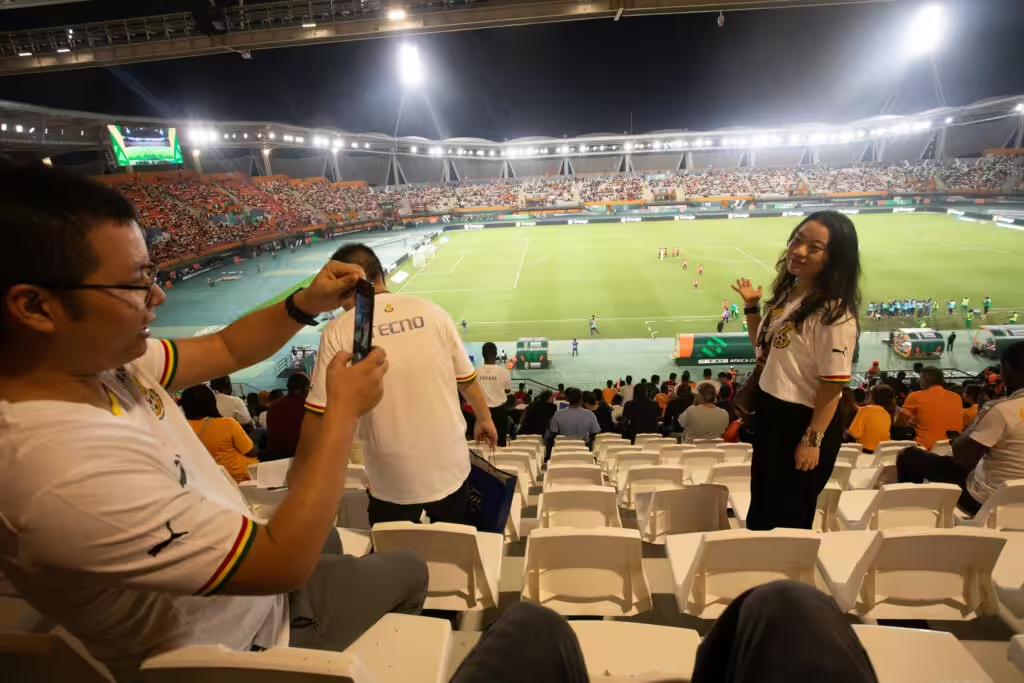
The numbers bear her out. According to the US State Department’s published refusal rates for the 2024 fiscal year, three out of four Senegalese applicants for a US visitor visa were denied. Almost half of applicants from DR Congo were turned away, and roughly two in five from Egypt. Côte d’Ivoire’s rejection rate sat at thirty per cent. Of the ten African nations who qualified for the World Cup, only South Africa fell within range of the global average. The pattern holds across the Atlantic. LAGO Collective’s analysis of European Commission data found that African applicants for short-term Schengen visas lost sixty million euros in non-refundable fees on rejected applications in 2024 alone, and were eight times more likely to be refused than Asian applicants. Independent research by the European University Institute and Henley & Partners has reached the same conclusions through separate methodology: rejection rates correlate with the wealth of the applicant’s country, and the gap is widening rather than closing.
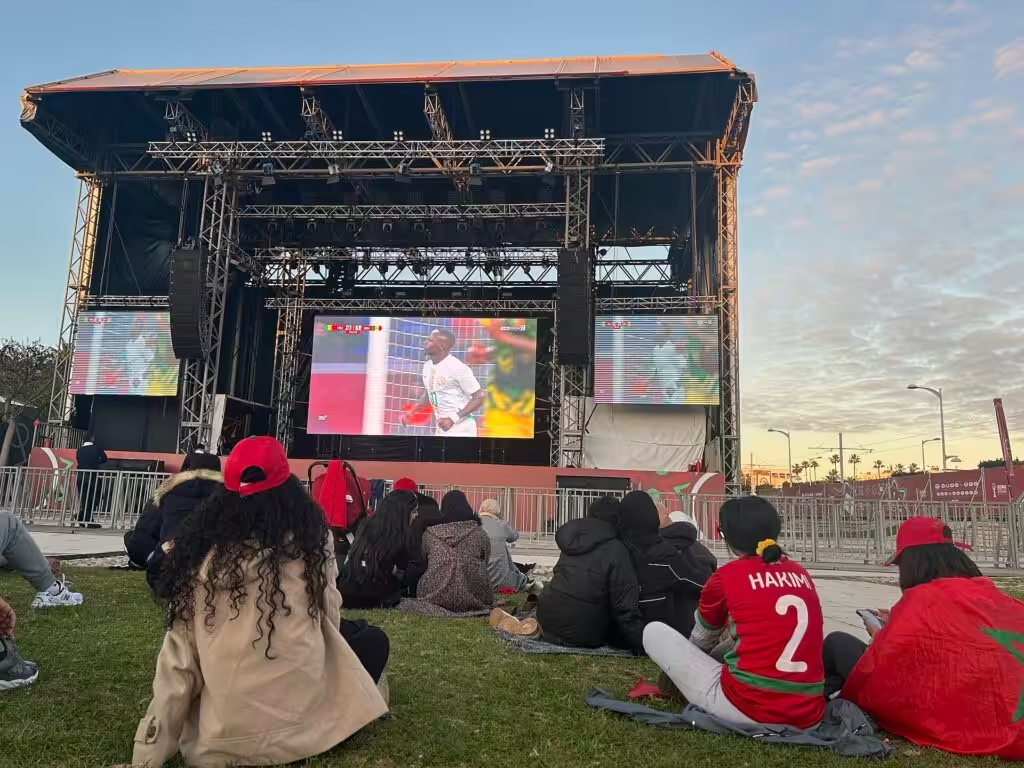
For most fans on the continent, this World Cup will be experienced the way African football has always been experienced at its most alive: in groups and at high volume, from compound yards and neighbourhood bars and in front of televisions dragged outside with a generator fired up for the occasion. There are the superstitions performed in careful sequence, the neighbour who leaves the moment the team is losing and returns the moment they score with absolute conviction in their own influence on events, the aunty who has never watched a full ninety minutes in her life but appears without fail for every penalty shootout, rosary in hand, absolute authority over the room. Foresti recognises what this community represents, and what is lost when it cannot gather beyond its own borders. “We should never underestimate that while there are multiple ways sport brings people together, the experience of supporting teams across borders does create community, and the inability to witness that in person, the fact you’re prevented from doing that because of visa regimes, is something that deprives the potential of that community to really thrive.”
The final argument Foresti makes is the one that should be hardest to dismiss, because it is not a moral argument at all but a practical one. “The cost of that inequality is immense and really should be fixed, because nobody benefits from it. The suffering and the cost is not just on one side,” she says. “People who are not able to travel miss out, but people on the other side miss out on talent, miss out on seeing their favourite artist, miss out on tourists being able to come and spend money. It is such a lose-lose game. Where everybody involved loses something. And where those who are the victims of the regime suffer certainly more than most.” A stadium in New Jersey or Dallas filled with African supporters is not only a better experience for those fans but a better tournament, one in which the teams perform better with their people in the stands, the broadcast product improves, and the sponsors get better content. The argument for opening the door is not moral alone but commercial, and amounts, as Foresti puts it, to the opposite of a game where everyone loses.
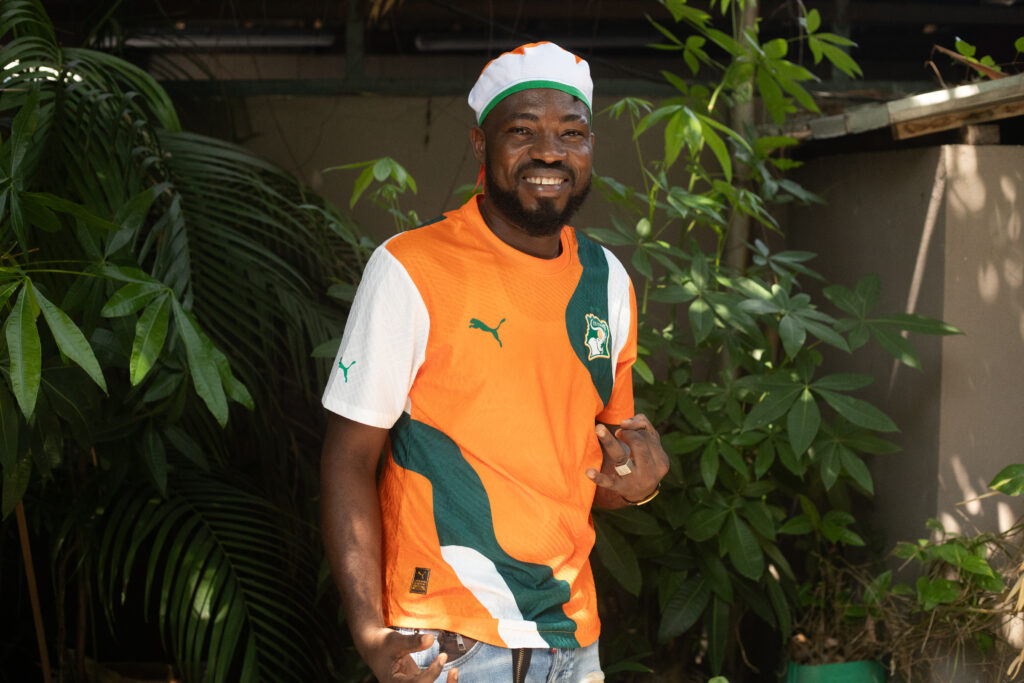
The diaspora will be there in numbers. Ghanaians from London and New York, Senegalese from Paris, Moroccans from across Europe, Ivorians from France: the African presence in the stands of New Jersey and Dallas will not be small, and it will not be quiet. But the people who fill the stadiums of the continent itself, who paint their faces in Accra and Dakar and Praia and watch from the only seats they have ever had, are not the same people. A World Cup that sounds African through its diaspora and falls silent on the continent is a different tournament from one in which the noise comes from both. The visa regime makes the difference between them.
None of this diminishes what is about to happen. Ten African nations qualified, Cape Verde making their first appearance, Morocco arriving as genuine contenders, a continental football identity more confident and commercially visible than at any point in its history. When Morocco reached the World Cup semifinal in Qatar in 2022, something shifted, not only in how the world saw African football but in how African football saw itself, and that shift did not require a seat in the stadium; it happened in a bar in Accra and a living room in Abidjan and a watch party in Harlem simultaneously, at the same volume, with the same force. The stands in New Jersey and Dallas will not hold everyone who deserves to be there, as they never have, but the moment, this historic, ten-nation, first-ever-Cape-Verde moment, belongs to the whole continent. The noise, when it comes, will be total, as it always is.
For more dispatches on African football, fashion, art, design and culture, subscribe to the Guzangs newsletter and have every story delivered straight to your inbox.