


Before the House of Vlam, Cape Town’s Queer History Made Space for Ballroom
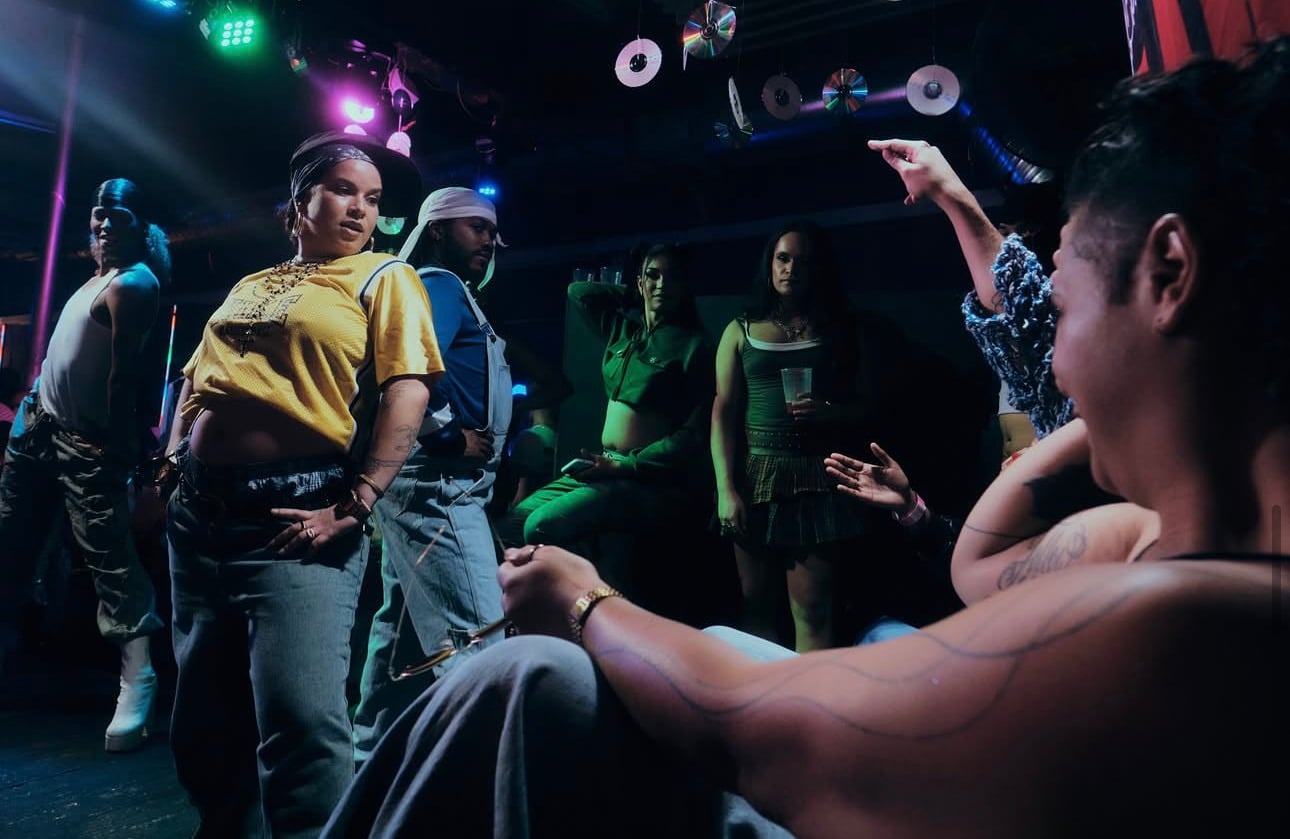
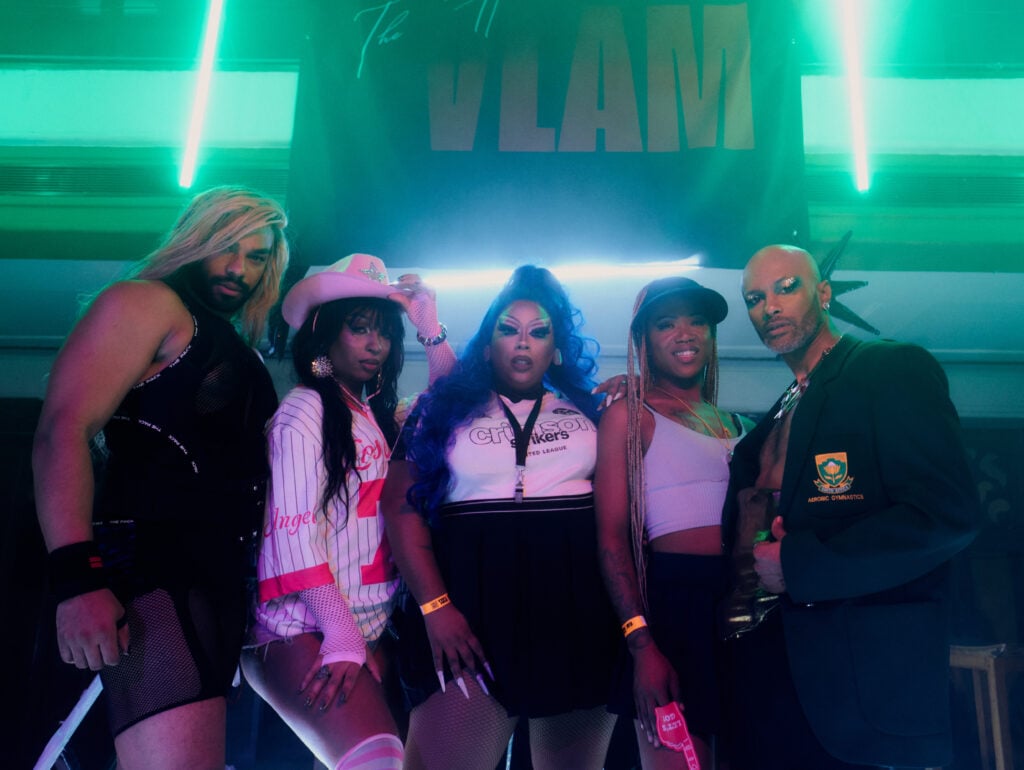
Cape Town’s ballroom scene is young, but viciously resilient and viciously talented. It is a scene of houses, mothers, fathers, children, trophies, categories and chosen families. At the centre of the city’s kiki scene is the House of Vlam, founded by Michael van Niekerk, known in ballroom as Mother Michaela Vlam, and Father Kdollahz Vlam. The house’s children, Carmen, Kendall, Kiro, Paris, Unskinny and Viktor Vlam, have walked balls, performed on Cape Town Pride’s mainstage, appeared at Cape Town Carnival and taken ballroom beyond the city through balls and community fundraisers.
But the kiki House of Vlam did not appear in a vacuum. Modern house-ballroom culture emerged from Black and Latino queer communities in New York. In Cape Town, it arrived in a city with its own long history of queer people creating stages, building communities and making spaces for themselves. So how did Cape Town become a city where a space like this could exist and unapologetically flourish?
From the 1950s through the 1970s, “moffie” competitions became a visible part of Cape Town’s popular culture. The word “moffie” was historically used as an insult, though it has also been reclaimed within parts of Cape Town’s queer community, including within Coloured communities. Publications like Drum and the Golden City Post reported on them and some even helped organise them. These competitions created a stage for queer Capetonians to shine, show their creativity and designs, form rivalries, and be crowned.
These moffie competitions share some of the structures visible in Cape Town’s queer ballroom scene today, as they provide the ingredients that make up performance culture: gathering, competition, judging, identities and rivalries. Kiro Vlam, an award-winning actor and designer in the house known for his garments on the Cape Town ballroom scene, says, “As a self taught designer, the Ballroom became my classroom. It’s where I get to test out my designs and where I get to hone my craft as a designer.”
There was also District Six, a municipal area of Cape Town that was home to a racially and culturally diverse community of freed slaves, merchants, artisans and immigrants. One of these residents was Kewpie, a hairdresser and performer. Kewpie became cemented as an important cultural figure in the area’s nightlife as they organised “Moffie concerts” similar to what you will find in Cape Town’s modern-day queer scene.
District Six was a society that accepted and integrated queer people in spite of the limits in neighbouring areas, but then the place itself was attacked. In 1966, District Six was declared a “White area” under the apartheid government’s Group Areas Act. Forced removals followed, and demolition began in 1968.
District Six, for queer people, was very important. Kewpie’s salon was a meeting place. Nightclubs and their dancefloors became refuges. Pageant stages became worlds of their own, and balls created temporary spaces where different rules could apply.
By the 1980s, queer South Africans were increasingly insisting that freedom had to include queer people. The Gay Association of South Africa (GASA) was established in Johannesburg in 1982. Lesbians and Gays Against Oppression (LAGO) was established in Cape Town in 1986. LAGO worked with anti-apartheid organisations and championed the fact that sexuality could not be separated from the political conditions of the time.
An important queer figure of the time was Simon Tseko Nkoli. Simon helped establish the Gay and Lesbian Organisation of the Witwatersrand (GLOW) in 1988. GLOW championed the fact that opposition to apartheid and homophobia belonged within the same struggle for equality.
Simon is a hero to me. I find freedom and purpose in activism. Keep The Energy was founded to be a place of remembrance, but has transformed into a space of activism, safety and education. The Ballroom has a similar essence for me. Ballroom is activism; the categories function to critique society, and our existence as queer people is a form of protest.
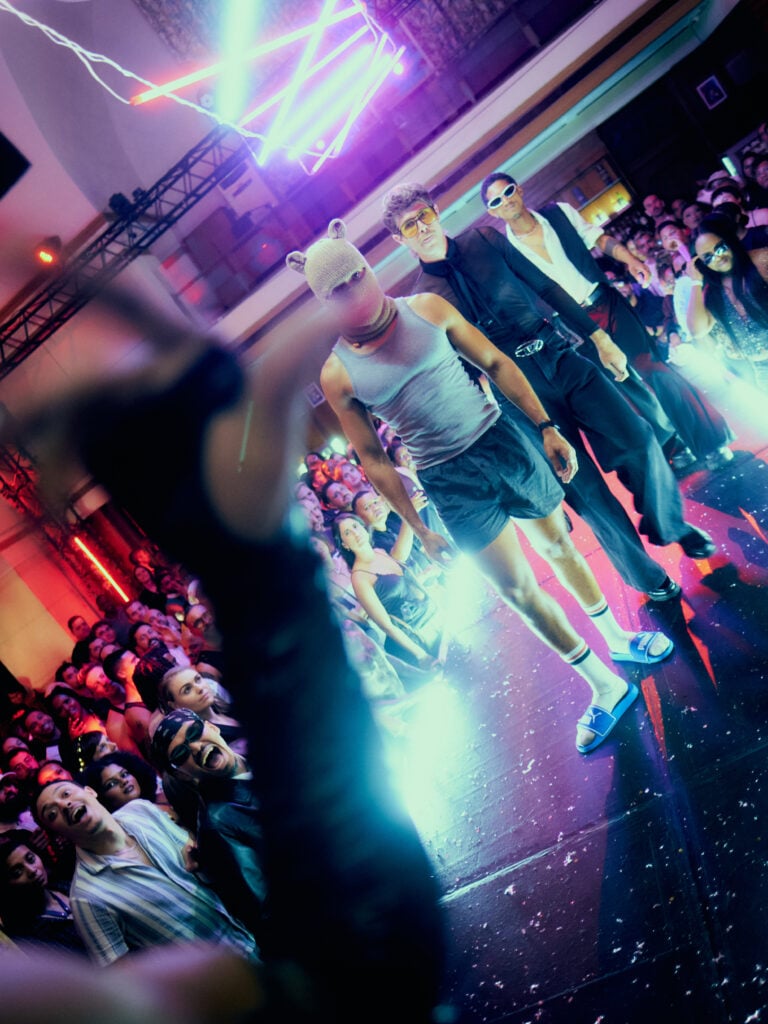
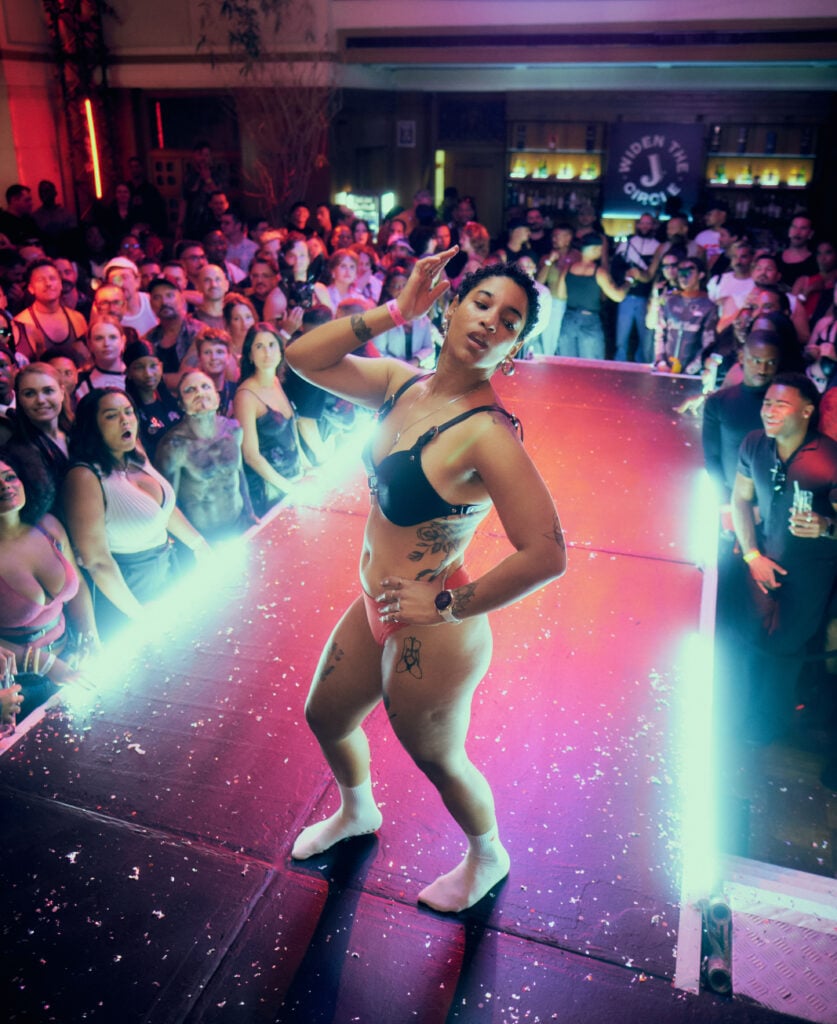
Cape Town’s queer scene survived and thrived post-apartheid. By the 1990s and 2000s, the scene had developed another important layer: nightlife. Countless queer bars, restaurants, clubs and event spaces sprouted throughout the city and neighbouring areas. Cape Town’s queer nightlife was not only a party space; it became infrastructure. Similarly to how District Six functioned, it became a meeting place, a refuge and a stage. Father Kdollahz Vlam, a popular DJ in the country and a pillar in the ballroom scene, has been involved in the South African ballroom scene since 2018. Speaking of his DJing functions in Cape Town and Joburg, he says, “I’m proud that our functions try to pay tribute to where we’ve come from, and liberate ourselves to enjoy a queerer future.”
Cape Town’s drag pageant scene has crowned winners over the decades. The documentary Glitterboys and Ganglands follows the journeys of three drag pageant contestants in 2010. One of the contestants in the documentary, Kat Gilardi, is still thriving and active on the drag pageant scene today and organises pageants for the younger queens. Kendall Vlam is one of these queens and has been doing pageantry for three years. Kendall Vlam was Miss Cape Town Pride 2024 and first alternate for Miss Continental South Africa in 2025 and 2026. Kendall Vlam is also a trans model and has walked at fashion week.
Cape Town’s queer history has been one of space-making, and Kirvan Fortuin recognised that and saw how the Ballroom would fit so perfectly. Kirvan, a dancer, choreographer and LGBTQIA+ activist from Cape Town, founded the House of Le Cap, South Africa’s first ballroom house, in 2017. Kirvan helped establish a South African ballroom culture that could engage with ballroom’s international traditions while responding to the country’s own social realities. An example of this is the African Performance category.
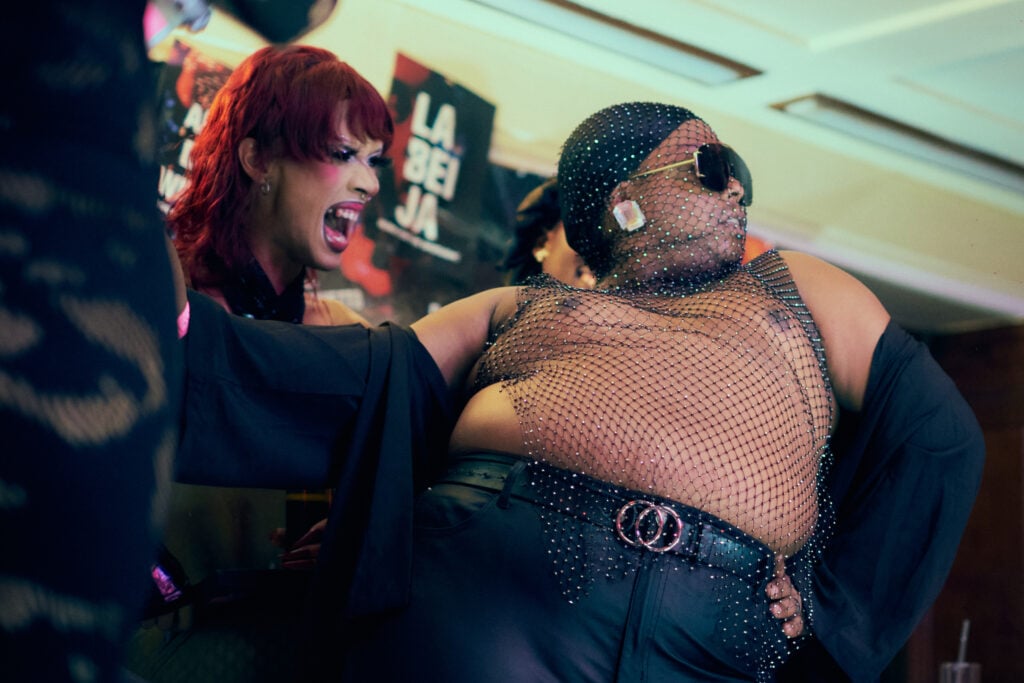
Kirvan was tragically murdered in 2020, but their legacy lives on through ballroom and the people who have continued it. Cheshire Vineyard, Mother of the South African House of Vineyard, threw Spectrum balls for years; the Legacy ball was founded in Kirvan’s memory; and the kiki House of Vlam currently throws functions that do not only dazzle but also give back to the community. The kiki House of Vlam has driven donations and fundraisers for women’s shelters and cancer foundations through their balls. Carmen Vlam says, “Each of our balls support a dedicated campaign with proceeds fuelling various initiatives that uplift our community. Rooted in the Ballroom tradition of togetherness, support and upliftment, we strive to embody its spirit of unity, empowerment and mutual care.”
The Cape Town ballroom scene has grown so much in recent years and that is only possible due to the blood, sweat and tears of Cape Town’s queer ancestors. Paris Vlam, an international dancer and choreographer, has walked balls in Europe and Asia, and feels that Cape Town’s scene is just as tough as its international counterparts. “Looking at the ballroom scene in Cape Town through the lens of the experience of walking and winning international balls, the amount of potential for continued growth the Cape Town scene has is inspiring,” he says. “I’m proud to be a representation of the Cape Town ballroom scene as well as The House of Vlam, playing a role in bringing Cape Town Ballroom the world, and the world to Cape Town.”
The kiki House of Vlam is known for its fashion, boasting multiple Best Dressed trophies. But the house is proud to be well-rounded: beyond Best Dressed, it holds trophies in Runway, Sex Siren, Face, Realness, African Performance and Bizarre categories.
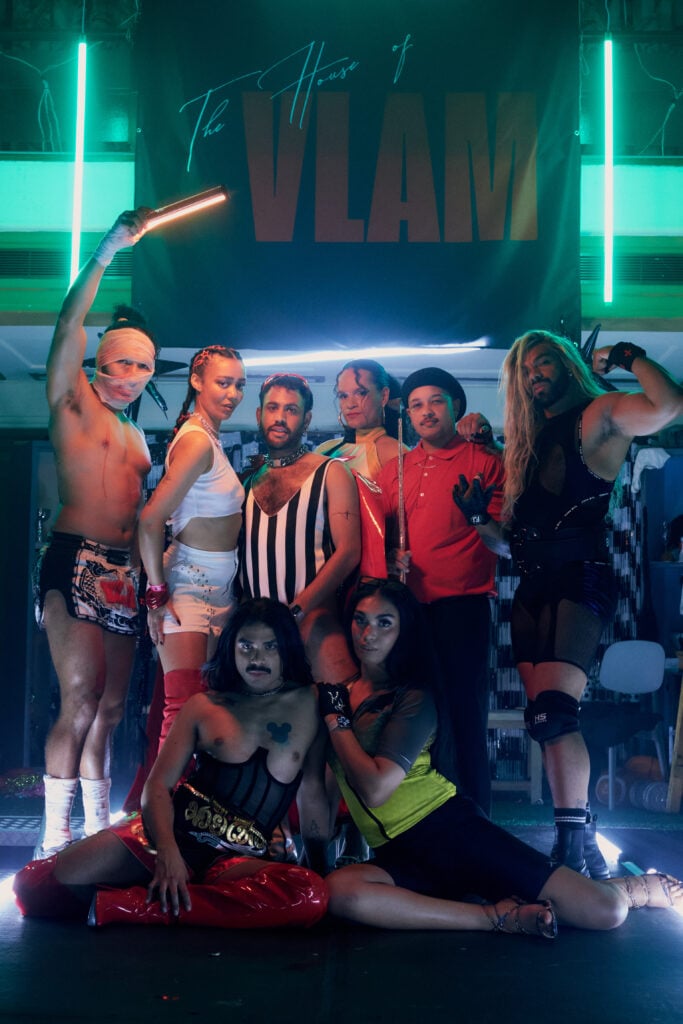
But for the House of Vlam, ballroom is about more than titles, accolades and praise. It recognises its history and aims to always honour its queer ancestors, to provide a safe space for the young queer kids today where they can authentically be themselves, in ways many of them couldn’t when they were younger. “Ballroom is a way for me to express myself. As a ‘vanilla person’, it’s how I get to explore other flavours without judgement or stereotype,” says Viktor Vlam.
Cape Town’s queer history is diverse and complicated. Parts of it were broken, parts of it faded away. Some parts were unknowingly carried on by individuals, and other parts are being picked up by the new generation and transformed into something beautiful. As Unskinny said, “We are strong. We are fearless. We are resilient. And we deserve to be seen, celebrated and revered as such.”