


Land on the Horizon
Terrou-Bi is Presenting Cultural Partner of the Atlas: Dakar.
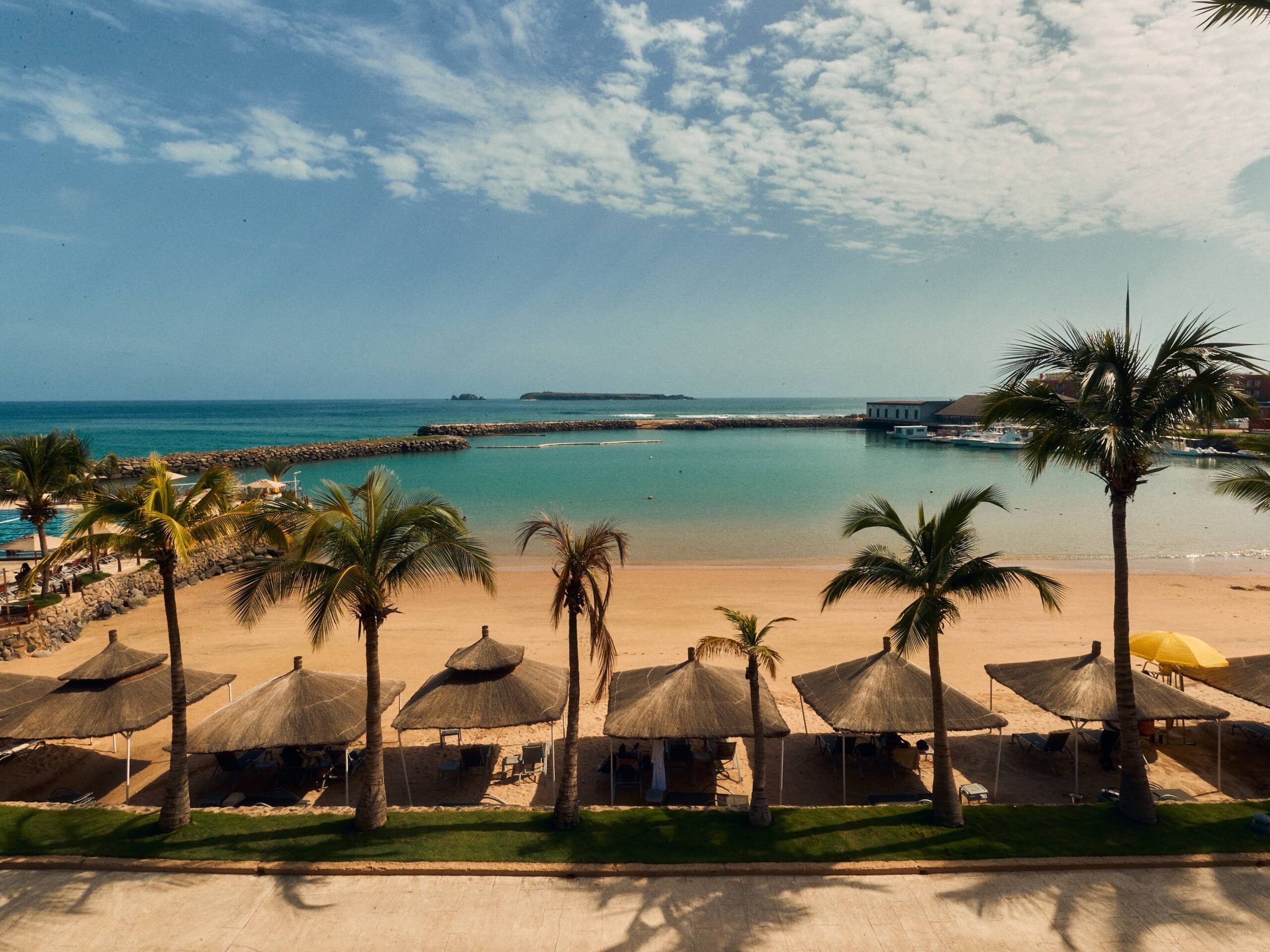
Late in the afternoon the light on the Corniche Ouest goes long and gold, the Atlantic turning the colour of brushed metal, and the western edge of Dakar slows down to watch it. Joggers, courting couples, boys selling peanuts and sunglasses, the faithful walking down towards the Mosquée de la Divinité; the city drifts to the water as the day cools. Set into a cove along that shore, with a beach of its own and a marina behind it, is Terrou-Bi.
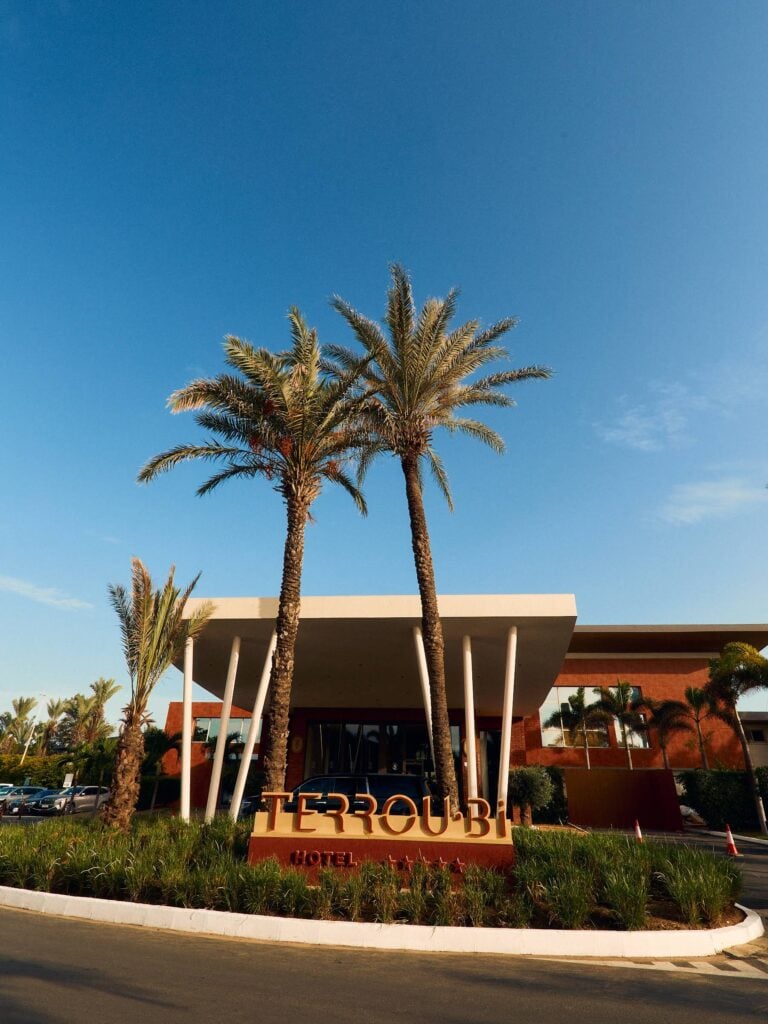
The name is a promise. In Wolof, terrou bi is the land on the horizon, the first smudge of coast a fisherman catches coming back across open water, and Kalil Rahal took it in 1986 for the small seafood restaurant he opened here, for the men whose pirogues still beach a short way up the shore at Soumbédioune. The casino and the terrace arrived a decade later. The hotel, taller and grander, only in 2008. What began as one man’s restaurant is now run by his family’s third generation, and no chain’s name hangs over the door. The place feels like it belongs to Dakar.
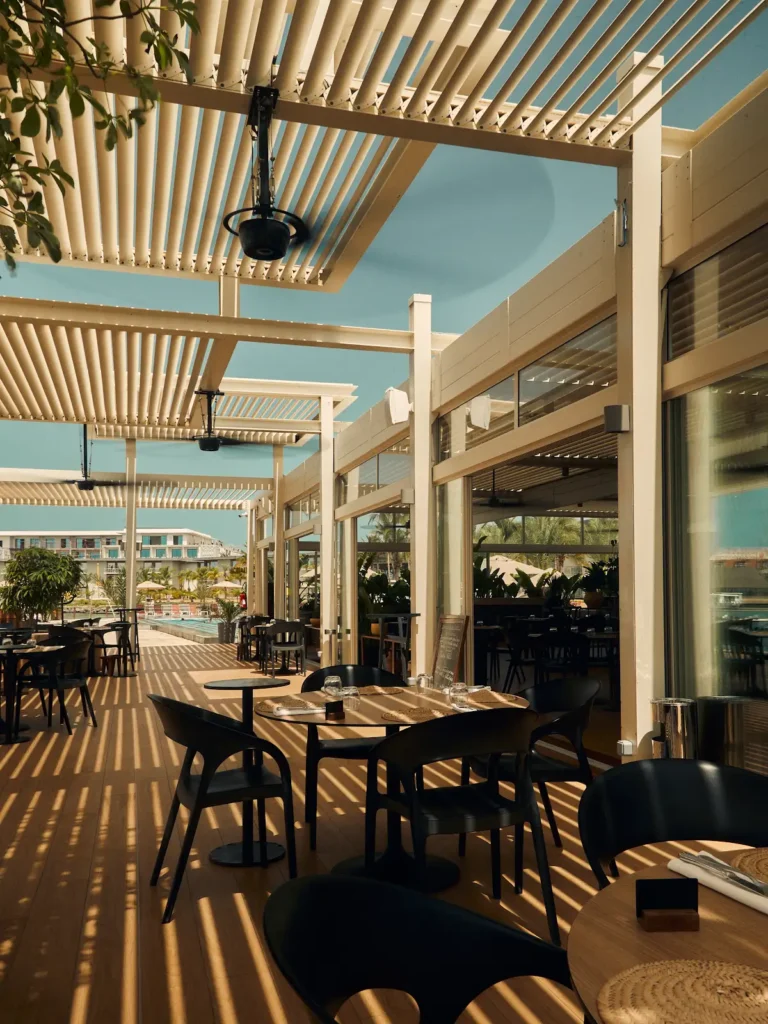
Inside, it keeps faith with the sea. The cove gives it the rarest thing on this coast, a sheltered beach of soft sand where the shoreline elsewhere drops straight to rock. There is a pool above the water, a marina, and La Terrasse, older than the bedrooms, where lunch runs long and the water sits right at the edge of the terrace.
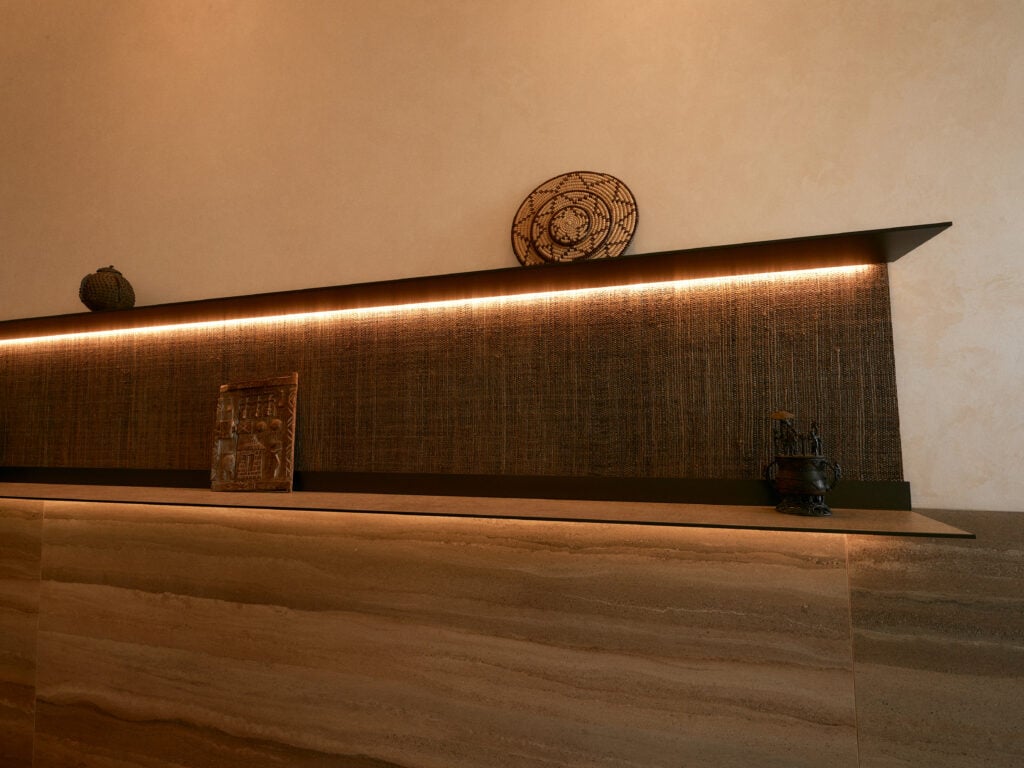
A renovation now under way, by the French studio Patriarche, is close to doubling the hotel and adding a conference wing large enough to seat a few hundred. Its materials take their cue from the coast: stone and grasscloth, mineral tones, weaving patterns and local craft worked through the rooms.
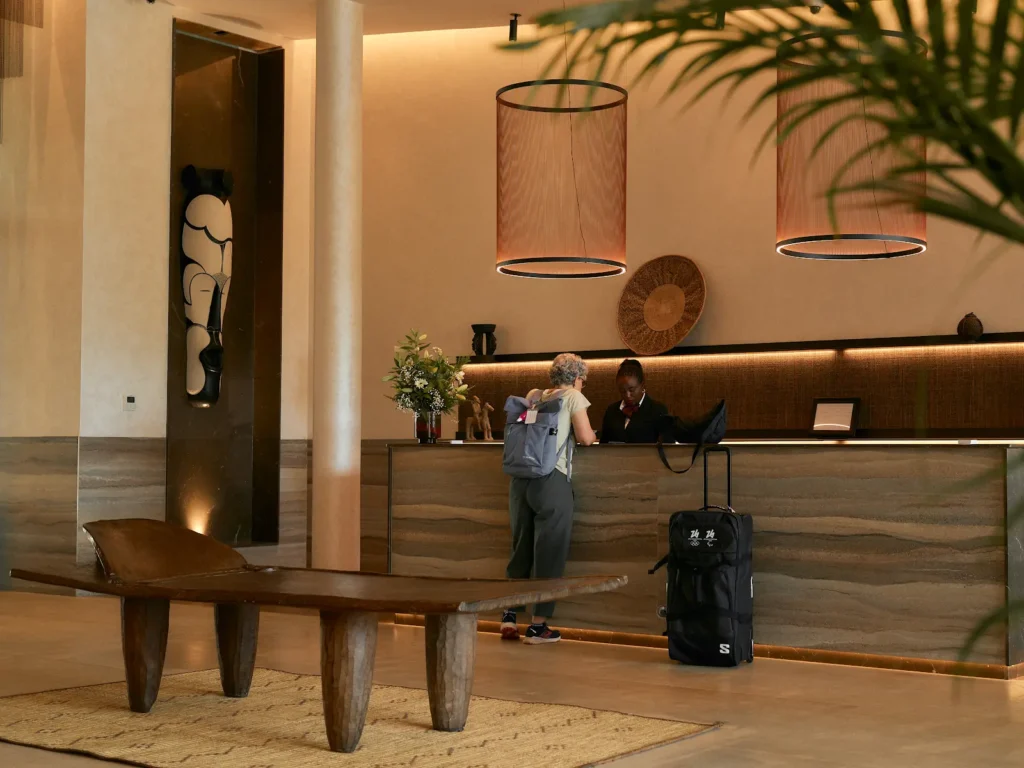
Gathering people is the thing it has always done. Conventions, congresses and the traffic of state have passed through since it opened, in the year Dakar held the Organisation of Islamic Cooperation summit, and the new wing is a bet that it will go on being the room the region meets in.
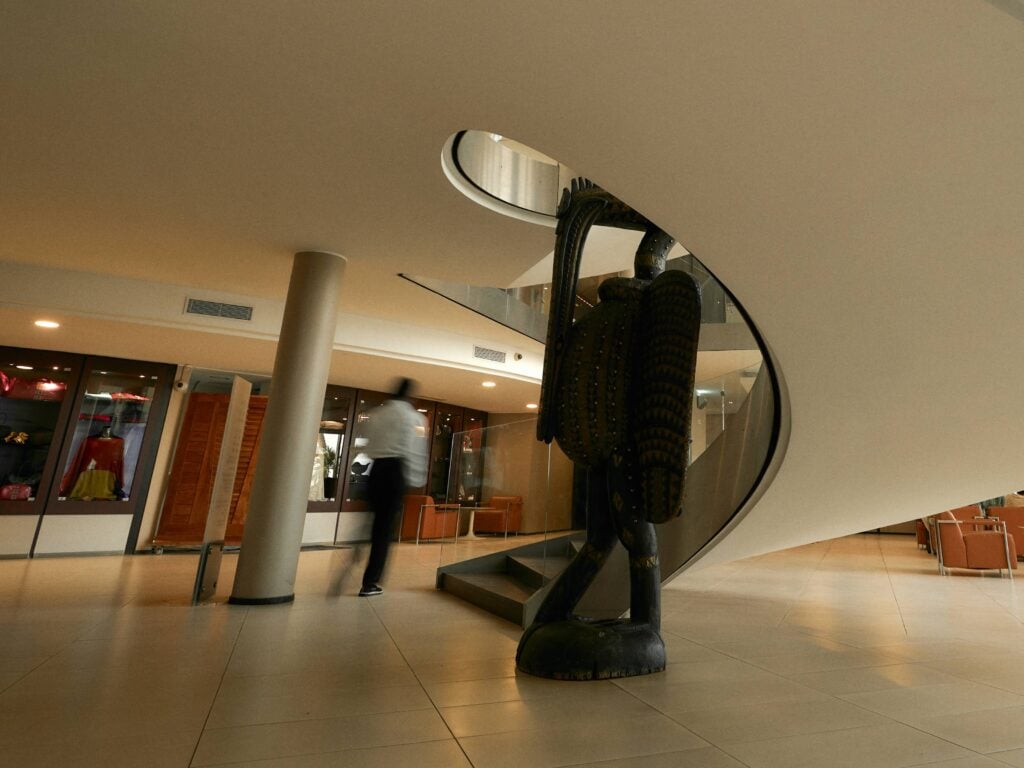
It is also why the Atlas ends here. The guide follows Dakar’s making from one hand to the next, and that trail has to come back somewhere. Most of the work happens elsewhere. In the Médina, minutes inland, bazin is dyed and hung to dry in the lanes, and tailors cut to order. The cloth moves through Marché HLM, the market that decides much of what the country will wear. The art is in the Plateau: the Musée des Civilisations Noires, the Théodore Monod, the galleries around them. Terrou-Bi sits at the end of that run, the address you return to after a day spent following it across the city.
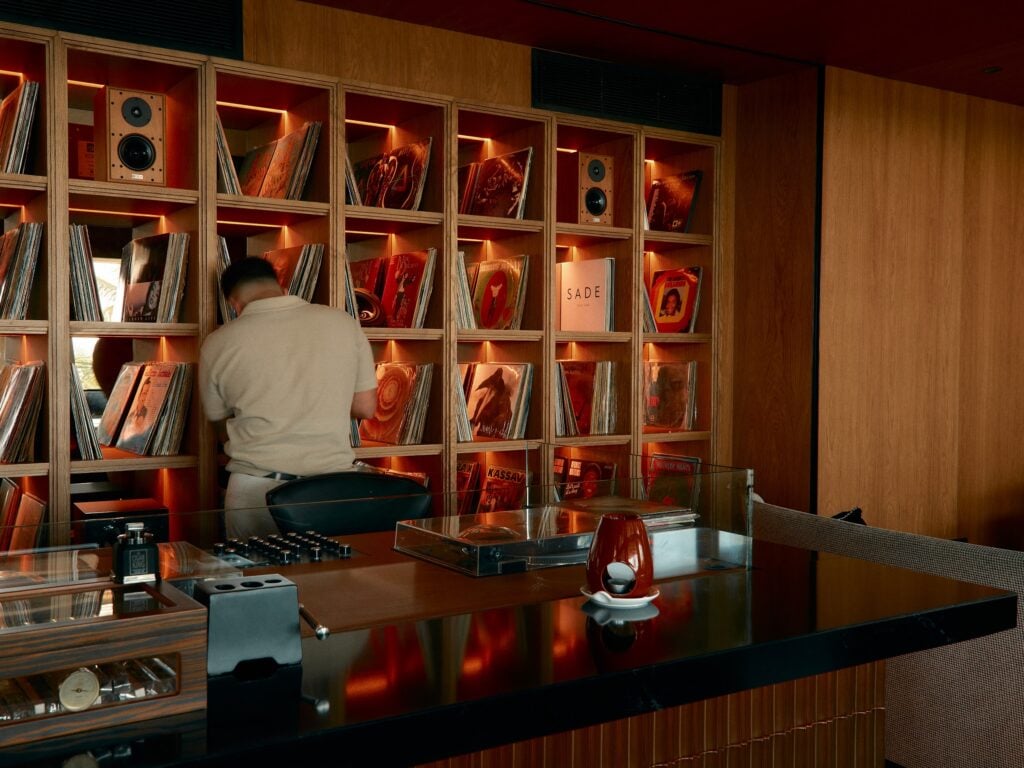
From its own stretch of shore the city lays itself out. The boat to Gorée leaves from the Plateau, south down the coast. North along the water rise the Mamelles, the 1864 lighthouse on one hill and the Monument de la Renaissance Africaine on the other, the road going on past them to Ngor and the Almadies. Soumbédioune, where the fishermen land, is barely along the beach.
The Atlas arrives in Dakar at a crowded moment. The Youth Olympic Games, the first the continent has hosted, run from 31 October to 13 November; six days after they close, Dak’Art opens, the sixteenth edition of the biennale, 19 November to 19 December, under Morad Montazami and the theme of (anti)fragilité. For those weeks the city is full of people who have come to look at it. Terrou-Bi carries the guide through the season as Presenting Cultural Partner, and in December its new wing is where the Atlas gathers its own.
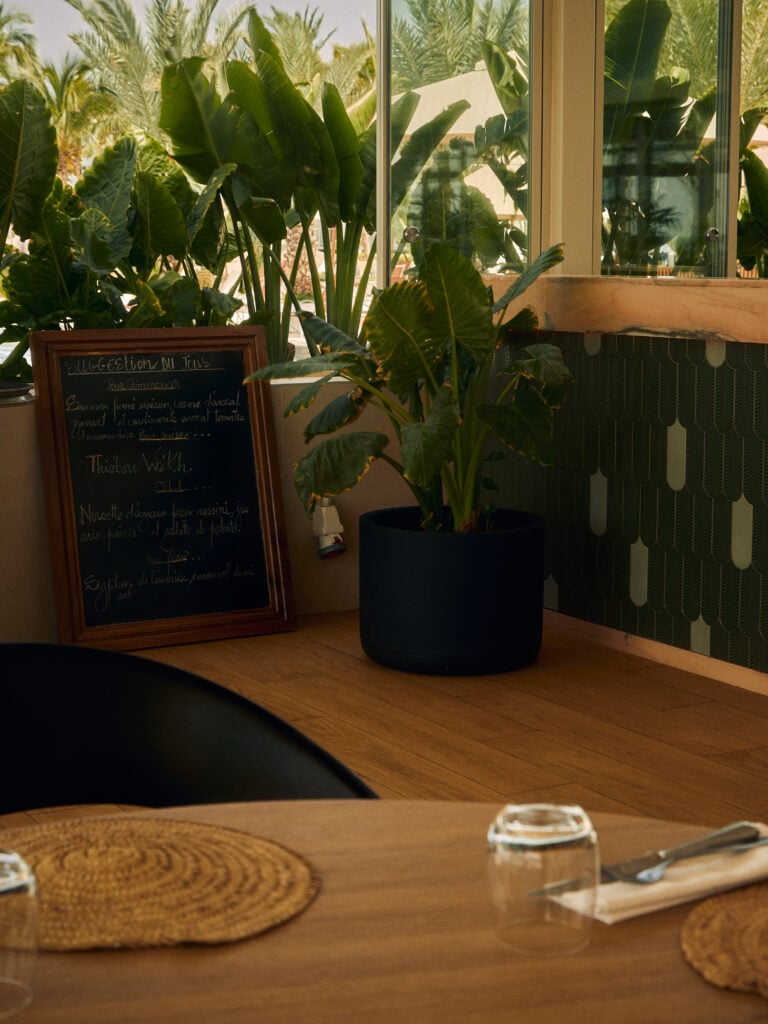
Rahal named his restaurant for the sight of home coming up out of the sea. Four decades on, the word has stretched to cover the whole house, and the Atlas with it: the land on the horizon, the place you come back to.