

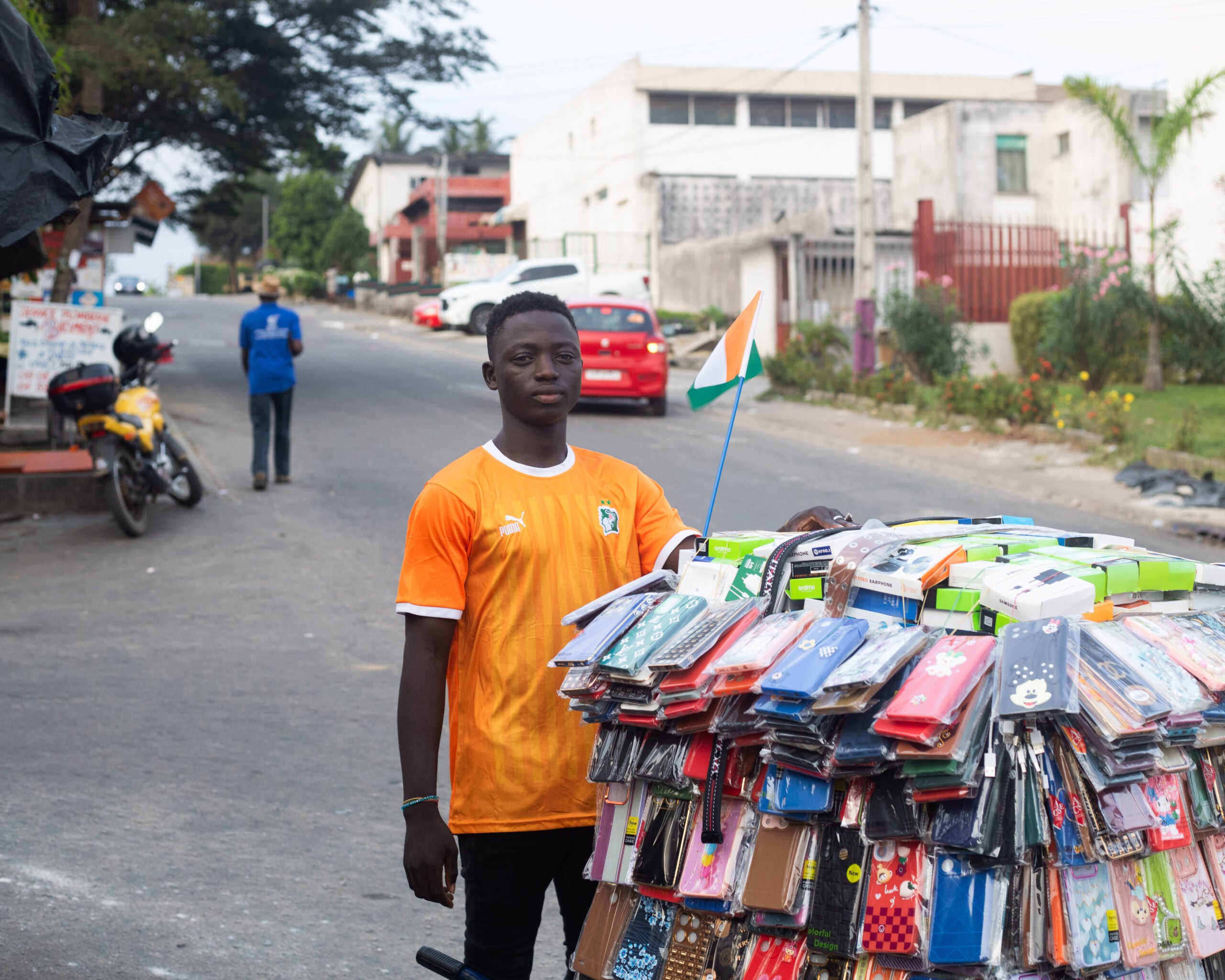
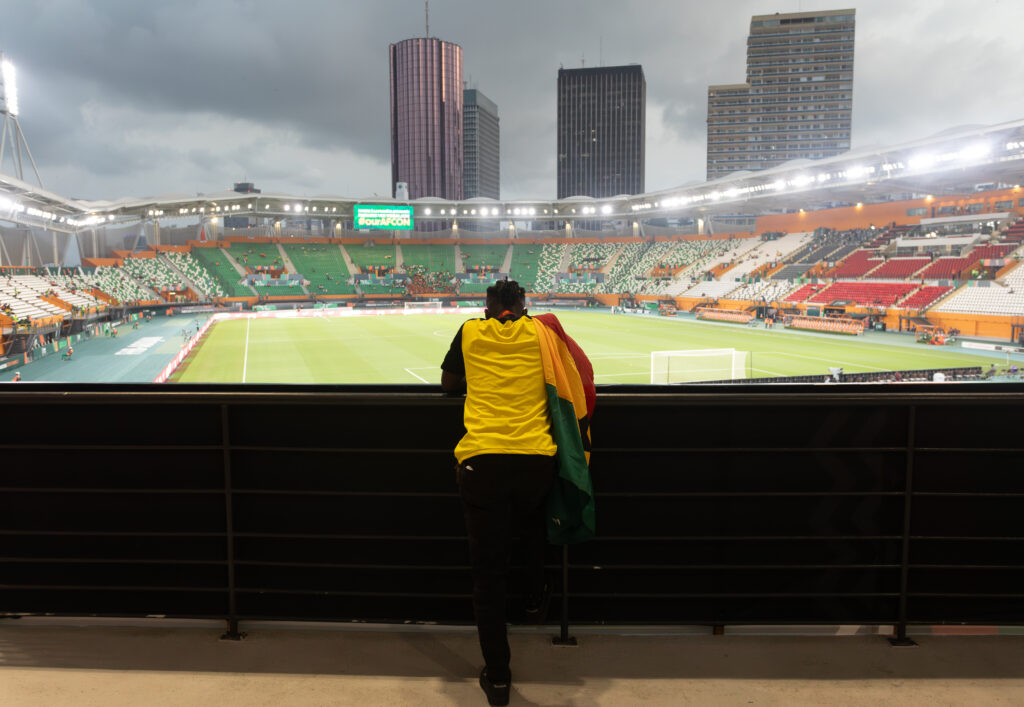
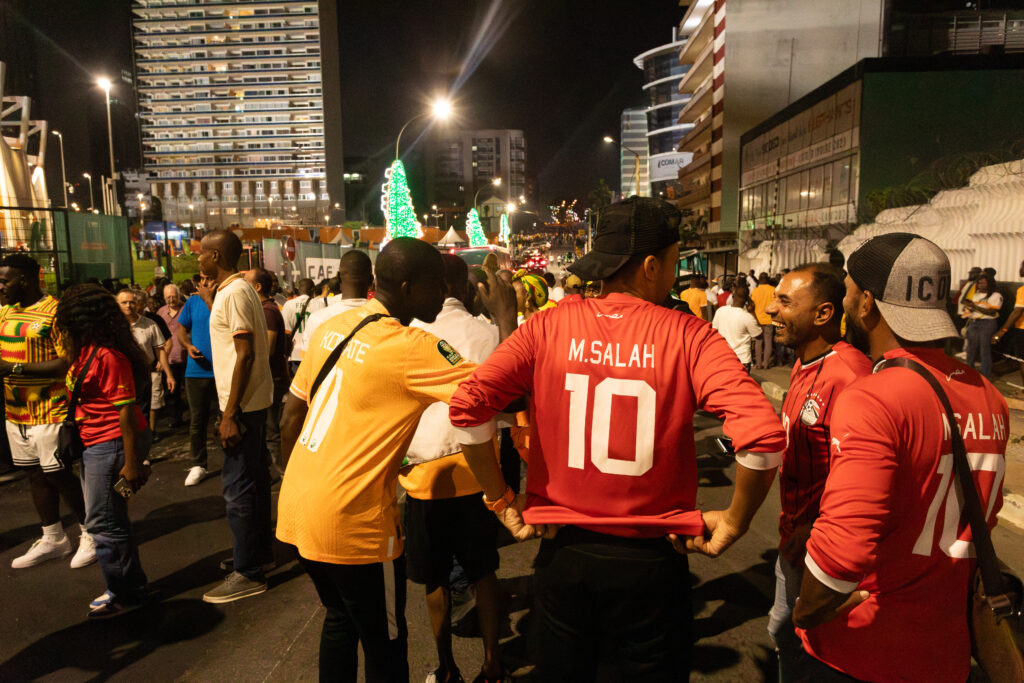
There is a version of this story that begins at a football match. Maybe it is a World Cup qualifier at the Baba Yara Sports Stadium in Kumasi, or a packed viewing centre in Lagos where three hundred people are watching a Champions League tie on a single screen, or a Sunday morning in Nairobi where the sports bar fills up before the city does. Maybe it is Abidjan, where the streets empty during an AFCON knockout game and fill back up with jerseys the moment the final whistle goes. The kits in the room, on the street, in the stadium tell you everything. An Inter Milan third kit from 2019. A Barcelona home shirt with a sponsor no longer on the chest. A national team replica, almost certainly not from an official store. And right next to it, one that is. Nobody cares about the difference. Both are worn with the same conviction, the same pride, the same belonging.
That is the thing about a jersey on the African continent. It is not merely merchandise. It is a statement of allegiance and aspiration that cuts across cities, languages and borders. As sports marketing consultant Jon Boafo puts it: “There is no casual fan wearing a jersey in Africa. That decision, to put on a club’s colors, carries weight. It is identity, it is community, it is aspiration.”
And right now, the sports industry is barely monetising any of it.
The Numbers That Should Be Keeping Brand Executives Awake
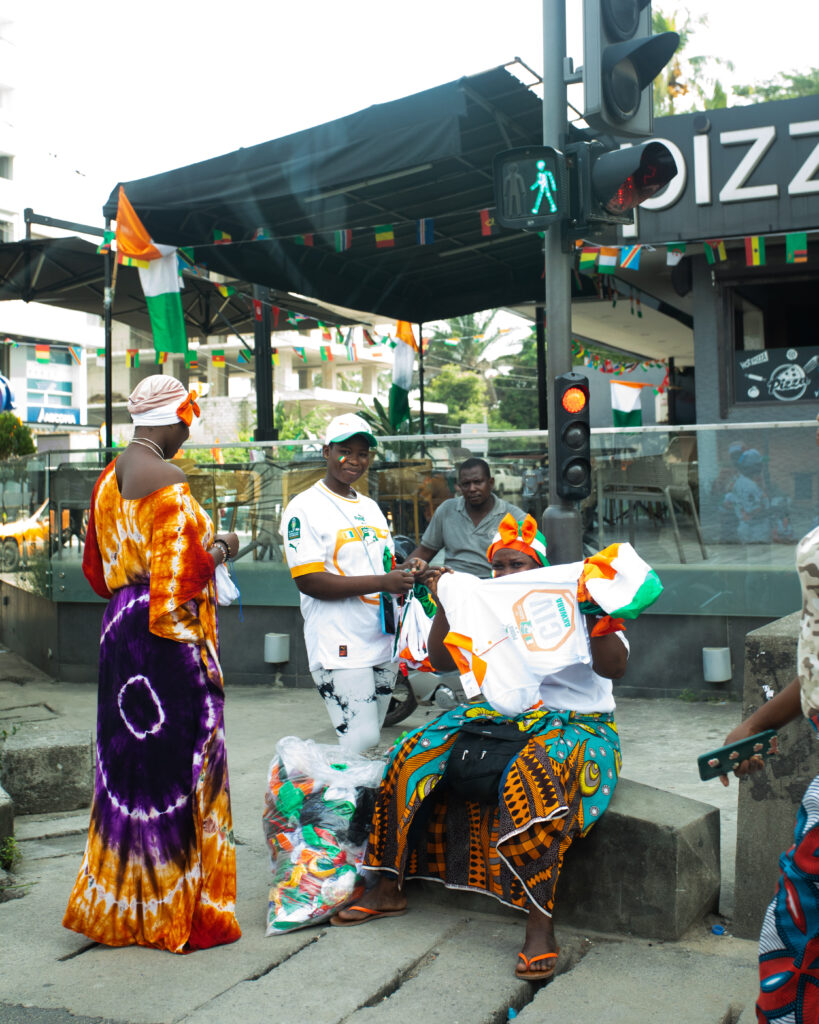
Africa’s sports equipment and apparel market was valued at USD 4.27 billion in 2024, and is projected to reach USD 5.58 billion by 2030. That figure, significant as it is, almost certainly undercounts the true scale of consumer appetite across the continent. It does not account for the informal economy: the roadside vendors in Lagos, the stalls in Kumasi’s Kejetia market, the WhatsApp resellers in Nairobi. A considerable volume of jersey transactions happen every day in these channels, outside any data set.
Globally, the licensed sports merchandise market tells its own story. It was valued at USD 36.15 billion in 2024, and is projected to reach USD 60.49 billion by 2034, growing at a 7.4% CAGR. Africa’s share of that number remains a rounding error. Not because the demand is absent, but because the infrastructure to capture it has not been built.
The Middle East and Africa region is expected to record the fastest growth in sports apparel, with a projected CAGR of 9.15% from 2026 to 2031, the fastest of any region in the world. And yet the continent remains, largely, an afterthought in global sports brand strategy. The demand is unquestionable. The strategic commitment has not followed.
The Counterfeit Question, Honestly
Counterfeiting is a defining feature of the global jersey market. In the UK alone, counterfeit Premier League shirts account for an estimated 62% of all units sold, with fakes retailing at roughly £11 against an average authentic price of £76.50. In Africa, the proportion almost certainly runs higher. And for entirely understandable reasons.
An authentic Nike or Adidas jersey retails between $90 and $150 through official channels. In markets where a significant portion of the population earns under $10 a day, that is not an aspirational price point. It is an exclusionary one.
Emmanuel Kojo Bruce, a Ghanaian brand and sports culture consultant, puts it plainly: “In this region, an ‘authentic’ replica kit on the official market costs around $100 to $150, nearly a month’s salary for many. Ignoring this reality means the informal markets with the ‘not-so-original’ kits step in as the service provider.”
The counterfeit market, then, is not simply piracy. It is the market responding to a gap the brands themselves created. It is evidence of demand, strong, consistent and emotionally driven, that the official market has failed to serve. When a fan in Abidjan buys a replica from a roadside vendor, they are not rejecting the brand. They are participating in its culture through the only channel available to them at that price. As Bruce notes: “It’s not about the price nor the authenticity, it doesn’t validate support. It’s about the feeling behind the kit for the buyer who probably bought it based on affiliation, representation, love for a player, or just the aesthetic.”
That is a different consumer psychology from the European fan buying their club’s jersey as a ritual of seasonal loyalty. But the African fan is not less serious. They are often more so, and they are being failed by a market that was never designed with them in mind.
Two Decades In, Still Missing the Moment
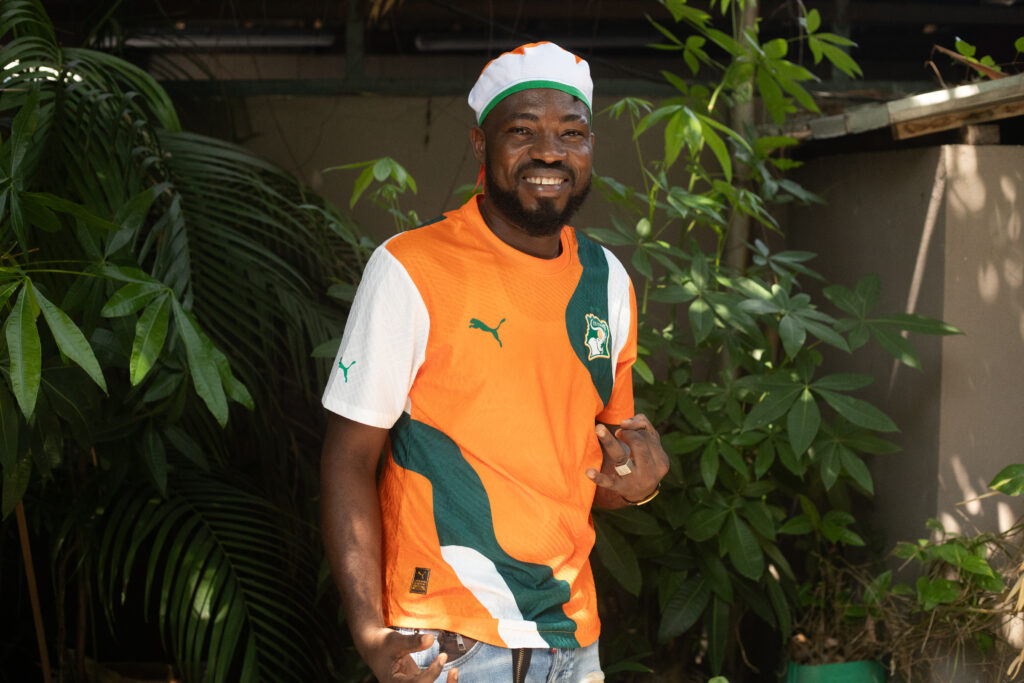
Of all the global sports brands with a presence on the African continent, few have invested as deeply in the cultural dimension of that relationship as Puma. Their partnership with Ghana began in 2005, making it one of the most enduring sportswear relationships in African football. Ghana wore Puma jerseys during their first World Cup appearance in 2006, and across over two decades the Black Stars have been kitted by Puma through four World Cups, multiple AFCON campaigns, and some of the most culturally significant kit designs in the history of the sport. A fifth World Cup appearance is confirmed for 2026.
The creative investment has been real. The 2014 World Cup kit, with its Kente cloth-inspired patterns around the collar and sleeve cuffs, was ranked the best kit of the entire tournament by BuzzFeed, ahead of all 32 competing nations. More recently, Daily Paper co-founder Jefferson Osei collaborated with Puma on the Ghana national team kits, incorporating Adinkra symbols and a custom print by Ghanaian painter Daniel Anum Jasper, inspired by Africa’s Gold Coast. These are not the gestures of a brand indifferent to African culture. They are evidence of genuine creative partnership, and they point toward what is possible when global brands engage the continent with intention.
But the challenge extends beyond Puma. Across the board, global sports brands have excelled at the cultural dimension of their African presence (the design, the campaign, the collaboration) while the commercial infrastructure to match that investment has lagged. The jerseys are designed with care, celebrated globally, and then distributed through systems that make them difficult and expensive to access for the very fans they were made to represent. That gap between cultural investment and commercial commitment is the opportunity the entire industry has yet to close.
One Continent, Many Markets
One of the most important points both Boafo and Bruce agree on is the danger of treating Africa as a single market, because it is not one.
As Boafo explains: “South Africa has a formalized retail infrastructure, a strong middle class, and established licensing frameworks. Ghana operates differently. Côte d’Ivoire operates differently again. Nigeria is a market of over 220 million people with its own commercial logic. The GDP per capita gap between South Africa and a country like Mali is enormous, and yet a single continental strategy gets applied across all of them. That is not really a strategy. It is something done by default.”
This is the fundamental error in how global sports brands have approached the continent. A single pan-African distribution deal, managed from a regional headquarters, does not constitute a market-building strategy. It constitutes a presence. And presence and commitment are very different things.
Bruce frames the solution in terms the brands should find familiar: “It’s just like how Spotify fees in the US and UK differ from Ghana even when you convert the currency. Brands need to consider a tiered product system on kits engineered for the local market, a pricing architecture of $35 to $50, that reflects reality and is distributed within local markets. This puts their products at a reachable price to drive actual sales.”
The infrastructure question extends beyond pricing. Distribution is everything in a region where informal markets thrive on accessibility and proximity. “The typical African consumer wants to see and feel the product before buying,” Bruce notes. “If you don’t compete on price and accessibility, you aren’t actually in the market. You’re just a spectator.”
Learning from the Informal Market
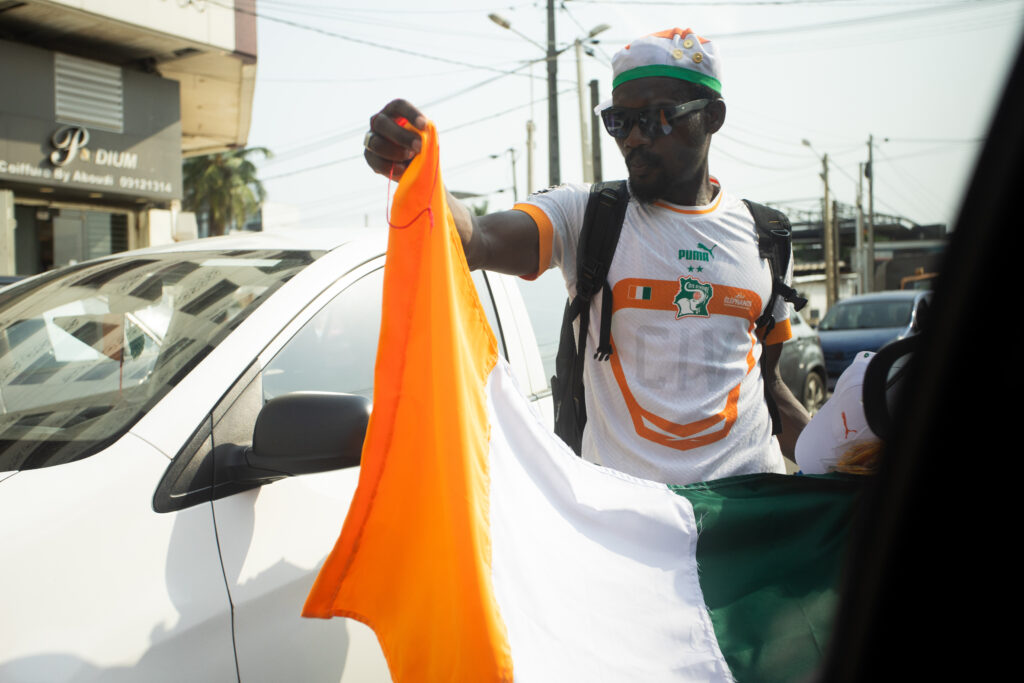
The most striking observation from both contributors is a reframe the big brands have been slow to adopt: the informal market has already solved the Africa problem. The roadside vendors, the WhatsApp resellers, the Kantamanto traders, the Balogun market stalls. They figured out pricing, proximity and consumer trust long ago. The official brands have spent decades trying to suppress that ecosystem rather than learn from it.
Bruce makes the argument directly: “The informal market has already solved the Africa problem. Official brands just need to learn from it rather than fight it. The brands that win will be the ones that build systems that meet fans where they are, rather than expecting fans to meet global standards.”
That means tiered pricing. Authorised community retail partnerships in the informal markets where jerseys are already being bought and sold. Mobile money payment integrations. Pop-up activations on match days. Collaborations with African designers (Bruce names Tribe of God and Free The Youth) that make an official kit feel like a local staple rather than a foreign import.
Boafo points to a younger generation of brands already moving faster than the legacy players. “Flexx is a strong example. Their recent partnership with the Basketball Africa League was not an accident. It came from a brand that actually understands the cultural codes, the commercial realities, and the aspirations of African consumers because it was built by people who are from here. That kind of embedded knowledge takes decades to acquire from the outside and can be built natively from day one.”
2026 Changes Everything. Or it Should.
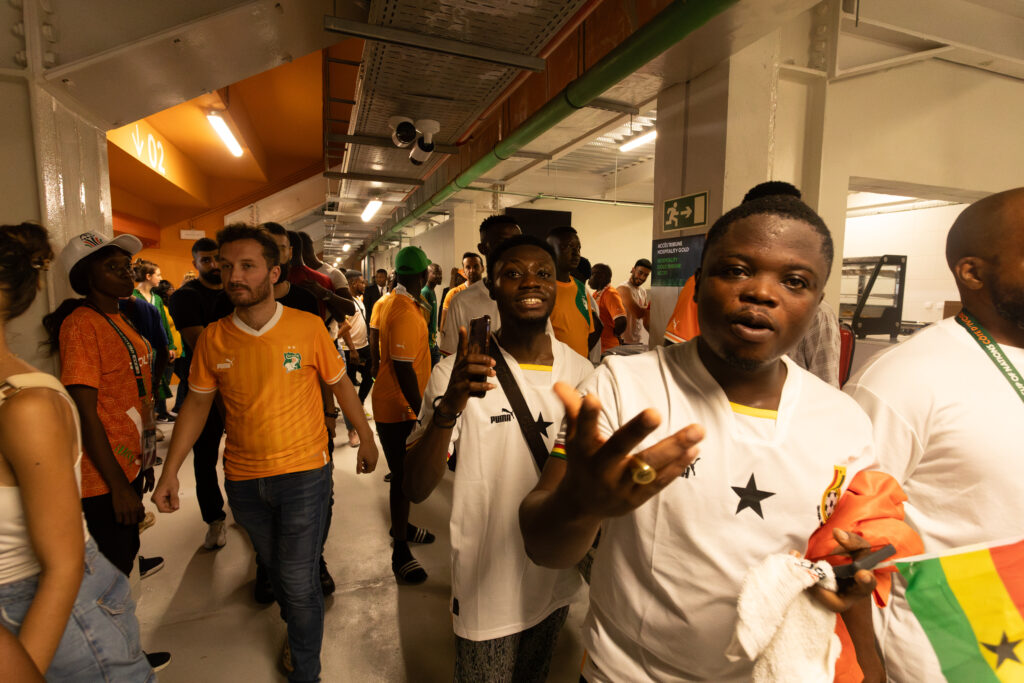
A record ten African nations have qualified for the 2026 FIFA World Cup in North America: Morocco, Senegal, Egypt, Côte d’Ivoire, Tunisia, Algeria, Ghana, South Africa, Cape Verde and DR Congo. That doubles the continent’s previous maximum representation. The commercial stakes around African football have never been higher. Ghana’s shirts have become increasingly sought after by collectors worldwide, driven by the global profile of players such as the Ayew brothers and a passionate diaspora fanbase spanning every continent. Similar stories exist around Senegal, Nigeria, Morocco and Côte d’Ivoire, nations whose footballers play at the biggest clubs in the world and whose supporters follow them with a fervour the merchandise market has consistently underserved.
The demographic case is unanswerable. Africa is home to over 1.4 billion people, with a median age of 19. Over 60 percent of Africans are under 25. By 2050, the continent is projected to account for one in four people on earth, with the world’s largest working-age population. As Boafo puts it: “This is the next generation of global sports consumers. The energy is already there. The jersey providers who figure out how to balance their commercial model with pricing structures that actually meet this market where it is, will shape what fandom looks like for the next foreseeable future.”
The brands that will win are the ones that invest in the ecosystem, through local leagues, grassroots football, creators and events, and treat the market as long-term, not seasonal. The window to be first is still open. But it is closing.
The jersey is already there. It is on bodies across Accra and Abidjan, across Dakar and Nairobi and Lagos, worn to matches and to church and to funerals of players people never met in person but mourned like family. The fandom has never been the problem.
The question is whether the brands will look back on this moment and say they built something real here, or whether they spent another two decades taking the culture and leaving the revenue on the table.
You just read the kind of piece we publish every week. Get it in your inbox – SUBSCRIBE.