


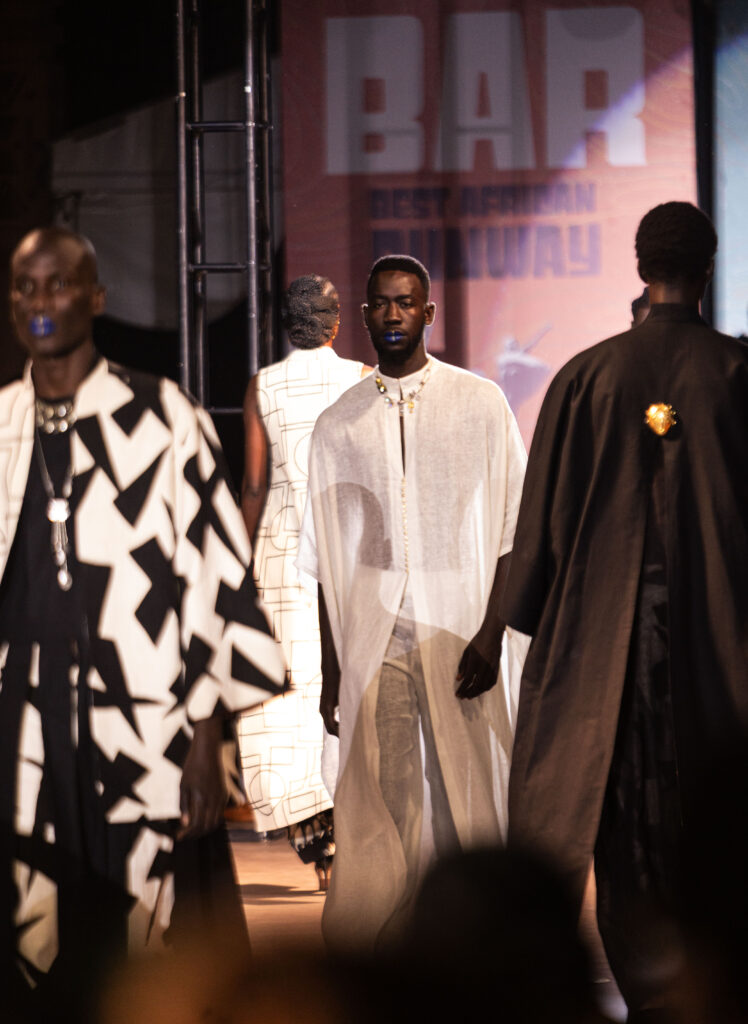
Fashion weeks have always been about more than the clothes. Yes, they’re displays of style, but they’re also where global trends are born, where billions of dollars change hands, and where designers make statements that ripple far beyond the runway. A single collection can spark conversations about politics, identity, or sustainability. In Lagos or Paris, Milan or Cape Town, these events shape not just what we’ll wear next season, but how we think about culture, power, and creativity itself.
The Fashion Capitals
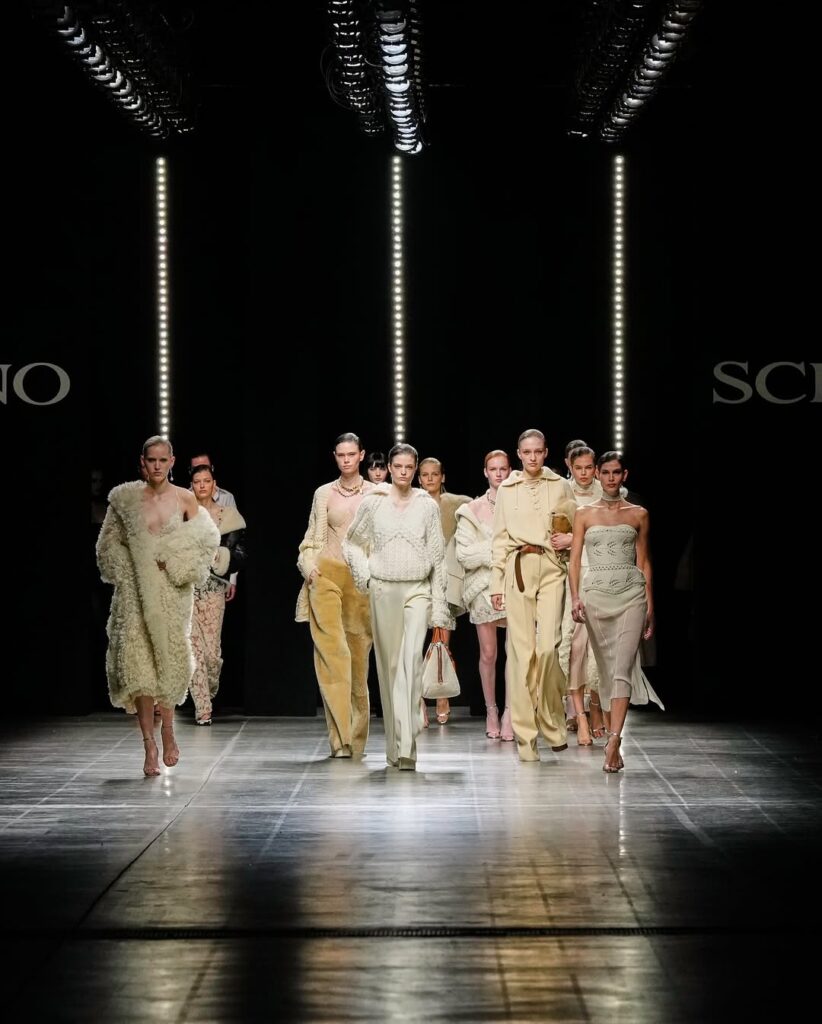
In Europe and America, fashion weeks are institutions where artistry and commerce meet. Buyers decide what will fill boutiques, critics define what’s relevant, and designers cement their place in the cultural conversation. Their strength comes not only from history but from structure: each week is governed by a central trade body — the CFDA in New York, the BFC in London, the CNMI in Milan, and the FHCM in Paris.
These organizations coordinate calendars, lobby governments, and secure fashion’s position as both cultural and economic capital. Twice a year, the Big Four host women’s ready-to-wear weeks, with additional slots for menswear, couture in Paris, and resort collections. Each season becomes a spectacle, backed by budgets that merge staging, sound, and storytelling into productions that project brand identity on a global scale.
The numbers tell the story. Paris Fashion Week alone generates an estimated €1.2 billion annually for the French economy. Governments treat these events as soft power, weaving fashion into national identity and tourism strategies. They’re not just weeks — they’re city-wide festivals that project influence across industries.
Fashion Weeks Across Africa
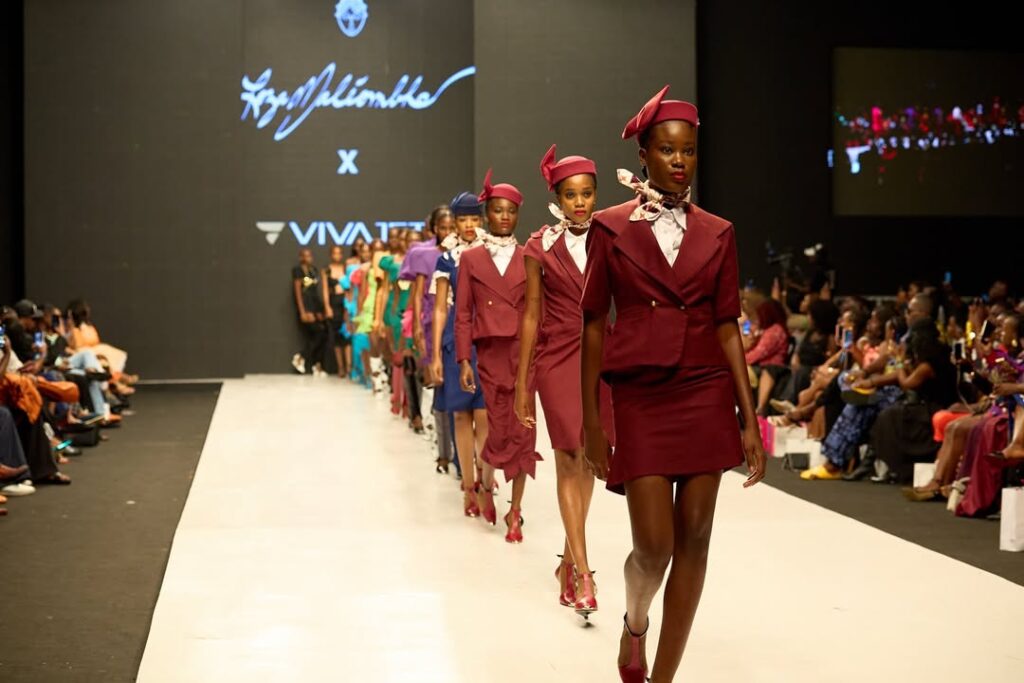
On the African continent, the format looks familiar but operates under different conditions. Lagos Fashion Week, founded by Omoyemi Akerele in 2011, has become a leading platform, pairing runway shows with programs like Green Access, which trains designers in circular production. South Africa hosts its own dual hubs — South African Fashion Week and Cape Town Fashion Week — while Dakar, Addis Ababa, and Arise Fashion Week in Nigeria have carved out regional niches.
Unlike the Big Four, these events are decentralized, built on the vision of independent organizers rather than institutional councils. This creates a different kind of energy: each week reflects the cultural ecosystem of its host city, often blending art, music, and performance more fluidly than the rigid structures of Milan or Paris. Dates shift, programming adapts, and sponsorships often determine scale.
The Funding Fault Line
Here’s the sharpest contrast: funding. While Paris, Milan, and New York thrive on deep-pocketed luxury conglomerates and state support, African fashion weeks depend on private sponsorships, personal investment, and occasional government goodwill. Without steady funding pipelines, events can feel precarious — a Lagos runway brimming with creativity might take place in smaller venues, with limited PR reach, and without the critical mass of international buyers.
The disparity runs deeper than budgets. Few African governments treat fashion as cultural capital worth embedding in policy or economic planning. Trade bodies are largely absent, leaving organizers without institutional lobbying power. Banks rarely offer favorable credit lines to designers, and currency instability drives up the costs of imported fabrics and staging. On top of this, global media focuses disproportionately on the Big Four, discouraging advertisers from committing long-term budgets to African platforms.
Yet scarcity often drives innovation. Programs like Green Access or the integration of mentorship workshops into fashion week calendars show how African platforms embed sustainability and community into their DNA. What Paris does with scale, Lagos does with urgency and purpose.
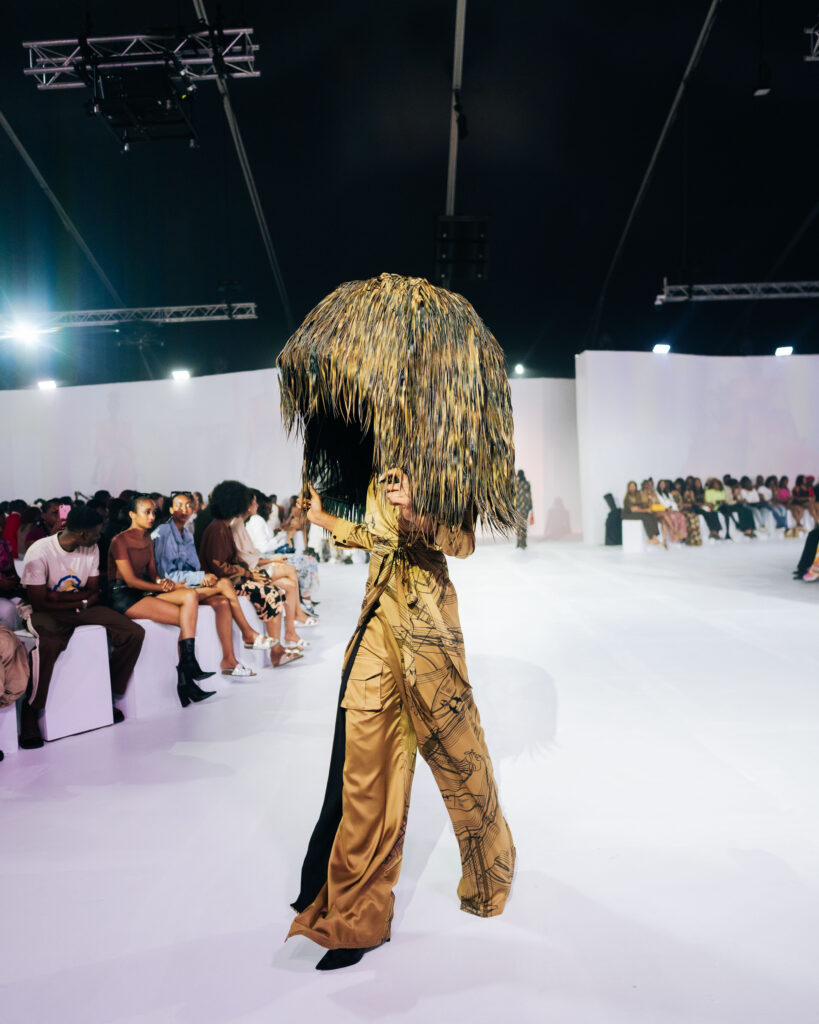
African fashion is also building visibility outside traditional week structures. GTCO Fashion Weekend in Lagos, backed by Guaranty Trust Bank, is free-to-attend and designed as a hybrid festival — runway shows sit alongside masterclasses with international figures, giving direct access to the next generation of creatives.
Lagos Fashion Week has experimented with digital showcases, live-streaming collections and producing virtual lookbooks during the pandemic. These innovations reach audiences who may never step inside a physical tent, reframing fashion as a public experience rather than an industry-insider privilege.
These examples show how alternative models can democratize fashion, turning it from a closed trade event into a cultural platform with broader reach.
The gap between Paris and Lagos, between the Big Four and Africa’s decentralized ecosystem reveals more than inequality. It shows different visions of what fashion weeks can mean. One is fortified by institutions and global capital; the other survives on improvisation, cultural richness, and resilience.
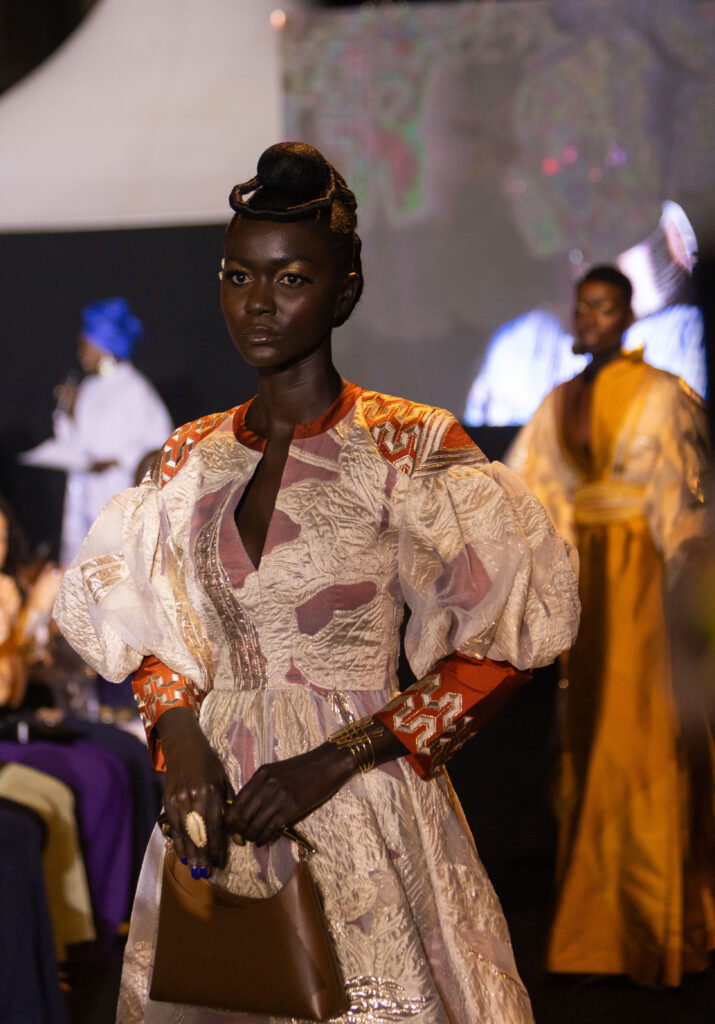
A different future wouldn’t simply replicate Paris or New York. It might look like a festival-style circuit that merges fashion with art, music, and performance. A decentralized calendar where Lagos, Dakar, Cape Town, and Accra each bring their unique cultural voice rather than deferring to one global center. A model where sustainability and mentorship aren’t side programs but central pillars. A financing ecosystem where banks, tech companies, and cultural funds invest alongside fashion houses.
If supported and recognized, African fashion weeks could reshape the system altogether proving that fashion’s future power lies not in imitation but in innovation, not in scale but in vision.