


Puma Brought the Continent to Downtown LA. The Postcards Were the Tell
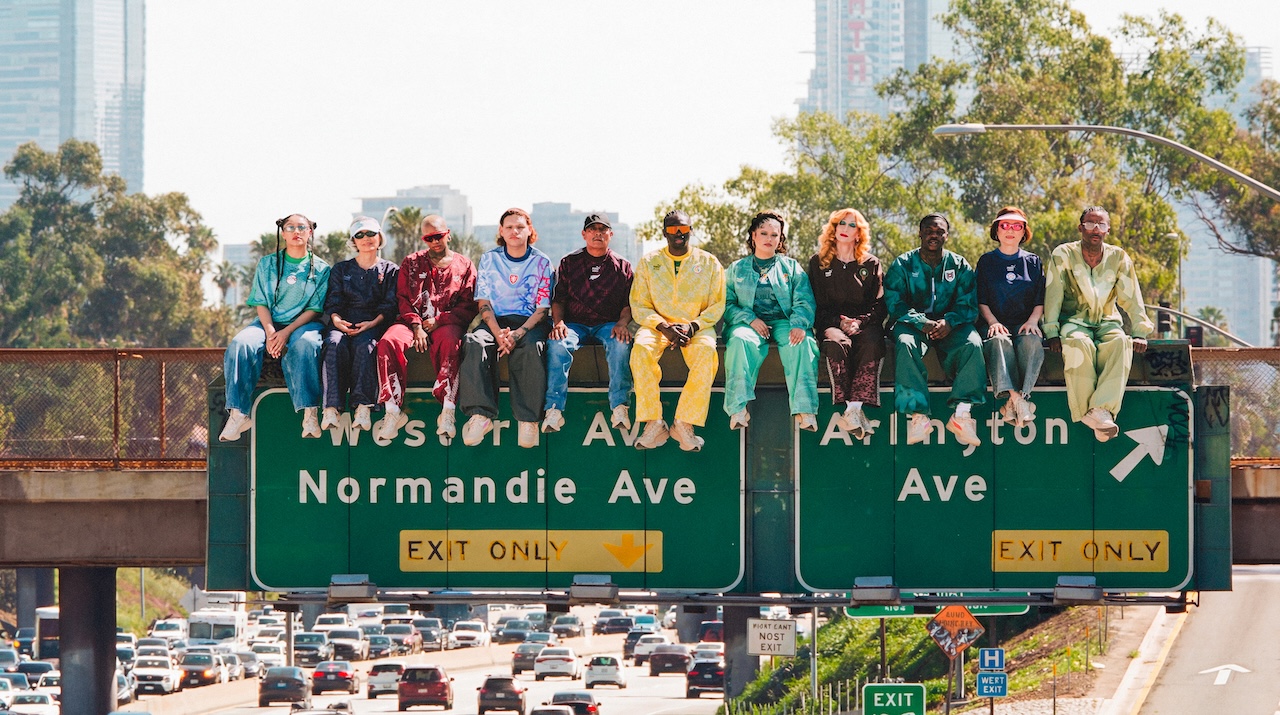
A week before the 2026 FIFA World Cup, Puma took over The Row in downtown Los Angeles to launch its Salehe Bembury collaboration, a release built around the TRVL WEAR line, a set of goalkeeper kits for the brand’s eleven national federations, and a running shoe called the Velum 1, all of which were nominally the point of the evening and none of which fully accounted for why it worked.
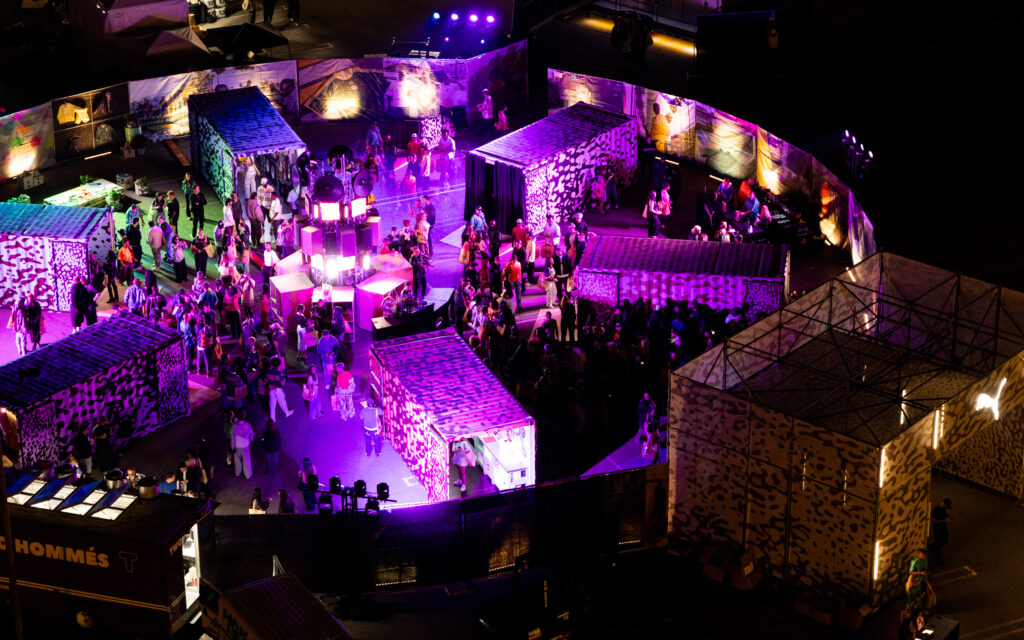
The activation occupied an open-air stretch of The Row’s industrial courtyard, where shipping containers painted in animal prints served as cultural stations, each offering its own answer to the same underlying question of what an African World Cup moment looks like when it is designed for the diaspora rather than for the pitch.
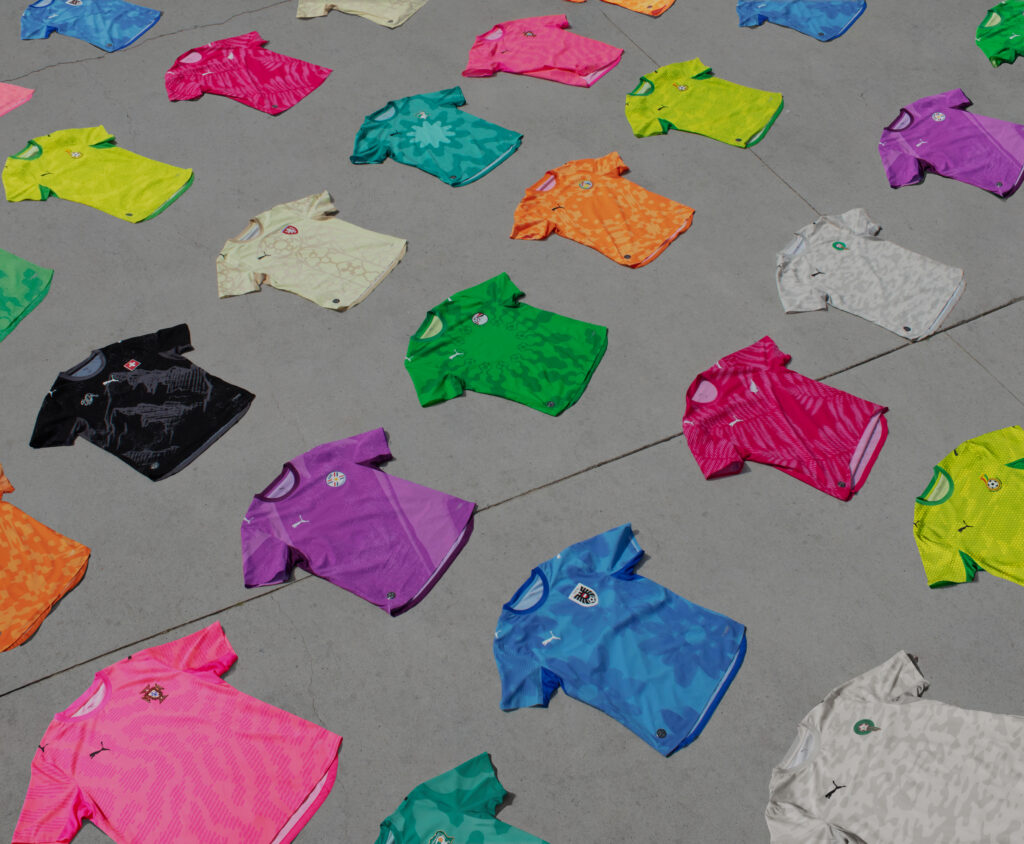
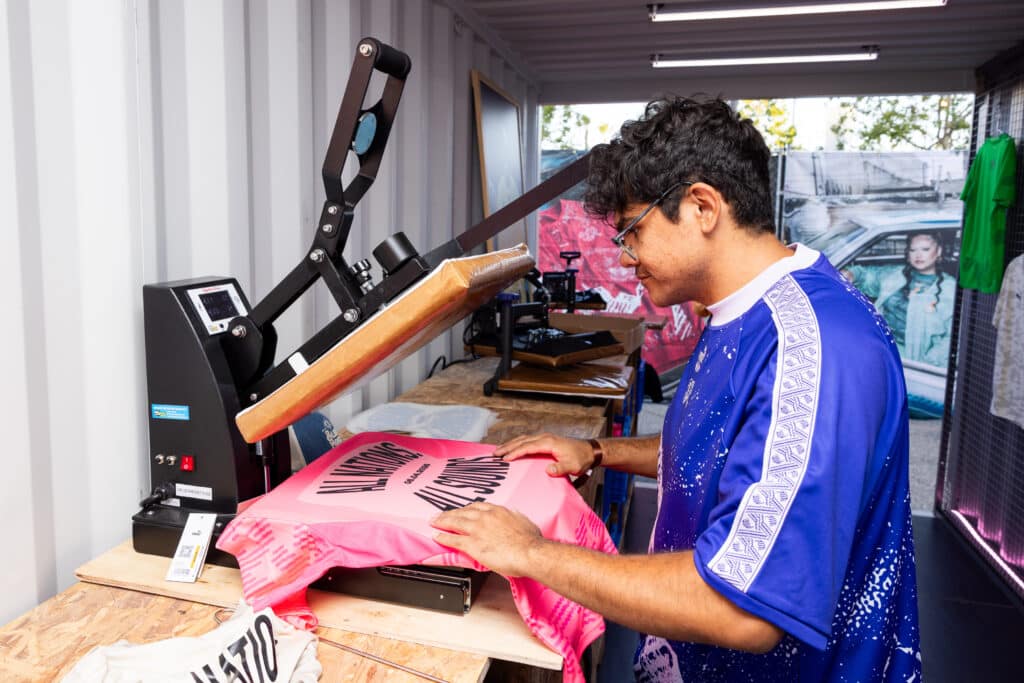
The longest line of the night, by a wide margin, formed for the custom-printed Puma shirts, where guests chose one of the five African nations Puma is dressing for the tournament, Côte d’Ivoire, Egypt, Ghana, Morocco, and Senegal, and then selected from a broad spread of colorways. Five of the eleven teams Puma is outfitting at this World Cup are African, the largest African block of any kit maker in the tournament, and the people waiting patiently in that line understood as much without being told, because no one needed the shirt explained to them and everyone already had a country in mind and a reason to be choosing it.
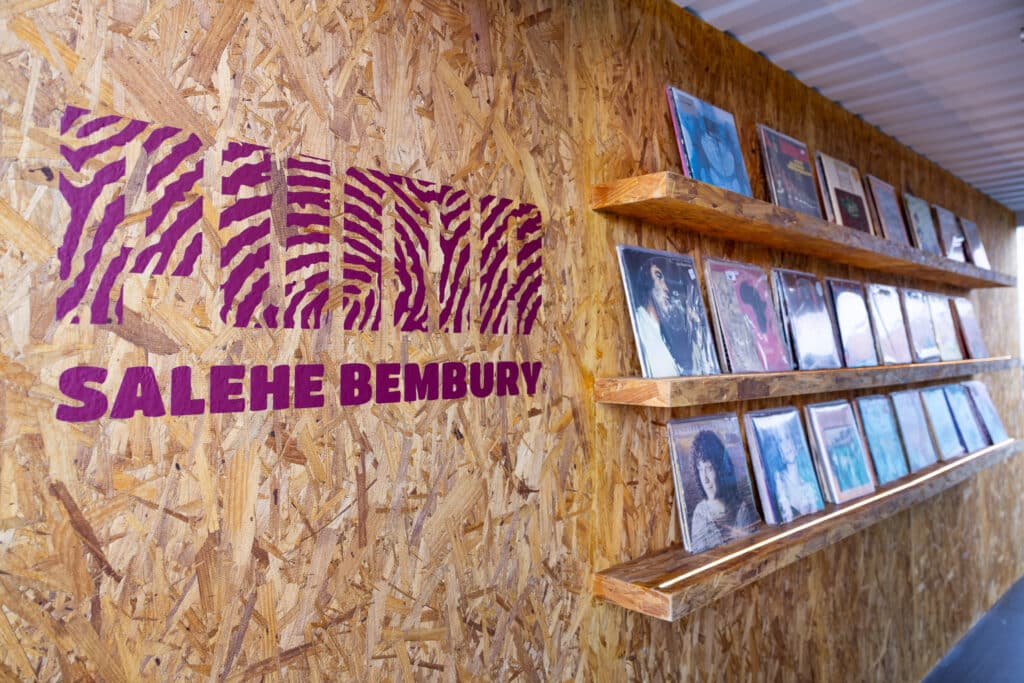
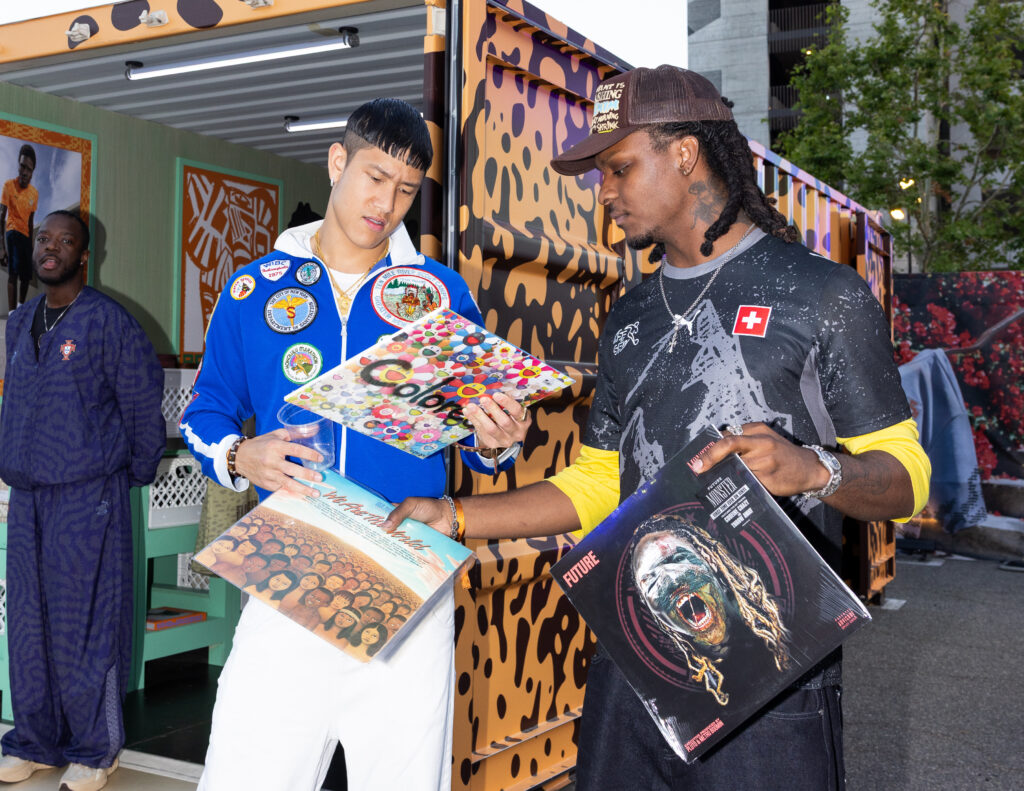
Another container gave away free vinyl, and the record most guests seemed to leave with was Akon’s Trouble, a choice that made its own quiet sense once you remembered that Akon is of Senegalese descent and that Senegal is one of the five African nations Puma is outfitting at the tournament.
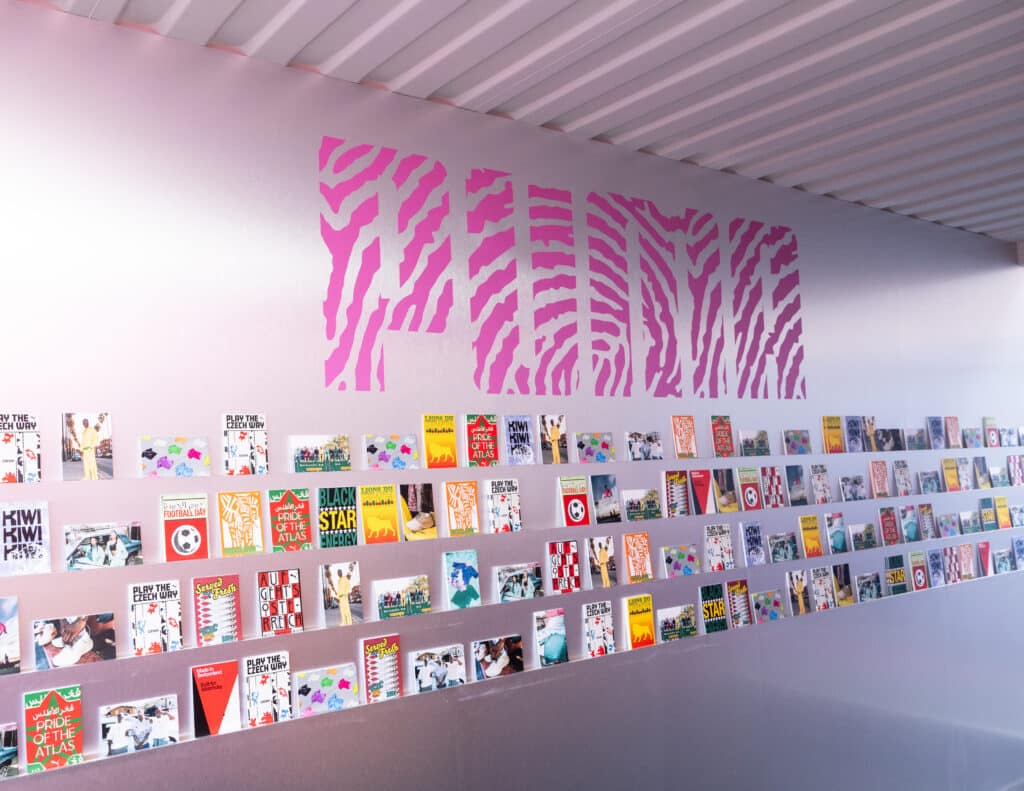
The best station was also the simplest, a long table of postcards gathered from across the continent and printed with iconic World Cup photographs, which guests could collect in any number, write personal messages on, and mail from the courtyard, so that in an evening otherwise assembled entirely from branded production the postcards became the one thing asking for memory rather than attention, at once the least designed moment of the night and the one that sat closest to what the event was actually about.
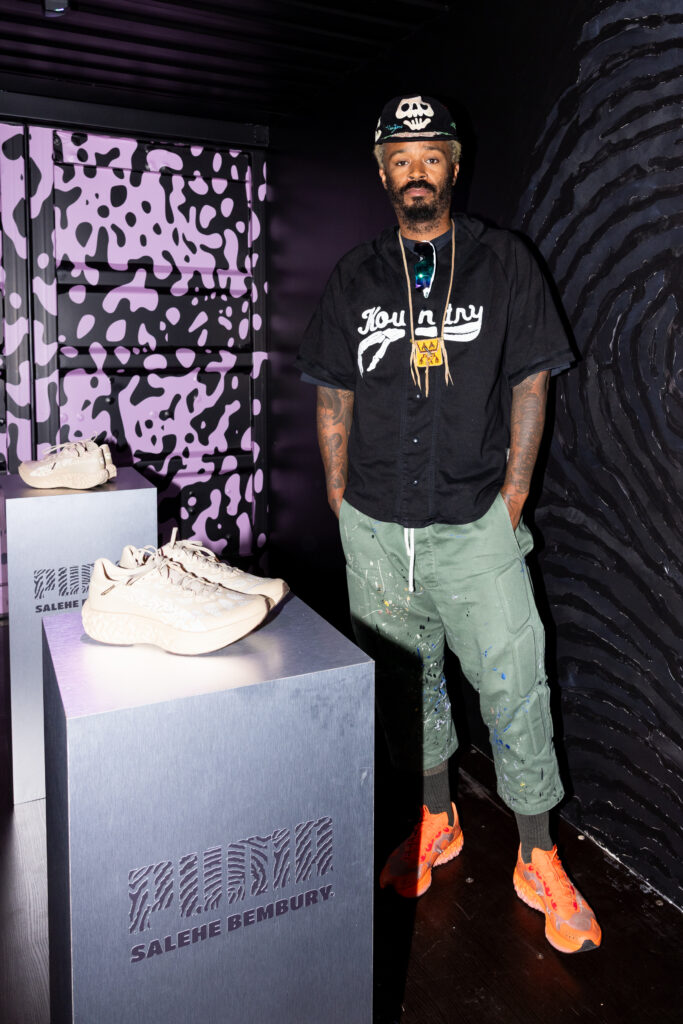
A studio walking guests through Bembury’s design process drew steady traffic alongside a vintage photo booth, and the work on display centered on the Velum 1, the running silhouette at the heart of the collaboration, built on a 5D-printed mesh upper over Puma’s NITROFOAM cushioning and finished in a UV-reactive treatment that shifts color in sunlight, the sort of technical flourish that the rest of the courtyard had been deliberately designed not to foreground. Salehe Bembury moved through the crowd across the evening, and the Ghanaian artist Black Sherif was there as well, his presence quietly reinforcing the thread running beneath everything, since Ghana sits among Puma’s five.
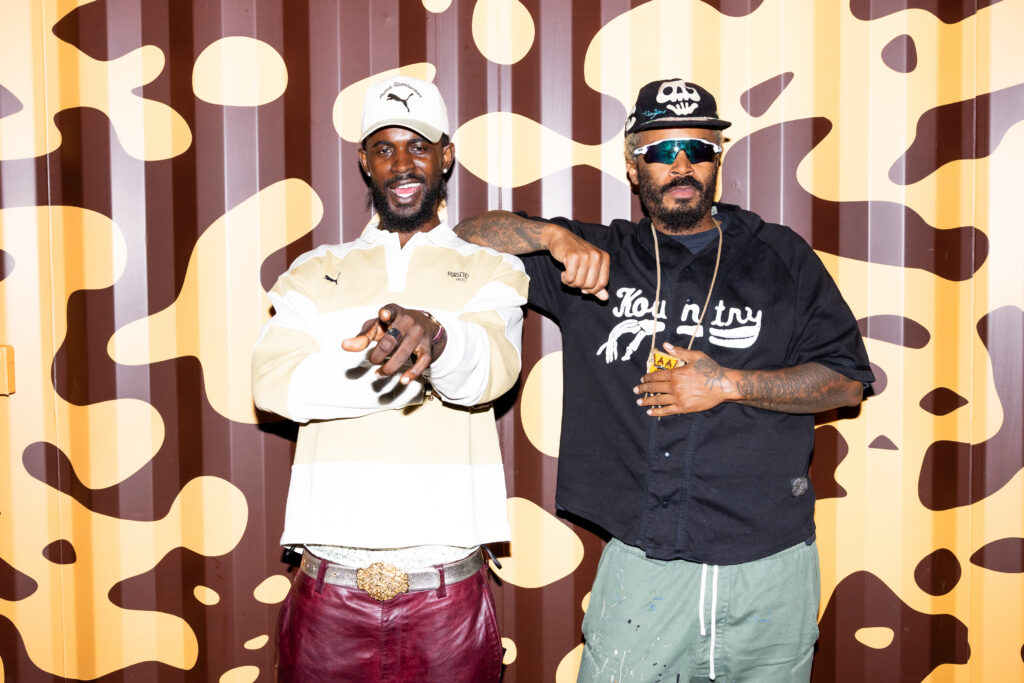
The audience skewed young, mostly non-white, and heavy on creatives and influencers, while the music moved through afrobeats, reggaeton, house, and South American selections without settling into any single geography for long, and people danced, and the mood held easy throughout the night.
What gave the evening its weight beyond the production was a conversation with Clément Lacour, Puma’s global marketing leader for football, who said that the jersey development for each of the five African nations had taken roughly two years, and that Puma had sent design teams out of its headquarters to spend extended time in each country before a single sketch was finalized. Two years for each of five jerseys is a different order of investment from the standard sportswear model, which sends a headquarters design room to a mood board and then calls the output heritage, and what Lacour described instead was a process in which the brand’s people had spent that time in the countries before they drew from them.
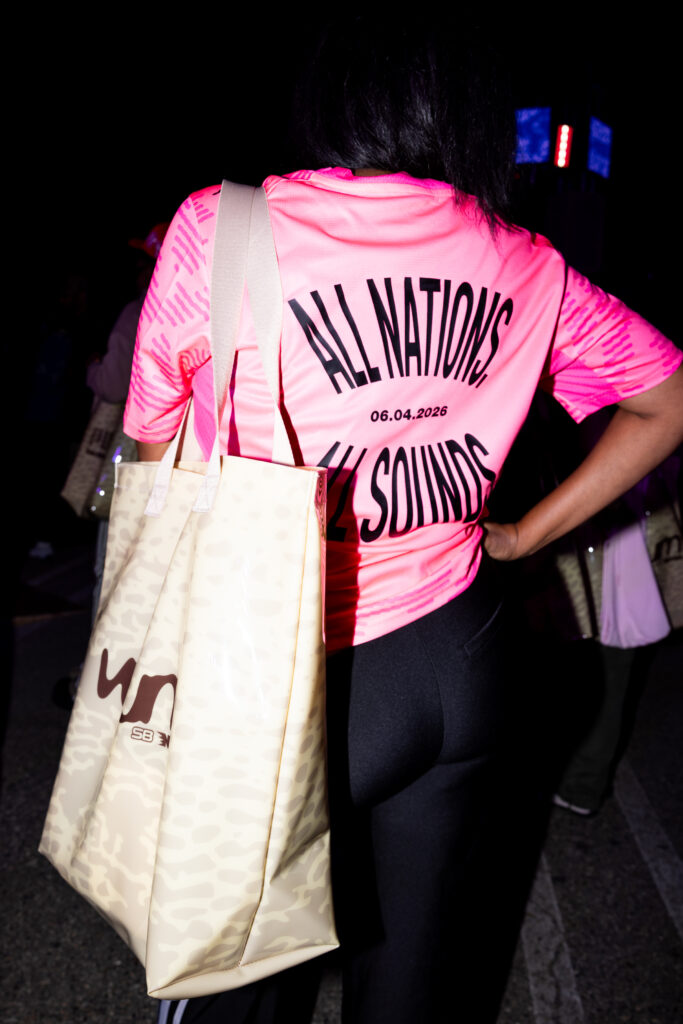
The entire evening was constructed to connect Puma’s African World Cup teams to the diaspora in cities like Los Angeles through culture rather than through sport alone, and you did not need to know a single player’s name to feel addressed by what was on offer, because the vinyl and the postcards and the nation shirts and the music all assumed an audience that already held a country in mind and a reason to care about seeing it represented properly.
Whether Puma sustains that depth once the final whistle has blown is the question worth tracking, but for one night in early June the brand made a credible case that the two years showed in the work, and in a courtyard built almost entirely from branded production it was the postcards, the single moment that asked for memory rather than attention, that told you what the night had really been about.
Stay close to where culture sets the price. Subscribe.