


Bairro 6 de Maio
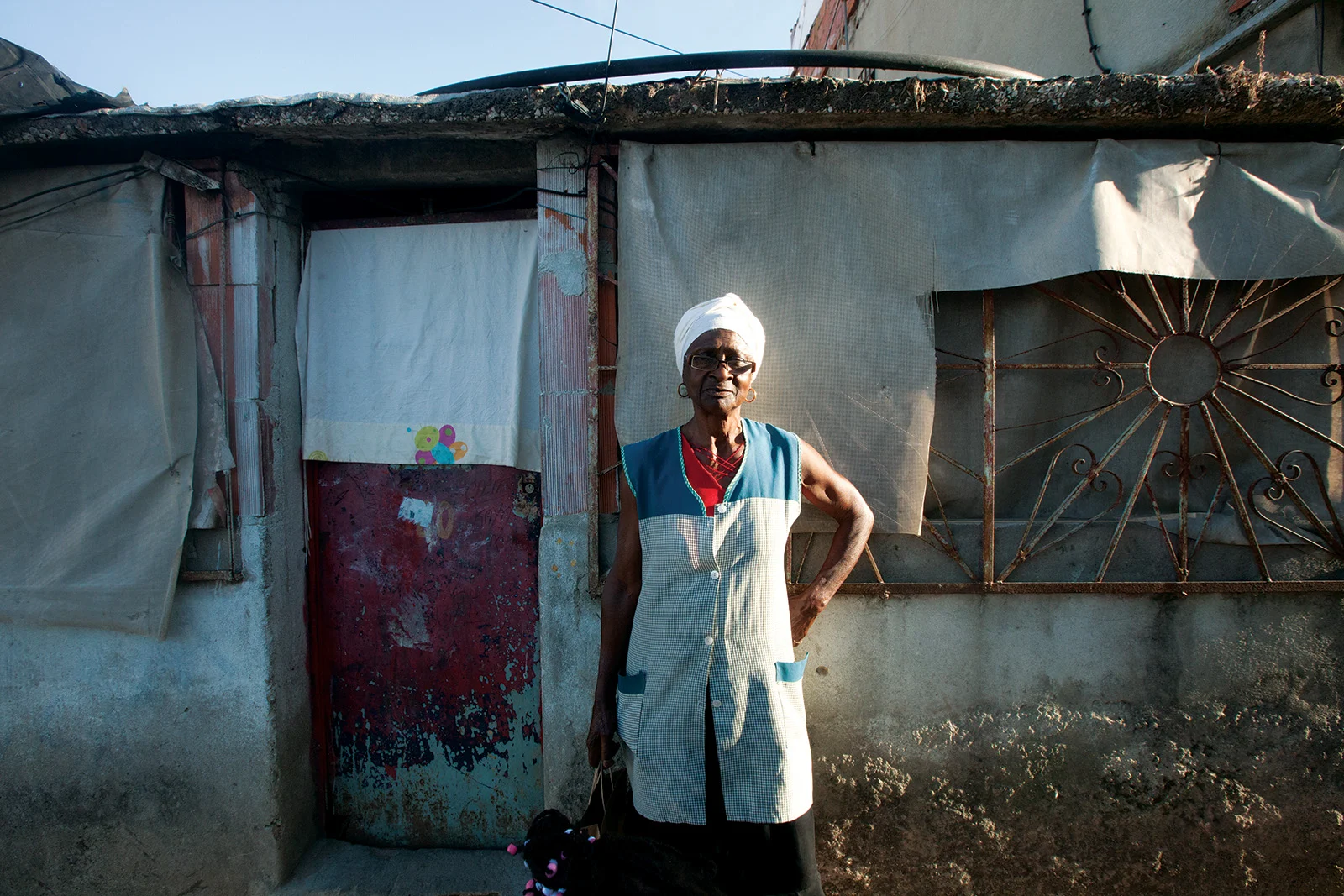
On a cold morning on the outskirts of Amadora, northwest of Lisbon, the ground gives way to rubble. Women roast corn on improvised grills, and residents sit in their doorways with morna playing low, the slow Cape Verdean music the islands call the sound of the soul. A handful of houses still stand among the broken concrete. For close to fifty years this was Bairro 6 de Maio, named for the sixth of May, and it was where the Cape Verdean community in this part of Portugal made its home.
The Canadian photographer Chantal Simone arrived in 2018, when the demolitions were already underway, and stayed for eighteen months. Her project, Portugal Negro, became one of the few sustained records of the neighbourhood in its final years. What she found was less a site of destruction than a community still living inside one. “The houses were informal. There was little commerce, a few small barbershops, and empty lots with debris that felt, in a way, like a war zone, but without the tension,” she says. She had been feeling shut out by the formality of Portuguese life. In Bairro 6 the doors were open. “It was easier to connect with people there, even without speaking Creole, because I understood the informality and the openness.”
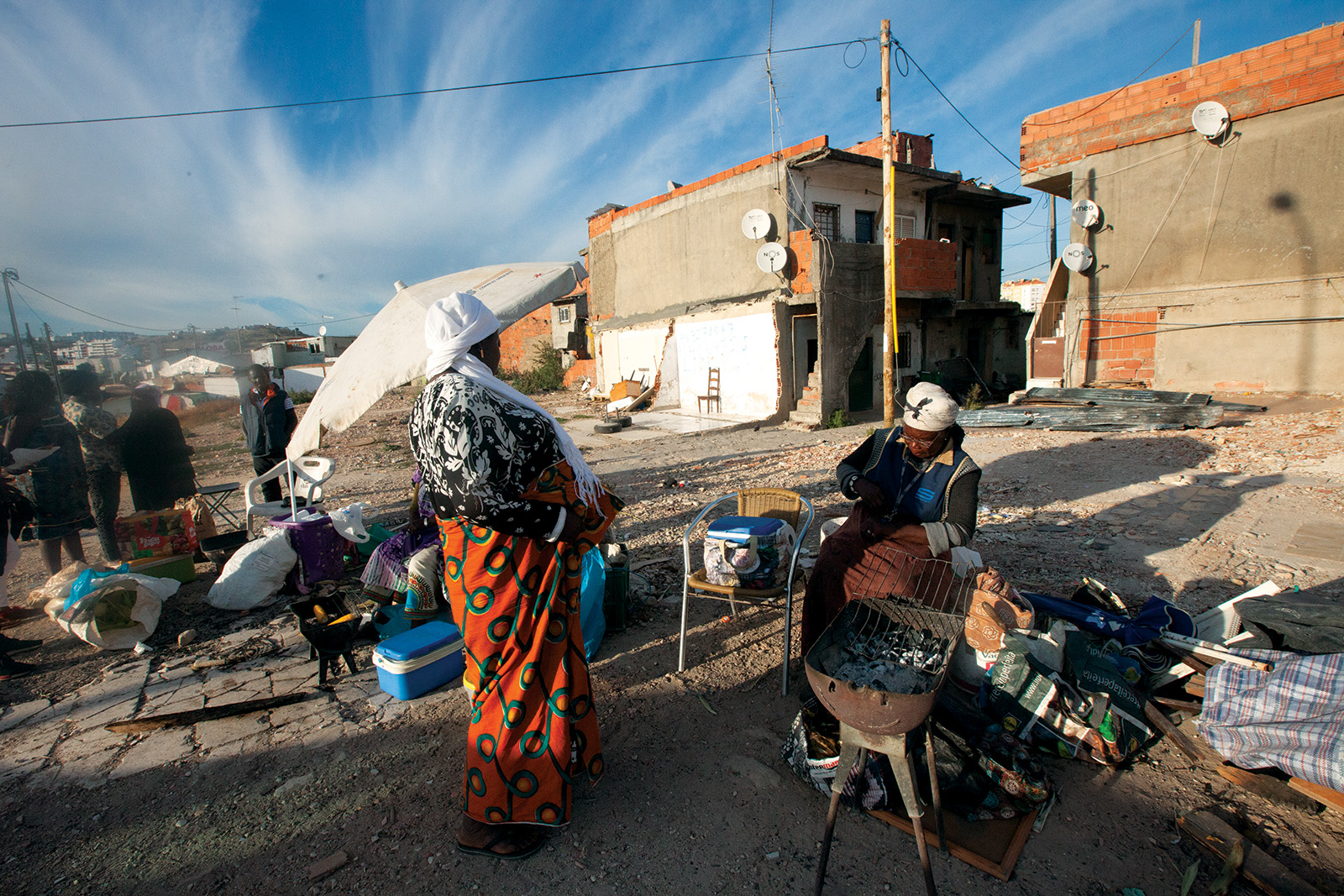
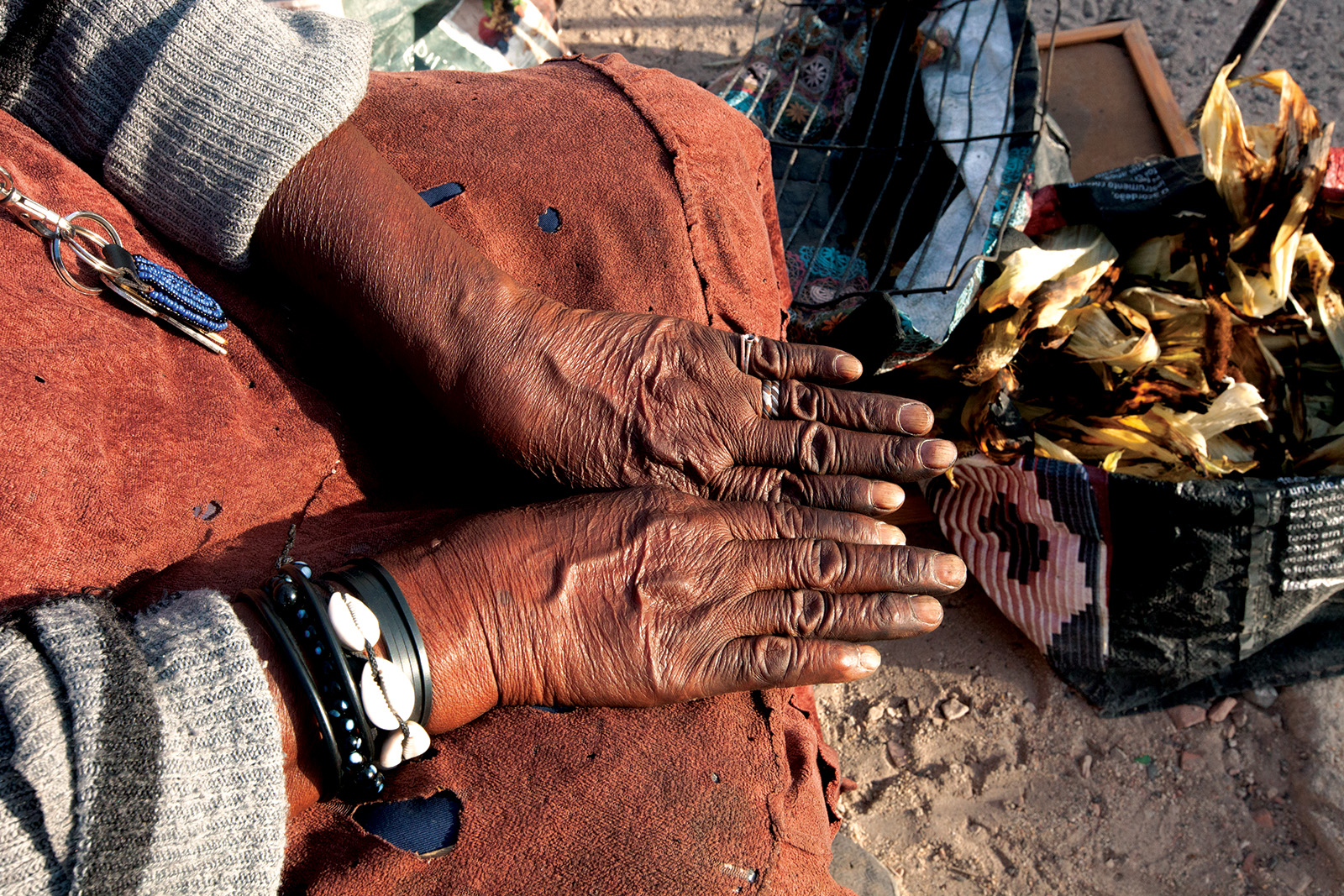
Cape Verdean immigrants began settling on this vacant stretch of land, about thirteen kilometres from central Lisbon, around 1974. They came for work, the men mostly in construction, the women in factories, and they built the neighbourhood the way informal settlements are always built, provisionally and by hand, in stages. Over the following decades it became one of the largest Cape Verdean settlements in metropolitan Lisbon. Children born there grew up speaking Creole at home and in the street. “They could go a whole day interacting only with other Cape Verdeans,” Simone says. Festivals carried over from the islands. Neighbours kept their doors open. The texture of the place, in her photographs, is domestic rather than desolate: the calloused hands of an older woman wearing a bracelet from the islands, a child beside her father, rooftops crowded with the cable television antennas that stood in for luxury.
The neighbourhood’s future narrowed in the 1990s. In 1993 the Portuguese government created the Special Rehousing Programme, known as PER, to clear the thirty-five clusters of precarious housing across Amadora and move the families into social blocks elsewhere. The programme began with a census. In Amadora it was taken between 1993 and 1995, and then, for Bairro 6 de Maio, very little happened for a very long time.
The rehousing of the neighbourhood did not begin until 2018, more than two decades after the families had been counted. By then the census described a place that no longer existed. “The families had naturally evolved, resulting in many more people and new households,” says Maria João Berhan da Costa, a volunteer since 2014 with Habita, a Portuguese association that campaigns for the right to housing. Children recorded in the mid-1990s had grown up and started families of their own. Newer arrivals had moved in and were never counted at all. The list the state worked from was a quarter of a century out of date.
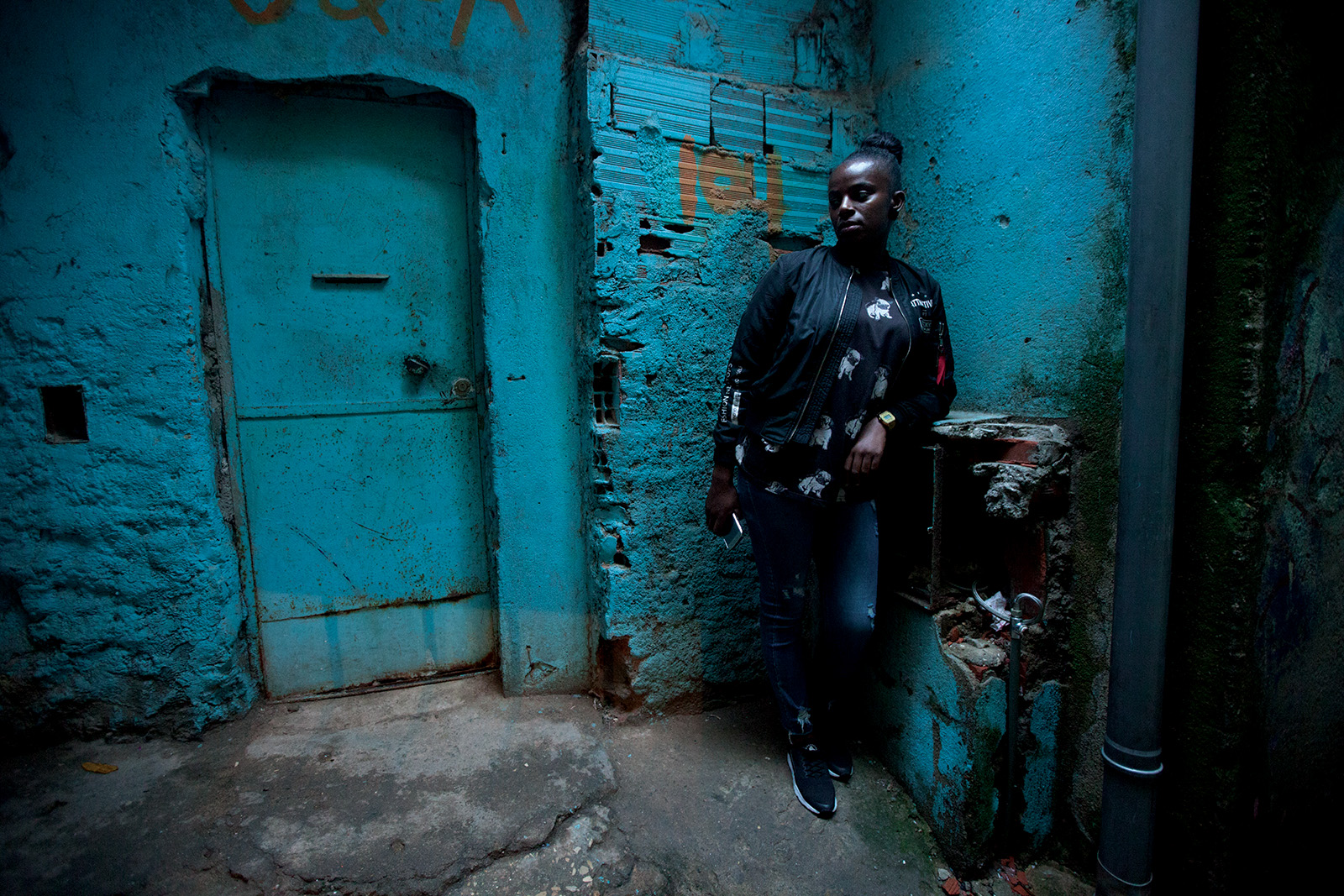
Families who appeared in the census were rehoused in PER housing within Amadora, while those left off it were offered a cash sum, scaled to household size and paid only after their eligibility was assessed. That gap decided who kept a home and who was offered money instead. Berhan da Costa is careful about what to call the money. “I wouldn’t call it compensation, but rather another support programme for self-rehousing,” she says. It was not enough to buy a home. “Many accepted it because there was no other alternative.”
Homes were demolished while residents were at work, before they could gather their belongings. Families who had spent years in the neighbourhood’s housing campaign were told their right to rehousing would not be recognised, and watched their neighbours rehoused while they were not. “This was the greatest injustice of all,” Berhan da Costa says.
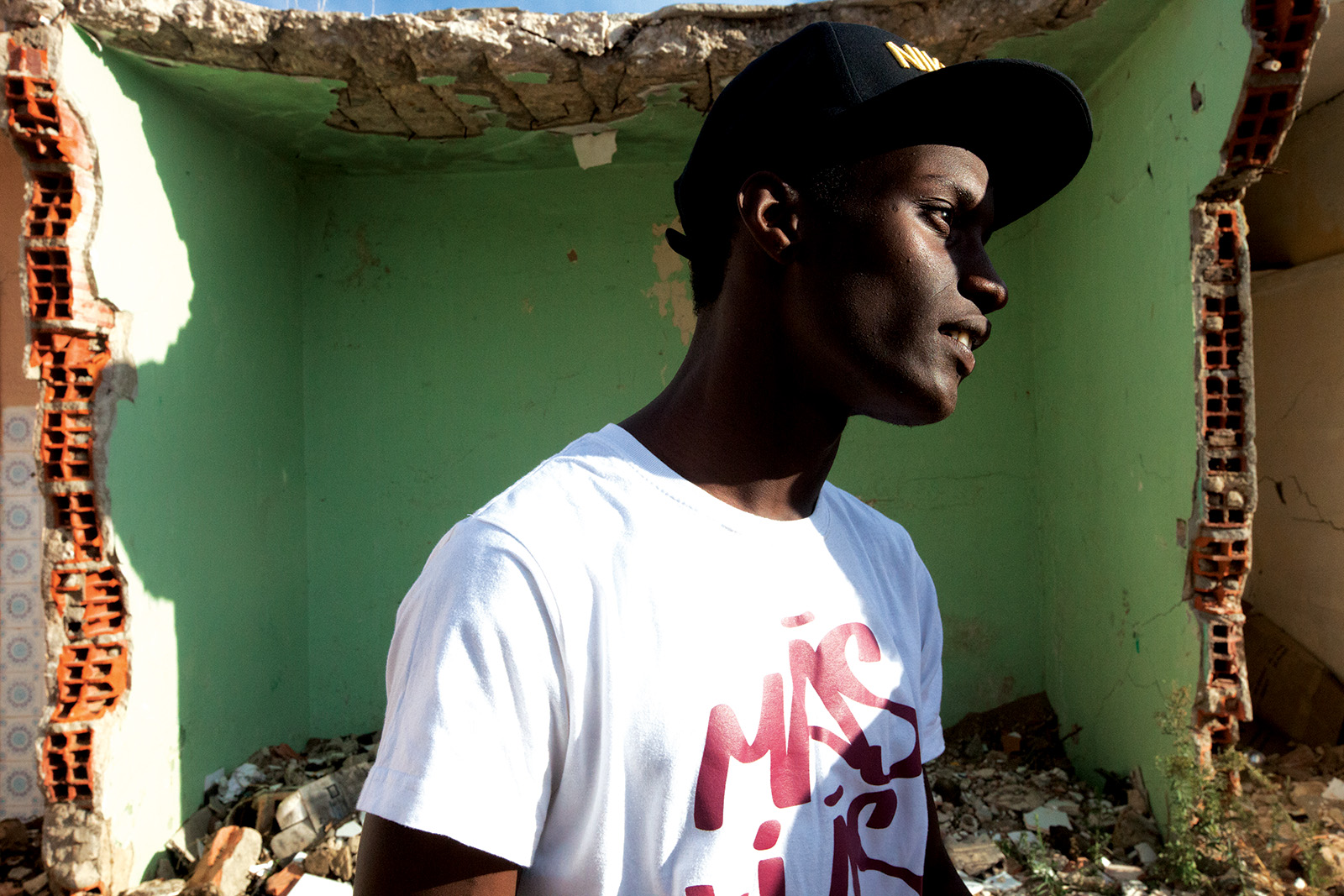
Antonio Oliveira Leite, who is sixty-three and now serves as assembly secretary of the Associação Unidos de Cabo Verde in Lisbon, took the cash. He lived in Bairro 6 between 1992 and 2004. “I received seventy thousand euros to buy the house I live in today, here in Amadora,” he says. “I didn’t want to live in social housing. That option existed, but I didn’t want it.” Not every account of the money matches his: he had left more than a decade before the rehousing wave Habita describes. The council, for its part, puts the scale of the effort in round figures, saying 446 families were surveyed and more than five million euros spent on relocation. How many people actually lived in Bairro 6, and what the process finally cost, no one can say with confidence. “Officially, there were between 450 and 500 families, but I don’t know how many people,” Berhan da Costa says. “The figures were negotiated between Amadora Council and some of the residents.”
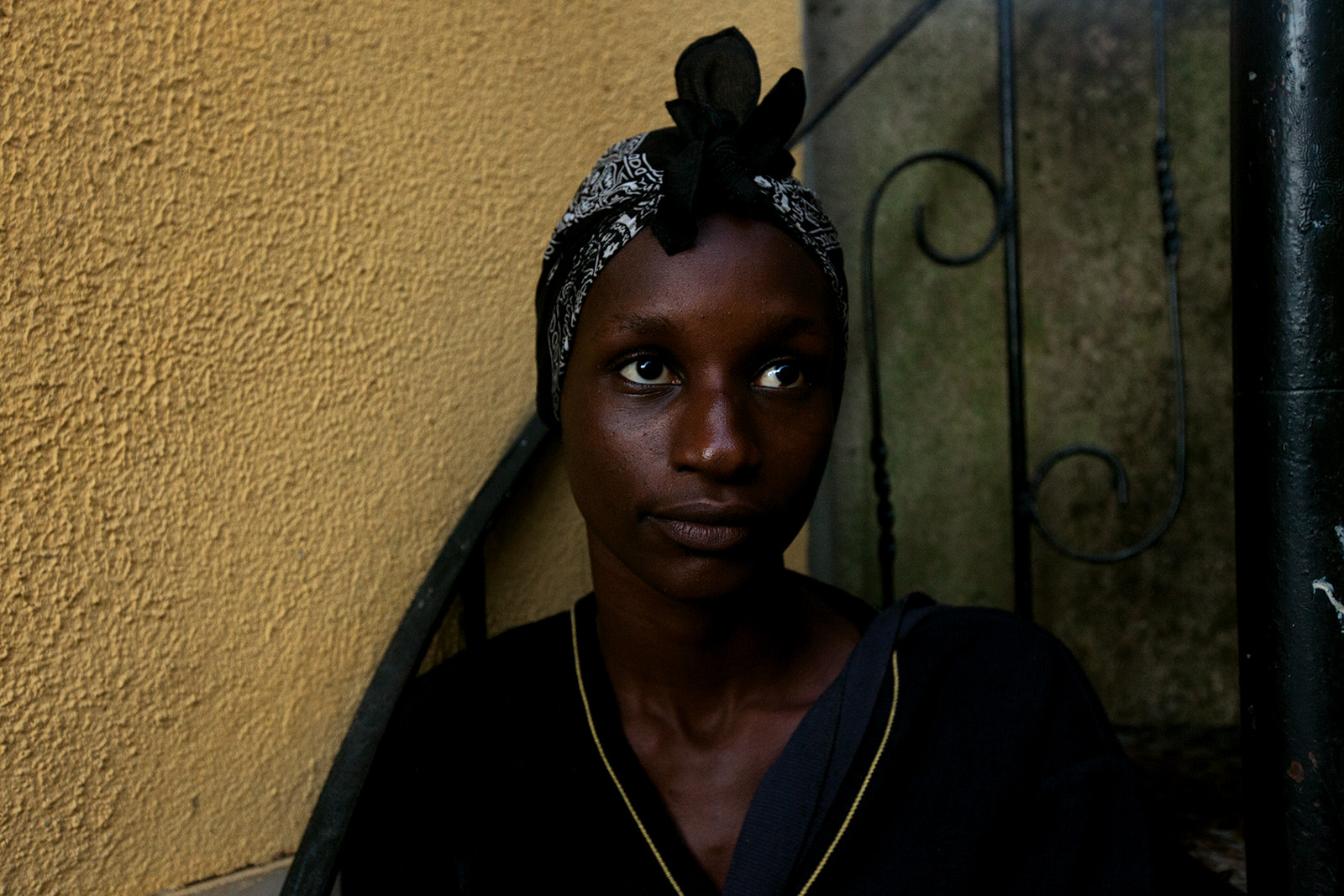
During a wave of demolitions in 2016, residents who had refused the terms raised placards reading, “You don’t beg for rights, you fight for them.” Many had stayed on, preferring their own houses and one another to a social block on the other side of the district, where, as Simone puts it, “people would be separated.”
The last years bore no resemblance to the neighbourhood’s earlier life, when residents marked the Feast of Saint John in a nearby community of the same origin, dancing to drums in the Cape Verdean way. By the end, with most of the buildings on the ground, fewer than ten families remained among the rubble, waiting to be rehoused without running water, on makeshift electricity, behind walls gone soft with damp. The final two houses came down in early June 2021, after more than two decades of negotiation. For the council it was the close of a long programme of urban renewal. For the people who had lived there, it was the loss of something the programme had no line for.
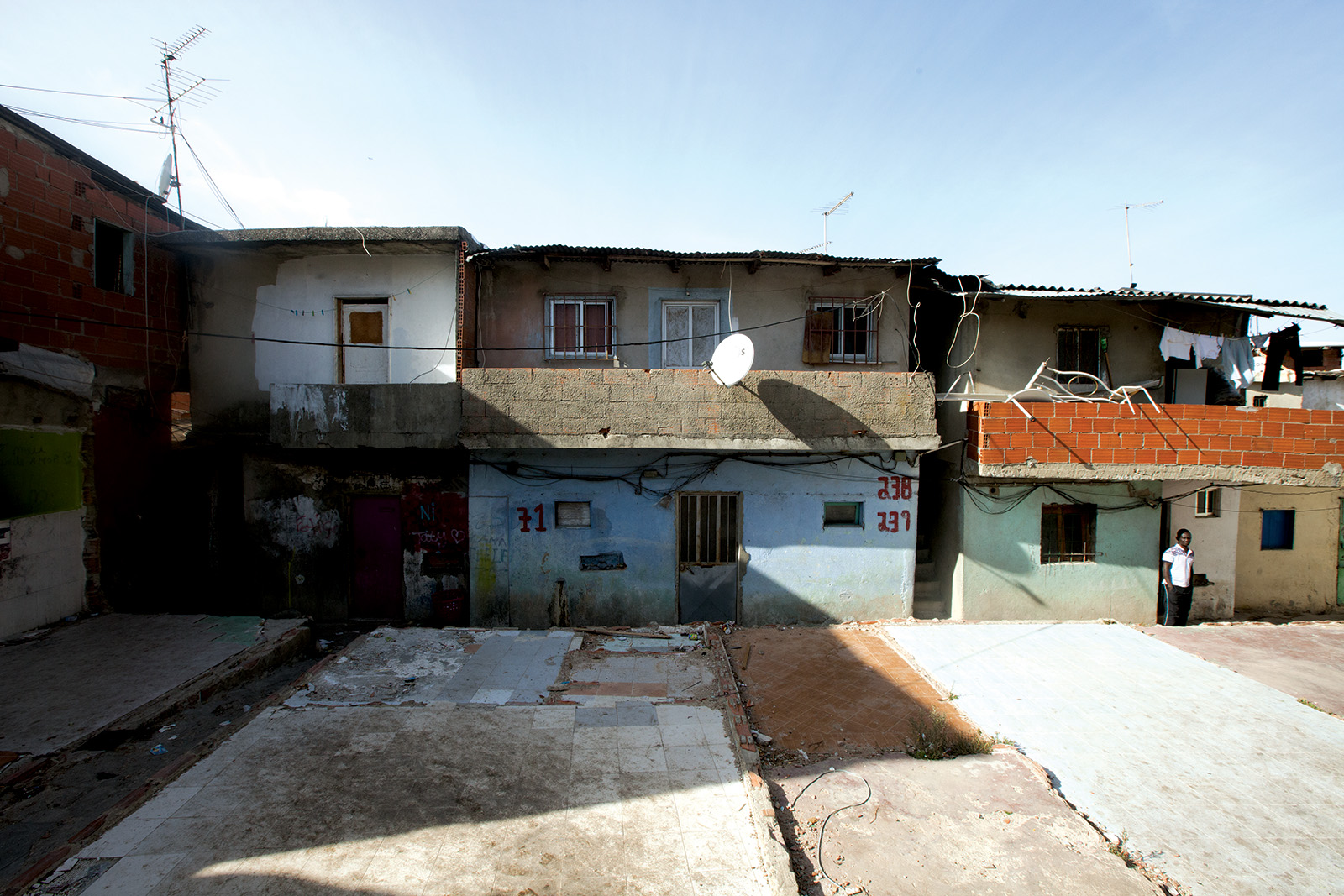
Simone’s photographs are what remain. In them there are few smiles, mostly steady, unreadable gazes and a quiet that sits over the people standing in front of their houses. “I think it will be remembered as a vibrant community, though a forgotten one,” she says, “from a better time, when people had the freedom to live closer to their roots.”
The neighbourhood was counted in the mid-1990s and cleared in 2021. In the quarter of a century between, the state decided who belonged to a place its own residents had already built.
Subscribe to Guzangs for the people and systems shaping African and diaspora creative life.
André Aram is a Brazilian freelance journalist based in Rio de Janeiro. He divides his time between Brazil and Portugal and has reported from across Africa and Europe, contributing to outlets including VICE, The Progressive, and Mongabay.