


Love Has Become Bad Manners
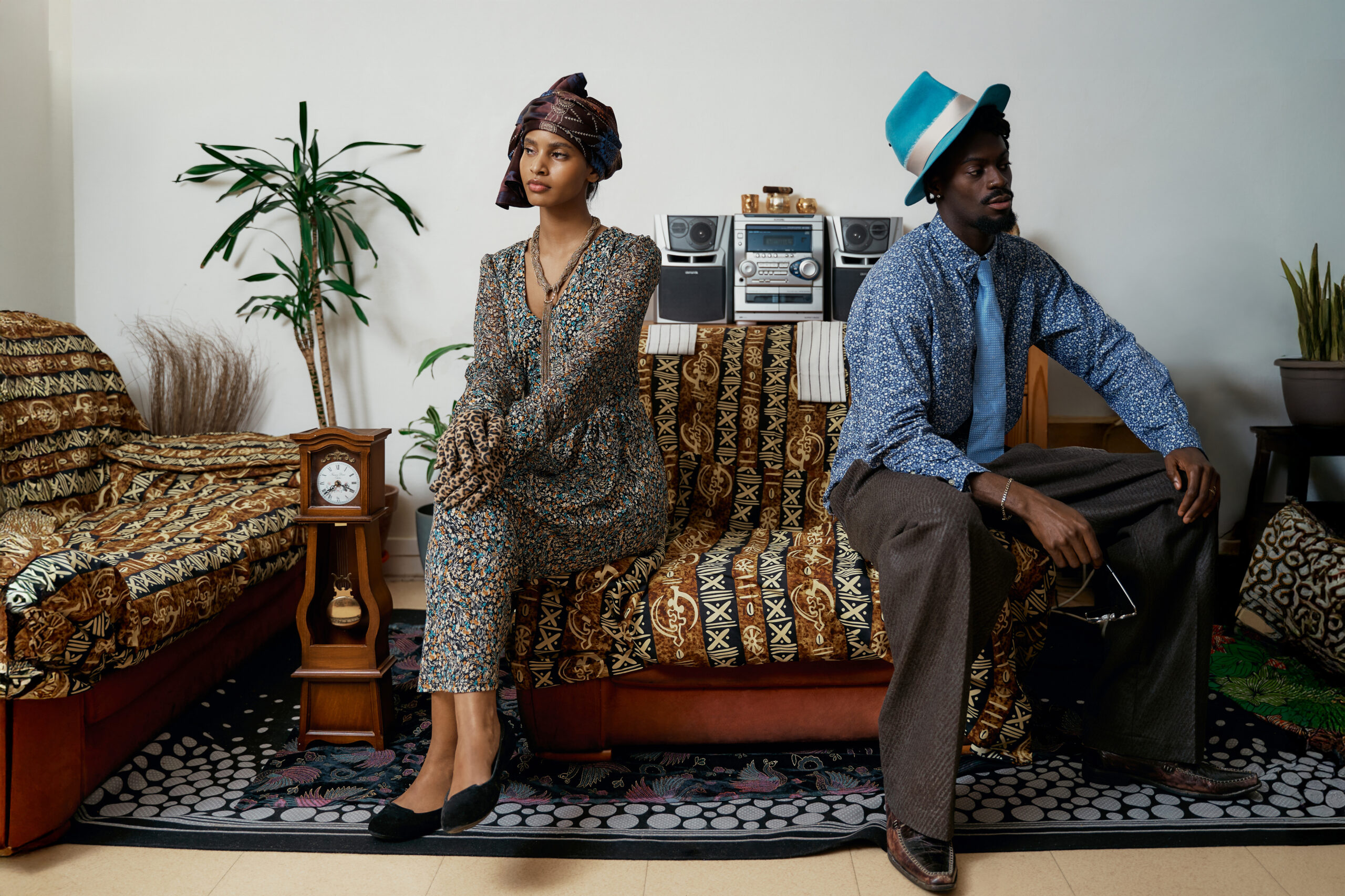
Hasna and Ryan kept giving themselves away, a shoulder leaning in, a collar fixed with a care no collar has ever needed, their bodies doing what bodies do before pride gets involved. Nobody in the room minded that the two of them wanted each other; the discomfort was that the wanting kept showing on their faces and in their hands.
When Michel Odouffan told them to hide it, the room cooled, and they tried, emptying their faces and stilling their hands into that modern performance of two people pretending not to be exactly where they want to be. It never quite held, because something in how they sat kept giving them away after their faces had agreed to stop.
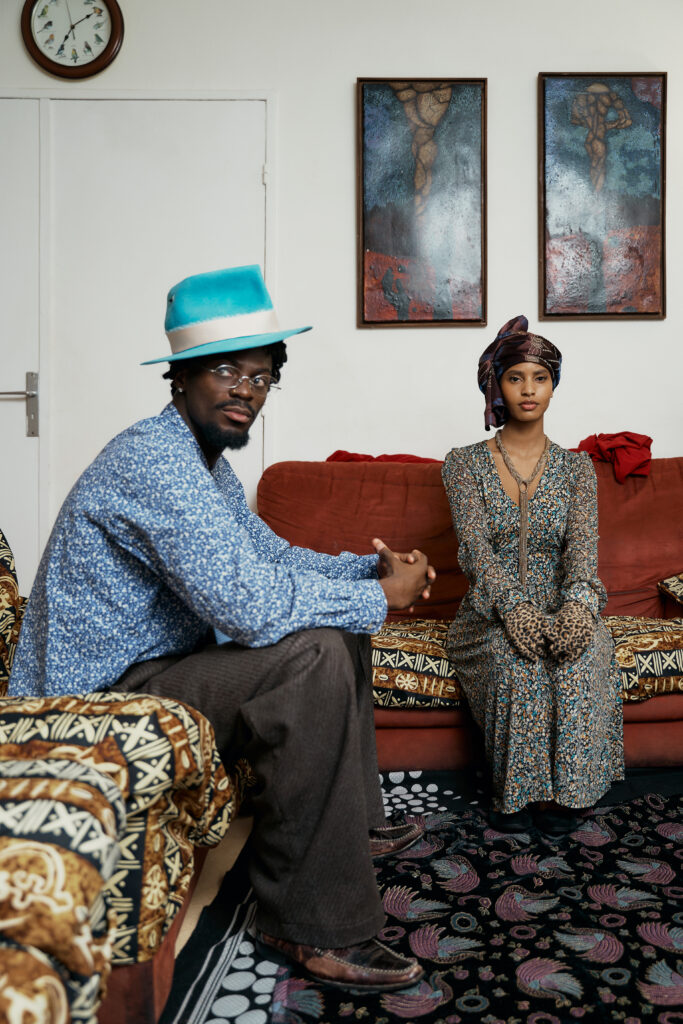
The small cruelty at the center of Generational Love is an ordinary one, the way we train ourselves out of tenderness.
We know the choreography: the text cooled a degree before it sends, the person kept at just enough distance to survive being seen. Wanting turned into something to manage, and we have immunized ourselves against looking desperate without noticing we were starving for the thing we managed away.
Michel is twenty-two, still young enough to believe love should show. He put two couples in his childhood living room and asked something he wasn’t sure he wanted answered, whether held-back affection waits for you or calcifies. The newer couple still lets it spill over; the older one, decades in, has taught it to sit properly. Affection, in his telling, is a muscle, and a muscle left alone stiffens, so that you can spend your twenties practicing how not to care and wake up years into a marriage having forgotten how to reach for a hand.
Then the cameras turn to his parents, whom he had never really seen touch.
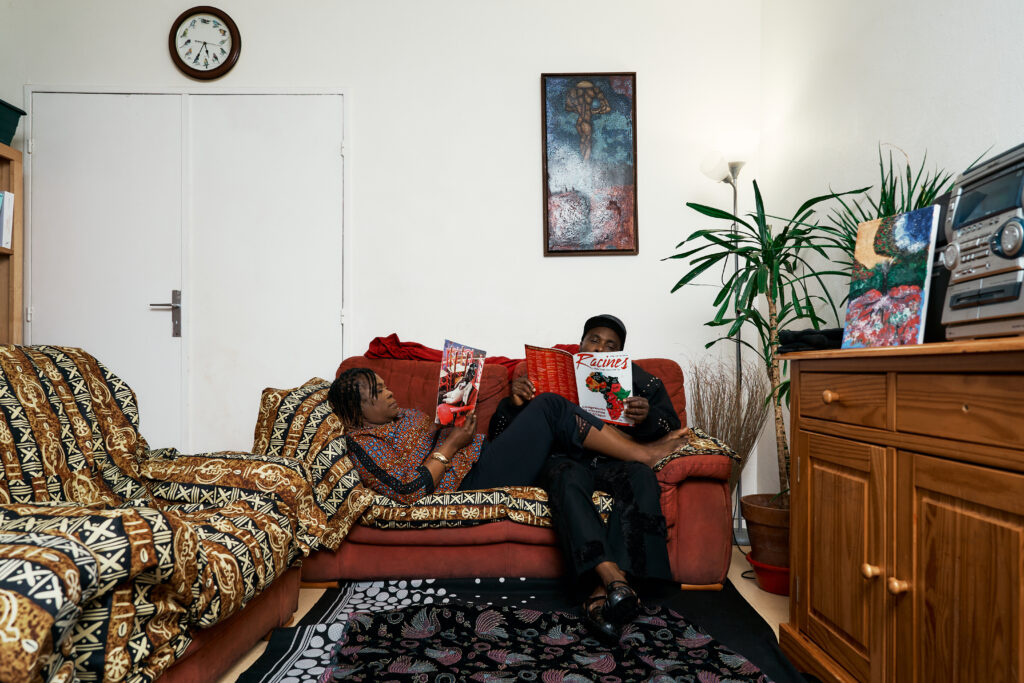
For a lot of people that is an ordinary, even domestic sentence, because the love in such homes isn’t absent so much as routed through usefulness, the kind that pays the bills and stays without ever holding hands in the living room or flirting where the children can see. It rarely admits that before the family and the names that swallowed everything else, there were two people who wanted each other.
So he has to ask for it, to take her hand, to lean in, and the request feels almost like a trespass, a son asking for tenderness in a room that long ago filed tenderness under unnecessary.
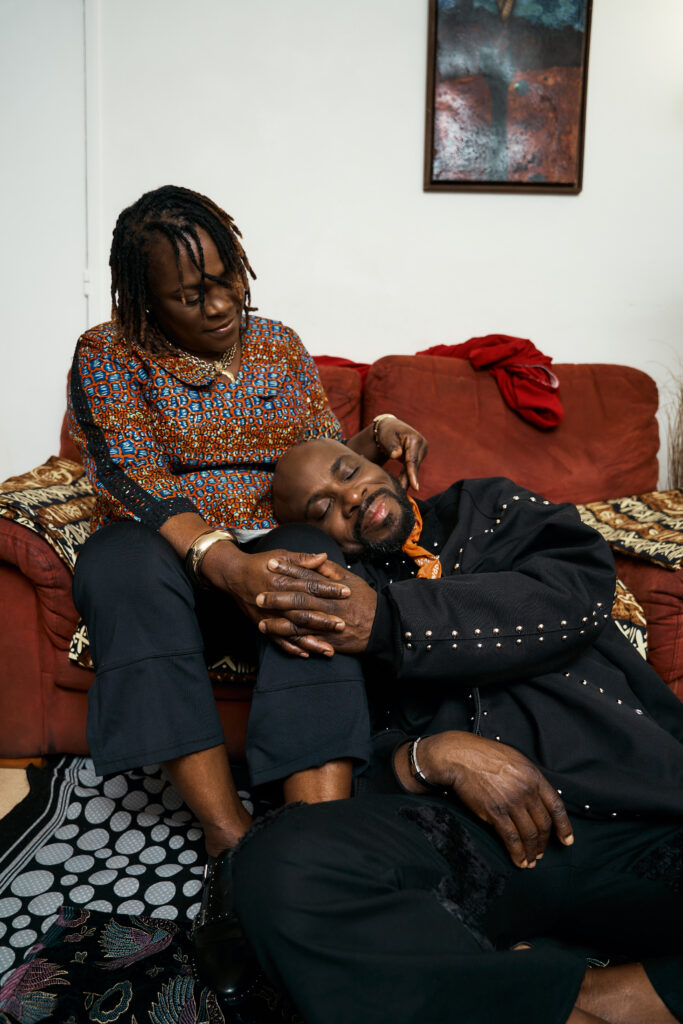
Then his father runs his thumb over his mother’s knuckles, the way you only do with someone after thirty years, and she softens into him, and the scene changes shape: for a moment they stop being Mom and Dad and become Eugénie and François Odouffan again, two people who chose each other long before the house and the roles that came after, now letting something private be seen.
He had walked in fearing the warmth eventually dries up, and the thumb on the knuckles told him otherwise, since it doesn’t dry up so much as wait, sometimes for years, for someone willing to drop the act first.
That ache is what Generational Love is after. The young couple is us, desperate to love and afraid of being caught at it, and the older couple is what we hope we get to be.
See the full portrait series in The Eye.
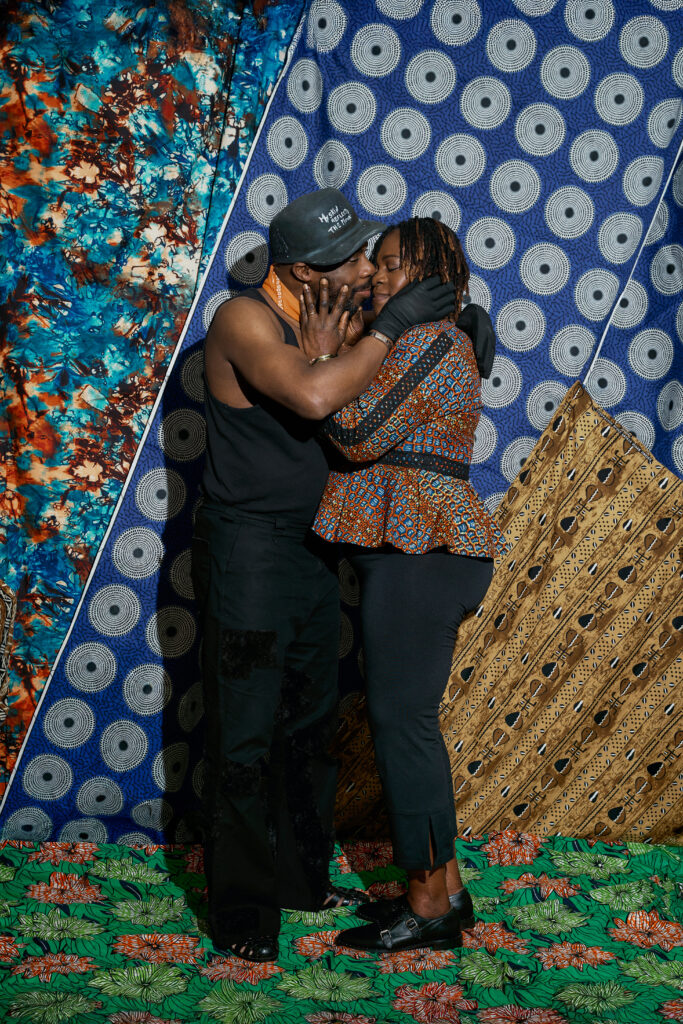
What sits below is the behind-the-scenes of the shoot, worth watching before you sit with the question Generational Love leaves behind: when were you last brave enough to let someone see exactly how much you wanted them?
Credits
Interview: Noah L. Polfliet Photography: Sasha Zheinova (@Sashazheinova) Art direction and styling: @mitch_myb Jacket: @ncpcwrld Designer: @jddoesfashion Hat: @o_gattaca Makeup: @vrdgaelle Behind-the-scenes video: @Noa.eko
The full portrait series is in The Eye.
Join the readers who still say it out loud. Subscribe to Guzangs.