

What the Closure of Tiwani Contemporary Reveals About the African Art Market
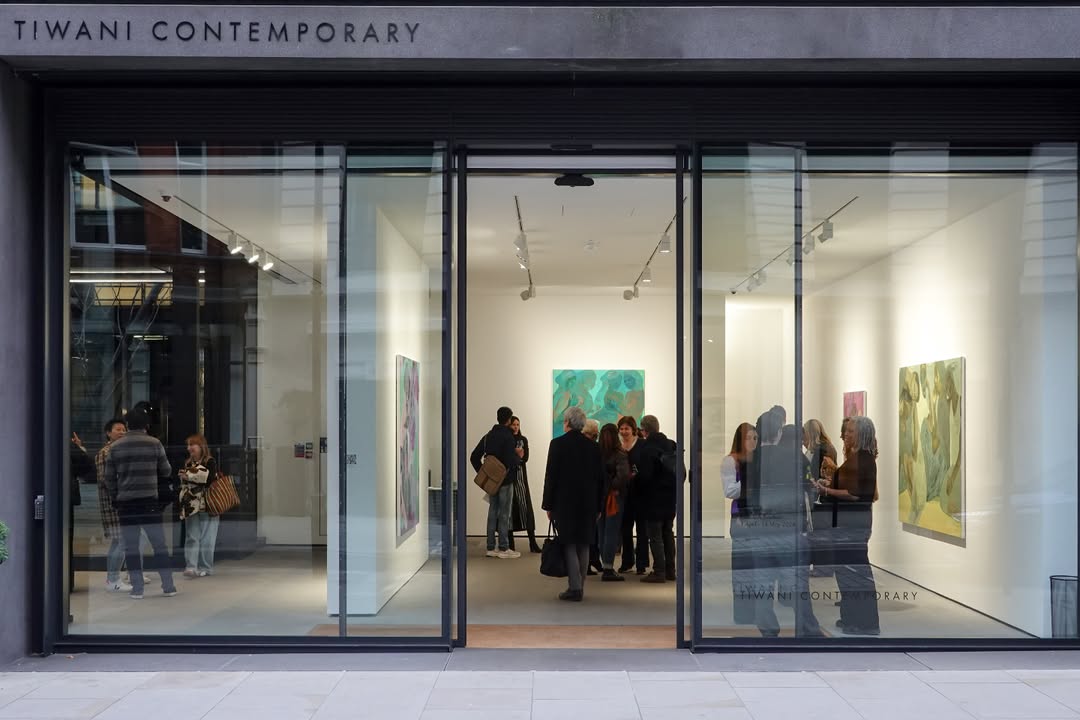
Tiwani Contemporary has closed after fifteen years operating between London and Lagos, marking the loss of one of the most influential mid-sized galleries working between Africa and the global art market. Founded in 2011 by Maria Varnava under the mentorship of the late Nigerian curator Bisi Silva, who proposed the name — loosely translating to “it belongs to us” in Yoruba — the gallery helped shape the careers of artists such as Joy Labinjo, Michaela Yearwood-Dan and Gareth Nyandoro, while exhibiting figures like Njideka Akunyili-Crosby, Simone Leigh and Kapwani Kiwanga in the early phase of their careers.
But its closure arrives at a moment of visible strain across the sector, including the decline of African gallery participation at recent editions of 1-54 Contemporary African Art Fair and Sotheby’s dissolving its dedicated Modern & Contemporary African Art department into broader contemporary sales under the language of “market maturity.” These shifts point to a question that has been at the back of our minds: is interest in African art markets waning, and is the sector now struggling to sustain itself?
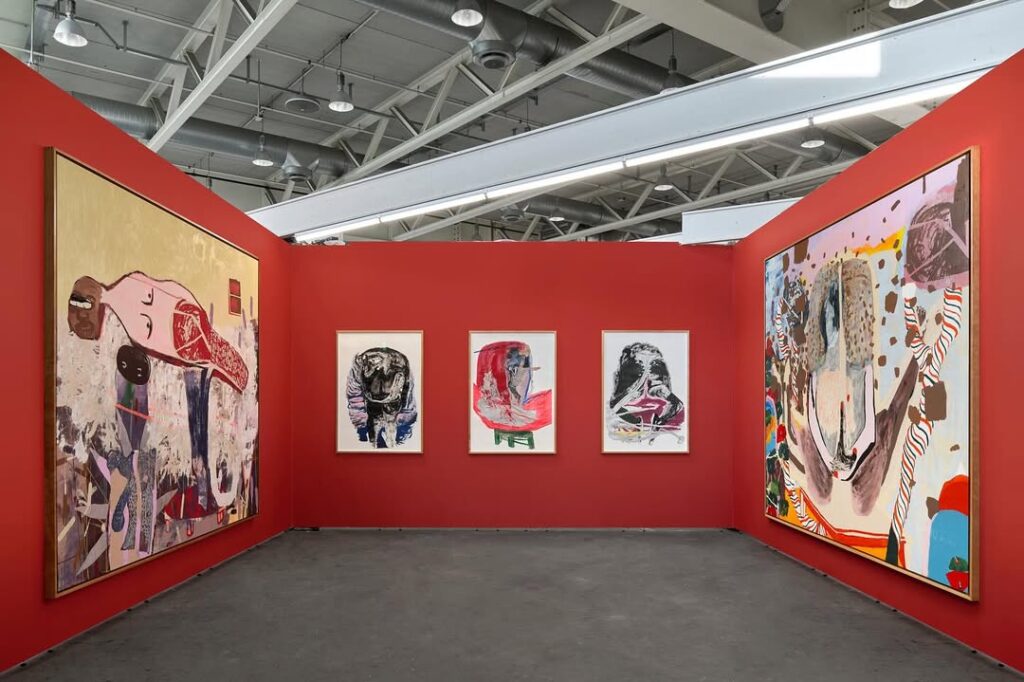
The African art market did have its moment. Between roughly 2015 and 2022, contemporary African art moved from the margins of global collecting into one of its most closely watched sectors. Auction houses launched dedicated sales, international galleries rushed to sign African artists, and museums across Europe and North America expanded acquisitions under the growing pressure to diversify collections. For a time, the mood was unmistakably optimistic: Africa was no longer treated as peripheral to contemporary art, but as its next frontier.
The numbers seemed to confirm the momentum. Artists such as Amoako Boafo, Njideka Akunyili-Crosby, Lynette Yiadom-Boakye and Julie Mehretu achieved record-breaking prices, while fairs like 1-54 expanded visibility for artists and galleries across the continent. Collectors, many newly entering the market, were eager to secure works before prices climbed further. The language of an “African art boom” quickly became commonplace.
But markets built on momentum are rarely stable. By 2022, cracks had begun to show. Inflation, economic uncertainty, and a cooling global luxury market slowed speculative buying. Collectors became more cautious, while galleries faced rising operational costs and increasing pressure to maintain visibility through expensive art fairs. At the same time, the frenzy surrounding emerging African artists created unsustainable expectations, with some prices rising too quickly before institutional support had time to catch up.
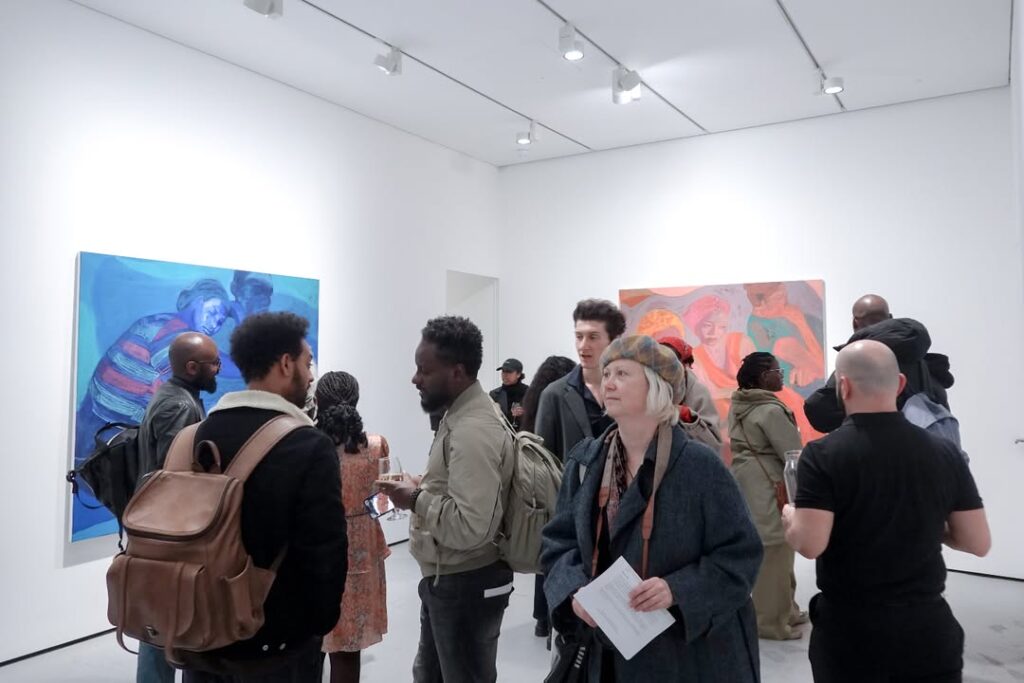
For all the rhetoric surrounding the rise of African art, the truth is harder to ignore: the market remains niche when compared with Asia, Europe, or North America. Even at its peak, African art occupied a small corner of the global art economy, attracting bursts of enthusiasm without ever fully entering the mainstream collector ecosystem.
Part of this reality is economic. Across many African countries, widespread wealth inequality and weaker purchasing power make robust domestic collector markets difficult to sustain. Art collecting, particularly at the contemporary level, remains expensive. African collectors certainly exist, but not in the volume needed to consistently sustain galleries, institutions, and artist careers at scale. Yet this limitation is not uniquely African. Art, globally, has always been an elite luxury. Even in New York, London or Hong Kong, the majority of people are not buying six-figure paintings.
The deeper issue may be dependency. African contemporary art remains disproportionately reliant on a small pool of wealthy international collectors, institutions and diaspora buyers. When global economies tighten or tastes shift, the impact becomes immediately visible. A market supported by concentrated wealth is inherently fragile.
There is also a more uncomfortable structural question: the public infrastructure that sustains contemporary art as a civic practice — museums, art criticism, arts education — remains thin across many African contexts. In places where education, healthcare, inflation and infrastructure dominate daily concern, building that civic layer for contemporary art has not been prioritised. Museums remain limited, art criticism underfunded, and cultural participation uneven.
The paradox, then, is striking: Africa produces globally celebrated artists, yet often lacks the domestic ecosystems required to fully sustain them.
Equally important is the question of medium. Figurative painting continues to travel more easily than sculpture, conceptual practice or installation work. Portraiture, identity-based narratives and emotionally legible images often move quickly across fairs and auctions because they are easier to collect, display and sell. A figurative canvas can fit into a collector’s home; an installation requiring maintenance, space or institutional context is far harder to commodify.
The consequence is subtle but important: markets reward what feels legible, collectible and familiar, often narrowing the range of African artistic practices that gain sustained global attention.
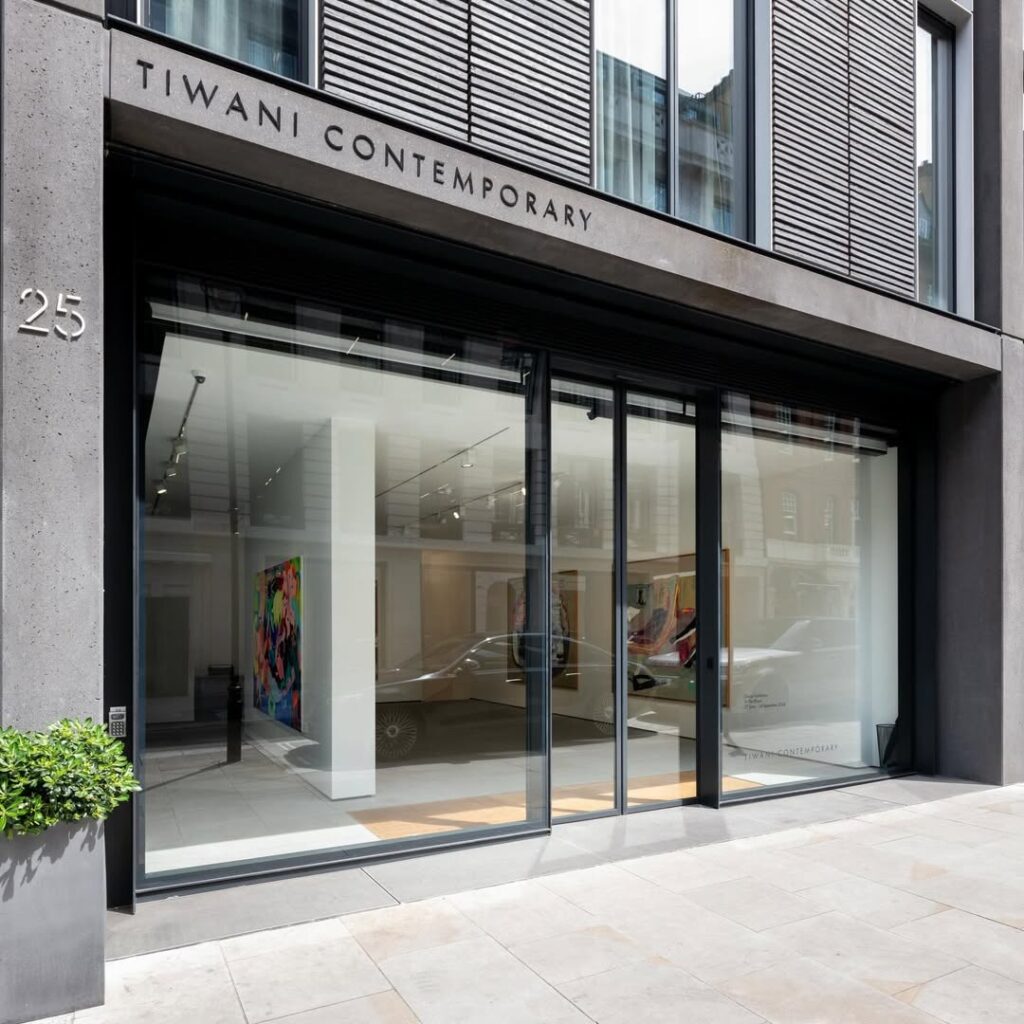
When galleries close, the instinct is to blame mismanagement or declining demand. But galleries alone cannot sustain an art ecosystem. Their survival depends on something larger: collectors, institutions, critics, museums, residency programmes and long-term cultural investment.
The paradox of African contemporary art is that abundance often masks fragility. Artists are receiving global attention, exhibitions continue to open, and fairs still generate headlines. Yet beneath the visibility lies an ecosystem that remains thin. Too few collectors support too many artists, institutional acquisitions remain limited, and public funding is inconsistent. For galleries operating between continents, survival becomes increasingly precarious.
A healthy market requires more than wealthy buyers. In Europe or America, museums often absorb artistic risk by collecting work early, critics generate discourse, and universities preserve scholarship around artists’ practices. These institutional layers help stabilise careers beyond speculation. In much of Africa, those systems remain uneven or underfunded.
As a result, emerging and mid-career artists remain especially vulnerable. Early success can be difficult to sustain, particularly once market attention shifts elsewhere. Without institutional backing, artists often become dependent on galleries to secure visibility, sales and international exposure — pressure few galleries can indefinitely carry.
The closure of spaces like Tiwani Contemporary reveals precisely this problem. Galleries may appear abundant during moments of optimism, but when collector confidence slows or operational costs rise, the weakest layer of infrastructure begins to disappear.
The issue, then, is not simply gallery failure. It is the fragile economic conditions surrounding them.
If the cooling of the African art market reveals anything, it is that visibility alone is not enough. Headlines, auction records and international exhibitions may generate excitement, but sustainable ecosystems require infrastructure — the often invisible systems that allow artists, galleries and institutions to survive beyond moments of global fascination.
The most immediate need is simple: more collectors. Not only international buyers, but stronger domestic and regional collecting cultures capable of supporting artists consistently rather than sporadically. A market cannot depend indefinitely on a narrow group of wealthy foreign collectors whose attention shifts with economic cycles and trends. Greater local patronage from private collectors, corporations and philanthropic foundations would create stability that is less vulnerable to global volatility.
Regional auction ecosystems also matter. South Africa offers an important example through auction houses like Strauss & Co, which have helped cultivate local markets while maintaining confidence in African art beyond international validation. Similar structures across West, East and North Africa could deepen collector confidence and create more sustainable secondary markets.
Perhaps most importantly, African art needs to loosen its dependence on Western approval. Global visibility matters, but it cannot be the sole measure of value. The work of building that independence is already underway in pockets — in regional fairs, in continental collector networks, in the foundations and residencies operating outside the auction-house orbit — and it will determine whether this decade’s gains harden into something lasting or fade with the next shift in global appetite.