



In recent years, several major fashion houses have staged shows and campaigns across the African continent. Runway presentations in Dakar and Marrakech. Campaign shoots in Lagos and along the Kenyan coast. Capsule collections developed with a local designer for a single season. In each case, the framing was deliberate. Local photographers were commissioned. Stylists from the continent or the diaspora set the creative direction. Cultural programming surrounded the events. The language was careful and recognisable: dialogue, exchange, craftsmanship. The coverage was extensive. By most visible measures, these were successes.
But a pattern emerges when you look at what followed. Senior executives made public commitments to local sourcing and long-term partnerships. The designers they collaborated with returned to under-resourced independence after a single collection. No new stores opened in the cities that hosted these productions. No ongoing investment in local manufacturing followed. In several cases, collections were designed and produced entirely in Europe, with the African location serving as backdrop rather than production partner. The show ended. The team moved on. What remained was press coverage, not infrastructure.
This is not one brand’s failure. It is a recurring pattern across the luxury and fashion industries. Brands arrive with visual references, trending city names, and a short list of creatives sourced from the same handful of accounts. A narrative takes shape in language that feels appropriate. Budgets are approved. Timelines are set. The campaign or activation is produced, circulated, and reported internally as progress. Then the cycle closes.
From the outside, it looks like engagement. On the ground, nothing shifts. The core issue is not negligence. It is the absence of reliable market intelligence on African creative economies. Without that knowledge, brands default to what is immediately visible and aesthetically legible rather than investing in the structural understanding that could lead to lasting participation.
Why This Pattern Keeps Reproducing Itself

This is not accidental. It is a result of a system that rewards visual output over structural investment.
Reliable market intelligence on African creative economies remains limited. Few systems map supply chains, production capacity, or long-term opportunity in ways that external teams can access and use. In that vacuum, brands default to what is available. Visual culture becomes the primary reference point. Creative talent is sourced from the same small pool of names and accounts that have already gained international visibility, which can look like research but is often a selection from a narrow field. Collaborations stay at the level of recognition rather than moving into deeper engagement.
The incentive structures of the global fashion industry reinforce this. Work moves in cycles tied to seasons and fixed deadlines. A project in Dakar or Lagos fits neatly within that model. It produces immediate results and can be reported internally as expansion. Whether anything lasting is created on the ground is rarely part of the evaluation. Long-term impact was never dismissed from the conversation. It simply never became a requirement.
As a result, entry is treated as a moment to activate within a single season rather than a process that unfolds over time. But credibility does not follow seasonal timelines. It develops through continued presence and relationships that are sustained rather than abandoned after a campaign wraps.
What Credible Entry Actually Looks Like
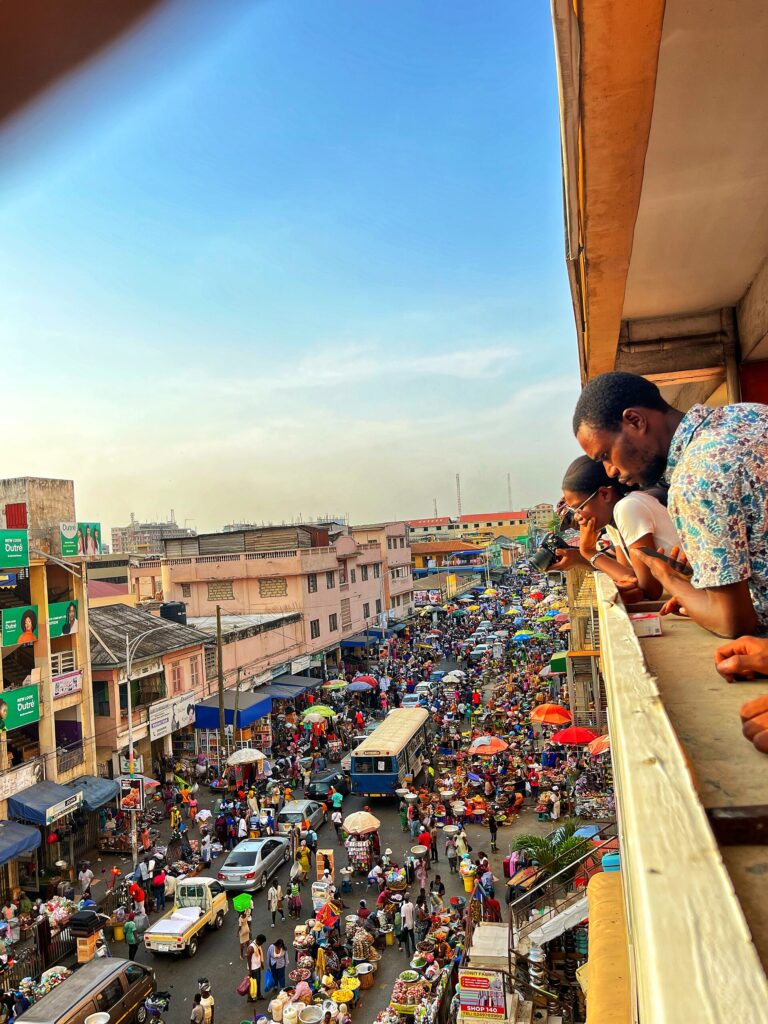
The solution is much quieter than a campaign and much harder to execute. It is built around understanding rather than spectacle.
The first requirement is knowing where authority actually sits within a market. Every city has its own internal logic. There are people who shape taste, people who control access, people who hold cultural weight even if they are not widely visible internationally. If a brand cannot identify who these figures are, its understanding of the market is incomplete. This kind of knowledge is available, but it is not always documented or accessible through conventional channels. It comes through paying attention to how things move locally rather than how they appear from the outside.
Then there is scrutiny, which many brands try to avoid but should expect. Markets are observant. People notice when a brand arrives, how it behaves, and whether it stays. They remember if relationships were sustained or dropped once the campaign was delivered. Credible entry means being willing to be assessed, questioned, and held accountable within that context. This is not a risk. It is an advantage. A brand that submits to local scrutiny and responds well builds trust that competitors cannot replicate.
Supply chain knowledge is the part most often overlooked because it is not immediately visible. If a brand is serious about entering a market, it has to ask fundamental questions. Who is making the garments? Where are the materials sourced? At what cost, and under what conditions? These are not abstract concerns. They define whether a brand is participating in an economy or extracting from its image.
This knowledge already exists. It lives with textile importers who have spent decades moving between countries, with market traders who understand fabric quality better than any report, with small-scale manufacturers, dyers, and tailors who hold entire production systems together. These people rarely sit within the networks that global brands typically access. Reaching them requires a different kind of research, one that is slower, more grounded, and less dependent on visibility.
In practice, this looks like returning to the same city across seasons, not just for content but for production. Retaining local partners beyond a single project and placing them into long-term vendor relationships rather than one-off freelance arrangements. Funding the sourcing research that most brands skip because it does not photograph well. Integrating regional manufacturers into supply systems that outlast any single campaign. None of this is glamorous. Most of it will never appear in a press release. But it is the work that separates participation from performance.
One model that demonstrates what this can look like in practice is the Ethical Fashion Initiative, a programme of the International Trade Centre operating since 2009. In Kenya, EFI built production infrastructure through social enterprises, connecting artisan communities with international fashion houses and creating sustained employment, training, and market access. The programme does not produce a single campaign and leave. It maintains production hubs, manages supply chains, and supports designer development over years. Vivienne Westwood maintained one of the longest-running relationships within this model, producing accessories and garments through Kenyan artisan communities under her “Made in Kenya” line across multiple seasons. The pieces were integrated into her global collections and sold internationally, creating sustained income rather than a one-time payment. Even this model has limits. Production was included without fully shifting ownership or infrastructure into local hands. But it represents a fundamentally different approach to engagement, one built on continuity rather than activation.
Without that kind of effort, what looks like market entry is often just borrowing from a surface.
Why This Matters for Brands, Not Just Markets
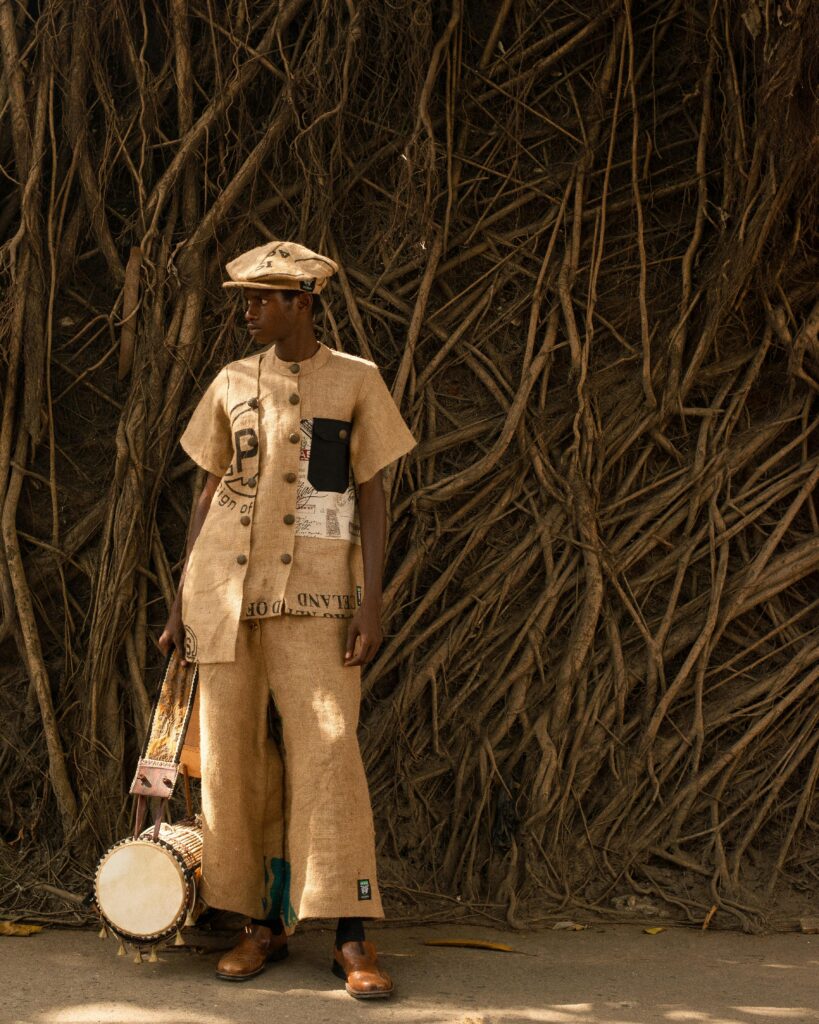
One collaboration, no matter how well executed, is not an entry. The brands that begin to build credibility are the ones that return. They work with the same partners again. They refine what they started. They create systems that generate value beyond a single campaign cycle.
For local markets, shallow entry creates visibility without capacity. It brings attention but does not strengthen the systems that sustain the industry. Production stays fragmented. Supply chains are not expanded. The people who hold the structure together continue to operate without increased support or recognition. What is left behind is an image, not an ecosystem.
The cost to brands is just as real, even if it is less immediately apparent. When entry is treated as a moment rather than a commitment, partnerships remain thin. They are built quickly and dissolve just as fast. There is little institutional knowledge carried forward, so each new attempt starts from zero. Over time, this becomes expensive. It leads to repeated spending without compounding return, and to a kind of reputational fatigue where audiences begin to recognise the pattern. Trust becomes harder to earn. Each subsequent entry requires more effort to feel credible.
There is also a competitive dimension that is easy to underestimate. As more brands turn their attention toward African and diaspora-facing markets, the difference will not be made by who arrives first, but by who understands best. The brands that invest in supply chains, in relationships, in local knowledge that goes beyond the visible layer, are not just behaving more responsibly. They are building an advantage that compounds over time. They move with more precision. They make fewer missteps. They are able to stay.
This is not about whether brands should enter these markets. It is about how they choose to do so. The ones still working from mood boards will always be visible, but the ones working from structure will be the ones that last.
To dive deeper into African fashion ecosystems, read The Guzangs Report.