

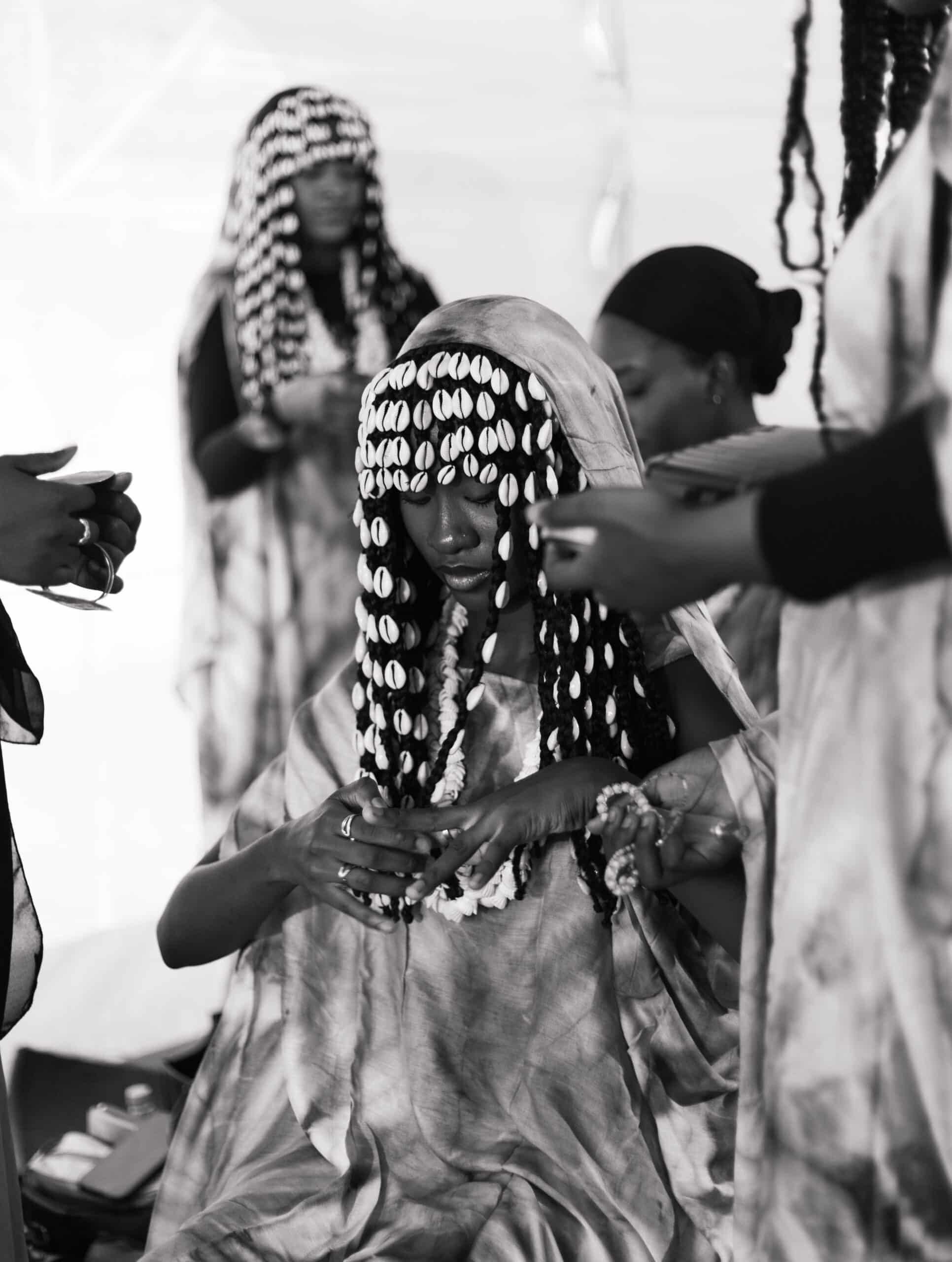
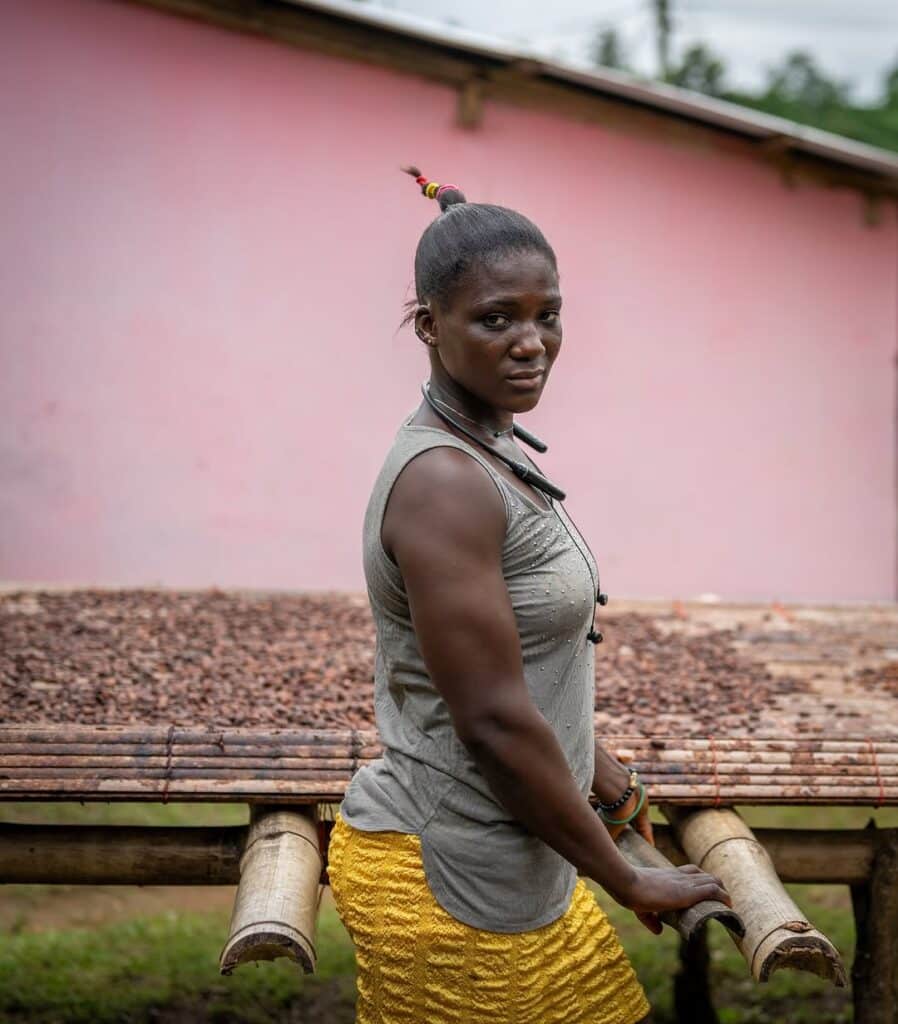
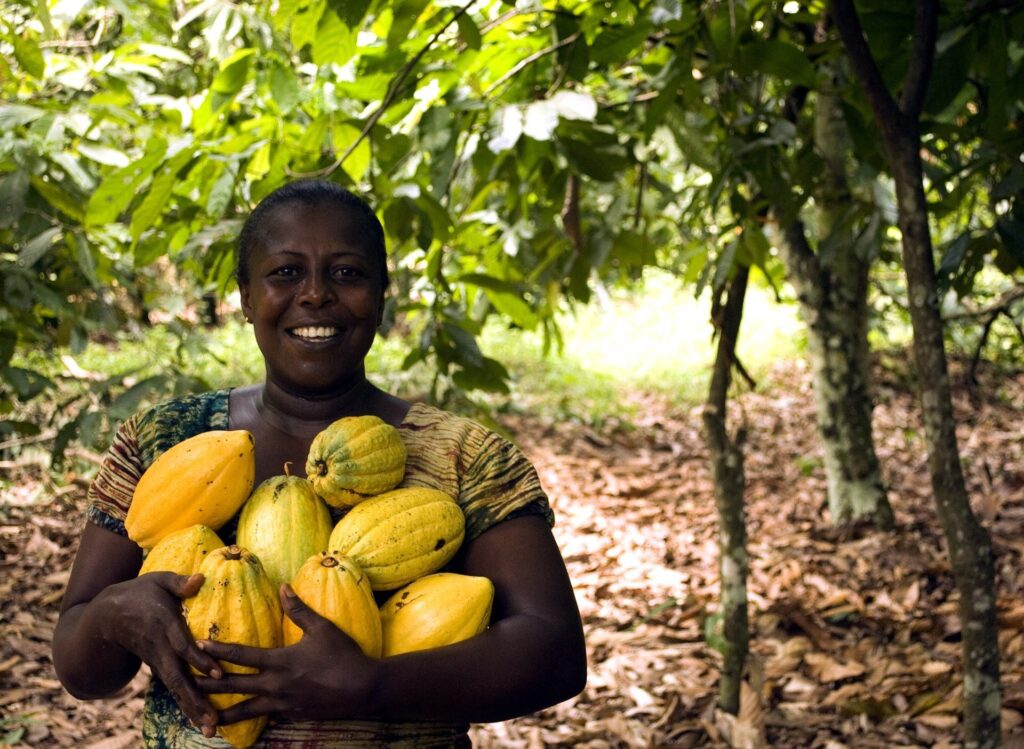
For generations, Africa exported its wealth in raw form while others captured the margins. The cocoa beans that left Accra for Belgium, the shea nuts that traveled from Burkina Faso to Paris, the cotton picked across the continent – African producers received single-digit shares of final product value while foreign processors claimed the rest.
In commodity economics, this is called value capture. African farmers typically receive single-digit shares of final product value – around 7 percent in cocoa value chains – while manufacturers, brands, and retailers abroad claim the rest. Africa’s intermediate goods exports (raw or semi-processed materials) represented 77 percent of the continent’s non-fuel merchandise in 2022, the highest share globally.
But some producers have stopped accepting these terms, building infrastructure that challenges the colonial economic model instead of asking permission to participate in it.
When Virality Becomes Economic Power
On January 26, 2026, American livestreamer IShowSpeed visited the Shea Butter Museum in Accra. What happened next is a case study in how cultural authenticity creates premium markets.
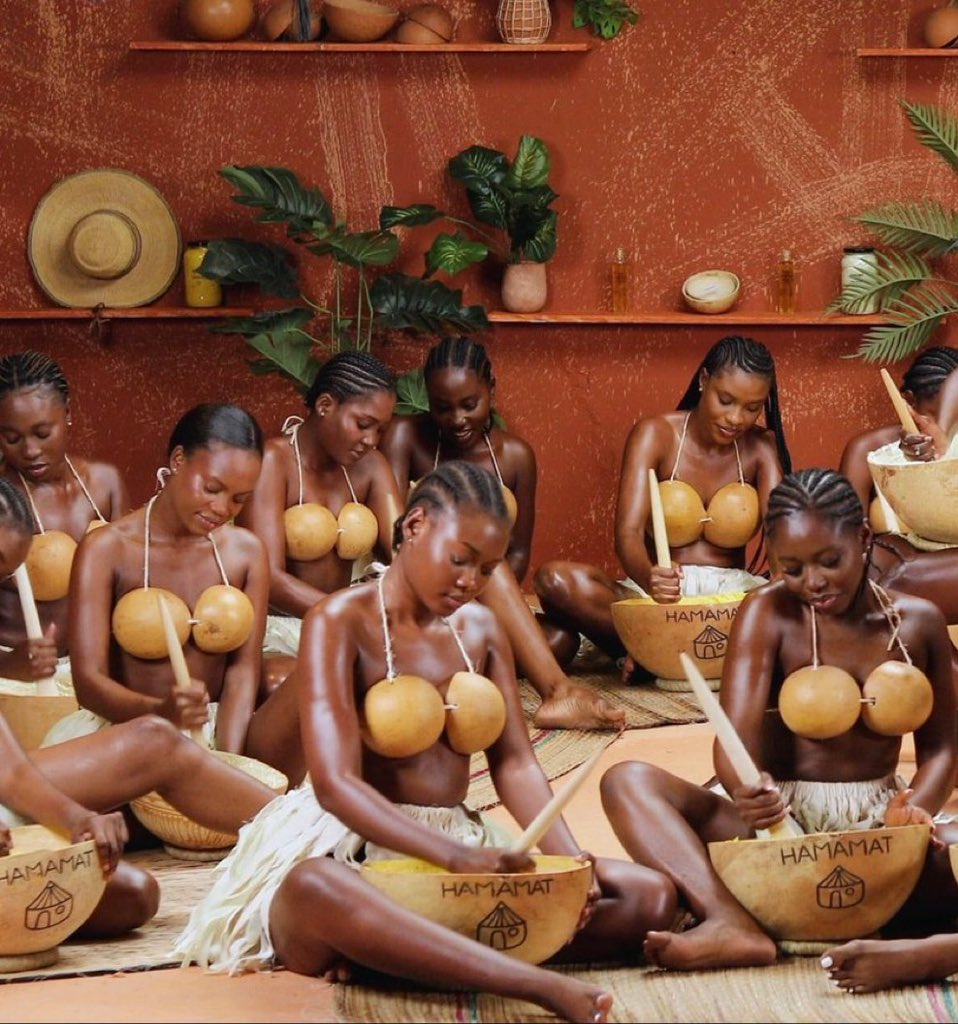
The museum, founded by Hamamat Montia (Miss Malaika Ghana 2006), functions as both cultural institution and commercial laboratory. It’s described as the world’s first dedicated to shea butter production, documenting traditional methods while selling premium handmade products – body butters, oils, skincare – packaged with deliberate cultural positioning.
Speed received a traditional shea butter massage from local women while livestreaming to tens of millions of followers across platforms. The video went viral, and the traditional Dagbani chant “kuriya kuriya kur jen jen” – originally a communal work song – flooded TikTok and became a global sound.
At the Ghana-Zambia Business Forum, President John Dramani Mahama quantified the impact: an estimated 20 million internet searches for Ghana and shea butter. “IShowSpeed did more advertising for us than we could have done ourselves,” he said.
Within 24 hours, the museum reported being fully booked until mid-March. The Ghanaian government subsequently appointed Montia as the country’s Cultural Ambassador for Shea Butter – institutional recognition of what she’d already accomplished.
The economic transformation is straightforward: For decades, West African women sold raw shea butter to European cosmetics companies for $3 to $5 per kilogram. Those companies refined it, branded it, and sold finished products for $30 to $50 per kilogram or more. Montia’s model captures that margin locally while adding something European manufacturers cannot: verifiable cultural origin and traditional production knowledge presented as premium experience, not poverty narrative.
The museum wasn’t “discovered” – it was positioned deliberately, then activated at the right cultural moment through the right platform. What Speed’s visit demonstrated is that distribution has fundamentally changed, and that authenticity properly showcased doesn’t need traditional marketing channels to create demand that justifies premium pricing.
Cowries and the Creation of Cultural Capital
Commodity value comes from controlled processing and quality standards, but luxury value operates differently – it comes from meaning, craft knowledge, and institutional recognition.
Lafalaise Dion understands this distinction completely.
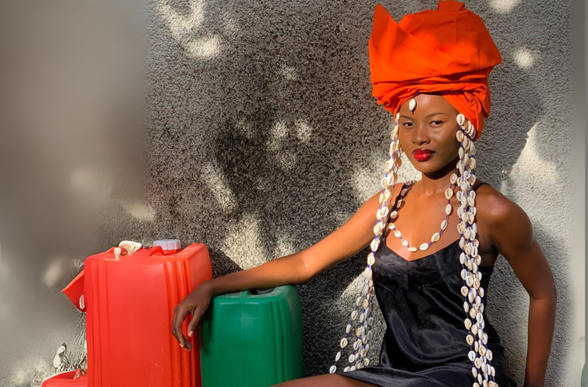
The Ivorian designer, born into the Dan people of western Côte d’Ivoire, transforms cowrie shells – once currency across West and Central Africa – into pieces priced from $100 to several thousand dollars. The materials themselves cost almost nothing, but the cultural knowledge embedded in them creates value that European luxury houses cannot replicate.
Dion grew up watching Tématé dancers whose headdresses were adorned with cowries during traditional rituals. Among the Dan/Yacouba people, cowries served as sacred symbols and means of communication with the spirit world – representing fertility, protection, divine feminine energy. Colonial-era superstition and stigma distanced her from these practices. As an adult, she began systematic cultural research, meeting with spiritual leaders, documenting traditions, and reconnecting with ancestral knowledge.
In 2018, she created her first cowrie headpiece for Ghana’s Chale Wote Street Art Festival – a deliberate public claiming of heritage. “I am wearing my heritage with pride whether you like it or not,” she has said. “I am proud to be African.” Vogue featured the work, and she continued building what would become a recognized luxury brand.
Her production method is labor-intensive: sourcing shells from local Abidjan markets, then two to four days of handcrafting per piece. Each creation is named with intention. “Lagbaja,” the mask Beyoncé wore in the “Spirit” music video, means “unknown, mysterious, hidden, mystical” in Yoruba – a deliberate invocation of spiritual concealment and revelation.
In 2019, Beyoncé commissioned more than 20 pieces for “Black Is King.” In 2022, the Victoria and Albert Museum included Dion in its “Africa Fashion” exhibition; she has said the museum acquired two pieces from her “Mami Watta” series for its collection.
This is value creation in its most literal form: raw materials become wearable art embedded with heritage, spiritual practice, and institutional validation. Dion doesn’t position herself as artisan-discovered-by-the-West. She presents as cultural authority, spiritual practitioner, and luxury designer simultaneously – what she calls “Queen of Cowries,” a title she gave herself.
The economic model works because the cultural positioning is uncompromising. European luxury houses can source cowries, but they cannot source Dan spiritual knowledge, Tématé dancer traditions, or the lived experience of cultural reclamation – and that irreplicable knowledge is what justifies the margin.
The Mechanisms of Retention
In commodities like cocoa and shea, value is captured through controlled processing, quality standards, and brand development. In luxury goods, value is created through craft labor, cultural meaning, and institutional recognition.
Both mechanisms allow producers to retain margins that would otherwise flow abroad, but they operate differently.
Ghana’s ’57 Chocolate exemplifies the commodity model: controlling the full production chain from local cocoa sourcing to finished bars sold in upscale retailers. Raw cocoa beans can sell for a few dollars per kilogram on commodity-linked markets. Transformed into artisanal chocolate, they command roughly eight to ten times that value. The company captures that differential by processing locally – keeping jobs in manufacturing, packaging, marketing, and distribution rather than exporting the margin.
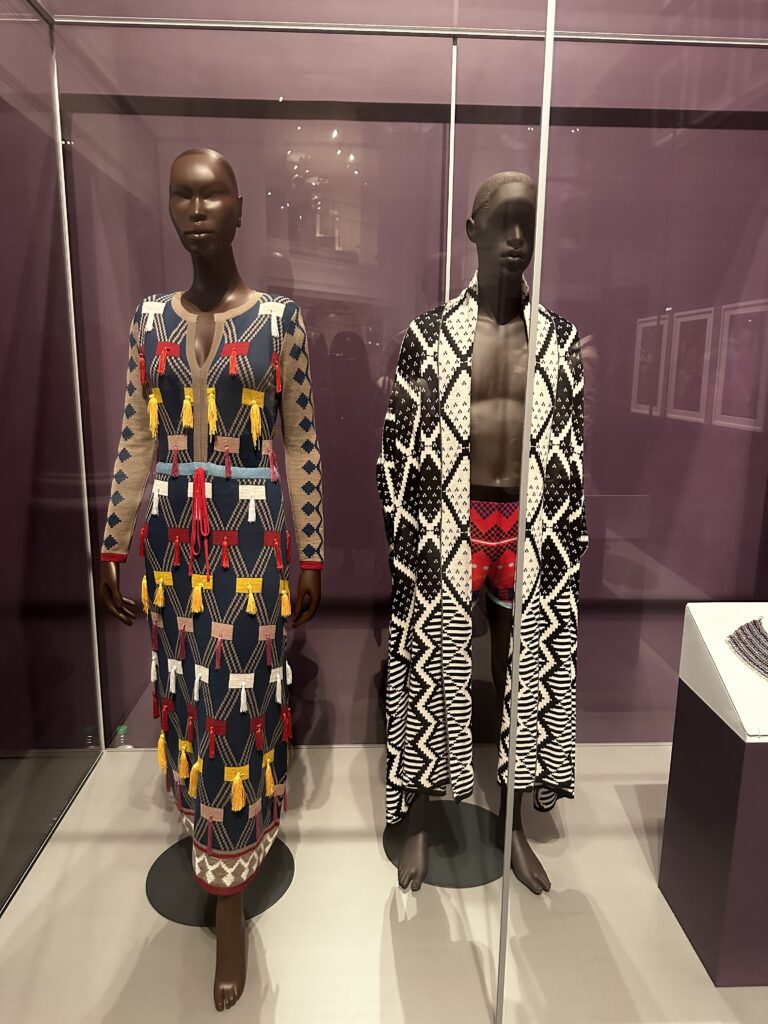
Maxhosa Africa, the South African luxury knitwear brand founded by Laduma Ngxokolo, operates the luxury model. The brand transforms Xhosa cultural motifs into pieces priced to compete with Louis Vuitton and Gucci – Ngxokolo has said this explicitly. Maxhosa is stocked at Bloomingdale’s. The brand maintains seven stores in South Africa and opened its first international store in New York in 2024.
IAMISIGO, founded by Nigerian designer Bubu Ogisi, functions as hybrid – preservation project and luxury brand simultaneously. Operating across Lagos, Nairobi, and Accra, the brand works with artisanal communities to preserve ancestral textile techniques: Kenyan cotton weaving, Nigerian ase oke and indigo dyeing, Senegalese sisal and raffia. In 2025, Zalando awarded IAMISIGO its Visionary Award, a €50,000 prize plus support for runway presentation at Copenhagen Fashion Week.
These aren’t charitable projects. They’re profitable businesses building infrastructure that didn’t exist – not because it couldn’t, but because colonial economies were designed to prevent it.
What Institutional Recognition Means
When President Mahama quotes search volume statistics at an international business forum, when the V&A acquires cowrie pieces for permanent collection, when Beyoncé commissions 20+ pieces from an Ivorian designer, when Zalando awards six figures to a Nigerian brand – these aren’t feel-good diversity gestures but market signals that African producers are setting terms rather than accepting them, that cultural authority translates to pricing power, that what was dismissed as craft is now recognized as luxury, and that the infrastructure for value retention exists and is expanding.
The challenges remain real. Access to capital limits scale. Supply chains built for raw commodity export don’t easily accommodate finished goods. Regulatory frameworks often favor extraction over transformation. But initiatives like the African Continental Free Trade Area are creating regional markets large enough to support local manufacturing. And global consumer demand is shifting toward traceability, ethical sourcing, and authentic origin – precisely what African producers controlling full supply chains can offer.
Reclamation, Not Discovery
The language matters here. African producers aren’t being “discovered” by global markets but rather building markets on their own terms and then allowing global institutions to participate. They’re not adding value to raw materials – they’re retaining value that was always being created, just captured elsewhere.
When Ghana processes its own cocoa into chocolate, when Ivorian designers transform cowries into couture, when Ghanaian entrepreneurs build shea butter brands that presidential administrations cite as marketing success – this is what economic self-determination looks like in practice.
The model works not despite cultural specificity but because of it. Authenticity, properly positioned, commands premium pricing. Cultural knowledge, systematically preserved and presented, becomes luxury’s raw material. And producers who control full value chains – from spiritual practice to museum placement, from traditional technique to institutional validation – capture margins historically surrendered.
Africa isn’t asking to be included in the global luxury conversation. It’s demonstrating that the conversation was always incomplete without African voices defining terms.
The challenges remain real and the infrastructure is incomplete, but the model works – and the fact that it works fundamentally changes what’s possible.
Enjoyed this story? Join our community to get the latest insights on African luxury, heritage, and economic self-determination delivered straight to your inbox.