


Meriem Berrada Took Morocco to Venice for the First Time
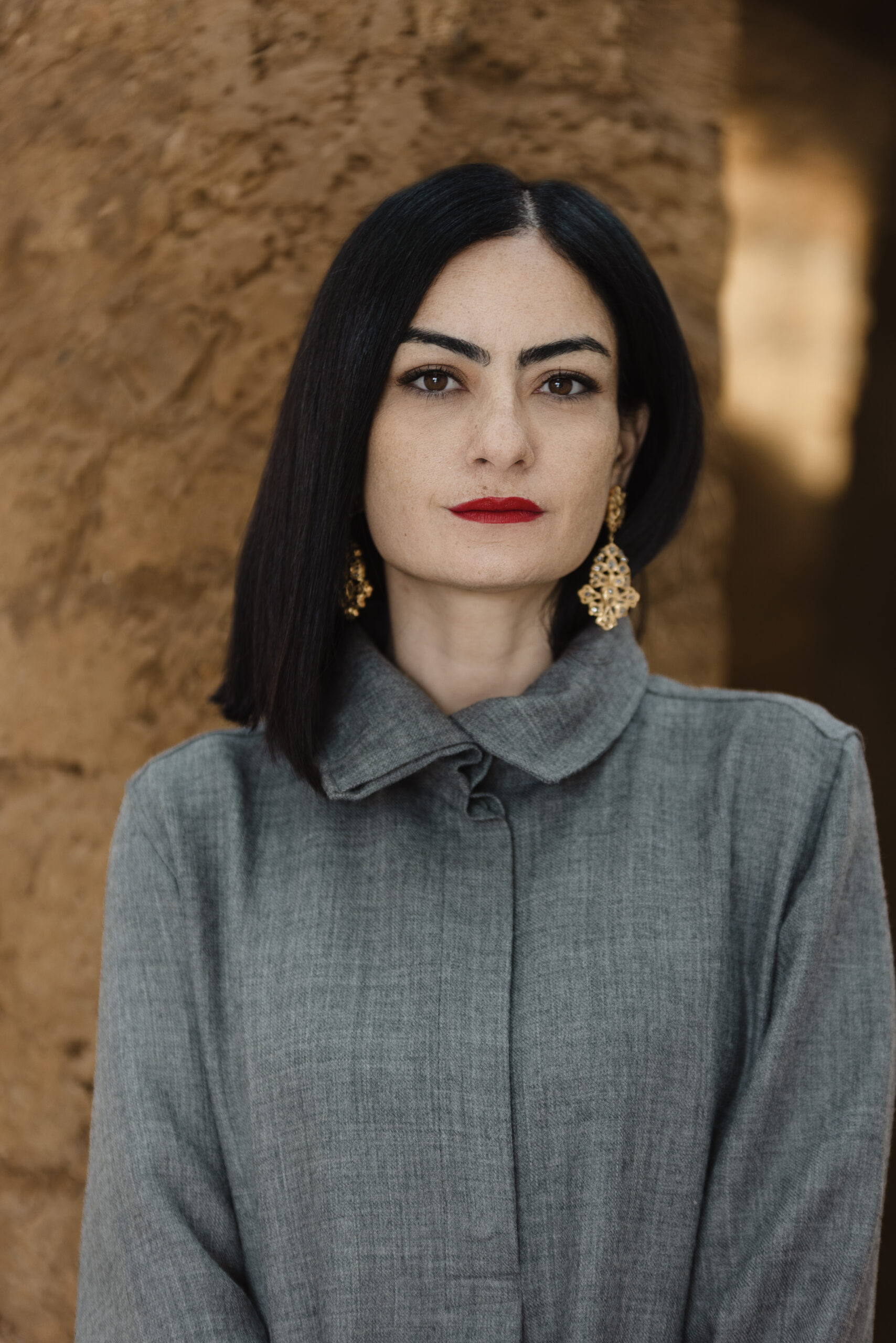
For about a decade and a half, Meriem Berrada has been at the forefront of building sustainable art and cultural ecosystems across Africa and the Arab world and their diasporas, with a focus on the intersections between art and craft in contemporary storytelling, as well as an interest in photography. She has founded, launched, and led initiatives to develop and grow art scenes, practices, and projects across the two regions as a curator, artistic director, and consultant.
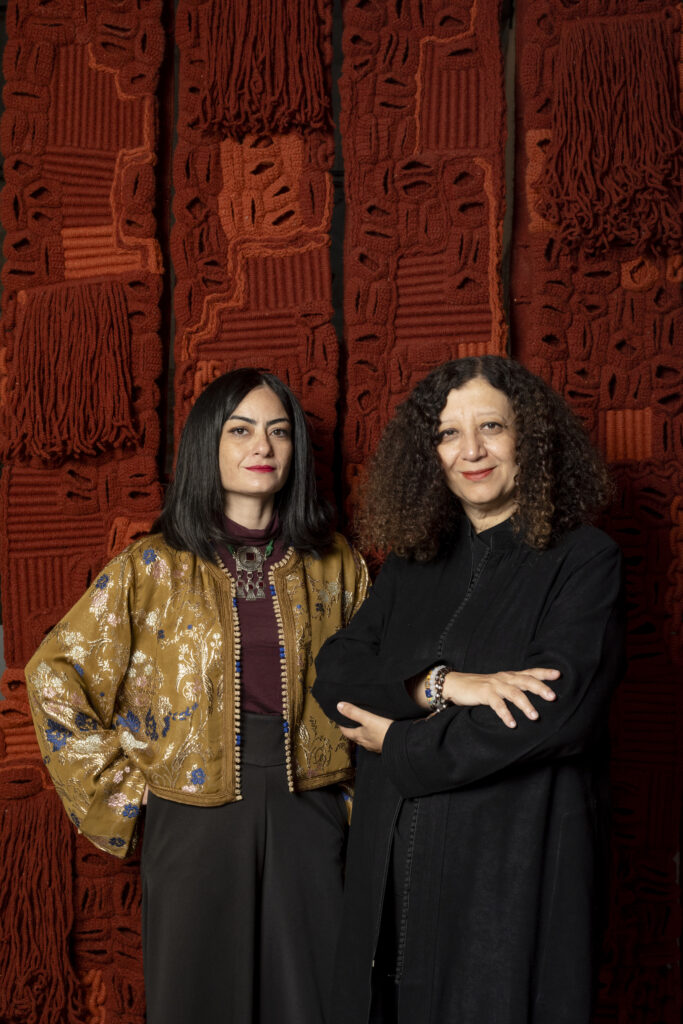
Berrada and Amina Agueznay first met in 2015 and began their long-term working relationship with the installation Noise in 2018, described as a library of materials created with a group of artisans on-site in the Moroccan town of Asilah. In 2024, the duo worked on a major solo show, Fieldworks.
And now in 2026, the two represent the Kingdom of Morocco with its debut national pavilion at this year’s 61st Venice Biennale, whose central exhibition, In Minor Keys, was curated by the late Koyo Kouoh. Their project is titled Asǝṭṭa, which means “loom” and “ritual of weaving” in Amazigh. The large-scale 300-square-meter installation, crafted by Amina Agueznay and curated by Meriem Berrada, is an exploration of the transmission of the centuries-old craft tradition for which the North African country is known, merging it with contemporary art.
“What I truly appreciate about Amina Agueznay and what fundamentally shifted my perception of art is how she challenges the barriers between art, craft, architecture and design,” says Berrada. “We believe that our society does not divide these disciplines: that obsession with categorization is something that came from the West. Amina fluidly moved between design and architecture, ultimately questioning the need for such distinctions, whether between contemporary art or traditional craft.”
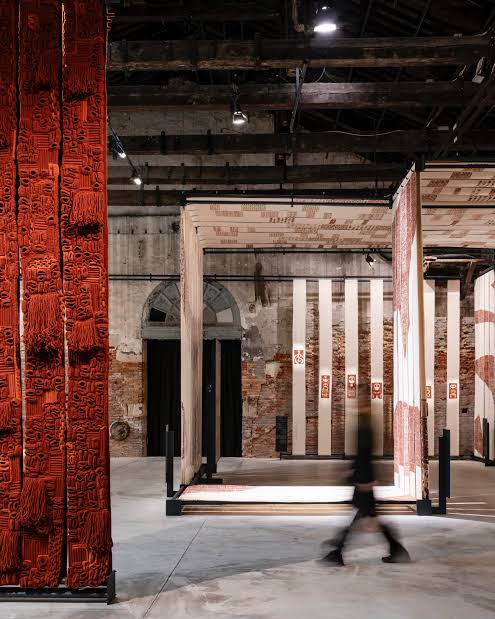
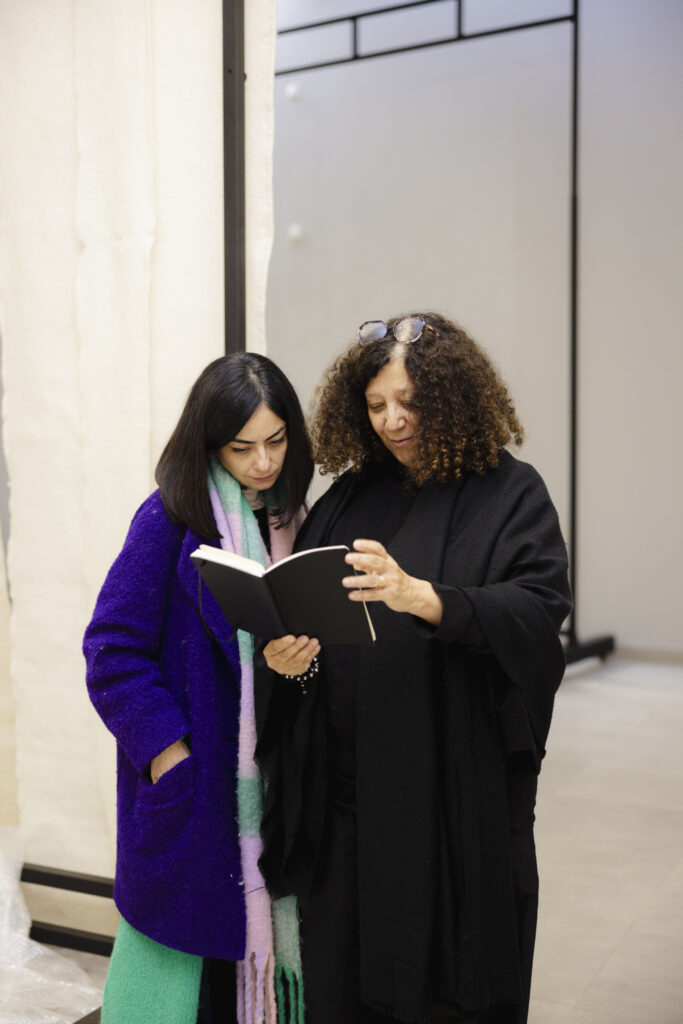
The pavilion is on view within the Artiglierie at the Arsenale, a major Biennale venue. The site-specific project, commissioned by Morocco’s Ministry of Youth, Culture and Communication, was made in collaboration with 166 Moroccan artisans across the country’s regions. Agueznay has been working with some of the artisans for about thirty years.
Guests who have seen the project, which took about eight months to finalize, have been pleasantly surprised. People “were not really expecting that kind of setup,” Berrada says of the presentation, which she refers to as “more like an architectural piece,” a nod to Agueznay’s background as a trained architect with about a decade practicing in the United States. “The public was maybe looking forward to a kind of traditional display, which was not the case,” she says. “The feedback and reception to the work, design and minimalistic outlook have been amazing, and a very important statement for the team behind the project.”
In 2013, Berrada created La Chambre Claire, an initiative to identify and support early-stage photographers. A year prior, she had joined Fondation Alliances, a non-profit that supports social and cultural development in the Kingdom of Morocco, and was managing its collection. There, she noticed a lack of programs that could help artists sustain their practices without being driven by the pressures of the commercial world. With the help of a jury, they chose a photographer, offering the person their first residency and solo exhibition, as well as curatorial support, including insights into everything from the printing process and framing to exhibition design, lighting, and an artist statement. It was among the first programs dedicated to photography in Africa.
It’s important to share my experience. Mentoring is the base of transmission but it’s mutual.
“I think it’s more than necessary,” says Berrada about the need for mentorship initiatives in the creative, cultural and art ecosystem in Africa. In the past decade, there has been a growing number of institutions and non-profits across the continent. What is also needed is training. “It’s important to share my experience. Mentoring is the base of transmission but it’s mutual because of course you share your experiences but you can also get a better understanding from the younger cultural operators because the paradigm has changed in the past five years.”
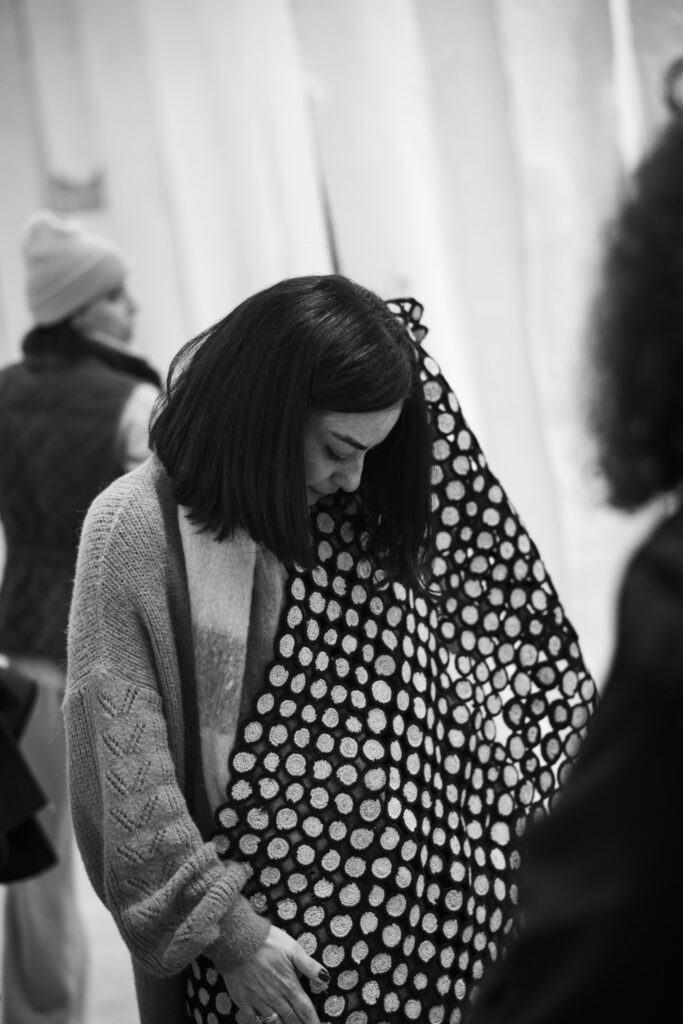
In 2016, Berrada was instrumental in the founding of the Marrakech-based Museum of African Contemporary Art Al Maaden (MACAAL), powered by Fondation Alliances, where she has served as artistic director since 2018. At the museum, Berrada, a 2025 participant in the MoMA/CCL International Curatorial Institute, launches and leads initiatives to support the work of artists across Africa, including commissioning and working with artists such as Malagasy Joël Andrianomearisoa, Franco-Moroccan Sarah Ouhaddou, and Agueznay, whose practices are based on or shaped by craftsmanship. That programming also invests in how audiences move through the museum’s exhibition spaces and experience the work on view.
For the Venice Pavilion, her primary challenge in curating, she discloses, was determining how to present the exceptional diversity of Moroccan artisanal techniques within a single space while avoiding a folkloric outcome, which was admittedly difficult. “We also chose to take significant risks because we wanted the pavilion to be as ambitious as possible for such a special opportunity,” she adds.
Its diversity is not ornamental; it is structural.
Asǝṭṭa, the final work, now on view through November 22, she hopes, “challenges a persistent tendency, particularly in Western contexts, to freeze cultures into stable images. I believe Morocco resists that entirely. Its diversity is not ornamental; it is structural. It runs through bodies, landscapes, languages and material traditions that vary profoundly across geographies and communities. There is no singular Moroccan culture to represent, only an ongoing negotiation between many.”