

How Lusaka Moves
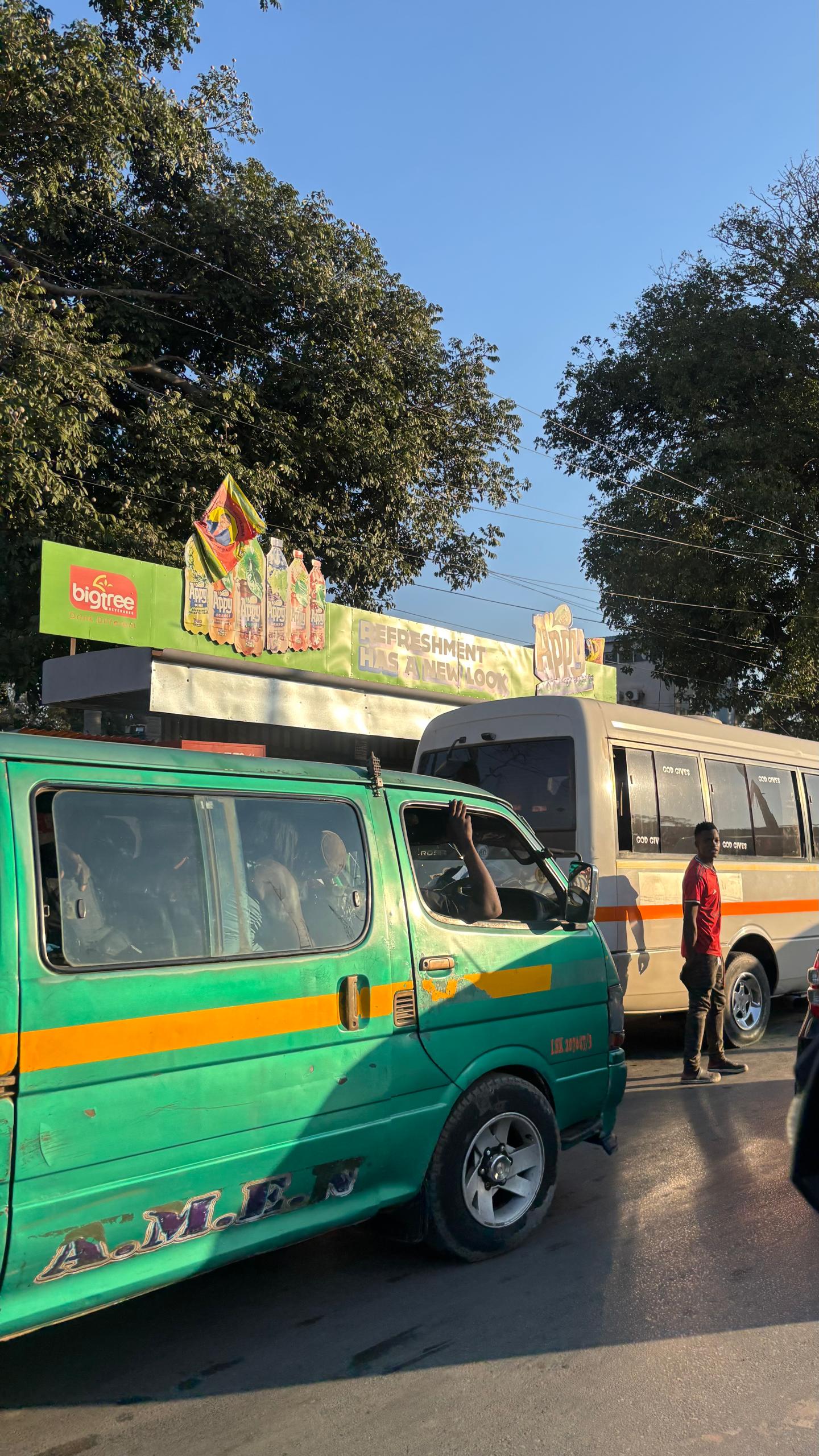
There is a particular way Lusaka reveals itself. You can spend an entire afternoon convinced there is nowhere to go, only to find yourself scattered around town because the errands dragged you to new places.
For years, Lusaka has been described as a city of work and little play. In administration, politics, and commerce, it is a city filled with offices, traffic, and shopping centres, where leisure tends to be scheduled rather than produced for you. Its creative economy has often existed in the margins of that picture, treated as a collection of individual artists, designers, entrepreneurs and musicians rather than as a cohesive ecosystem.
That understanding has become harder to sustain.
Lusaka’s creative economy is not yet institutionalised compared to its neighbouring cities, but what makes the city more interesting is how its creative life is being built from ground zero. Many independent galleries, cafes and restaurants, music collectives, and cultural institutions have found they can build spaces for themselves where none existed before.
The City is the Network
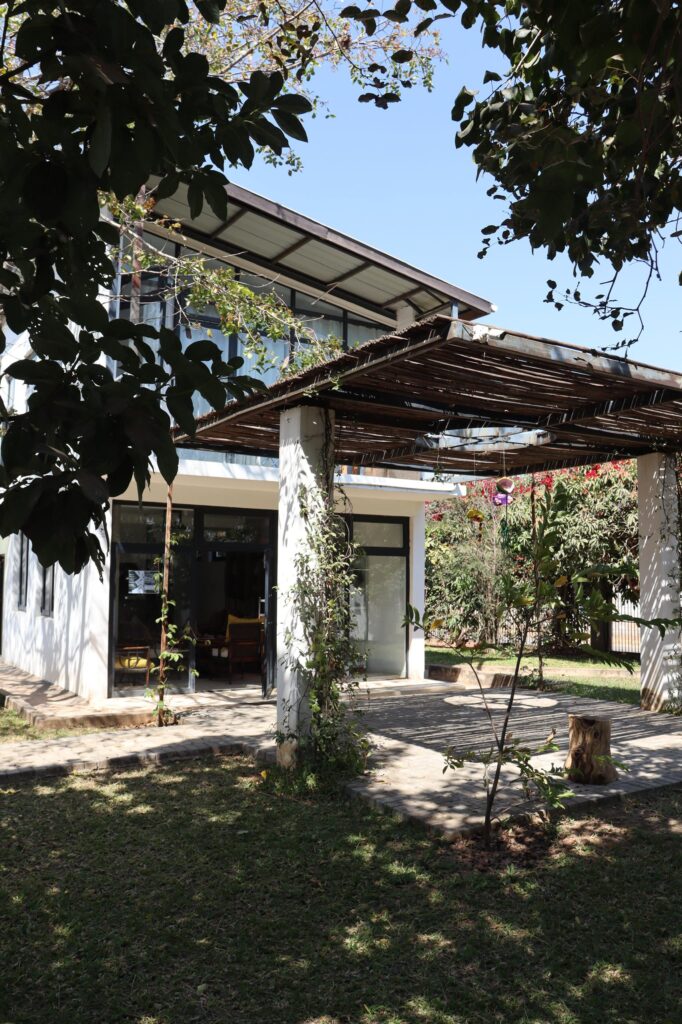
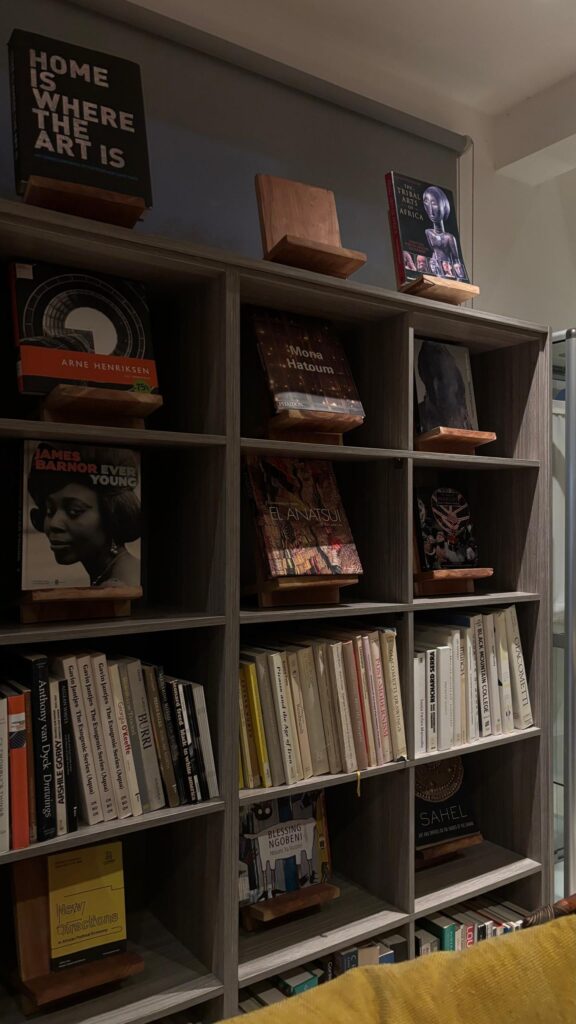
Lusaka has no central cultural district; its creative geography is scattered. A gallery opening on one side of the city can lead to dinner somewhere else. A conversation with a creator can lead to a collaboration at a studio months later. One photographer might shoot a campaign, document a concert, and exhibit their photographs all within the same month. The categories blur because the market is small enough for people to keep crossing paths. That intimacy is one of Lusaka’s greatest assets, but also one of its structural limitations. People move through overlapping circles, often discovering opportunities through introductions, social media, events and word of mouth before they enter through formal institutions.
This makes the city relational before infrastructural, as seen in its emerging third spaces.
How Lusaka Moves
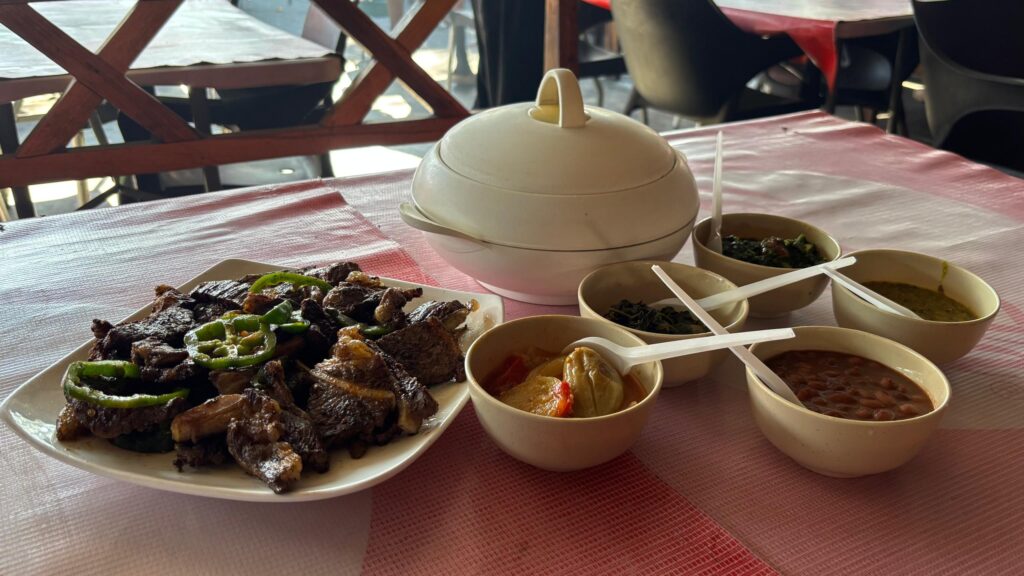
Despite Lusaka’s expansion, it remains a city where relationships matter. The places people choose to spend their free time become extensions of their social lives. A restaurant is rarely just somewhere to eat; a market becomes a networking space, and cafes become informal offices.
At Longacres Matebeto, the experience of eating reflects something older than the city’s contemporary culture; here, we come to understand the importance of sharing a meal. Food has always been one of the ways communities come together, and the growing restaurant scene has given that instinct a new setting. Meals stretch into conversations and celebrations, becoming occasions for the entire group to gather without being rushed—another reason we love a Sunday braai. A whole economy centred around social life is hard to quantify: people build and grow communities by playing and spending time together.
Everyday Lusaka is Becoming the Subject
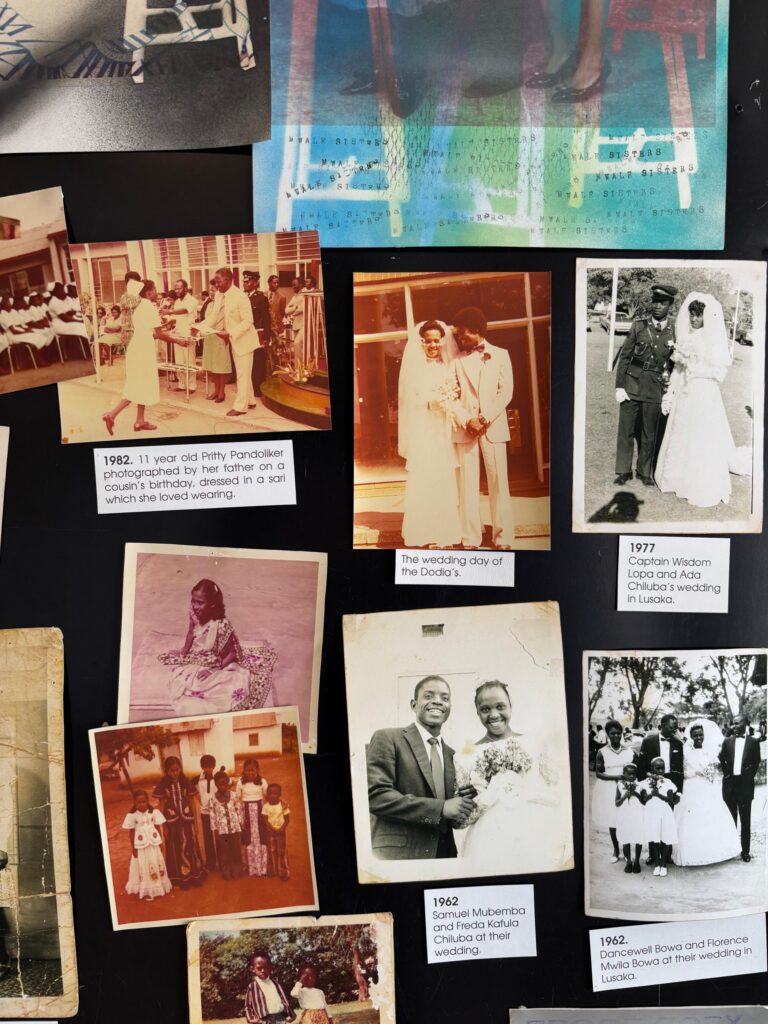
Much of the outside imagery of Zambia has been filtered through recycled ideas: wildlife, landscapes, tradition and tourism.
Many of us who are younger have become interested in something else.
Ourselves.
Our streets, clothes, music, interiors, humour, friendships, frustrations, our versions of modern life. Social media has accelerated this shift tremendously. Generations of photographers and artists are now documenting Lusaka as a place they actually live in, rather than another exotic destination. The city begins to document itself.
The Rhythm of Faith
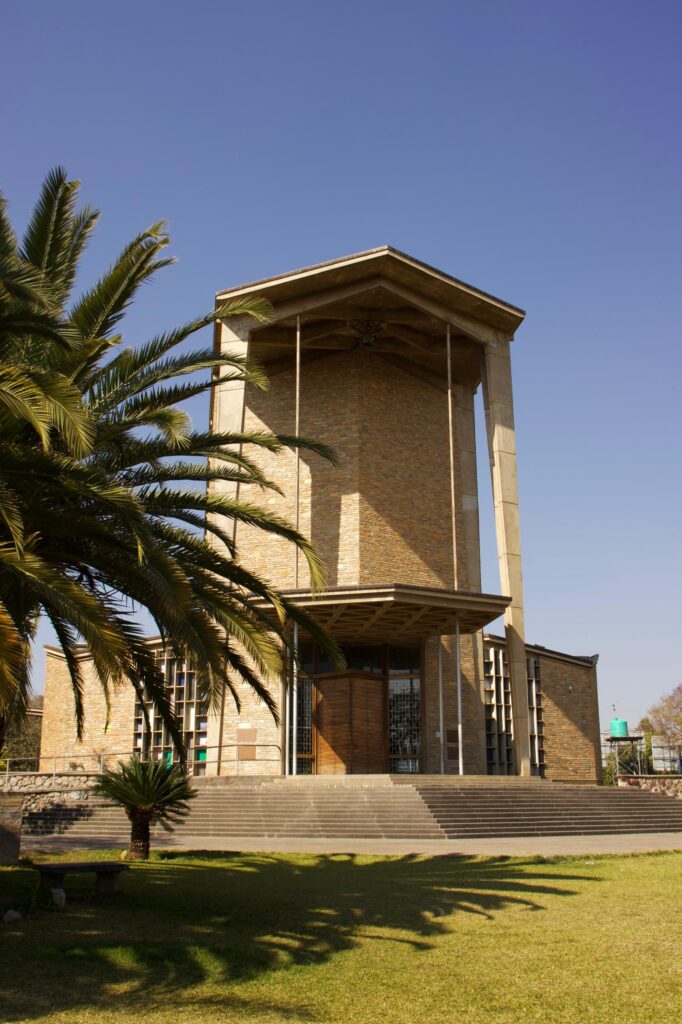
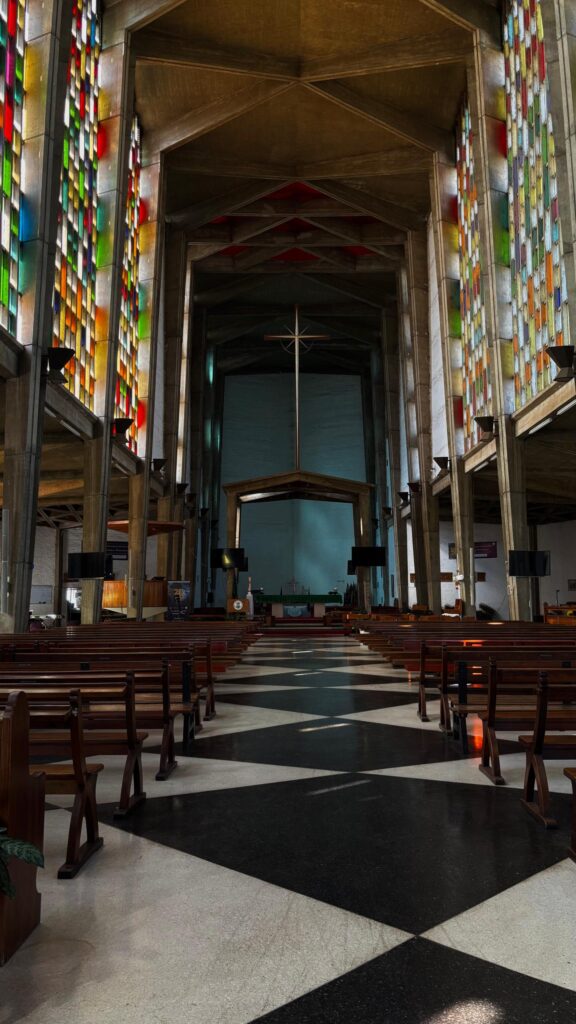
Modernity in Lusaka does not mean leaving tradition behind. Christianity remains deeply embedded in everyday life, shaping not only worship but family structures, community relationships, celebrations, and the rhythm of the week. On Sundays, the city feels less rushed, with many people gathering at church. The Cathedral of the Holy Cross stands as one of Lusaka’s most visible reminders of this, but its significance extends far beyond its architecture. Faith, regardless of denomination, is woven into ordinary conversations, music, clothing, social expectations, and family life. It lives alongside the newer cultural identities that emerge, without competing for the same space.
Leisurely Shopping
Lusaka’s commercial spaces tell another part of the larger story. Places like East Park, Manda Hill and K.K. Mall are not strictly retail destinations but spaces where anyone can meet, spend the afternoon, window-shop, or simply observe one another. For a young city, spaces like these have become an important part of its social infrastructure, serving as a kind of concentrated cultural district even while the malls themselves are spread across the city. Fashion is one obvious example. Clothing moves through markets, malls, pop-up events, and online platforms, with secondhand fashion and tailoring owning the top spots in the industry. Events such as Lusaka July further demonstrate how fashion has become a form of social performance, where what people wear tells you a lot about where Lusaka is going.
A New Appetite for Experience
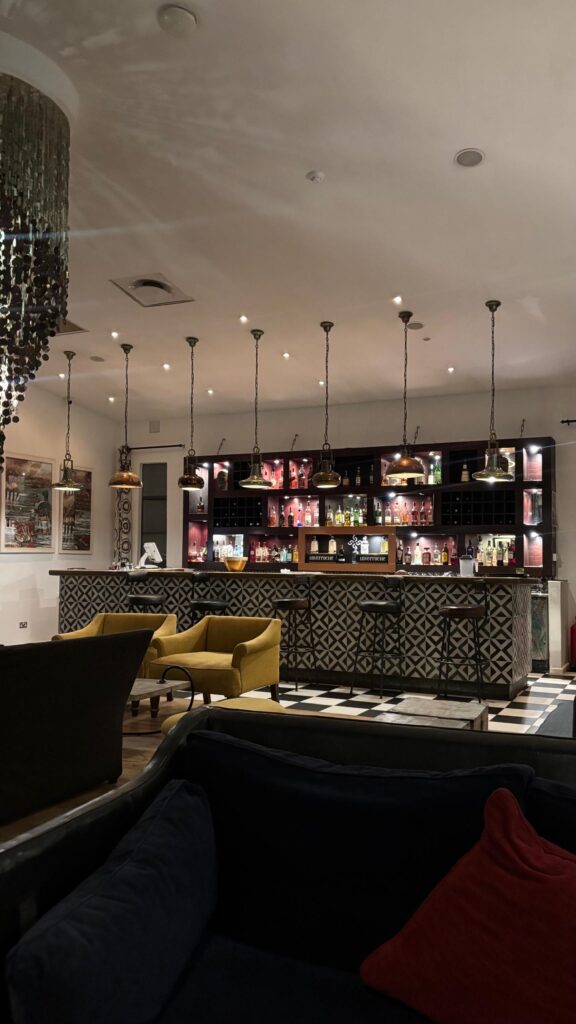
There is a growing appetite for spaces that feel intentional: places with considered interiors, good food, music, design and atmosphere. Mint Hills in Leopards Hill captures something of this newer Lusaka. It represents a city increasingly comfortable with leisure as an experience in itself, one where going out is not simply about necessity but about creating a particular kind of evening.
As Lusaka’s young professionals and creatives gain purchasing power, they are also raising expectations about how they spend their free time. They want places that feel like Lusaka, but also feel contemporary. They want local, but not necessarily traditional. They want African, without having to explain what that means. We can meet this new hunger with our own traditions. Organisations like the LaSalaide Foundation are part of this: chitenge blends into everyday fashion; Zamrock is rediscovered and revitalised for younger listeners.
The Creative Economy
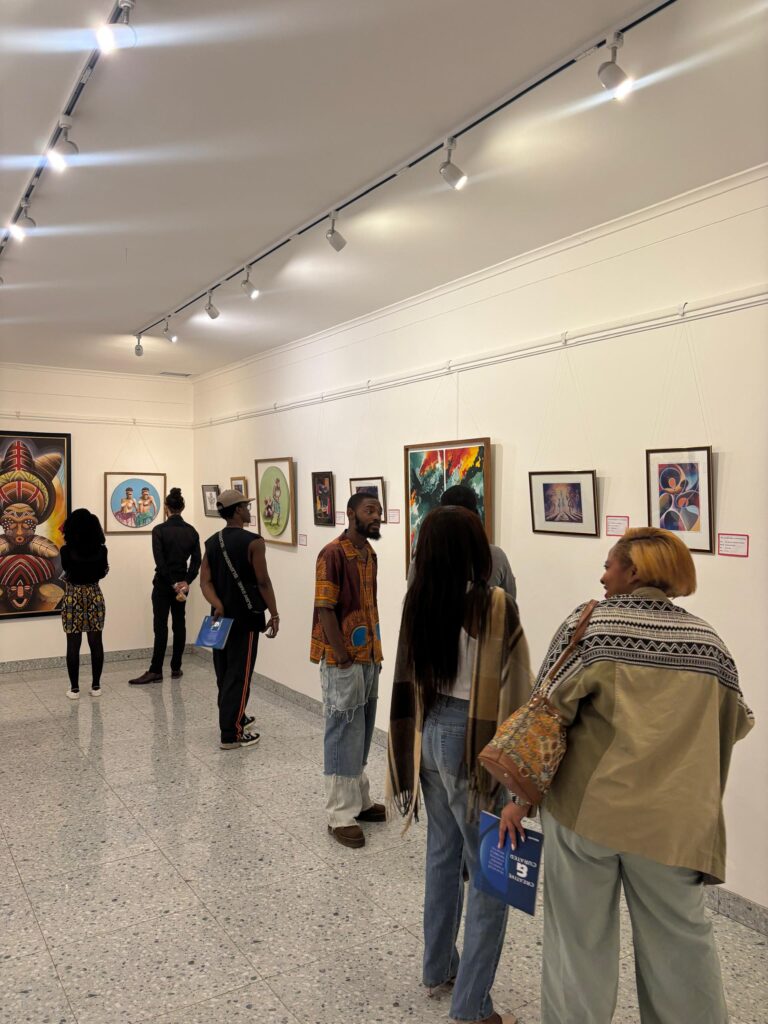
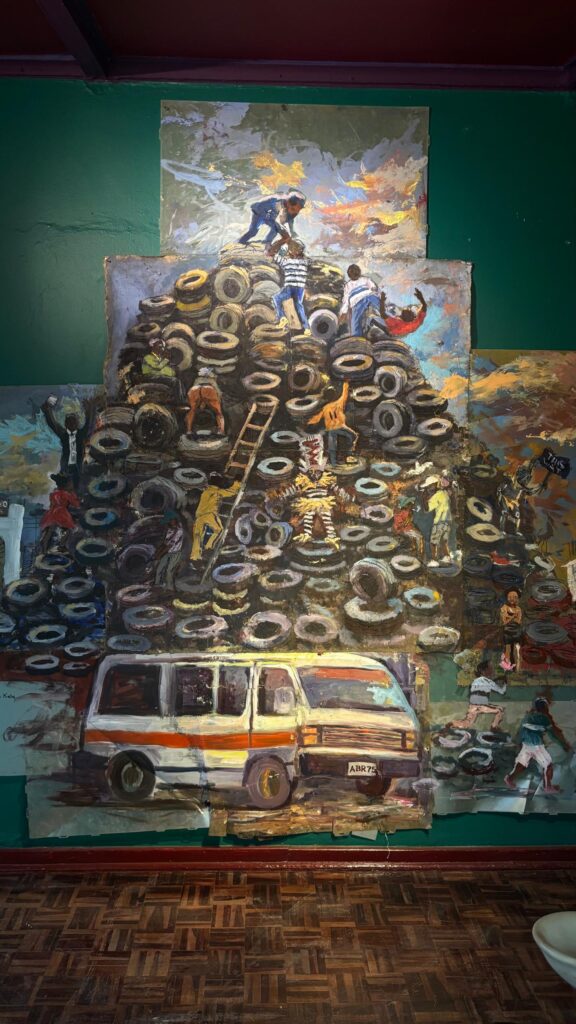
Lusaka’s cultural landscape is increasingly defined by negotiation. Older social and cultural structures continue to shape the city, while new forms of consumption, leisure, and creative production develop alongside them. This is evident in the growth of spaces oriented around experience. Restaurants, galleries, studios, shopping centres and lifestyle venues are becoming important sites of social interaction, reflecting an extension of Lusaka’s urban middle-class culture and its expectations of the city. Spaces such as Mint Hills are part of an emerging hospitality economy in which design, food, entertainment and social life are deliberately brought together. At the same time, this new urban culture remains connected to existing forms of cultural expression. The significance lies in the reconfiguration of what already happens here.
As Lusaka expands, commercial and social spaces continue to function alongside dedicated cultural institutions, while creatives operate across increasingly fluid boundaries between art, commerce, hospitality and media. This suggests that Lusaka’s cultural development cannot be understood solely through the growth of formal creative industries, but also through its adaptation to changing patterns of urban consumption, social interaction, and cultural production.
Read next: How Lagos Moves and How Dakar Moves.
Subscribe to the Guzangs newsletter for more dispatches on Africa’s creative economies.