

How Lagos Moves
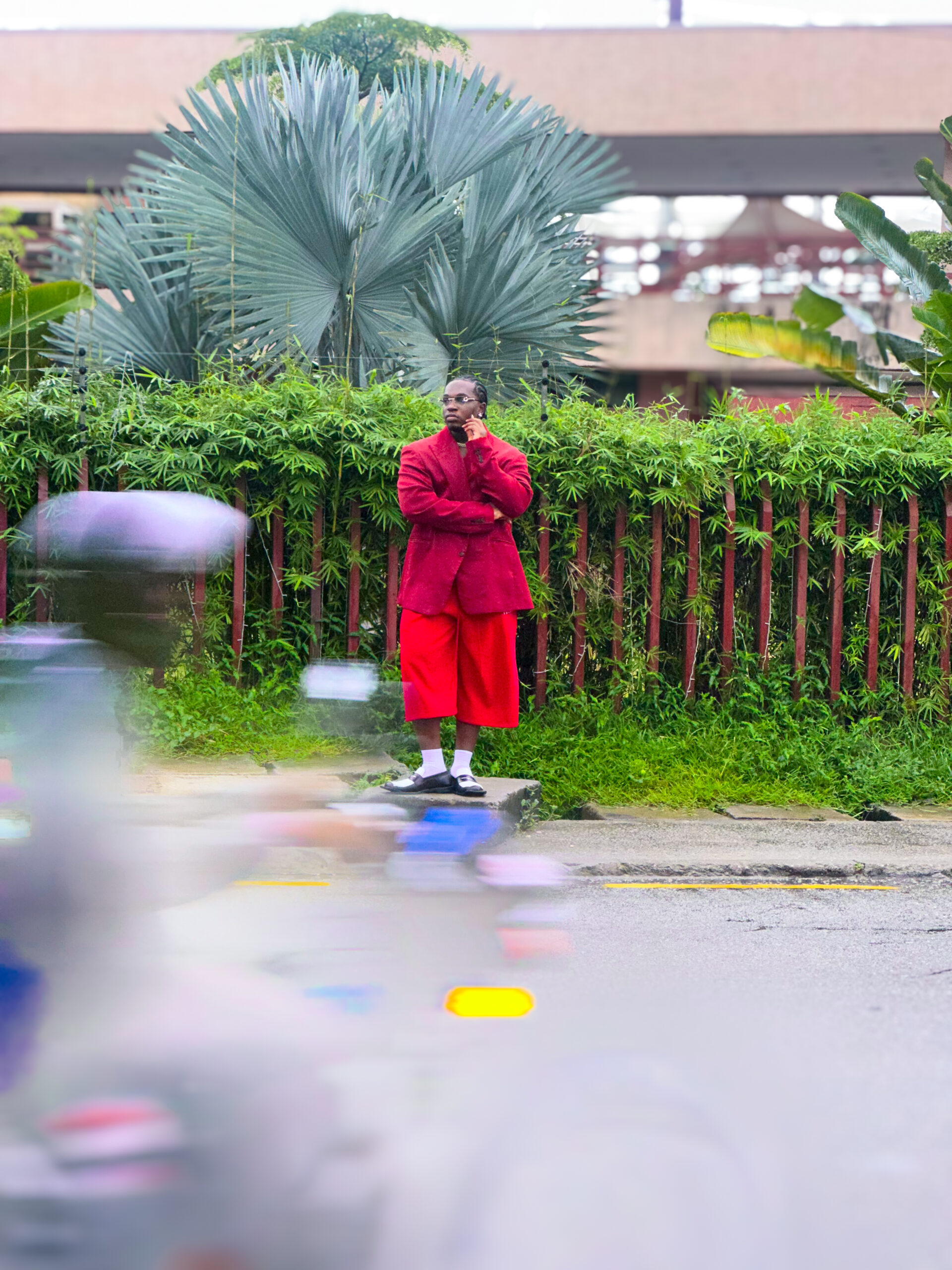
There are two words I’ve long used to describe Lagos: beautiful chaos. They may read like an oxymoron, but they are the closest thing the city has to a definition. To understand Lagos, you must first allow that contradiction to settle in your mind. Only then does the city begin to reveal itself, not as a place to be explained, but as one to be experienced.
The city is often mistaken for Nigeria’s political capital, and it is difficult to fault anyone for the confusion. Lagos has a way of behaving like the centre of gravity. It is routinely called Africa’s most populous city, though the exact number depends on who is counting and when. The UN’s most recent urbanisation figures put it at roughly 17 million, which would place it behind Cairo and Kinshasa; Lagos State’s own estimates run far higher. Census figures rarely settle the debate; they merely provide another estimate for a city that seems to expand faster than it can be measured. Personally, I’d say somewhere between 21 and 28 million. It’s the only explanation for why a journey that should take 20 minutes routinely lasts two hours. In Lagos, traffic is less of an inconvenience than a civic institution, one that somehow convinces you it is everyone else’s fault before reminding you that you should have left the house much earlier.
In full, it is a vibrant coastal megacity that divides itself between the Island and the Mainland, two halves that move to different rhythms yet remain inseparable. The Island is the city’s polished façade, home to corporate headquarters, luxury apartments, embassies, art galleries, fine dining and the financial district where deals are brokered and fortunes are made. The Mainland, by contrast, is Lagos’ beating heart: a dense, restless expanse of markets, factories, universities, music studios, working-class neighbourhoods and sprawling communities where millions live, work and create. Every morning, the city performs its familiar migration as thousands cross the bridges that bind these worlds together, chasing opportunity on one side before returning home on the other.
Lagos has become Nigeria’s greatest publicist. It possesses an uncanny ability to convince the rest of the country that if something didn’t happen here, it scarcely happened at all. And when it does happen here, it becomes the nation’s headline. I often wonder how one city acquired such extraordinary influence over the country’s imagination.
But the truth is, Lagos is never late to the conversation. That is perhaps the city’s greatest gift. It has long established itself as the continent’s crossroads, where technology, trade, music, hospitality, fashion and finance converge with remarkable ease. It is built in such a way that no outsider can truly ignore it. Influence passes through the city before it travels elsewhere. Culture arrives here first, gathers momentum and then spills into the rest of the continent. It is why everyone is optimistic about bringing their business and product here, and why collaboration is said to be successful.
How the city works
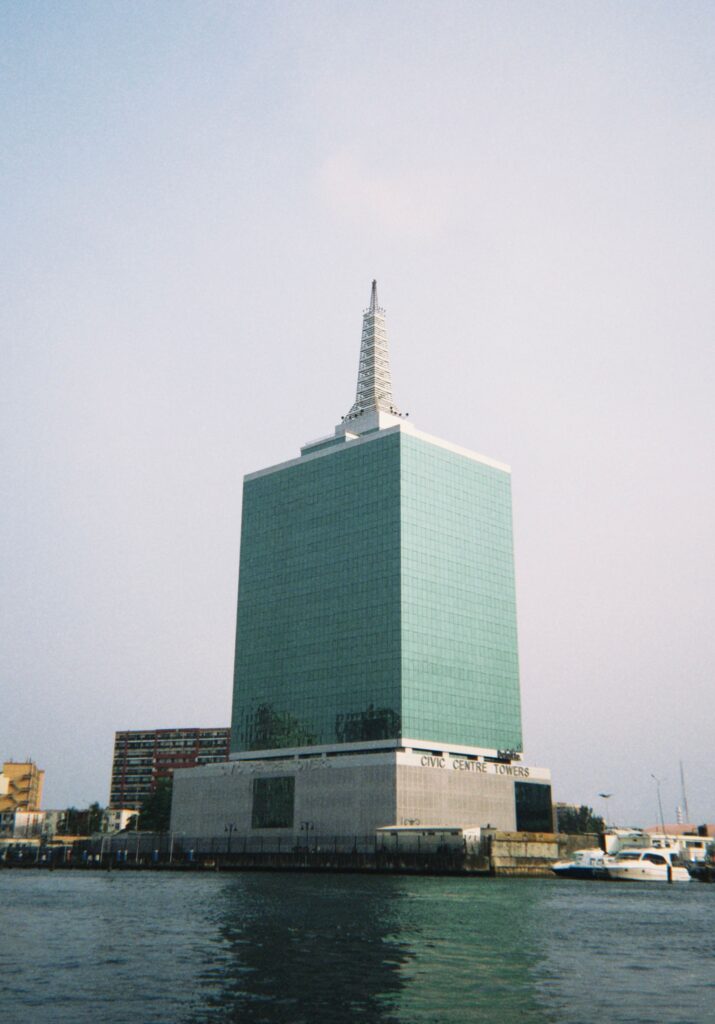
There is a peculiar urgency to Lagos. The city is always making something, even when it appears to be doing nothing at all. The city’s creative ecosystem is often difficult to define. It is not a neatly planned district or a government-led initiative. It is an ecosystem held together by relentless ambition, informal networks and the belief that tomorrow can be made with whatever is available today. The galleries, fashion houses, recording studios, technology hubs, architecture firms, restaurants and independent publications do not exist in isolation. They borrow from one another, collide with one another and, in doing so, continually remake the city.
Art in this city is often reimagined as its past glory. I have heard strangers repeat FESTAC ’77 as the only time Lagos was ever truly magnificent. I have sometimes found myself assuming people’s age just to confirm whether they were present at the festival or simply having another stretchy conversation about the city’s failure. Their delivery often makes it sound as though the city should carry a certain humbling shame, and comparing Lagos endlessly with its legendary past can erase the substance of its present and its future.
But FESTAC ’77 was an important time in the city’s history. It is the bedrock that anchored the ascent of the modern city, one of the cultural capitals of the Black world. During its days, it welcomed some 16,000 artists, musicians, dancers, writers and intellectuals from 56 countries across Africa and the diaspora. Nearly five decades later, that ambition continues to haunt the city. The National Theatre that housed FESTAC has since been renovated and renamed the Wole Soyinka Centre for Culture and the Creative Arts, but the festival’s larger legacy endures in the generations of creatives and cultural institutions that still look back to 1977 as proof that Lagos once imagined itself not only as an economic capital, but as the creative heart of Africa.
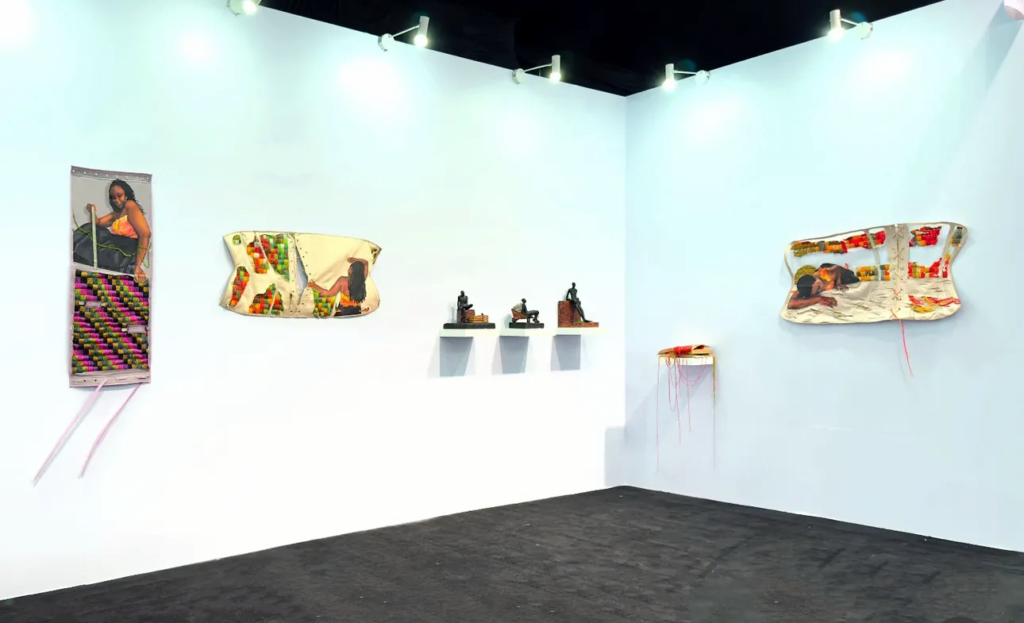
Perhaps the FESTAC ’77 spirit is the reason Lagos’ art ecosystem isn’t monolithic. It has scattered itself across different cultural events spread over two seasons. ART X Lagos first comes to mind because it’s the one that pulls in the numbers, thousands of visitors swinging into the country from every corner of the world. I covered its tenth edition and it was incredible to see how a single fair has turned the city into the next art destination to experience.
The Lagos Biennial is the one everybody often pretends not to notice, perhaps because its ambition has long been burdened by the struggle to secure funding from private philanthropists and foundations. I sometimes dreamily ask myself why the government never finds ways to invest in progressive projects that do shape tourism and cultural legacy, but then I realise that this is Nigeria, the country that cannot be explained to foreigners and still make proper sense. The Lagos Biennial is the art event often read to possess scale; it is where the most innovative sculptures are displayed, where you find the most experimental and experiential installations. In 2024, at its fourth edition, artist Victor Ehikhamenor built the biennial’s tallest installation, a church-like structure mirroring the setting of Nigerian Pentecostal churches in the early aughts. Titled Miracle Central, it rose nearly 26 metres and featured floating objects (chairs, pulpit, instruments, microphone stand) and thousands of white handkerchiefs.
Despite being long-lived, LagosPhoto is often missed by the public; perhaps that has everything to do with its niche nature. It was founded in 2010 by curator Azu Nwagbogu under the African Artists’ Foundation, and has had to survive significant funding and infrastructural hurdles. It skipped 2024 entirely and returned in October 2025 in a new form, relaunching as a biennial under the theme Incarceration. The +234 Art Fair, meanwhile, feels like the newest arrival to the city’s cultural calendar, but one that has quickly found its footing. Founded in 2024 by Tola Akerele of Soto Gallery as a platform for emerging Nigerian artists, it has expanded the ecosystem rather than competed with it, creating another point of entry for collectors, curators and audiences eager to discover new voices.
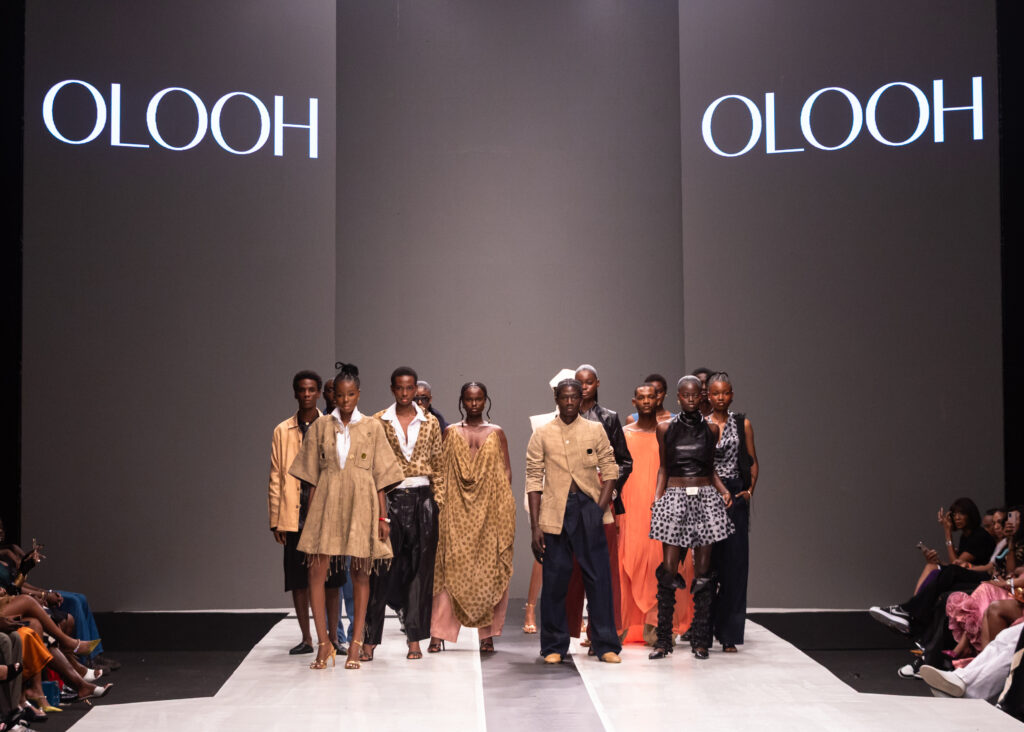
Fashion comes alive in Lagos during the final quarter of the year, led by two defining moments: Lagos Fashion Week and GTCO Fashion Weekend. Covering the 15th edition of Lagos Fashion Week, I found it impossible not to admire the ecosystem Omoyemi Akerele has built, one that continues to place Nigerian fashion on the global stage, and one that, weeks later, would win her a £1 million Earthshot Prize. GTCO Fashion Weekend shares that same spirit, affirming the city’s enduring influence as a centre of creativity and style.
The Africa Magic Viewers’ Choice Awards (AMVCA) has perhaps become Nigeria’s most significant fashion export. It is often described as Africa’s Met Gala, a comparison many, myself included, have challenged. Unlike the Met Gala, the AMVCA was conceived to celebrate excellence in film, not fashion. Yet every year, the red carpet eclipses the ceremony itself, transforming the event into one of the country’s most anticipated spectacles of dress.
Every year, Design Week Lagos officially ushers in the city’s creative season. Across seven editions since 2019, the festival has championed Nigerian and African design, celebrating architects, product designers, interior designers, makers and multidisciplinary creatives whose work transforms vernacular materials into objects of beauty, utility and cultural significance. Founded by Titi Ogufere, it has become a meeting point for ideas, where craftsmanship is valued as much as innovation, and where every object carries a story as carefully considered as its form.
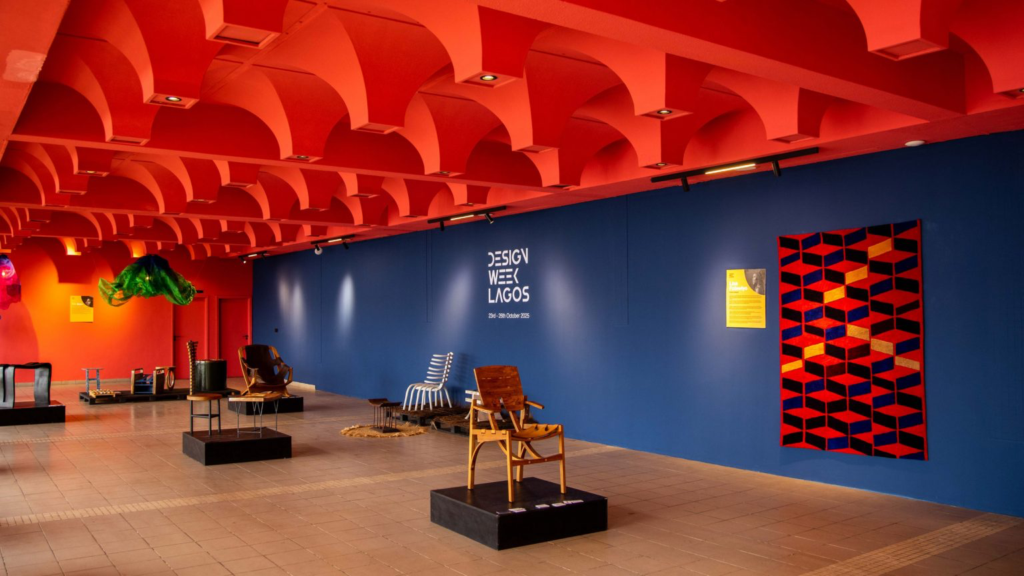
I have attended the festival every year since 2022, and each edition leaves me with the same feeling of astonishment. It is one of the few places where I can witness the breadth of ingenuity emerging from the continent firsthand. Year after year, designers continue to challenge my assumptions about what Nigerian and African design can be, producing furniture, lighting, textiles and objects that rival global design while working within the realities of limited resources.
Music is the city’s biggest export and perhaps the only global impact no one pretends doesn’t exist. The rise of Afrobeats in the 2010s paved the way for international chart success, major cross-continental collaborations and dedicated categories at global music awards. Afrobeats does more than gather this city; it serenades the weekend, because nothing beats Lagos on the weekends. The nightlife is already its own ecosystem: clubs where office deals begin, concerts that spark love stories, listening parties that gather fans and raves where people briefly forget they have life problems.
Felabration is where everyone wishes to be in October. It’s a week-long music and arts festival held every year in honour of the legend Fela Anikulapo-Kuti, the father of Afrobeat, whose 1970s political movement laid the foundation for the sonic and activist blueprint that has now stretched decades.
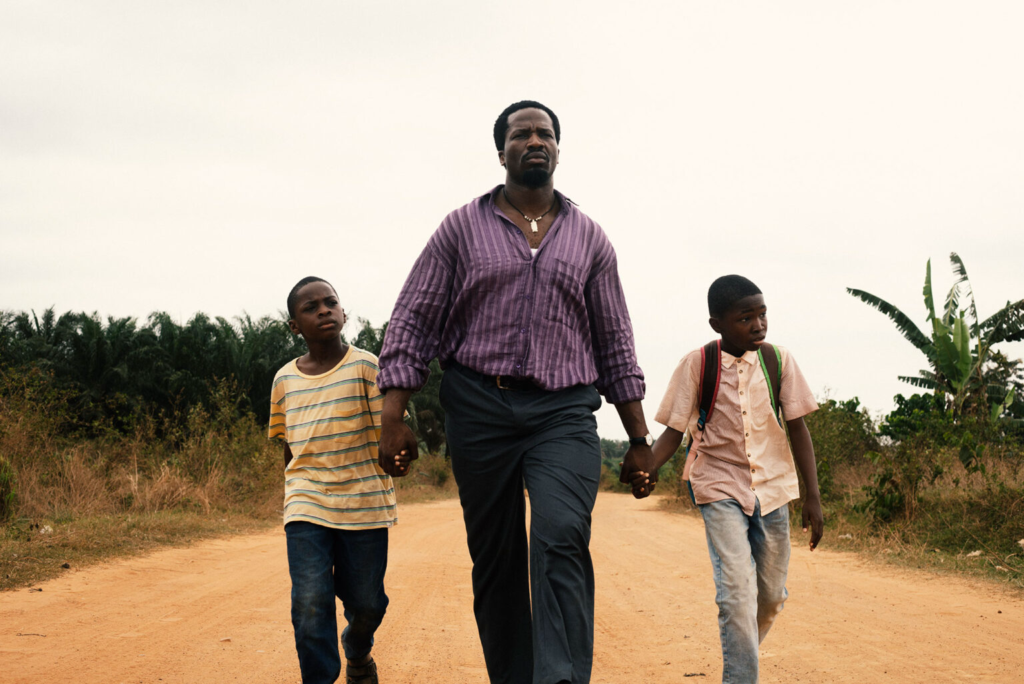
Film is the creative ecosystem that makes Lagos feel like an industrial machine, because there is always an output every week: a trailer, a casting call, a release. It runs at the pace of the city, never stopping to ask who is watching because the stories are endless. While it’s no rumor that the big deals like Netflix and Prime have pulled their legs out with only a toe in, it doesn’t mean the industry has no other means to survive its drought. The industry already gets heavy bets and fat cheques routinely, but there are also independent filmmakers who know their way around and whose audience power is willing to do their wishes. And while some battles are fought in cinemas, some are also fought on the international stage. C.J. Obasi took Mami Wata to Sundance in 2023, where it won the World Cinema Dramatic Special Jury Award for Cinematography. Akinola Davies Jr. did the same for My Father’s Shadow, the first Nigerian film ever selected for Cannes’ Official Selection, earning a Special Mention for the Caméra d’Or in 2025 and, the following year, the BAFTA for Outstanding Debut by a British Writer, Director or Producer.
What everyone misses in the conversation is the rise of third spaces in the city, because it’s one of the niche scenes people think isn’t about them when it has everything to do with them. Their existence lies in bringing the brightest and most creative minds under a roof to converse, argue and break bread. Nelson C.J. already runs one of the biggest in the city, called A Third Space, and it’s riveting to see the quality of talent present at every occasion. What a third space does is bring several creative ecosystems together (music, film, art, literature and photography) through programming that is as educational as it is entertaining. It also serves as a networking ground for the next generation of creative builders.
What they never tell you about Lagos
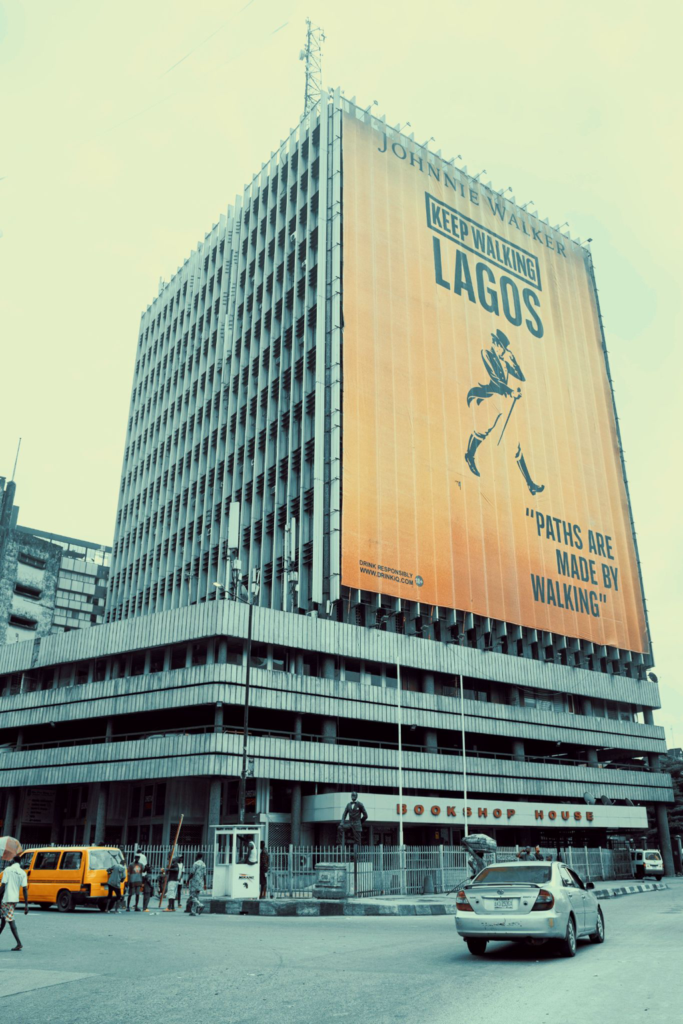
The city is already known for producing more talent than it has the resources to sustain, which is the conversation everyone pretends to have without a solution. The problem is that the system is a rigged one, the sort the government failed at fixing and the one nobody waits for because it’s risky.
Collective hope in this city is seen as a poison, though not that we don’t hope. We hope the institutions are built, we hope we get the clients, we hope the deals are successful, we hope more youths find white-collar jobs and we hope the government comes around. But hope does not do the work; it only stifles movement and brings no reward.
Hustle, perhaps, is the language that best describes the city and the one everyone uses to convince themselves of the future. Because to be a hustler in Lagos means you have soiled your teeth and toiled. It means your soul belongs to these suffering headquarters. It means you now belong to Eko (Lagos), because Eko loves hustlers. But Eko loves the smart workers, and those are the people who own a piece of the city in the future.
There is a reason Lagos is often described as a city teetering on the edge of madness. Perhaps the city’s relentless pace is to blame. In the grand scheme of things, everyone seems to believe someone is behind them, chasing them, trying to get ahead of them. That anxiety seeps into everyday life. It explains the frantic rush for a danfo, the elbows thrown in crowded markets, the impatient voices urging you to walk faster on the pavement. Time is always running out, even when no one can quite say why.
It also explains why the smallest disagreements so often erupt into spectacles. A minor misunderstanding at a bus stop or roadside can swell into a shouting match that feels almost theatrical, drawing crowds as if the city itself feeds on confrontation. In Lagos, urgency is contagious, and conflict often becomes another language through which people negotiate space and dignity.
There is also an unwavering confidence that borders on performance. Everyone is certain they are right. Everyone believes they possess a little more influence than the next person. It is why the familiar refrain “Do you know who I am?” echoes through arguments. Rarely is it a genuine question. It is a declaration of status, an attempt to intimidate, to reclaim authority, or simply to win an encounter in a city where yielding is often mistaken for weakness.
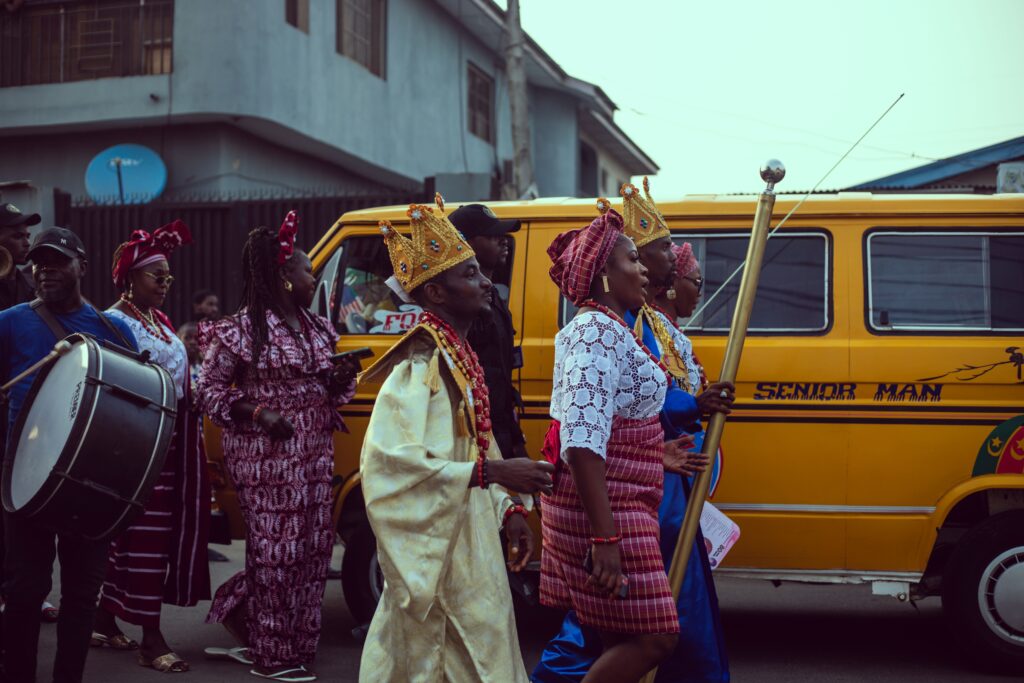
In this city, presence and community are prized commodities because access, regardless of who you are, is never easily earned. Like every great metropolis, it is a transactional city; only the rules of exchange are different. Here, relationships are often built on proximity, opportunity and timing, making it difficult to tell where genuine community ends and strategic networking begins.
Perhaps I will just let you in on one of the city’s quietest secrets. People often speak of “community” as though it were a service waiting to be accessed, a membership to be unlocked. But when the curtains fall and the performances end, you begin to notice how few structures actually exist to sustain it. What many mistake for community is often simply a collection of overlapping interests, held together for as long as they remain mutually beneficial.
But there is another currency in Lagos, one that begins with warm smiles, enthusiastic handshakes and endless recitals of promises at every meet-and-greet. Don’t be too quick to mistake these gestures for commitment. As a newcomer, you’ll probably find yourself caught in their orbit, and I certainly wouldn’t blame you. Lagos has a remarkable way of making possibility feel tangible. Yet sooner or later, you must learn to step outside the cycle. Otherwise, you’ll discover that many promises here are spoken with remarkable conviction but little intention of being fulfilled, leaving behind nothing but disappointment and had-I-knowns.
But there are also beautiful layers to Lagos. I mean, it’s the city that gets things done. I often think of Lagos as a beautiful woman everyone wants to court but few are willing to commit to. Companies, institutions and global brands arrive with polished presentations, ambitious campaigns and grand promises, eager to enjoy the city’s energy, talent and cultural capital. They expect Lagos to deliver audiences, influence and relevance, and she almost always does. Yet when the applause fades, many leave without investing in the structures that would allow the relationship to endure.
The irony is that they often return disappointed, lamenting that Lagos is difficult to work with or impossible to sustain. But cities, like relationships, cannot survive on seduction alone. Promises without infrastructure are little more than performance. Real commitment is measured not by the spectacle of arrival, but by the willingness to build, maintain and remain.
Lagos has already outgrown many of the expectations placed upon it. It is no longer simply a city of promise; it is a city of proof. Its present is undeniable, and its future is so expansive that, to some, it feels almost threatening. Those of us who call it home rarely see it that way. We simply wake up each day and watch it reinvent itself again.
To understand Lagos is, in many ways, to have a dream. But like all dreams, it asks to be interpreted before it can be believed. Only then do you realise that beneath its beautiful chaos lies something far more enduring: a city that has never stopped imagining itself into the future.
Read next: How Dakar Moves