

Who Made the Welcome
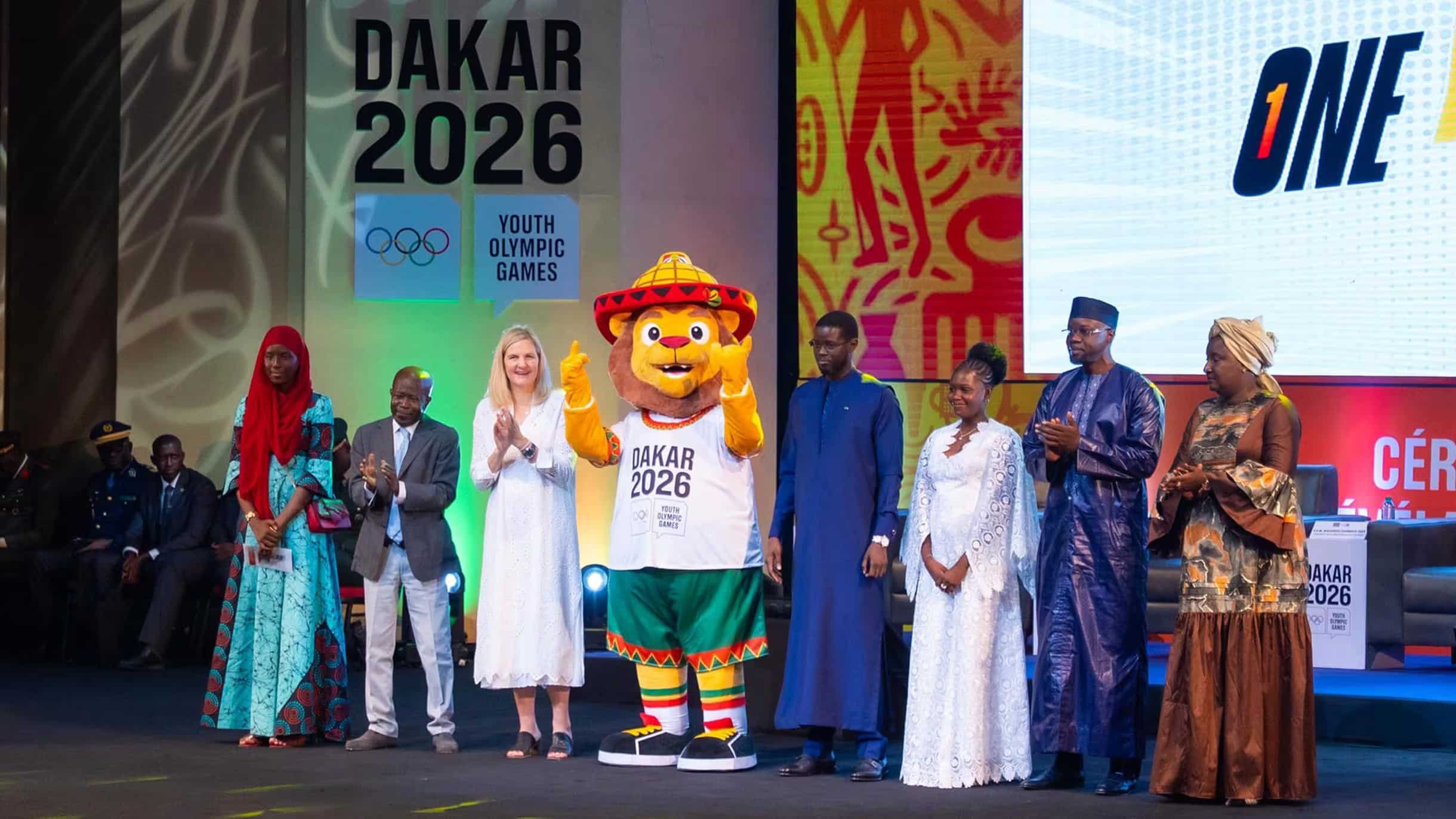
The lion began with a schoolgirl’s drawing.
Ndeye Mariama Diop drew the character selected through a national school competition. A second student, Ndeye Khady Kristall Coumbassa, supplied its name. Together their contributions became Ayo, the mascot of the Dakar 2026 Youth Olympic Games. Senegal’s education authorities credit them both. The ministry reports more than 500 proposals from sixteen education inspectorates.
On 11 May, organisers brought Ayo to Diop’s school, the Lycée Amadou Sow Ndiaye in Saint-Louis. “It’s like a mother discovering her baby,” she told the Senegalese Press Agency, in French. An art teacher had helped her enter the competition.
A drawing has to travel a long way to become the face of an Olympic event. Someone adapts it for a small screen and a large sign. Someone approves each change. By the time the public meets the character, the original contribution sits inside a much longer production. The names are on the record. The terms are not.
From 31 October to 13 November, Senegal will host the first Olympic sporting event held in Africa, across Dakar, Diamniadio and Saly. Around 2,700 athletes aged up to seventeen will take part, in equal numbers of women and men, across 25 competition sports and ten engagement sports.
That fact deserves its place. Senegal is preparing a welcome that will introduce its culture to people who may never have watched an event hosted there. For its creative workers, the Games can mean a commission, a payment, a piece of work substantial enough to bring in the next client. What making that welcome leaves in the hands of the people who made it is the part worth keeping in view.
Ayo is a useful place to begin because its first contributions have names attached. Credit tells us who supplied the drawing and the name. It does not tell us who can approve an adaptation, what later uses are permitted, or how the people doing that work are paid. Those arrangements matter even when everyone is glad to take part.
For a young creator, an Olympic credit can be the work a future client first encounters. Keeping the contribution identifiable is what makes that recognition useful after the launch week ends. The drawing, the finished character and the promotional film each need their own production credits; without them, criticism of one can land on the maker of another. When the launch film drew complaints about its appearance, the Olympic Games account disclosed that the video included AI-generated images, as Dexerto reported. That disclosure concerned the film. It did not establish how the students made their contributions, or how every later version of the mascot was produced.
The anthem shows the same exchange with the terms in plain sight. In July 2026 the organisers named “Teranga,” performed by the Senegalese artist Mamy Mbaye, as the official song of the Games, chosen by a jury from among the national competition’s entries. The announcement credits four authors: Ndeye Oumy “Mamy” Mbaye, Khalidou Demba Drame, Moussa Ndiobo Mballo and Biram Ndeck Ndiaye. In a piece about keeping names attached to the work, those credits are the point, not a footnote.
This competition published its rules in advance, and the rules set out what an Olympic commission asked of the winners in return for the prize. They let organisers change the lyrics or music and rerecord the work with different performers, without being obliged to involve the winners. They barred AI-assisted entries and provided for an extensive transfer of rights through the organising committee to the IOC, while preserving inalienable moral rights. The rules do not disclose the terms of any subsequent individual agreement.
On the published terms, the prize bought more than the song. It bought the right to alter it, rerecord it and reuse it without the winners’ further involvement. An Olympic commission can still be a good exchange. It can fund a practice and put an artist in front of people who would otherwise never find them. To judge it, though, you have to know what the payment covers: the uses, the duration, the credit, and the decisions the creator can still make.
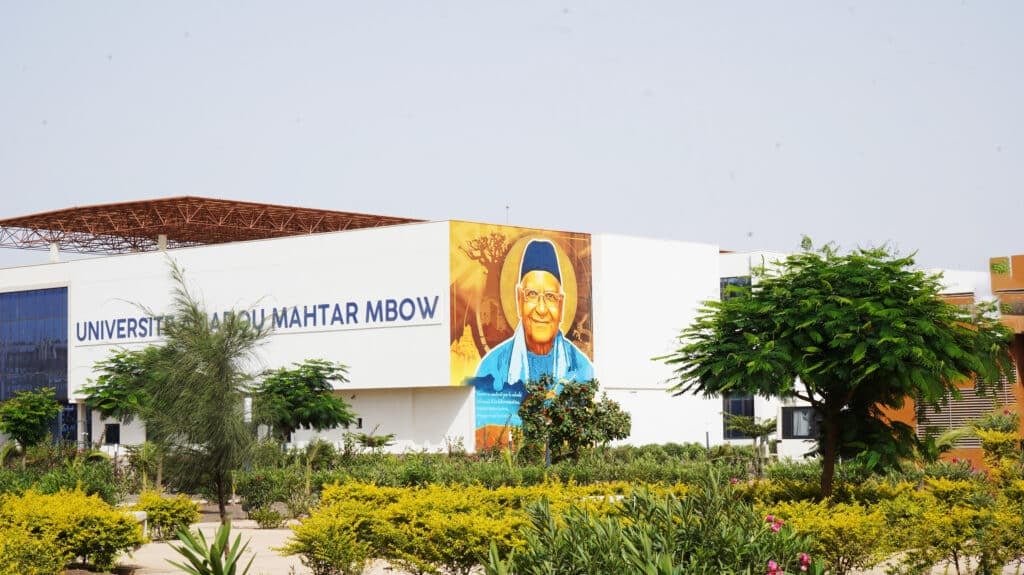
The question of what remains is not limited to creative work. At Amadou Mahtar Mbow University in Diamniadio, the difference between preparing for the Games and serving people afterwards is already concrete. Reporting from the campus on 31 August, EnQuête described six new accommodation buildings, more than 2,000 beds in all, with finishing work still underway. The athletes’ village is intended to become student accommodation once the athletes leave. Preparing the campus for its Olympic role also moved teaching online from 31 May 2026, with in-person classes scheduled to resume on 4 January 2027. When a student gets a room, how it is allocated and what it costs are the details that decide the building’s worth to the people who will use it longest.
After 13 November, a few specific things are worth watching: work that leads to more work, credits that stay attached to their makers, and terms a creator can live with once the launch week ends.
The first Olympic sporting event in Africa will have its place in history. What it leaves with the people who made it will depend on choices less visible than the opening ceremony. For Ayo, we already know where that account begins. Ndeye Mariama Diop drew the lion. Ndeye Khady Kristall Coumbassa gave it a name. As the image travels the world, those names should travel with it.
Valdes Tita is Head of Editorial and Partnerships at Guzangs. He writes about movement, identity, and what gets built behind the images we already know.