Best of Art 2025

Best of Art 2025 4. Alexis Galleries at ART X Lagos 2025

For decades, African art occupied a provisional space in global institutions—collected but rarely centered, exhibited but seldom historicized on its own terms. That changed in 2025. Artists from across the continent and the diaspora claimed institutional ground that had long been negotiated rather than granted, and the conversations that followed moved beyond representation into questions of ownership, restitution, and curatorial authority.

This is not a roundup of trends or viral moments. It reflects what stood out through our coverage this year, alongside the work, exhibitions, and shifts that consistently crossed our radar.

ART X Lagos — A Decade

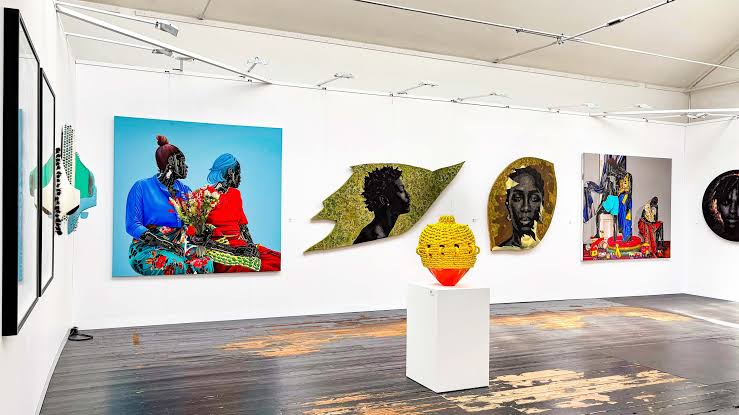
Best of Art 2025 Art Lagos
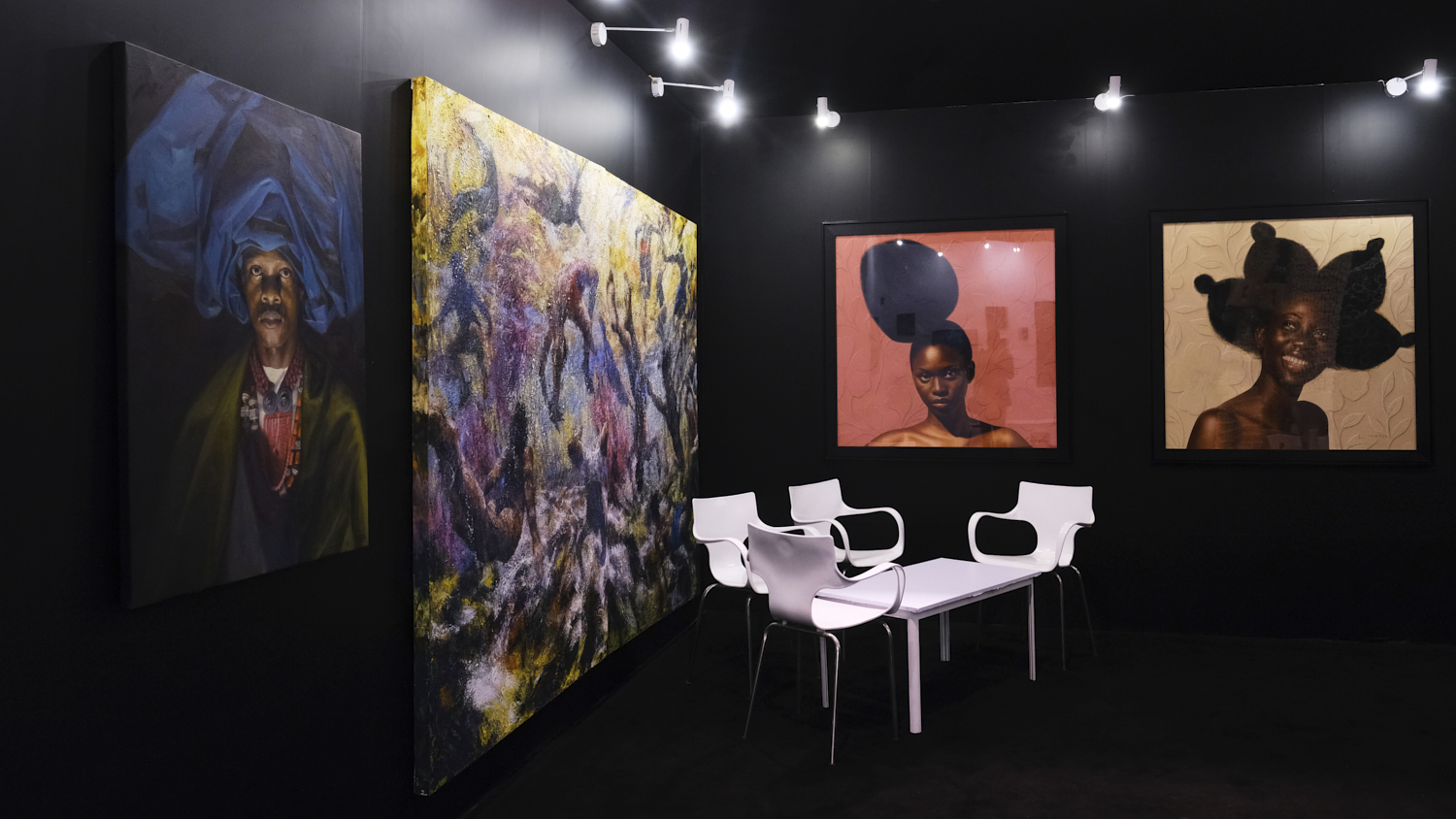
A view of one of the booths at Art X Lagos. Photo: courtesy of Art X Lagos

Ten years ago, ART X Lagos was a local fair with regional ambitions. By 2025, it had become a node in a global network connecting African artists to diasporic collectors, international galleries, and institutional buyers who once looked elsewhere.

The 2025 edition, themed Imagining Otherwise, No Matter the Tide, signaled continued ambition—a fair still defining its position within global art markets rather than settling into repetition.

Best of Art 2025 Art Lagos
A view of one of the booths at Art X Lagos. Photo: courtesy of Art X Lagos

Ten years ago, ART X Lagos was a local fair with regional ambitions. By 2025, it had become a node in a global network connecting African artists to diasporic collectors, international galleries, and institutional buyers who once looked elsewhere.

The 2025 edition, themed Imagining Otherwise, No Matter the Tide, signaled continued ambition—a fair still defining its position within global art markets rather than settling into repetition.

Inside The Met’s Reopening

Best of Art 2025 Met Arts of Africa
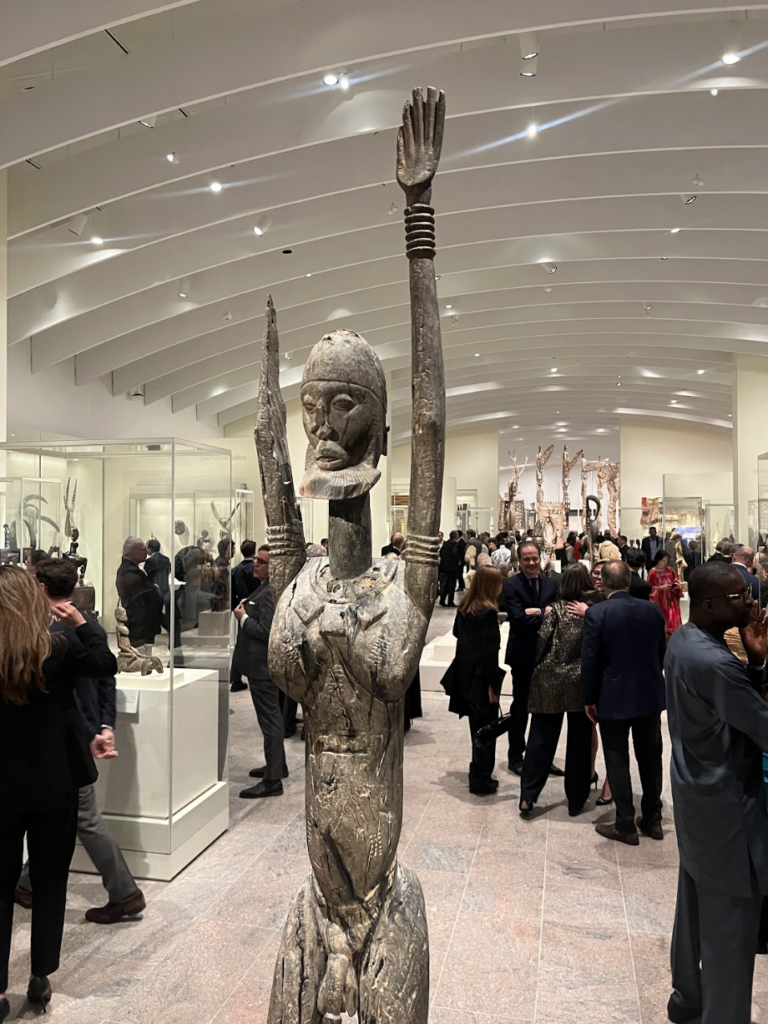
The Met's reopened Arts of Africa galleries, 2025.

Our coverage of The Met’s reopening of its Arts of Africa galleries examined what the institution was actually attempting: a curatorial shift from static artifact to living artistic practice, with named artists finally credited and contextualized within their traditions.

The piece framed the reopening as part of a broader tide—connecting institutional change in New York to the rise of African art fairs, new museums on the continent, and fashion’s parallel momentum.

Best of Art 2025 Met Arts of Africa
The Met's reopened Arts of Africa galleries, 2025.

Our coverage of The Met’s reopening of its Arts of Africa galleries examined what the institution was actually attempting: a curatorial shift from static artifact to living artistic practice, with named artists finally credited and contextualized within their traditions.

The piece framed the reopening as part of a broader tide—connecting institutional change in New York to the rise of African art fairs, new museums on the continent, and fashion’s parallel momentum.

1-54 New York — A Decade

Best of Art 2025 3 1 51 Jacket which was crafted from 100 Egyptian cotton
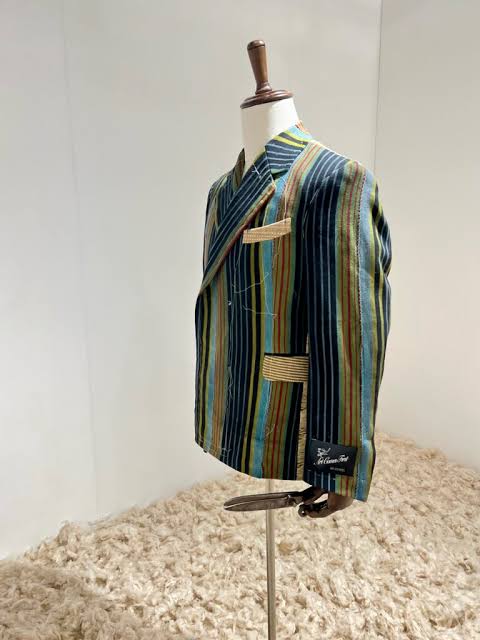
Art Comes First, Textile Language, 1-54 New York, 2025.

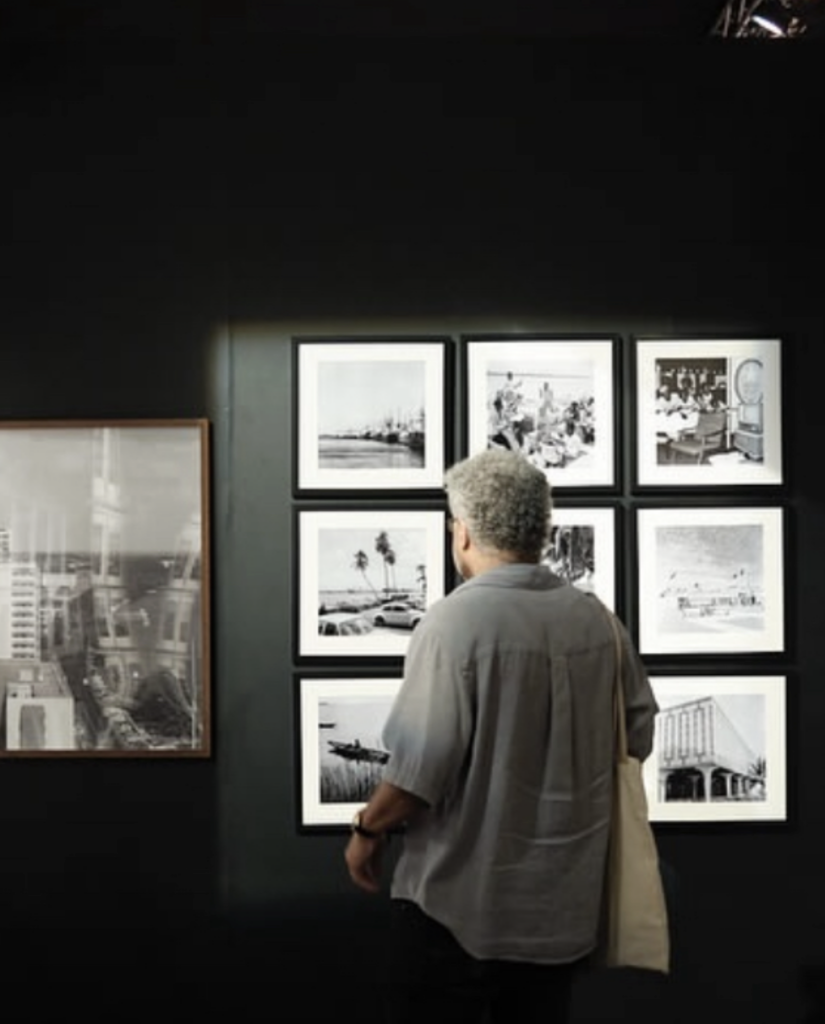
1-54 Contemporary African Art Fair returned to New York for its tenth anniversary edition in May, bringing together 30 galleries from 17 countries. With 15 first-time participants—including KubArt Gallery from the Democratic Republic of Congo—the fair signaled deeper engagement with African and diasporic narratives.

From Thandiwe Muriu’s analog textile portraits to Sanlé Sory’s archival photographs of post-independence Burkina Faso, the presentations emphasized history and craft. Art Comes First’s immersive installation Textile Language traced black cotton’s journey from ancient Meroë to a black-owned Alabama farm, grounding material in memory.

Best of Art 2025 3 1 51 Jacket which was crafted from 100 Egyptian cotton
Art Comes First, Textile Language, 1-54 New York, 2025.

1-54 Contemporary African Art Fair returned to New York for its tenth anniversary edition in May, bringing together 30 galleries from 17 countries. With 15 first-time participants—including KubArt Gallery from the Democratic Republic of Congo—the fair signaled deeper engagement with African and diasporic narratives.

From Thandiwe Muriu’s analog textile portraits to Sanlé Sory’s archival photographs of post-independence Burkina Faso, the presentations emphasized history and craft. Art Comes First’s immersive installation Textile Language traced black cotton’s journey from ancient Meroë to a black-owned Alabama farm, grounding material in memory.

Yagazie Emezi, William Matlala, and Sanjo Lawal

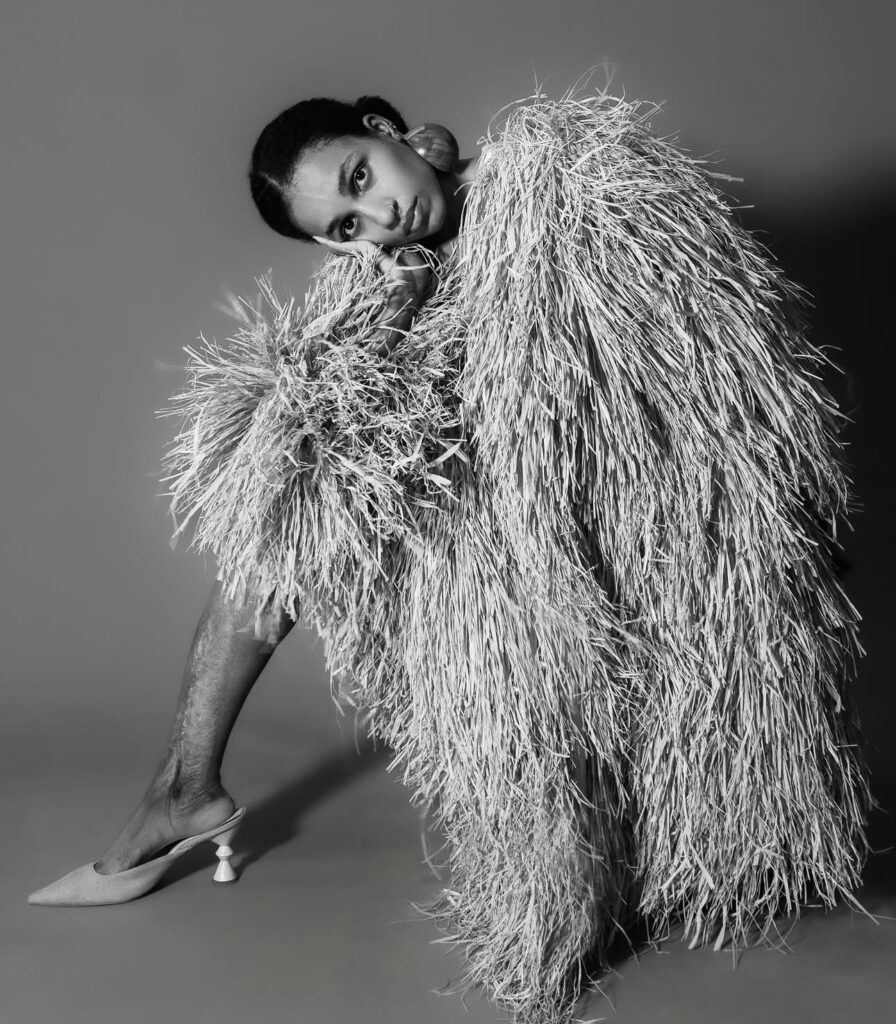
Best of Art 2025 5 Artist and Photojournalist Yagazie Emezi in an Eki kere piece
Artist and Photojournalist Yagazie Emezi in an Eki kere piece. Credit: courtesy of Yagazie Emezi

The profile on Yagazie Emezi, “The Quiet Power of Yagazie Emezi’s New Visual Language,” centered her distinct visual approach and the personal narratives shaping contemporary African photography.

Our coverage of William Matlala’s archive offered a different register. Beginning in the early 1980s while working as a machine operator in apartheid South Africa, Matlala amassed more than half a million images documenting Black workers, union meetings, family life, and community rituals—a counter-archive that sits in conversation with Ernest Cole and Santu Mofokeng.

Sanjo Lawal’s sculptural portraits—skin rendered in near-charcoal tones, oversized gele as crowns, saturated color fields—offered a third register: fashion photography as fine art, heritage as living architecture.

Best of Art 2025 5 Artist and Photojournalist Yagazie Emezi in an Eki kere piece
Artist and Photojournalist Yagazie Emezi in an Eki kere piece. Credit: courtesy of Yagazie Emezi

The profile on Yagazie Emezi, “The Quiet Power of Yagazie Emezi’s New Visual Language,” centered her distinct visual approach and the personal narratives shaping contemporary African photography.

Our coverage of William Matlala’s archive offered a different register. Beginning in the early 1980s while working as a machine operator in apartheid South Africa, Matlala amassed more than half a million images documenting Black workers, union meetings, family life, and community rituals—a counter-archive that sits in conversation with Ernest Cole and Santu Mofokeng.

Sanjo Lawal’s sculptural portraits—skin rendered in near-charcoal tones, oversized gele as crowns, saturated color fields—offered a third register: fashion photography as fine art, heritage as living architecture.

Africa Basel's Inaugural Edition

Best of Art 2025 6 Art Basel Africa

Africa Basel launched its first edition in June 2025, running alongside Art Basel and establishing a dedicated platform for contemporary African art during one of the art world’s busiest weeks. Nearly twenty galleries participated.

Among the standout moments was the October Gallery booth, featuring works by James Barnor, Eddy Kamuanga Ilunga, Alexis Peskine, Zana Masombuka, LR Vandy, Owusu-Ankomah, and Xanthe Somers. The fair’s public program addressed postcolonial exhibition strategies, archival practice, and sustainability—positioning Africa Basel as long-term infrastructure rather than a one-off event.

Best of Art 2025 Art Basel Africa
October Gallery booth at Art Basel Africa

Africa Basel launched its first edition in June 2025, running alongside Art Basel and establishing a dedicated platform for contemporary African art during one of the art world’s busiest weeks. Nearly twenty galleries participated.

Among the standout moments was the October Gallery booth, featuring works by James Barnor, Eddy Kamuanga Ilunga, Alexis Peskine, Zana Masombuka, LR Vandy, Owusu-Ankomah, and Xanthe Somers. The fair’s public program addressed postcolonial exhibition strategies, archival practice, and sustainability—positioning Africa Basel as long-term infrastructure rather than a one-off event.

Anthony Azekwoh

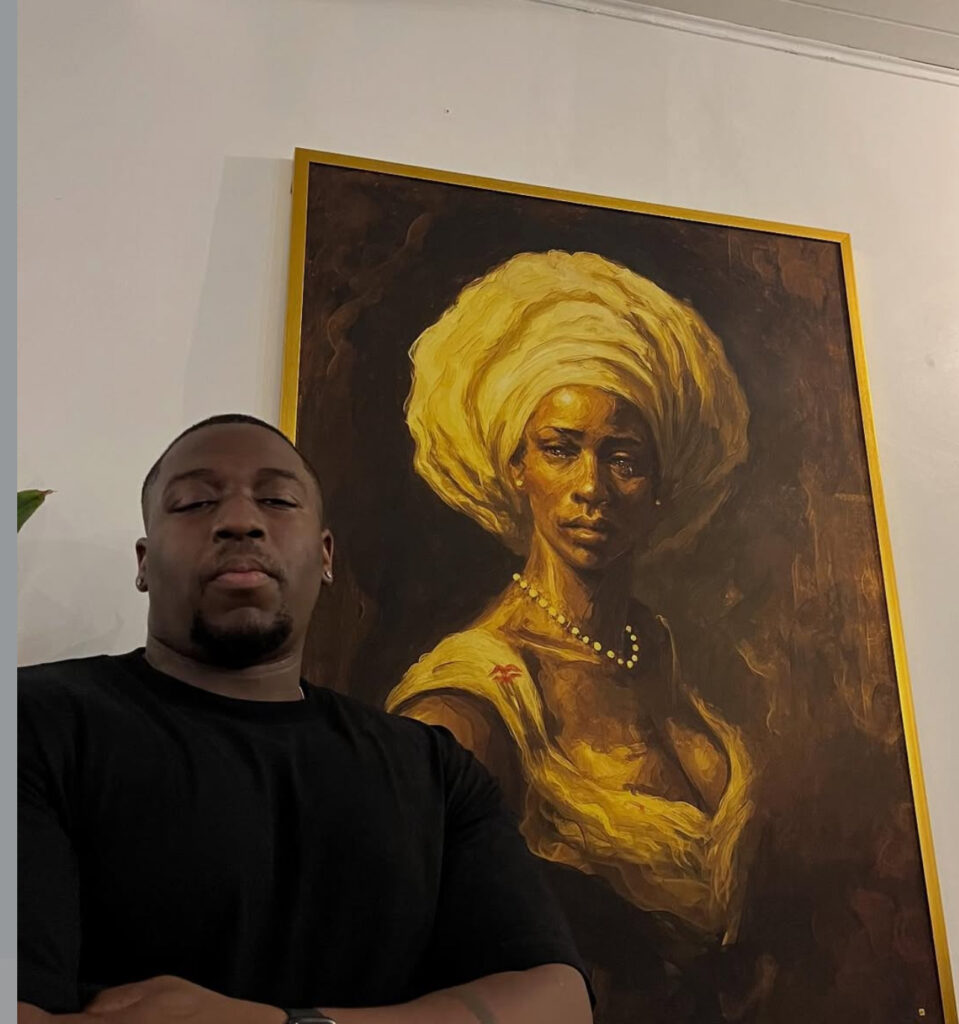
Best of Art 2025 7 Artist Anthony Azekwoh posing before his art
Artist Anthony Azekwoh posing before his art. Photo credit: courtesy of Anthony Azekwoh

Our profile on Anthony Azekwoh examined artistic autonomy and cinematic imagination. The article positioned him as a world-builder—constructing layered narratives that move between painting, photography, performance, and mythology.

Earlier in the year, Azekwoh posted paintings from “The Wedding Series” on X in serialized installments. The audience grew with each release. By the time *The Bridesmaid* appeared, the image had taken on a life beyond the platform—shared widely, debated in group chats, and nicknamed, only half-jokingly, the “African Mona Lisa.” A rare case of a painting going viral not as meme but as cultural event.

Best of Art 2025 7 Artist Anthony Azekwoh posing before his art
Artist Anthony Azekwoh posing before his art. Photo credit: courtesy of Anthony Azekwoh

Our profile on Anthony Azekwoh examined artistic autonomy and cinematic imagination. The article positioned him as a world-builder—constructing layered narratives that move between painting, photography, performance, and mythology.

Earlier in the year, Azekwoh posted paintings from “The Wedding Series” on X in serialized installments. The audience grew with each release. By the time *The Bridesmaid* appeared, the image had taken on a life beyond the platform—shared widely, debated in group chats, and nicknamed, only half-jokingly, the “African Mona Lisa.” A rare case of a painting going viral not as meme but as cultural event.

The Year’s Landmark Wins

Ibrahim Mahama

Best of Art 2025 Portrait of Ibrahim Mahama
Portrait of Ibrahim Mahama, credit: courtesy of the Ghanaian artist 

When Ibrahim Mahama became the first African artist to top ArtReview’s Power 100, then collected both the Art Basel and UBS Artist of the Year award and a Gold Award at the inaugural Art Basel Awards, the recognition confirmed what his practice had long demonstrated: that work rooted in labor, material economy, and collective making could define—not merely participate in—contemporary art’s main currents. His community-driven practice, grounded in postcolonial economies and the physicality of salvaged materials, had become a framework for understanding what contemporary art could do.

Nnena Kalu

Best of Art 2025 Image of Nnena Kalu
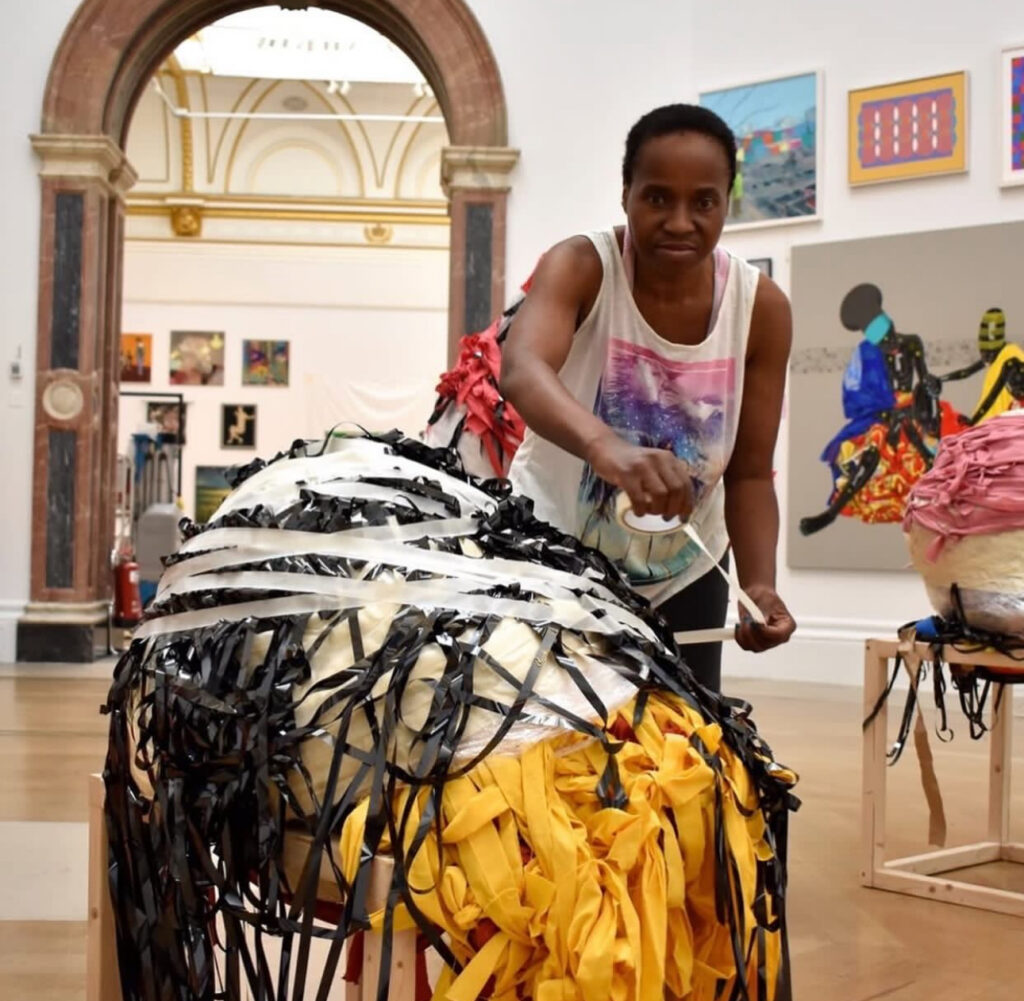
Image of Nnena Kalu. Photo credit: courtesy of Nnena Kalu

Nnena Kalu’s Turner Prize win expanded the award’s parameters. Her practice, shaped by disability and developed outside conventional training, challenged assumptions about who makes serious art and under what conditions. The jury’s decision suggested that legitimacy itself was being redefined—not as a concession to diversity, but as recognition that compelling work often emerges from positions the art world had previously ignored.

When Ibrahim Mahama became the first African artist to top ArtReview’s Power 100, then collected both the Art Basel and UBS Artist of the Year award and a Gold Award at the inaugural Art Basel Awards, the recognition confirmed what his practice had long demonstrated: that work rooted in labor, material economy, and collective making could define—not merely participate in—contemporary art’s main currents. His community-driven practice, grounded in postcolonial economies and the physicality of salvaged materials, had become a framework for understanding what contemporary art could do.

Nnena Kalu’s Turner Prize win expanded the award’s parameters. Her practice, shaped by disability and developed outside conventional training, challenged assumptions about who makes serious art and under what conditions. The jury’s decision suggested that legitimacy itself was being redefined—not as a concession to diversity, but as recognition that compelling work often emerges from positions the art world had previously ignored.

Diasporic Exhibitions at Major European Institutions

Best of Art 2025 Curator of Nigerian Modernism exhibition Osei Bonsu at the Tate Museum
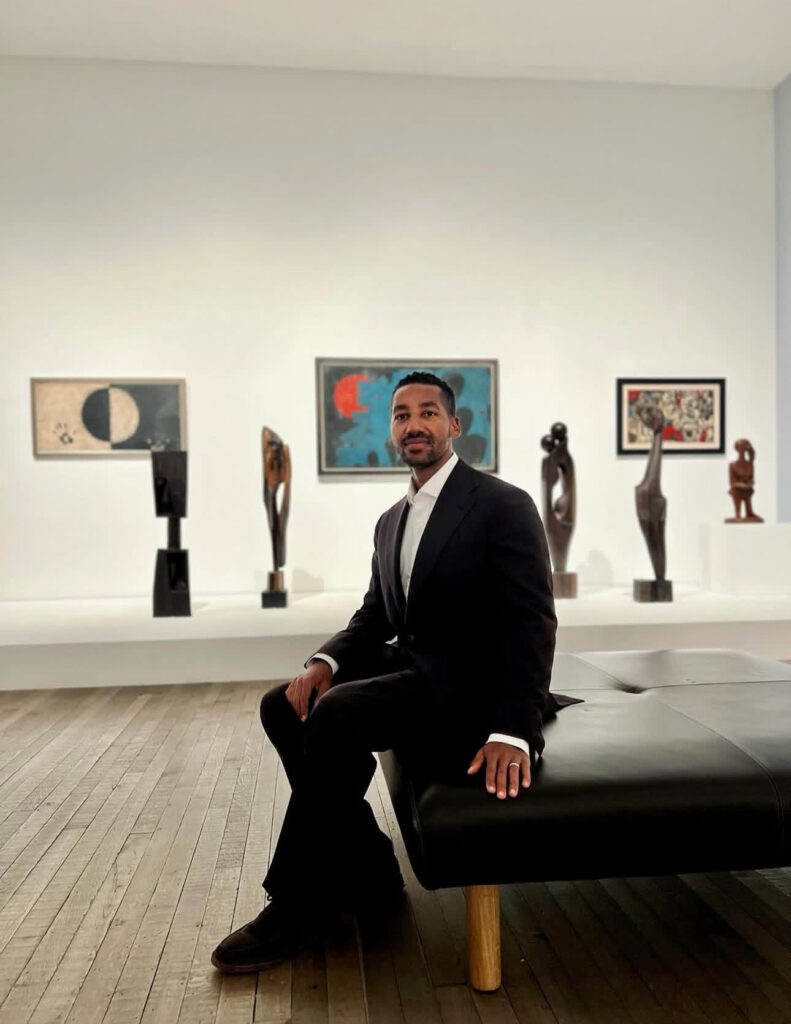
Curator of Nigerian Modernism exhibition Osei Bonsu at the Tate Museum. Photo credit: courtesy of Osei Bonsu/ Tate Modern

The Tate’s focus on Nigerian modernism marked a long-overdue institutional reckoning. By spotlighting artists including Uzo Egonu, El Anatsui, Ladi Kwali, and Ben Enwonwu MBE, the exhibition reframed Nigerian modernism not as derivative of European movements but as a self-defined aesthetic shaped by post-independence thought, indigenous philosophy, and political urgency.

It functioned less as exhibition than as argument—one of 2025’s most significant art statements from a major Western institution.

At the Centre Pompidou in Paris, “Paris Noir” brought together 150 artists of African, American, and Caribbean descent, examining their presence in France from the 1950s to 2000. The exhibition situated African and diasporic artists within the broader evolution of global abstraction, surrealism, and conceptual practice—dismantling the long-standing separation between “African art” and “modern art.”

Best of Art 2025 1 Joel Andrianomearisoa Figures of Miracle
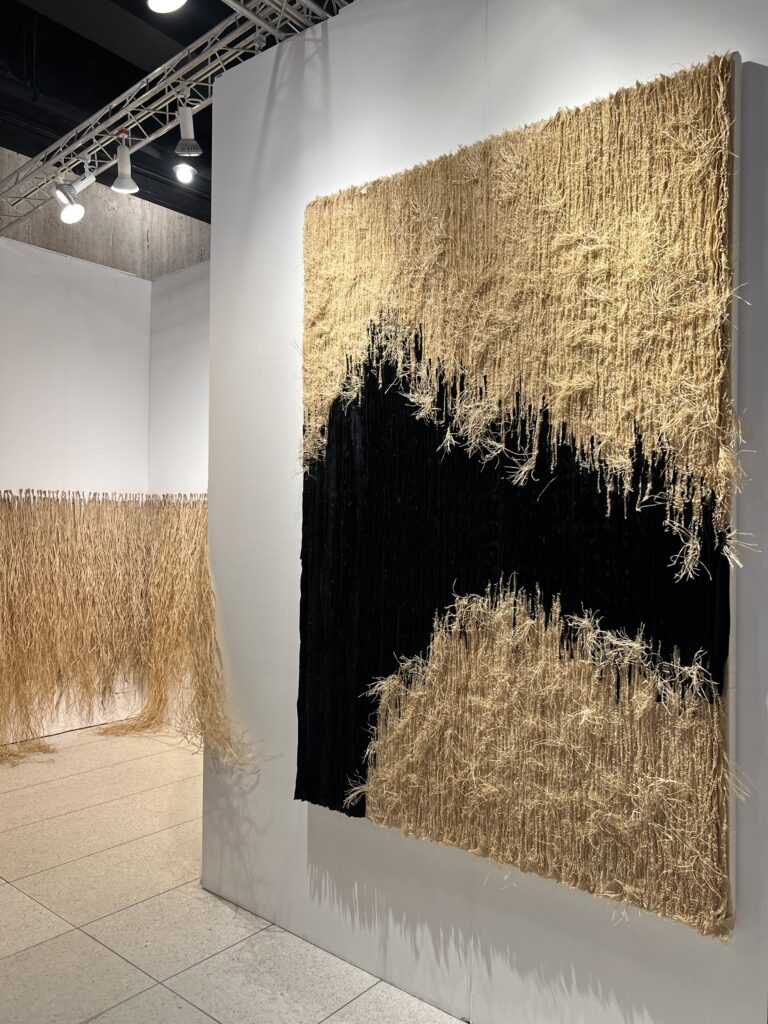
Joël Andrianomearisoa’s Figures of Miracle at 1 54 Contemporary African Art Fair

By year’s end, the framing had shifted. African art was no longer discussed as emerging—a term that had persisted for decades past its usefulness. It was discussed as present: central to how institutions, collectors, and historians were writing the current chapter of global art.

What 2025 documented was not isolated breakthroughs but the consolidation of an ecosystem. Institutions adjusted their frameworks. Recognition followed sustained practice rather than novelty. From Accra to London, Paris to New York, the year closed with African art at the center of how global art history continues to be written.​​​​​​​​​​​​​​​​

Share This:

Facebook
X
Pinterest
Email

You Might Also Like