


At 1-54 London, African Modernism Gets a Dedicated Section
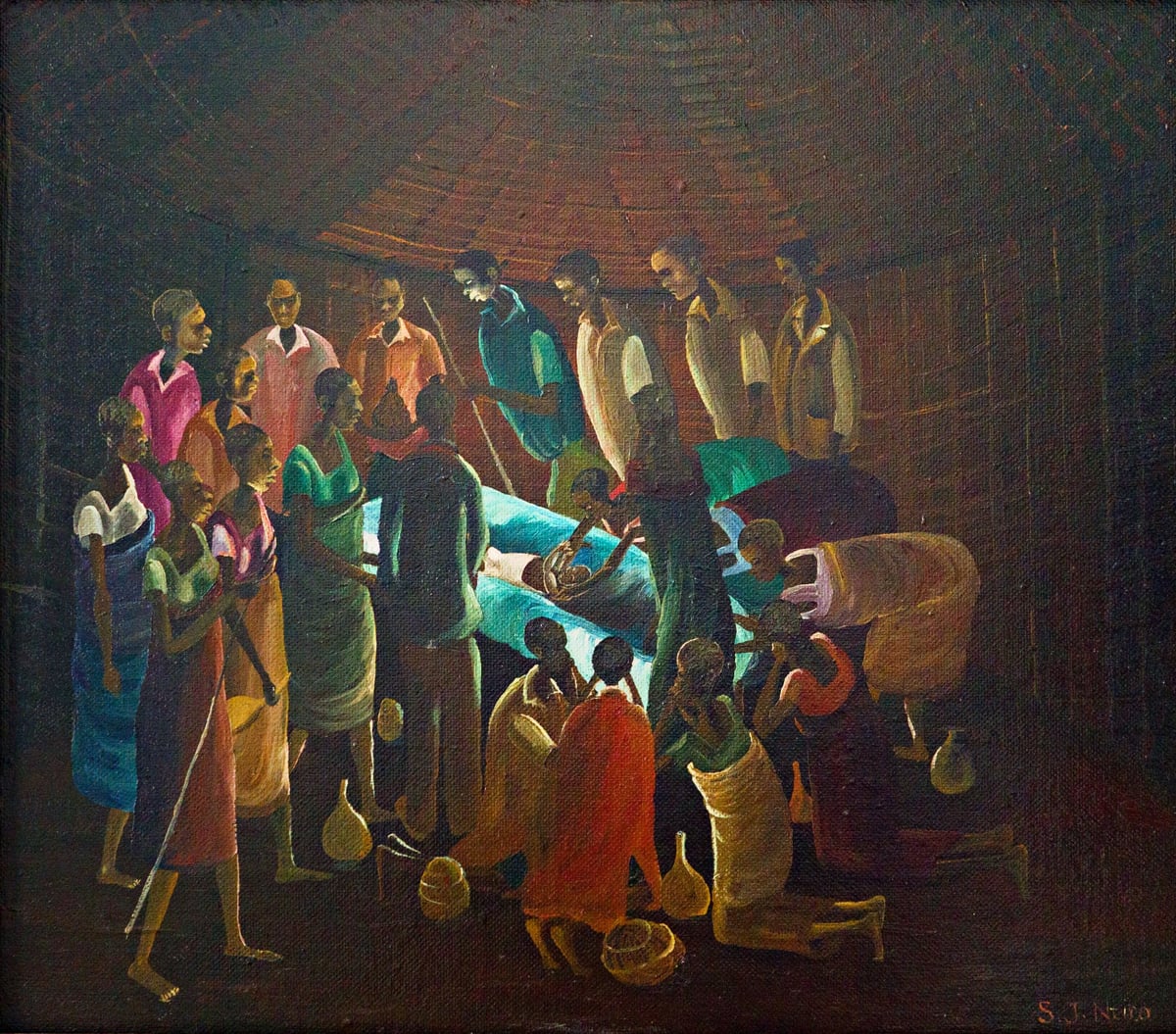
It is the 14th edition of 1-54 Contemporary African Art Fair, which runs at Somerset House from 15 to 18 October, and this year its modernist spotlight features familiar names: Gerard Sekoto, Skunder Boghossian, Papa Ibra Tall and Ibrahim El-Salahi, among others. This is not the first time 1-54 has featured modernist African artists, but the spotlight now spans curated gallery booths and West Wind, a dedicated exhibition curated by the South African-Portuguese art historian and visual studies scholar Dr Nancy Dantas.
Speaking to Guzangs over a call about why this moment feels particularly important, Dantas says the understanding of modernism and art history is expanding. “The geographies of modernist practice and cosmopolitan life are being revised and reconsidered. Modernism is not a resolved subject or a closed chapter in art history. Far from it. Nor is it confined to Paris, London or New York, even though there are still many stories waiting to be told and brought to life in those cities.”
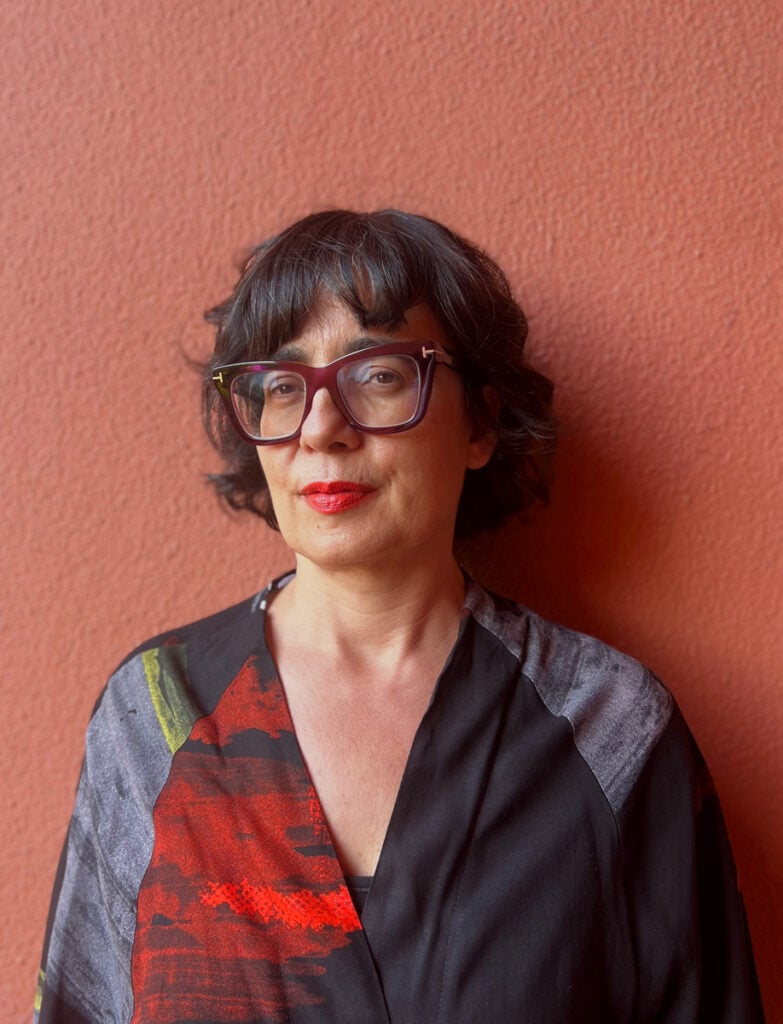
West Wind positions itself within a broader institutional reassessment of African modernism, following Tate Modern’s Nigerian Modernism exhibition, which concluded in May 2026, and Architects of Liberation, the ongoing exhibition at the Museum of Modern Art in New York. Dantas, however, describes West Wind as a much smaller, more modest and, in many ways, imperfect contribution. “It is a relatively low-key intervention that hopes to signal that these modernist creations are still circulating, that they continue to speak to us and transport us to a moment of awakening, they retain a particular attraction when placed on a gallery wall, especially in the troubled times we are living through.”
The ten artists featured in West Wind — Sam Ntiro, Gerard Sekoto, Bertina Lopes, Skunder Boghossian, Kofi Antubam, Papa Ibra Tall, Ibrahim El-Salahi, Rafik El Kamel, Baya Mahieddine and Uzo Egonu — were selected largely on the basis of which works were available. It was important for 1-54 to draw on works that were already geographically close, either in London or in locations from which they could be transported relatively easily. Another significant feature of West Wind is its connection to music. The title itself comes from an electrifying song performed by Miriam Makeba, released in 1966 and performed at concerts and on radio across the continent and beyond. “I imagine that these artists would have heard the song and carried it with them as members of the same generation,” Dantas says.
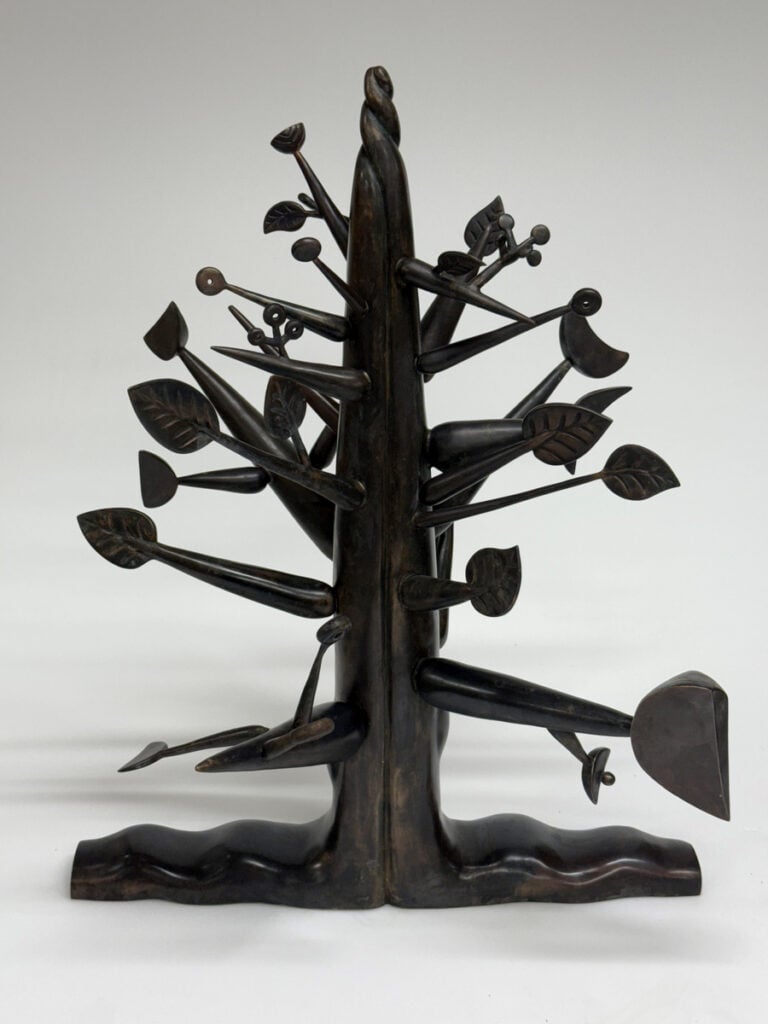
On the broader impact, Dantas hopes West Wind contributes to our understanding of contemporary African art and its predecessors, as well as to the slow, ongoing archaeological work being undertaken on African modernism. “We need to understand that African modernism cannot be reduced to a single narrative. It is a multisited phenomenon, an experience forged in studios, but also collaboratively, collectively and continuously,” she says.
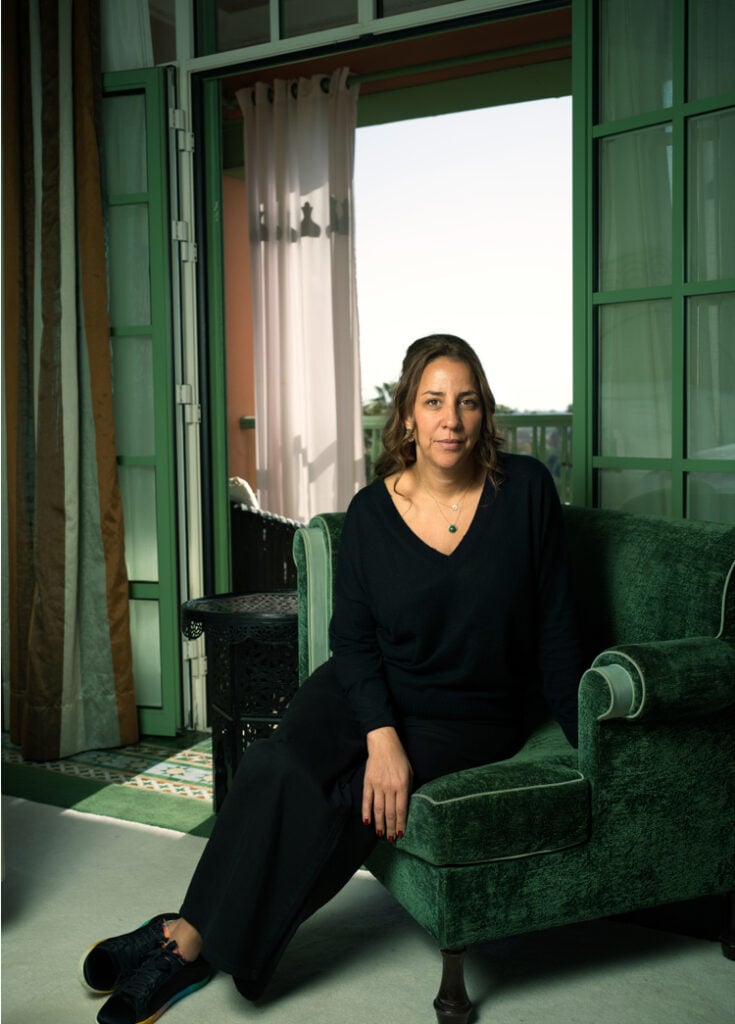
1-54 Contemporary African Art Fair was founded in 2013 by Touria El Glaoui, whose early upbringing in Morocco during the 1970s and early 1980s was surrounded by art. Her father was the renowned Moroccan painter Hassan El Glaoui, and much of her passion was shaped by his influence. At a time when Morocco had fewer art institutions, he would take her and her siblings to museums and exhibitions on their travels abroad, sharing his enthusiasm for art and recounting his formative years studying in Paris.
It did, however, take many years before El Glaoui embarked on a path in art. She spent her earliest working years in wealth management and in the telecommunications and technology industries, work that took her across the African continent. It was there, in her mid-20s and early 30s, that she began discovering different markets, experiences she acknowledges taught her how to examine markets, identify gaps and understand what was missing from an ecosystem.
It didn’t take much to identify the gaps in the African art ecosystem. During her corporate travels, she had encountered so many remarkably talented artists, and was shocked that many of them were largely absent from major international platforms. Everything came together while she was working at Cisco Systems, one of her last jobs in technology, and at the same time helping her father, then in his late 80s, manage an institutional exhibition in London. Despite his reputation and the institutional context of the exhibition, she could see how difficult it remained for contemporary African artists to gain access and visibility internationally. That led to the birth of 1-54, which launched at Somerset House in London in 2013 with a group of 17 galleries. The name refers to the 54 countries of the African continent.
More than a decade and numerous editions later, across London, Marrakech and New York, El Glaoui affirms that the fair has succeeded in addressing the gap it was created for. “I think the initial gap in visibility has been addressed to a significant extent,” she says. “The landscape has improved considerably. More artists from Africa and its diaspora are being included in mainstream galleries, and they are producing important work. Of course, not every artist operates at the same level, but that is also true of the global art market.”
But the end goal for El Glaoui isn’t visibility. Museums and other institutions may have discovered contemporary artists through the fair, and there are now more opportunities for institutional recognition, but there is still a gap in permanence. How often are these artists’ works being acquired by major institutions and private collections? Are they becoming part of art history, scholarship and the books through which future generations understand art? “1-54 has always operated primarily within the art market rather than in the field of scholarship,” she adds. “But narrowing the gap between visibility and permanence is becoming increasingly important. It requires structural work beyond the commercial market.”
There have been significant shifts in the global art scene over the past few years, and some galleries on the continent have closed their doors. El Glaoui acknowledges these shifts, but she also thinks galleries need to think carefully about their investments and establish a sustainable foundation before expanding their activities. “Galleries are very small businesses. In many cases, they are one-, two- or three-person operations run by courageous entrepreneurs who are deeply passionate about art. But passion does not always come with a full understanding of the economics required to sustain a business over the long term,” she says. Sometimes, she adds, galleries approach art fairs with enormous enthusiasm without adequately considering the financial implications. They might apply to five or six fairs without knowing whether they have the budget to participate in all of them. That doesn’t just strain their relationships with artists; it can also make it harder to maintain their spaces and develop strong programmes. “I believe galleries with a long-term commitment to their artists, and those that offer genuine value beyond facilitating transactions, will be better positioned to survive and grow,” she says.
She also believes the ecosystem cannot survive on artists and galleries alone, pointing out that the art ecosystems of the West, and increasingly of Asia and the Middle East, are often supported by wider infrastructure. “We need more curators, writers, researchers, conservators and advisers working with African art. We need these professionals to help sustain its growth, deepen its visibility and build the scholarship that will support artists over the long term,” she says.
She remains positive because new opportunities are emerging, but she is aware that development is uneven. An artist or creative working in Lagos, for example, does not necessarily have access to the same funding as someone working in London or New York. That disparity affects the growth of the market and the resources available to the wider ecosystem. Everyone has a role to play, including 1-54. “We are thinking about how we can contribute to greater permanence for the artists we showcase, and this has become an important consideration in our strategy. Our primary role is to operate as a commercial space, rather than to replace the nonprofit initiatives and institutions that the continent also needs,” she says.
As for expansion, there is a chance for 1-54 to stretch into other regions and countries, though perhaps not with its existing model. “Would I take the existing 1-54 model to different cities? Not necessarily. But would I consider pop-ups, pavilions or exhibitions in different countries to introduce audiences to African art? Absolutely. I think those opportunities could take a different form,” she says.