

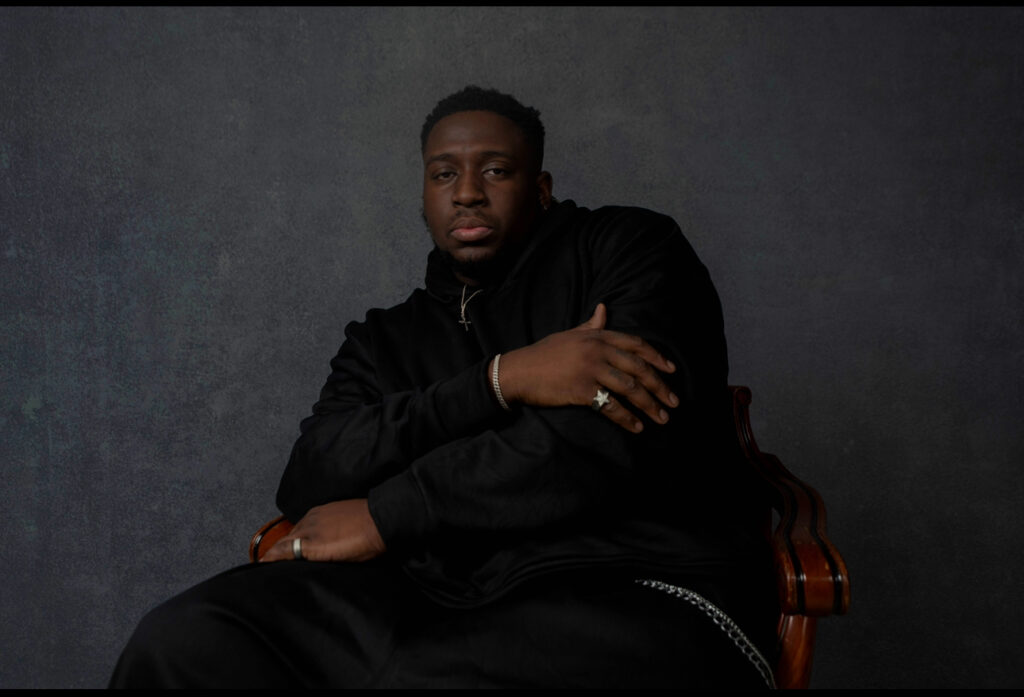
When Anthony Azekwoh began drawing, he could hardly imagine how far that impulse would carry him. His trajectory—from writer to digital painter to sculptor and curator—speaks to a restless creativity and a conviction that has positioned him as one of the continent’s most successful digital artists.
Born in Lagos, Anthony describes his childhood as formative. His father emphasized the importance of exposure, traveling with the family and engaging with different peoples and cultures. This, he says, helped him develop a broad perspective on humanity that underpins much of his work today. A voracious reader and lover of stories, he was constantly burying himself in books. He describes himself then as somewhat shy and reserved, though capable of speaking out when necessary. That inward life and love for narrative would become central to his artistic identity.
During his school years at Whitesands School, his teacher Kola Tubosun became a mentor, introducing him to works by writers like Nnedi Okorafor, Lesley Nneka Arimah, and Neil Gaiman—writers who shaped his understanding of what stories could accomplish. In his late teens, Azekwoh entered chemical engineering studies at Covenant University. But by 2019, he made a decision that would change his life: he dropped out to pursue art full-time.
The Accident that Became a Door
In December 2016, fate intervened. Azekwoh’s laptop broke, cutting off his primary outlet for writing. With handwriting that he found uncomfortable, longhand wasn’t an option. So he turned to drawing on paper with pens.
“Oh man, it started in December of 2016 when my laptop broke (I was primarily a writer) and I needed another outlet to express myself with,” he recalls.
From there, he scavenged tools: using his sister’s mouse, teaching himself Photoshop, scanning sketches into the computer, and learning how to vectorize. He reached out to digital artists whose work he admired, studied them closely, and gradually built his own visual vocabulary.
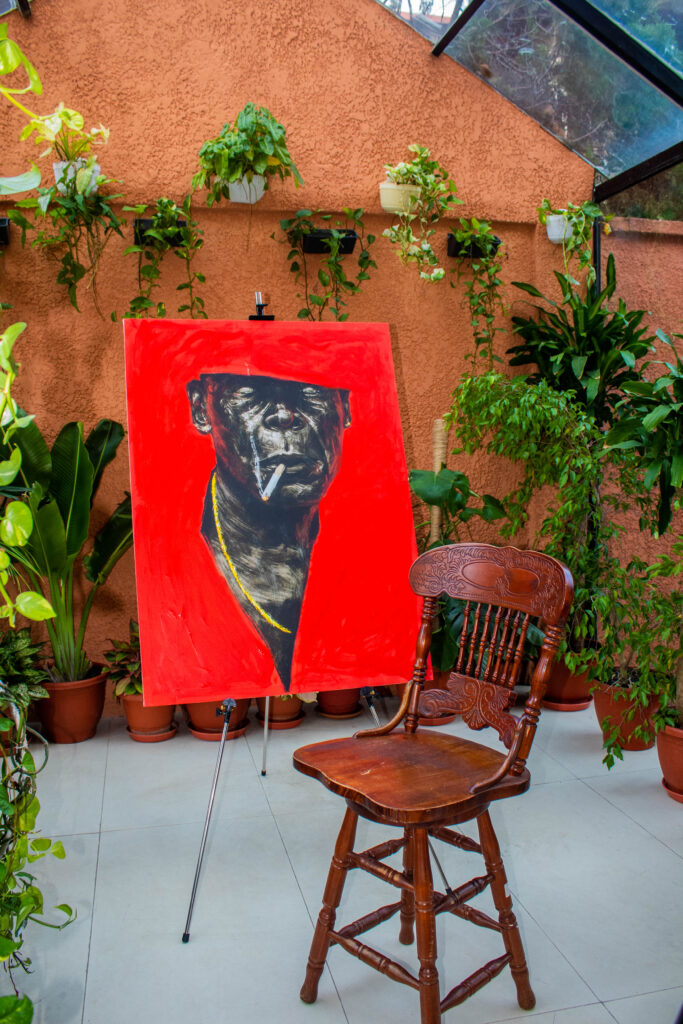
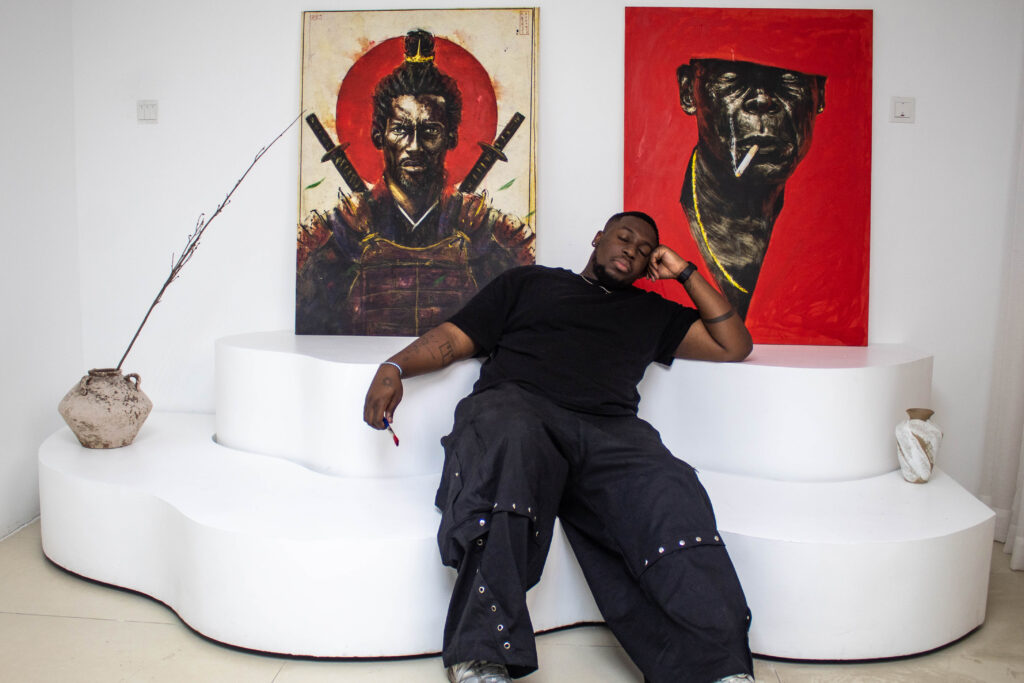
He cites early inspiration from digital artists including Sam Spratt, DuroArts, DuksArts, Renike, Qaudrii, and Ebube Onoh—names he says guided and challenged him along the way. One early turning point was the creation of The Red Man. That piece, when dropped as an NFT in 2021, sold for over $25,000 and drew global attention to Azekwoh’s work. It became emblematic of the mythic, bold, emotionally resonant visual style he was developing.
“It was an incredible time with people all around the world pushing towards the same thing and I think for me it was liberating, knowing I wasn’t alone in the digital space. Right now, the fire has died down by a lot, but we’re still kicking, still moving, still pushing,” he says.
On Rise, Fall and Reinvention
The period around 2021 was heady. As NFTs captured global imagination, many digital artists—especially from the continent—found opportunity. Azekwoh was among them. He dropped works on platforms like SuperRare, OpenSea, and Nifty Gateway, with his NFTs weaving together mythology, folklore, and futurist aesthetics.
His Yasuke series, a reinterpretation of the 16th-century African samurai, became a signature work and crossed into pop culture. When the crypto and NFT market cooled, Azekwoh faced steep challenges: declining demand, logistical hurdles, and the emotional toll of watching what felt like a dream unravel. The crash hit many artists hard, Azekwoh among them.
What distinguishes him is that he didn’t simply disappear—he rebuilt. He leaned into hybrid forms, physical art production, scaled his studio, and rethought the infrastructure of art, distribution, and storytelling in Africa.
Azekwoh’s Sculpting Practice and Exhibitions
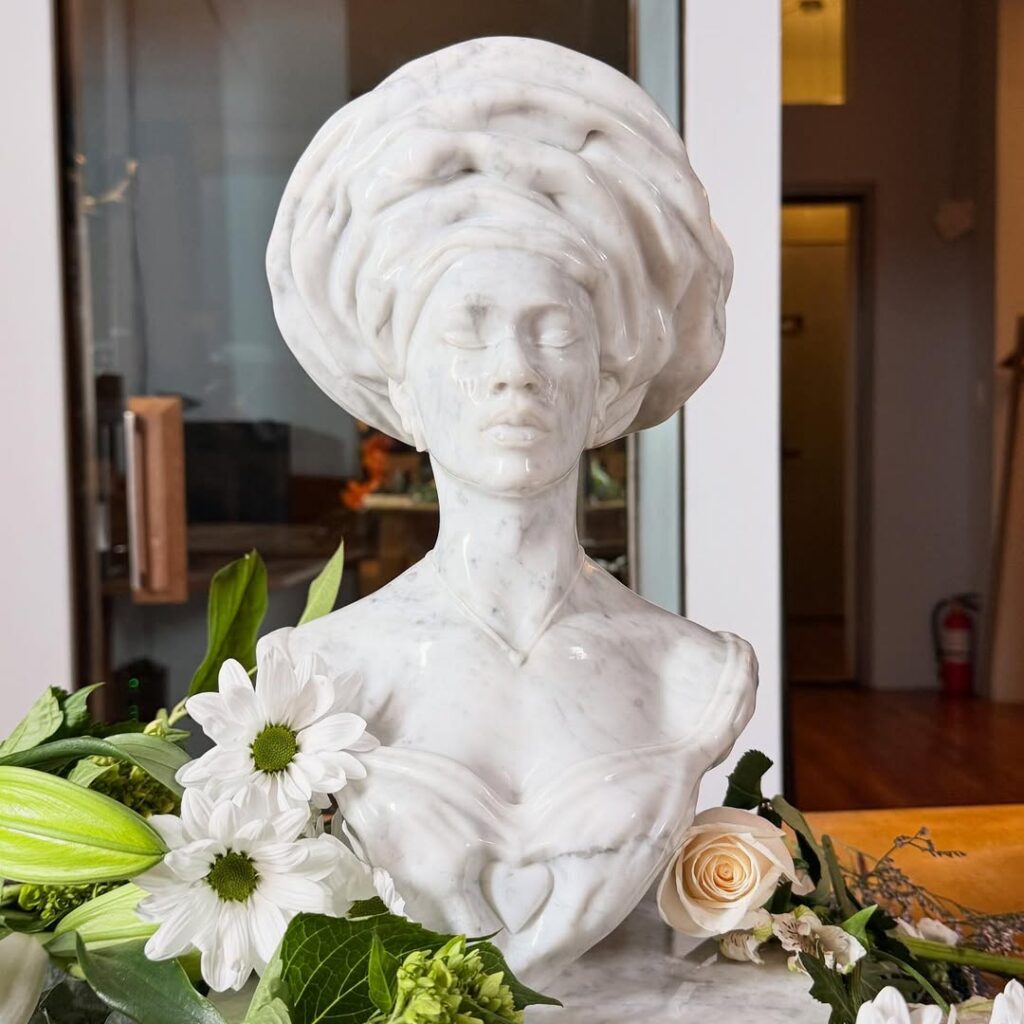
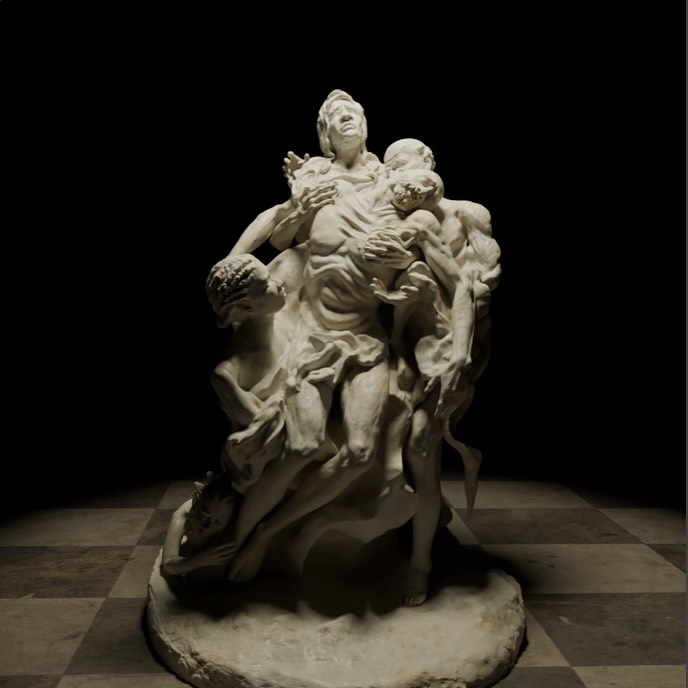
While much of his reputation has been built in digital work, in recent years Azekwoh has expanded into sculpture—physical, three-dimensional works that give corporeal life to the mythic figures he paints. He speaks about wanting to “immortalize” Nigerian figures, translating imagery into tangible form.
One of his recent exhibitions, There Is A Country, toured Lagos, London, New York, and Abuja, further solidifying his presence in the global art conversation. His works are increasingly collected by personalities such as Cynthia Erivo, Lojay, and JAE5—a sign that his art is crossing cultural and economic boundaries. He also mounted The Stars I Followed, his five-year retrospective show, celebrating his journey thus far and laying out what’s next. In that exhibition, he surveyed the gestures, experiments, and stories he’s rendered over time, reaffirming that he views his practice as cumulative and evolving.
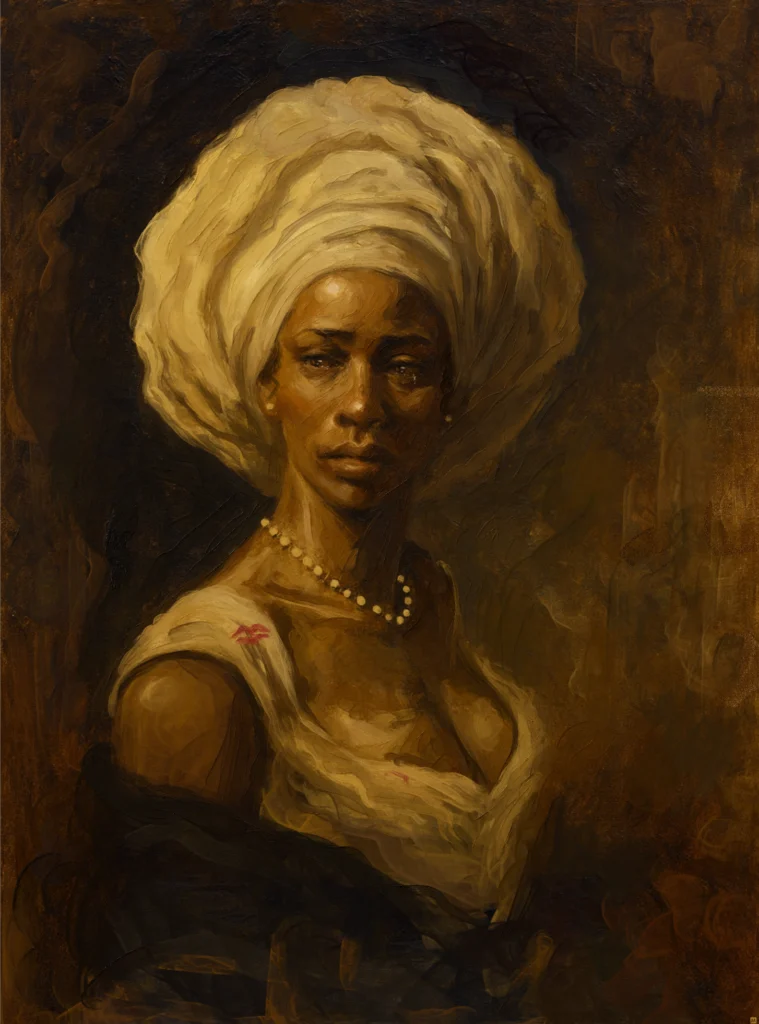
Another of his viral visual moments was The Bridesmaid (and its counterpart The Best Man). “I was doing what I always do, just doodling and trying new techniques out when it kinda just happened. I didn’t think too much of it honestly and then bam, I posted it and it became something crazy,” he tells Guzangs.
The Bridesmaid has been dubbed “the Nigerian Mona Lisa”—a label he regards as a high honor. He’s hinted at more works in the same vein: “mother in law,” “groom,” and others. Given how quickly The Bridesmaid captured attention, it seems likely those next figures will take on lives of their own.
What Shapes his Oeuvre?
At the core of Azekwoh’s work is storytelling: myth, folklore, identity, memory, transformation. He has described himself as a 21st-century griot, braiding myth, culture, history, and technology into dialogues about being African in the modern world. He is invested in balance—digital and physical, local and global, personal and universal. He resists the notion of art as elitist or untouchable in Nigeria. Instead, he wants art to feel communal, stimulating, and accessible, even as it engages serious themes. He believes his work has shown Nigerians a different form of art, something that can stimulate the mind while remaining accessible to everyone.
Living and working in Nigeria, Azekwoh names several recurring struggles—especially distribution and logistics. Through it all, he says he has learned to be more patient, kind, and to trust the process itself. He emphasizes that art, like life, is incremental. He expresses deep gratitude to his parents for supporting his journey and for being alive to witness his growth.
Despite these challenges, he remains prolific and playful. At the moment, Azekwoh is channeling energy into TAWCU (The Azekwoh Wedding Cinematic Universe)—a playful, ambitious expansion of his wedding-themed artworks. “It’s a wedding,” he jokes, “everyone is coming.”