



On April 21, the UN observed World Creativity and Innovation Day. But for many African designers, artists, and architects, that kind of thinking isn’t tied to a calendar. It’s just how the work gets done. Across the continent, new ideas are taking shape. Quietly. Experimentally. Sometimes defiantly. Some are working with buildings left unfinished for years. Others are turning scrap into sculpture. Most are moving outside the expectations of “African design” altogether. What connects them is a clear point of view: innovation, on their own terms.
Francis Kéré
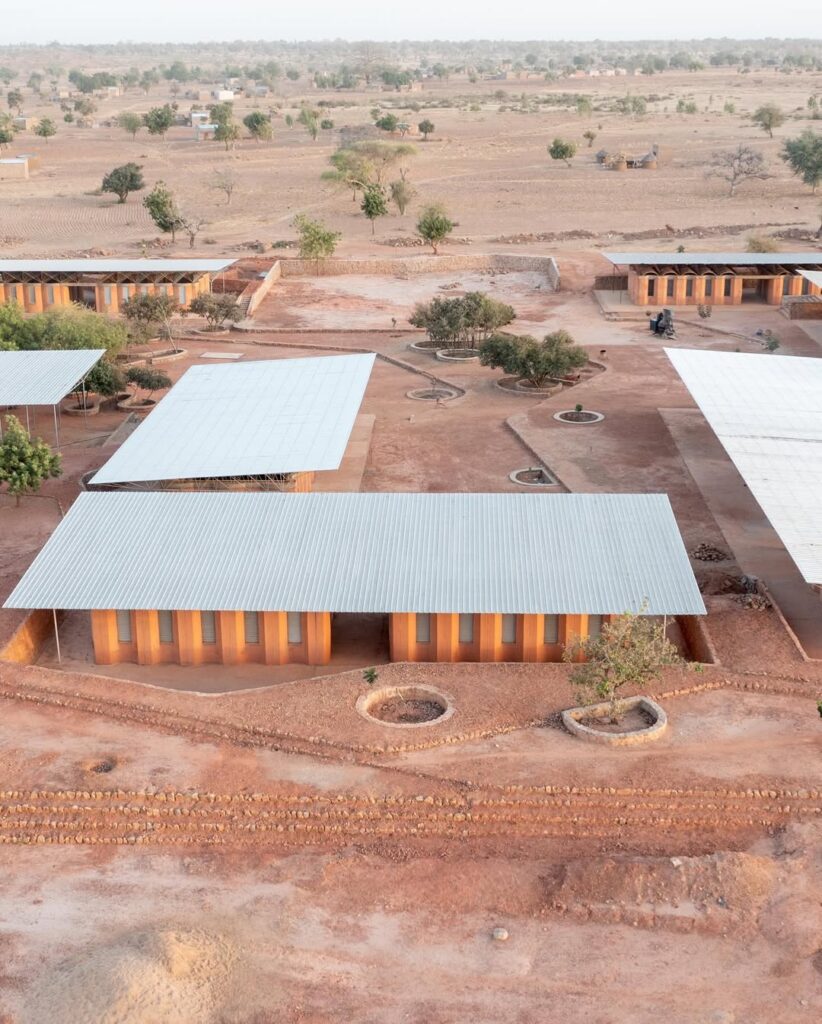
Let’s not pretend Kéré is a “discovery.” The Pritzker Prize was just the world catching up. What makes Kéré extraordinary isn’t the award. It’s that he hasn’t moved away from the core of his practice: designing with and for the communities that shaped him. Whether he’s rethinking the Benin National Assembly or designing schools in Burkina Faso with open-air breezeways and earth bricks, Kéré’s work is democratic in form and function. It’s civic architecture that breathes.
Mariam Kamara
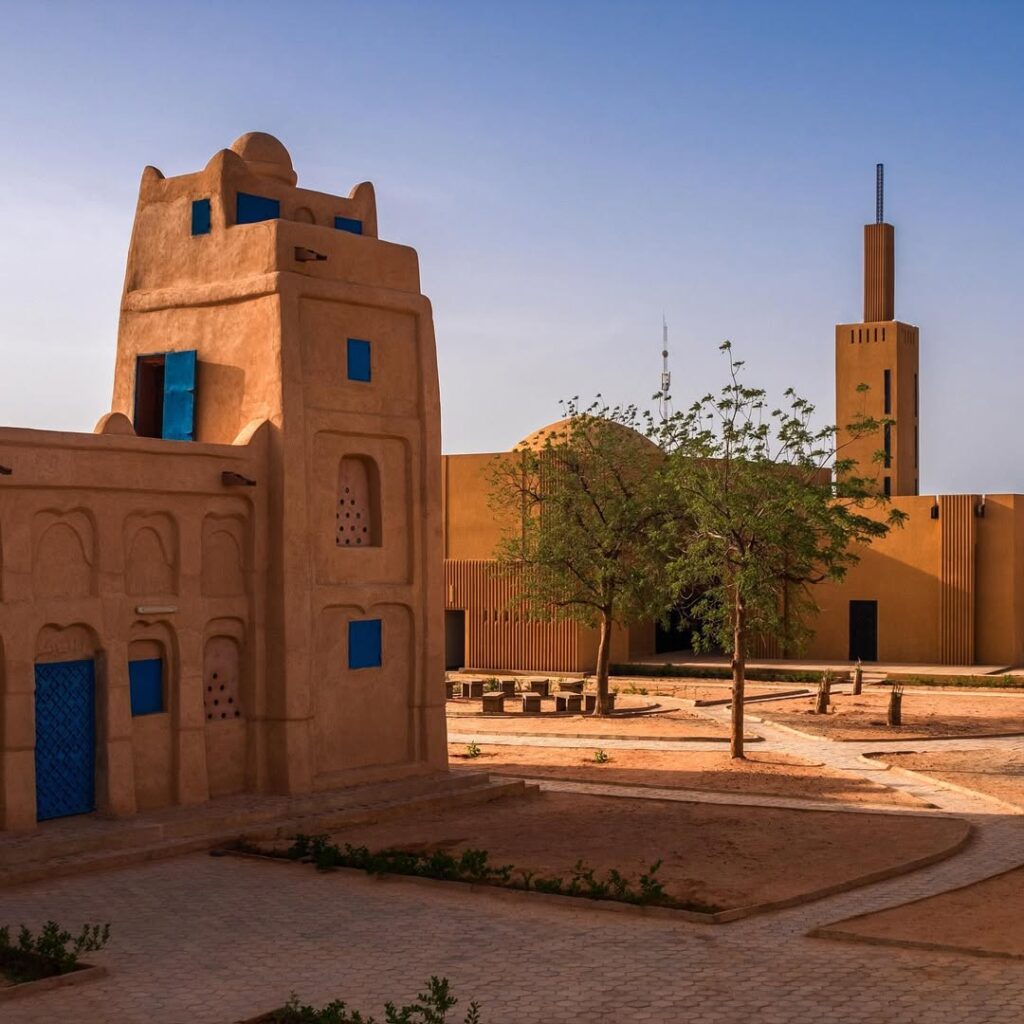
Kamara is doing what so few institutional architects do: listening. Her work, from Niger to Senegal, is quiet but intentional. These are spaces designed to serve, not to dominate. The forthcoming Bët-bi museum in Senegal isn’t just a major cultural commission. It’s a chance to rethink how African art is exhibited, remembered, and experienced. Kamara’s designs ask: who is this space for, and what histories are we honoring?
Cave Bureau
What happens when architecture stops looking outward and starts digging in — literally? For Nairobi-based Cave Bureau, the answer is buried in limestone and memory. Their Anthropocene Museum series doesn’t live in gallery white cubes. It lives underground. In caves. In former slaughterhouses. In the architecture of absence. Founders Kabage Karanja and Stella Mutegi aren’t designing buildings for prestige. They’re building frameworks for questioning. How did we get here? What does it mean to unbuild?
Cyrus Kabiru
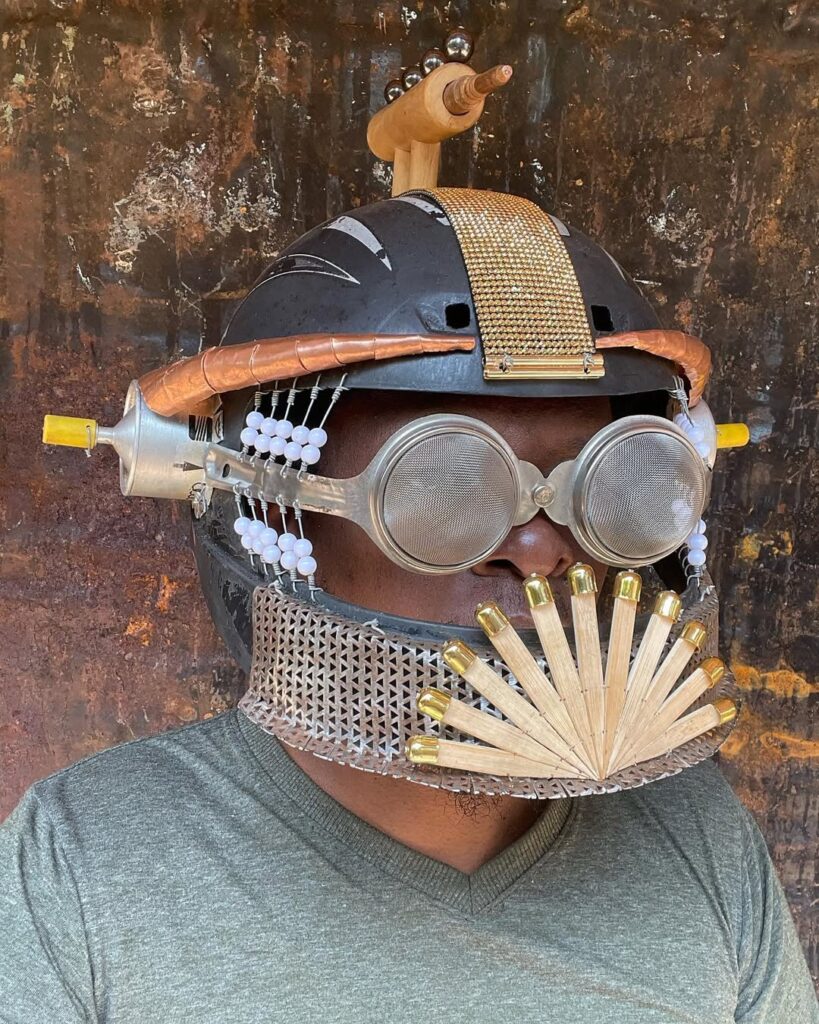
If you know Nairobi’s art scene, you know Cyrus. He doesn’t sketch ideas. He bends them, wires them, scavenges them from the edge of the city. His C-Stunners – handmade glasses crafted from electronic waste are wearable sculptures, performance pieces, and cultural critiques rolled into one. Kabiru doesn’t recycle. He reinvents. Through his lens, waste isn’t discarded. It’s remade. Worn. Paraded.
Limbo Accra
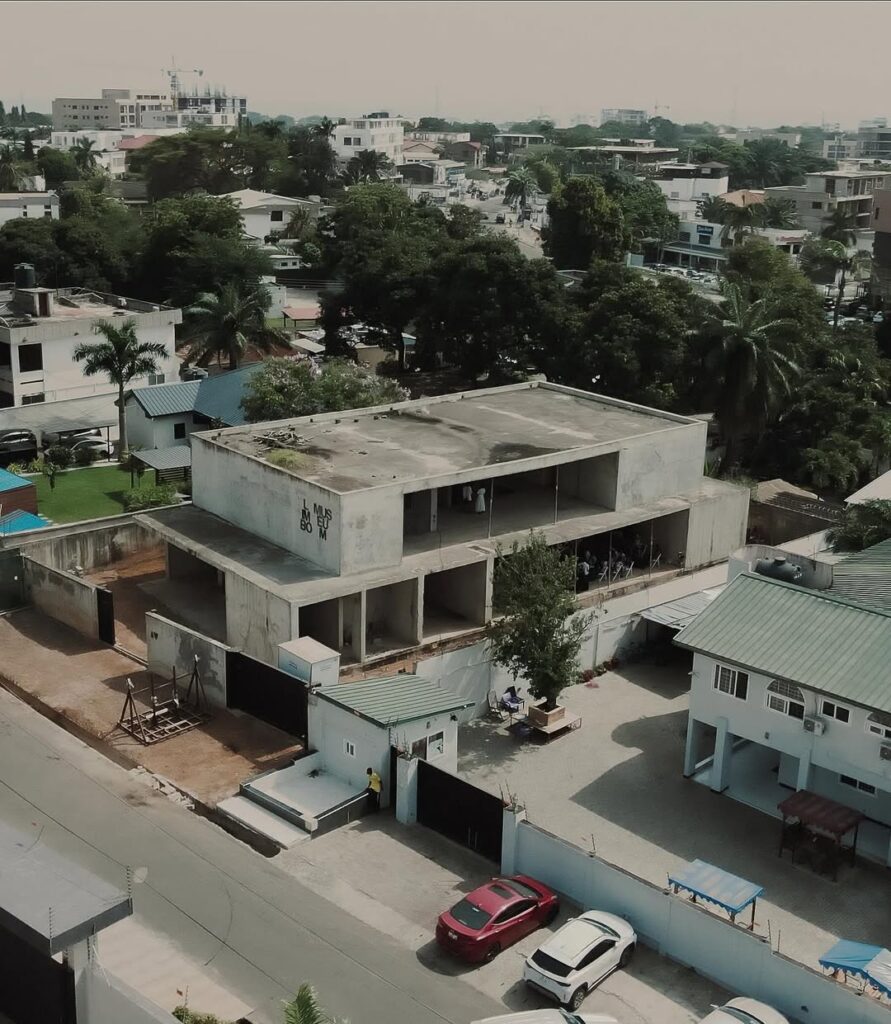
What Limbo Accra is doing feels obvious in hindsight: reactivating the countless unfinished concrete structures scattered across West Africa. But no one did it like this before. Founded by Dominique Petit-Frère and Emil Grip, the studio sees “incomplete” not as failure. But as potential. In their hands, a brutalist skeleton becomes a museum. A roofless floor becomes a runway. They aren’t just making buildings usable. They’re making them feel urgent again.
Nifemi Marcus-Bello
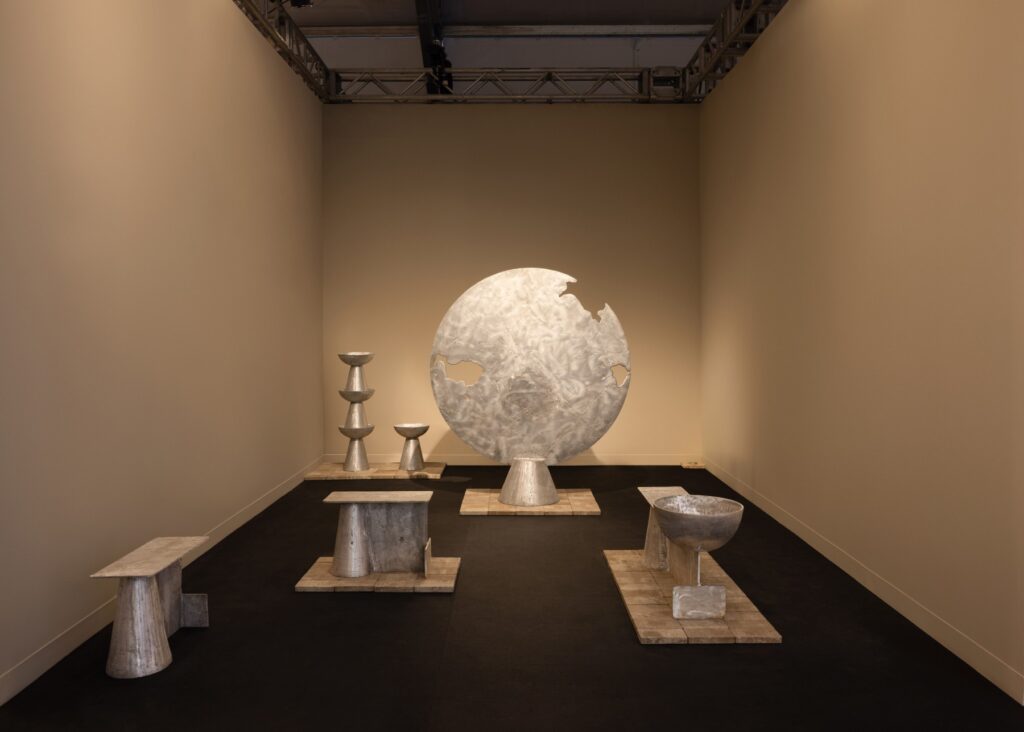
Quiet power. That’s the thread running through Nifemi’s work. His Lagos-based design practice doesn’t scream for attention. But look closely, and you’ll see rigor in every curve, every join. His Oríkì series weaves Yoruba naming traditions into subtle industrial forms. It’s not “African design” as stereotype. It’s Africa as methodology. Marcus-Bello’s objects speak softly, but they hold weight.
Ibrahim Mahama
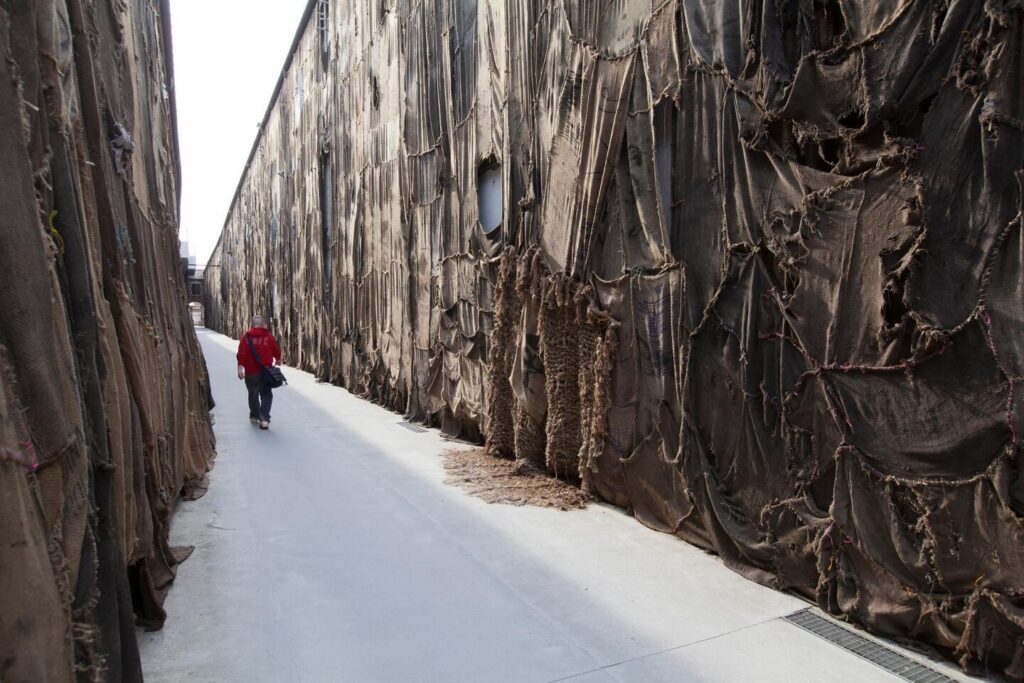
Mahama doesn’t build in the traditional sense, but his work rewrites the relationship between people, place, and power. He wraps colonial buildings in jute sacks. Turns abandoned trains into reading rooms. His Red Clay Studio in Tamale is as much a community anchor as it is an art institution. Mahama isn’t interested in the art world’s expectations. He’s building his own infrastructure. Literally.
There’s no single style or school here. Just a shared refusal to follow old maps. And that’s what makes their work feel like a sign of what’s next.