


If This. Then That: The Holiday Edit
The person who wears the same bracelet every day has already given you a useful clue. So has the friend whose wardrobe is full of patterned knitwear, or whose home has been furnished one carefully chosen chair at a time. Buying for them begins with looking at what they return to, then finding something they might not have come across themselves.
For this holiday gift guide, we return to six pairings from If This. Then That., bringing jewellery, shoes, knitwear and bags together with furniture by Jomo Tariku and Paul Ledron. Each follows a particular detail from a familiar design towards another maker. Ordering notes explain what can be bought or commissioned, and which pieces remain archive references.
01 / Jewellery
Heavy Metal
If you like
Cartier Love
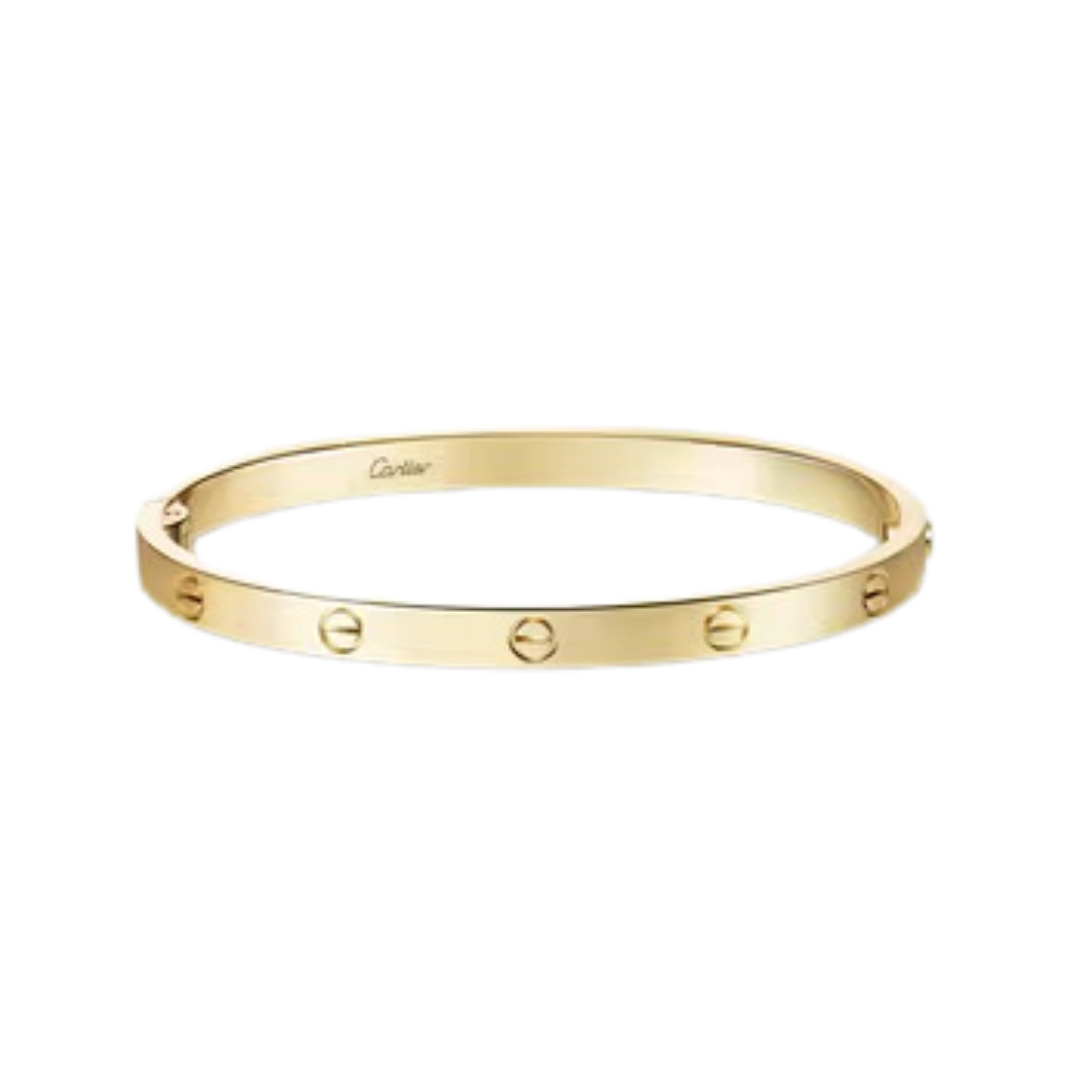
Image via Cartier.
You will love
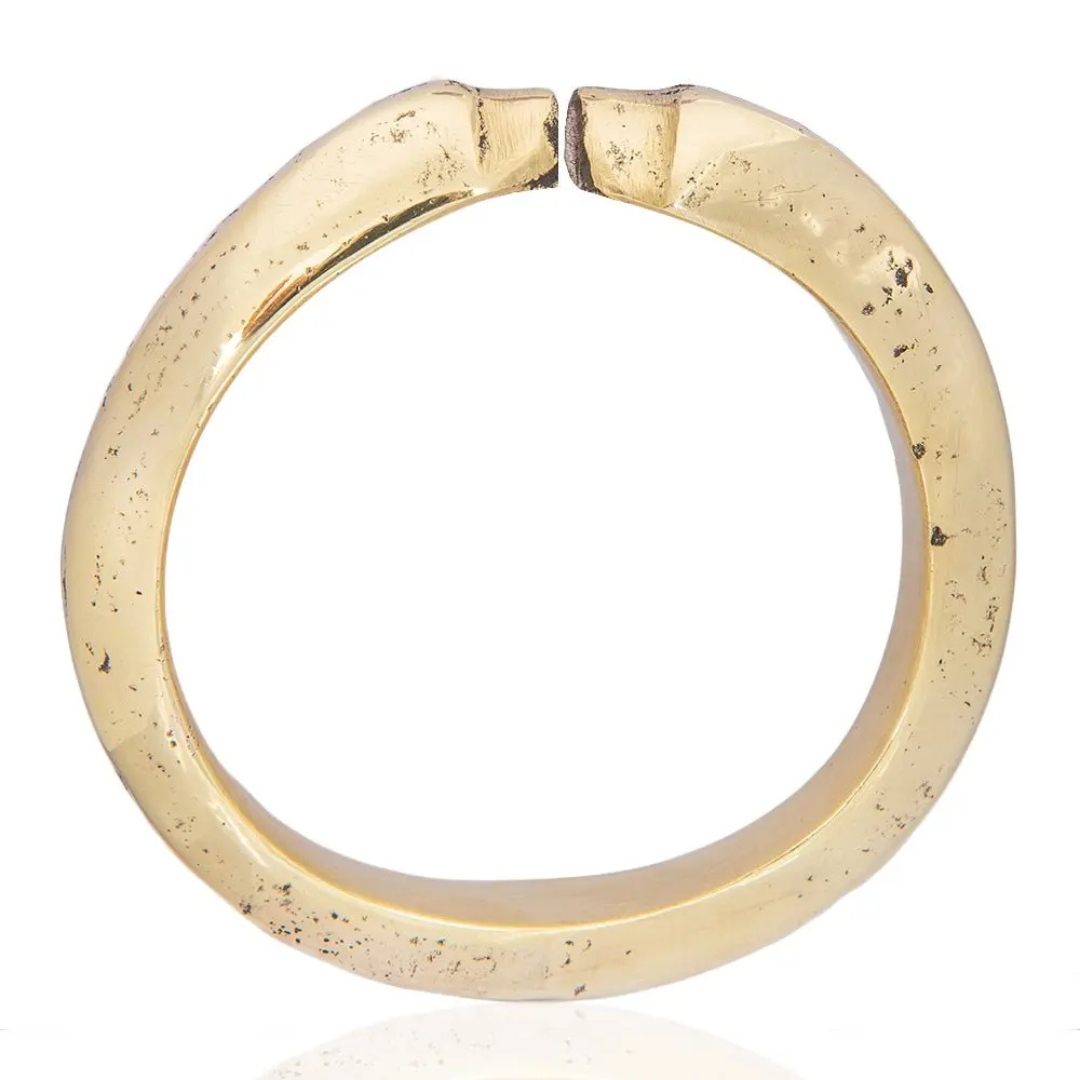
Adele Dejak Bikuli
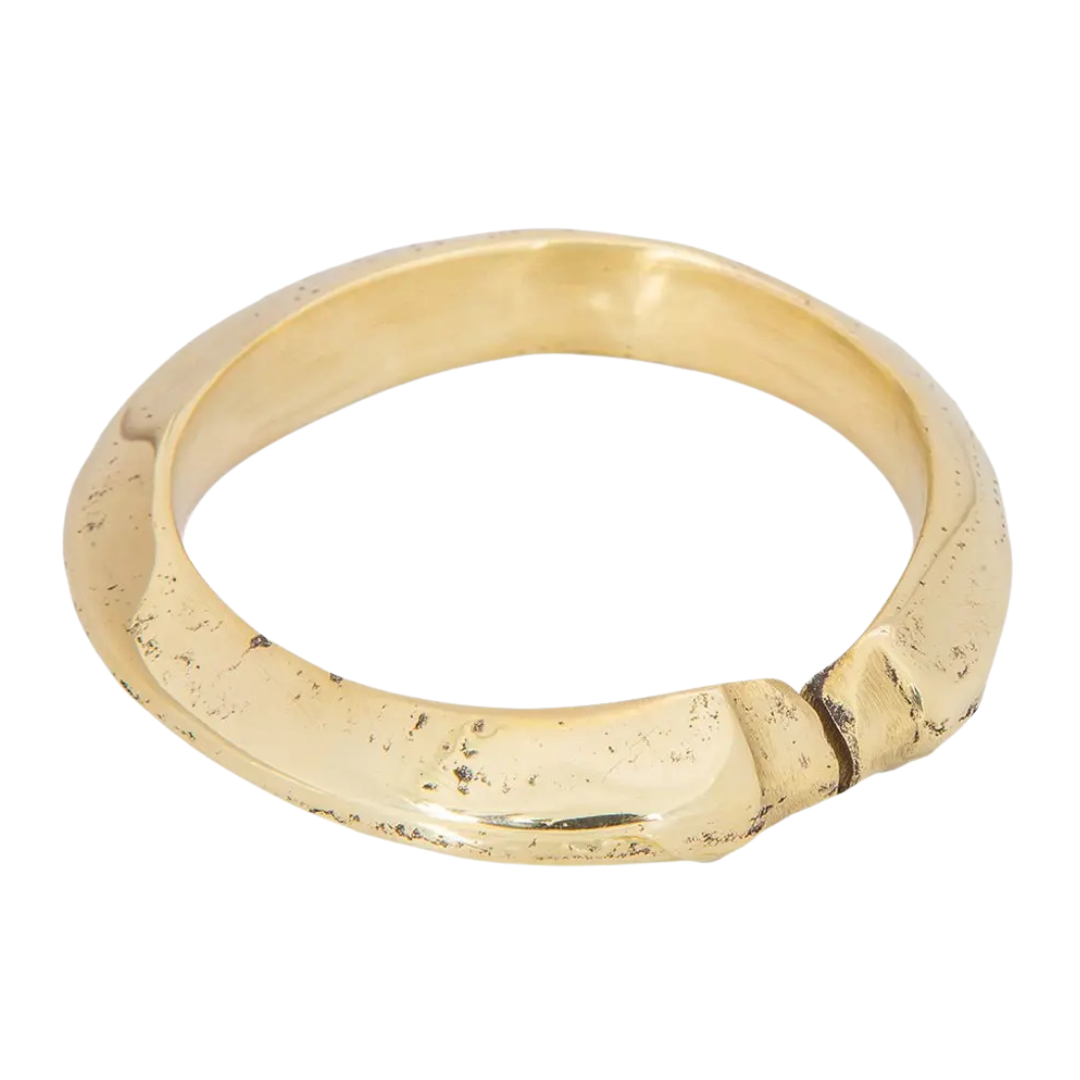
Image via Adele Dejak.
Cartier’s Love bracelet is recognised by the screw motifs set into its oval band. With Adele Dejak’s Bikuli, the eye goes first to the thickness of the brass and the small irregularities across its polished surface. The open cuff has a more rounded, substantial profile; even in a photograph, its weight is apparent.
Handmade in Kenya, the Bikuli is a piece to choose for someone who enjoys the physical presence of jewellery. The broad brass curve has an uneven surface that catches the light. The brand lists its weight at 168g. Against a plain shirt cuff, it needs little company.
Adele Dejak Bikuli bracelet, from US$120. Brass and 24K gold-plated finishes; three sizes. Check the diameter against a bangle the recipient already wears, and confirm dispatch and delivery for your chosen size and finish.
02 / Chairs · Commission ahead
An Antelope in Walnut
If you like
Pierre Jeanneret
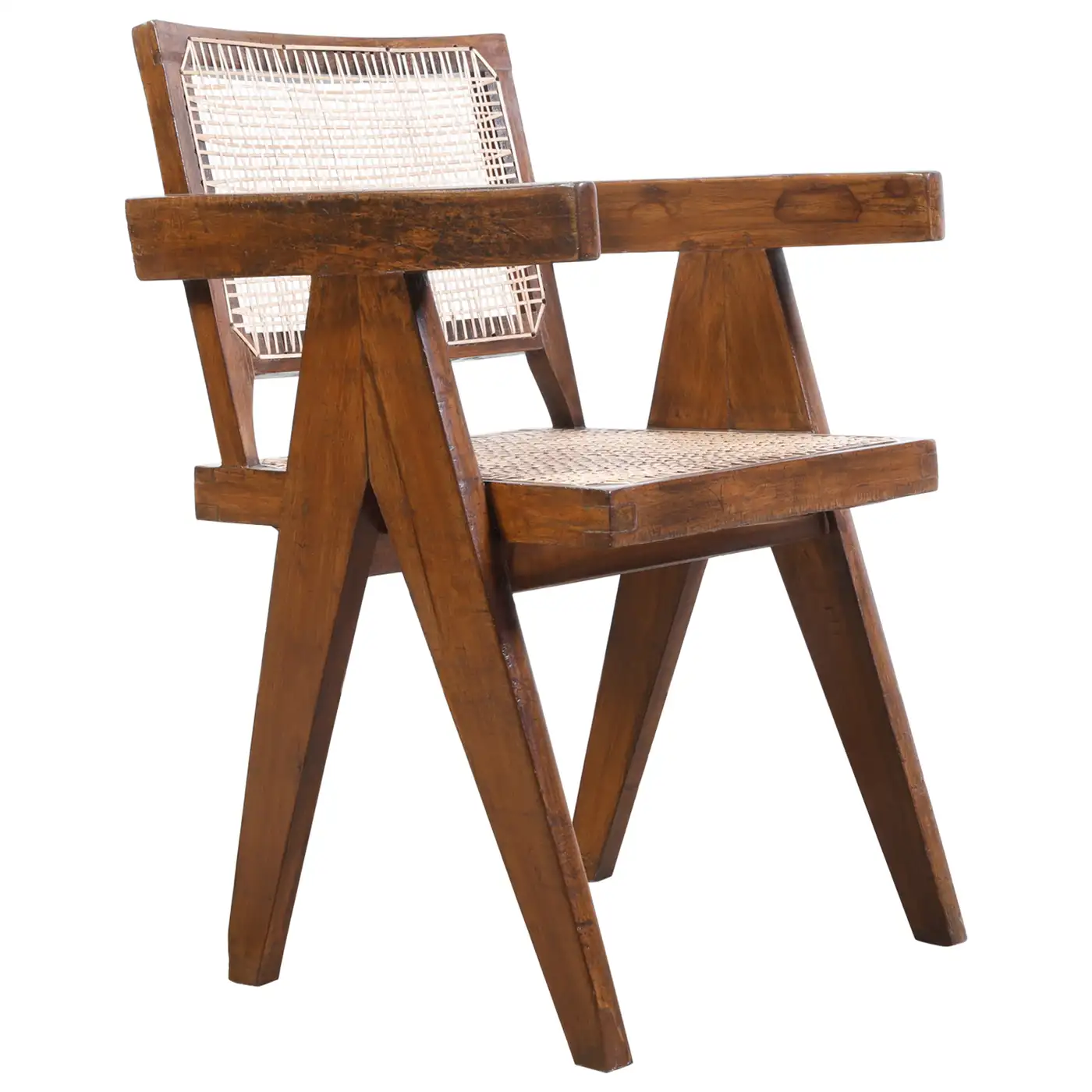
Image via 1stDibs.
You will love
Jomo Tariku Nyala
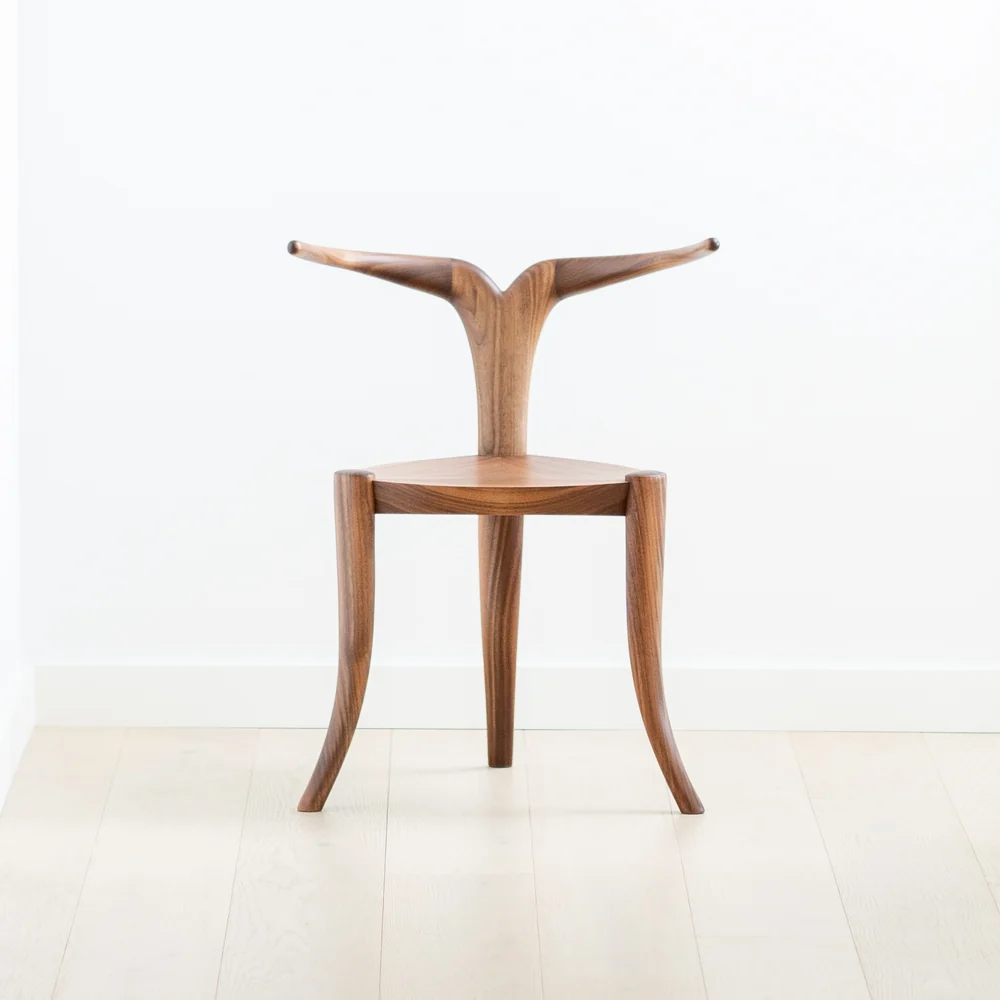
Image via Jomo Furniture.
Pierre Jeanneret’s Chandigarh chair is easy to recognise in profile: broad armrests sit over V-shaped supports, while woven cane lightens the seat and back. Jomo Tariku’s Nyala has a more open outline. Three curved legs support a wooden seat, and the back branches into two tapering arms.
The Ethiopian-American designer takes his reference from the mountain nyala of Ethiopia’s highlands, translating its horns and hind legs into the chair’s carved supports. The result has very little visual bulk. In the natural walnut version, the grain follows the curves across the back and down the legs. Choose this one with the recipient: agree on the finish and where it will sit before commissioning.
Jomo Tariku Nyala chair, listed from US$6,400. Finishes include washed ash, black ash and natural walnut. Made to order in the United States, with a stated production lead time of 10–12 weeks before shipping. A commission for the new year: the stated production time extends beyond December. Confirm the price for your chosen finish and the full delivery schedule with the studio.
03 / Knitwear
Pattern Recognition
If you like
Missoni
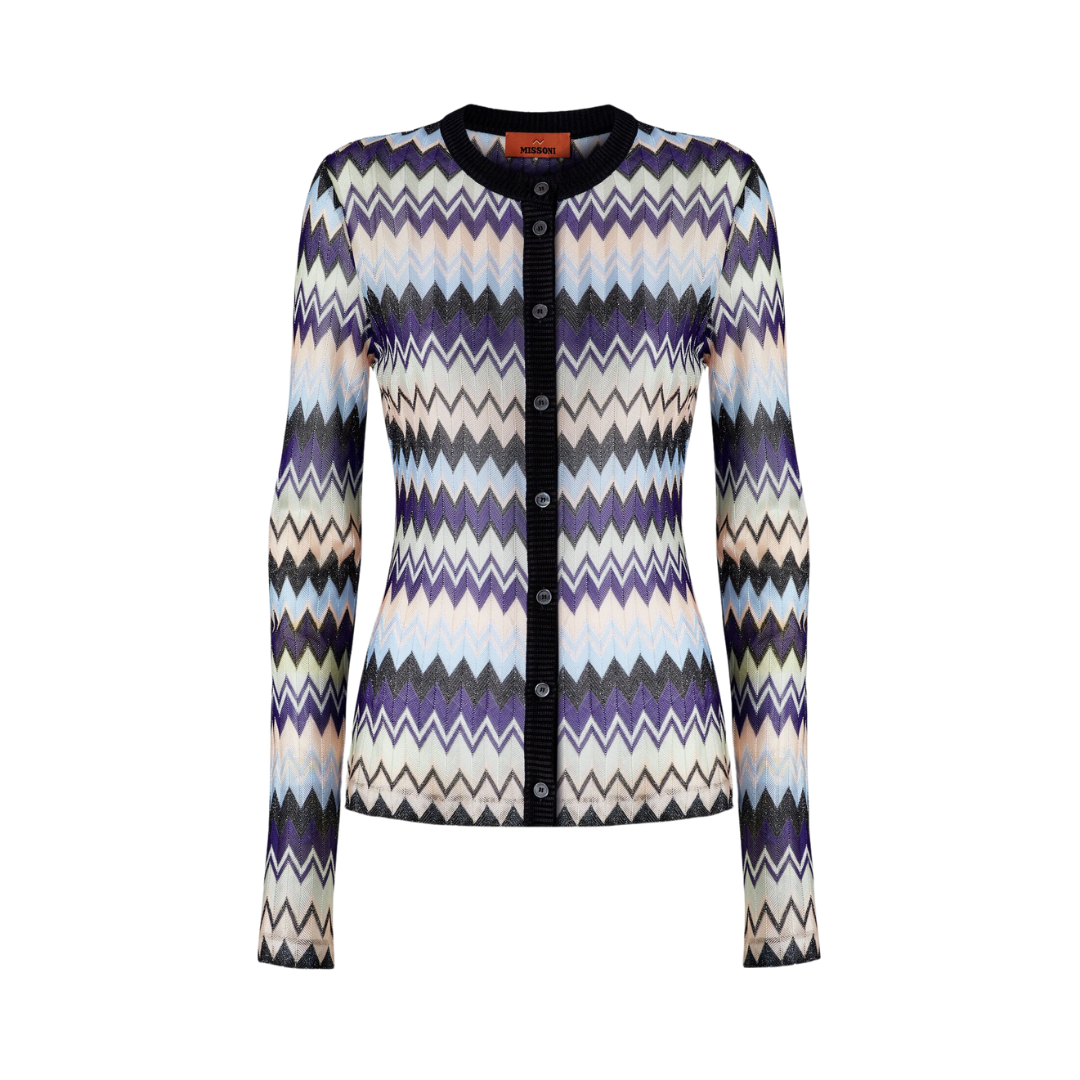
Image via Missoni.
You will love
MaXhosa Africa
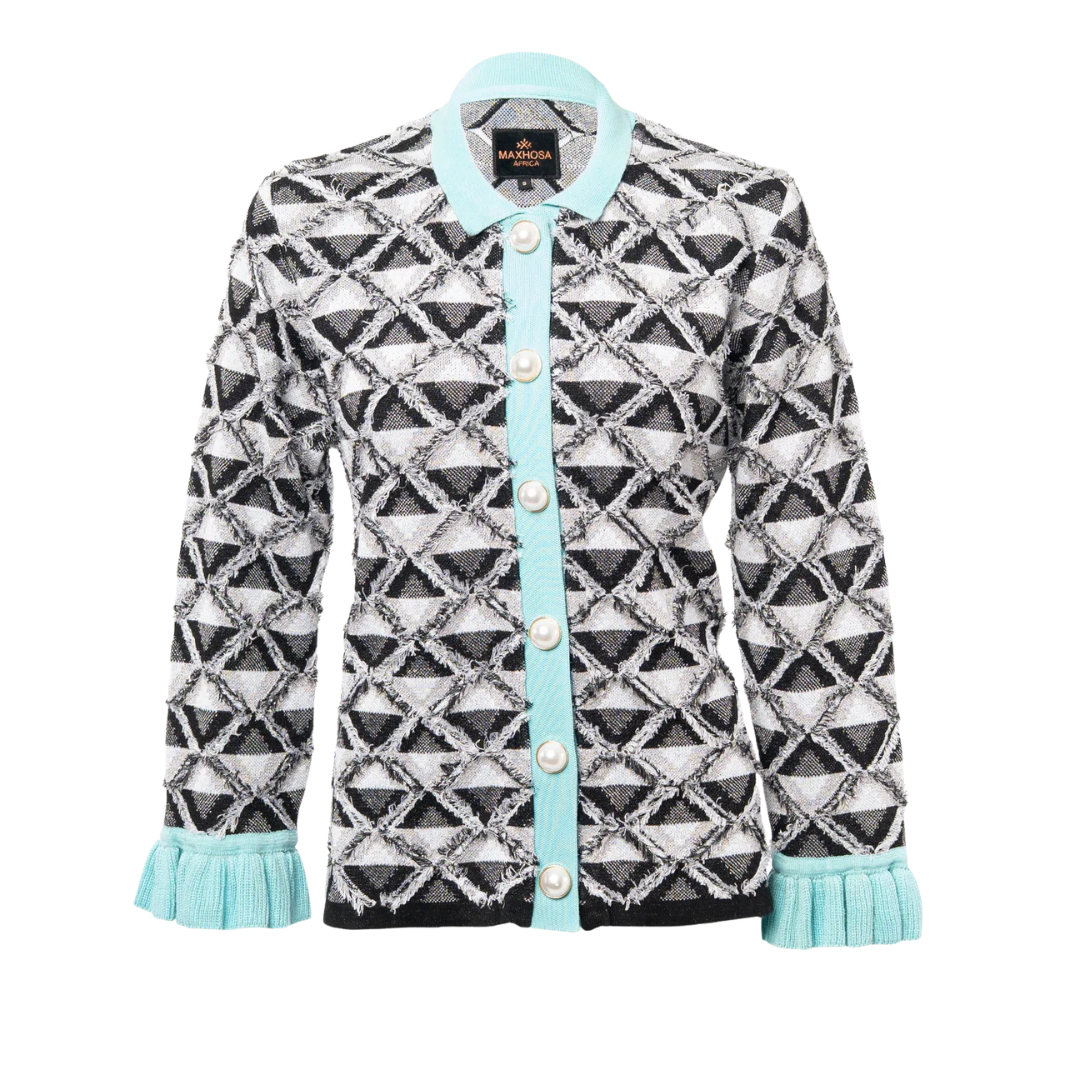
Image via MaXhosa Africa.
Missoni’s chevrons move in bands across the body and sleeves, held within dark ribbed borders. On MaXhosa’s MLC17, black-and-white geometric motifs fill the cardigan, framed by turquoise at the collar, button placket and cuffs. The raised surface of the knit gives the pattern a texture that becomes clearer at close range.
Laduma Ngxokolo founded MaXhosa in South Africa in 2010, drawing on the patterns and colours of Xhosa beadwork. Both labels make pattern central to their knitwear, but Ngxokolo’s geometry and colour combinations come from a distinct set of references. This is the piece for someone whose wardrobe already has room for a busy knit.
MaXhosa MLC17 cardigan, R16,500–R18,000, depending on size. Made in South Africa. The product page directs preorder enquiries to the sales team. Confirm whether your size is ready to ship and obtain a dispatch date before buying for the holidays.
04 / Tables · Archive selection
Sculpture at Knee Height
If you like
Isamu Noguchi
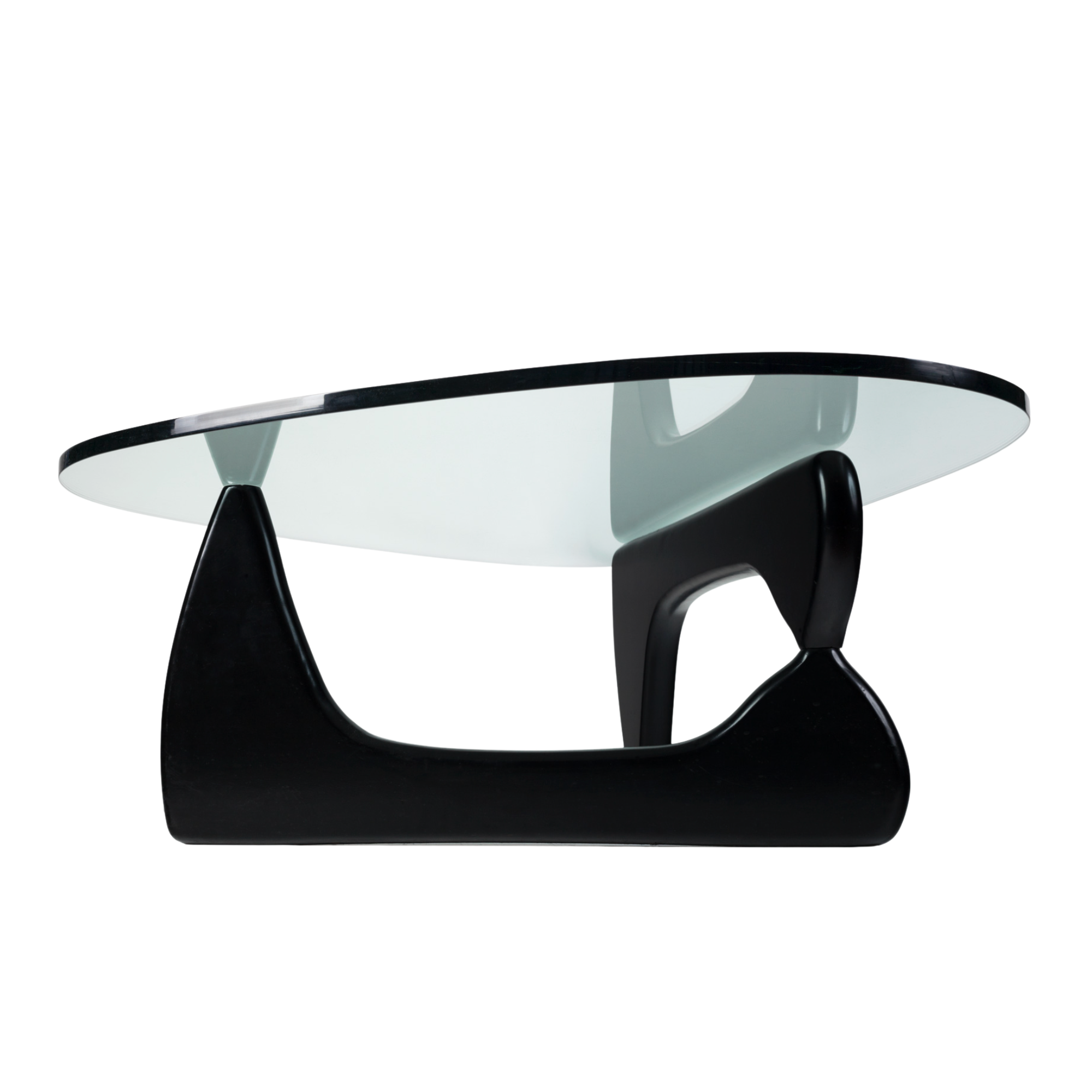
Image via the Noguchi Museum.
You will love
Paul Ledron Tanyè
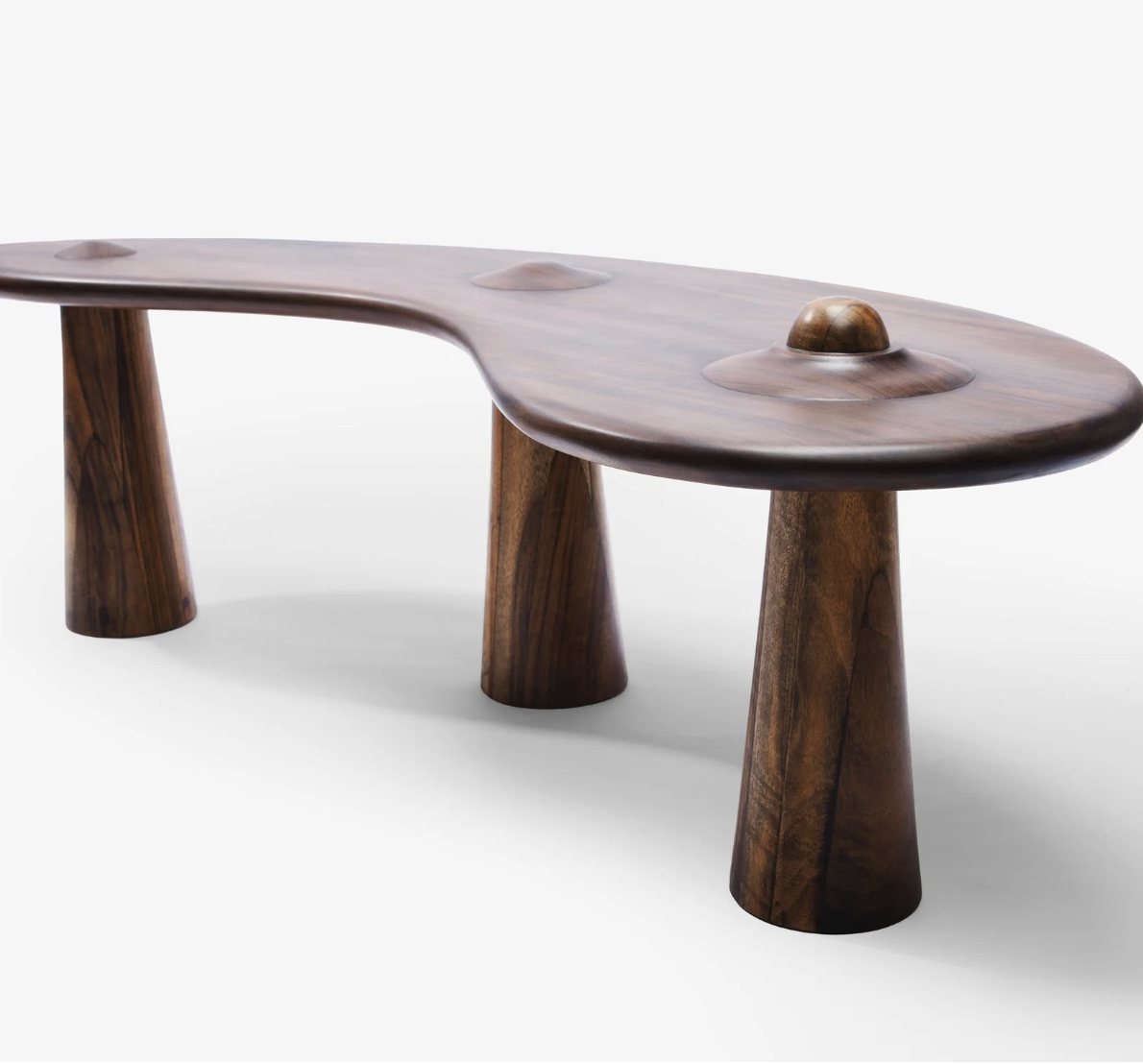
Image via Paul Ledron.
The glass top of Isamu Noguchi’s coffee table leaves its curved wooden base in full view. Paul Ledron’s Tanyè makes the supports part of the surface itself: two low rises and a rounded wooden knob mark the places where the three conical legs meet the curving top. The comparison turns on what happens beneath a tabletop, and how much of that structure remains visible.
Made in Côte d’Ivoire from Amazakoué wood, Tanyè was conceived as both a side table and a bench. Ledron presented the unique piece at Dak’Art in 2024; it has since entered a private collection. It remains in this edit as an archive reference to the Abidjan-based studio.
Paul Ledron Tanyè is a unique work now in a private collection and is not available to purchase.
05 / Shoes
Best Seen From the Side
If you like
Lemaire

Image via Lemaire.
You will love
Kkerelé June

Image via Kkerelé.
Lemaire’s Piped Crepe Slipper has an elongated square toe and piping that traces the leather upper. Tina Akerele’s June shares that interest in outline, then changes the proportions beneath it. A pronounced heel extends the shape at the back, while the curved opening dips towards the toe. In burgundy, the leather and the sole read almost as one continuous surface.
Designed and handmade in Lagos, each pair has leather uppers and lining, with a rubber sole and heel wrapped in leather. The extended heel is particularly visible from the side, making the June a good choice for someone who likes an understated shoe with an unusual shape.
Kkerelé June, US$235. Made to order; allow up to two weeks for production before shipping. The brand describes a narrow fit and recommends sizing up if between sizes.
06 / Bags · Waiting list
An Eye for Hardware
If you like
Hermès Birkin

Image via Sotheby’s.
You will love
Pierre Laborde

Image via Pierre Laborde’s Instagram.
The Birkin’s upright handles, firm base and horizontal straps give it an ordered silhouette. The snake-patterned Pierre Laborde bag shown here takes a softer shape, with its body curving beneath a large metal fastening. Both make the hardware visible, but Laborde gives it a more exaggerated role.
Haitian-born Francis Pierre Laborde trained at the Fashion Institute of Technology in New York. His work uses brightly coloured leather, patterned hides and decorative linings, with substantial metal details. The bag will have to remain a future gift: his website is currently closed to new orders after reaching capacity, with waiting-list sign-ups open and no stated reopening date.
Pierre Laborde is accepting waiting-list sign-ups. New orders are currently closed.
Prices and ordering information checked on 13 November 2026. Confirm availability and delivery dates directly with the maker before ordering for a particular occasion.
Continue reading