


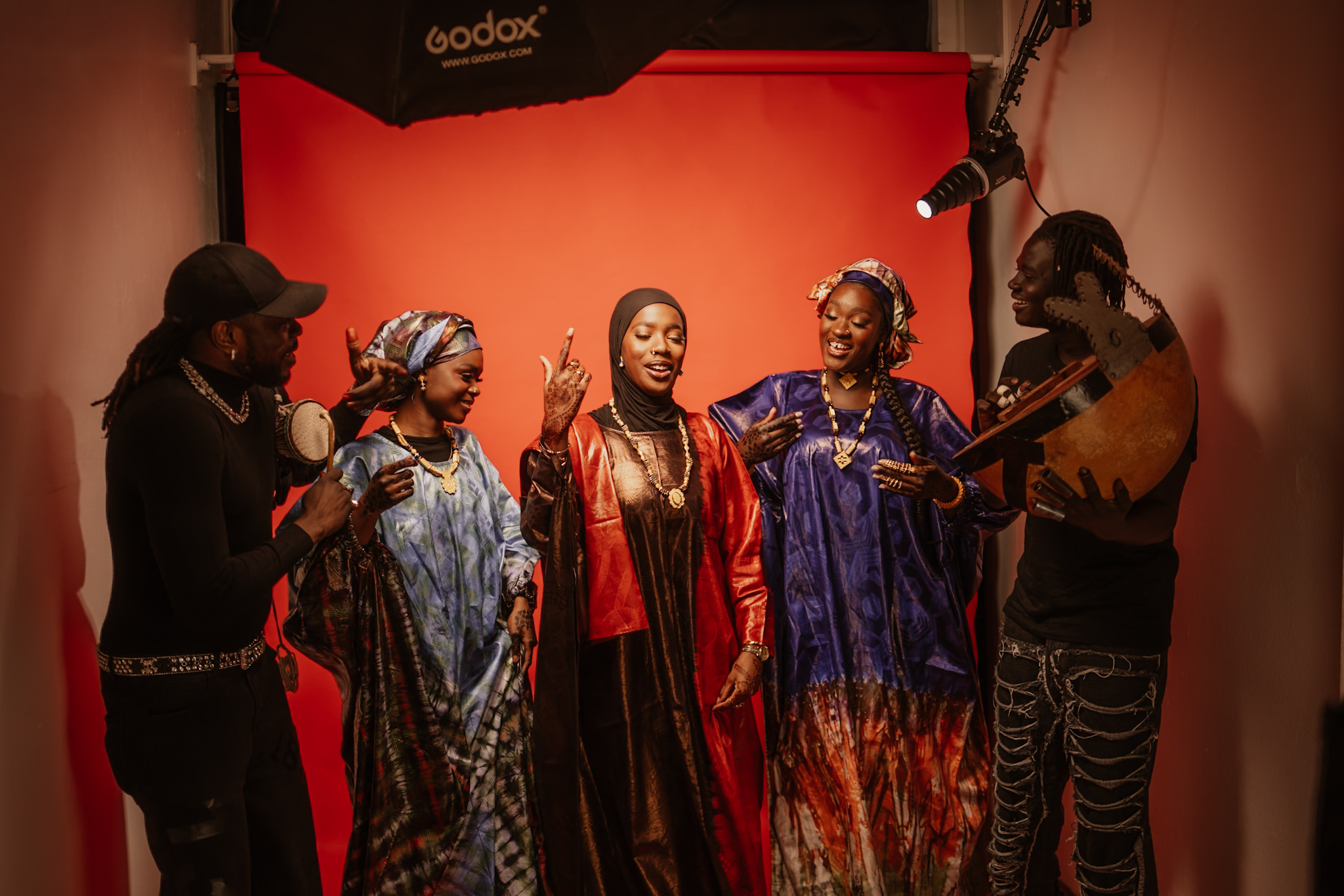
Divorce in Mauritania does not follow the familiar script. It is not hidden or whispered about. It is not treated as collapse. It is transition, sometimes celebrated, always acknowledged, a moment when women reclaim financial control, social visibility, and personal autonomy. With about one-third of marriages ending in divorce according to a 2018 Mauritanian government report, separation here functions not as failure but as recalibration.
The mechanics matter. Women leave marriage with their dowry, gifts, jewelry, trousseau, furniture, and any property they brought into the union. These are not symbolic remnants; they are financial instruments. Many women sell part of their trousseau in what is known locally as the Divorced Women’s Market, converting belongings from past marriages into liquidity. In a country where a significant share of households are supported by women, this continuity is essential. Divorce becomes structured economic reconfiguration rather than descent into precarity.
The social architecture is equally deliberate. When a woman returns to her family’s home after divorce, she is met with the Zaghrouta, the ululating cry of joy that varies in cadence and pitch across North Africa and the Middle East. Relatives, neighbors, and community members gather. Griots weave praise-songs recognizing resilience and maturity. The woman wears her finest melhafa and jewelry, often items from her dowry, reinforcing both dignity and material stability. In some regions, a bachelor organizes the divorce party himself in a practice called Tahrish. The gathering is intimate yet intentional: a communal gesture signaling protection and solidarity at the precise moment when, elsewhere, divorced women are pushed toward margins.
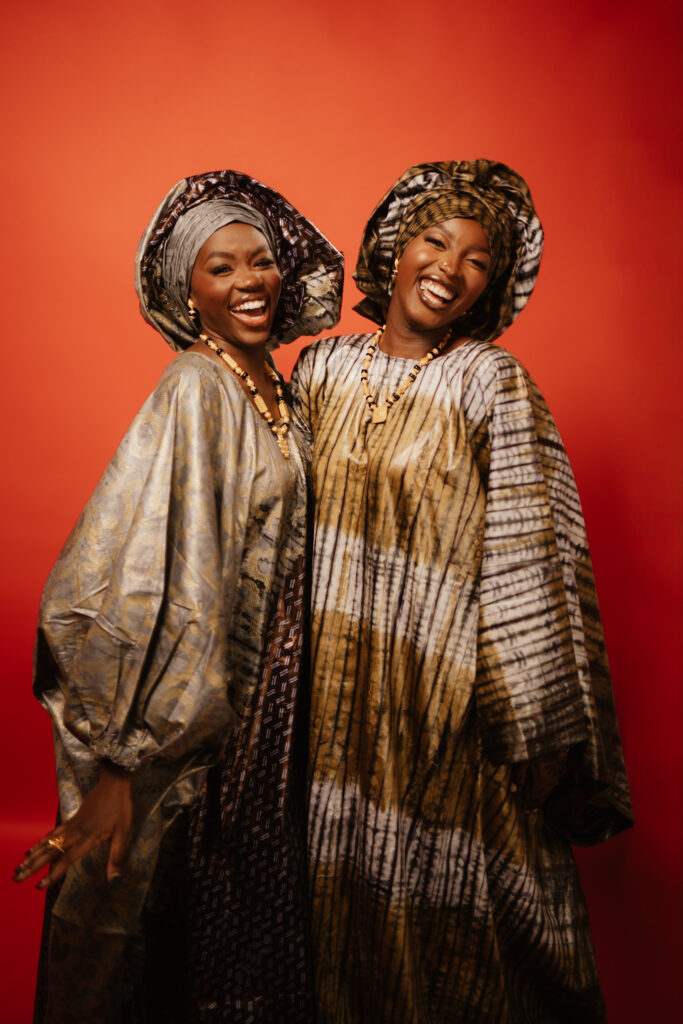
This visibility reshapes status. Divorced women in Mauritania are often more sought-after than first-time brides. Life experience, household competence, and demonstrated independence make them appealing partners. According to the same 2018 Mauritanian government report, 74 percent of divorced women remarry, reflecting a social openness to remarriage that treats divorce as experience rather than disgrace.
These practices emerge from Moorish traditions, nomadic social structures, and Maliki Islamic jurisprudence. Historically, Mauritanian women were entrusted with property and household goods, enjoying degrees of economic autonomy uncommon in neighboring societies. Under Maliki law, women can initiate divorce through khulʿ while retaining their possessions. This legal architecture, reinforced by collectivist community norms, ensures that divorced women are woven back into the social fabric rather than isolated from it.
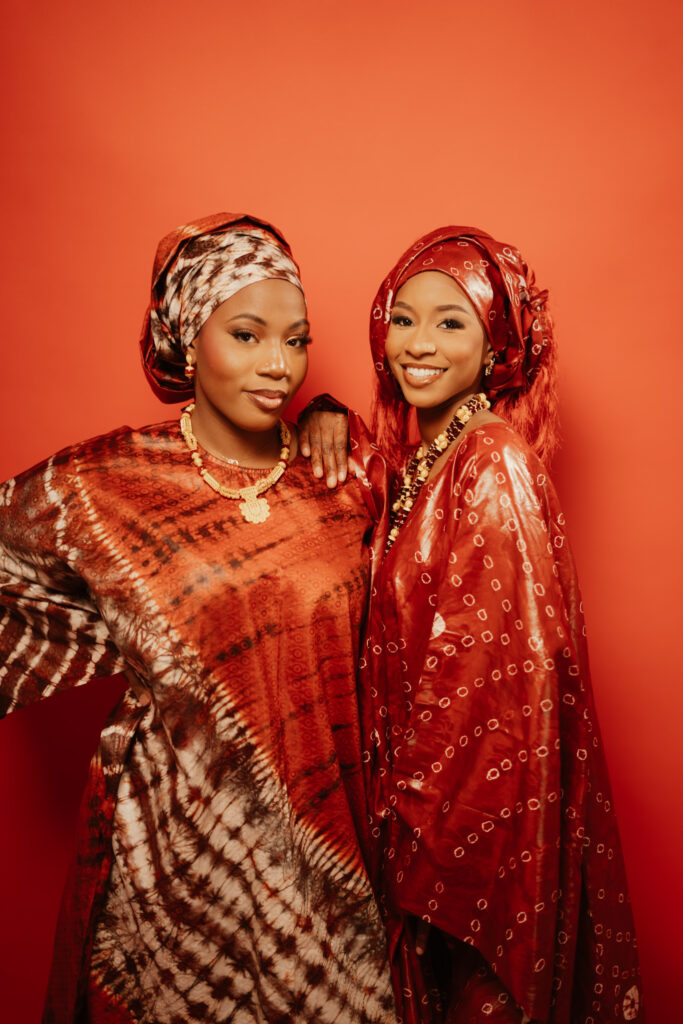
But the structure is imperfect, and the imperfection is not incidental. The Haratine, who constitute an estimated 40 percent of Mauritania’s population, often exist outside this system of protection entirely. According to UN estimates, roughly half of Haratine face conditions of de facto slavery; women are disproportionately affected by these conditions. A 2015 Minority Rights Group report, “Still Far From Freedom: The Struggle of Mauritania’s Haratine Women,” documents the double discrimination they face, caste and gender, including forced marriage, lack of control over fertility, and exclusion from the legal and social structures that protect Moorish women. The empowerment embedded in Mauritania’s divorce culture is real. It is also built on ethnic and caste stratification that the celebration cannot erase.
Women leave marriage with assets, autonomy, and community, a triad rarely guaranteed elsewhere. A woman’s dignity after marriage is not something she must fight to retain; it is something her community actively protects. But that community has borders. Any honest account of how Mauritanian women rebuild power must hold both truths: the genuine agency and the uneven ground on which it stands.