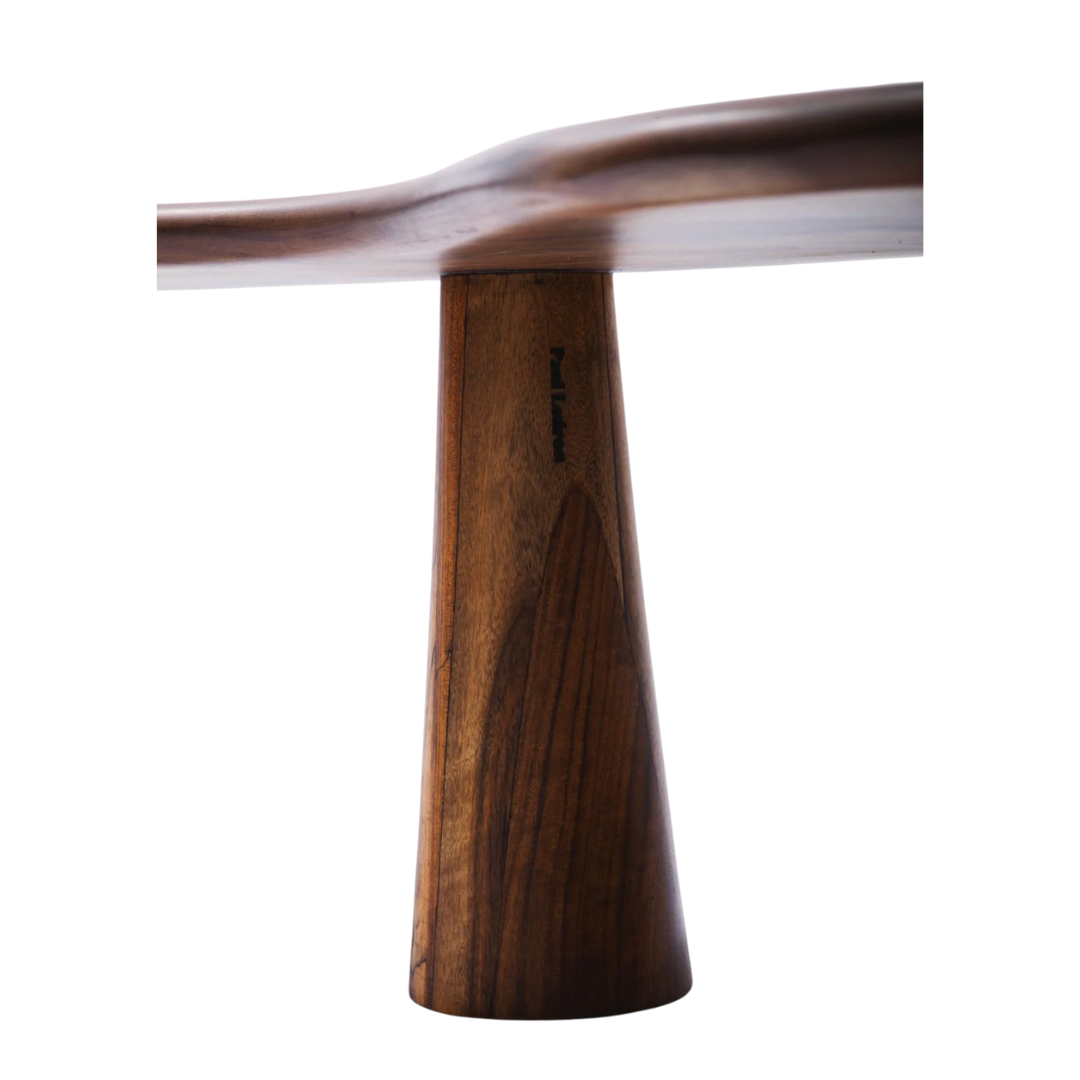
If you understand why the Noguchi table endures, you’ll recognize Paul Ledron’s work.
IF YOU LIKE
NOGUCHI
Form that sits between sculpture and use. Biomorphic walnut base, glass top, designed 1944. Eighty years in production. The appeal is material restraint and design confidence—nothing unnecessary.
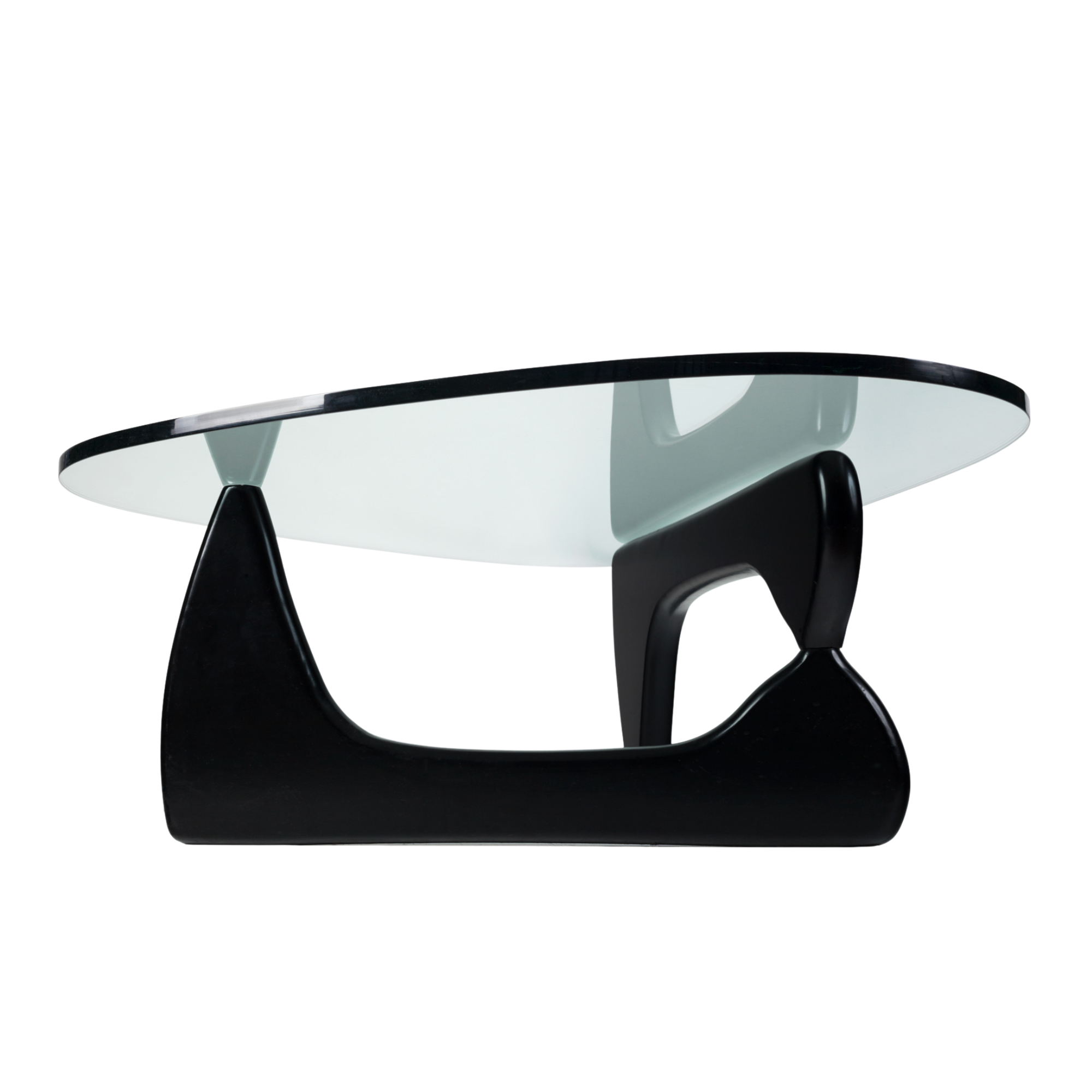
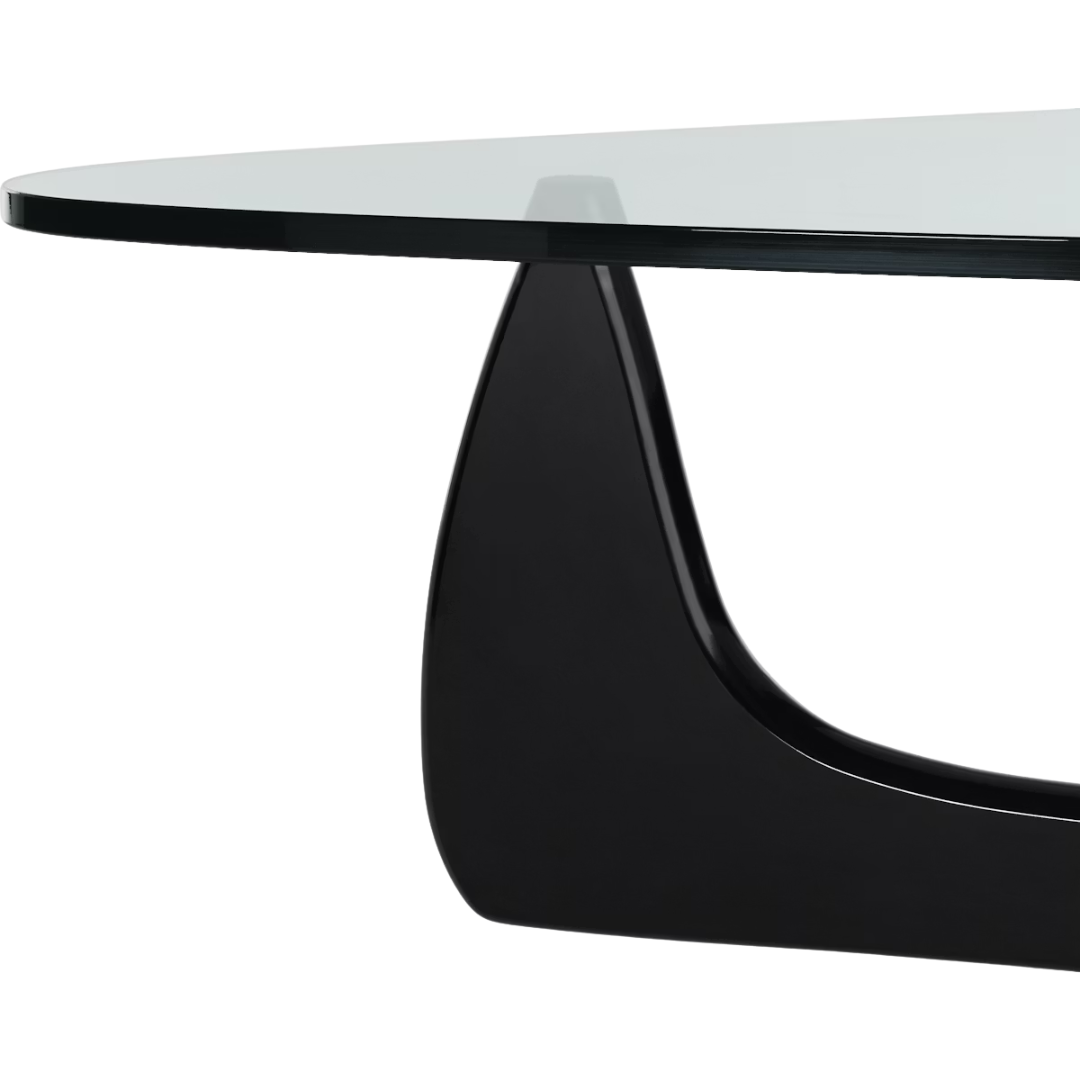
Isamu Noguchi designed the IN-50 coffee table in 1944 for Herman Miller. The piece reconciles sculpture with function—a biomorphic walnut base supports a freeform glass top. It's been in continuous production for 80 years, a modernist standard that reads as both object and furniture.
YOU WILL LOVE
PAUL LEDRON
West African hardwood carved by hand in Ivory Coast. Each table reads like a functional sculpture. The form prioritizes weight, tactility, and organic shape. Debuted at 2024 Dakar Biennale. Every piece is unique.
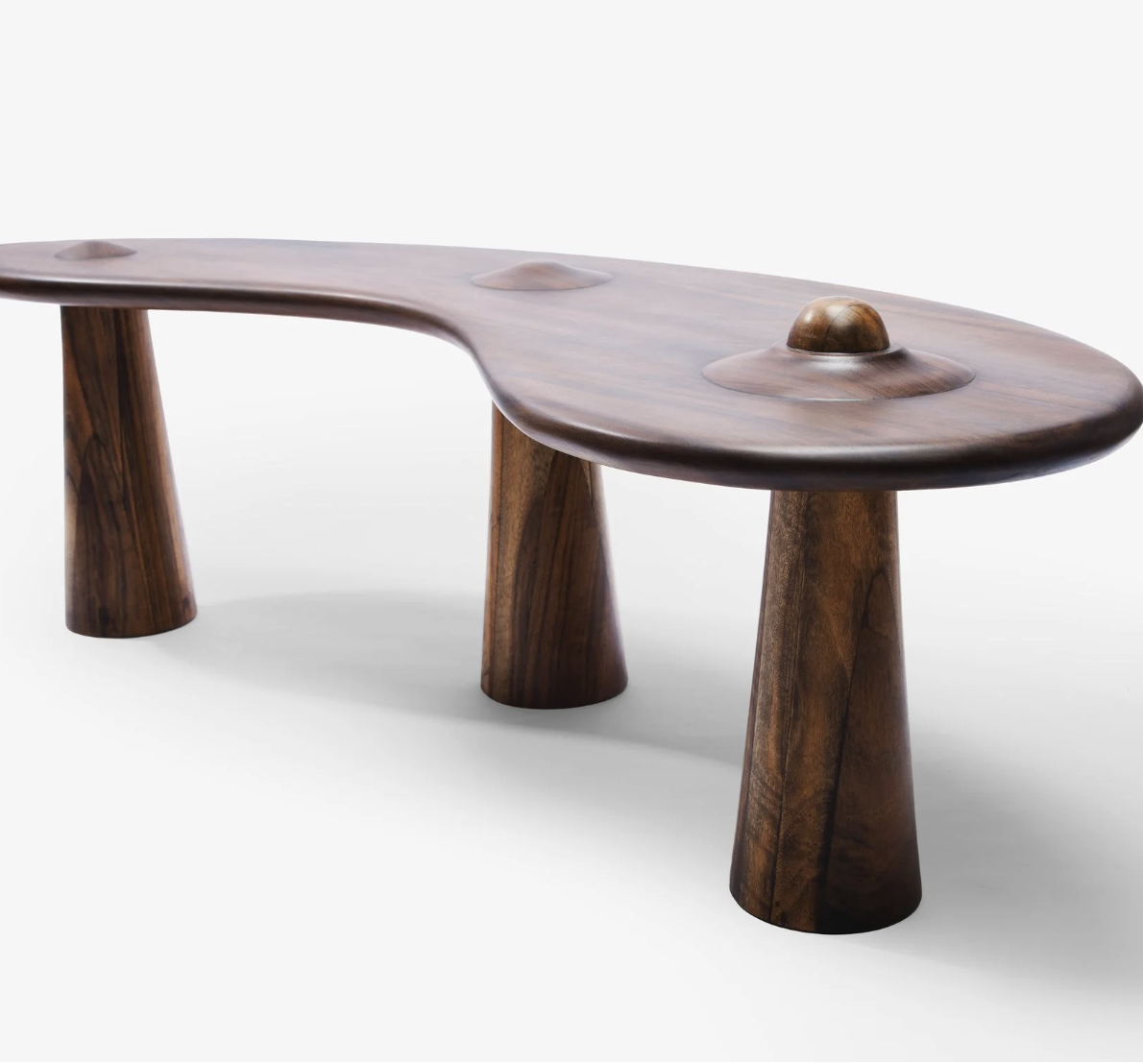
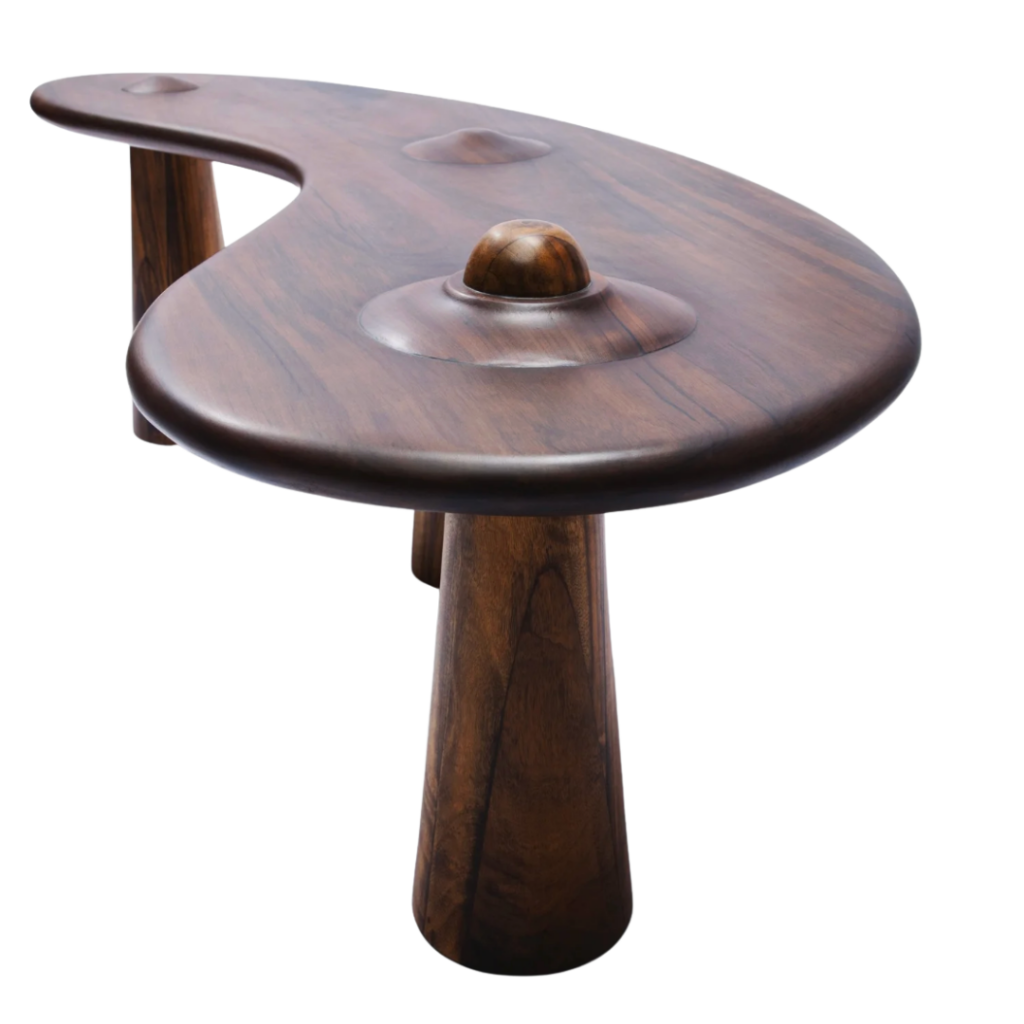
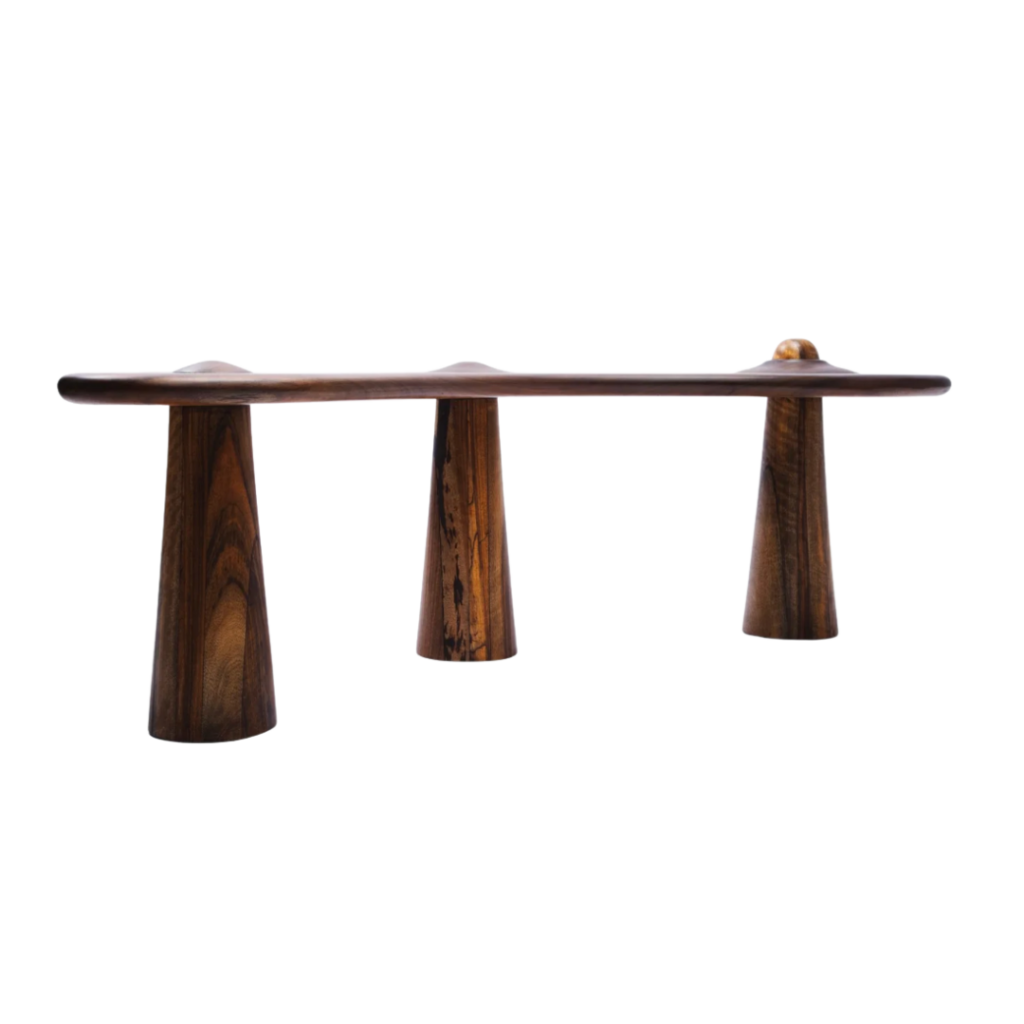
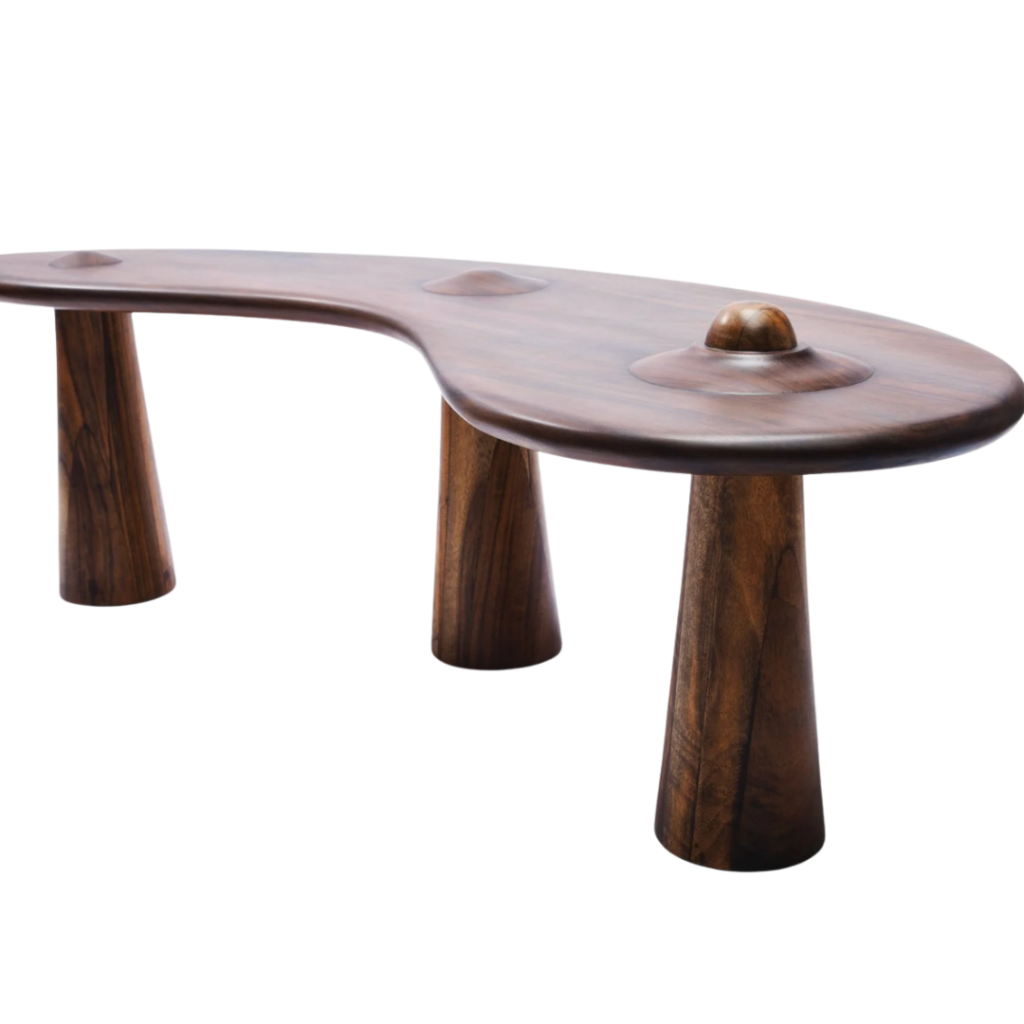
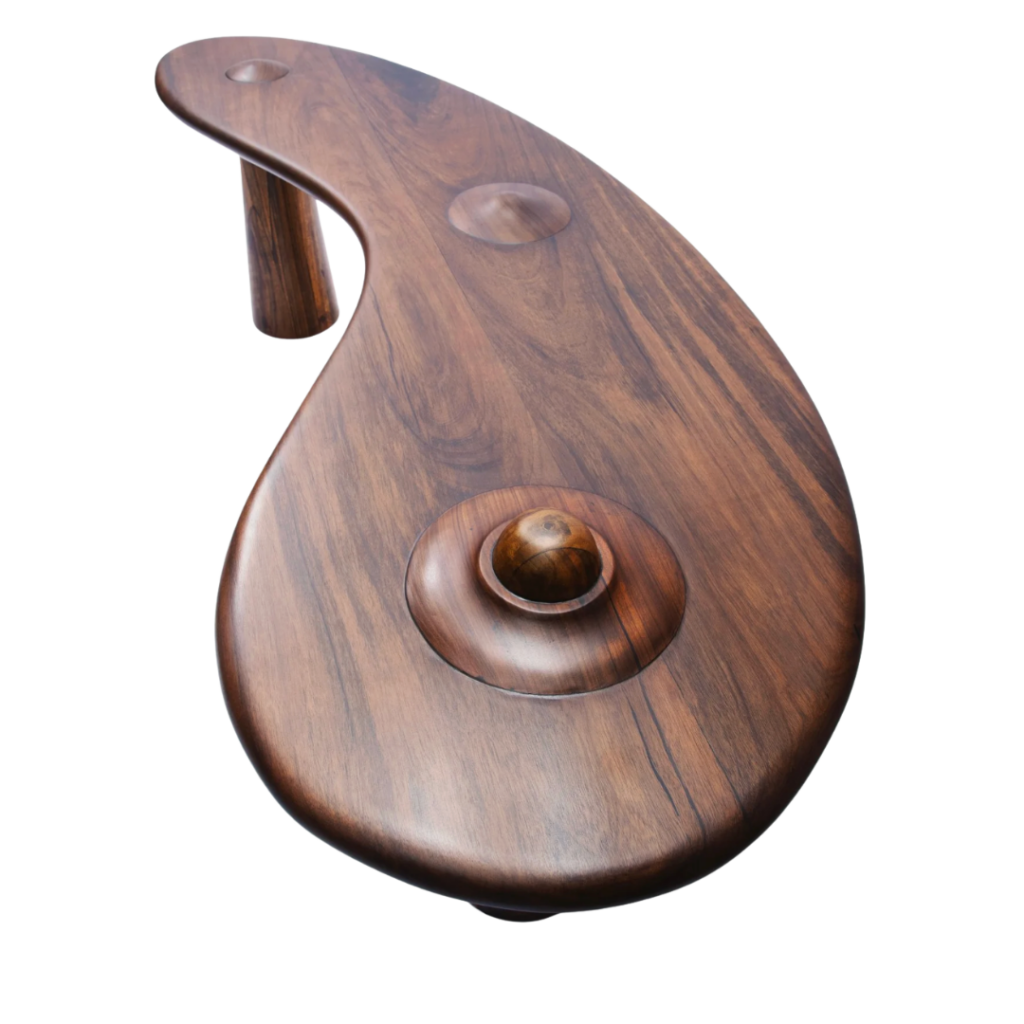
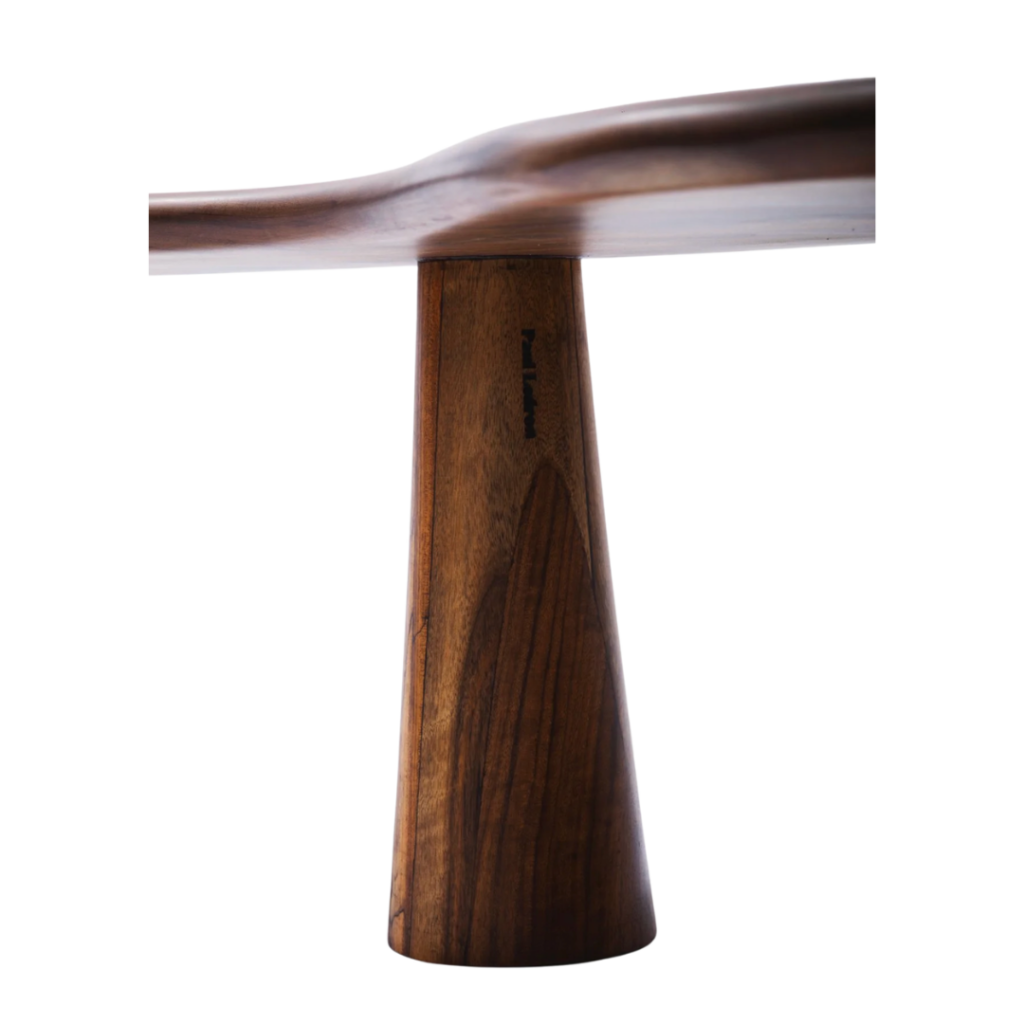
Paul Ledron's practice centers on West African materials and regional craft traditions as design vocabulary, not aesthetic reference. The Tanyè table is hand-carved from single blocks of Amazakoué—a hardwood native to Ivory Coast, Ghana, and Nigeria. Three conical legs support an organic tabletop. The form shares Noguchi's sculptural language but arrives through different material intelligence and production context.
Paul Ledron – Tanyè
Sculptural Amazonian wood, three legs, organic form, 2024. Debuted at Dakar Biennale
Image via Paul Ledron Website
Paul Ledron is Ivorian, trained as a sculptor, and carves each table by hand from a single block of Amazakoué wood. The Tanyè debuted at the 2024 Dakar Biennale—the first design showcase at the event in 16 years. No two pieces are identical. No editions. Production is limited by what one person’s hands can make.


Both designers work at the intersection of sculpture and furniture. Both prioritize the base over the surface. Both understand that a table can anchor a room without announcing itself.
The difference is manufacturing philosophy.
IF YOU LIKE
NOGUCHI
IN-50 Coffee Table
Noguchi's table exists through controlled reproduction. The form is fixed, refined, and preserved through licensed production by Herman Miller and institutional stewardship by the Noguchi Museum. Availability is shaped by editioning and manufacturing standards rather than material limitation. Scarcity emerges from canonization—this is a reference point within modern design history, not a response to demand.
Image via Herman Miller
THEN CHECK OUT
PAUL LEDRON
Tanyè Carved Wood Coffee Table
Ledron's tables are produced through direct making. Each piece is carved from a single block of Amazakoué wood, with output limited by labor, material, and time. There is no standard form. Scarcity is structural, determined by capacity rather than intention, and embedded in the object itself.
Image via Paul Ledron Website
Share This:
Facebook
X
Pinterest
Email