If This. Then That: Chairs – Pierre Jeanneret → Jomo Tariku

If you understand why Pierre Jeanneret’s Chandigarh chair commands the saleroom, you’ll recognize what Jomo Tariku’s Nyala was built to change.


IF YOU LIKE

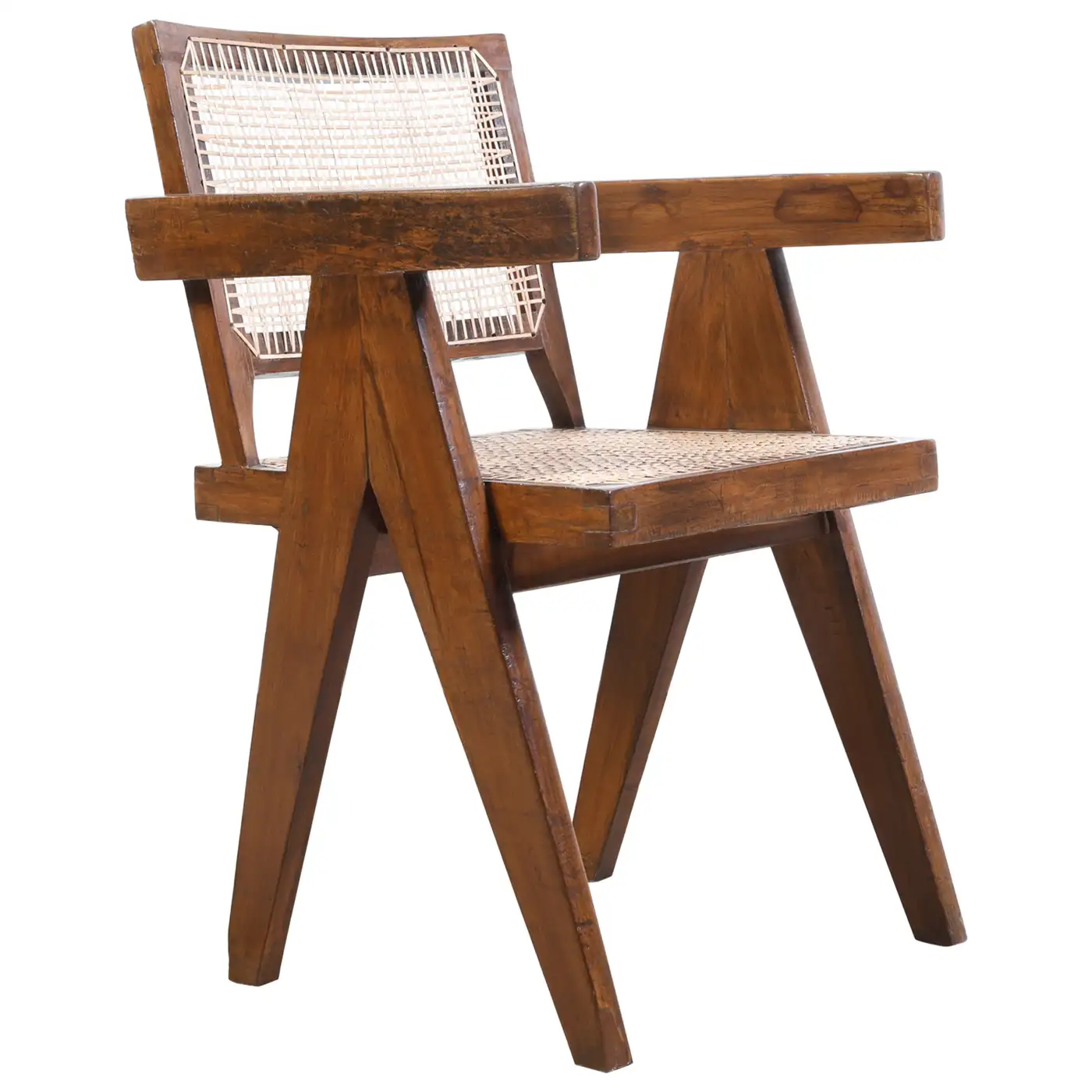
Pierre Jeanneret office armchair from Chandigarh in teak with a woven cane seat and back

PIERRE JEANNERET

Civic equipment that became a saleroom fixture. Teak and hand-woven cane, compass legs, Chandigarh, c. 1955. Batch-made, discarded, rediscovered. The appeal is modernism with a paper trail: the wear is the provenance.
Pierre Jeanneret, Le Corbusier's cousin and the architect who stayed, furnished Chandigarh's offices, courts and lecture halls in local teak and hand-woven cane, jointed so a city workshop could repair them. The chairs were civic equipment long before they were collectible.

Pierre JeanneretOffice Cane Chair (PJ-SI-28-B), Chandigarh, c. 1955–1960. Teak and woven cane.

Image via 1stDibs

YOU WILL LOVE

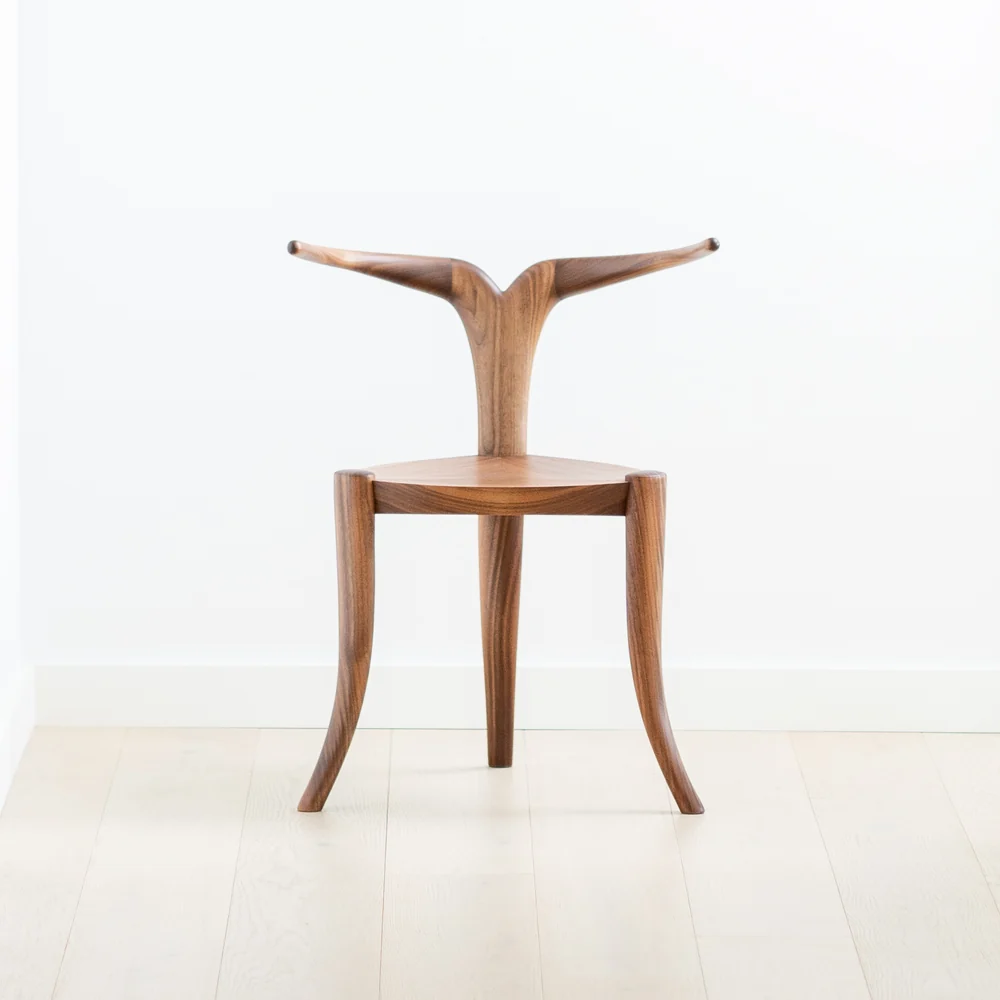
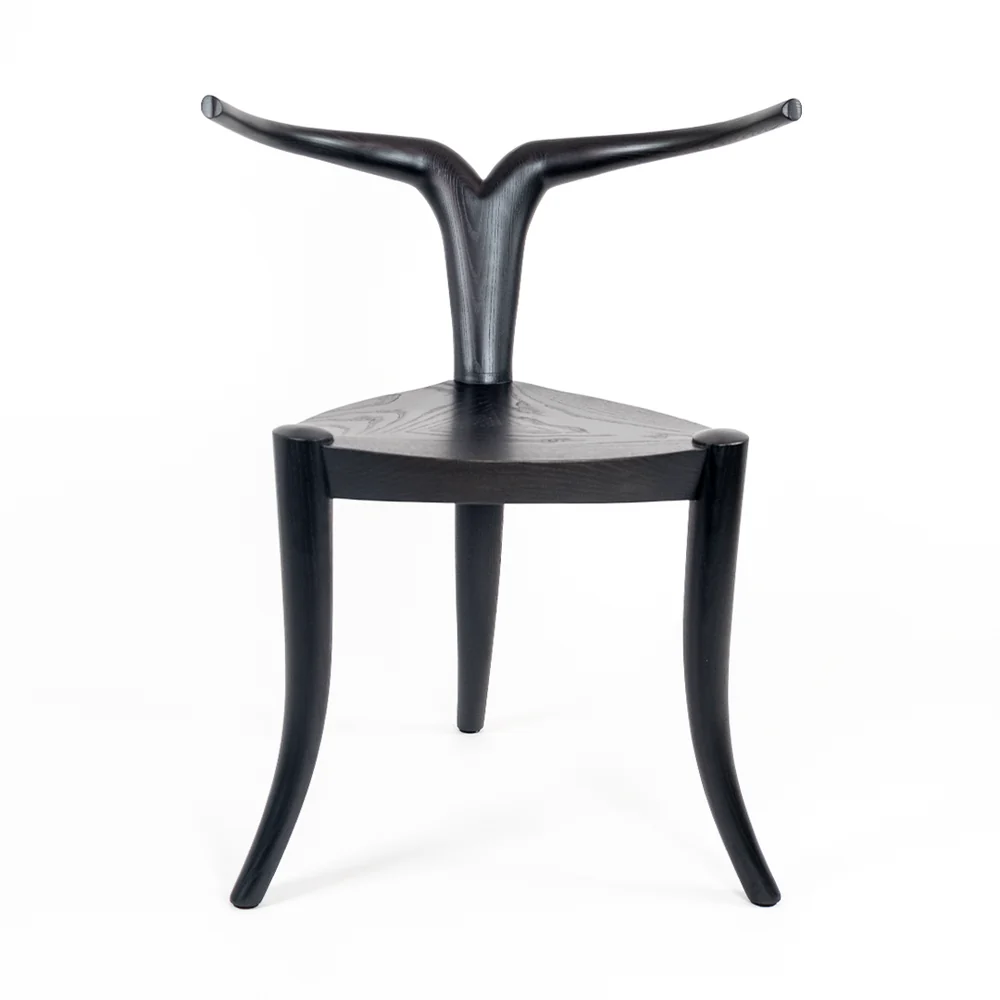
Jomo Tariku Nyala chair in dark hand-carved walnut with horn-shaped arms inspired by the mountain nyala antelope

JOMO TARIKU

A chair drawn from an animal found nowhere but Ethiopia. Hand-carved walnut, horn-swept arms, splayed legs. Seen in Wakanda Forever, held by the RISD Museum. The appeal is heritage carved as design, not artifact.
Jomo Tariku sketches the animal's silhouette rather than its detail, and the Nyala carries the result the way the Chandigarh chair carries its compass legs. Born in Nairobi, raised in Addis Ababa and trained in the United States, Tariku spent decades being told African furniture meant artifact, not design. The Nyala is his answer.

Jomo TarikuNyala Chair. Hand-carved walnut, arms and legs drawn from the mountain nyala.

Image via Jomo Furniture

Jomo Tariku is Ethiopian, trained as an industrial designer, and draws each chair from the horns of the mountain nyala, an antelope that lives only in Ethiopia’s highlands.

The Nyala reached Wakanda Forever’s set and the RISD Museum’s collection while still in production. No salvage. No rediscovery. The chair arrived with its story already attached.

Both designers put a place into a chair. Both let the legs do the talking: compass struts on one, horns on the other. Both understand that a chair can carry a history without announcing it.

The difference is who writes the provenance.

IF YOU LIKE

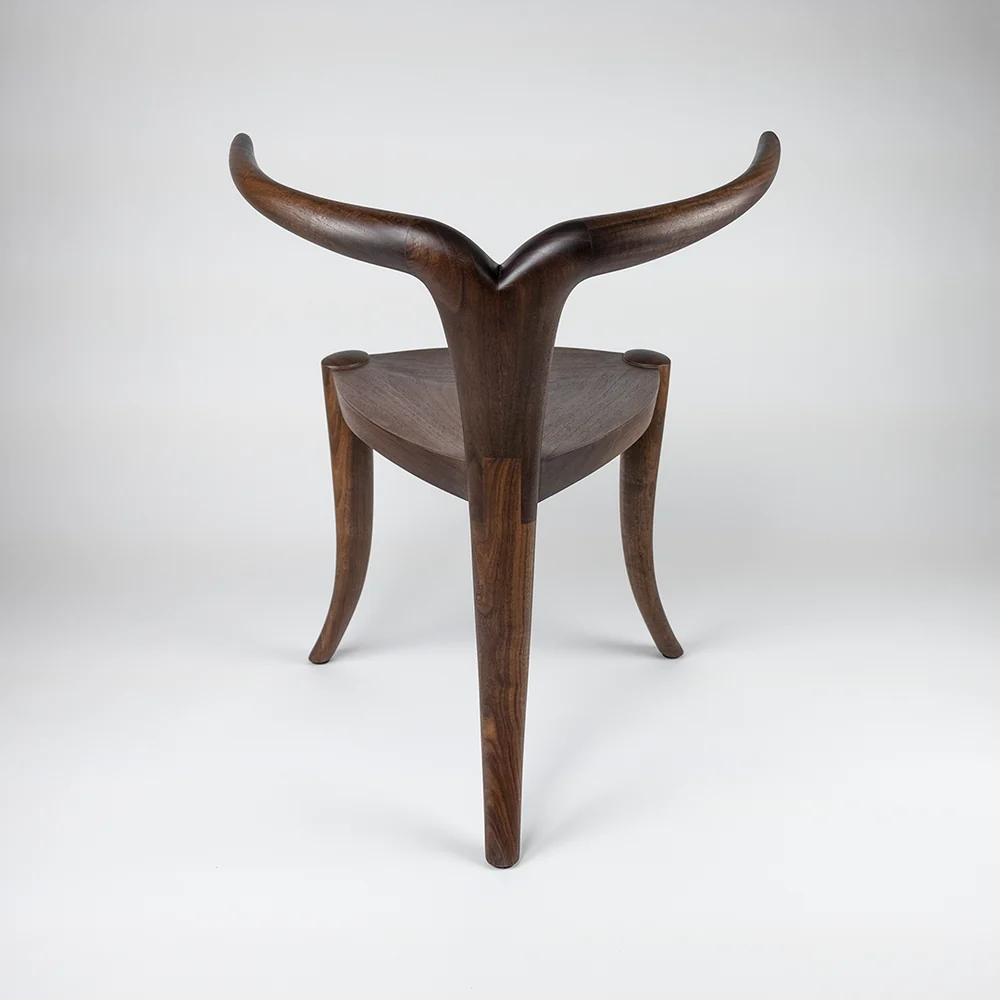
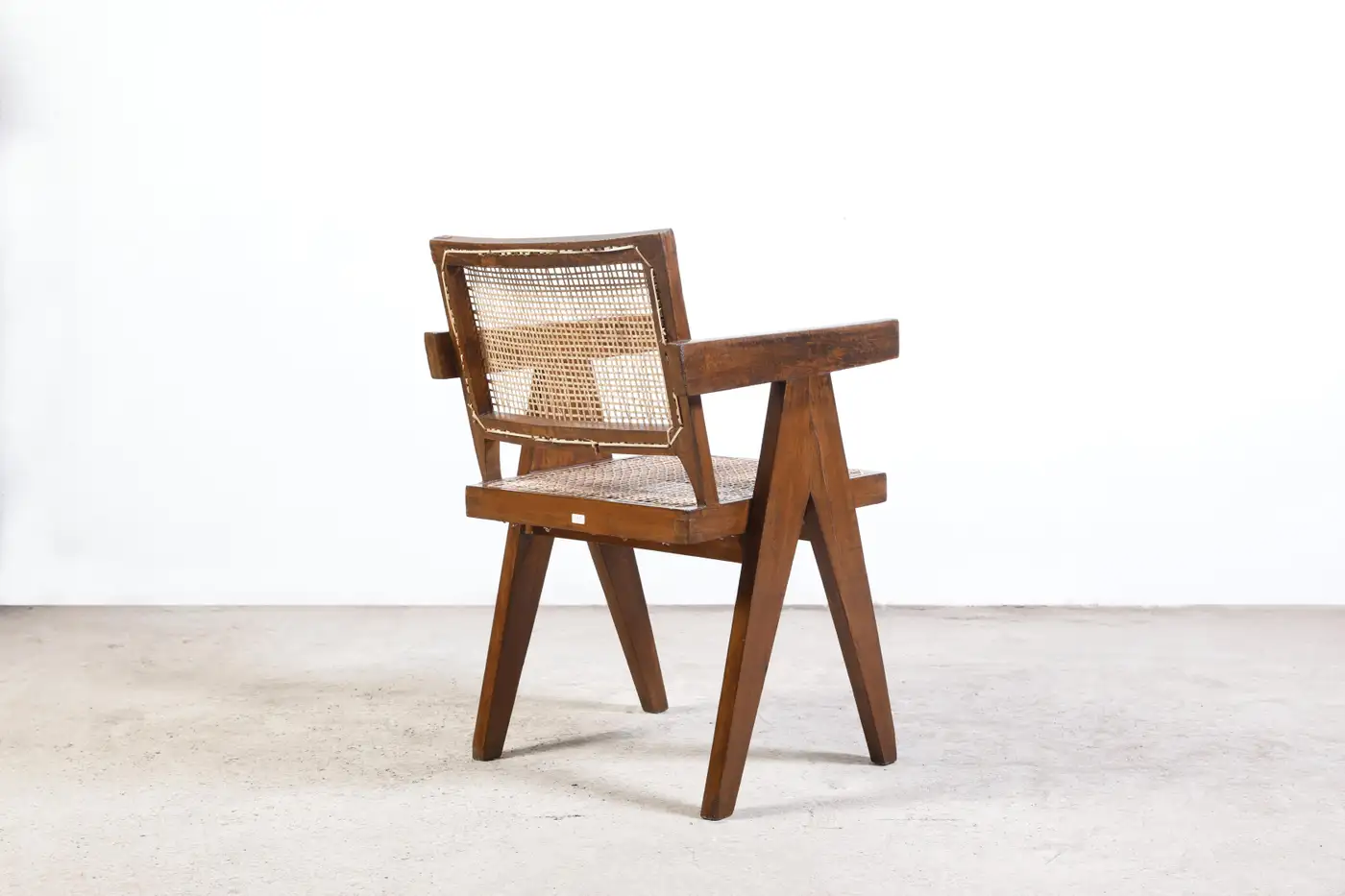
Rear view of a Pierre Jeanneret Chandigarh chair showing V-shaped teak legs and cane back

PIERRE JEANNERET

The value of a Chandigarh chair now lives partly in its scars: sun-bleached teak, worn cane, stencilled inventory numbers from the government offices that discarded it. Scarcity was manufactured by neglect, then certified by the auction house. The chair is finite because the city stopped making them, and the market knows it.

Pierre JeanneretOffice Cane Chair (PJ-SI-28-B), Chandigarh, c. 1955–1960. Teak and woven cane.

Image via 1stDibs

THEN CHECK OUT

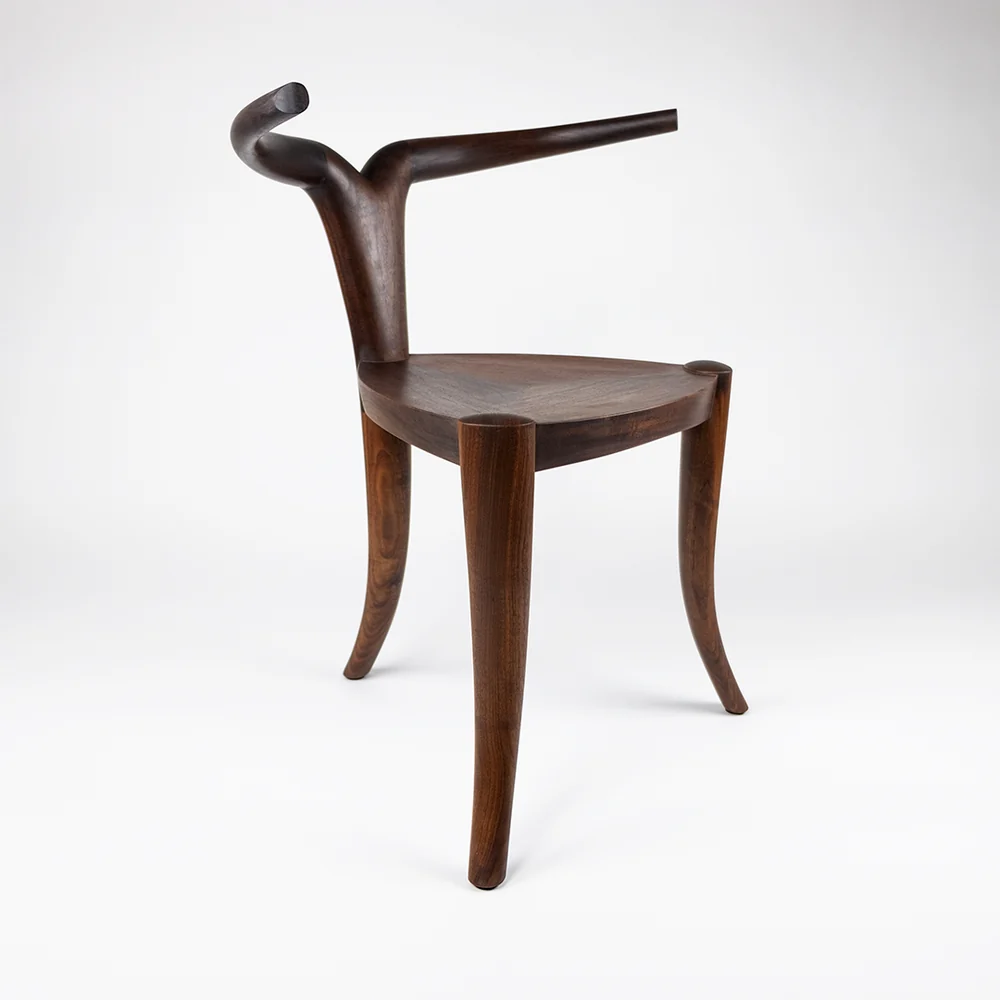
Jomo Tariku Nyala chair, three-quarter view showing carved horn-shaped arms and splayed legs

JOMO TARIKU

The Nyala’s scarcity runs the other way: it is limited by what one practice can carve, and its history is still being written by the institutions acquiring it new. When a museum labels this chair, the story on the label is the designer’s own.

Jomo TarikuNyala Chair. Hand-carved walnut, arms and legs drawn from the mountain nyala.

Image via Jomo Furniture

Share This:

Facebook
X
Pinterest
Email

You Might Also Like

This is what we publish. Every week.

Original reporting on the designers, institutions, and economies defining African creativity, delivered to your inbox.

A weekly letter on African fashion, art, and design, and the people making the work. Reported properly, and worth your time.

By signing up, I agree to the Terms of Use (including the dispute resolution procedures) and have reviewed the Privacy Notice.