

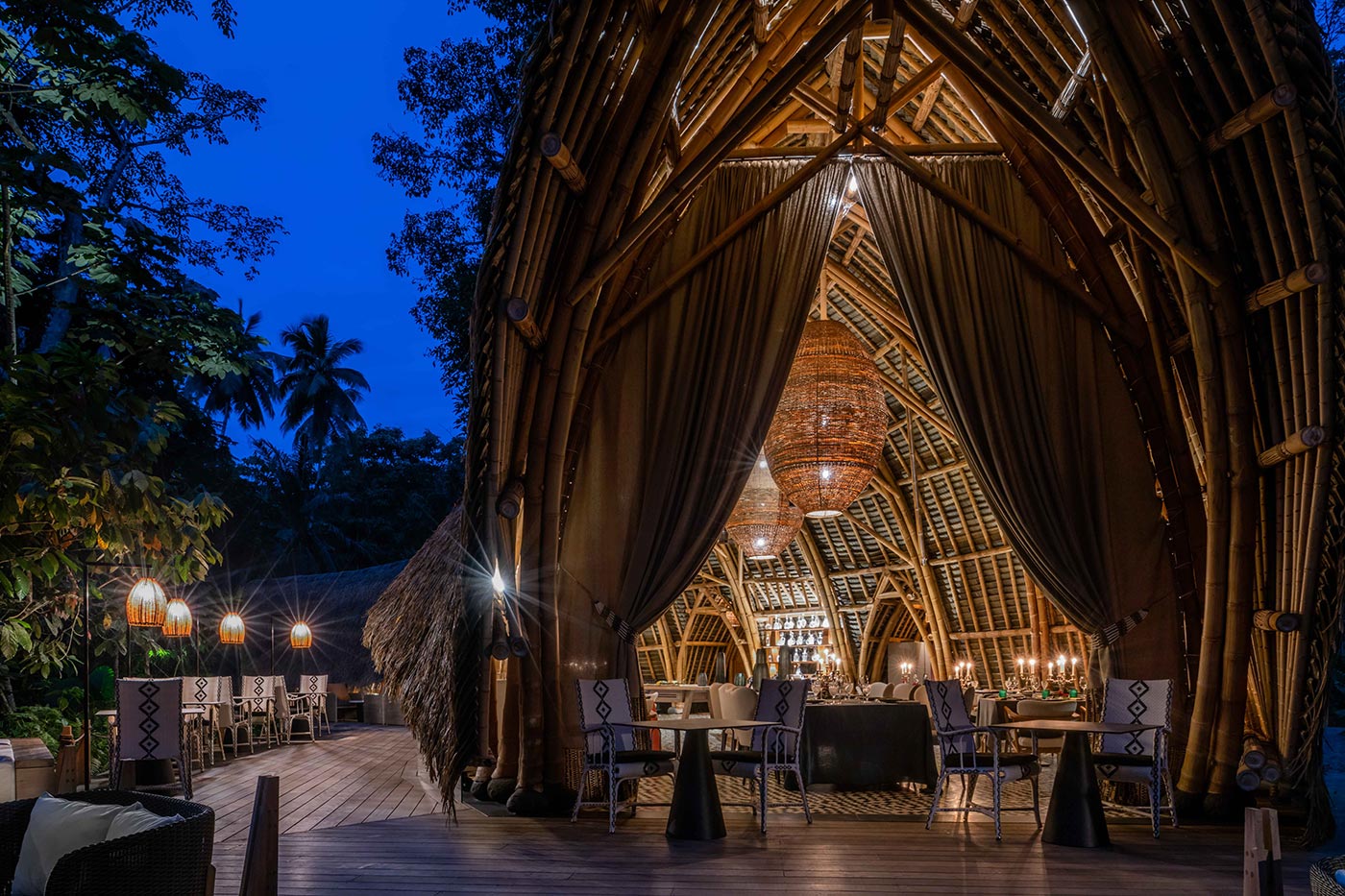
The slide is titled Afrofusion Experience. There is a collage: a contemporary artist’s work blown up behind the reception desk, a QR code linking to a curated Afrobeats playlist, a Saturday dinner headlined by a guest chef flown in from a neighbouring country. Everyone in the boardroom nods. By the following quarter, three more properties in the same destination have produced near-identical versions. The playlist has changed. Everything else is the same.
This is how the template spreads — not through cynicism, but through a system that rewards the replicable. Hospitality has long been trained to build at the amenity level: identifiable, marketable, swappable. Culture, in this framework, becomes décor. A mood board rather than a relationship. Something produced for the guest rather than grown with the place.
The consequences are more concrete than they might appear. The global cultural tourism market is projected to grow at 8.1% CAGR through 2036, with cultural travel already accounting for roughly 40% of all international tourism revenue. Eighty-five percent of travellers say they want to explore local culture deeply, according to Hilton’s 2025 Travel Trends report. Seventy-eight percent actively seek experiences that support local communities.
What these numbers don’t capture is the sophistication behind them. The guest arriving in Accra or Dakar or Lagos in 2025 has read the books, followed the artists, and tracked the conversations. They know the difference between a playlist assembled by an algorithm and one built by someone with genuine knowledge of the scene. They notice the batik-print throw pillows. They’ve seen them before, at a different hotel, in a different country, purchased from the same supplier.
Surface-level programming doesn’t create distinction for these travellers. It signals that no one at the property was paying attention.

The effect extends well beyond the guest experience. The artists, musicians, craftspeople, and cultural practitioners who give a destination its distinctiveness are experienced readers of hospitality ambition. A property that books a traditional dance ensemble for a welcome event, or stocks its gift shop with artefacts without genuine relationships, fair compensation, or credit behind those choices, earns a reputation in the local creative community — and not the kind that opens doors. The deeper connections, the off-programme access, the experiences that constitute a property’s real cultural capital are not available for purchase. They are extended through trust. And withdrawn without it.
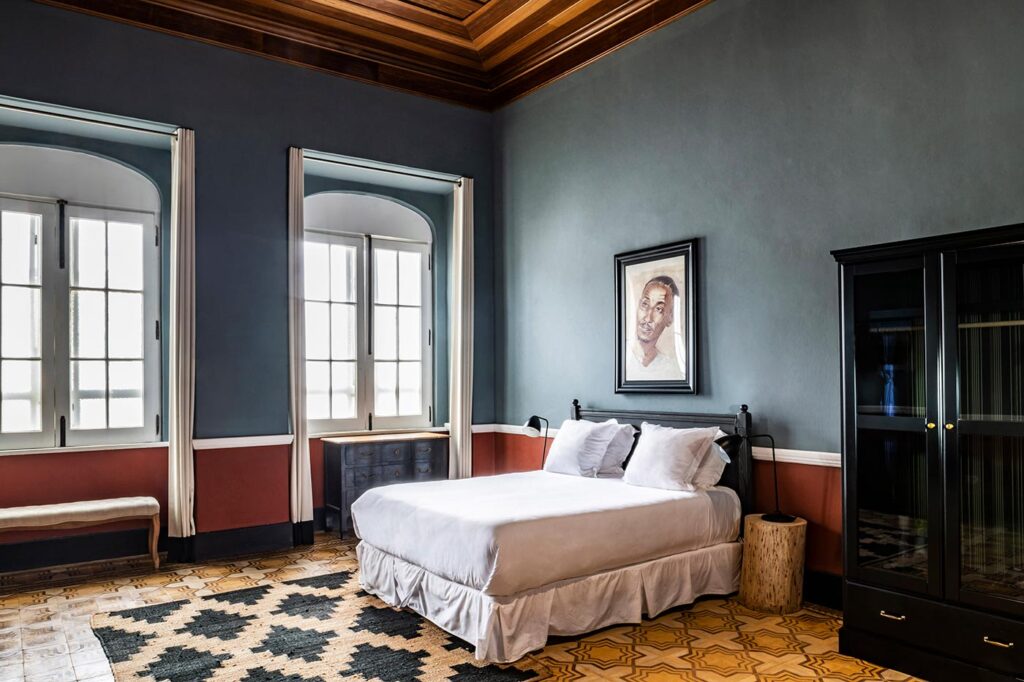
None of which would matter commercially if decorative programming were difficult to replicate. It isn’t. A competitor can install the same wall installation, source the same locally inspired cocktail menu, and book the same ensemble within a single renovation cycle. Culture, treated as amenity, confers no competitive advantage.
What does genuine cultural infrastructure actually look like? The clearest illustration is not in a major capital or a well-resourced resort corridor. It is on São Tomé and Príncipe, a pair of islands in the Gulf of Guinea that most travellers couldn’t locate on a map. HBD Príncipe operates four boutique properties across one of the world’s most remote UNESCO Biosphere Reserves. It is, by any measure, a difficult place to do business. It is also a precise illustration of what it looks like when a hospitality group decides to treat culture as infrastructure rather than ornament.
The first test is funding. Decorative programming is drawn from the marketing budget — discretionary by nature, seasonal by practice, and the first line item to disappear when margins tighten. At HBD, cultural programming is funded differently. Every guest rate includes a Conservation and Communities Contribution of €25 per person per night, 100% of which is directed to local initiatives. It is a line item baked into the rate card. Every occupied room generates cultural investment automatically, without requiring a separate decision.
The second test is relationships — specifically, whether they outlast the occasion. Decorative programming runs on one-off commissions: a local artist approached for a single painting, a craftsperson invited to demonstrate during festival week, a musician hired for dinner service. The relationship ends when the event does. HBD’s model operates on consistent, ongoing engagement with local makers as embedded operational partners rather than periodic features. A glass-crushing machine was purchased and donated to a local cooperative; ten women were trained to transform recycled glass into jewellery sold across the properties. Accent pillows and staff uniforms are sewn by local tailors using African fabrics. Pendant lampshades are handwoven by artisans using palm fronds. The supply chain is cultural programming.
![IMAGE 4: SMALL-principe52-1.jpg] Alt: Guest on a traditional boat trip off Príncipe Island with volcanic peaks in the distance Meta description: Boat trip off Príncipe Island. Volcanic peaks through low cloud.](https://guzangs.com/wp-content/uploads/2026/04/SMALL-principe52-1.jpg "The Hotels That Actually Know Where They Are 4")
The third test is knowledge — specifically, the knowledge held by the people a guest will actually speak to. A property’s concierge team, events staff, and F&B floor are the primary interface between guests and culture. If they cannot speak about the local creative ecosystem with genuine confidence — the artists currently working in the city, the festivals worth planning around, the practitioners whose work is significant and why — then no amount of lobby art compensates. This is a training question, not a curation question. It requires investment in people, not installations.
And then there is time. A property that genuinely understands its location doesn’t impose a programming calendar; it learns to read the one that already exists. On Príncipe, that means building around the Month of Culture in August, anchored by the Auto de Floripes, a street theatre performance on 15 August that can run for more than twelve hours. It means sea turtle nesting season between November and February, hatching from February to April, whale-watching conditions returning in August and September. The island has its own temporal logic. The hotel’s job is to map onto it, not override it.
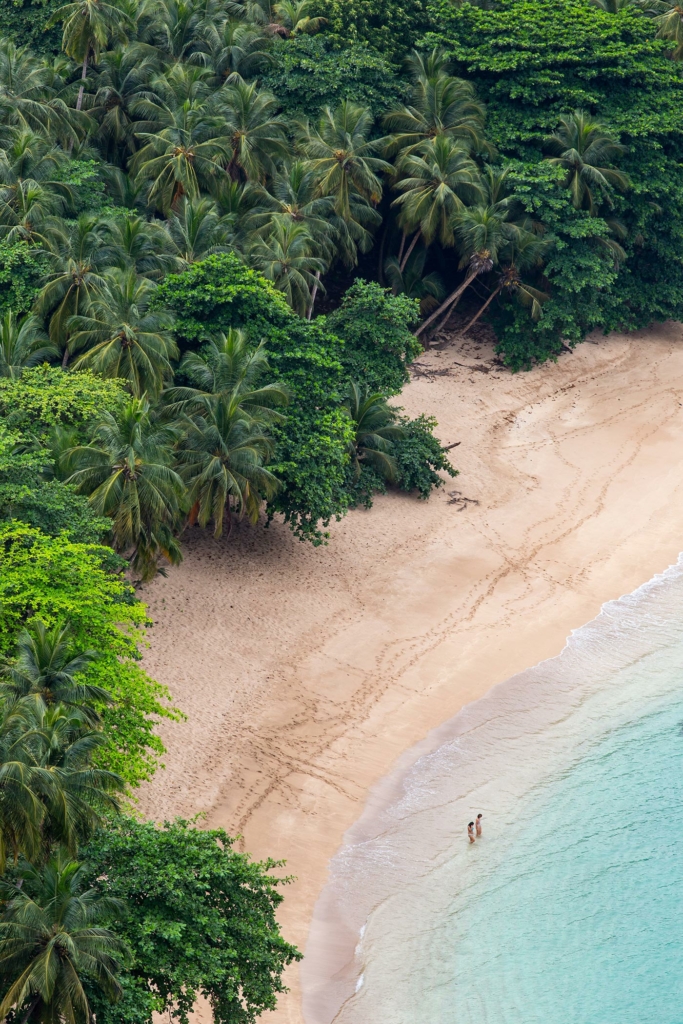
The case for this kind of programming is not primarily moral, though the moral case is straightforward enough. It is commercial. Properties that invest in genuine cultural infrastructure tend to see higher return rates, because the experience they offer cannot be reverse-engineered by a competitor overnight. They earn stronger word-of-mouth within high-value traveller networks, because culturally literate guests talk — and they talk with specificity. They attract press and partnership access that decorative programming cannot reach, because editors and brand partners are as capable as anyone of distinguishing between something built with real knowledge and something assembled from a brief.
There is a version of cultural programming that costs roughly the same as décor and performs roughly the same as décor. And there is a version that becomes the primary reason a guest chooses a property, returns to it, and tells twelve people about it. The distinction is not budget. It is not even intention. It is whether a hotel understands itself as a participant in the cultural life of its destination — or a spectator of it, with better thread counts.
If you read this far, you’re the audience. Subscribe Here.