


Editor’s Note: This feature is part of Guzangs’ ongoing exploration of African hair traditions, tracing their evolution from spiritual practice to global artistry. This installment focuses on West Africa, following Part I, which explored North African hair traditions.
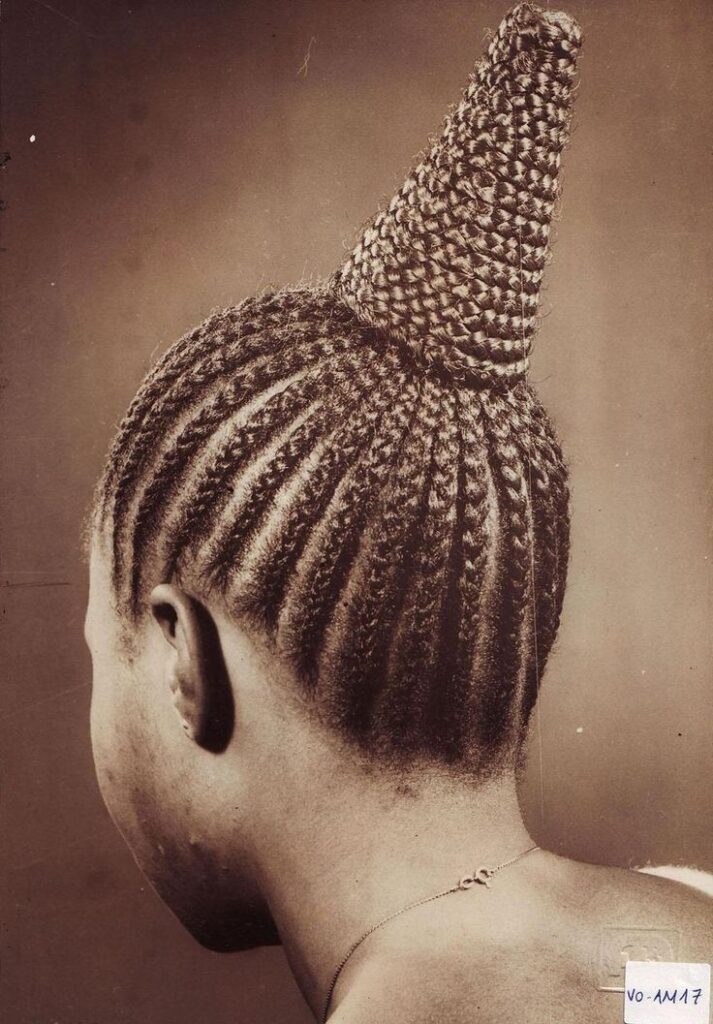
Hair in West African cities like Lagos, Accra, Dakar, and Lomé has long been a profound symbol of identity, status, and resistance—with deep historical roots that continue to shape modern expressions. These urban centers, home to diverse ethnic groups, reflect centuries-old traditions, colonial disruptions, and a vibrant resurgence of natural hair culture.
Lagos, Nigeria: From Yoruba Royalty to Nollywood Glamour
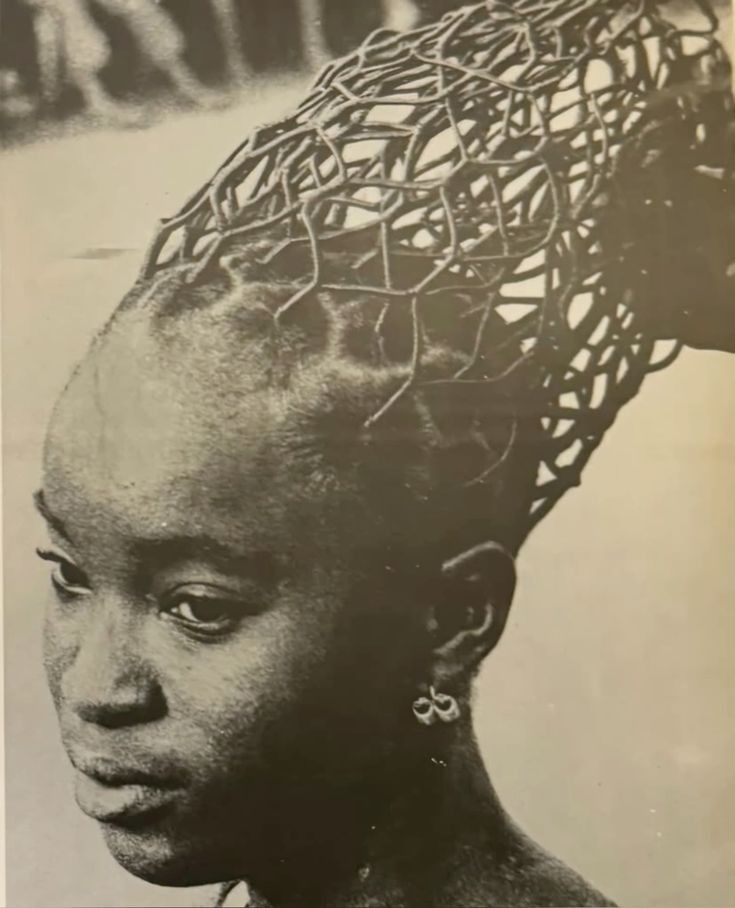
In pre-colonial Lagos, Yoruba women crafted intricate braids or gele (headwraps), adorned with beads or coral, to signify royalty, marital status, or wealth. Fulani women styled their iconic five-plait braids with cowrie shells and silver coins—a tradition dating back centuries that symbolized heritage and pride.
Some oral traditions suggest that during the transatlantic slave trade (16th–19th centuries), Yoruba and Igbo women hid seeds such as rice within their braids to preserve agricultural knowledge and symbolize survival, though historians remain divided on the extent of this practice. Under British colonial rule (1861–1960), natural hair was often demeaned or forbidden in schools and workplaces, forcing women to cut or straighten their hair to appear “civilized.” These imposed standards left lasting aesthetic and social biases.
Today, Lagos’ natural hair movement, revitalized in the 2000s, rejects colonial ideals. Salons in Lekki and Ikeja offer cornrows, box braids, and afros—styles now embraced by Nollywood stars like Tiwa Savage. At Lagos Fashion Week, models’ hair embodies a striking fusion of heritage and innovation, while shea butter and palm oil remain essential in hair care. Social media has amplified Fulani braids and other regional styles worldwide.
Accra, Ghana: Adinkra Symbols and Reclamation
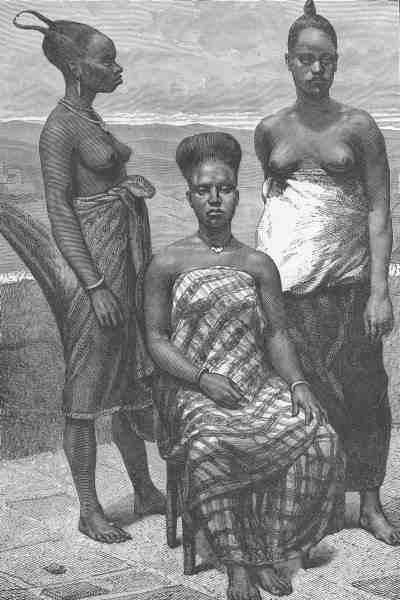
In pre-colonial Accra, Akan, Ewe, and Ga-Adangbe communities used hair to signal identity and status. Threading—known as didi or kiko—was both protective and aesthetic, while gold-adorned braids marked royalty and celebration. The Adinkra symbol mpuannum (“five tufts,” representing loyalty and priestly duty) inspired real hairstyles worn by Akan priestesses.
During British colonization (1874–1957), natural styles were dismissed as “uncivilized,” and chemical relaxers gained popularity, disrupting traditional practices. Folkloric accounts among Akan descendants describe braiding patterns as symbolic acts of memory and resistance, though historical documentation remains limited. Yet traditional knowledge survived: grandmothers taught granddaughters how to mix shea butter pomades and carefully weave cornrows to avoid breakage.
In Accra’s salons—from Osu to Madina—the natural hair movement thrives today. Cornrows, locs, and twists dominate, with stylists weaving Adinkra-inspired motifs into intricate designs. Shea butter from Makola Market anchors Ghanaian hair rituals, linking past and present. Online, influencers spotlight Ghana braids, reinforcing their place in global fashion and diasporic identity.
Dakar, Senegal: Wolof Artistry and the Moussor
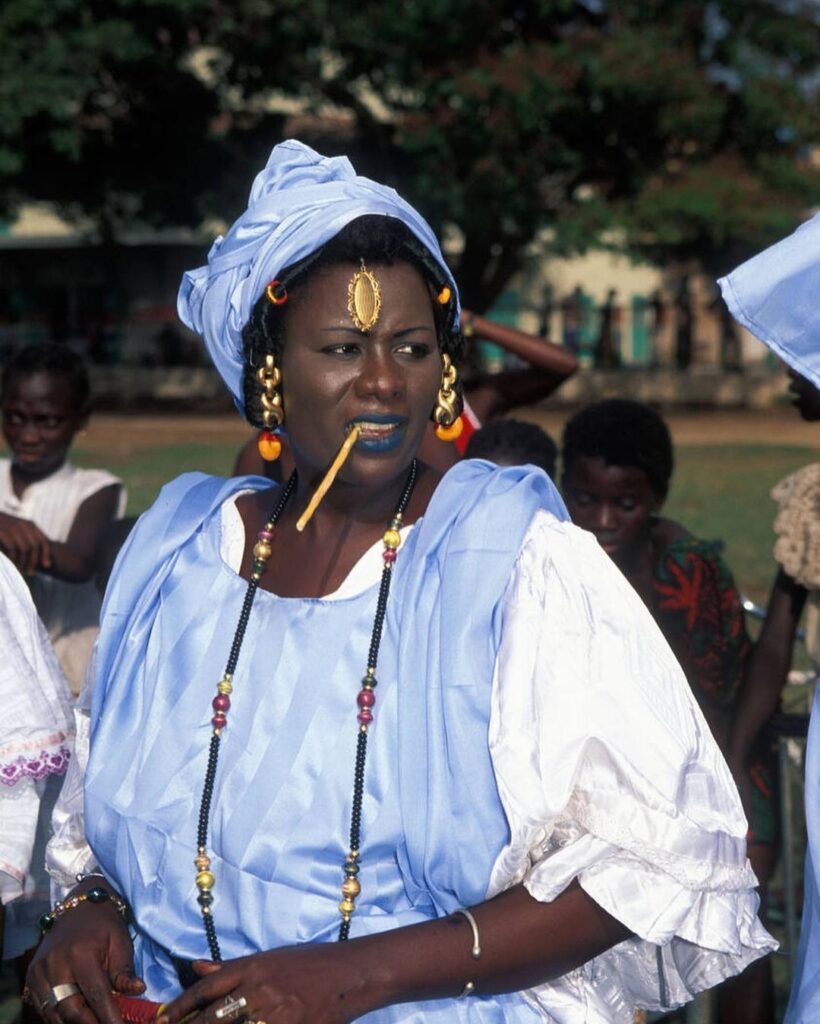
Dakar’s Wolof, Serer, and Fulani communities have cultivated distinctive hair traditions for centuries. Wolof women braided elaborate patterns adorned with beads or metallic threads to mark social events—a practice tracing back to the Jolof Empire (c. 1350–1549). The spread of Islam from the 11th century introduced the moussor (headwrap), which merged modesty with artistry and creative expression.
French colonial rule—beginning with settlement in 1659 and formalized in the late 19th century—imposed Eurocentric beauty standards, labeling natural hair “unprofessional.” Wolof women quietly resisted by maintaining braiding practices in private, preserving techniques through oral tradition and intergenerational teaching.
Dakar’s hair renaissance thrives today in bustling salons and on global runways. Senegalese twists—sleek rope-like plaits—originated here and became an international favorite. At Dakar Fashion Week, designers such as Oumou Sy showcase sculptural updos and vivid moussor styles that fuse heritage with modern flair. Baobab and shea oils dominate local markets, while online tutorials help younger generations reinterpret classic looks. Today, Dakar’s women embody a creative balance between tradition and cosmopolitan style.
Lomé, Togo: Vodun Spirituality and Resilience
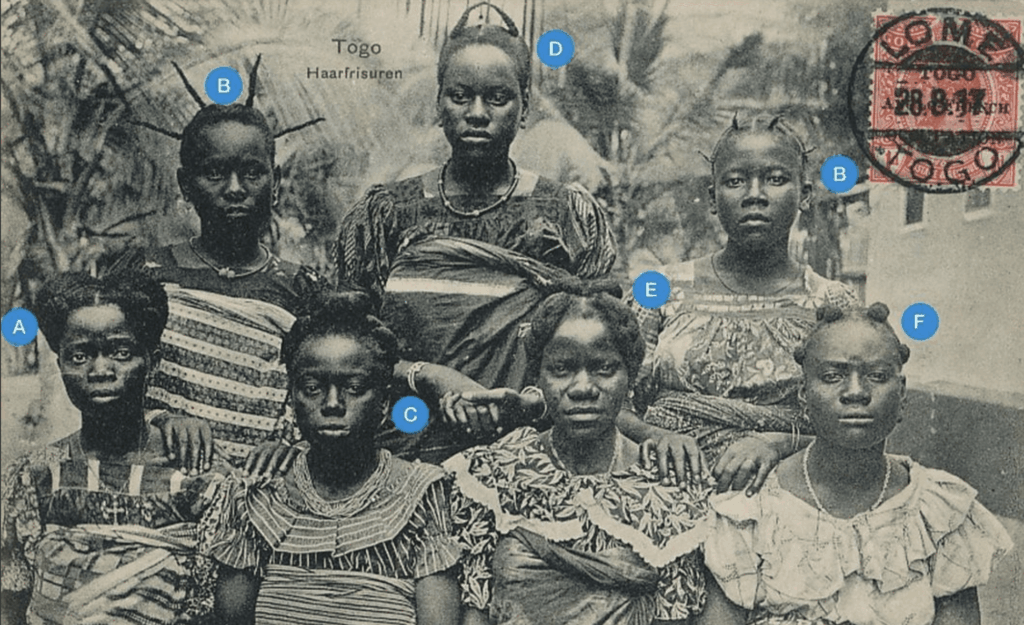
Lomé’s Ewe and Mina communities historically used hair to express identity and communal belonging. Cornrows and threading adorned with beads or shells were central to festivals—a custom dating back to pre-colonial Togo (before 1884). Vodun spirituality infused these styles with sacred meaning: devotees shaved their heads during initiation to symbolize rebirth, then allowed hair to regrow as a sign of spiritual maturity.
Under German and later French colonial rule (1884–1960), Western grooming ideals pressured women to abandon natural styles. Still, Ewe women preserved their techniques, transforming hair into a quiet language of cultural resistance.
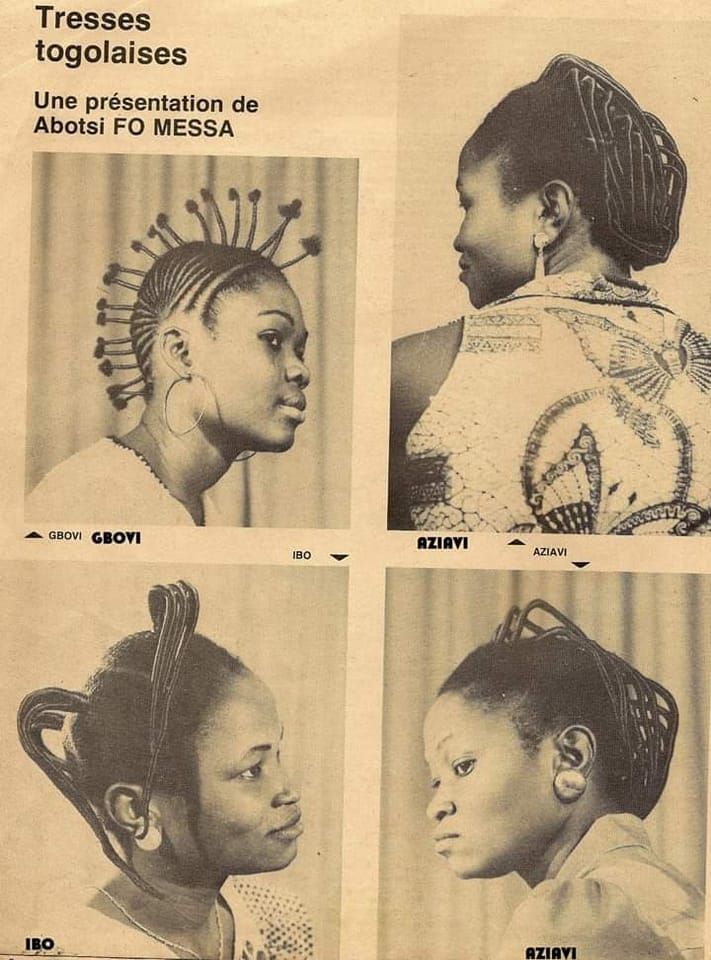
Lomé’s hair culture flourishes today in Bè and Dantokpa markets, where salons offer box braids, crochet styles, and afros. Festivals like Evala—the traditional wrestling celebration—showcase braided designs that carry generational pride. Younger stylists experiment with colorful weaves and Ankara turbans, while coconut and shea butter remain essential. Though smaller in scale than Lagos or Dakar, Lomé’s salons sustain hair as an art form woven through everyday life.
Shared Threads and Modern Reclamation
Across West Africa, hair has long been a cultural cornerstone. From the 15th century onward, hairstyles communicated lineage and status. Colonialism disrupted these codes, stigmatizing natural hair to suppress African identity. Yet resistance persisted through covert braiding, oral teaching, and community care.
Since the 2000s, the natural hair movement—amplified by social media—has reconnected these cities and their diaspora. Styles such as cornrows, twists, and locs now symbolize both pride and practicality. Natural oils like shea, baobab, and coconut tie self-care to heritage. From Lagos runways to Dakar markets, hair has re-emerged as art, identity, and continuity—a testament to resilience and creative self-determination.
Sources & References
- Barber, Karin. I Could Speak Until Tomorrow: Oriki, Women, and the Past in a Yoruba Town. Edinburgh University Press, 1991.
- Barry, Boubacar. Senegambia and the Atlantic Slave Trade. Cambridge University Press, 1998.
- National Commission for Museums and Monuments, Nigeria. Colonial Lagos Portraits Archive, c. 1920s.
- University of Ghana, Department of Sociology. “Hair and Cultural Identity Among Ghanaian Women.” 2018.
- UNESCO Courier. “Oumou Sy: Style, Substance, and Senegalese Identity.” 2002.
- BBC Africa. “Senegal’s Queen of Couture.” July 2004.
- McKinley, Catherine. The African Lookbook: A Visual History of 100 Years of African Women. Bloomsbury, 2021.
- Research and reporting by Ekow Barnes, Lagos–Accra–Dakar–Lomé, 2024.