


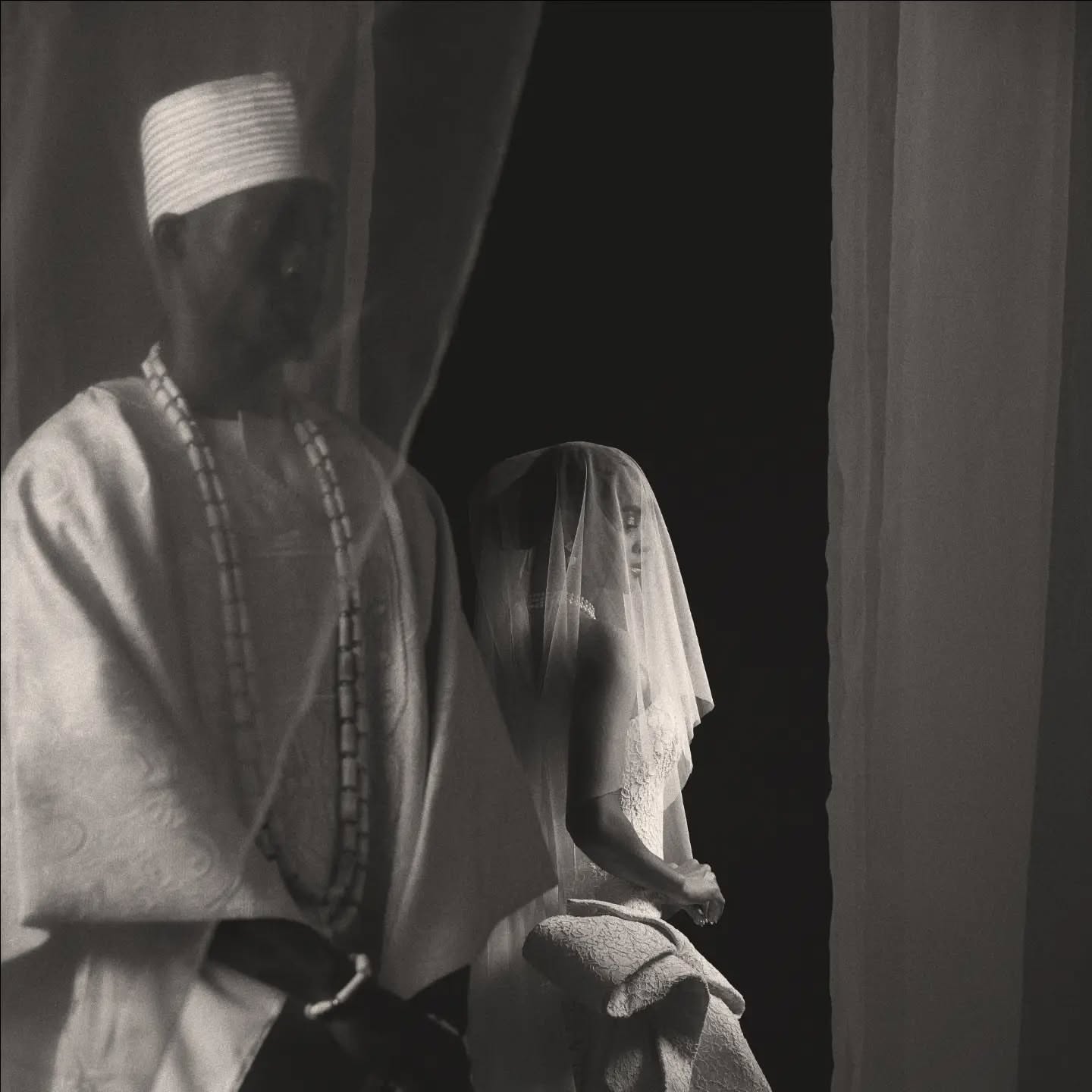
For decades, weddings across the continent carried a certain hallmark: extended family gatherings, elaborate ceremonies, bridewealth negotiations, communal celebration. None of that has disappeared. But in the 2020s, call it the Gen Z era, things are moving. Young couples are blending tradition with global influences, economic realities, and evolving social values, and the result is a wedding landscape that looks markedly different from even ten years ago.
In September 2025, Temi Ajibade, daughter of businessman Femi Otedola, shared images from wedding celebrations that spanned three cities: a legal ceremony in Monaco, a traditional wedding in Dubai, and a white wedding in Reykjavík, Iceland. The internet went predictably feral. But Temi isn’t alone. More young couples across the continent are opting for travel weddings, budget permitting. Beaches in Ghana, vineyards in South Africa, luxury resorts along the Kenyan coast. These are becoming legitimate venues for couples who want to marry away from home communities and turn the whole affair into a multi-day experience for guests and family.
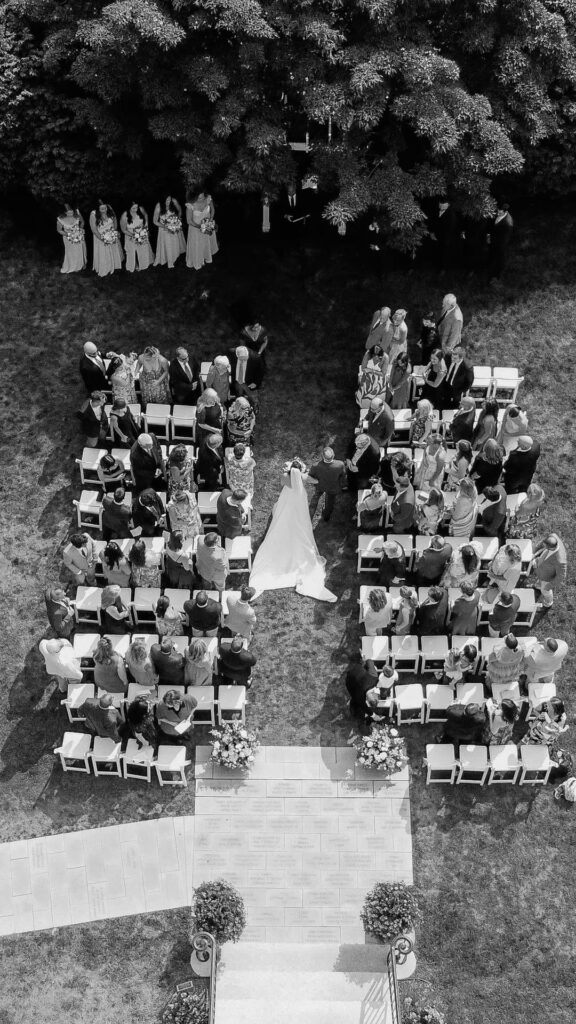
Others are going in the opposite direction. Large gatherings aren’t going extinct, not for most cultures on the continent, but a growing number of couples are keeping their guest lists deliberately tight. In March 2025, Zozibini Tunzi married her long-term partner Luthando Bolowana in a private ceremony at the Belair Pavilion in Cape Town, filled only with close family and friends. It was during their traditional Xhosa wedding in the Eastern Cape that we saw the bigger crowd. Whether driven by preference or shifting economics, it reflects something couples are increasingly vocal about: wanting weddings that reflect their personalities and shared stories rather than fulfilling purely social expectations.
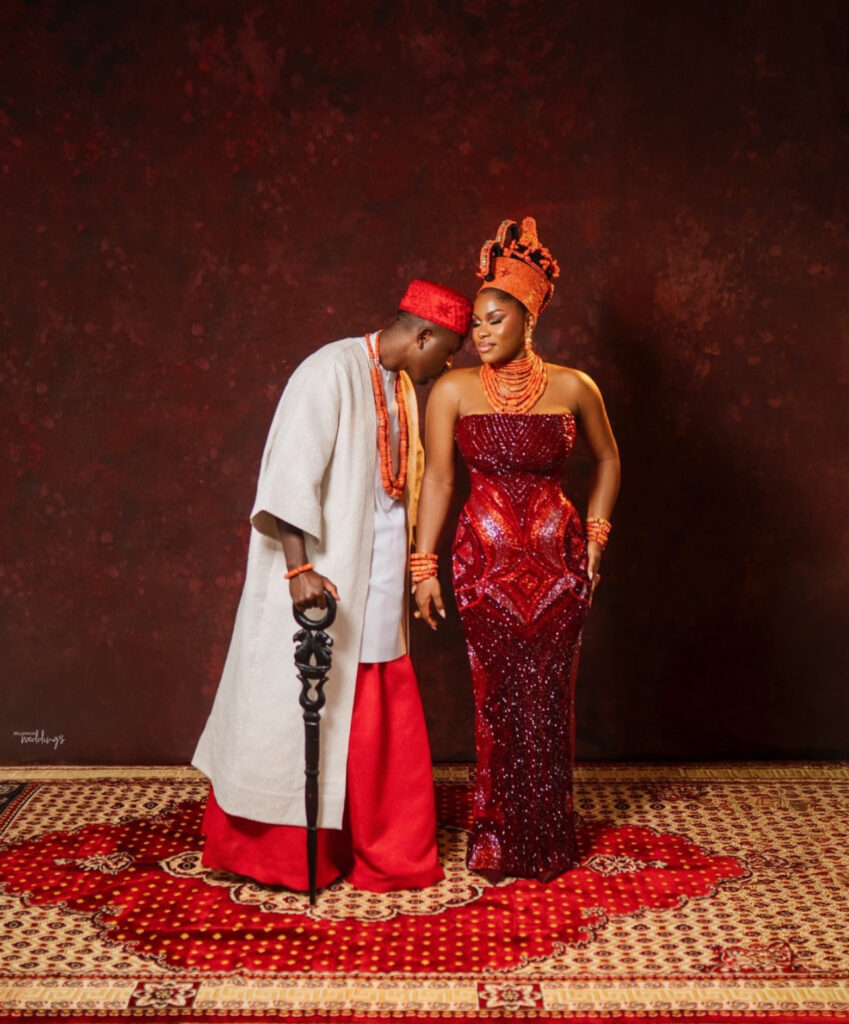
Bridewealth is evolving too. And not just because I come from a culture with a ridiculous bride price list. Traditional marriage payments remain deeply symbolic across many African cultures, but the negotiation around them is changing. Young couples are pushing for discussions that feel less transactional and more respectful of both partners’ dignity. Some families agree to symbolic rather than full traditional payments, or spread the exchange over time. The shift is toward expressions of commitment rather than economic transaction.
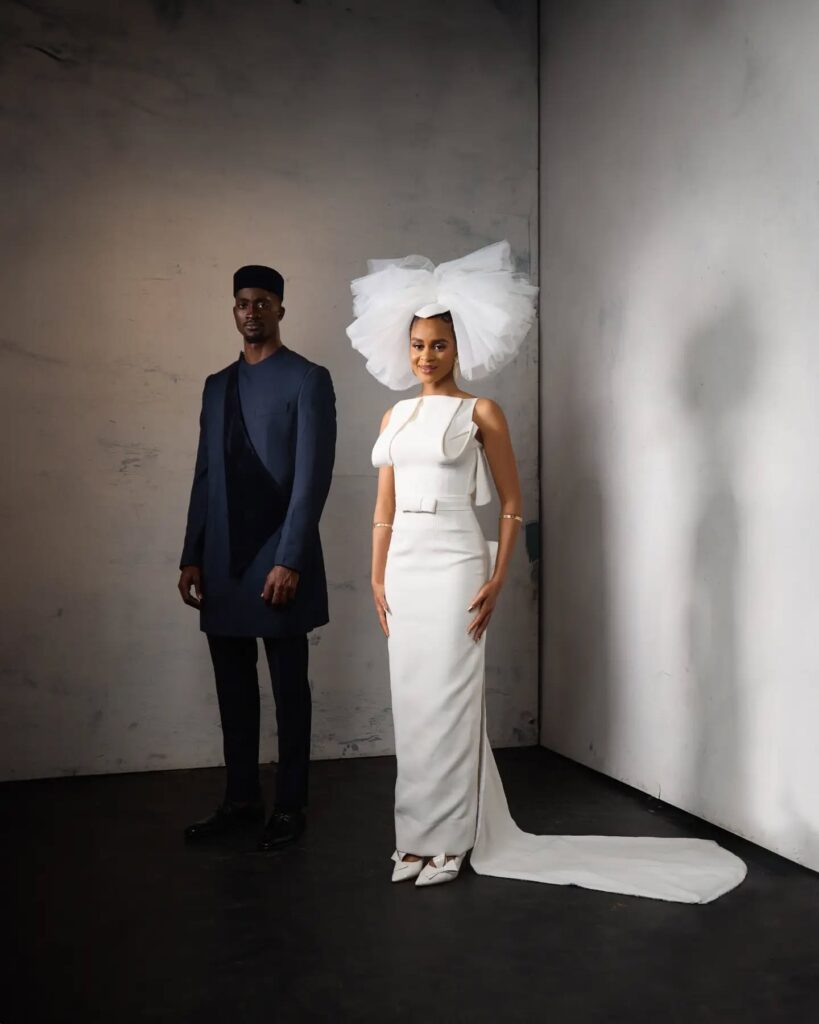
Civil weddings, meanwhile, are quietly becoming a defining feature of this generation’s marriages. They’ve existed for a long time, but with more interfaith and intercultural unions, more couples are choosing to legalize at registries first. Sometimes privately, sometimes before larger celebrations. For urban professionals especially, civil weddings offer clarity around property, inheritance, and spousal rights, and they’re often more affordable in an era of rising costs. Nigerian fashion designer Veekee James included a court wedding as part of her four-part celebration with husband Femi Atere in early 2024, a signal that the registry isn’t a lesser ritual but part of the whole picture.
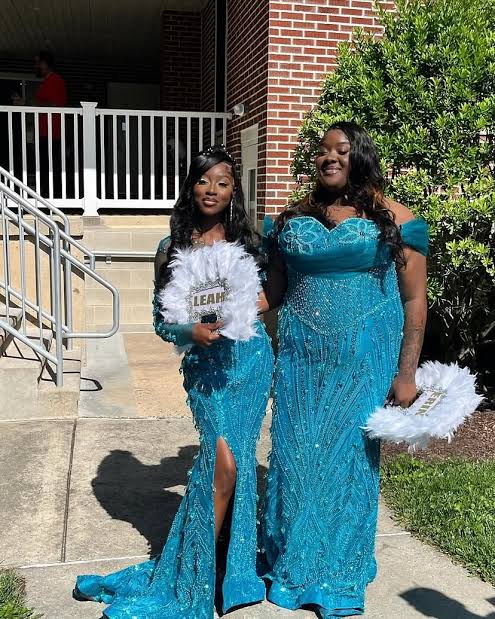
Social media threads through all of this, and nowhere more visibly than in fashion. African wedding textiles like kente, aso ebi, and shweshwe are being reimagined in couture designs that blend cultural heritage with runway aesthetics, and the influence is going global. In August 2025, the BBC reported that teenage girls in the US were ordering African wedding dresses for their proms, with designer Shakirat Arigbabu alone contributing 1,500 of those dresses. On the continent, brides and grooms are now planning multiple looks for different parts of the celebration, a trend that has people genuinely intrigued about what this era of weddings is producing.
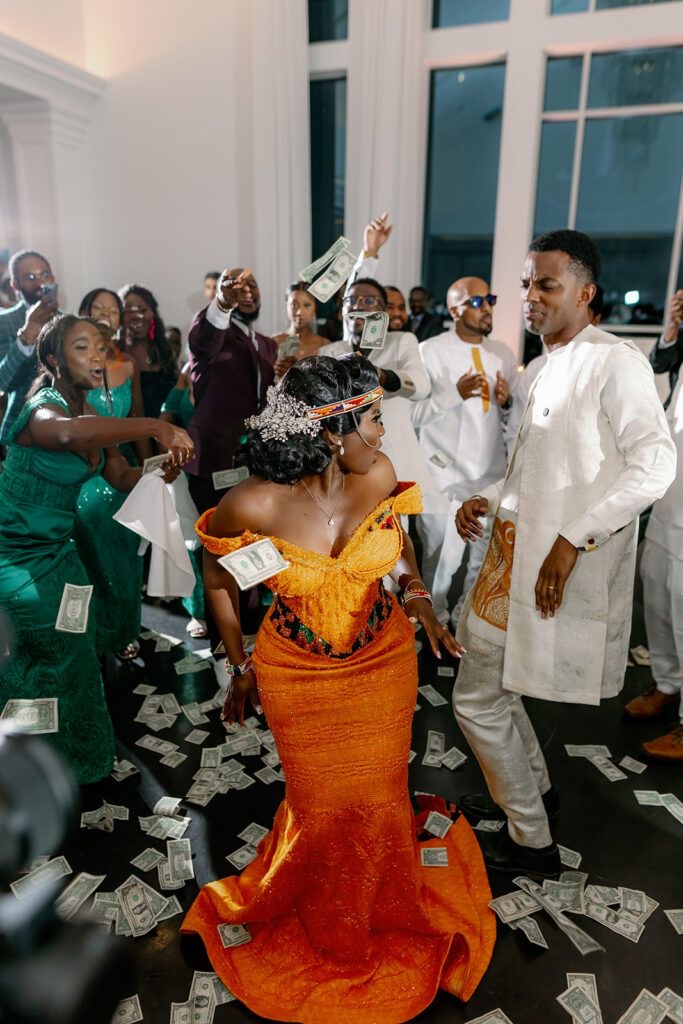
And then there’s the dancing. One of the most visible shifts has been choreographed routines becoming a central wedding feature. What was once a simple first dance has evolved into bridal entries with coordinated dancers, groomsmen routines, bridesmaids’ surprise numbers, and reception flash mobs rehearsed weeks in advance. TikTok and Instagram reward spectacle, and weddings have responded accordingly: slow-motion aisle walks, dramatic reception reveals, synchronized dance battles between families. In Nigeria especially, receptions have transformed into stages, complete with lighting design, hype men, and uniformed dance troupes. Nigerian weddings have always been rooted in music and movement. What’s different now is the intentionality. The choreography isn’t spontaneous. It’s planned for the algorithm.

What emerges across the continent is not a rejection of tradition, nor a seamless evolution of it. It’s something more unsettled. Court registrations blending with customary rites. Ceremonies scaled down for economic survival or amplified for social media reach. Bridewealth negotiations meeting feminist ideals. Lavish, Instagram-ready receptions sitting alongside rising living costs. For some families, these shifts feel like erosion. For some couples, tradition feels like pressure.
In the end, nobody entirely wins. Instead, there is compromise, tension, and, at times, quiet resentment.