


Inside the Most Compelling African Pavilions at the 2026 Venice Biennale
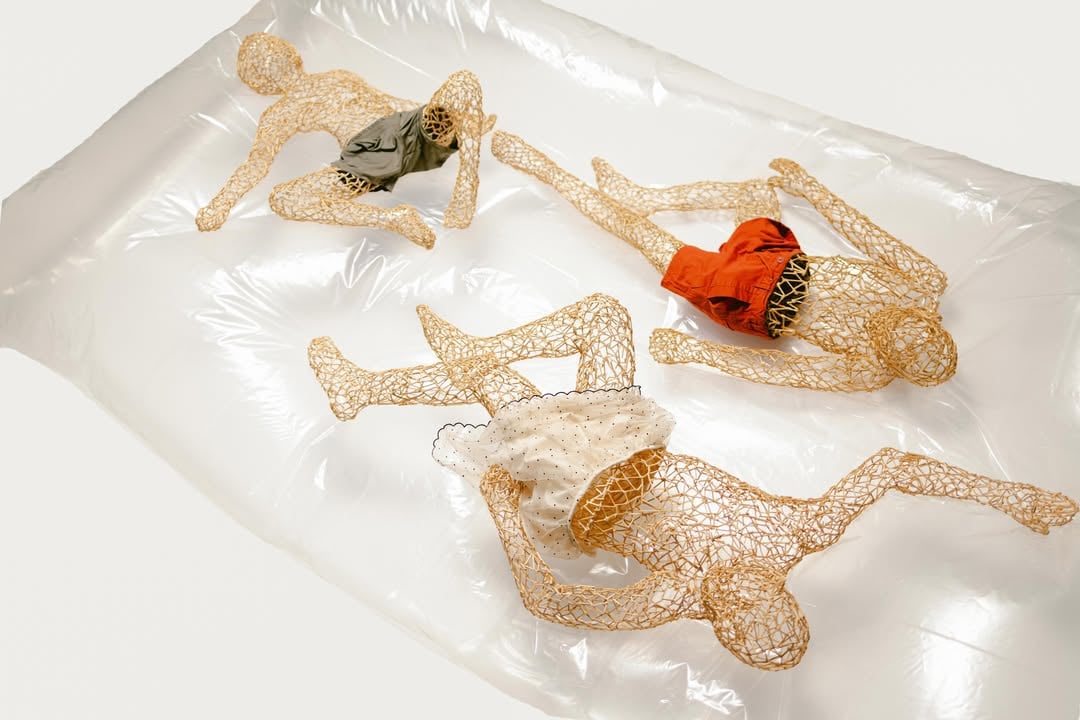
For a long time, Africa’s presence at the Venice Biennale has felt slightly out of place. Even as African artists helped shape contemporary art globally, the continent itself often seemed pushed to the margins, present but not always fully seen, its stories and forms framed through a Western lens or treated as something separate from the centre of the art world. But the 61st Venice Biennale feels different. This year feels softer, more certain, more visible.
Part of that shift comes from the vision of the Cameroonian-Swiss curator Koyo Kouoh, the first African woman to curate the Venice Biennale. Though Kouoh died before the exhibition opened, her influence is deeply felt through In Minor Keys, the theme she developed for this edition. There is less focus on spectacle and more on what drives us as human beings, and the African pavilions mirror that in their own ways: the soft poetry of the Somali pavilion, the DRC’s reframing of conflict, a sense of collective awakening, a quiet appeal for a more sustainable future.
All of it speaks to a wider movement, and to the role of art in a time marked by uncertainty, displacement and shifting cultural power. Here we visit some of the most compelling African pavilions this year, and the different ways African nations are negotiating visibility, history and cultural identity on one of the world’s biggest art stages.
The Democratic Republic of Congo Pavilion
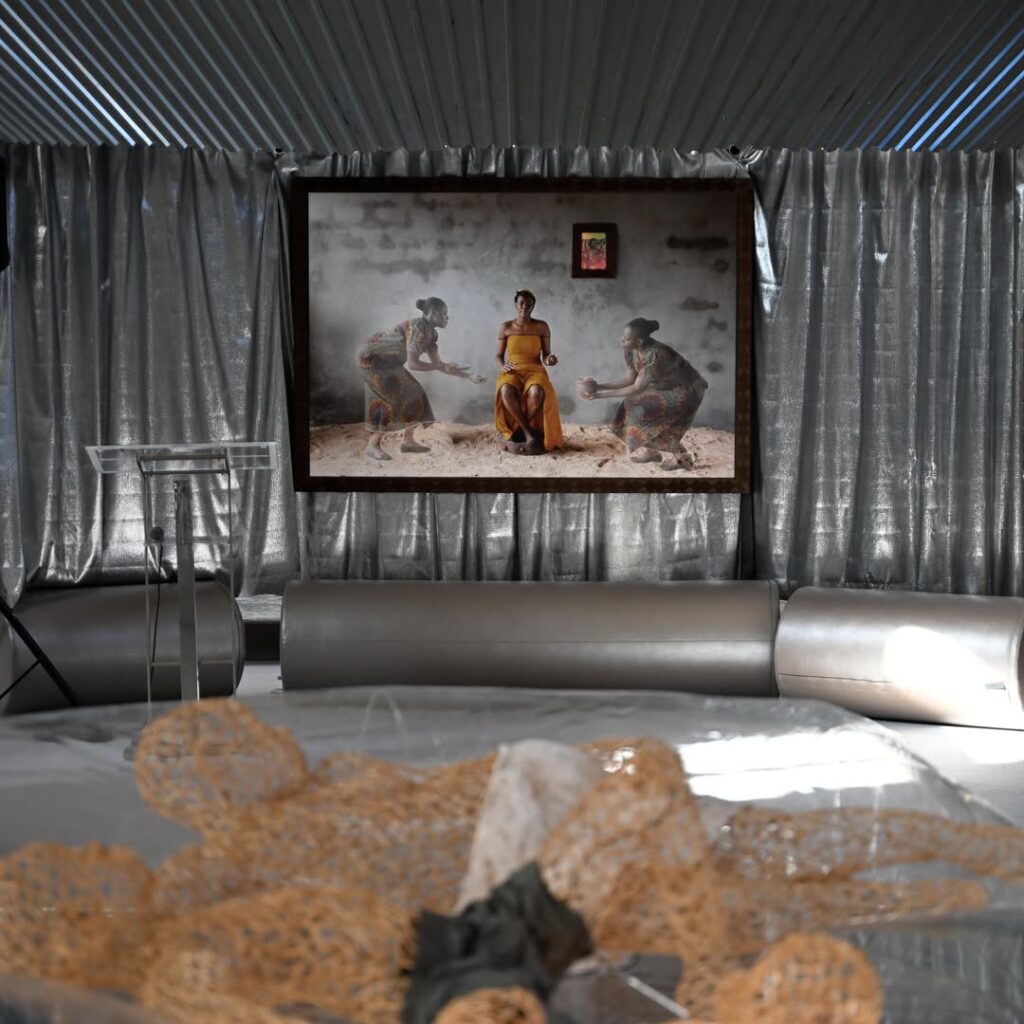
When I first came across the title of the DRC’s pavilion, Simba Moto! Seize the Fire! Saisis le feu!, I assumed it pointed directly to the country’s long and painful history of conflict. For years, the DRC has endured violence that feels both deeply internal and externally fuelled, making the image of fire seem almost impossible to separate from war, unrest and collective grief. As Congo unveiled its first pavilion, I expected the exhibition might offer an urgent reflection on these realities, perhaps even a hopeful cry for peace.
The pavilion takes a more layered approach. Presented at the Antico Refettorio in the Scuola Grande di San Marco, Simba Moto! Seize the Fire! Saisis le feu! explores fire less as a symbol of destruction than as a force of transformation, something that can destroy but also renew and reimagine futures. Curated by Nadia Yala Kisukidi and commissioned by Cindy Makiana, the exhibition brings together nine artists, including Sammy Baloji, Gosette Lubondo, Nelson Makengo and the musician Damso, in one of the most ambitious group presentations in this year’s African programme.
Still, it is difficult not to read the title through Congo’s realities. Even if it is never stated outright, the fire at the centre of the pavilion feels impossible to separate from the country’s political tensions and enduring struggles. Perhaps that ambiguity is what makes the exhibition compelling.
The Egyptian Pavilion
Egypt has long held an important place at the Venice Biennale. In 1952 it built the first permanent African pavilion in the Giardini, giving it one of the longest and most visible histories of any African nation at Venice. Over the years it has continued to return with new perspectives and fresh ways of thinking about identity, history and form.
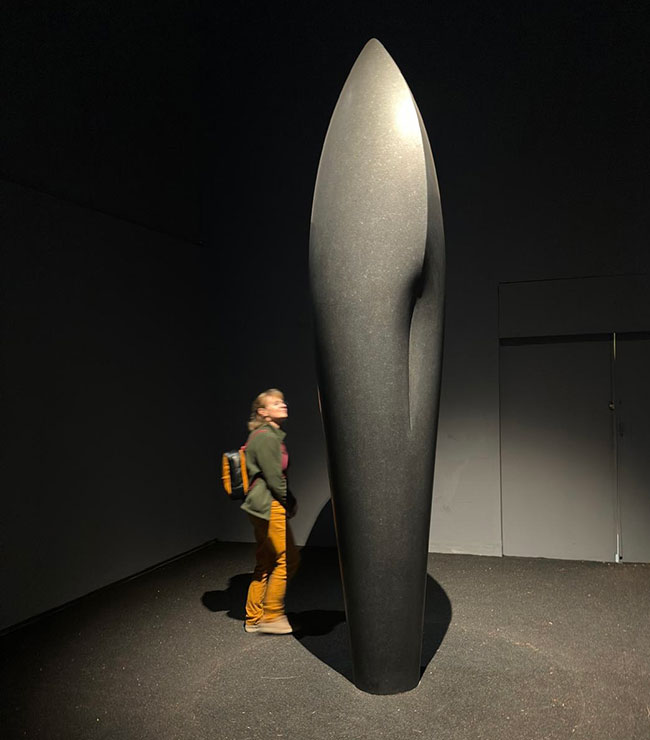
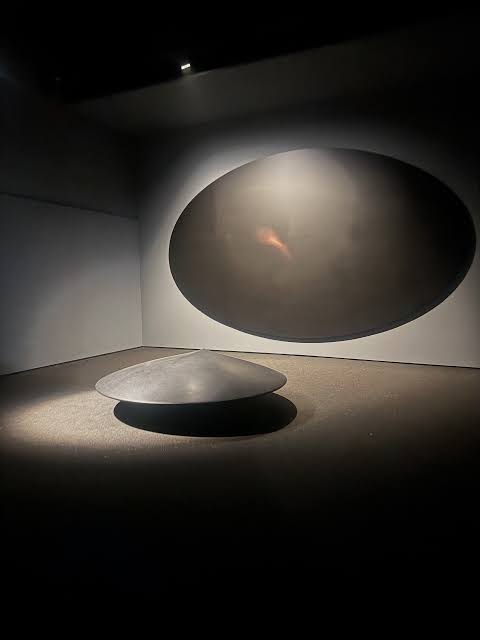
This year, Egypt turns toward stillness with Silence Pavilion: Between the Tangible and the Intangible, a solo presentation by the sculptor Armen Agop. Housed in Egypt’s permanent pavilion in the Giardini, the exhibition explores presence, absence and metaphysical space through sculptural forms that feel quiet and deeply reflective. Rather than overwhelming viewers, Agop’s works invite slowness and contemplation, offering a calm contrast to some of the Biennale’s louder and more politically charged presentations. There is something deeply geometric about the pavilion’s approach, a careful balance of form, silence and space.
The Somali Pavilion
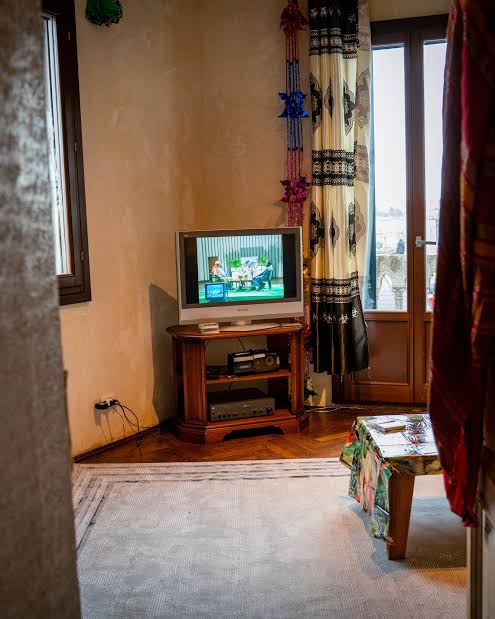
One of the more interesting debuts this year is Somalia’s pavilion, largely for how beautifully it centres poetry and storytelling. What first drew me in was its structure, almost a trifecta: three women, three artists and three distinct forms of expression coming together. Bringing together the visual artist Ayan Farah and the poets Asmaa Jama and Warsan Shire, and co-curated by Mohamed Mire and Fabio Scrivanti, the pavilion feels layered in a way that is deeply moving.
What I particularly love is how the exhibition draws on Somali poetic traditions, where language itself often moves in patterns and structures that branch like trees. Even in its framing, there is something rooted and expansive about it, an understanding that stories grow, split and continue across generations. Hosted at Palazzo Caboto, the pavilion, titled SADDEXLEEY, speaks to memory, displacement and the emotional weight of a nation shaped by both rupture and resilience. It reflects on Somalia’s past while remaining grounded in its contemporary realities.
The Moroccan Pavilion
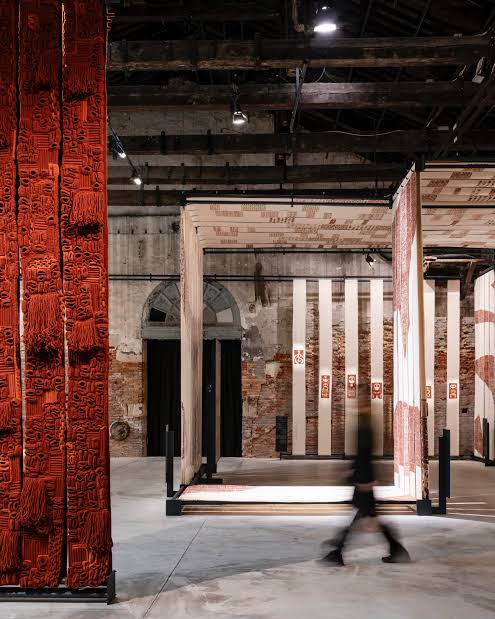
The most beautiful thing about the Moroccan pavilion is the way it brings together community, craftsmanship and artisanal practice into something that feels deeply human. There is a sense of unity in the exhibition, with different voices, textures and ways of making coming together to create what almost feels like a second skin. The pavilion carries a strong tactile quality, craft that is not simply decorative but deeply connected to identity and care. Marking Morocco’s debut national pavilion in the Arsenale, Asǝṭṭa is a solo exhibition by Amina Agueznay, curated by Meriem Berrada. Drawing on weaving, sculptural forms and material memory, the work feels both intimate and expansive. Particularly striking is Agueznay’s collaboration with more than 166 Moroccan artisans, most of them women, bringing together different traditions of craftsmanship into a shared visual language that feels quietly powerful.
Elegy by Gabrielle Goliath
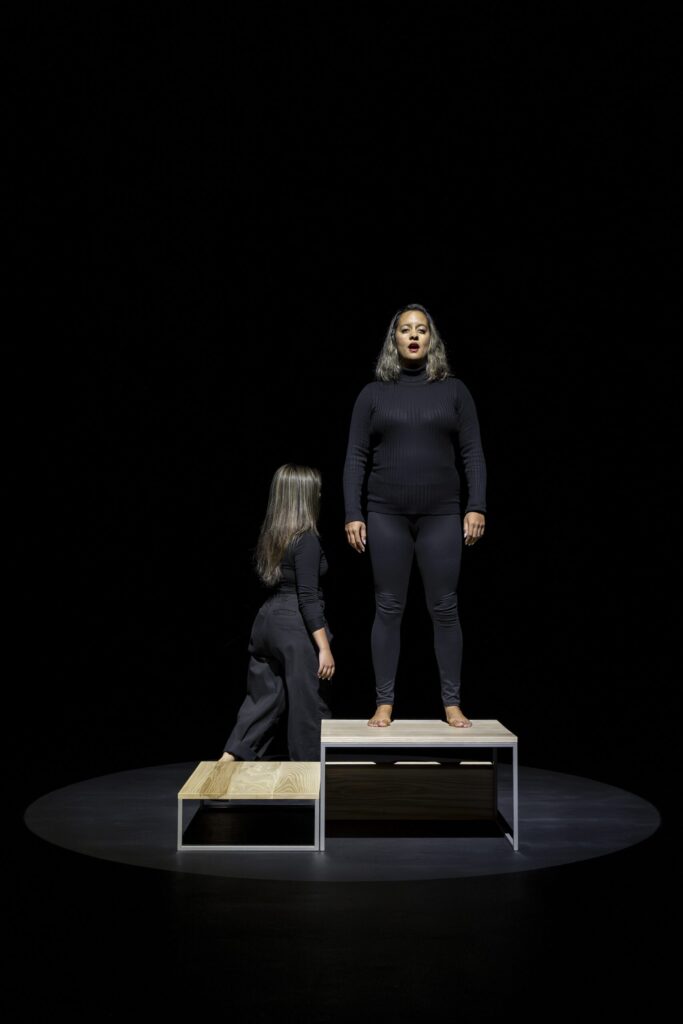
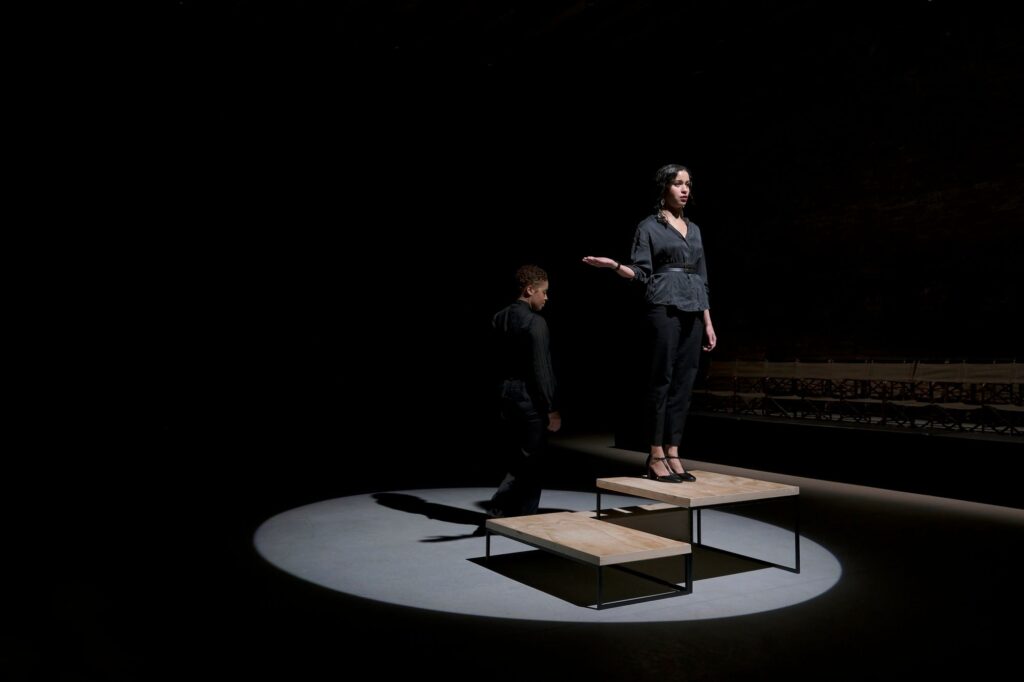
It did not come as a surprise when South Africa’s pavilion was cancelled. The government has, at various moments, been accused of censorship and political interference in the arts, so when news broke that the country would not stage its national presentation at the 2026 Venice Biennale, it felt sadly familiar. The project, Elegy, by the artist Gabrielle Goliath and curated by Ingrid Masondo, was pulled by South Africa’s Minister of Sport, Arts and Culture, Gayton McKenzie, who described a section of the work referencing Gaza and the Palestinian poet Hiba Abu Nada as “highly divisive in nature” and asked for it to be changed. When Goliath refused, he cancelled the presentation, and a high court later declined to overturn the decision.
Elegy found another life in Venice, opening independently at the Chiesa di Sant’Antonin while South Africa’s official pavilion stood empty. It became one of the most talked-about African exhibitions this year, drawing crowds curious to see the work that had been rejected by the state.
The Cameroonian Pavilion
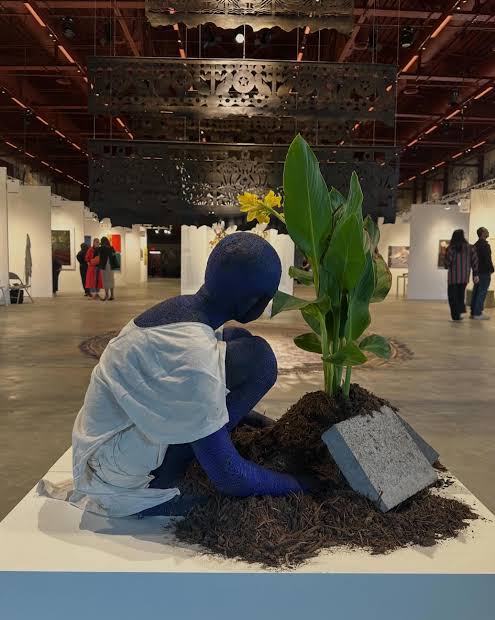
The Cameroonian pavilion is moving, largely for how it speaks about healing through a deeply metaphorical lens. At the centre of NZƎNDA is the idea of healing as a pathway, a passage into transformation. Not everyone arrives at healing in the same way, but the exhibition imagines it as a rite of passage, where stepping through a door becomes symbolic of entering a new self, a new body, a different way of becoming.
Presented at Palazzo Canal in Dorsoduro, Cameroon’s pavilion draws on local languages and histories to reflect on colonial memory and the ways its effects continue to shape culture, identity and tradition. It is curated by Beya Gille Gacha and features artists including Sylvie Njobati, Bienvenue Fotso and Zora Snake.
Subscribe to Guzangs to keep following how the continent moves through the art world.