


Some of the most compelling expressions of identity are found in the subcultures that transform everyday life into performance. From the sharply dressed Swenkas of South Africa to the flamboyant Sapeurs of Congo, from Zambia’s heavy metal community to the Izikhothane crews of Johannesburg’s townships, these movements use fashion, music, and ritual to challenge expectations and craft new forms of belonging. Though each emerged from hardship—mine hostels, colonial legacies, economic inequality, or cultural marginalization—they evolved into powerful statements of pride and creativity that continue to shape contemporary African fashion.
The Sapeurs of Congo
 La Sapologie. Photo credit: Yann Megnane
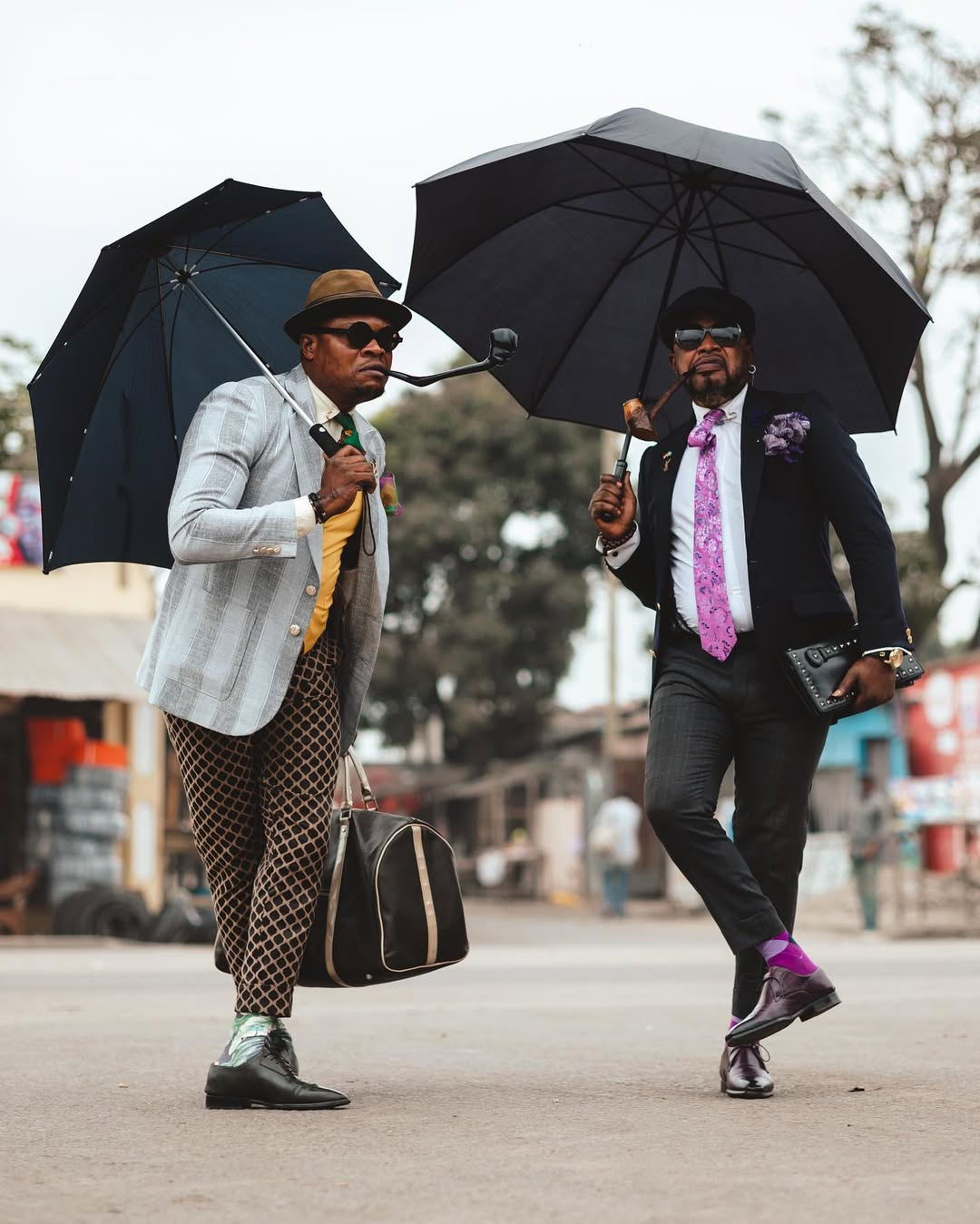
The Sapeurs, members of La Sape (Société des Ambianceurs et des Personnes Élégantes), emerged in the early twentieth century from the complex entanglements of colonialism and urban identity in both Congo-Brazzaville and the Democratic Republic of Congo. The movement traces its roots to Congolese workers who encountered European fashion while employed in colonial households. Exposure to Parisian tailoring, etiquette, and luxury goods sparked a fascination that, over generations, transformed into a cultural philosophy.
By the 1960s and 1970s, Congolese rumba musicians further popularized the dandy aesthetic, linking elegance with artistry, modernity, and social possibility. The late Papa Wemba, known as the “King of Rumba Rock,” became particularly influential; in 1979, he became the unofficial leader of La Sape and used his platform to promote the movement to a generation of Congolese youth. His concerts in Paris and across Africa turned La Sape into an international phenomenon.
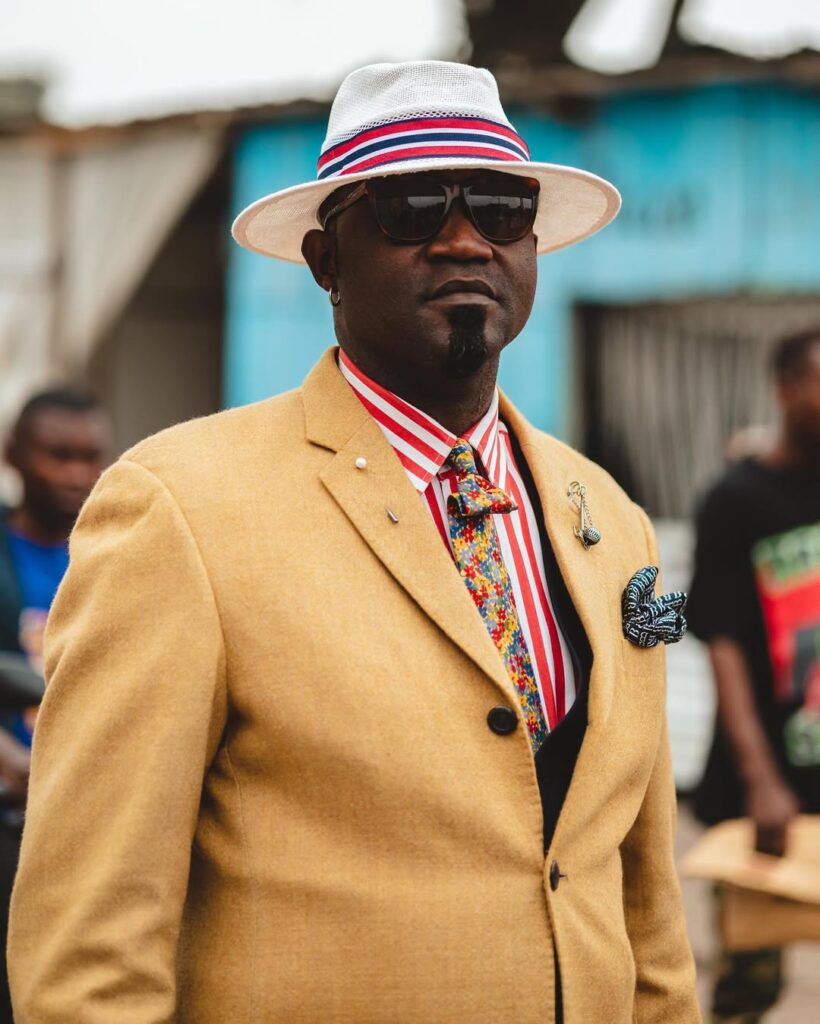
The dressing culture of the Sapeurs is meticulous, symbolic, and almost ceremonial. Their wardrobes consist of brightly colored tailored suits, silk ties, pocket squares, walking sticks, carefully chosen shoes, and coordinated accessories—but limited to no more than three colors (excluding white). It is not merely the clothing that matters; it is the choreography of wearing it. Sapeurs practice exaggerated walks, dramatic poses, and performances that blend elegance with theatrical flair. Every outfit adheres to principles of harmony, originality, and authenticity. In La Sape, fashion becomes a philosophy: to dress well is to live well, to carry oneself with pride, and to transform the streets into a runway of resilience and joy.
The Swenkas
View this post on Instagram
There is perhaps no fashion movement in Africa more quietly dignified yet profoundly symbolic than the Swenkas, a group of South African men who turned elegance into a moral philosophy. Though their story is lesser known than that of their Congolese counterparts the Sapeurs, the Swenkas occupy a unique cultural moment: a working-class brotherhood that used clothing as a gesture of self-determination.
The Swenka movement emerged among Zulu migrant laborers in Johannesburg’s mine hostels. These men spent their days underground in harsh, dangerous conditions, their freedoms restricted by apartheid laws that controlled every aspect of Black life. Out of this atmosphere of exhaustion, discipline, and limited self-expression, a counterculture took shape. Every Saturday night, these men would reinvent themselves. After bathing, they slipped into sharply pressed suits, polished their shoes to a mirror shine, and gathered to compete in “swanking”—a ritualized fashion contest whose name derives from the English word “to swank,” meaning to show off with confidence and elegance.
The competitions follow strict rules: posture, grooming, color coordination, and gentlemanly conduct all matter. Attitude is part of the scoring, turning self-presentation into a disciplined art form. Though the Swenkas lacked a singular, charismatic leader, the movement was shaped by elder figures within the hostels—respected men who upheld standards of dress, behavior, and integrity. The 2004 documentary The Swenkas, directed by Danish filmmaker Jeppe Rønde, brought international attention to the movement. The film follows Sabelo, a young man grappling with his father’s death—his father had been the group’s leader—and his uncertainty about whether to continue swanking. Yet leadership within the group remains fundamentally collective: a system of elder adjudicators who uphold the principle of composing oneself with aspiration.
The Izikhothane
View this post on Instagram
The Izikhothane movement emerged in the early 2000s within the townships of Gauteng, first taking root in Katlehong and other areas of the East Rand before spreading to Soweto and beyond. Born from a generation of young people navigating the complexities of post-apartheid life, what began as informal street gatherings evolved into a vibrant, controversial subculture defined by spectacle.
The name derives from the Zulu word ukukhotha (to lick), repurposed in township slang to mean boasting. The culture of Izikhothane revolves around performance, fashion, and audacity. Crews dressed in brightly colored designer outfits, often coordinated head to toe, gather to battle one another through dance, verbal sparring, and displays of excess. Early on, some performances involved destroying expensive clothing or pouring out costly drinks—not out of wastefulness alone but as a dramatic assertion of status and defiance. In a world that denied them access to luxury, they created their own symbolic economy of abundance.
Though often dismissed as reckless—investigative journalist Debora Patta called it “bling gone obscenely mad” on national television—the Izikhothane movement carries an undercurrent of deeper meaning. Scholars have connected it to earlier South African sartorial subcultures: the “diamondfield dandies” of 1880s Kimberley and the oswenka (swankers) of 1950s Johannesburg, who likewise used expensive clothing and competitive display to assert their humanity under dehumanizing conditions. In time, many Izikhothane crews shifted away from destruction toward creative expression, using choreography, fashion, and digital storytelling to celebrate community pride and reshape how township youth are perceived.
Zambia’s Heavy Metal
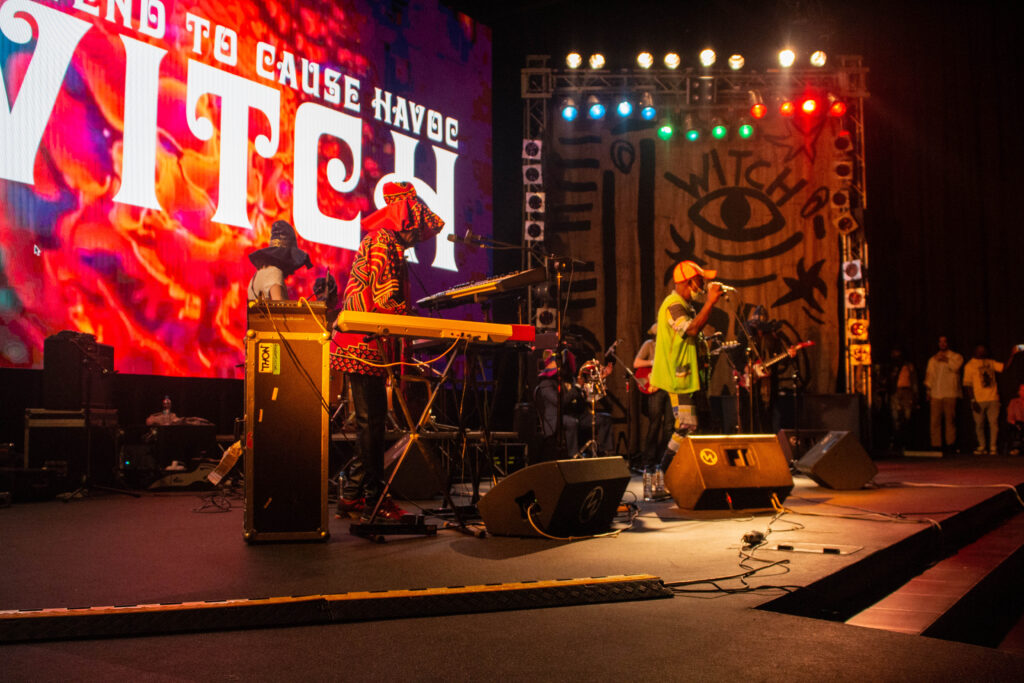
In Zambia, the heavy metal subculture traces its roots to an unexpected yet distinctly local musical lineage. During the 1970s, Zambia experienced a creative surge known as Zamrock—a bold fusion of psychedelic rock, African rhythms, blues, and funk. Bands like WITCH (“We Intend To Cause Havoc”), Amanaz, Ngozi Family, and Musi-O-Tunya flourished after President Kenneth Kaunda decreed that 95 percent of music played on Zambian radio had to be of local origin. The policy, combined with the economic prosperity of the copper boom, created conditions for remarkable experimentation.
Though political turmoil, economic decline, and the devastation of the AIDS epidemic dimmed Zamrock’s spotlight by the 1980s, the movement planted a seed that later generations would return to. Former WITCH frontman Emmanuel “Jagari” Chanda remains active today, touring internationally as labels like Now-Again Records reissue the Zamrock archives for new audiences.
Today’s Zambian metal community is small yet fiercely committed, centered around Lusaka and the Copperbelt, where underground concerts, makeshift studios, and digital forums bring fans together. Their culture is defined as much by camaraderie as by sound. Members adopt a distinctive aesthetic—black leather jackets, band tees, heavy boots, dramatic hairstyles—but these are more than stylistic choices; they are declarations of belonging to a world that values honesty, catharsis, and creative rebellion.
What It Means to Belong
Being part of the Sapeurs, Swenkas, the Izikhothane, or Zambia’s metal scene today means belonging to communities that use style and performance to carve out identity in a rapidly changing Africa. Though each group expresses itself differently, they share a common heartbeat: the freedom to be seen.
Across all four, these subcultures endure because they offer identity outside convention, turning fashion and music into communal language. To join them is to step into a space where self-expression becomes solidarity and where style, in its many forms, becomes a home.