

Six Days on the Zambezi: A Traveller’s Guide to Kuomboka
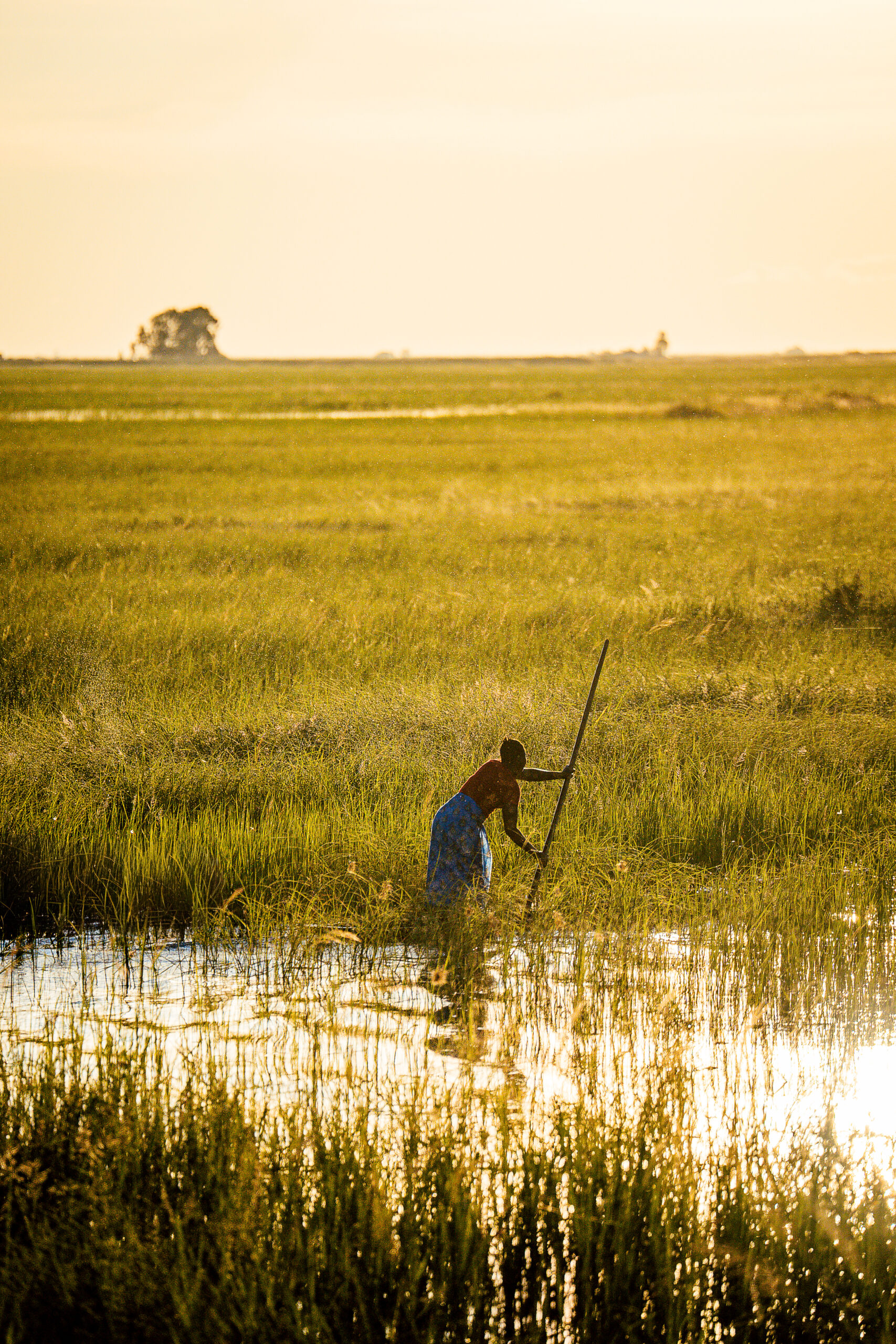
There is a version of Kuomboka that lives in photographs: a black and white Nalikwanda gliding across a flooded plain, hundreds of paddlers moving as one, red uniforms catching the light. It is genuinely a spectacular image, and it is also, in a real sense, only the final hour of a six-day event that most visitors never see in full.
To understand Kuomboka is to understand that it is not a scheduled parade for tourists. It is a royal household relocating: the kitchen staff, the bodyguards, the King’s barge, all of it. The ceremony one photographs on Kuomboka Day is the culmination of preparations that begin days earlier, in the dark, with drums.
A Ceremony Older Than the Word for It
Kuomboka means “to get out of the water,” and the tradition it names has been running for more than three centuries. It began as a necessity. When the Zambezi flooded the Barotse Plain each year, the Lozi kings, the Litungas, moved their royal households and livestock from the flooded capital of Lealui to higher ground at Limulunga. What started as a flood response became one of the clearest surviving examples of a kingdom whose governance is still built around the rhythm of a river.
Lealui has been a political seat of Barotseland since 1864, when King Sipopa first settled there, though it was King Lubosi Lewanika, who ascended to the throne in 1876, who cemented it as the kingdom’s administrative and ceremonial capital. Within Lealui sits the Lyangamba, an enclosed royal courtyard built from locally sourced materials in the late 1800s, which houses the King’s official residence. It is where enthronements, the installation of the Ngambela (Prime Minister), and the induction of senior Indunas take place. This isn’t reconstructed heritage. It is a working seat of government that also happens to be extraordinary to stand in.
The Flow You Won’t Read About in Photo Captions
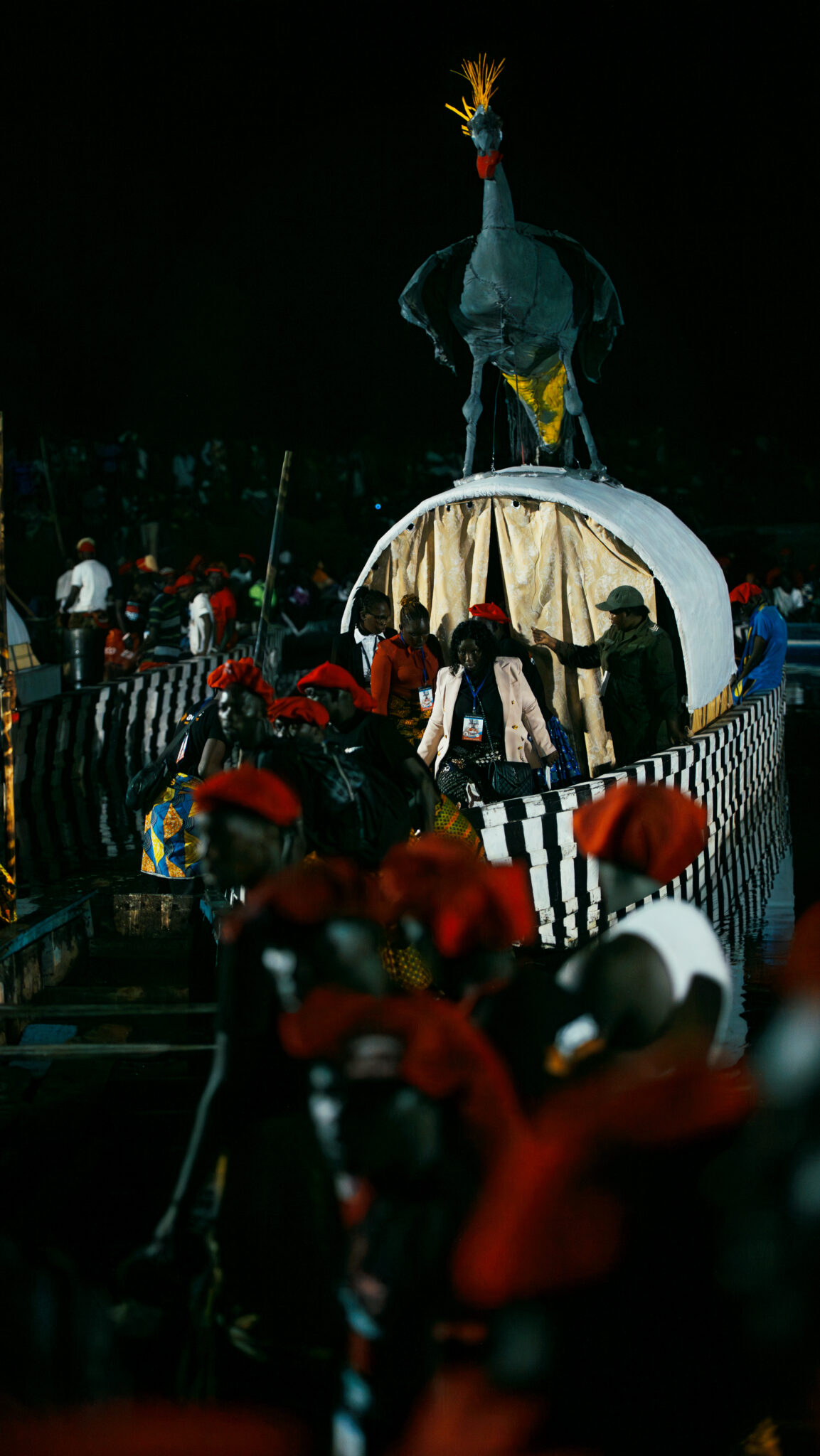
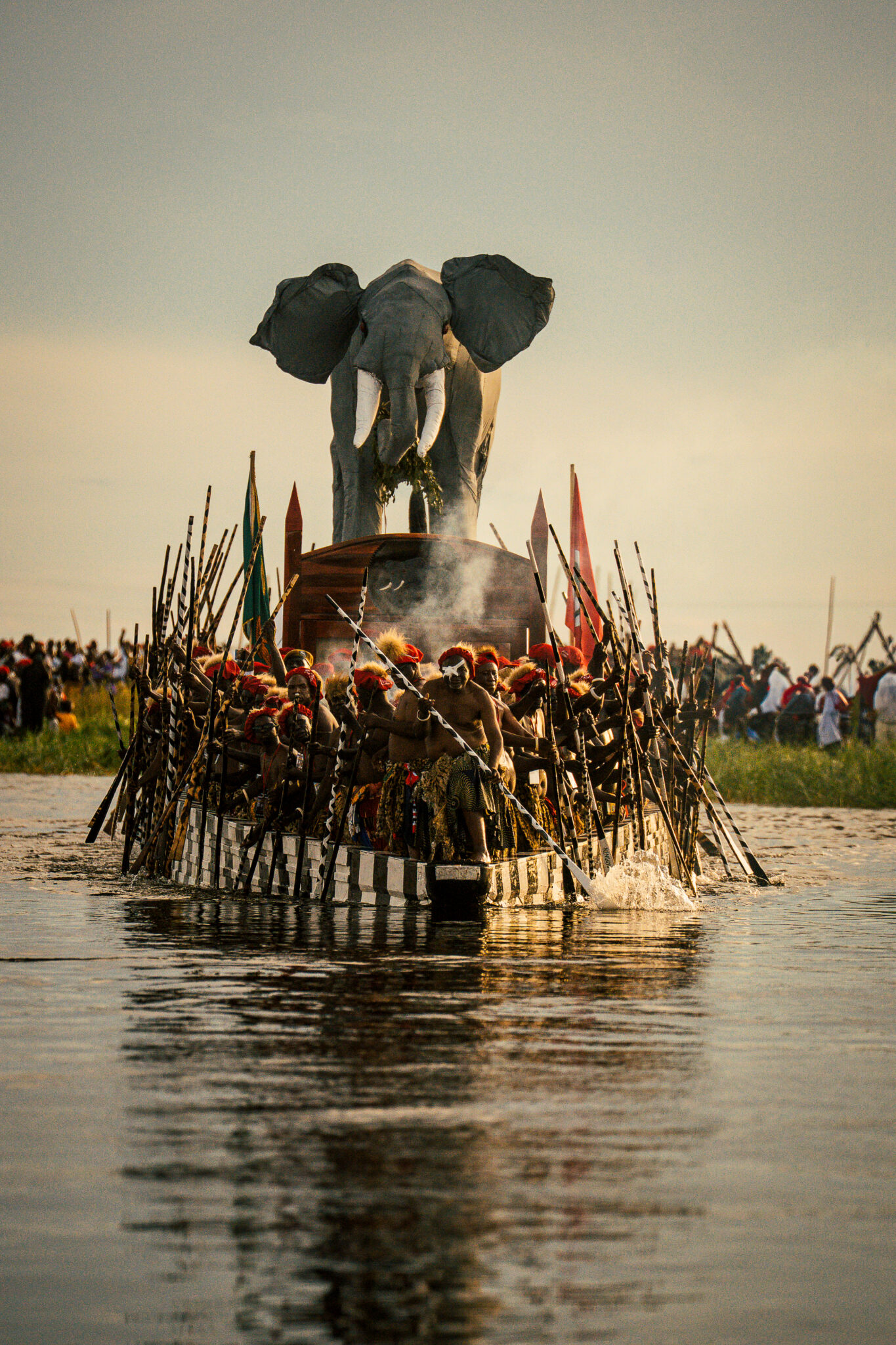
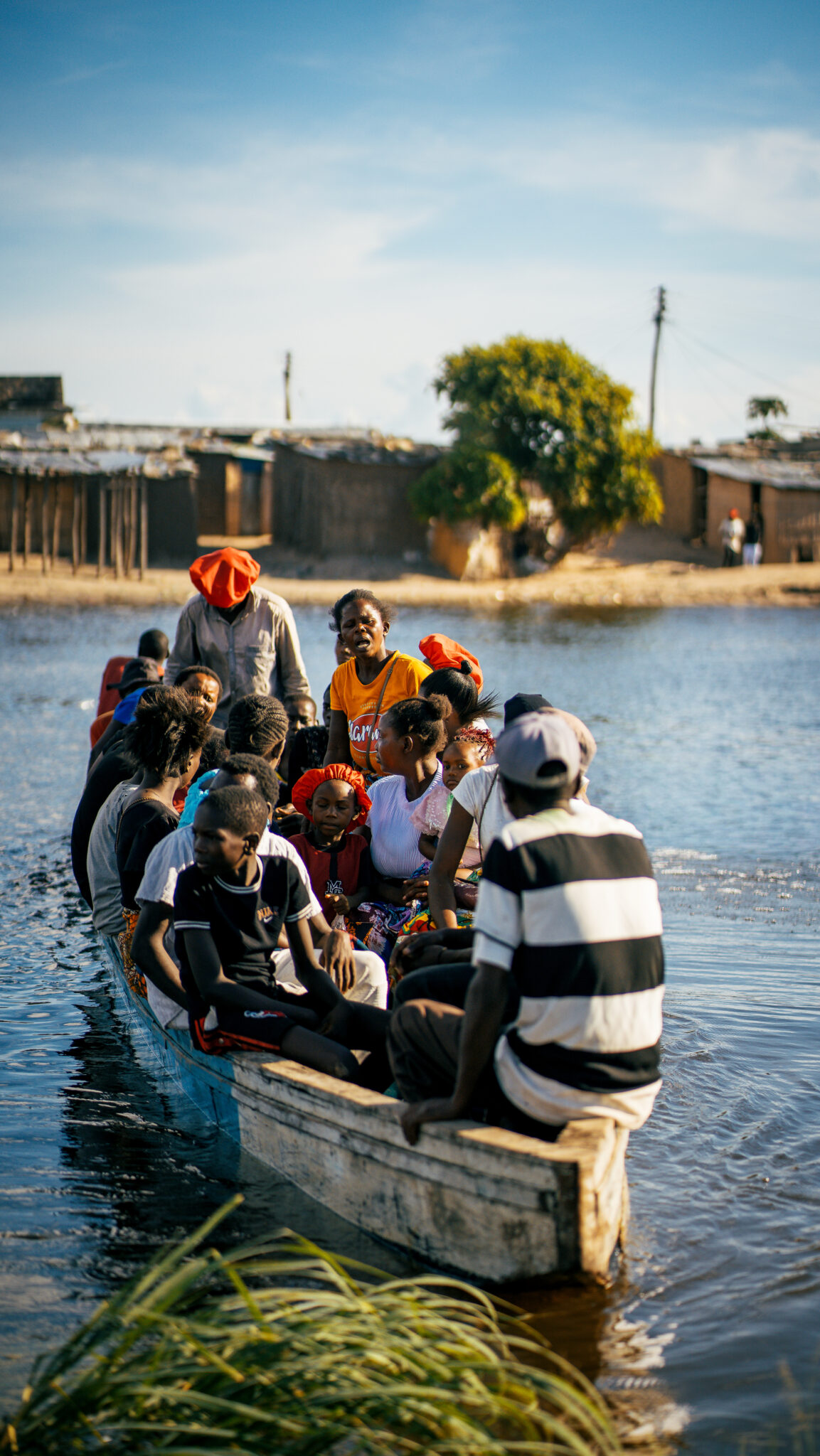
Everyone knows the Nalikwanda, the King’s barge, painted in black and white stripes, carrying the Maoma, Mutango and Sinkoya royal drums and paddled by up to 120 men. What is less visible from the riverbank is that an entire flotilla moves with it, each vessel with its own protocol.
Notila handles royal journeys outside Kuomboka itself. Its paddlers wear tail-feather headdresses and the traditional Siziba dress. Matende, similar in build to Notila, exists purely to move royal property. Mbolyanga belongs to the Litunga’s principal wife, the Moyo, and carries the crested crane that serves as her symbol, its wings worked from inside the hull. Sabelele carries the kitchen utensils and staff of the King’s Mother, the Mukwae Ngula. Nalikena is known as “the mother of boats.” Two surveillance canoes run ahead of the Nalikwanda to clear its final approach to Limulunga Harbour. Knowing this before you go changes what you’re watching. The barge isn’t the whole story, rather the flagship of a moving government.
The Six Days, If You Want More Than the Finale
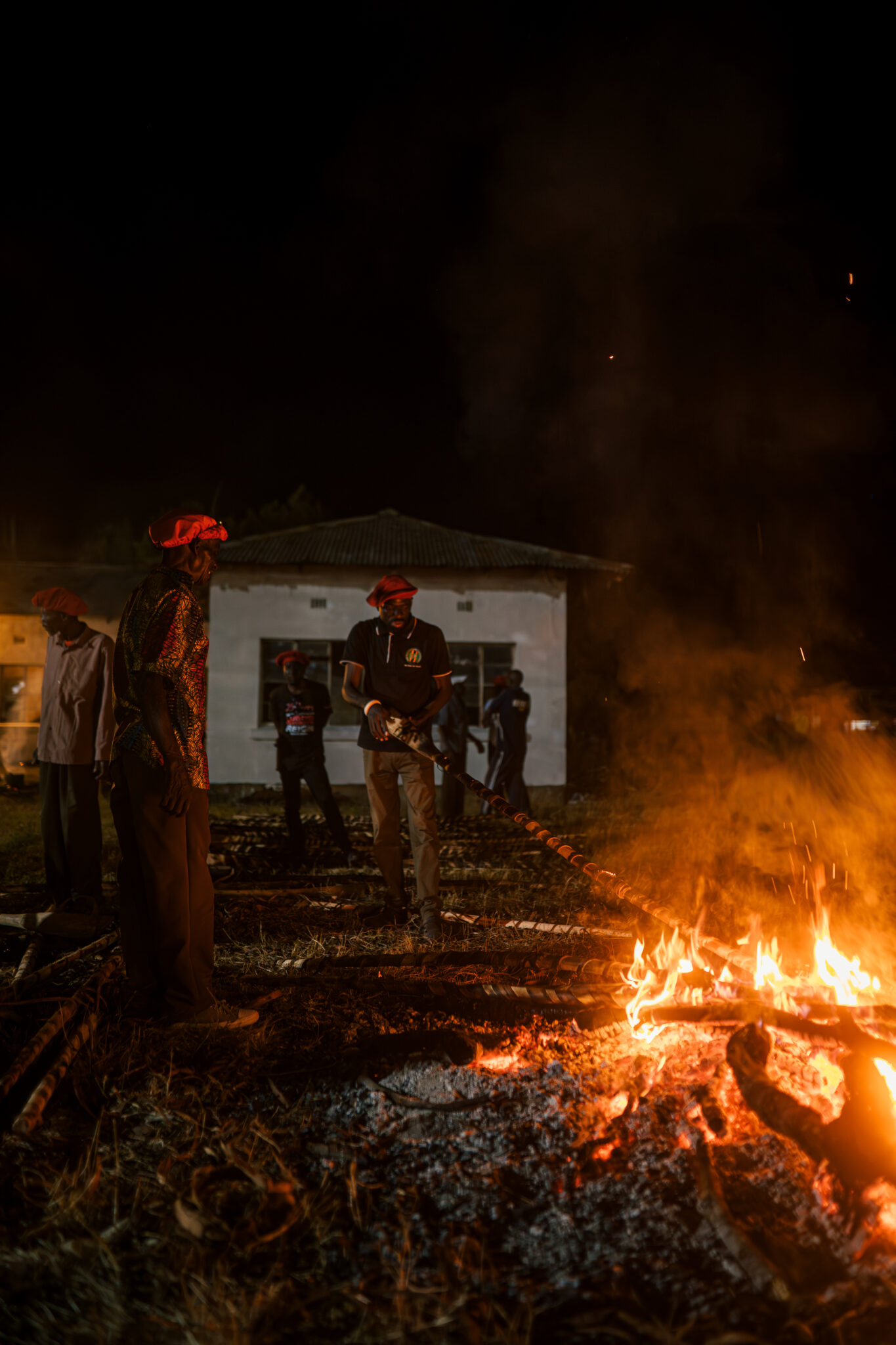
Most visitors arrive for Kuomboka Day and miss the preparation that comes before it, which is often the more memorable part. It starts two nights before the crossing, when the Maoma royal drums are beaten at 9 PM, first by the Litunga himself, in his role as Mbumu wa Maoma, “King of the Drums,” then by the Indunas and the general public, continuing until 11 PM. The following day brings the Royal Canoeing Regatta at Lealui, flagged off by the Litunga, as hundreds of paddlers from across Barotseland gather.
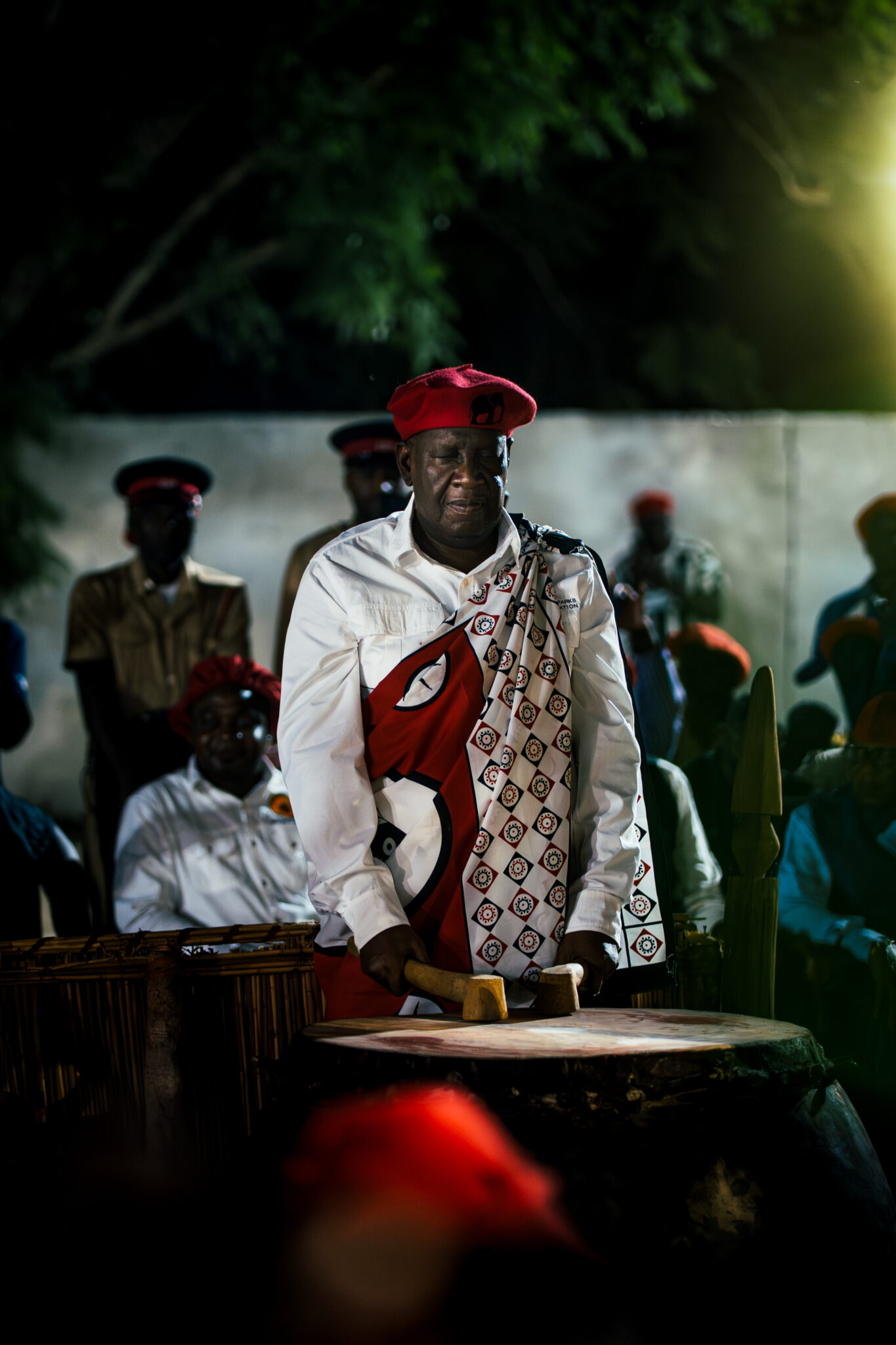
Kuomboka Day moves fast once it starts. At 7 AM the Mutango, the oldest of the royal drums, sounds at Limbetelo to signal departure. By mid-morning the Litunga, in traditional dress, walks to the harbour and boards the Nalikwanda.
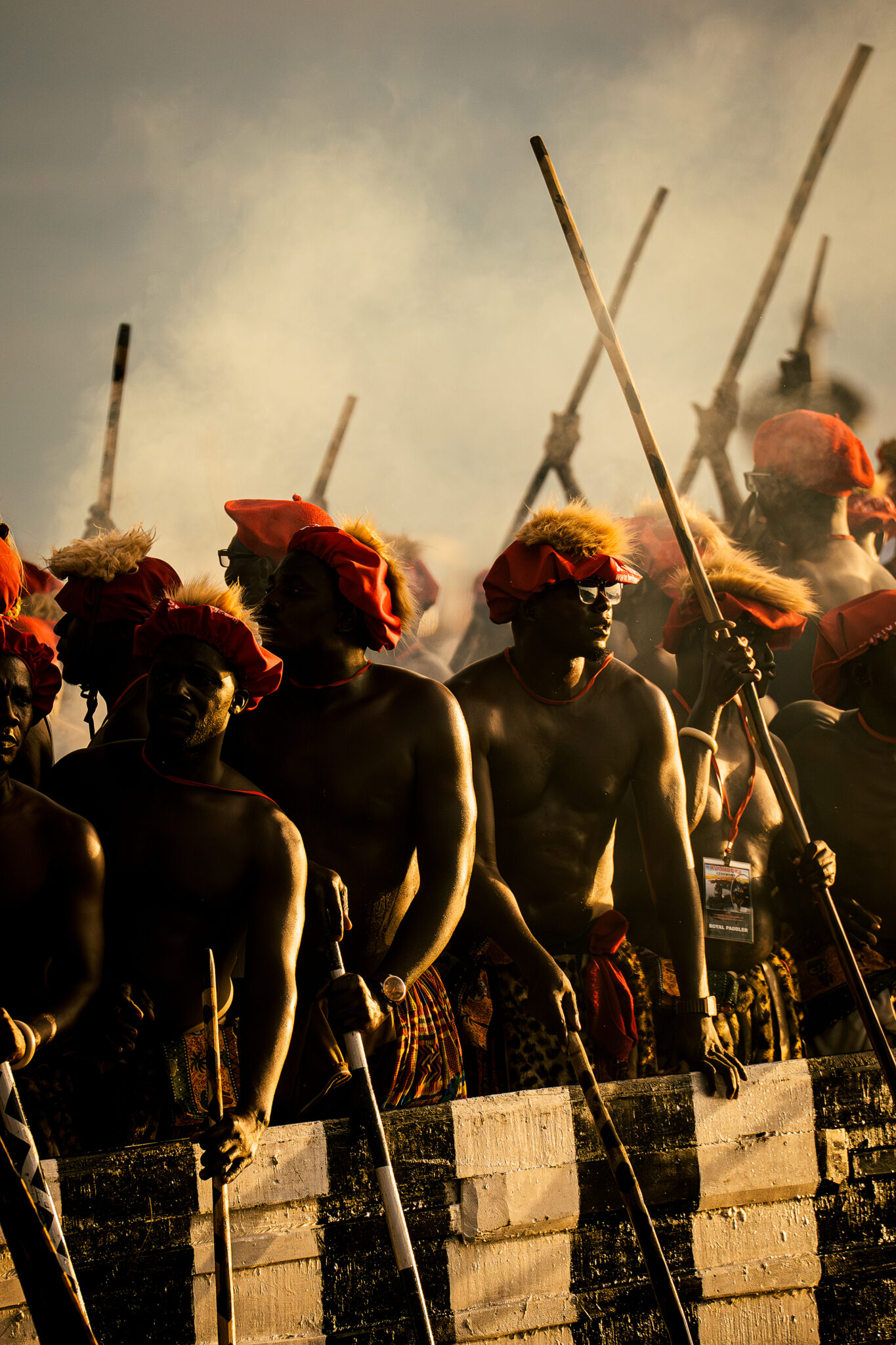
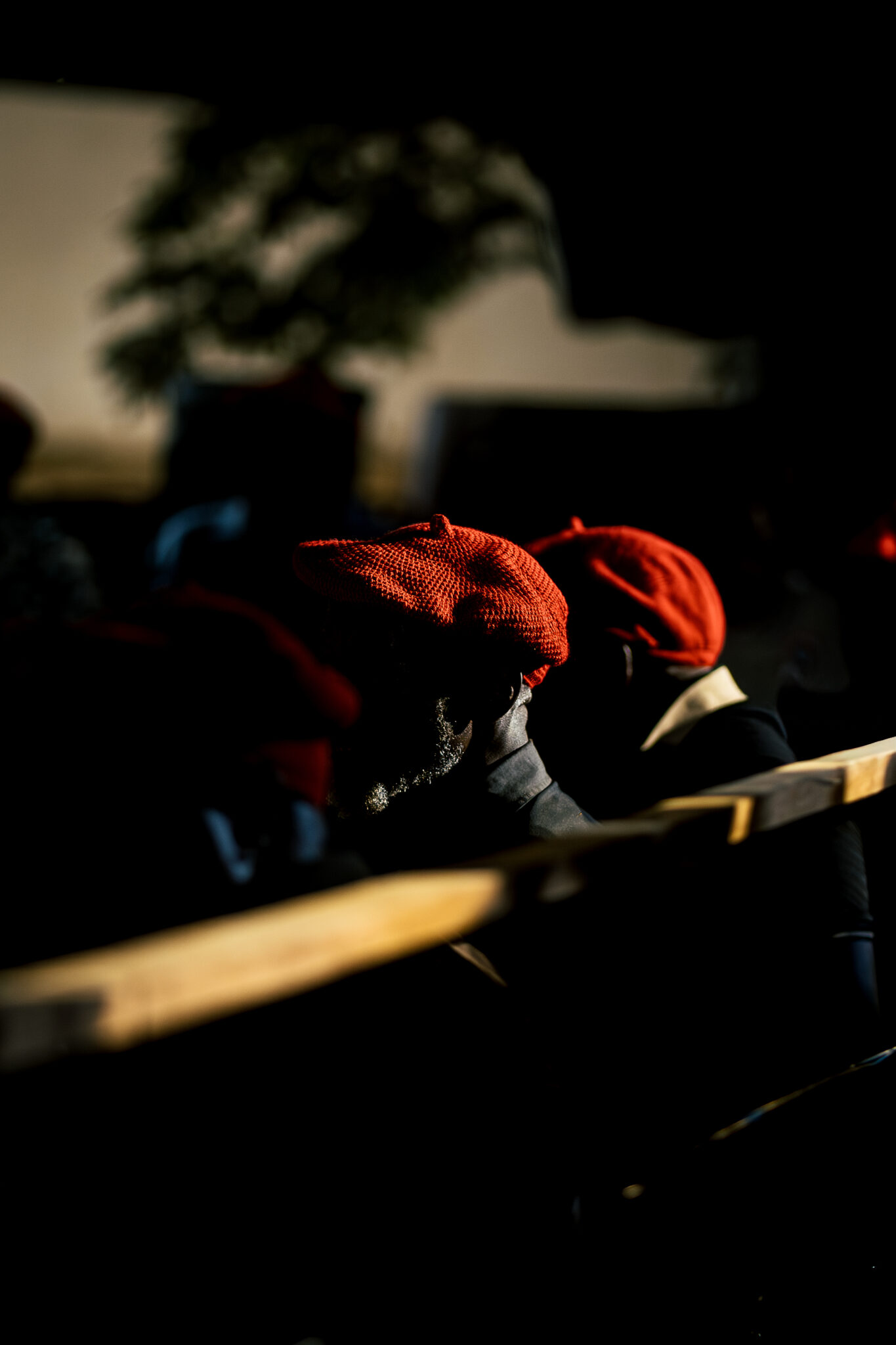
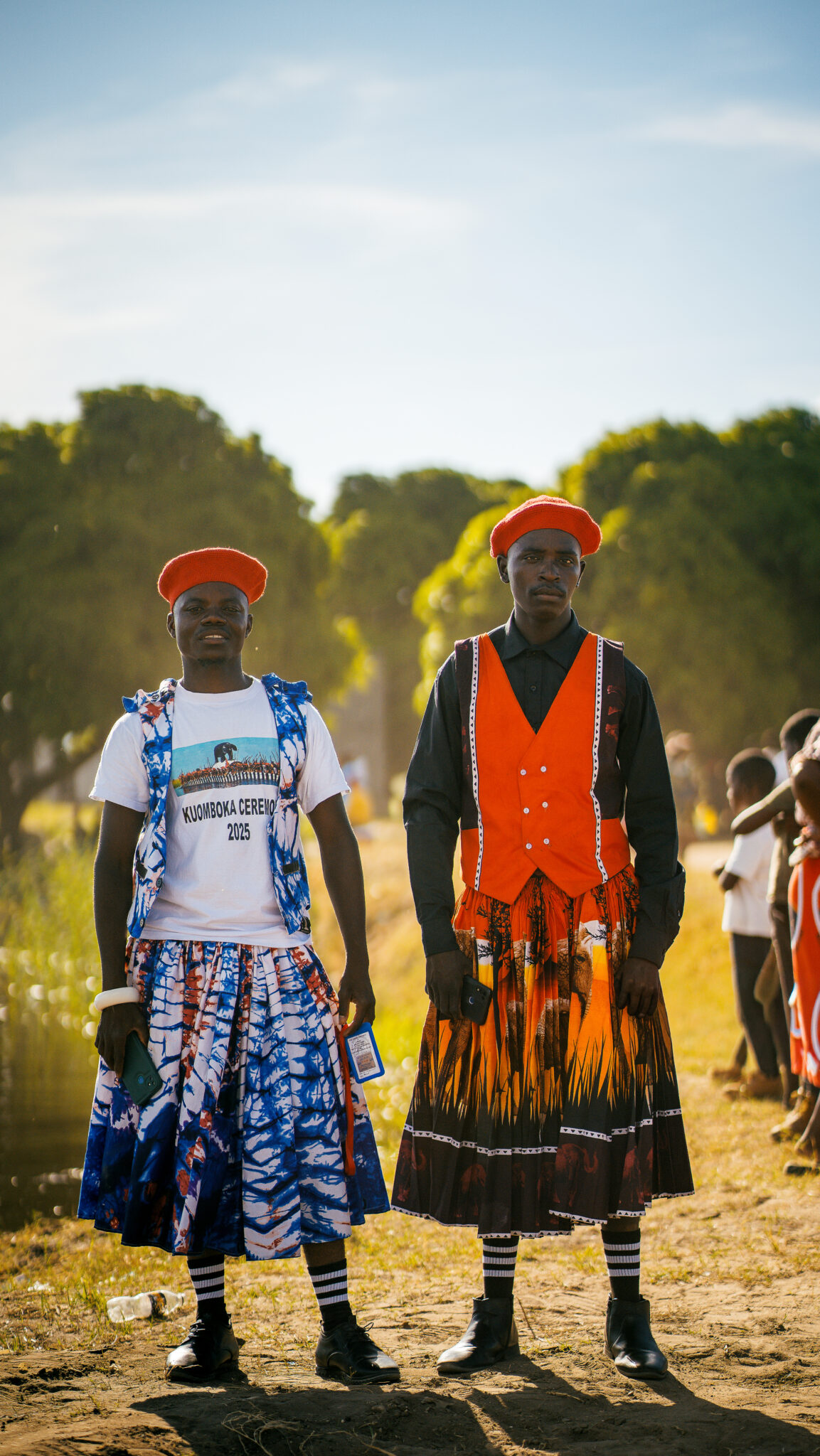
The days that follow are quieter and arguably more intimate. Mass is attended on Sunday, followed by a banquet where traditional dances and songs are performed. Men dress in animal skins (lipatelo) and red berets, while the women prepare for the Liwale dance. If your schedule allows only one extra day beyond the main event, make it the Liwale. It’s the one piece of the week built on the leadership of women within the ceremony, and it rarely appears in the travel highlight reels.
The King at the Heart of It
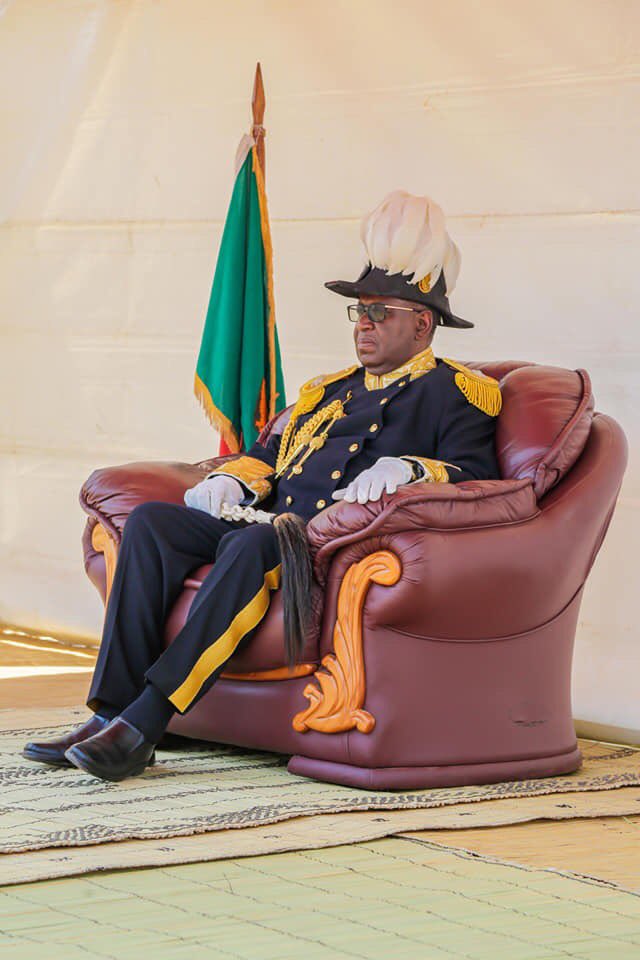
The 2025 ceremony carried extra weight, marking the Silver Jubilee of Litunga Lubosi Imwiko II, enthroned as King of Barotseland on 13 October 2000. His path to the throne was not solely ceremonial. He holds a social work degree from the University of Zambia and a postgraduate diploma in urbanisation from the University of London, and built a career across mining, government enterprise and private business, including safari and game ranching ventures in Livingstone and Chiawa. Since becoming Litunga he has pushed commercial rice farming in Kaate, expanded cattle ranching, and worked with African Parks on the redevelopment of Liuwa Plain National Park. That partnership, between African Parks, the Barotse Royal Establishment and the Zambian government, has run since 2003 and was renewed again in July 2026. He has also been credited with reviving the dress styles of the Malozi now recognised as national Zambian attire.
None of this is visible from the riverbank, but it’s worth knowing that the man on the barge has spent 25 years building the kind of institutional groundwork that keeps centuries of tradition secure in the present.
Getting There, and What to Expect
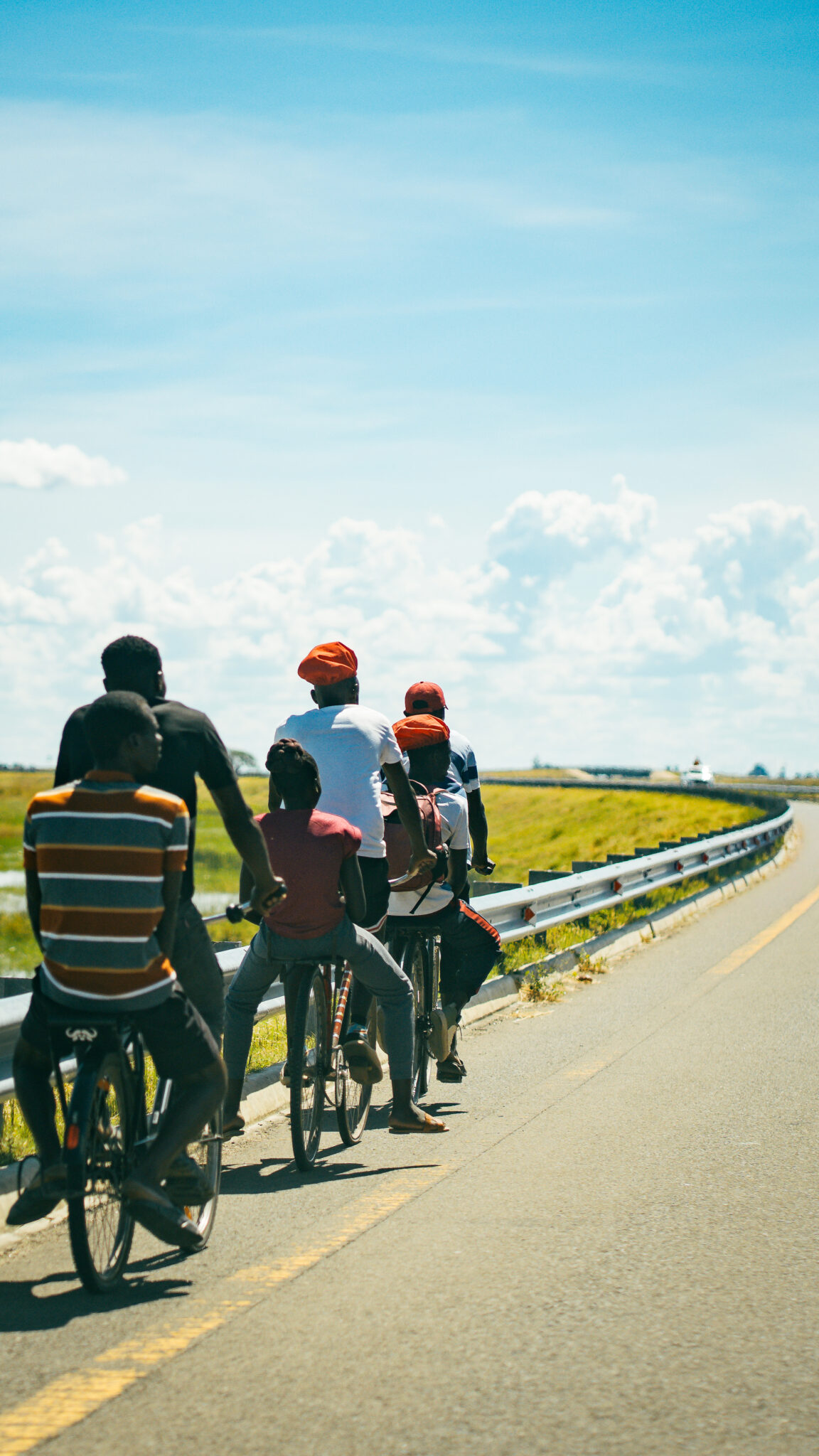
Mongu is the gateway provincial town that absorbs the crowds, the vendors and the returning families in the days before the ceremony. It’s a real shift from Lusaka’s pace: open floodplain skies, unpaved stretches on the approach roads, and a town that essentially reorganises itself around the event for the week. Accommodation in Mongu fills up well ahead of Kuomboka Day, and self-drive or 4×4 hire is common given the terrain once you’re off the main routes.
Timing is worth checking closely rather than assuming. Because Kuomboka is triggered by actual flood levels rather than a fixed calendar date, the date shifts year to year. The 2026 ceremony fell on 28 March, and in low-rainfall years the crossing has been shortened or called off entirely. Confirm dates with the Barotse Royal Establishment or local tourism contacts close to the time rather than relying on a general “usually April” assumption.
What you’re arriving for, ultimately, isn’t a single photograph. It’s six days of a kingdom conducting its own business in public. Drums that summon paddlers, a Prime Minister’s canoe, a King’s mother’s staff, a warrior dance, a women’s dance, all of it moving toward the same higher ground the Zambezi has been pushing people toward for three hundred years.
Photographs by Severino The Wolf.
Kunda Nampasa is a creative professional with a degree in Fashion Merchandising and French from Marist University. With experience in fashion communications and textile design, Kunda specializes in product development and sustainable textile techniques.
Want more reporting like this? Guzangs covers the African creative economy every week: the ceremonies, the markets and the institutions that price and validate the work. Subscribe to get it in your inbox.