


How Brands Sell Belonging
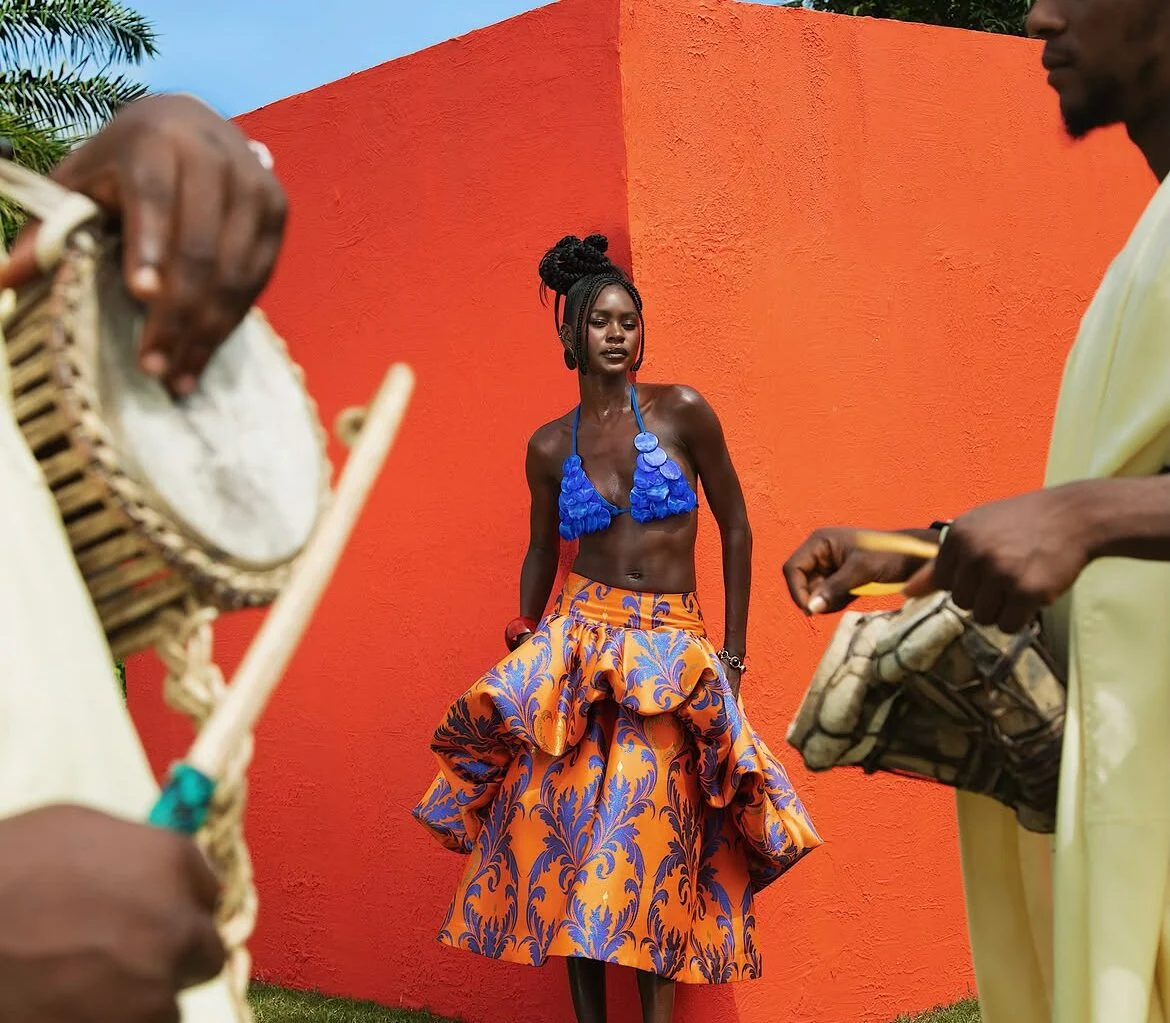
When Fisayo Longe, founder of Kai Collective, married earlier this year, the occasion was heartwarming. But it also felt like a trifecta of invisible things: a testament to the enduring strength of Kai Collective; an illustration of what it means to build a community around a brand; and, most compellingly, a kind of marketing masterclass in how belonging itself can be sold.
I have spent the past week studying the visual and marketing archetypes of some of the continent’s most visible fashion brands, and I have been struck by the languages woven into their products, or perhaps the perception of them. Consumerism is rarely as rational as we like to believe. Gerald Zaltman, a Harvard Business School professor, explores this in his book How Customers Think, arguing that consumers can offer perfectly rational explanations for their purchases without those explanations being the real psychological reasons they wanted something in the first place.
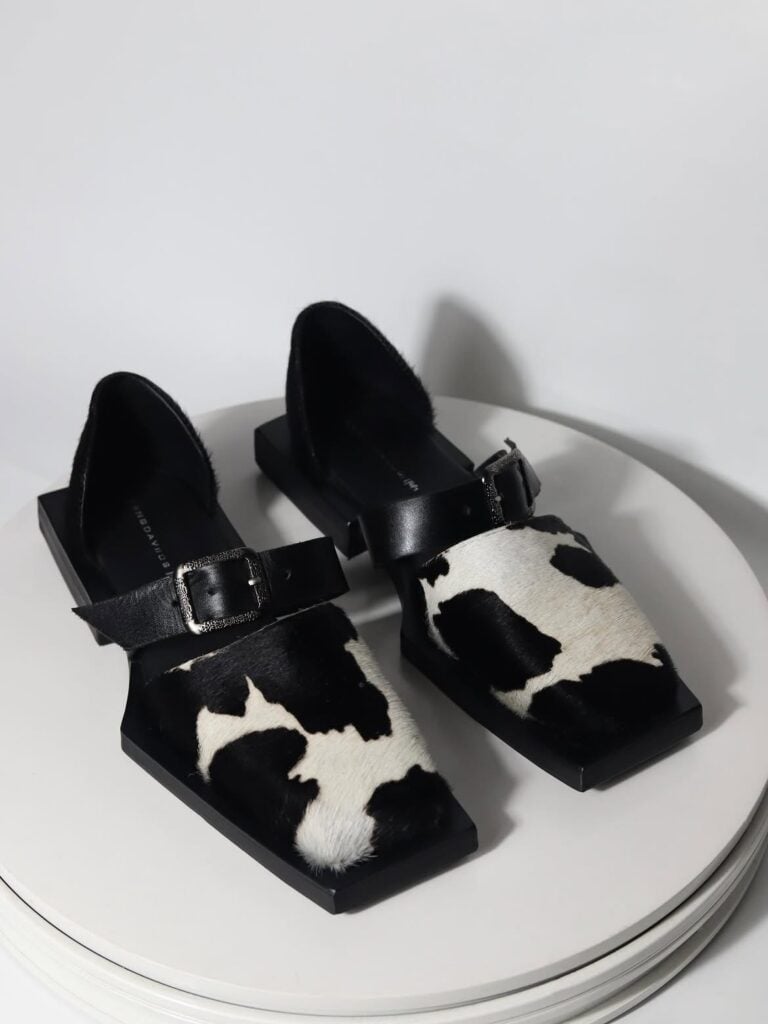
But there is something particularly powerful about belonging: what it can create, the void it can fill, the identity it can reveal. It can be a group of people gathered in a room, but it can also be the symbolism behind the dress worn to celebrate Lisa Folawiyo’s 20th anniversary; the stay at Giraffe Manor in Kenya for the first time after years outside the continent; or a pair of Kiing Daviid shoes that creates a sense of elevation.
What matters, perhaps, is not what is being bought, but what is being felt. The anticipation of the trip. The excitement of wearing the dress. The feeling of entering the room. The quiet satisfaction of knowing that one belongs, or sometimes that one stands out. We are not only purchasing objects or experiences; we are purchasing feelings, identities and, sometimes, the possibility of becoming someone or belonging somewhere we have imagined for ourselves.
The brands that endure are often the ones that understand the psychology of consumerism. They build around a recognisable philosophy and communicate that essence consistently in their storytelling, their products, their campaigns and the worlds they create around them. They give consumers something to believe in, something to identify with and, ultimately, something to feel.
A Vogue Business article that surveyed 3,103 global luxury consumers found that brands with strong perceptions around heritage, timelessness, trust and elevated status tended to have stronger purchase penetration and future purchase intent. It described trust and elevated status as “softer brand equity measures” that are harder to cultivate but have a tangible relationship with sales success.
Aspiration is one of the languages African brands use when they want to sell. Part of this may have to do with the continent’s class distinctions, and with the enduring appeal of luxury as an idea, even among consumers who may not be able to afford it. A product can give consumers the feeling of arrival, of moving towards a version of themselves that feels more successful, accomplished or socially elevated. It produces a subtle illusion of status, a momentary sense that you have crossed some invisible threshold and emerged into something more.
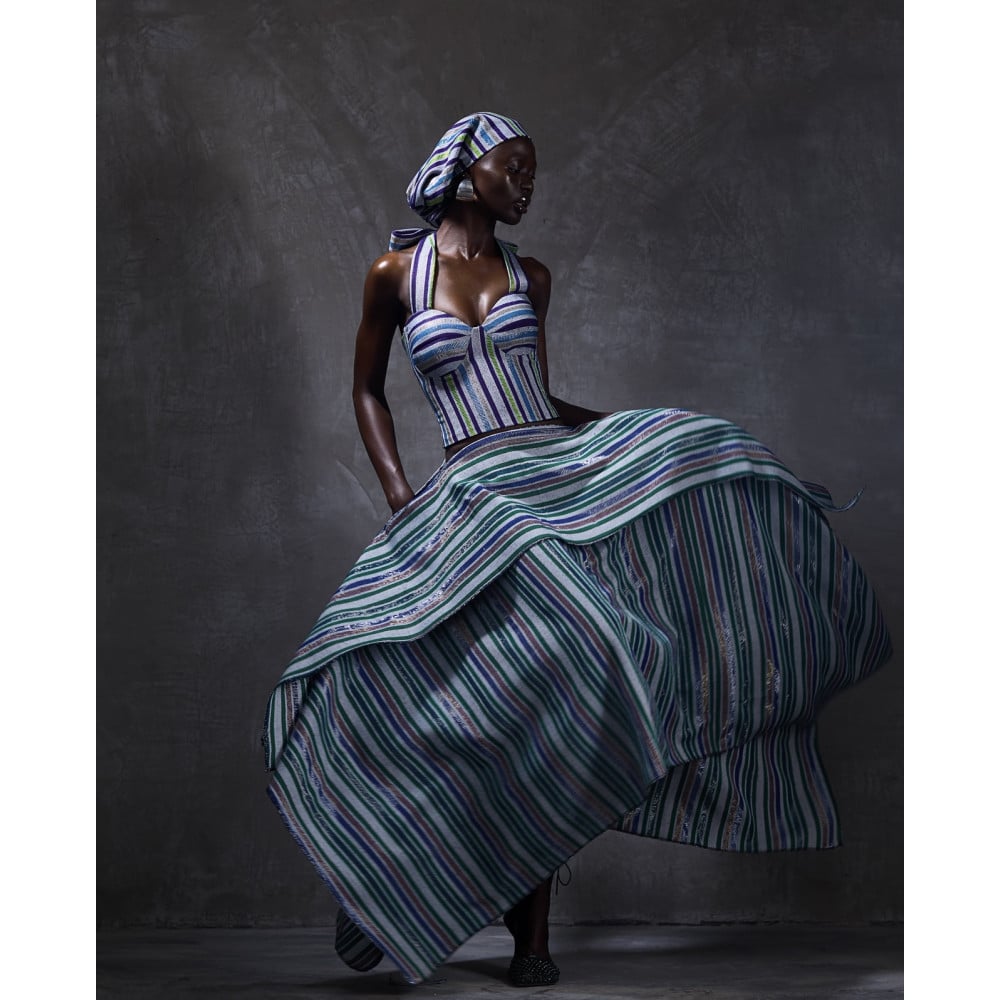
Imagine, for illustration, an average-income woman working in real estate in Lagos who saves for months to splurge on a $463 Mowa set from Hertunba. She knows she is not buying the dress simply because it is made from aso-oke. Wearing it signals something: an elevated version of herself, and a particular image she wants to project to the world.
There is also the more intimate feeling that comes with the purchase: the sense that she, too, now possesses something of substantial value, something that places her a little closer to the life she has imagined for herself. The dress becomes a marker of progress, perhaps even a small piece of evidence that the person she wants to become is already beginning to take shape.
This offers one way of thinking about luxury in Nigeria and elsewhere. The product is not always consumed for its rarity, craftsmanship or heritage alone. It can also be consumed for what it communicates: progress and status.
Identity is perhaps one of the most powerful things brands sell, because people are often searching for objects, experiences and places that reflect something back to them: who they are, where they come from, how they see themselves or who they want to become. Sometimes that connection is rooted in culture. People buy because a product reminds them of the community they belong to, or because it allows them to be recognised by others who share that cultural language. Sometimes it is nostalgia, the strange pull of something familiar, even when it is a familiarity we have inherited rather than experienced ourselves.
In his landmark 1988 paper, “Possessions and the Extended Self,” published in the Journal of Consumer Research, Russell Belk argues that possessions are not merely external objects we own. They can become incorporated into our sense of self, what he calls the “extended self.” In that sense, identity becomes a kind of invitation. The brand offers the object, but the consumer builds the world around it, bringing their own memories, culture, aspirations and sense of self into the story.
Belonging completes the trifecta. It is one of the most recurring themes in consumerism, particularly on the continent, and what makes it powerful is its foundation: shared values, familiar cultural references and the quiet reassurance of community. A product, a place or an experience can become a kind of social language, connecting people while creating a sense of familiarity that makes them feel understood.
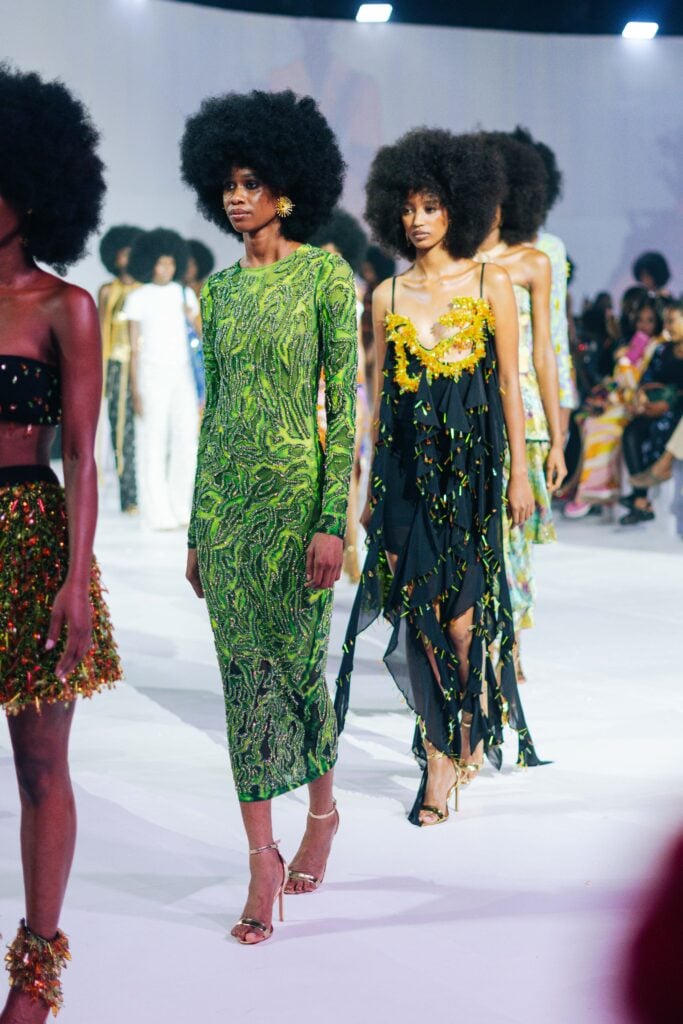
A brand like Onalaja does not have to tell its audience to buy the product. It sells an idea of what an Onalaja woman should look and feel like. It sells confidence and inclusivity, as well as the desire to wear something born out of cultural hybridity, from the meeting of Edo and Yoruba culture. Through its storytelling, the brand constructs a particular dream, inviting its audience to recognise themselves within it.
That is what belonging does. It creates a psychological effect in which people begin to feel part of a community of others who understand and share the values and philosophy of a particular brand. It creates a sense of possibility, even a sense of what might be missing, while offering an image of how that gap might be filled. It assumes its audience wants more, and then gives them a particular image of what that “more” looks like.
A 2025 study in the International Journal of Consumer Studies, “The Impact of Power States and Belonging on Masstige Luxury Consumption,” found that consumers’ need for belonging influences their attraction to, and intention to purchase, masstige luxury fashion. And this is where the conversation about wealth becomes particularly interesting. Wealth is not only about what people can afford to buy. It is also about the worlds they gain access to, the people they can identify with and the communities in which they are made to feel at home.
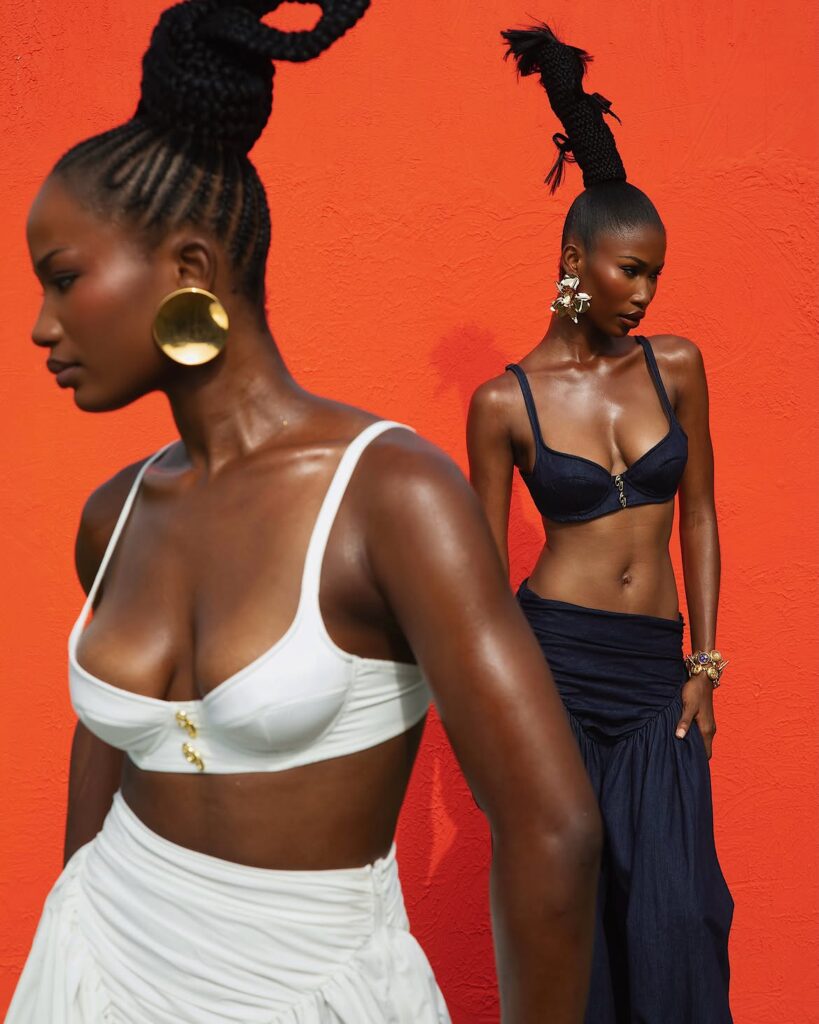
For someone who has become something of a poster child for the visible African fashion entrepreneur, Fisayo Longe is an especially instructive case. She has spent the better part of the past decade building Kai Collective, and she has been unusually open about how she navigates the business of fashion: its successes, its difficulties and the thinking behind the brand she has built.
That visibility has created something more intimate than the conventional relationship between designer and consumer. There is a parasocial quality to it: people have watched her build Kai, followed her evolution and, in some ways, come to understand the person behind the clothes. This is not to suggest that Longe should become a blueprint for emerging brands. But after a decade, she offers a useful case study in one of the more difficult questions facing them: how do you turn a customer base into a community?
Kai’s longevity offers one possible answer. There is a reason customers will turn up at a Kai pop-up in the early hours of the morning, eager to buy. The clothes are part of the attraction, but they are not the entire story. There is anticipation, recognition and the feeling of participating in something that already has a community around it.
For younger entrepreneurs operating without Kai’s capital, visibility or infrastructure, that distinction matters. They may not be able to reproduce the scale of the business, but they can pay attention to the mechanism underneath it: a brand becomes more durable when people feel that there is something beyond the product to which they can attach themselves.
For me, there is also a broader question about the responsibilities of any brand that sells a sense of cultural belonging. There can be a darker side when the relationship between a brand and the culture it represents becomes more aesthetic than reciprocal, when designers become more invested in the philosophy and visual language of a place than in the people and systems that sustain it. The questions are often practical. Where are the products made? Who makes them? What happens to the money that flows through the supply chain? Does a brand go elsewhere to manufacture because local infrastructure is difficult, or does it find ways, however modest, to keep some of that value within the ecosystem? Does it work with local talent, invest in artisans and build relationships with makers?
Of course, the realities on the ground matter. African designers often operate within systems where manufacturing, logistics and access to materials can be difficult, expensive or unreliable. The question is not whether every brand must solve these problems alone. It is whether, within those limitations, there is any attempt to build a relationship with the place and people whose culture has become part of the brand’s value. The problem becomes more complicated when a designer tells the diaspora, this is home, and then monetises their longing for a place they may barely know. The language of home becomes a selling point, while the relationship with the actual home remains thin.
The brands that survive for decades are rarely sustained by product alone. They build symbols, rituals, stories and communities around what they sell. They give consumers something to identify with, and sometimes something to identify themselves as.