

The Burden of Silence: Why African Men Struggle to Talk About Mental Health
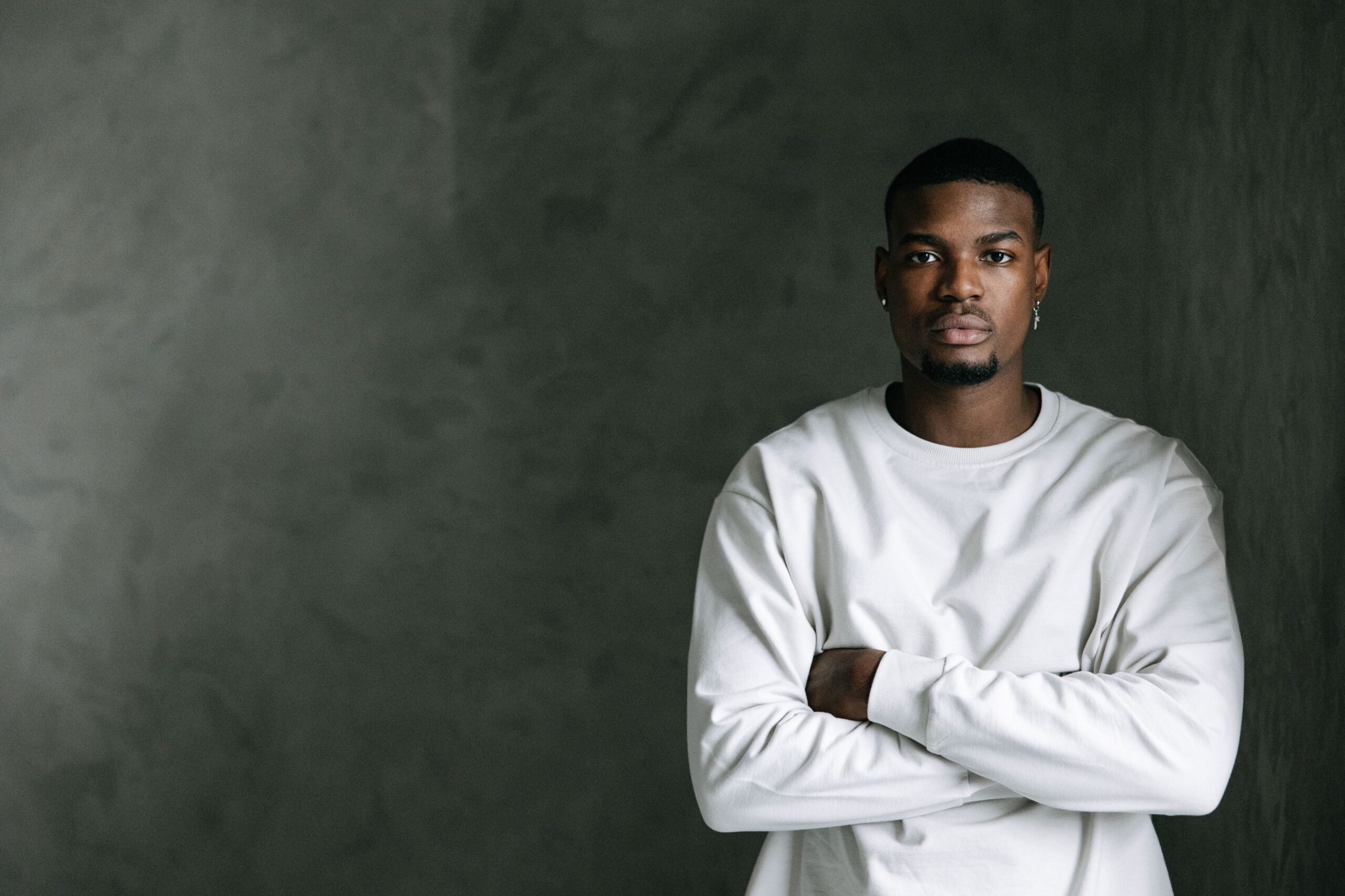
Femi*, a tech analyst based in Abuja, Nigeria’s capital city, says he grew up being bullied in his boarding school due to his size, which forced him into depression from an early age and interfered with his grades. It got worse until he asked his parents to help him see a therapist. “One day, after I started therapy, I was having a conversation with my mom and she said I just have to fight it to get through it. I’m allowing these things to consume me or something. That I’m being too soft and yeah sometimes I have seen myself as a soft person but then over time I come to realize that that’s just… how to say it. I’m not necessarily soft, it’s more like I’m more in touch with my emotions; that’s the word. I’m more in touch with my emotions in a way that most men aren’t. So it wasn’t something I had the opportunity to discuss a lot,” he says.
He also doesn’t blame his mother for not understanding, adding that her parents were hard on her so she wasn’t the best at dealing with emotions.
Femi’s case represents a percentage of parents who dismiss medical examination and treatment for mental health struggles, not because they do not believe in them but because they think it is either a waste of resources or simply unnecessary, having come from a cycle of dealing with it yourself or praying about it.
Femi was also one of the few men willing to speak for this story. When we put out a call for men to share their experiences, few responded, and most of those who did went quiet once the conversation turned personal.
For many African men, strength is one of the first lessons they inherit. But too often, strength is taught as silence. From childhood, boys are told not to cry, not to complain, not to burden anyone with their feelings. They learn to keep disappointment to themselves, to swallow grief, to hide fear because vulnerability is often met with ridicule rather than compassion.
Instead, many search for other ways to numb what they cannot express. Some turn to alcohol. Others to drugs, work, anger or distraction, anything that offers even a fleeting escape from emotions they have never been given permission to name. But the feelings never disappear. They accumulate, layer upon layer, until the weight becomes unbearable.
This silence comes at a cost. Across the world, men are less likely to seek help for their mental health and are more likely to die by suicide. In many African societies, that burden is compounded by deeply rooted ideas of masculinity that equate emotional openness with weakness, in a system that treats mental health crises with minimal attention. To ask for help is seen as unmanly. To admit pain is seen as failure.
These beliefs are rarely questioned because they are inherited. Fathers pass them to their sons, who often pass them to the next generation, creating a cycle in which emotional repression becomes tradition. But why did society build a culture where men are expected to carry unbearable emotional weight alone?
“I think patriarchy is the first problem,” says Dr. Uthman Abubakar, a clinical psychologist. “Our society was built around patriarchal systems, where men were assigned the roles of protectors, providers and authority figures. Those roles come with enormous pressure and the expectation that men must always be strong and in control. The problem is that this leaves very little room for empathy. Instead of asking how a man is coping, people compare him to others. They say, ‘Other men are doing it, so why can’t you?’ That comparison reinforces the belief that every man should be able to carry the same burdens in the same way.”
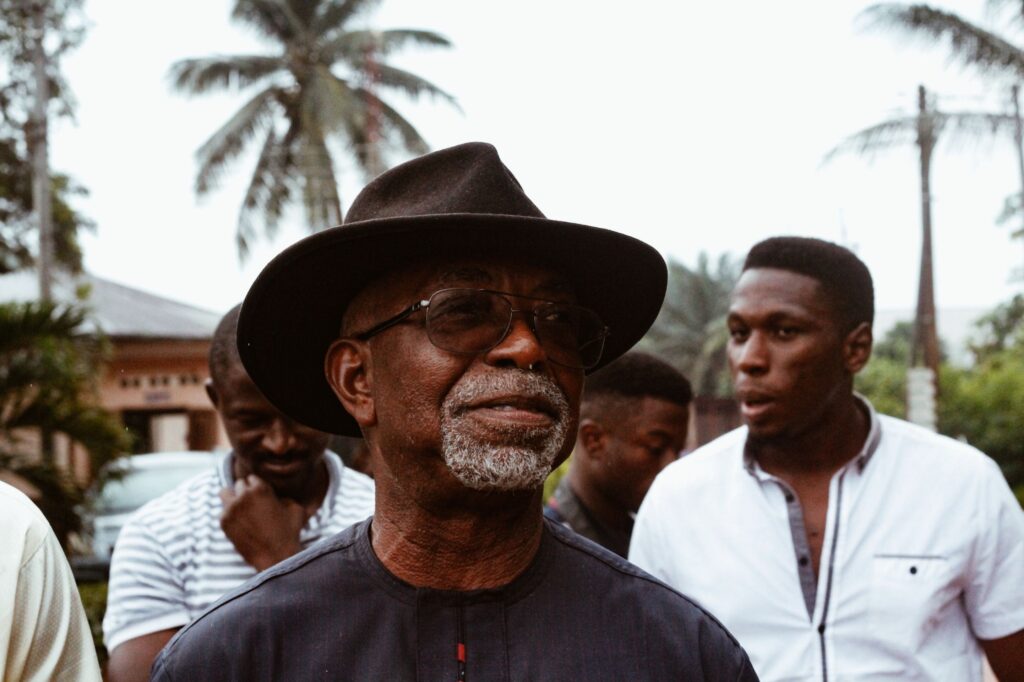
Abubakar also says that this stigma is due to a lack of awareness and understanding of mental health disorders, what he calls the “semantics behind mental health.” Society doesn’t always believe that a person’s problem might be mental health related, so when people begin to experience these challenges, they don’t know what they are or whether they should seek professional help. Many assume it’s something they should be able to deal with on their own.
“We also struggle to recognise neurological conditions and mental health disorders. They are different conditions, but both can affect how people function in their daily lives. Yet many people don’t know the signs or when to seek help. A child could be living with anxiety, bipolar disorder, schizophrenia or another mental health condition, but because people don’t understand, they label him too difficult or even take him to the mosque instead of the hospital.”
Perhaps this has to do with poverty. For millions of men, the immediate concern is finding enough money for food, housing, school fees or healthcare. Mental health often becomes a secondary priority, even when they are struggling emotionally. Limited access to affordable mental health services, a shortage of trained professionals and the high cost of treatment mean they either go undiagnosed or receive help only when their condition has become severe. In many communities, seeking therapy is still viewed as a luxury, when it’s an essential part of healthcare.
The broader challenges facing many low and middle-income countries further deepen the problem. Underfunded healthcare systems, limited public education about mental health and a lack of government investment have left awareness campaigns and mental health services out of reach for much of the population. At the same time, unemployment, economic instability, conflict and displacement expose many people to chronic stress and trauma while reducing their ability to access care. And all these structural barriers create a cycle in which mental health disorders remain poorly understood, heavily stigmatized and inadequately treated.
According to the World Health Organization, an estimated 727,000 people died by suicide globally in 2021, with men dying at more than twice the rate of women. The WHO’s African Region recorded the highest male suicide rate of any region in the world that year, and experts caution that the true number of deaths is likely underestimated because of stigma and gaps in reporting systems.
“I think it starts with self-awareness and self-acceptance,” says Abubakar when I ask him the best approach. “Men need to accept that they may be struggling with a mental health condition and understand that it’s okay to seek professional help to navigate those challenges.”
He also says he has worked with many clients who tell him that, during the early stages of their mental health struggles, their families took them to spiritual houses instead of seeking medical care. “One client has been living with chronic anxiety disorder and dyslexia. As a child, he struggled academically and found it difficult to socialise. But instead of recognising that he might have a mental health or learning condition, his parents believed he was under spiritual attack. They took him from one church to another, where they were told he had a spirit affecting his life,” he says.
It wasn’t until he was 21 that he was properly assessed and diagnosed with chronic anxiety disorder and dyslexia. By then, he had already dropped out of secondary school and never made it to university because no one had identified the root of the problem.
“I think we need to accept that religion is not the solution to every problem. Faith can be important for many people, but it should not replace medical care. When someone is struggling with a mental health condition, it’s okay to seek professional help instead of assuming that prayer alone will solve it,” he adds.
He also says that changing the conversation around men’s mental health will require more than encouraging men to speak up. It will mean dismantling the cultural expectations that have long taught them that silence is strength. It will require governments to invest in mental healthcare, schools to teach emotional literacy, families to recognise the signs of psychological distress and communities to treat mental illness with the same urgency as physical illness.
For generations, African men have inherited the belief that enduring pain in silence is part of becoming a man. But silence has never been proof of strength. If anything, it has left too many men carrying burdens they were never meant to bear alone. Breaking that cycle may begin with something as simple and as radical as giving men permission to say, “I’m not okay,” and ensuring that when they do, someone is there to listen.
*Name changed to protect the source’s privacy.
If you or someone you know is struggling, directories of crisis helplines by country are available at befrienders.org and findahelpline.com.