


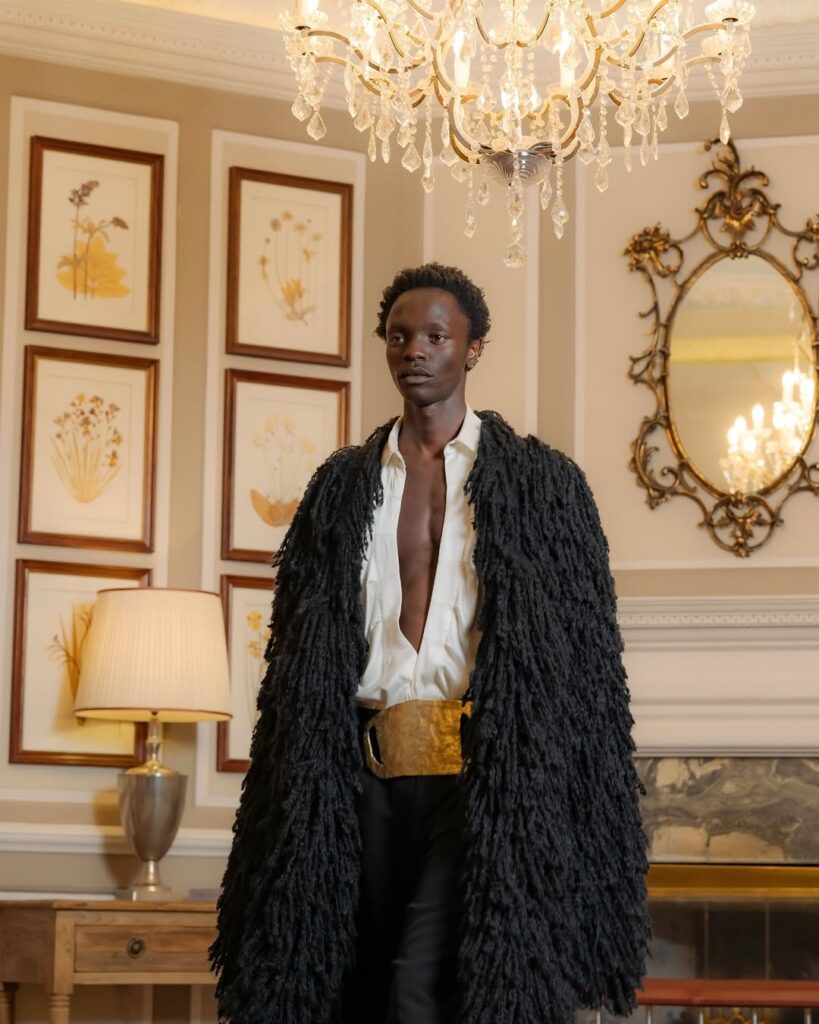
While African fashion has reached greater heights—the question of what makes a brand “African” resists easy answers. It can’t be answered through surface-level aesthetics or generic motifs, but instead, it demands a deeper interrogation of history, structure, and power.
At first glance, one might say an African brand is one founded or designed by an African. To clarify, our inquiry isn’t to contest someone’s ancestry. But what happens when an African designer, trained in Paris, produces garments in Bangladesh, inspired by Japanese streetwear, and sells predominantly to North American consumers? Is that still an African brand? And if so, what gives it that identity? Is it the passport, the inspiration, the production site, or the audience?
These questions all speak to the postcolonial conditions under which African designers operate, where global visibility often means adopting the logic and language of how Western fashion is curated.
From wax prints to kente, the fashion industry relied on these symbolic cues to define what looks African, rather than engaging with the deeper structures that shape why these brands emerge in the ways they do.
A Chequered History and the Labour Question
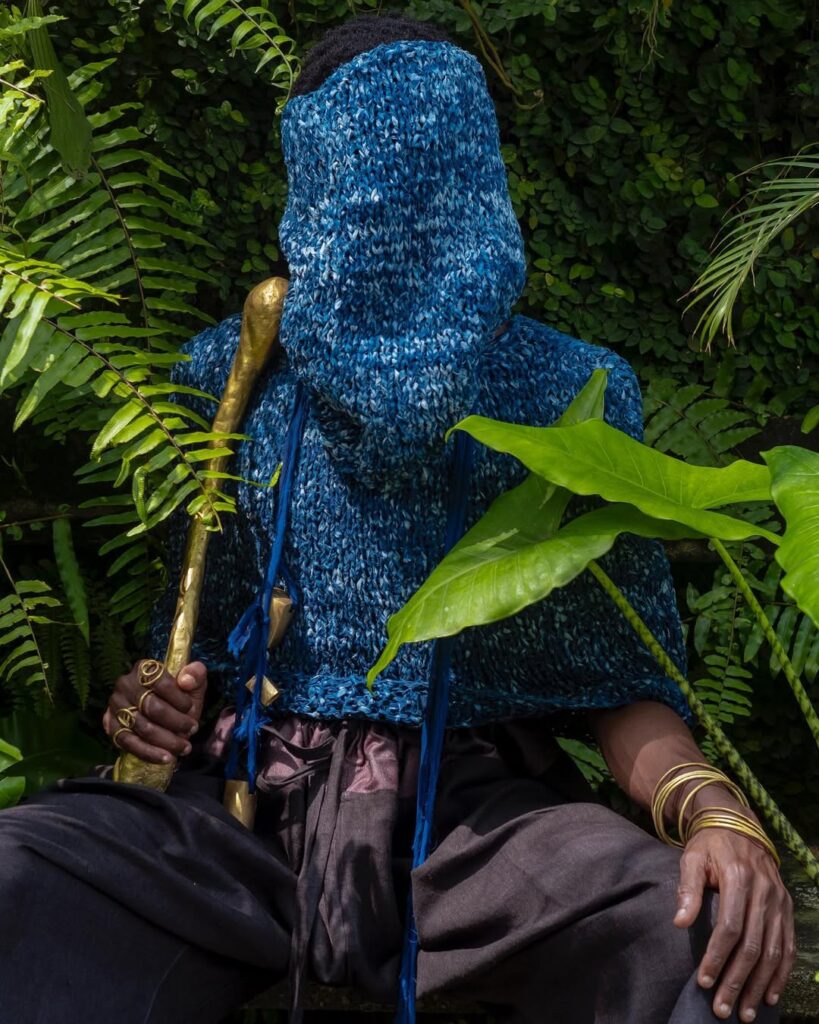
African fashion has never been static. In precolonial societies, garments and adornments communicated lineage, cosmology, gender, age, and status. Not to appease Western consumption, but to affirm indigenous life-worlds. Colonialism disrupted this. It imposed not only political and economic subjugation, but also aesthetic norms, dress codes, and new regimes of value that redefined what African fashion could or could not be.
Today, many African brands respond to this legacy by navigating the tensions between tradition and modernity, heritage and hybridity, autonomy and market demand. A brand like Lagos Space Programme from Nigeria might blend gender-fluid tailoring with Yoruba spirituality, while another like Thebe Magugu from South Africa draws from memory, politics, and social commentary. Yet, both are in dialogue with global fashion infrastructures.
So what makes a brand African? It is not geography alone. It is the relation the brand has to history, memory, and contemporary material conditions. It is how the brand is able to embed its supply chain into local economies, including labour structures that underpin production.
Weavers, dyers, tailors, embroiderers and craftspeople aren’t creating value for African brands through finished products alone. They are preserving and transmitting craft traditions generationally. When brands choose to center local production — whether in Mali’s indigo pits, Nigeria’s aso oke looms, or Ghana’s kente weaving towns — they root these brands within a legacy of skill-sharing continuity.
Outsourcing to overseas factories may ensure cheaper mass production, or quick turnarounds, but it often detaches a brand from the very practices that relatively render it African. Craft isn’t just labour; it is identity and resistance against erasure. The hands behind the garment matter as much as the garment itself.
Who is Buying African Fashion?

The political character and class position of who consumes African fashion matters. This is because a brand’s audience is never neutral. It shapes how products are designed and priced. If an African brand is marketing primarily to the upper-class and western consumers, it could possibly risk shaping its aesthetic to suit that gaze, spending power, and preferences of the Global North.
When majority of the local consumer class can’t afford or relate to the brand, the brand no longer serves its native economy or culture. In such cases, while the brand may even operate from Lagos, Johannesburg, or Dakar, its ecosystem becomes embedded in global circuits that prices their goods out of reach for local consumers.
The designs remain culturally “African,” but socially and economically, they are no longer of the people. If an African brand actively centers community empowerment, local economic redistribution, and engages the continent’s own social relations, it remains materially grounded in African realities, even if its consumer base is of a global nature. Conversely, a brand can be African in name and origin, yet ideologically and materially serve the whims of global neoliberalism.
Into the Diaspora
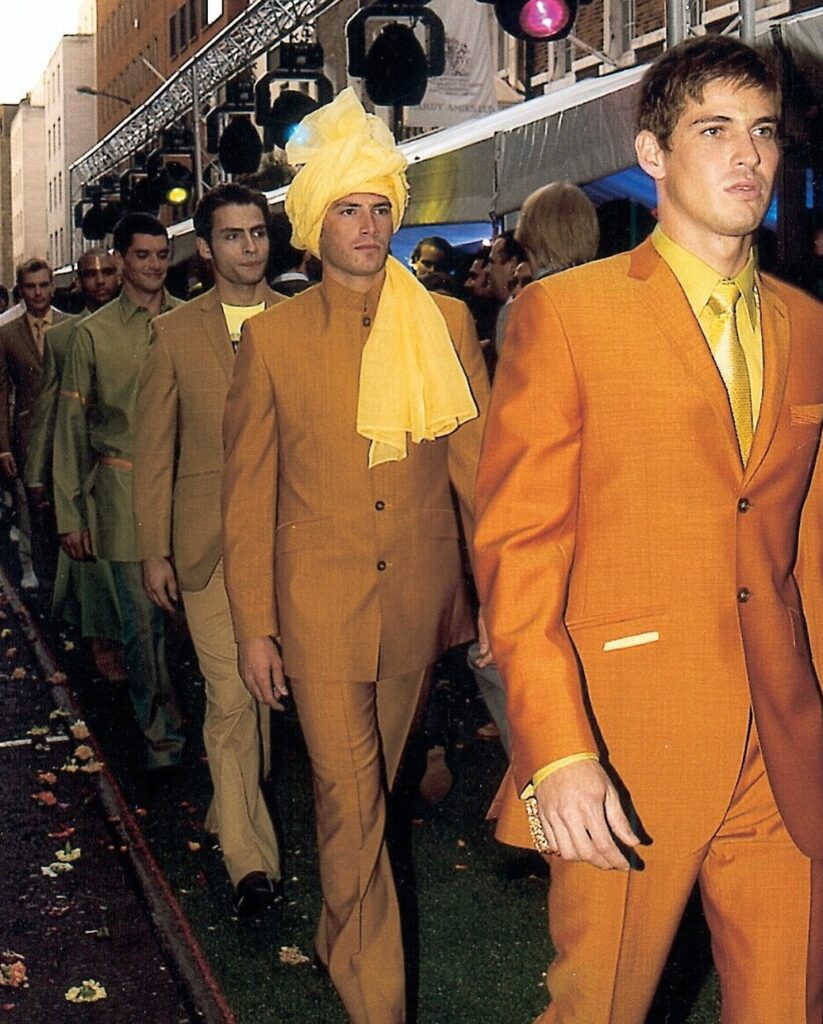
Diasporic perspective is also to be considered. Brands, stylists, curators and tastemakers frame African fashion through the language of visibility, representation, and cultural pride, which is great. But it could sometimes displace African brands materially rooted in the continent’s economies and ecologies.
Already, diasporic brands benefit from proximity to global fashion hubs, digital infrastructures, capital, and access to elite cultural institutions. In contrast, brands based on the continent must navigate structural barriers: underfunded ecosystems, unstable electricity, supply chain issues, and lack of policy support.
What results is a reality where visibility is mistaken. Too often, diasporic actors are positioned as the authentic voice of African fashion, while the material conditions, labour, and creativity of local designers are under-resourced, romanticized, or overlooked altogether.There’s a key thing to note, though: African-based brands and diasporic African brands operate under distinct historical, geographic and economic conditions. As a result, they produce different yet valid expressions of what African fashion can be.
Brands tethered to African labour, economies, and community engagement are materially African in the sense that they are embedded in the production systems, class structures, and economic flows of the continent. Their Africanness is not just cultural or symbolic, but materially grounded in where and how production happens and whom it involves.
But that doesn’t mean diaspora designers like, say, Ozwald Boateng or Labrum London are “less African” in essence. Instead, their Africanness is articulated differently through diaspora identity, cultural longing, heritage aesthetics, migratory histories, and Pan-African imagery.
They operate from within global fashion capitals (London, Paris, etc), cater to their media ecosystems and expectations, leverage Western infrastructure, but still reframe African identity as a diasporic mode of expression.
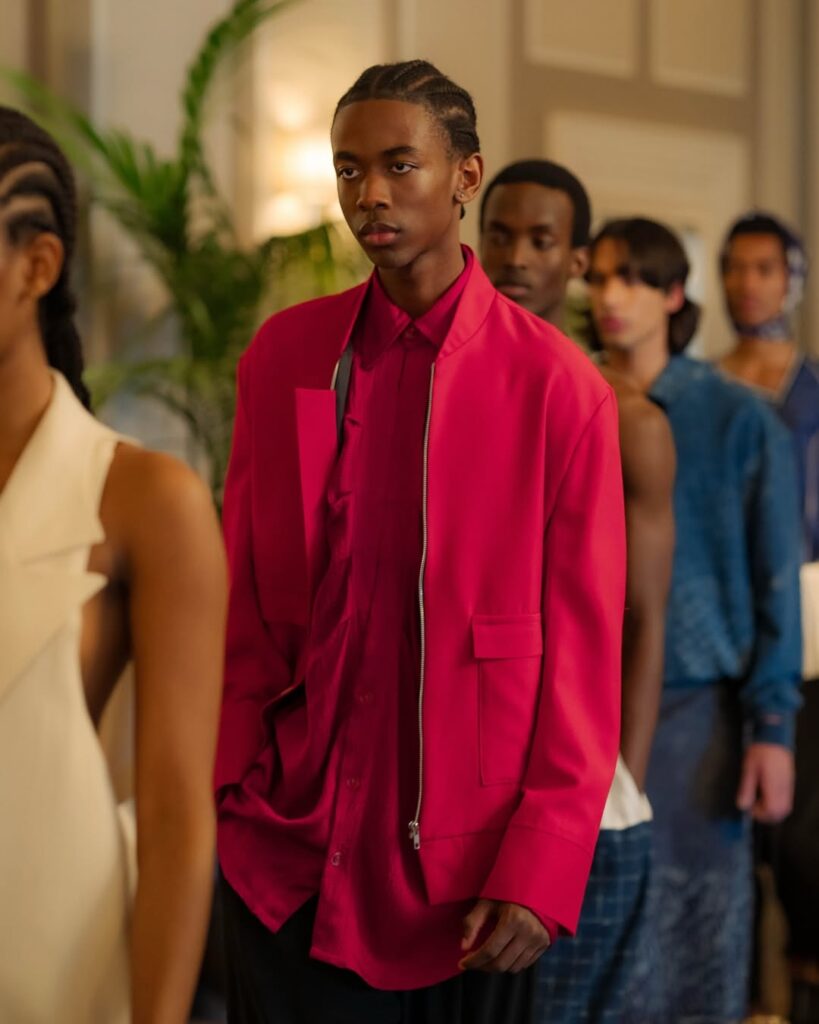
A first-generation Namibian designer in Berlin might have an interest in modernizing the cow-horn headdress (otjikaiva), worn by the Heroro people who were subjected to genocide by German colonial forces. Including Victorian-style dresses imposed on them, these uniforms represent not just fashion as archiving, but a contract between history and modernity.
Likewise, a Somali-American brand in Minneapolis. Knowing parts of Somalia were colonized by Italy, with Somalis later migrating due to a civil war. The brand can use Italian tailoring techniques (e.g. double-breasted suits) in Somali fabrics like baati or dirac.
Between African designers and those in the diaspora, neither one is inherently more “authentic” or “truer” than the other. It’s because their authenticity or Africanness emerges from different relationships to history, colonialism, global capitalism, and geography. The contradiction isn’t a flaw, but central to how an African brand can be understood in the modern age.
Like what you’re reading? Subscribe to Guzangs for more stories shaping the narrative of African fashion and culture. guzangs.com/subscribe