



Zimbabwe’s fashion industry is undergoing a nuanced but profound evolution. While the country may not yet be considered a global fashion capital, its creative community is asserting itself with authenticity, innovation, and resilience. Rooted in a rich cultural legacy and shaped by decades of economic and political flux, Zimbabwean fashion is moving from survival to significance anchored in storytelling, identity reclamation, and global relevance.
The fashion scene is highly decentralized, with activity emanating from Harare’s urban pulse to rural artisan hubs, where traditional knowledge still shapes aesthetics and technique. Zimbabwean designers operate with limited access to institutional infrastructure: there are few formal fashion schools, production facilities are scarce, and international supply chains remain complicated. Yet, from these constraints emerges a fashion ethos that is both deeply thoughtful and fiercely original.
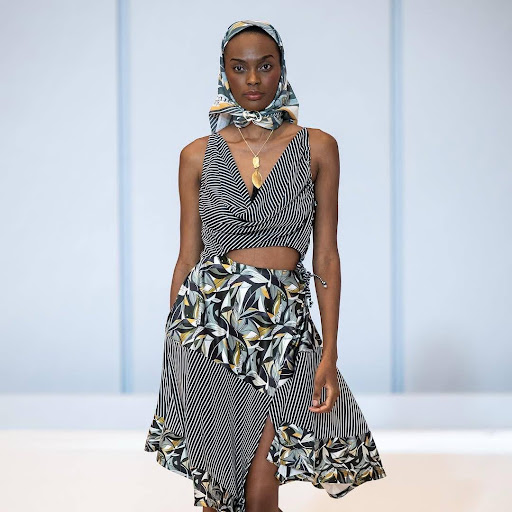
Despite these systemic limitations, Zimbabwe is home to a growing constellation of designers whose work blends artisanal excellence with a quiet, radical intent. Danayi Madondo of Haus of Stone, for instance, is pioneering Afro-minimalism and poetic fashion film narratives that have reached global platforms like London Fashion Week and Vogue Italia. Richard Moyo, behind the upcycled denim label Richard Jeans in Bulawayo, reimagines streetwear with a locally rooted, future-facing edge. And Farai Simoyi, a British-Zimbabwean designer and co-founder of Narativ House, has emerged as a global voice for human-centered, ethical design bringing African craftsmanship into the mainstream through storytelling.
This creative energy is not just designer-led. Stylists and visual collectives such as African Hippie, Drip Psycho, and Saint Danger are shaping fashion aesthetics from the ground up—curating photo shoots, music visuals, and street style that merge cultural nostalgia with experimental edge. Their influence affirms that the Zimbabwean fashion story is as much about who wears and styles the clothes as it is about who makes them.
Local designers are not chasing fast fashion or mass production. Instead, many are reclaiming indigenous textiles, techniques, and symbols using fashion as a form of cultural and political resistance. Fashion here is about preserving language through pattern, archiving memory through silhouette, and resisting erasure through the tactile. Designers like Rufaro Zimbudzi, Nomi Magmod, and Tapiwa Matsinde are championing minimalism with a cultural edge. Zimbabwe Fashion Week, launched by Priscilla Chigariro, laid the groundwork for visibility, but what the industry has long lacked is infrastructure—until now.
Hunhu Colectiv — A New Fashion Language Rooted in Hunhu
“We’re not selling clothes. We’re curating culture.”
– Rumbidzai Chirumbwana, Co-founder of Hunhu Colectiv
In a time when fashion often feels fleeting, Hunhu Colectiv insists on presence. Co-founded by Rumbidzai Chirumbwana, the platform positions itself not as a marketplace, but as a digital atelier—a sacred space for Zimbabwean and African artistry, one that celebrates craft, culture, and consciousness.
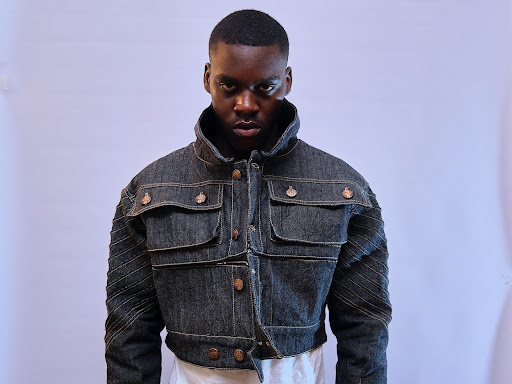
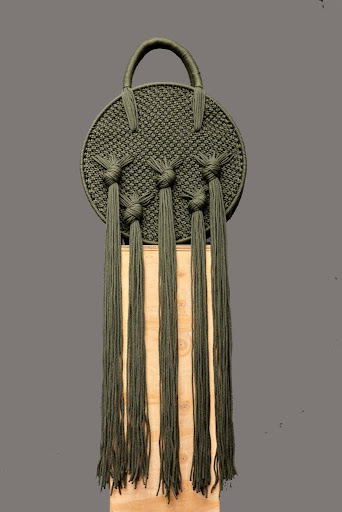
At Hunhu Colectiv, every stitch has a story. From Shashiko’s recycled denim jackets that reimagine Japanese techniques with Zimbabwean flair, to Vanhu Vamwe’s macramé bags hand-tied by rural women’s cooperatives, this is fashion as living heritage. It’s a rejection of extractive trends and a return to ethical, slow, and narrative-led design.
“We vet our designers not just on craftsmanship but on their commitment to integrity—ecological, cultural, and human,” says Rumbidzai. “Each piece must honour its roots, its maker, and the earth.”
Hunhu isn’t just a word—it’s a worldview. Grounded in the African philosophy of Ubuntu (“I am because we are”), the platform treats every part of the customer experience with reverence. The journey is immersive and mindful. Customers are not passive consumers, but co-curators in a larger cultural exchange.
The platform showcases brands like RumbiRumbi, which embodies a diasporic narrative, weaving ancestral Zulu-Shona memory with design influences from Botswana, Kashmir, and Mumbai. Or Emannis Elements, a Mozambican-Zimbabwean beauty line blending indigenous herbal wisdom into contemporary skincare.
Hunhu Colectiv’s model goes further by actively platforming Pan-African artisanship. Though rooted in Zimbabwe, it includes makers from Mozambique, Botswana, and beyond—like Emannis Elements, a brand that draws from Mozambican-Zimbabwean herbal traditions to create skincare aligned with ancestral knowledge. Their decision to launch on Africa Day, May 25th, was no coincidence; it signals a broader continental vision, reminding audiences that ethical African fashion is not emerging—it’s returning.
Hunhu Colectiv’s curation does not stop at fashion. It extends into ecosystems—supporting artisans with fair pay, championing low-impact logistics through DHL, and nurturing long-term relationships instead of one-off sales. Its model is as much activist as aesthetic, building an economy of care in a system that has historically ignored African makers.

For Priscilla Chigariro, founder of Zimbabwe Fashion Week and now Director at Hunhu Colectiv, this platform is a natural evolution.
“ZFW gave our designers visibility. Hunhu gives them viability. We’re not just showing fashion—we’re building the structures it needs to survive and thrive.”
What’s emerging across Zimbabwe is not just a renaissance of fashion, but a re-centering of value where clothing carries memory, resistance, and futurity. This is a scene built not on spectacle, but on substance. One that honors its rural roots, its diasporic echoes, and its global ambitions without compromise.
So what might African fashion look like five years from now, if Hunhu Colectiv’s vision succeeds?
“Less about proving ourselves, more about owning our space,” says Rumbidzai. “It’s about design that is globally relevant, but still proudly, intimately local.”