

The Art of African Braiding, Through the Eyes of Gen Z
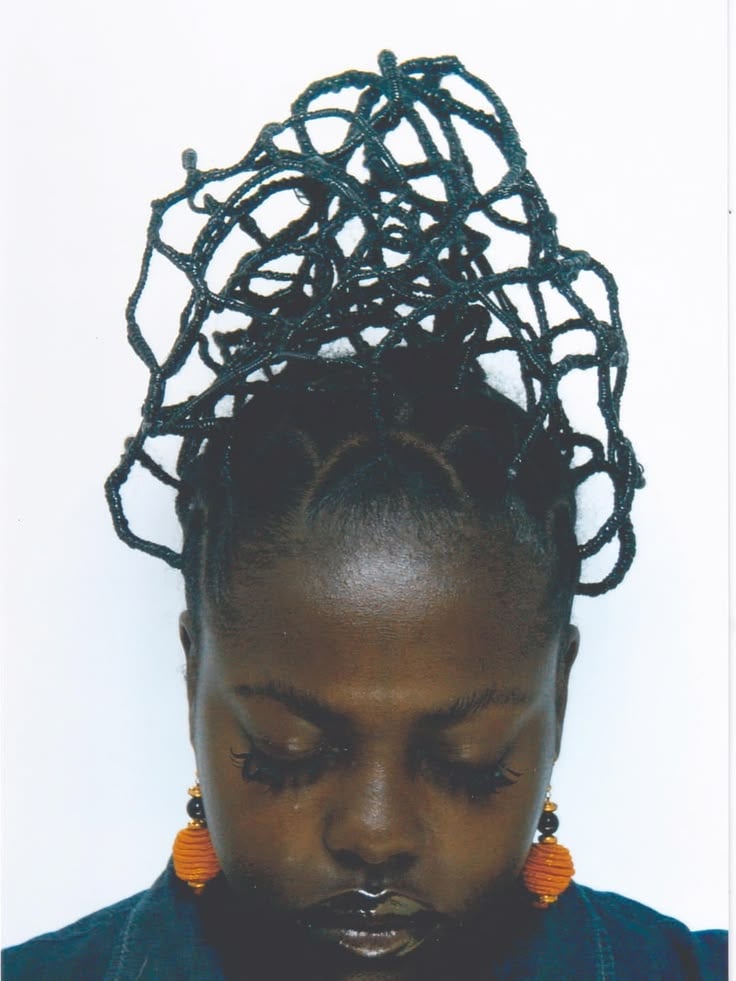
In many African cultures, hair can carry stories from one generation to another. Through braiding and threading techniques, a simple change in appearance can become meaningful, representing different statuses and stages across an individual’s lifespan. Hair traditions were therefore fundamental to a community’s identity, often signifying the crown of its kinship and the core of its collective pride.
Under colonial rule, European beauty standards were imposed alongside wider efforts to suppress African cultures, customs, and belief systems, with traditional attire and hairstyles being dismissed as “barbaric” or “uncivilised.” Although formal colonial rule has long since ended, the lasting impact of these ideologies continues to shape societal expectations, from school policies and workplace protocols to the standards governing our own households.
However, in recent years, an interesting shift has occurred online. Across the diaspora and the continent, young content creators are using social media to rediscover, recreate, and document traditional African hairstyles. Their work turns hair into more than an aesthetic statement; it is a means of reconnecting with their African heritage and preserving forgotten cultural knowledge.
This is where Marianne Costade and Emeka Onyeziri’s work becomes particularly compelling. Both have developed a distinctive practice centred on researching and recreating traditional African braiding.
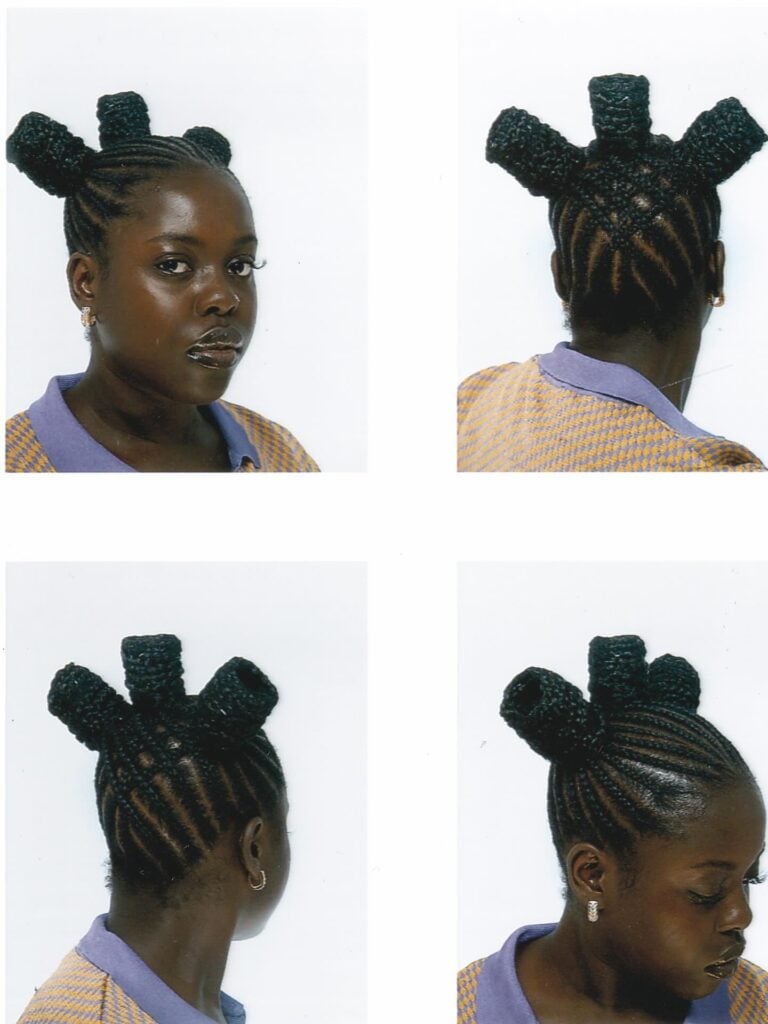
For Marianne, who is a member of the French diaspora, raised in Senegal and of Congolese-Senegalese origin, the search has taken her beyond the internet. She travelled through Senegal’s countryside and secluded villages to learn about hair traditions whose meanings are still transmitted orally. Much of this knowledge, she discovered, cannot simply be found through a search engine or in a library. It lives in conversations, memories, and communities, passed from one generation to another.
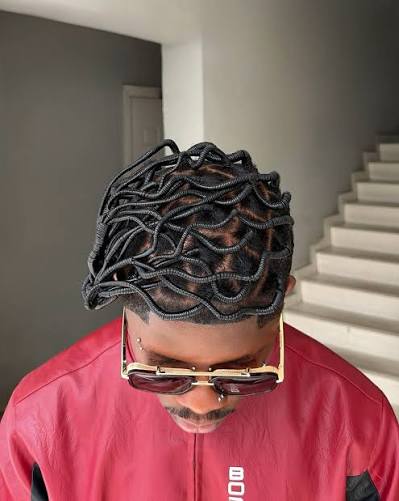
For Emeka, who was born and raised in Lagos, Nigeria, the process has been more hands-on. His practice has involved learning through experimentation and working with a hairstylist to recreate techniques such as Irun Kiko, a Yoruba threading style.
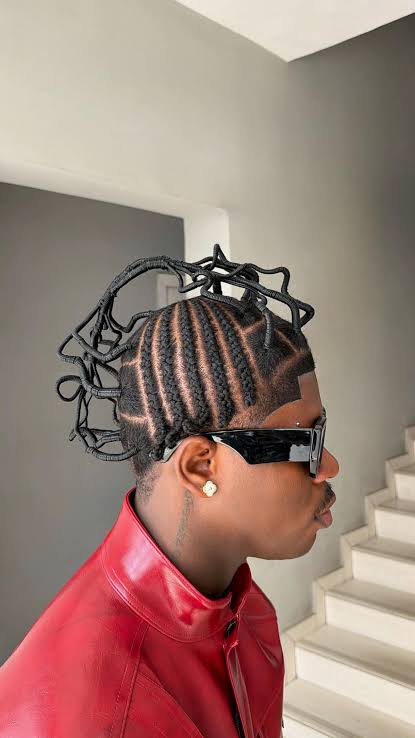
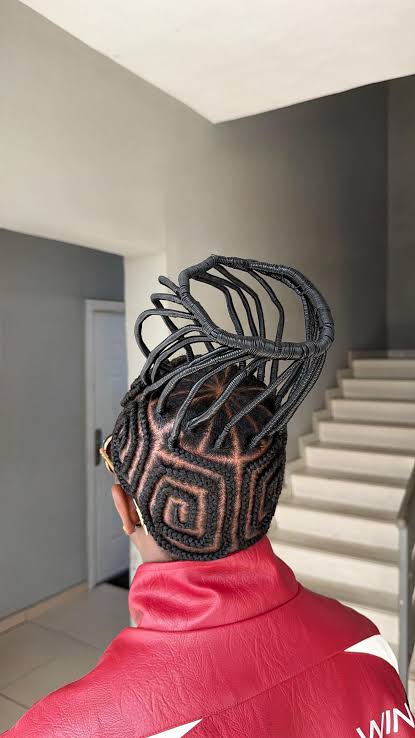
Together, their experiences offer two perspectives on researching, recreating, and sharing African hair traditions online. But their work also brings forth a larger question: what happens to cultural knowledge when it moves from people and communities into digital space?
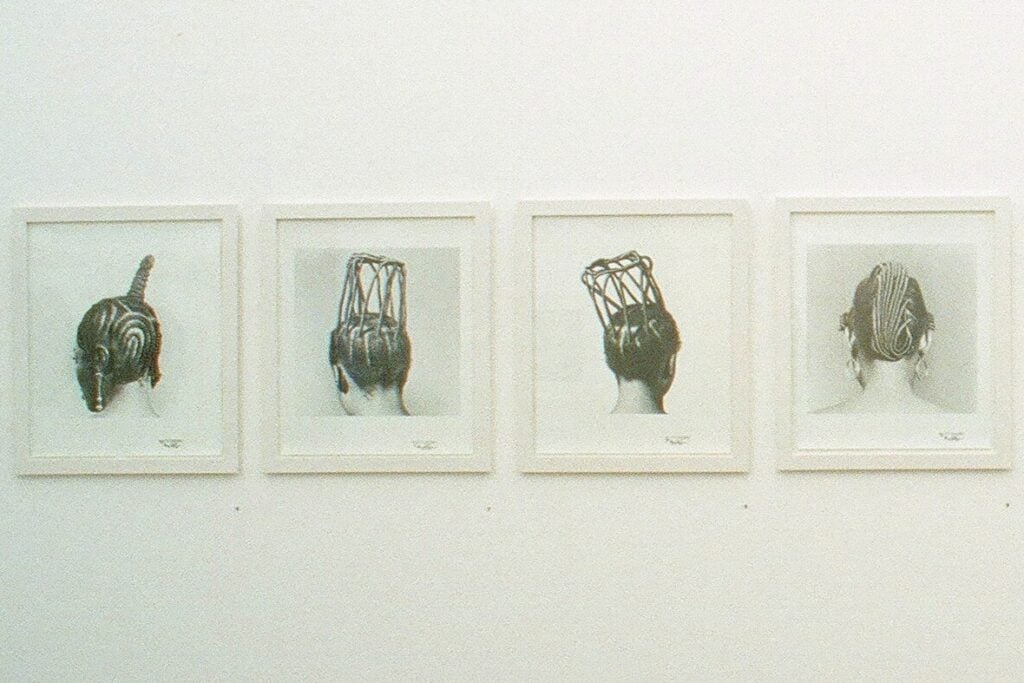
Of her first encounter with traditional hair practices, Marianne recalls: “One day, I came across the photographs of J.D. ‘Okhai Ojeikere. I was so inspired by his work that I wanted to recreate the hairstyles. It pushed me to do more research on the practice of ancient African traditions, especially hair traditions, whether for rituals or religious motives.”
Emeka’s entry into the practice was less deliberate. He describes a passion he discovered by chance: “I was just doing it for fun until I developed an interest in it. I like art and expressing myself through clothing and dressing up. I wasn’t really putting any thought behind it.”
Marianne began her hair journey five years ago, when a depressive episode urged her to look inward and try to understand her place as a Black woman in the West. Emeka, by contrast, only started in March last year. In an environment with little access to creativity, he leaned on school for art before venturing into the creative world himself and becoming the only individual in his neighbourhood to experiment with his look.
Social media does not come without its pitfalls. While talented creators rise to popularity every day, it also leaves room for hateful comments. Marianne recalls: “I received a lot of support from my community. However, on the internet, it was mixed. A platform took my photo once and asked their followers, ‘Would you do this hairstyle, yes or no?’ And the majority of the viewers said no.” Emeka shares a similar experience: “I have received hundreds of messages from people encouraging me, people who also want to learn. Otherwise, there have been criticisms of how a man could do these types of hairstyles meant for girls or just how I endure the painful process.”
Beyond the attention their work receives online, both creators have sought to build a deeper connection with the hairstyles. Aside from learning the techniques and wearing the hair as intended, Marianne says: “I discovered that many African traditions are transmitted orally. I had to go to the countryside of Senegal to learn the true meaning behind hairstyles. It is not always information made available in books. I hope to make more and more trips like this to complete my book.” Emeka emphasises the long braiding process: “The process of making these hairstyles takes about six hours or less. I have a particular hairstylist to help me.”
Both hope one day to take their passion outside of the digital world and build something tangible. Marianne says: “I want to make a book about all of these hairstyles. I want others to know it is not just for the aesthetic; it’s really rich in information.” Emeka, on the other hand, says: “I plan to open a salon or a school to teach people how to braid and enlighten them to different African traditional hairstyles.”
When asked if they had any words of advice for Gen Z members trying to get into traditional African braiding, Marianne explained: “You have to start with curiosity because you don’t need to know everything about your history in one go. You can start with one hairstyle and let it guide you to discoveries. It is never too late to reconnect with your heritage.” Emeka took a tougher-love approach: “You must have the passion for it. If you don’t, you will stop halfway because it is not easy. You must have a lot of endurance and love for art.”
As a final thought about traditional African hairstyles and where the movement is heading, Marianne reflected: “I feel like there is an awakening of African people from all over the world to keep our heritage alive.” She added: “It is always a step forward for a Black person to come across a part of history that belongs to them. Every effort is good for our global community.”
Marianne and Emeka’s work shows that reviving traditional African hairstyles is about more than recreating the past. Each braid, thread, and pattern carries fragments of knowledge that might otherwise disappear, while social media offers a new space for that knowledge to be shared, questioned, and kept alive. Whether through a book, a salon, or simply a hairstyle recreated and passed on, their work reminds us that cultural preservation does not always begin in an archive; it can begin with curiosity, patience, and that decision to remember.