The city inside the ceremony
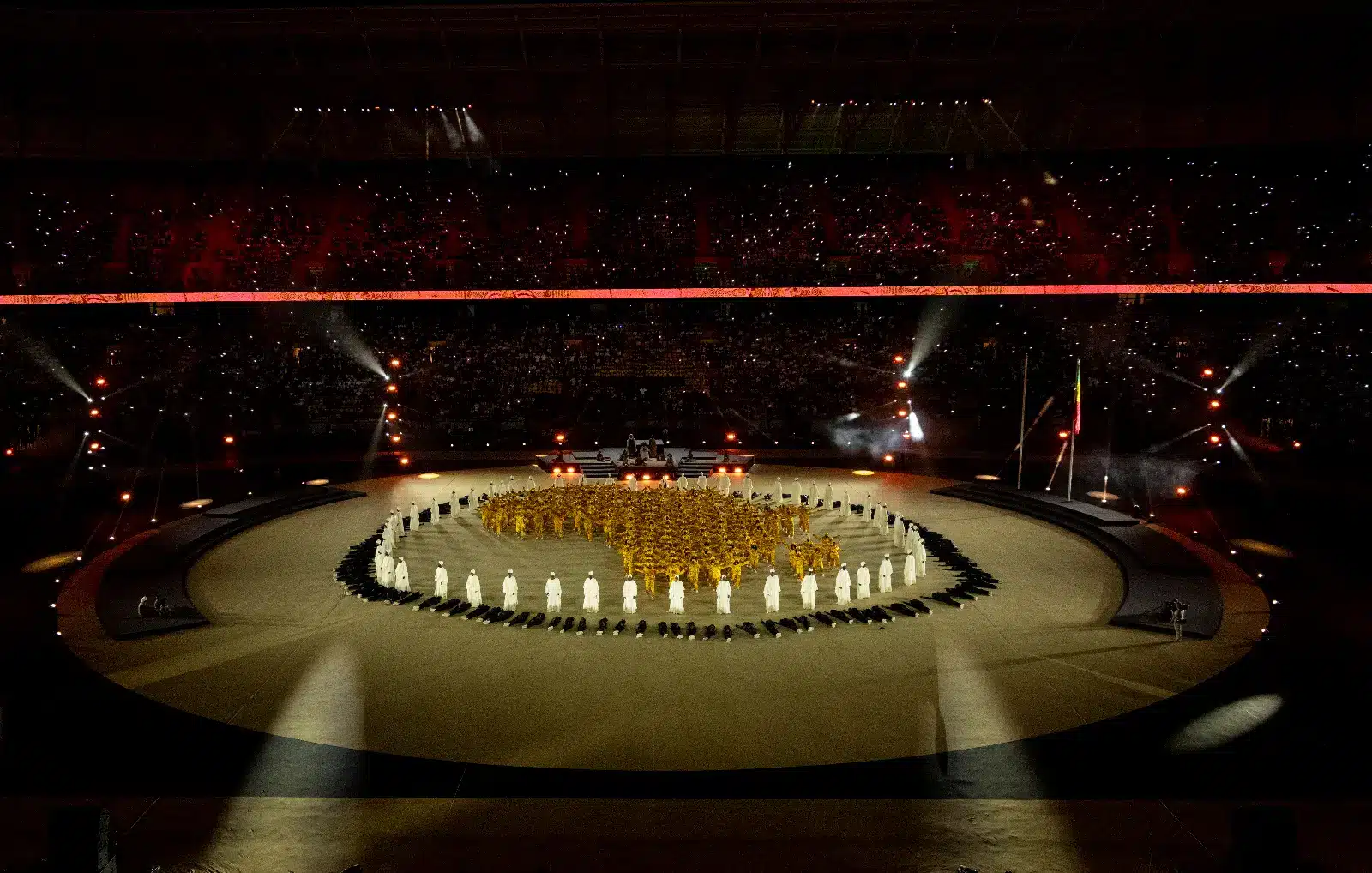
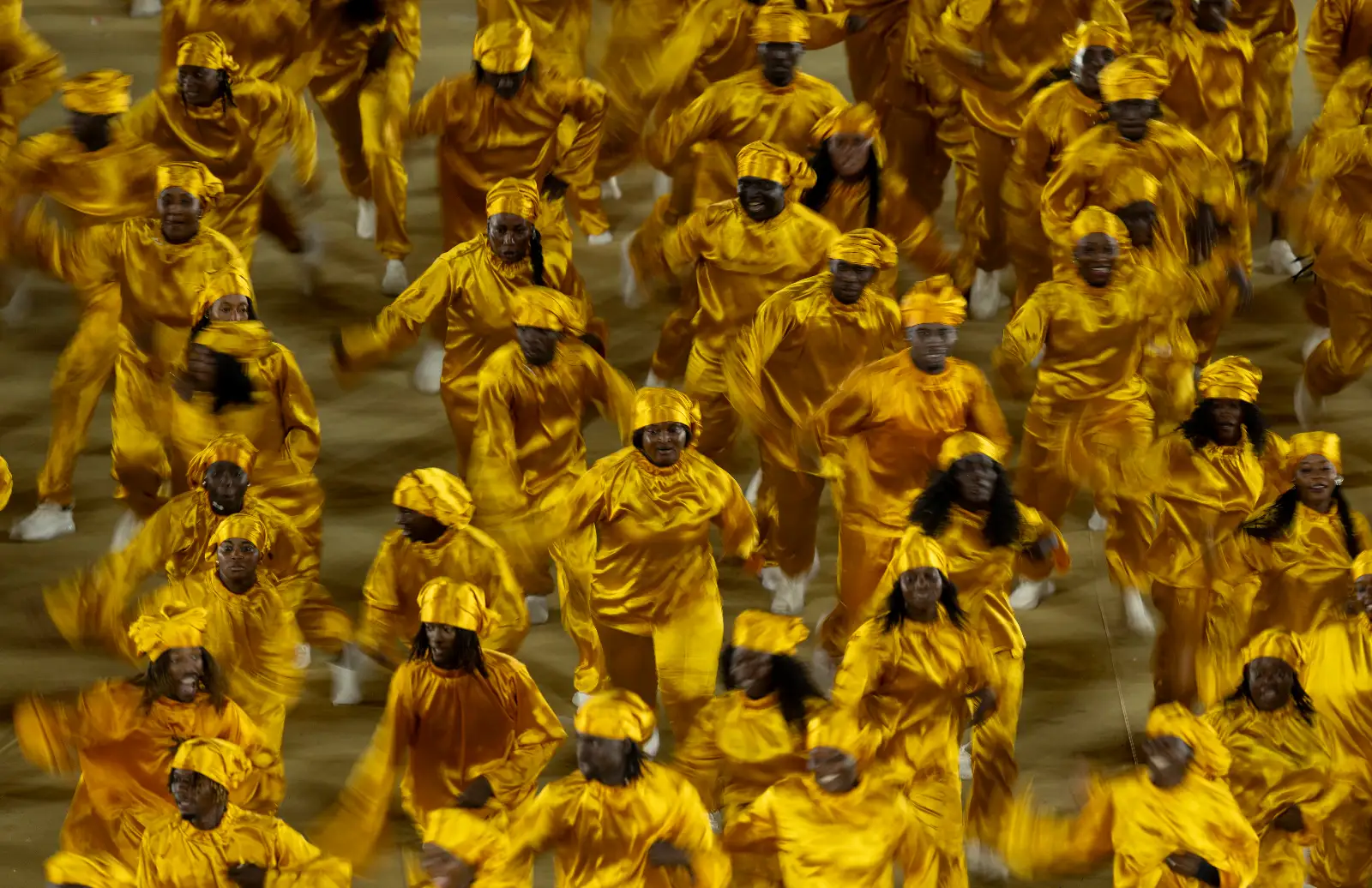
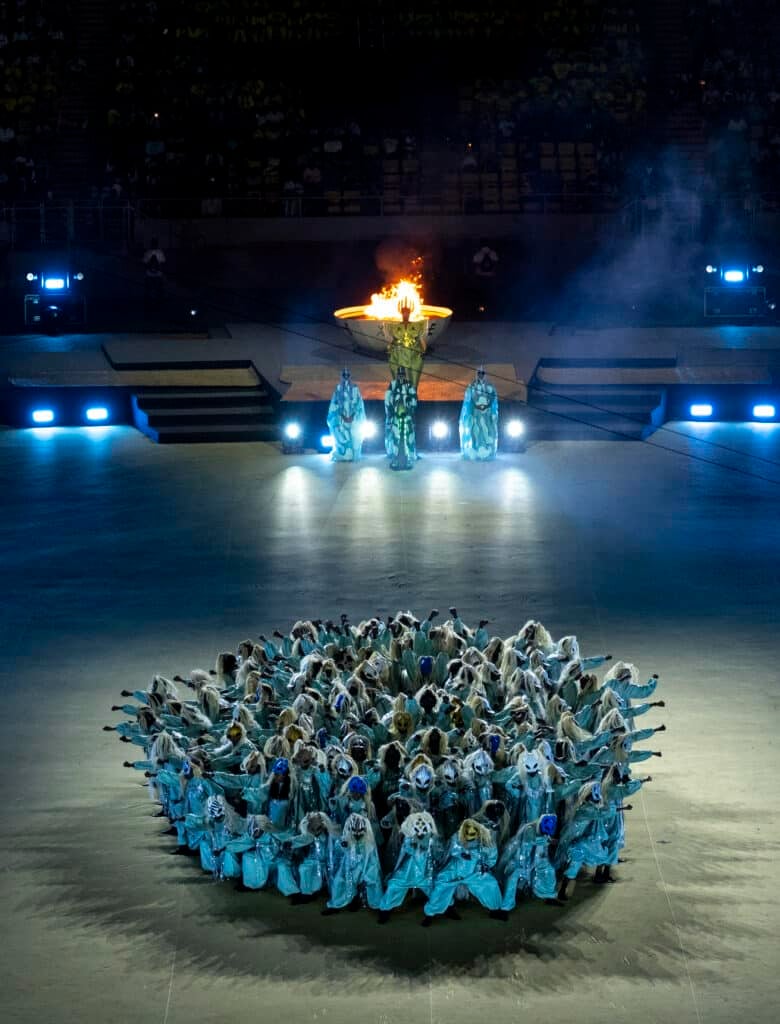
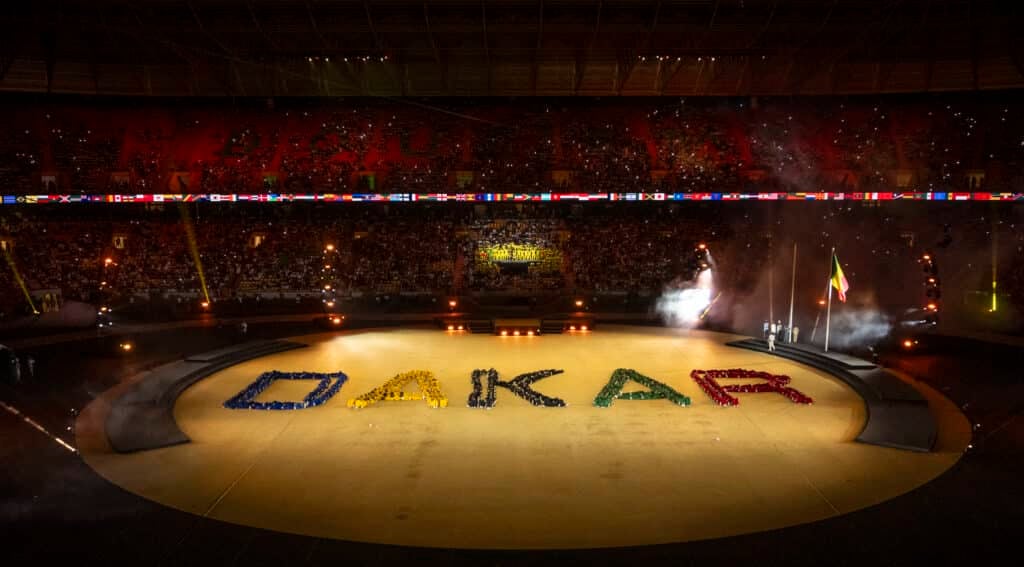
On the pitch of the Abdoulaye Wade Stadium in Diamniadio, 360 dancers moved into the shape of Africa. Khady Niang returns to that image when she recalls the opening ceremony of the Dakar 2026 Youth Olympic Games on 31 October. “It expressed, visually, that we belong to the same continent,” she says in written answers to Guzangs.
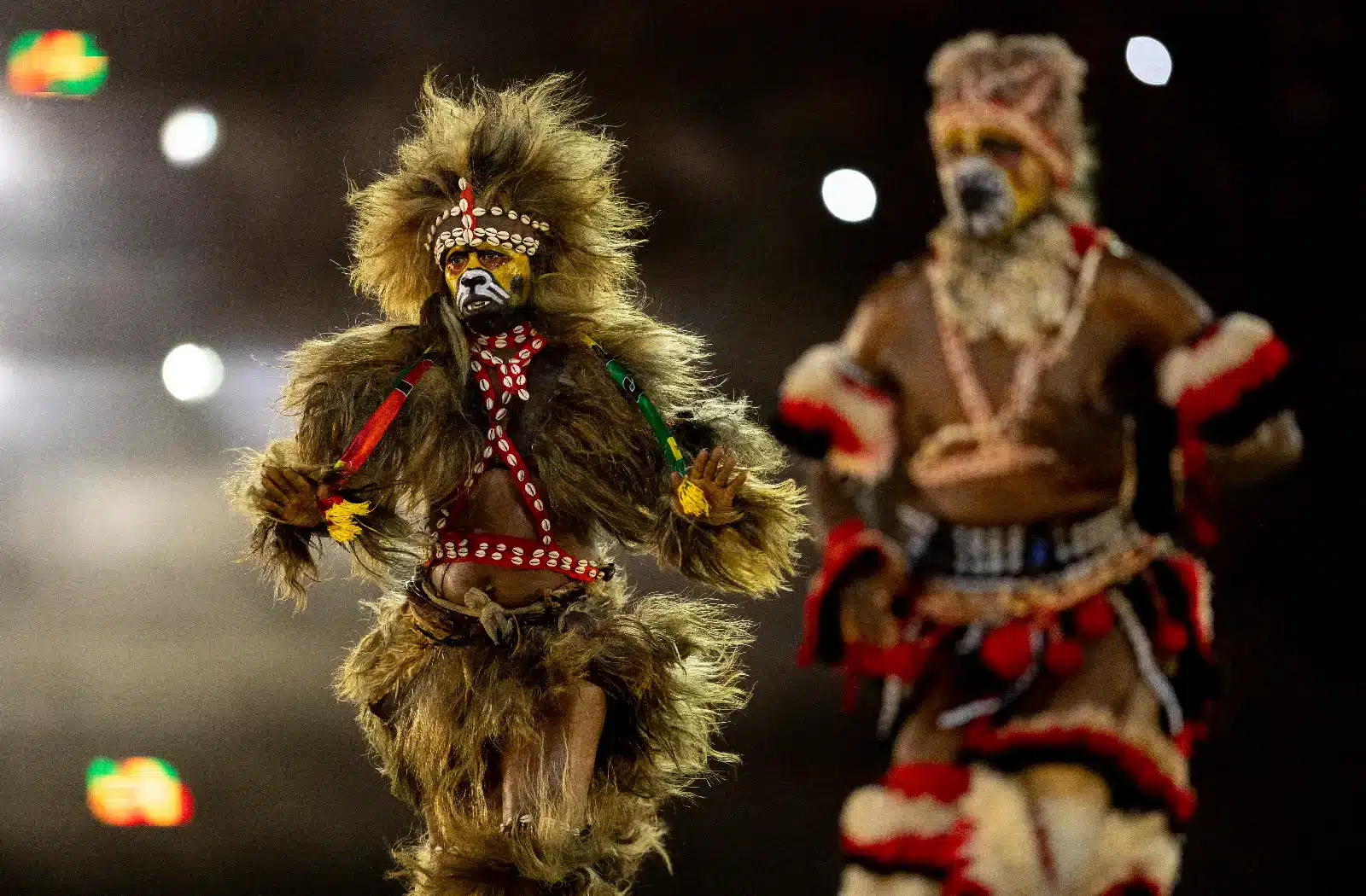
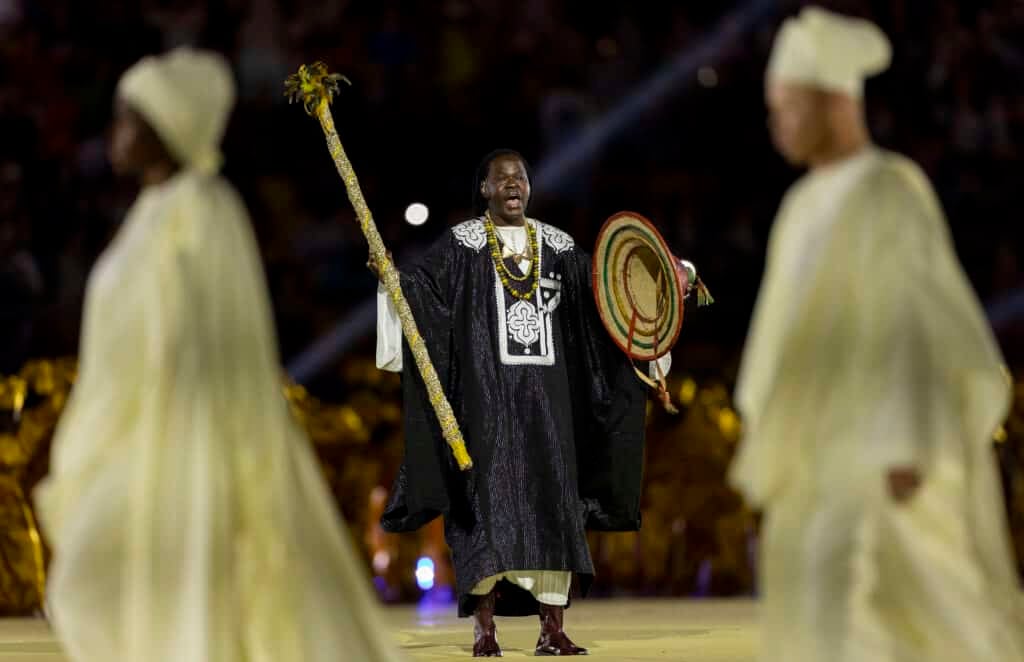
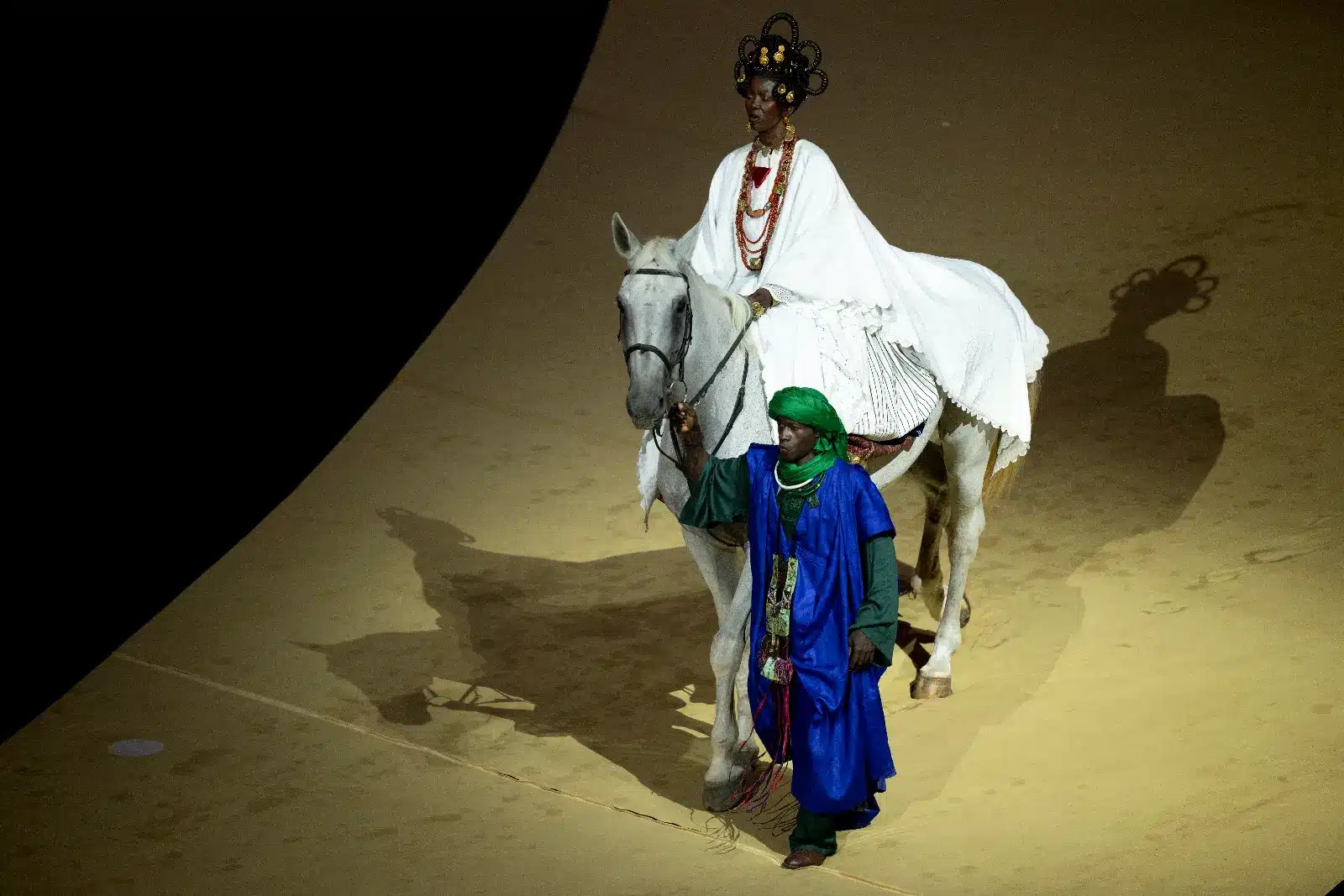
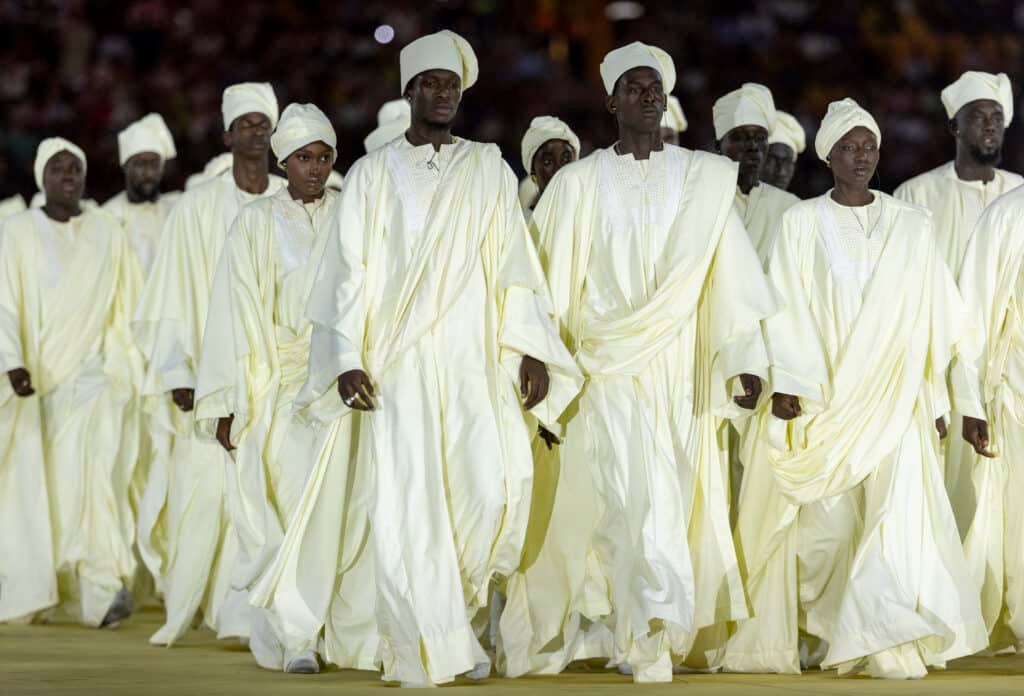
The show Niang oversaw drew on Dakar’s films and clothing history, its artists and the disorder of its streets. Nearly 1,500 costumes were made locally, she says, by around 100 craftspeople and creative professionals. Maguette Gueye, Khadija Aisha Ba and Selly Raby Kane each dressed a different period of the story.
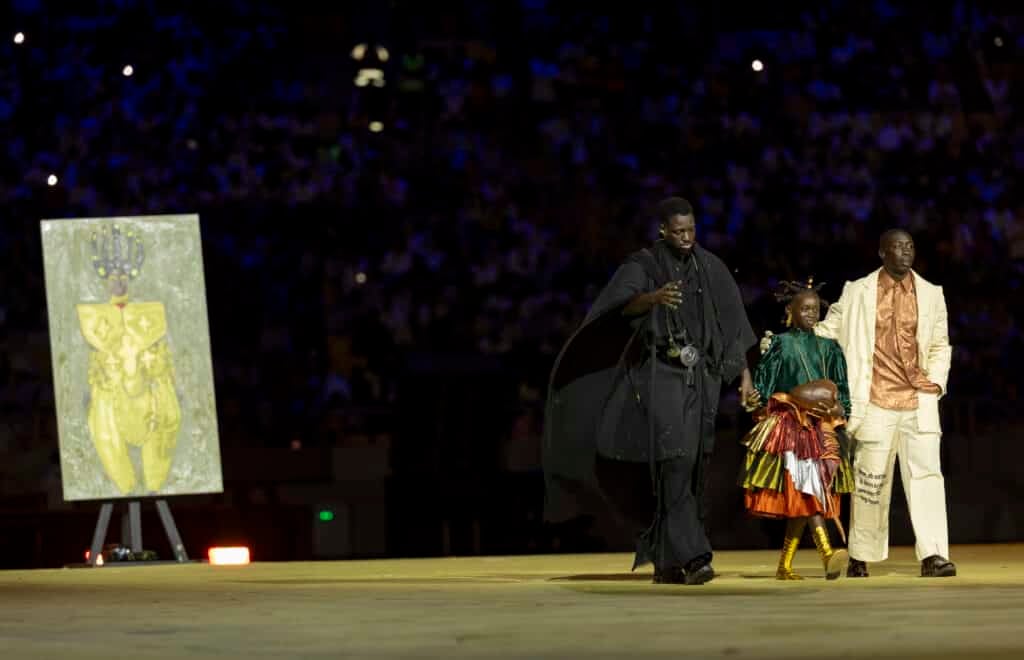
The narrative followed three generations through yesterday, today and tomorrow. Alkebulan, the mother, was followed by her son, Keb, and granddaughter, Sitoé, named in tribute to the Casamance resistance figure Aline Sitoé Diatta. Niang says the team chose a continuous story rather than separate tableaux for different countries. “Our ambition was not to claim to tell the whole of Africa in one evening,” she says. “It was to offer a sincere story, open and universal enough for everyone to recognise themselves in it.”
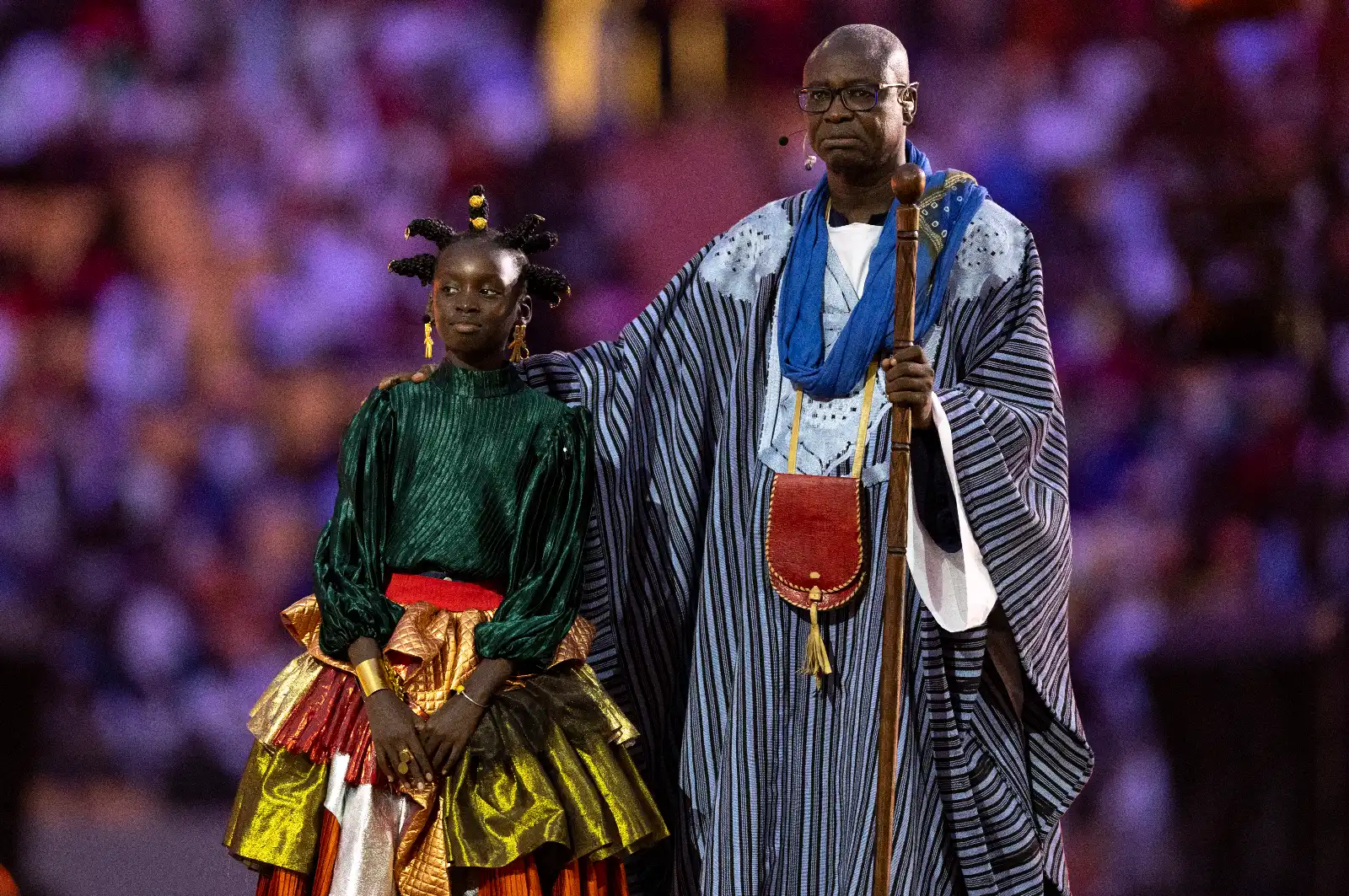
Keb’s horned motorbike recalled Djibril Diop Mambéty’s Touki Bouki, a reference identified in the ceremony’s programme. The artist Issa Samb, known as Joe Ouakam, was portrayed by the musician Obree Daman, a relative of Samb’s. Around them, the city took shape through coffee pushcarts, crowded pavements and informal traders, with petty theft among the street scenes. “All of that is the city,” artistic director Ibrahima Cissé, known as Xalil, told Le Soleil. “That’s Dakar.”
Le Soleil reported that many spectators read the chaotic ending as the artistic team letting things slip. Cissé told the newspaper it was staged, ordered and timed throughout, as a piece of self-criticism: Senegalese, he said, often fall short at the finish, and the scene was meant to evoke how it feels to get around Dakar.
Niang says the costumes had to be planned early, with the resources to match, because they defined the characters and helped the audience follow the narrative. “An artistic decision could have consequences for the technical side, for movement, costumes, rehearsals or security,” she says.
Gueye dressed the first act: the wrestlers, the dancers and Alkebulan. The media guide lists woven Malian cloth and Ghanaian kente alongside Senegalese hairstyles, with accessories referencing Xhosa and Amazigh traditions.
Trained at the École nationale des arts, Gueye works in film and television as well as fashion. In an August 2025 interview with Le Soleil, she traced the idea for La Penderie de Maam to her research for Moussa Sène Absa’s period production Black & White. Looking through the archives of IFAN, the Institut fondamental d’Afrique noire, she encountered images of Senegalese dress she had never seen before. She founded La Penderie de Maam in 2021 to document and reconstruct that clothing heritage.
By February 2026, the work had become an exhibition at Dakar’s Grand Théâtre national, La Cour royale de Maam. Le Soleil’s account describes her collecting and documenting old garments and fabrics, including a cloth almost a century old that a woman had given her.
Ba dressed the Dakar of today. She founded L’Artisane and the boutique Le Sandaga, and has made the boubou a recurring subject of her work. In a 2023 interview with Dazed, she described looking to her grandparents’ wardrobes, the architecture of Dakar’s older districts and the way people dressed in its markets. She also spoke about turning ordinary objects into accessories, including a ring made from a candlestick her mother had broken. For the ceremony’s urban scenes, the programme describes clothes made to convey the creativity of the city’s young people.
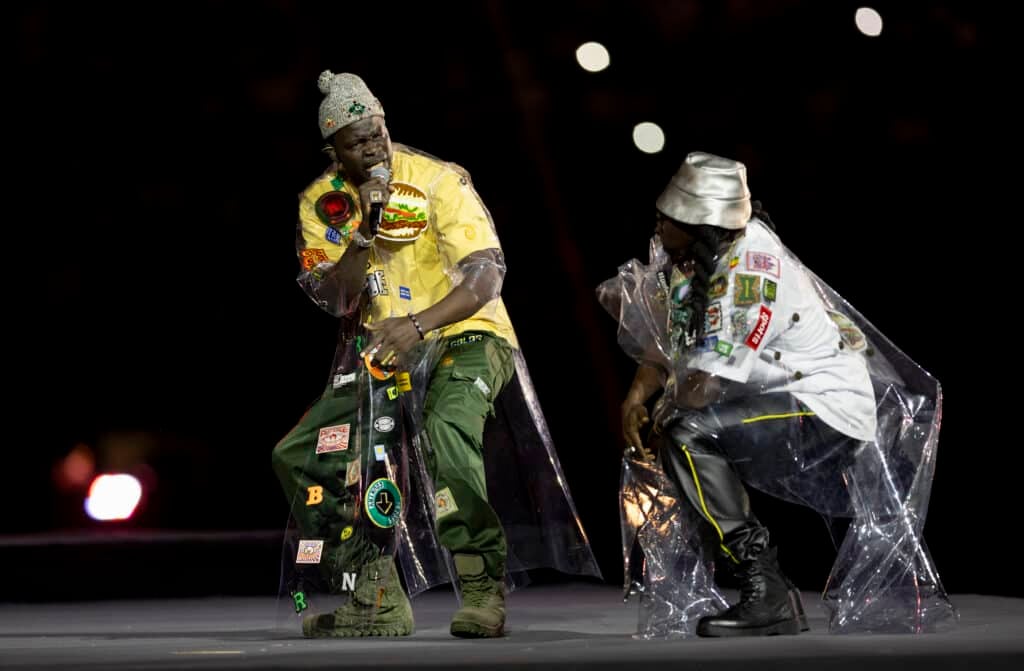
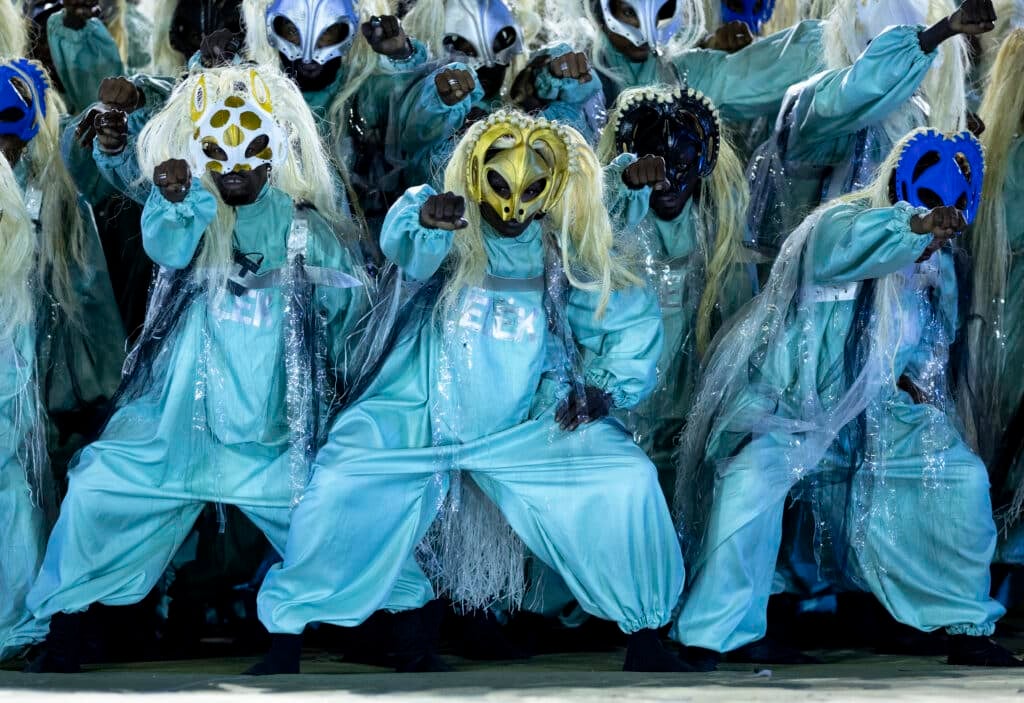
Kane’s commission was the Africa of tomorrow. Born in Dakar, she works as both a designer and a filmmaker. For the ceremony’s final artistic sequence, she worked with futuristic masks and sculptural clothing. Some of the masks came from a digital fabrication workshop in Dakar: Orange Digital Center Sénégal says its FabLab prototyped, modelled and manufactured masks worn by dancers and the rapper Dominique Preira. It credits FabLab manager Mamadou Diallo and designer Djiby Sadio, alongside Kane and Marième Ngom. The closing fashion presentation also included 50 outfits supplied by nine young designers, Cissé told Le Soleil.
Marième Ngom oversaw dressing, make-up and hair; the production credits name Khady Ngom as head costumer. They also name the couturiers Malamine Mbaye, Mamady Camara, El Hadji Aliou Bousso, Oumar Ndiaye, Abdou Omar Gaye and Cheikh Ba.
Niang herself founded the African Makeup Academy and led make-up for the World Festival of Black Arts, FESMAN, in Dakar in 2010, according to the official guide. For the Games, she had to coordinate a show involving 1,115 artists and performers, including 628 dancers.
Niang worked with the local consortium Dimensions and People No Limit and with specialists including the show designer Martin Arnaud. World Rowing’s opening-day account put the production and support staff at 350, more than 85 per cent of them Senegalese. The official guide also credits China with support for mass choreography and costumes in the first two acts. Eight Chinese specialists worked with the organising committee from May 2025, across four visits, on choreography and preparations involving 40 rehearsal supervisors and 360 dancers.
“We told them: fine, we’ll make the shapes, but we want to dance,” Niang told RTS, according to Senego’s report. In her answers to Guzangs, she describes the responsibility that came with employing so many local professionals, from supervising the work to providing training and support.
She wants that experience to lead to further paid work. In her account, the costume production showed that Senegalese workshops could fulfil large orders to tight deadlines. “The real challenge starts now,” she says. “This experience has to lead to collaborations, new orders, partnerships and opportunities abroad.”
Niang wants production companies to use the experience to win new clients, supported by better training and access to finance. For the young dancers, technicians and costume makers, she hopes the ceremony will lead to further opportunities on international productions “without necessarily having to leave the continent to gain that experience”.
Khady Niang’s written answers to Guzangs were supplied in French and have been translated. Her RTS remark is quoted from Senego’s published account. Cissé’s comments are from his interview with Le Soleil; earlier interviews with the designers are identified in the text.