


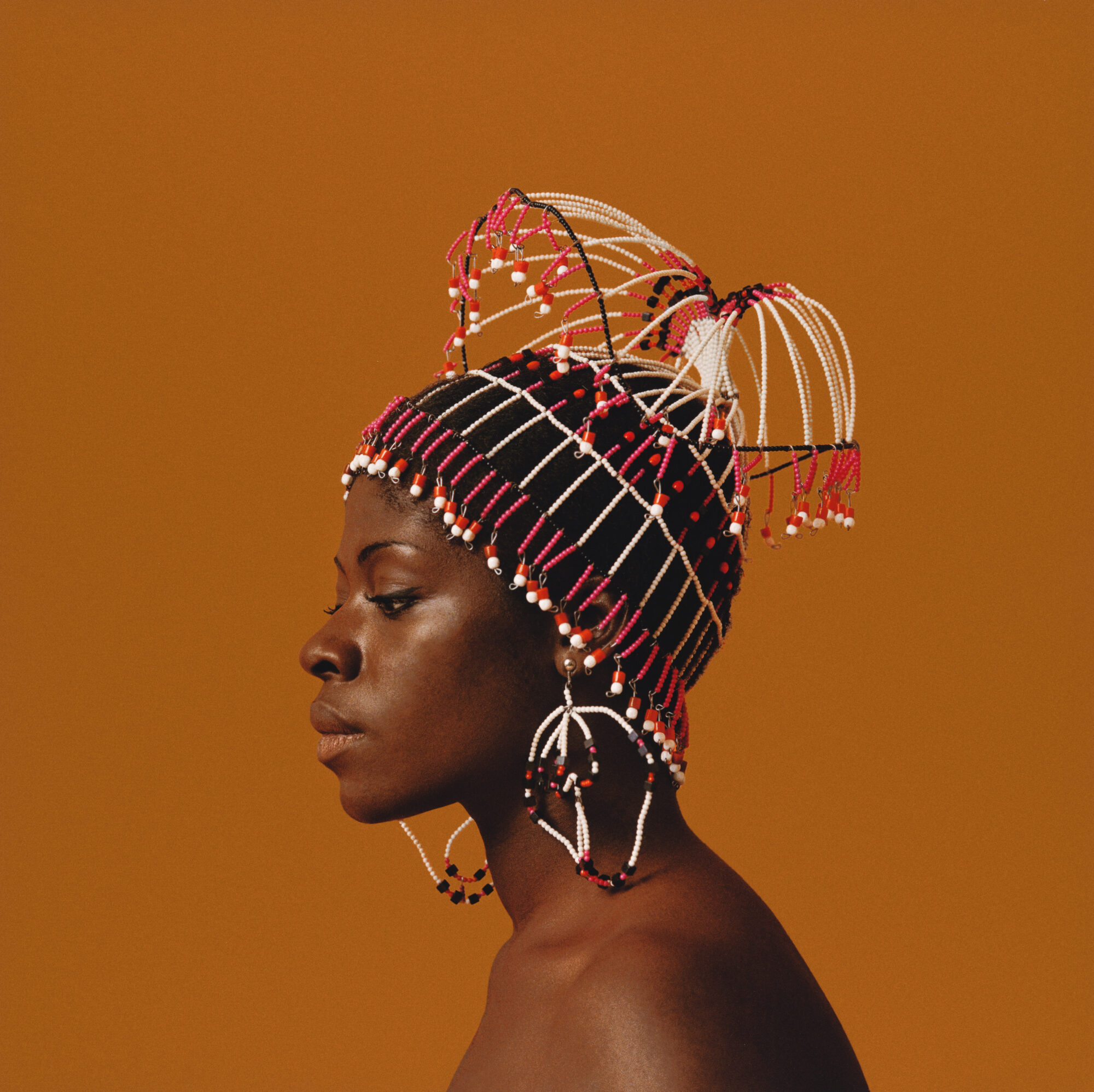
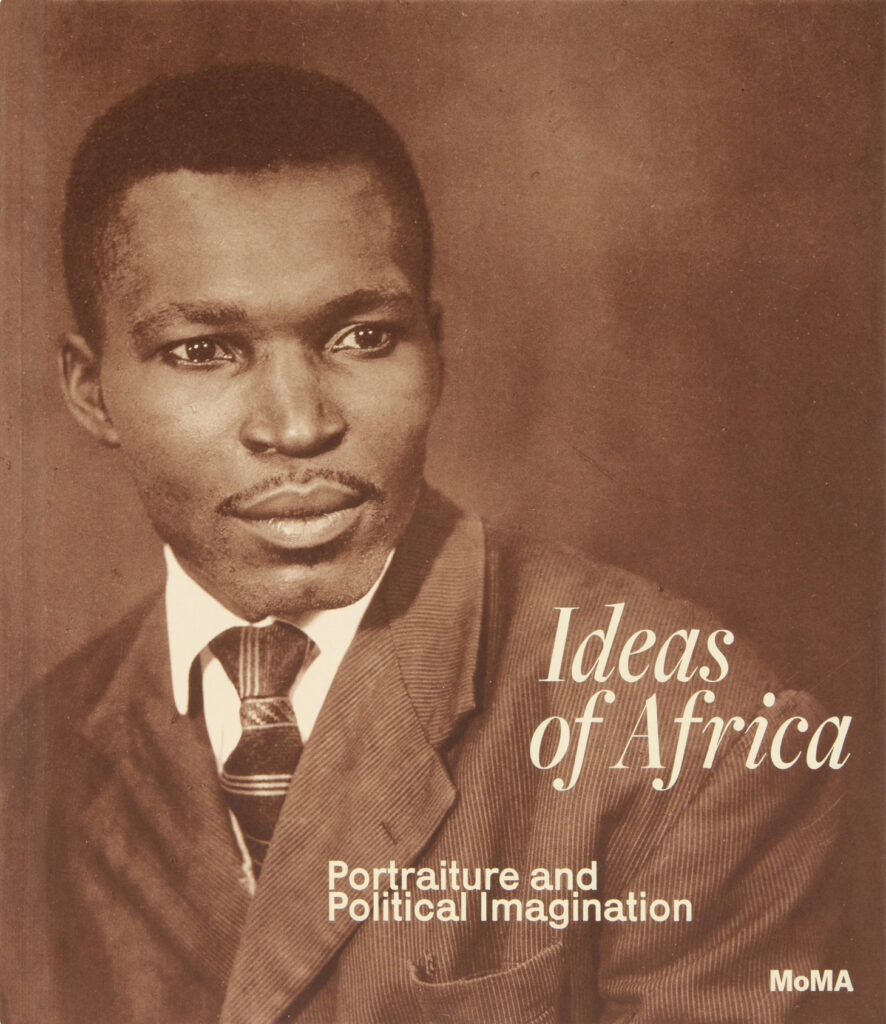
MoMA’s exhibition Ideas of Africa: Portraiture and Political Imagination revisits the golden age of African studio photography—roughly the 1950s through 1970s—through work shaped by the questions raised in V. Y. Mudimbe’s The Idea of Africa. Where Mudimbe exposed “Africa” as a Western epistemological construction built to maintain colonial power, the photographers here offered something radically different: images made from within, by African subjects claiming authorship over their own representation.
The show, organized by Oluremi C. Onabanjo, presents the portrait studio as a site of collaborative self-creation, where photographers and sitters crafted images with intention, style, and political imagination. These portraits capture a moment when personal identity and continental transformation were rising together—seventeen nations gained independence in 1960 alone—forming the visual languages that continue to shape African culture today.
Ideas of Africa: Portraiture and Political Imagination is on view December 14, 2025, through July 25, 2026, at The Museum of Modern Art, New York.
The Studio as a Stage
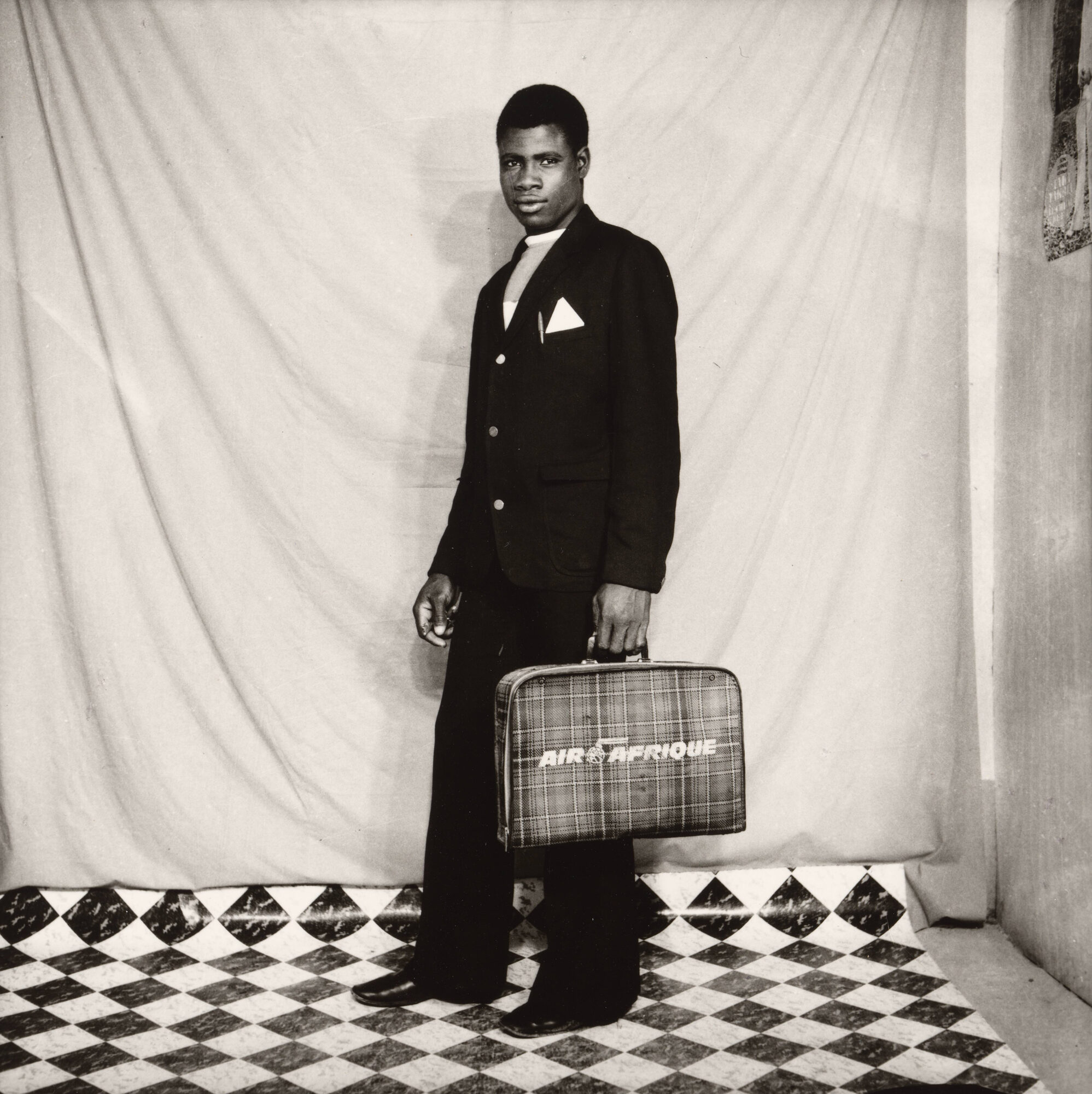
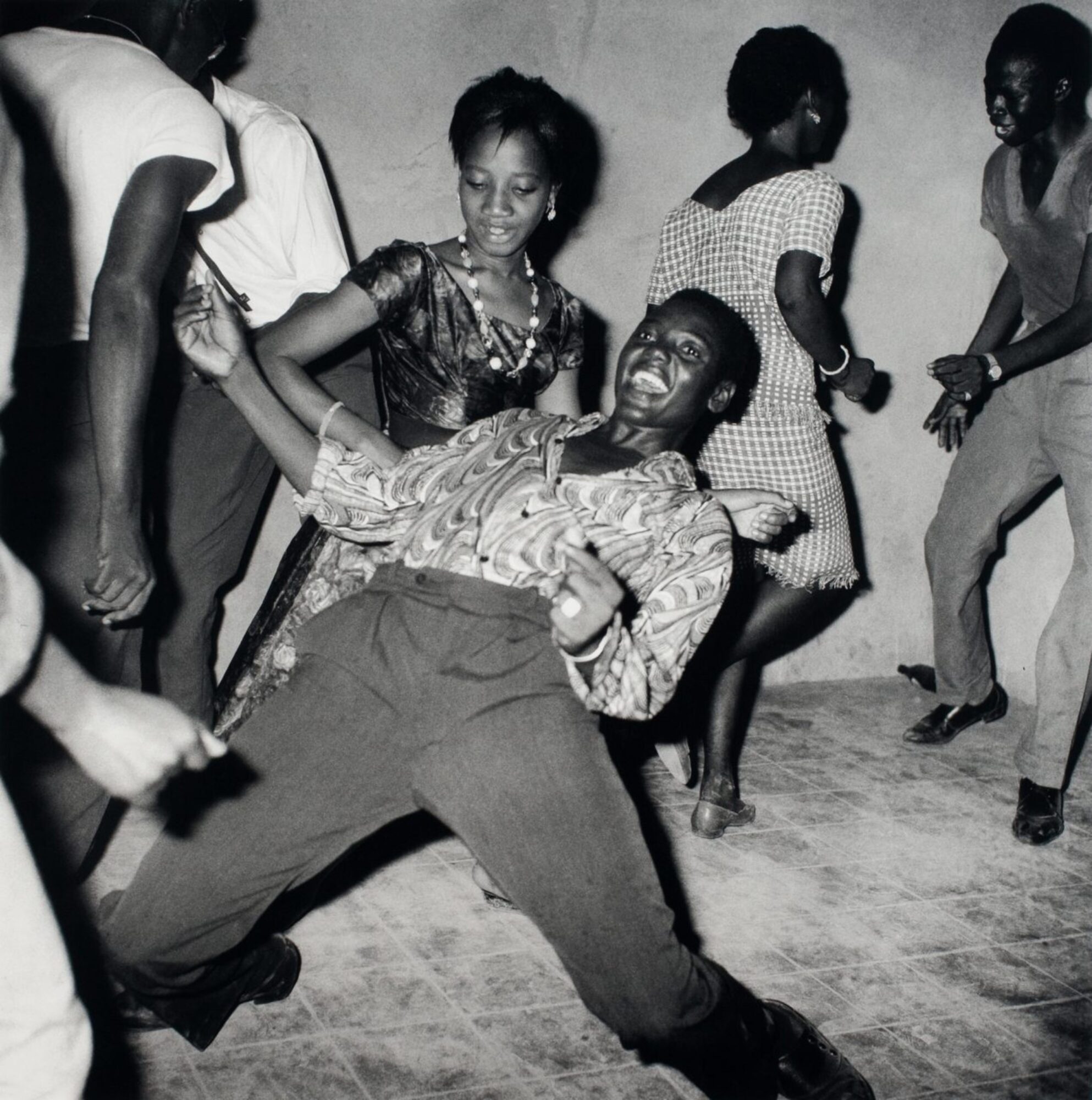
The exhibition’s foundation lies in portraits created during the independence era across West and Central Africa. Artists including Seydou Keïta, Malick Sidibé, Jean Depara, and Sanlé Sory transformed the studio into a space where style carried as much weight as pose. Their images show people defining themselves through fashion, backdrop, and atmosphere—claiming how they wanted to be seen in a world they were actively remaking.
This period mirrors a time when cities were expanding, decolonization was reshaping public life, and individuals were negotiating new forms of belonging. The portraits invite viewers into moments of ease and performance, creating a record of self-expression that continues to echo through contemporary image-making.
Lineage and Reinvention
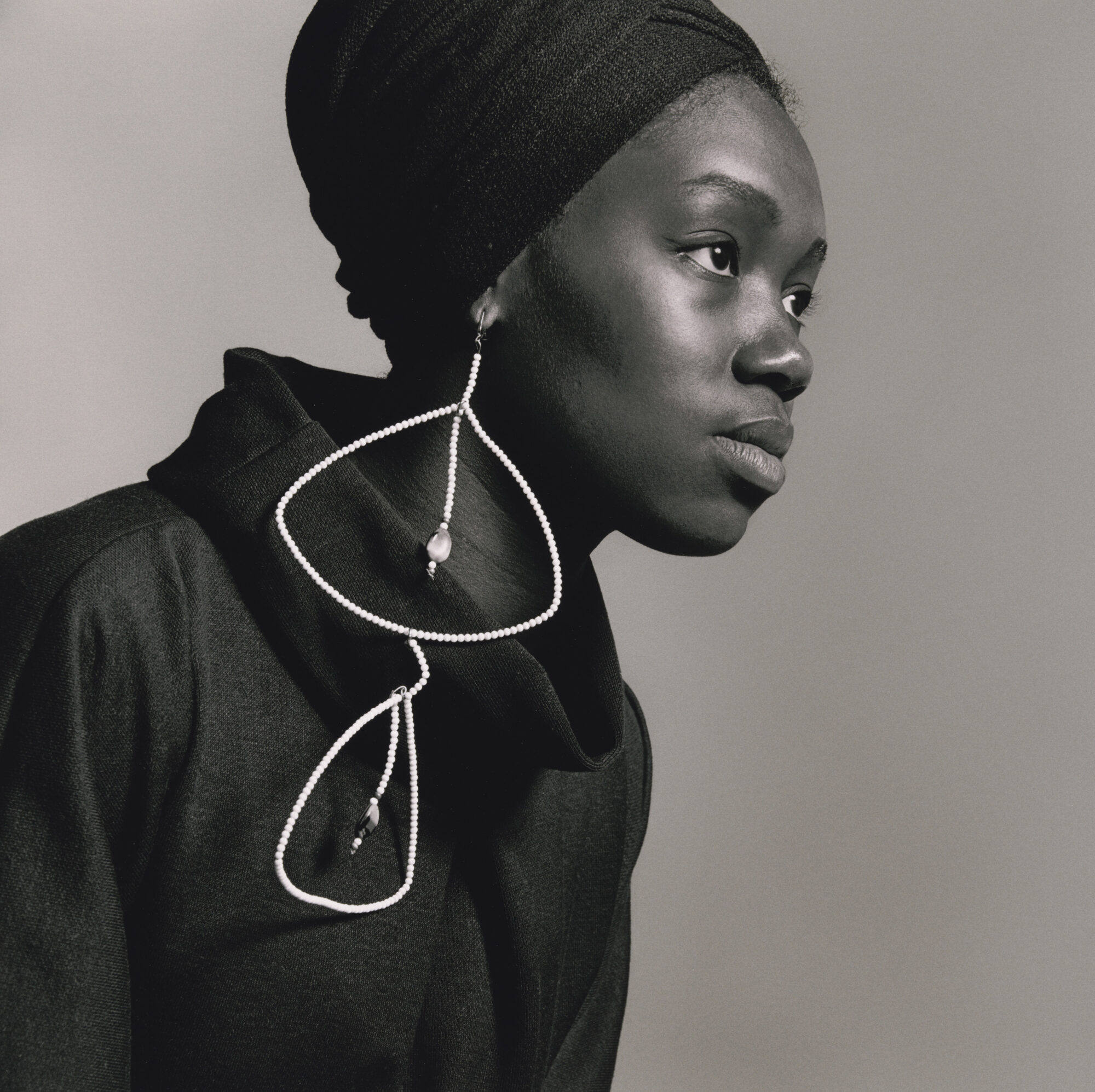
The exhibition expands through artists who draw from this lineage while pushing portraiture into new territory. Kwame Brathwaite, who founded the African Jazz-Art Society & Studios in Harlem in 1956, positioned photography at the nexus of Black artistic and political expression—his portraits of the Grandassa Models and documentation of jazz scenes in Harlem and the Bronx helped give visual form to “Black Is Beautiful” as both slogan and philosophy. James Barnor’s work between Accra and London traces what curator Onabanjo calls “the transatlantic call and response” that constructed Africa as a political idea alongside the American Civil Rights movement.
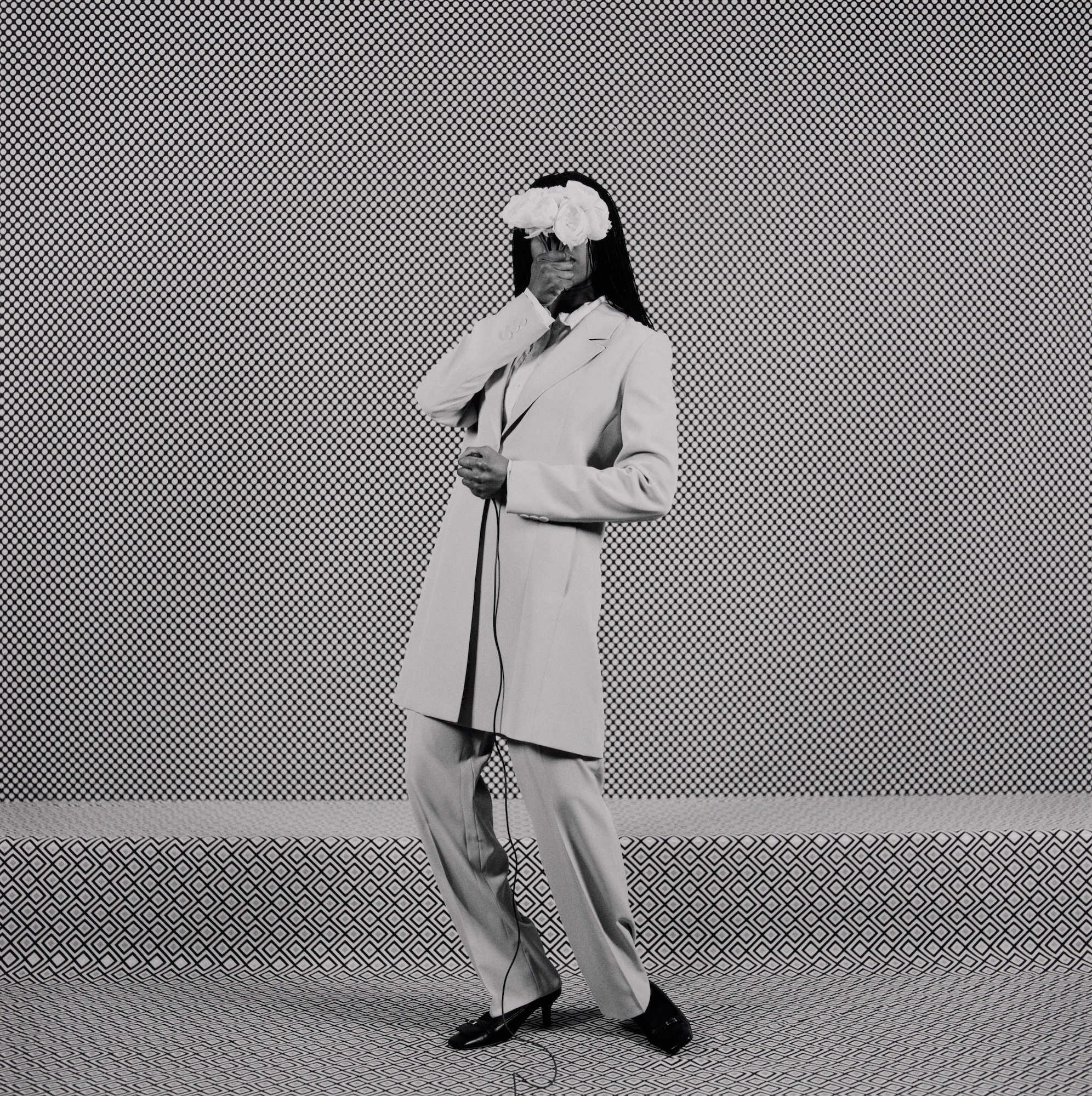
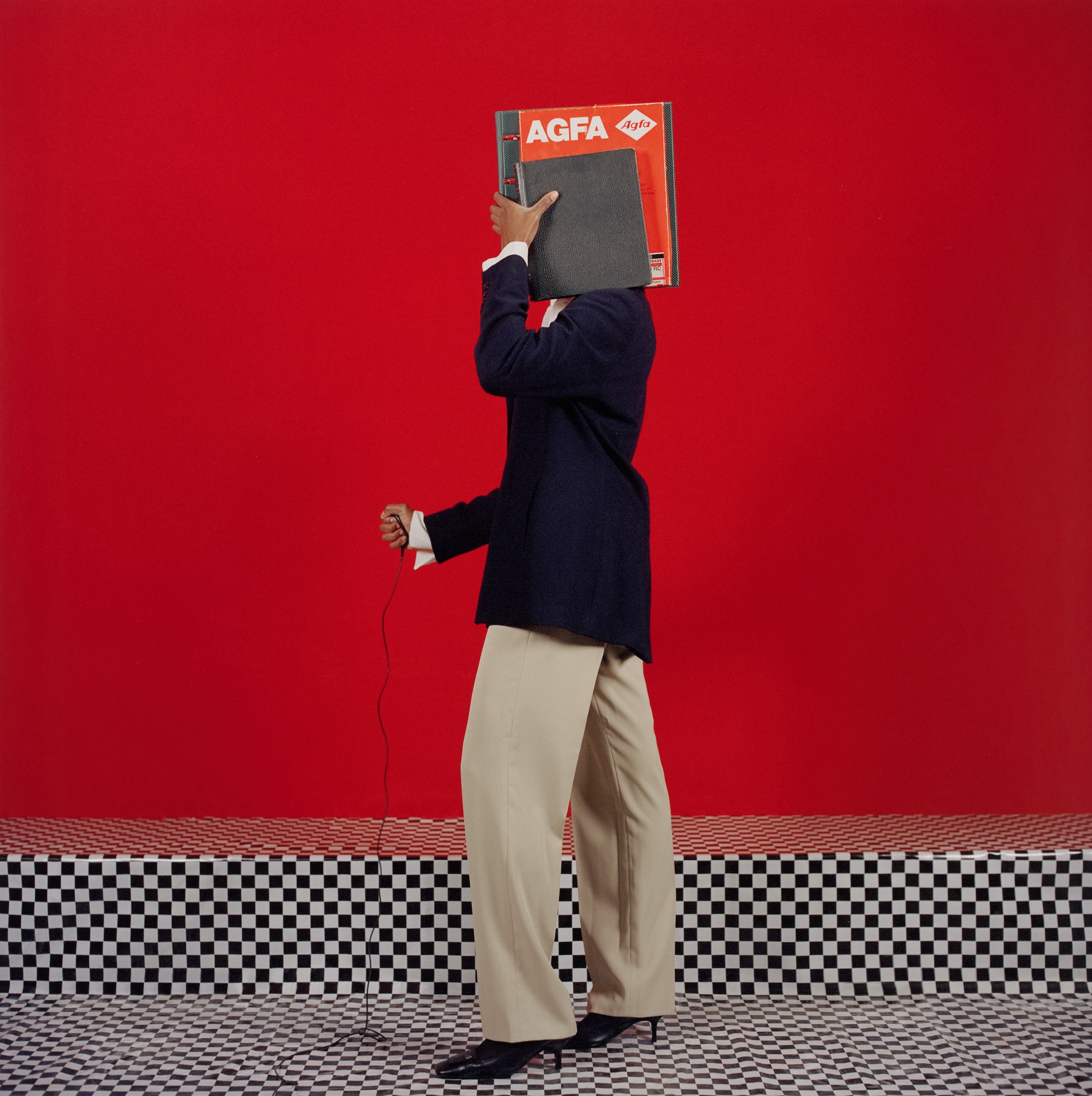
Samuel Fosso introduces performance and multiplicity through African Spirits, embodying figures from Patrice Lumumba to Angela Davis. Silvia Rosi and Oumar Ka shift the perspective further, exploring memory, migration, and fragmented identity. Placed together, these works show how the language of African portraiture has evolved from the classic studio into something more fluid and expansive. The thread remains: a commitment to making the self visible with intention.
Unfinished Conversations
Notably, Ideas of Africa marks the first time MoMA’s Department of Photography—which has staged over four hundred exhibitions since 1940—has addressed the genre of portraiture on the African continent. The show dispenses with what Onabanjo calls “the burden of representation” to focus instead on political imagination: not static affirmation of identity, but the ongoing work of becoming.
This is a portrait of a visual tradition that is both historic and unfinished. The exhibition highlights how photography has shaped cultural imagination across generations, grounding contemporary creativity in a deep and influential past. As Onabanjo writes in the catalogue: “The conversation is unfinished, ready to be remade.”
The Museum of Modern Art Ideas of Africa: Portraiture and Political Imagination, on view December 14, 2025 to July 25, 2026.
Share This:
You Might Also Like
The Studio as a Stage
The exhibition’s foundation lies in portraits created during the independence era across West and Central Africa. Artists including Seydou Keïta, Malick Sidibé, Jean Depara, and Sanlé Sory transformed the studio into a space where style carried as much weight as pose. Their images show people defining themselves through fashion, backdrop, and atmosphere—claiming how they wanted to be seen in a world they were actively remaking.
This period mirrors a time when cities were expanding, decolonization was reshaping public life, and individuals were negotiating new forms of belonging. The portraits invite viewers into moments of ease and performance, creating a record of self-expression that continues to echo through contemporary image-making.
Lineage and Reinvention
The exhibition expands through artists who draw from this lineage while pushing portraiture into new territory. Kwame Brathwaite, who founded the African Jazz-Art Society & Studios in Harlem in 1956, positioned photography at the nexus of Black artistic and political expression—his portraits of the Grandassa Models and documentation of jazz scenes in Harlem and the Bronx helped give visual form to “Black Is Beautiful” as both slogan and philosophy. James Barnor’s work between Accra and London traces what curator Onabanjo calls “the transatlantic call and response” that constructed Africa as a political idea alongside the American Civil Rights movement.
Samuel Fosso introduces performance and multiplicity through African Spirits, embodying figures from Patrice Lumumba to Angela Davis. Silvia Rosi and Oumar Ka shift the perspective further, exploring memory, migration, and fragmented identity. Placed together, these works show how the language of African portraiture has evolved from the classic studio into something more fluid and expansive. The thread remains: a commitment to making the self visible with intention.
Unfinished Conversations
Notably, Ideas of Africa marks the first time MoMA’s Department of Photography—which has staged over four hundred exhibitions since 1940—has addressed the genre of portraiture on the African continent. The show dispenses with what Onabanjo calls “the burden of representation” to focus instead on political imagination: not static affirmation of identity, but the ongoing work of becoming.
This is a portrait of a visual tradition that is both historic and unfinished. The exhibition highlights how photography has shaped cultural imagination across generations, grounding contemporary creativity in a deep and influential past. As Onabanjo writes in the catalogue: “The conversation is unfinished, ready to be remade.”
The Museum of Modern Art Ideas of Africa: Portraiture and Political Imagination, on view December 14, 2025 to July 25, 2026.