


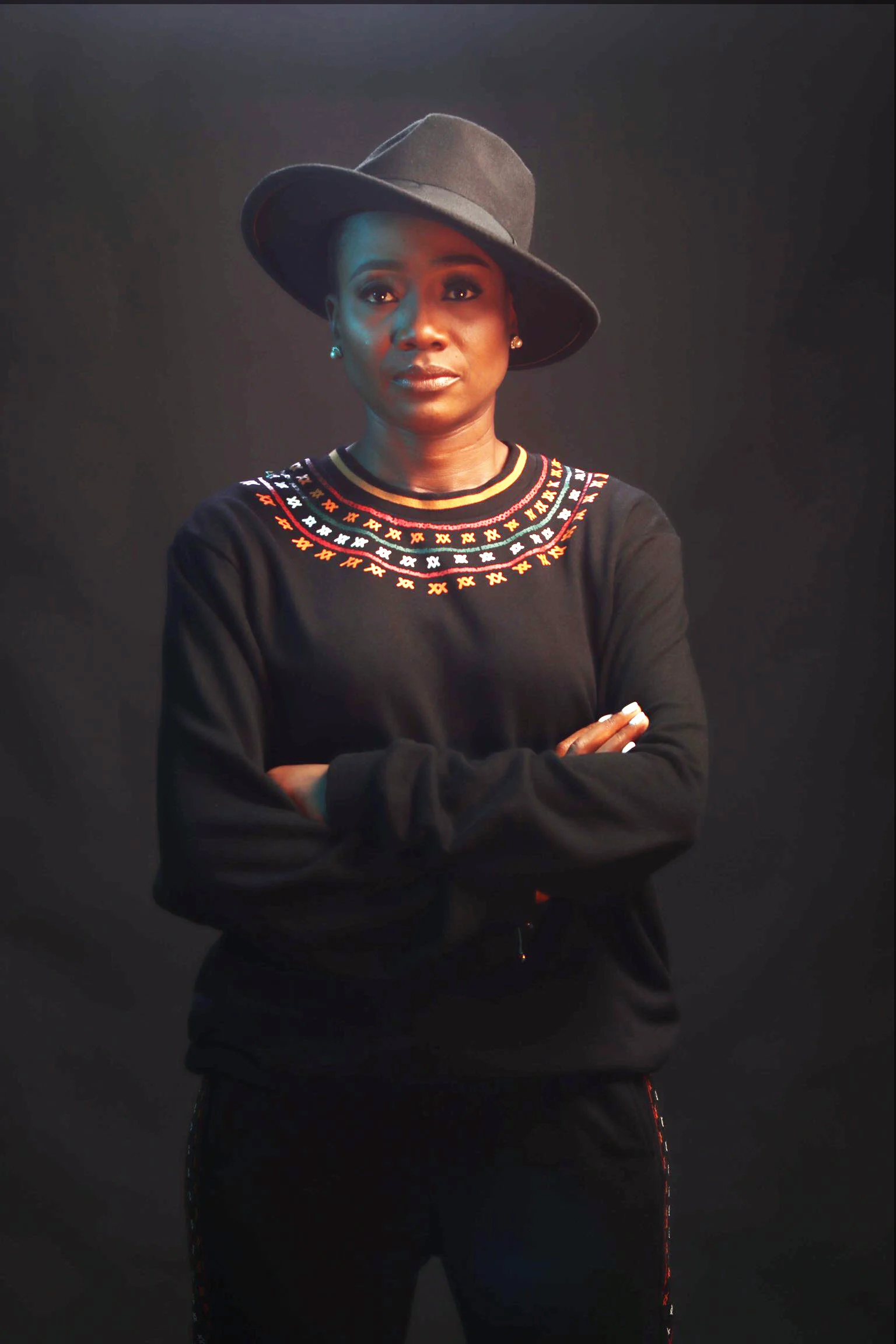
In Cameroonian culture, a Mafo is a noble Bamileke woman—a figure of authority and wisdom. It is also the name Kibonen Nfi chose for the garment that has become the center of her brand: a dress embedded with symbols of unity, resilience, procreation, and cultural continuity. The Mafo Dress has traveled from New York to Cairo, carried by women who wear it as both garment and declaration. They gather around it at brunches that function as something between ceremony and statement. It is a made-to-order piece, technology-enabled, built to resist overproduction. And it is, more than any manifesto, the clearest proof of what Kibonen is actually trying to do.
Founded by Nfi, a Cameroonian designer whose work draws from the Toghu textile traditions of the Bamenda people in the country’s North West region, Kibonen operates as something more deliberate than a fashion label. In an industry where African aesthetics have long inspired global design without equivalent ownership, the brand’s position is plain: Africa is not a source. It is the authority.
Nfi conceived the project beyond the limits of a traditional fashion house. She was building, as she explains, “a cultural and economic system”—one where design serves as an entry point into something structural. Her aim was to reposition African heritage as a global standard of luxury and innovation, and to build “a company that outlives trends and becomes an institution.”
That ambition is easy to state. What makes the story worth telling is what it actually costs to pursue.
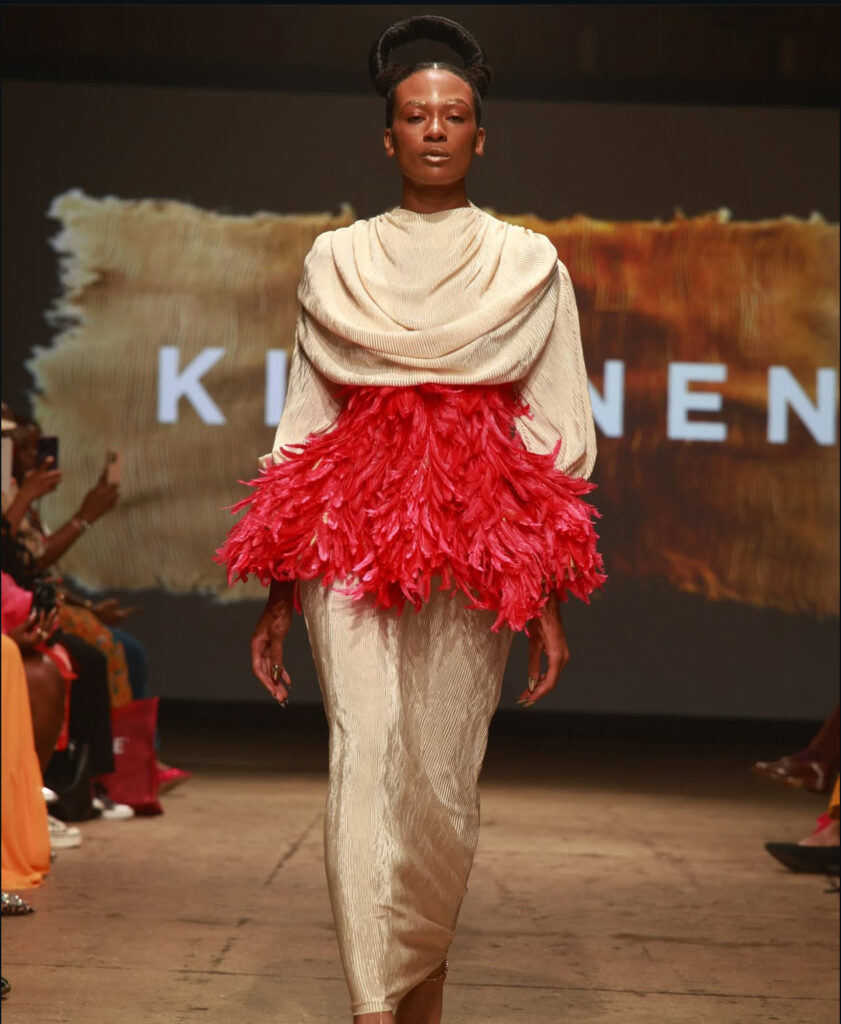
Kibonen’s relationship to heritage is specific. The Toghu textile tradition is not treated as aesthetic reference—something to be sampled, flattened, or recontextualized for foreign markets. It is claimed as authorship. For Nfi, the distinction is essential. “Africa was present as inspiration, but not as authority,” she says. Rather than reject that reality, Kibonen builds through it, approaching innovation with what she calls “reverence and responsibility”—not to replace tradition but to extend its life, “ensuring that what has been passed down is not lost, but evolves.”
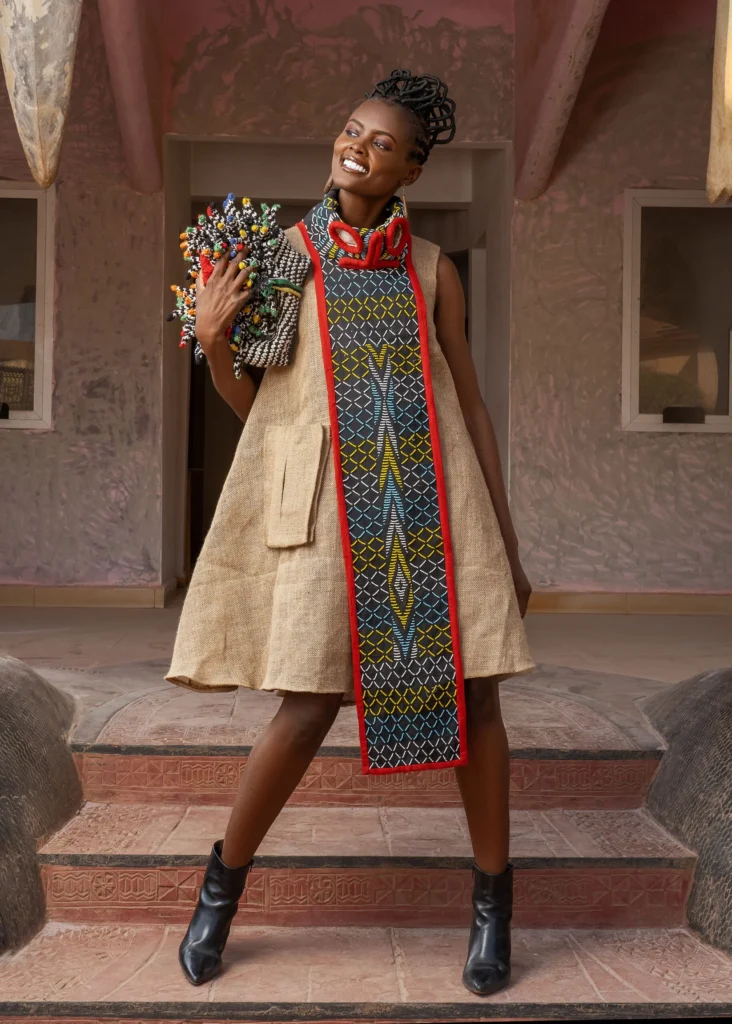
But heritage alone does not sustain a business. And it is in the realities of production that the brand’s philosophy meets its sharpest test.
One of the earliest barriers Nfi faced was psychological. “The idea that creativity could be a financially viable future was not widely accepted,” she recalls. To pursue fashion as both a creative practice and a financial model required resistance—to inherited expectations, to limited infrastructure, and to the quiet ceilings placed on what African designers are expected to become. Kibonen was built while simultaneously constructing the systems required to sustain it: navigating gaps in manufacturing, access to capital, and global distribution.
“Building manufacturing in Africa requires patience, long-term vision, and commitment beyond immediate returns,” she notes. Local production in Cameroon, for Nfi, is about ecosystem building—preserving craftsmanship, transferring skills, creating economic pathways that extend beyond the garment. In a country where over 60% of the population is under 25, apparel manufacturing holds capacity to generate employment across agriculture, logistics, and retail.
Yet building entirely within that system came with weight. Over time, the financial and operational strain of navigating persistent structural limitations made it clear that continuing in isolation would limit growth rather than sustain it. So Kibonen expanded manufacturing beyond Cameroon—a move Nfi frames as “not a departure from the vision, but an evolution of it,” allowing the brand to stabilize, scale with precision, and extend its reach while remaining aligned with its core purpose.
Today, that reality continues to shape her leadership. “Every decision I make today is guided by longevity, not urgency,” she says.
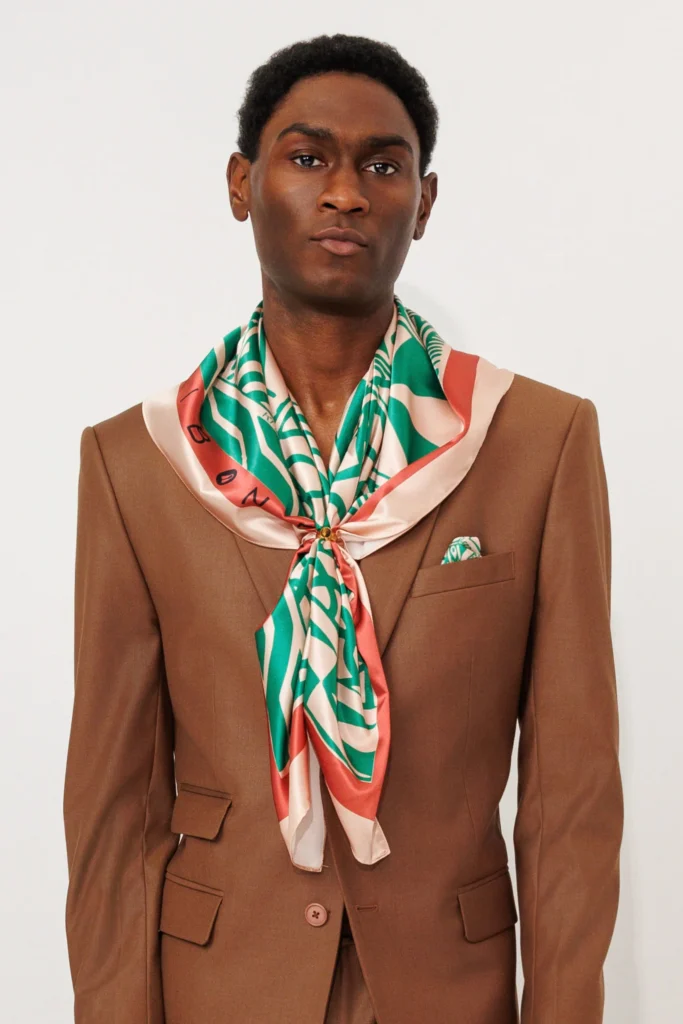
Which returns to the Mafo Dress, and to what longevity actually looks like when it takes physical form.
“One of the greatest strengths a brand can develop is the discipline to focus,” Nfi says. Instead of expanding rapidly across multiple products, Kibonen anchored itself in a single defining piece. “An iconic product becomes a storytelling vessel,” she adds—and over time, the Mafo Dress has borne that out. Nfi travels with it, hosting gatherings in cities from New York to Cairo, building community around the garment in person. Through the Mafo Dress Brunches, it moves beyond form into experience—connecting women across generations, cultures, and professions through what she describes as “a symbol of unity, intention, and belonging.”
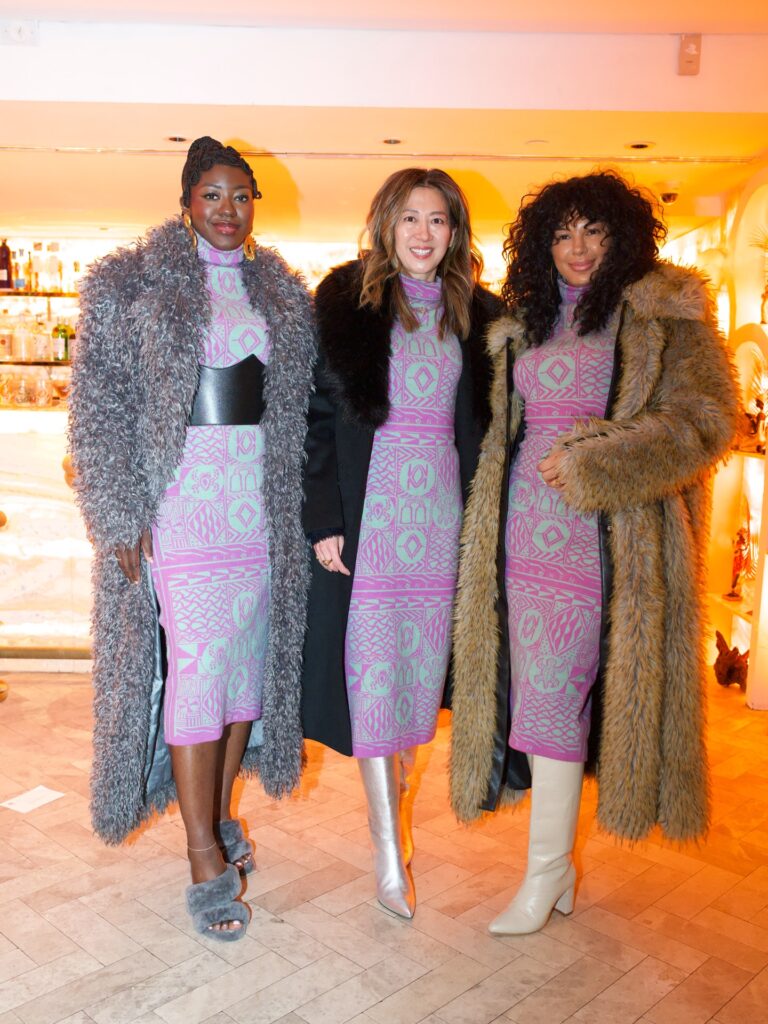
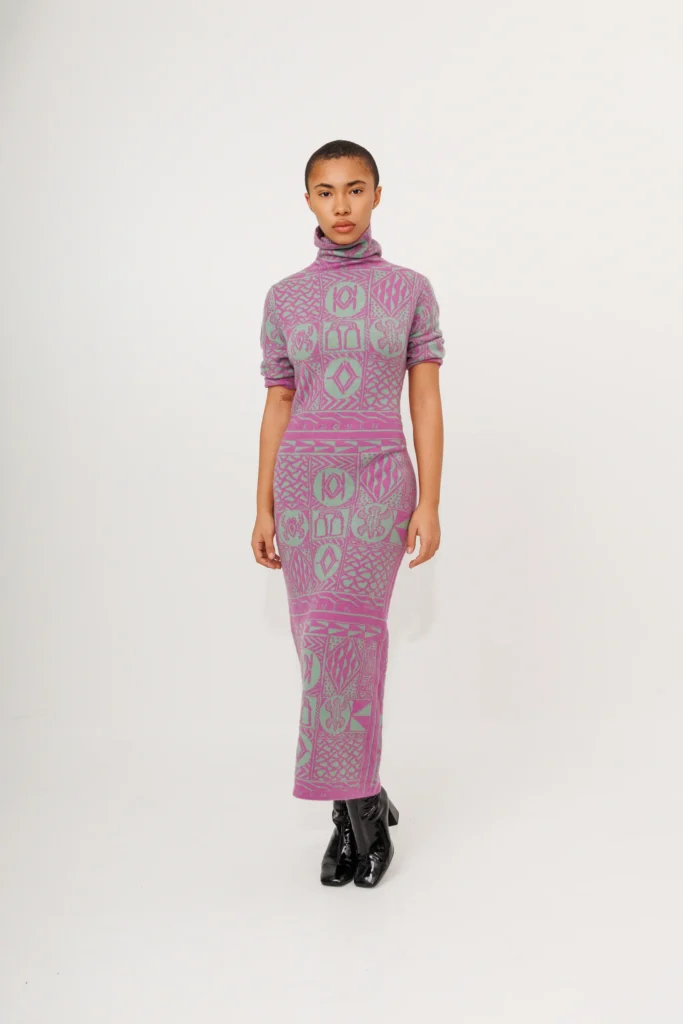
The business model reinforces the symbolism. Made-to-order production resists overproduction. Growth is approached with intention—”building icons that can sustain demand across generations,” as Nfi puts it, rather than chasing volume. This is where the brand’s argument becomes legible: not in its mission language, but in a dress that carries heritage, circulates through communities, and sustains itself commercially without compromising what it represents.