


A Second Life for Bespoke Occasionwear
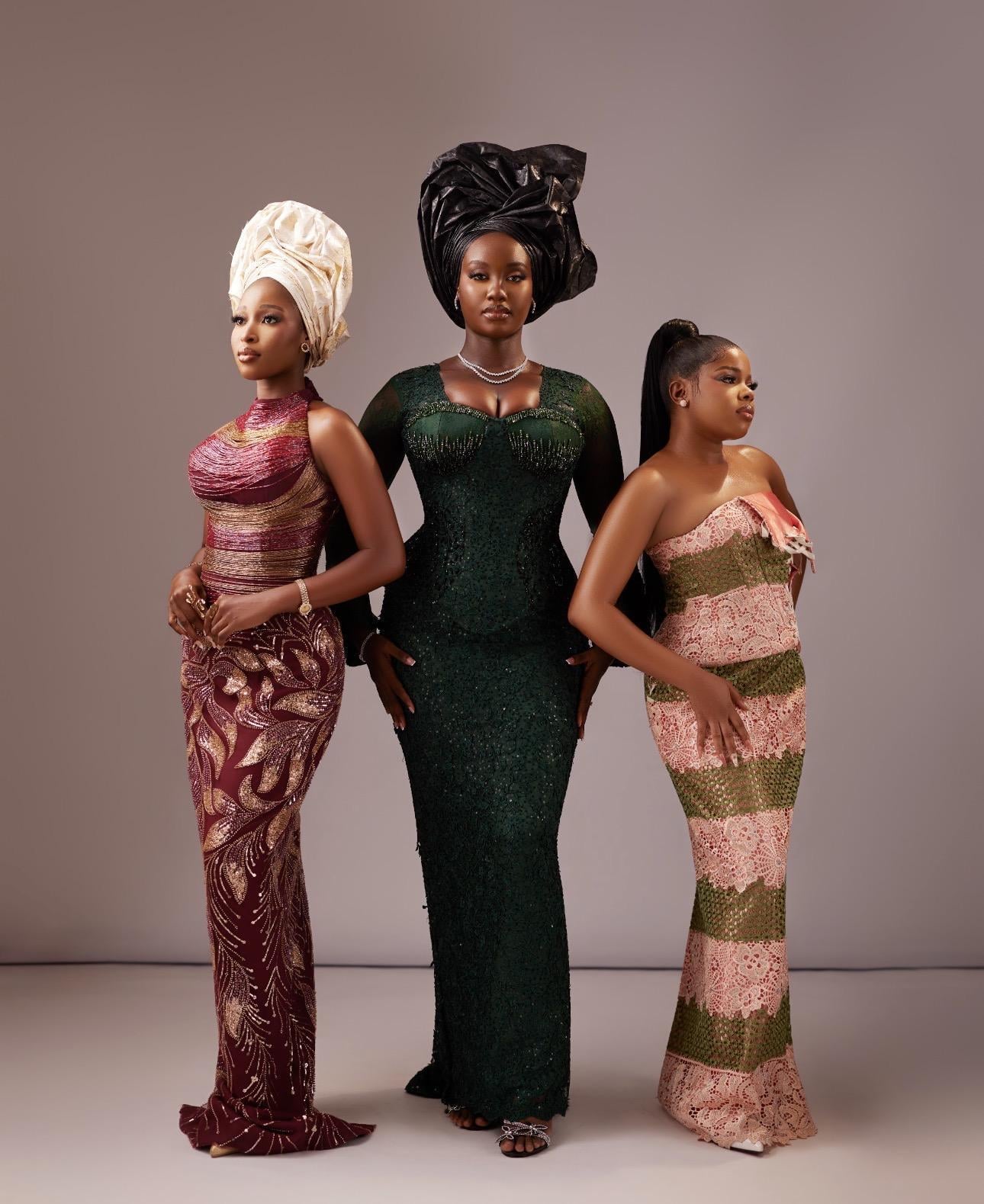
A red and pink kente dress had one outing: a friend’s wedding, worn as part of the bridal party. The woman who wore it had commissioned it for around $300, fabric and tailoring included. Afterwards, she said, “I don’t think any other event would’ve been fitting” and “there’s no reason to have it hanging in my closet.” She listed it for $180.
A little over a month later, the dress sold to a woman shopping for her uncle’s traditional Ghanaian wedding. “It [was] my first kente dress,” she wrote, “so I’m not familiar with the process of getting a dress from Ghana and getting it beaded, so I thought finding one already done for me would be perfect.” She paid the asking price plus shipping from Texas to New Jersey. According to the buyer, it fitted without alterations: the measurements on the listing matched her own. She said she would buy resold occasionwear again.
Toni Adewuyi described hearing similar requests at events, where people would ask to buy her outfits once she was finished with them. She had spent hundreds on dresses she did not expect to wear again. Those requests led her to establish Rewa, The Ebi Closet, a platform for buying, selling and renting traditional occasionwear, often called trad.
Passing clothes on already has a history in Nigeria. A 2010 study by A. A. Amubode and O. O. Braide examined hand-me-down clothing in Yoruba communities and proposed a local trade around it. What makes a fitted, beaded gown difficult to resell is partly its construction: a piece made for one wearer may need substantial work before it fits another.
Aisha Ayan, a writer and research consultant on Nigerian culture and society, described borrowing a wrapper from her mother for a wedding she attended at short notice. It needed no tailoring to fit her.
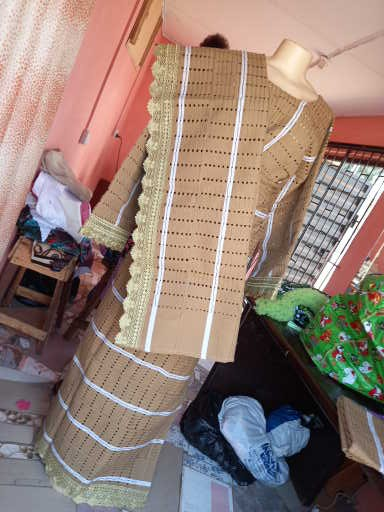
Aso ebi, literally “family cloth”, refers to clothing worn by relatives or friends to mark their connection at an occasion. It does not prescribe one silhouette. A wrapper and blouse, or iro and buba, offers a different kind of flexibility from a gown with a fitted, boned bodice.
“Traditionally, your aso ebi is incredibly reusable,” said Ayan when I spoke with her about the roots of West African trad. “There’s no way that you can’t reuse that, because it’s made in a way that allows you to wear it for multiple occasions, and also takes into consideration fluctuations in weight.”
Ayan sees a move towards closer-fitting styles that can be less forgiving when a wearer’s measurements change. “Tight-fitting clothes are only as good as your ability to continue to fit into them,” she said.
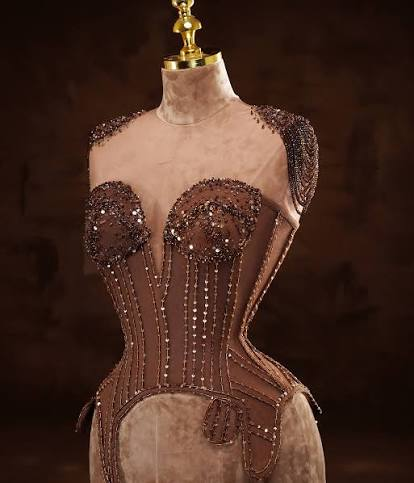
Kwame Opoku, the designer behind Isla O., explained how the construction affects alterations. “A corset requires knowledge of lingerie-making processes to ensure the fit is perfect; added to that is the hand beading done on most of these garments. Altering for resale or reimagining the design can be challenging because it really is a custom fit to that particular client’s body.”
“It’s not a simple case of just taking in or letting out,” he continued. “It becomes more involved depending on materials used.”
Opoku said his own clients rewear their pieces, and he discusses this with them when making a custom outfit. Alterations can make resale more expensive, even when they are possible.
Opoku also questions the value placed on the work, saying “we have been conditioned to look at these couture-level clothes as disposable”. In his view, African designers’ craftsmanship is not always accorded the same respect as comparable work from Western fashion houses.
The reluctance to wear something second-hand can have other roots. “There was definitely a culture of shame around used clothing,” Ayan said, although she believes economic pressures are making people more willing to consider it.
In a study published in Frontiers in Sustainability in January 2026, Sunday Olutayo Fakunle and Albert Oludele Ajani interviewed 36 residents aged 50 and over about household waste practices in four quarters of Ile-Ife, in south-western Nigeria. Participants described passing clothing between family members, while some associated reused goods with poverty. They also reported concerns about giving clothing to strangers who might use it to cause spiritual harm.
Ayan similarly described beliefs that clothing can retain something of its wearer. The Ile-Ife study records such concerns alongside the practice of passing clothes between relatives; its small, older sample cannot establish how common those beliefs are across Nigeria.
Public visibility brings another pressure. Opoku believes social media encourages the idea that outfits should not be repeated. But the relationship between dress, status and being photographed predates the wedding feed. Okechukwu Nwafor’s research on aso ebi in Lagos traced its connections with photography, wealth and belonging between 1960 and 2010.
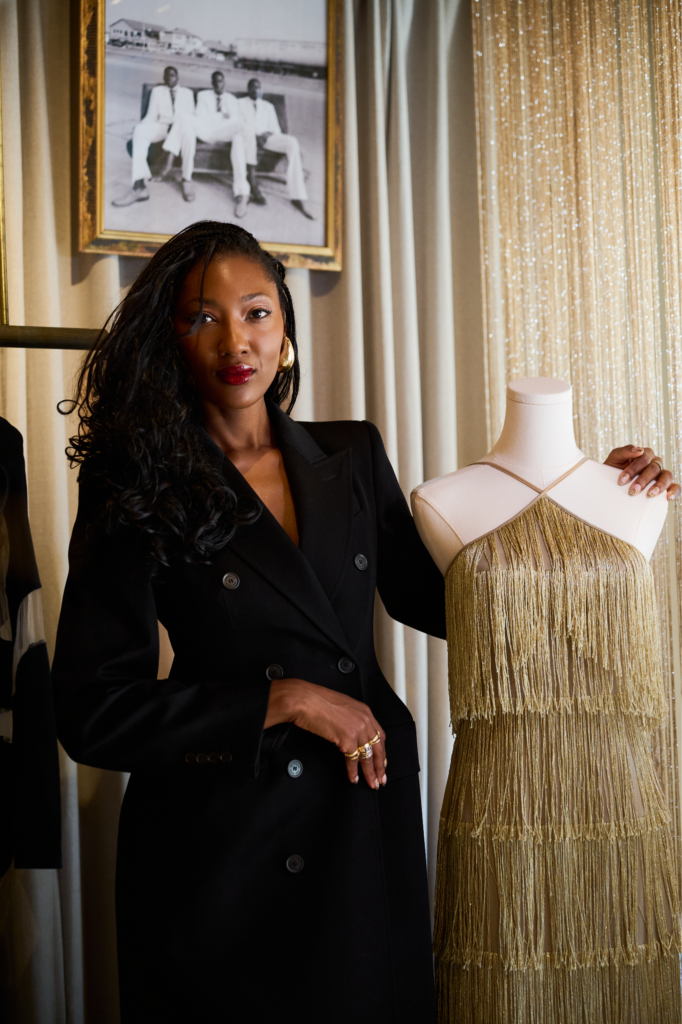
Noelle Bonner, founder of the resale platform TheNOBO, has worked to bring African design into its San Francisco shop. When asked about bespoke traditional clothing, she identified a practical limit: “Bespoke and made-to-measure pieces are cut for the original client, so sizing isn’t standard. That narrows the pool of potential buyers significantly, and it makes online discovery harder because a shopper can’t easily tell from a listing whether something will fit.”
Ready-to-wear gives buyers a labelled size to start from, although that alone cannot guarantee fit. With a made-to-measure piece, the next owner has to work more closely from the garment’s actual measurements and consider whether alterations are possible.
Rewa is among the businesses trying to make that exchange easier. Other platforms also serve this market: Ojà Aṣọ, for example, advertises a marketplace for pre-owned aso ebi and other traditional clothing.
Before building Rewa, Adewuyi surveyed about 50 women in June 2025, mostly friends and friends of friends. She asked what they spent on fabric and tailoring, whether they would sell an outfit for 40 to 60 per cent of its original value, and whether they would buy aso ebi second-hand. She found the responses encouraging. It was an informal test within her own network, rather than a representative measure of demand.
Adewuyi said some older customers were hesitant about buying pieces that had already been worn. Shipping between the US and Nigeria had also proved expensive and unpredictable. At the same time, she saw financial pressure making resale more attractive. “Everybody is going through it,” she said. “It makes sense that fashion is going that way.”
On Rewa’s peer-to-peer service, sellers set their own prices, manage their listings and ship directly to buyers, with Rewa taking a commission. Buyers are asked to check a garment’s exact measurements and condition, including previous alterations or damage, before paying. Purchases are generally final, though buyers whose items arrive significantly different from their description are asked to contact Rewa within 24 hours of delivery. Adewuyi said buyers and sellers could arrange to meet at a tailor to try a piece before completing a sale, although Rewa did not enforce a standard fitting process.
“We’re now focused on the next challenge for any marketplace,” Adewuyi said, “building enough buyer activity to consistently connect those pieces with the people looking for them.”