


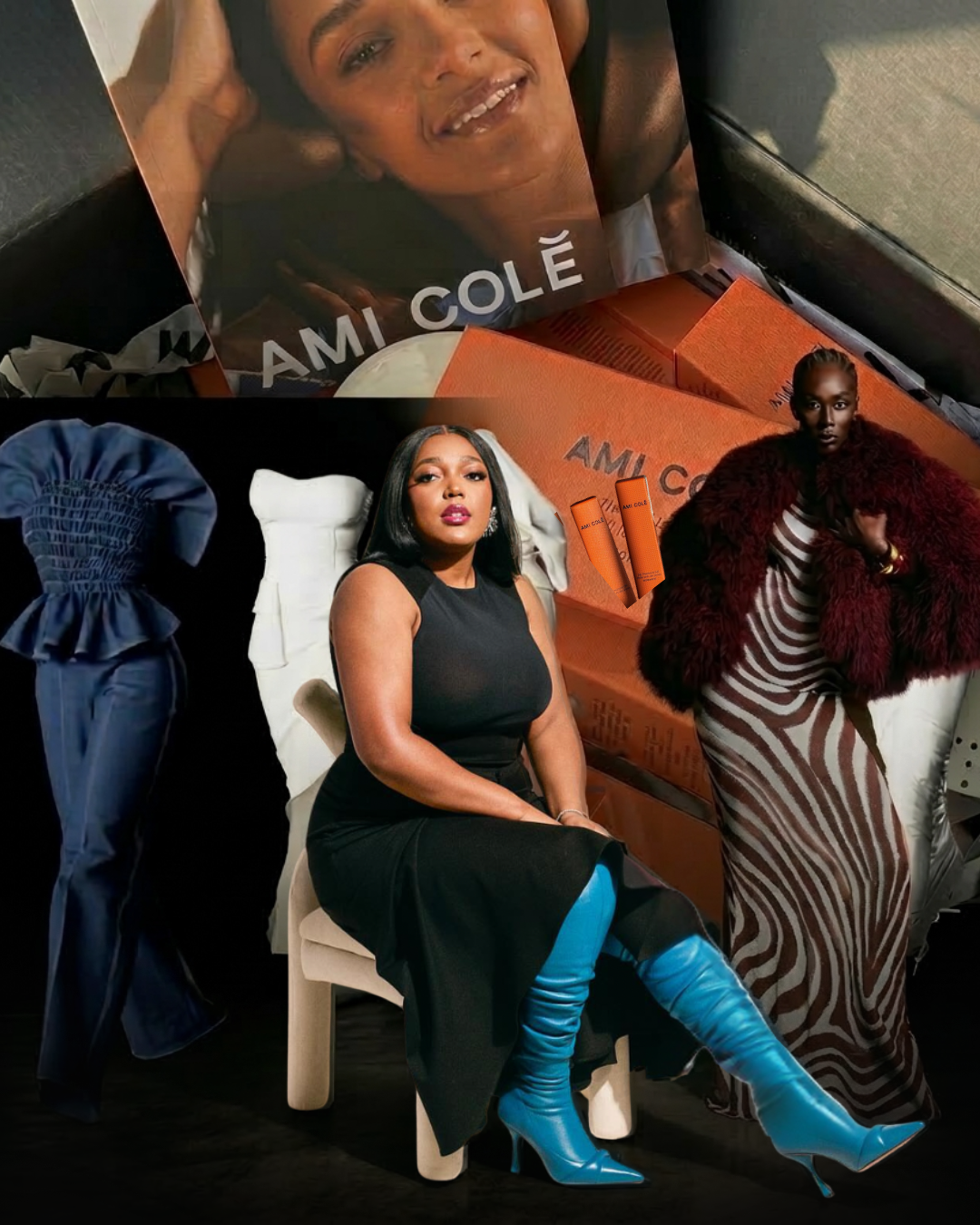
Anifa Mvuemba is Congolese, born in Nairobi to parents who fled the war in Congo and raised in the United States, where she taught herself to design and sew. She started Hanifa in Washington, D.C. in her early twenties, and for years she was the whole operation, stitching every order by hand. By 2025 the brand had grown into one of the most culturally significant independent womenswear labels in America, the kind of company that made its audience feel not just dressed but recognised. The FW25 collection launched that October to genuine momentum. A sitewide Hanifa Friday sale the following month broke the brand’s order records. Then, in the space of a few months, the whole thing buckled: fulfillment timelines slipped through December, customer backlash intensified through January, and by March Mvuemba had announced an indefinite pause on all restocks.
The collapse had nothing to do with the clothes or the community. It happened because the operational infrastructure required to fulfil that level of demand had never existed.
Eight months earlier, in July 2025, Diarrha N’Diaye-Mbaye had announced the closure of Ami Colé, the shade-inclusive beauty line she’d built from a sketch in her Brooklyn apartment into 600 Sephora doors across North America. N’Diaye-Mbaye is Senegalese-American. She had raised over $3 million in venture capital, collected more than 80 industry awards, and earned a place on Oprah’s Favourite Things list. None of it was enough. She wrote in The Cut that prime shelf space comes at a price her business could not sustain. The brand closed that September, four years after it launched.
What connects these two women is not bad luck. It is that both are African diaspora founders who built culturally essential brands in an industry that celebrated them loudly and supported them with almost none of the infrastructure their success required.
What Happened
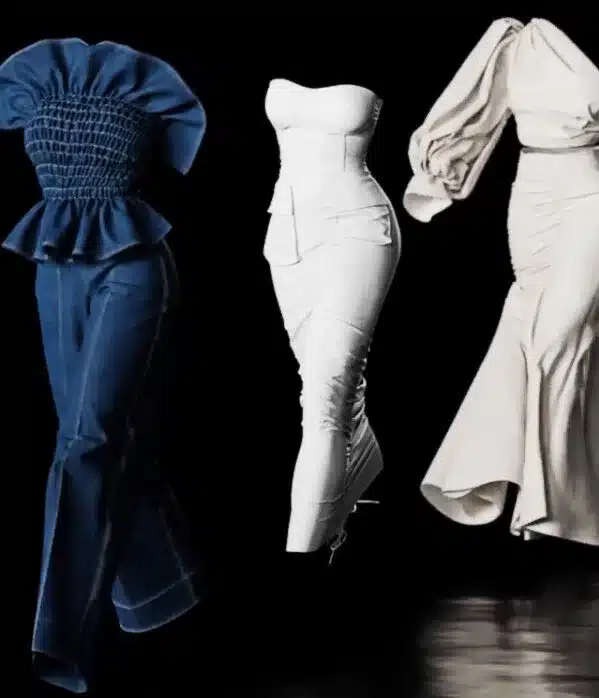
Mvuemba built Hanifa into something that functioned, for its audience, as more than a fashion brand. The 3D runway show during the pandemic, the inclusive sizing, the sculpted knitwear that treated curves as architecture rather than afterthought — all of it produced a level of community investment that went beyond the transactional. When the Hanifa Friday sale crossed a volume threshold the operation had never encountered, the fulfillment partner’s intake processes created delays that stretched into months. Some November orders arrived in February. For a brand built on heavy knitwear, that meant customers received winter clothing they couldn’t wear until the following autumn.
The backlash exceeded the problem. Mvuemba, who had given birth to her second child in December, stepped off maternity leave in January to address it. She later wrote that she went from postpartum straight into crisis management, spending nights sobbing in one room before walking into the next to be a mother. On March 2 she announced the pause, writing in an open letter that she had considered shutting Hanifa down entirely.
Brand strategist Oku Ampofo Tetteh, speaking to Guzangs, put it plainly:
“Without the necessary foundation, an independent brand trying to scale risks stretching itself too thin and exposing operational gaps, which can jeopardise its relationships with customers, suppliers, and retailers.”
— Oku Ampofo Tetteh, Brand Strategist
N’Diaye-Mbaye’s trajectory ran along the same structural lines. She launched Ami Colé when post-2020 diversity pledges had briefly made venture capital accessible to Black founders, raised enough to build the brand but not enough to compete at the scale Sephora expansion demanded. When funding to Black-founded startups fell to 0.4 percent of all venture capital deployed in 2024, there was no follow-on round. Ami Colé closed eight months before Hanifa paused.
What It Reveals
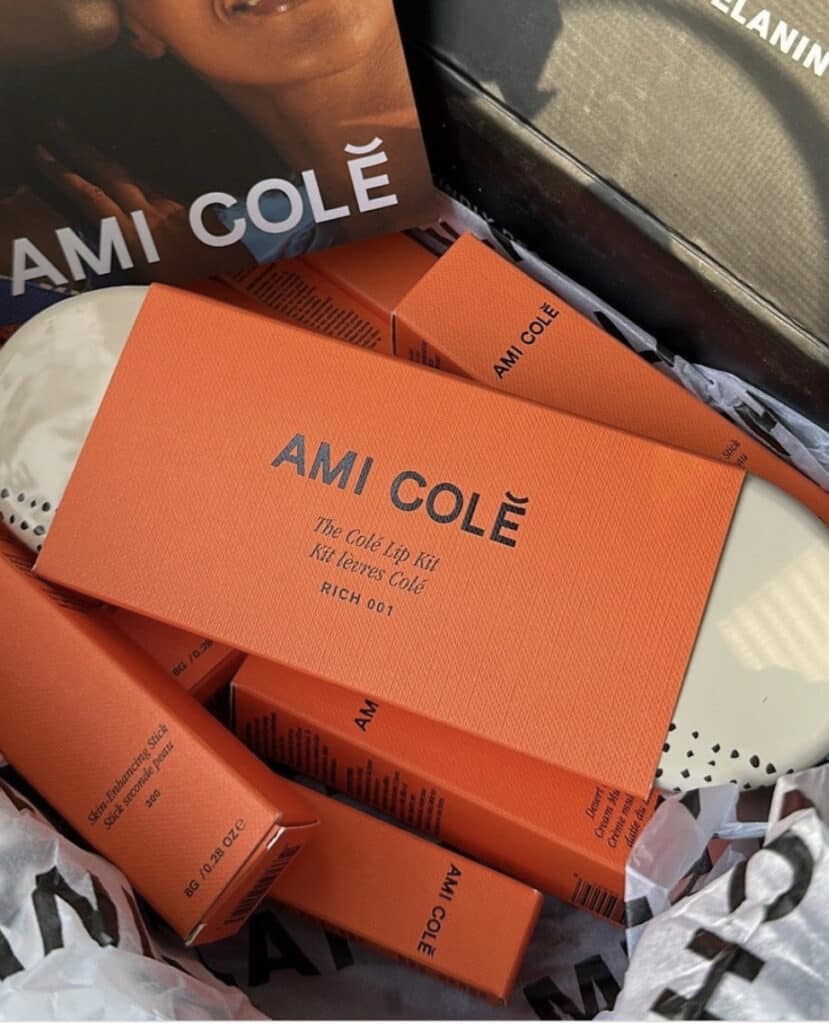
What happened to Hanifa was a systems failure, and what happened to Ami Colé was a capital structure failure. In neither case was the product the problem. Hanifa grew from a one-woman operation into a brand crossing commercial thresholds it had never approached, without the supply chain partnerships, logistics infrastructure, or operational capital that would have made the transition survivable. Ami Colé had venture backing, but structured around growth milestones rather than the patient support that would have let the brand find a sustainable scale. The kind of scaffolding that European heritage houses inherit as a matter of course, that conglomerates provide to the labels they acquire, was available to neither.
Nathaniel Biio, the Ghanaian creative director behind Biio, told Guzangs he has been through the same inflection point.
“When that happened for me, the parts I dropped the ball on were pretty similar to what happened to Hanifa. Communication became quite inconsistent. You become so overwhelmed and focused on finishing and dispatching orders that the most important part, communication, gets sidelined.”
— Nathaniel Biio, Creative Director, Biio (Ghana)
This is the defining condition for independent designers working across the African continent and its diaspora: the designer who breaks through from Accra or Dakar or D.C. or Brooklyn, who builds real cultural currency and collects the industry’s applause, and who then has to solve manufacturing, logistics, and fulfillment at scale without structural support from the ecosystem that benefits from their visibility.
It is worth being precise about the scope. The infrastructure collapse in fashion is not exclusive to African or diaspora designers. The old garment district funding model, where financiers functioned as genuine business partners to the designers they backed, has largely disappeared. The post-2020 wave of diversity-linked capital proved to be a moment rather than a shift. This is an industry-wide condition. But it is not felt equally. The designers operating without established manufacturing networks, without generational industry relationships, without proximity to the financial centres where fashion is still capitalised, they absorb the consequences of that collapse first and most severely.
The public discourse made the emotional stakes visible. Scroll through X, Threads, and TikTok in the weeks surrounding Hanifa’s pause and you find a community arguing with itself: one side pointing out that Shein, Boohoo, and Fashion Nova deliver worse service without consequence, the other insisting that Black consumers deserve the same accountability standard from Black-owned brands that they’d demand from anyone else. Sustainable fashion researcher Harriet Ann Adjabeng, speaking to Guzangs, put it this way:
“Accountability is important, but the internet often prefers a single villain to a complicated story. Many independent brands are scaling rapidly in an industry with complicated supply chains and intense customer expectations.”
— Harriet Ann Adjabeng, Sustainable Fashion Writer & Researcher
Both positions are grounded in something real, and the tension between them is itself a product of the structural gap. When the infrastructure between a brand and its audience does not exist, the emotional cost of failure gets absorbed by the relationship between founder and customer, and everyone absorbs a share of the cost, and the industry that could have built something in between has yet to do so.
There is a final dynamic worth naming. Mvuemba’s open letter was raw and effective, but it was also the kind of document no European luxury house founder would ever be asked to produce. N’Diaye-Mbaye wrote her own version in The Cut. The expectation that Black women founders must perform vulnerability to earn grace is a tax with no equivalent elsewhere in the industry. Biio, speaking to Guzangs, had a precise read on why it works:
“Usually in situations like this, vulnerability is the most convincing tool for the audience. They want to see you being humble and actually sorry. So in some way, that open letter direction is the most effective remedy.”
— Nathaniel Biio, Creative Director, Biio (Ghana)
What It Means
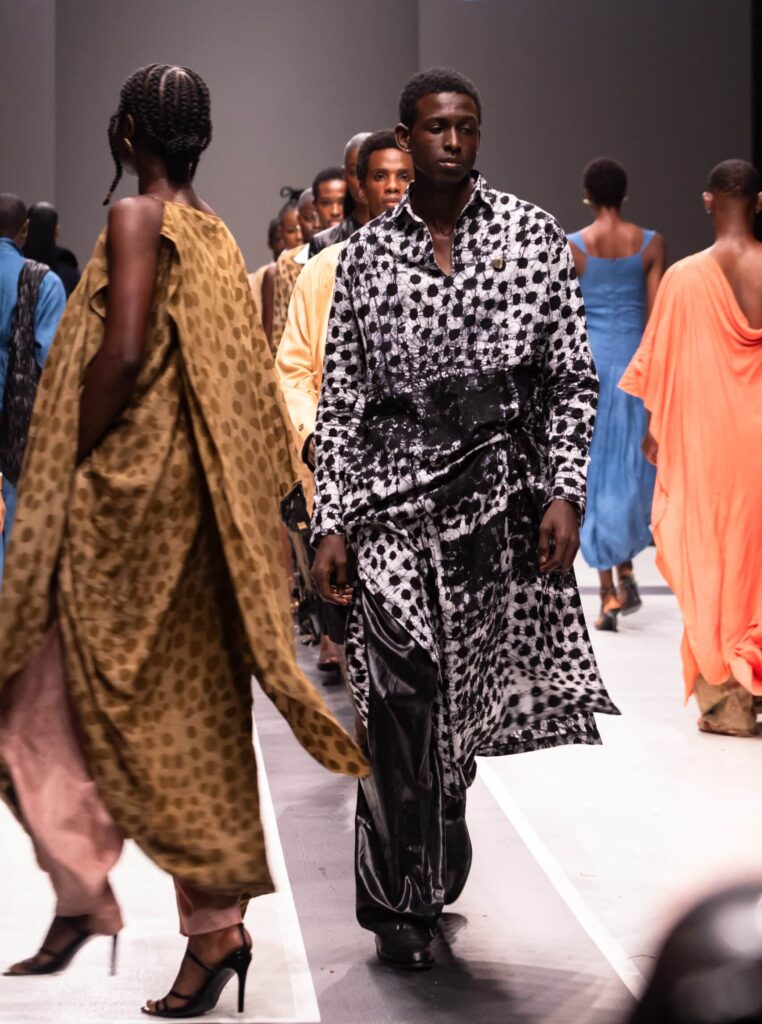
Hanifa paused in 2015 and came back stronger. Mvuemba knows what she is doing. But the 2015 reset did not build stronger infrastructure for anyone who came after. Ami Colé closed eight months before Hanifa paused and the conditions that produced both outcomes were already in place years before either event. In Accra and Dakar and Johannesburg and Nairobi, independent designers are meeting the same wall right now with even less infrastructure than what exists in New York or D.C. The ones who meet it publicly get covered. The ones who never scale past a founder-led operation because the support was never there are invisible in this conversation.
The question is practical: what would it look like if the industry actually invested in the operational infrastructure of the brands it has built considerable value on the back of? Not through grants or mentorship programmes that contract when the political climate shifts, but through supply chain partnerships, fulfillment systems, and capital structured for sustainability.
A Congolese founder and a Senegalese-American founder each built something extraordinary from almost nothing, and the system that applauded them offered no foundation to stand on. The question at this point is not whether the next designer will meet this wall. She will. It is whether anyone with the resources to do so intends to build something on the other side of it.