


Who Gets to Write the Future of Fashion?
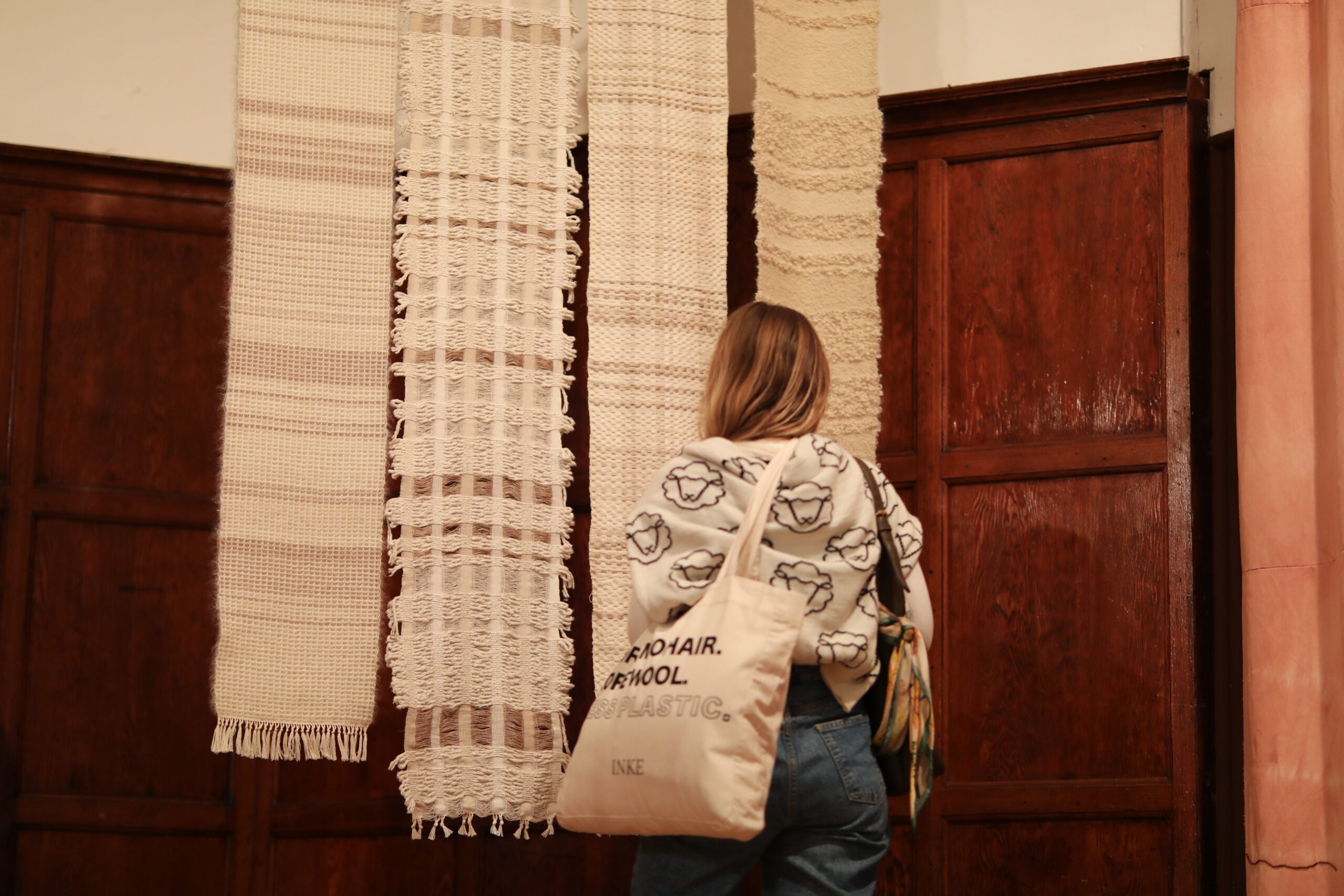
The mopani worm is one of Southern Africa’s most familiar delicacies. It is also, at the end of this month in Cape Town, the name attached to a silk, one of a slate of materials asking whether the continent’s next fibre industry is already here: in its rivers, farmlands and forests, in leathers tanned from fish and fibres spun from plants, grown and processed with regeneration rather than extraction as the brief.
That question is the territory of Africa Textile Talks, which returns for its sixth edition on 31 July and 1 August at Workshop17 in Cape Town’s V&A Watershed. Convened by Twyg in collaboration with Imiloa Collective, the event has grown from a showcase into a recurring conversation about who designs the continent’s textile future, and on whose terms.

The pressure on African textile manufacturing is old and getting worse. Cheap imported clothing, shifting global supply chains and the slow erosion of local manufacturing capacity have converged on an industry that was once a major employer across the continent. For most of its modern history, the response has been drafted elsewhere, in sourcing strategies and sustainability frameworks written for supply chains that Africa feeds but does not control.
This year’s theme, Post-extraction Regeneration: Creating African Textile Futures, makes the ambition explicit. The global systems African fashion is told to catch up to were built on extraction, speed and disposability. The theme asks whether they are worth catching up to at all. The programme treats fibres, manufacturing, trade, cultural heritage and material innovation as one connected value chain rather than separate silos.
Day one: the manifesto
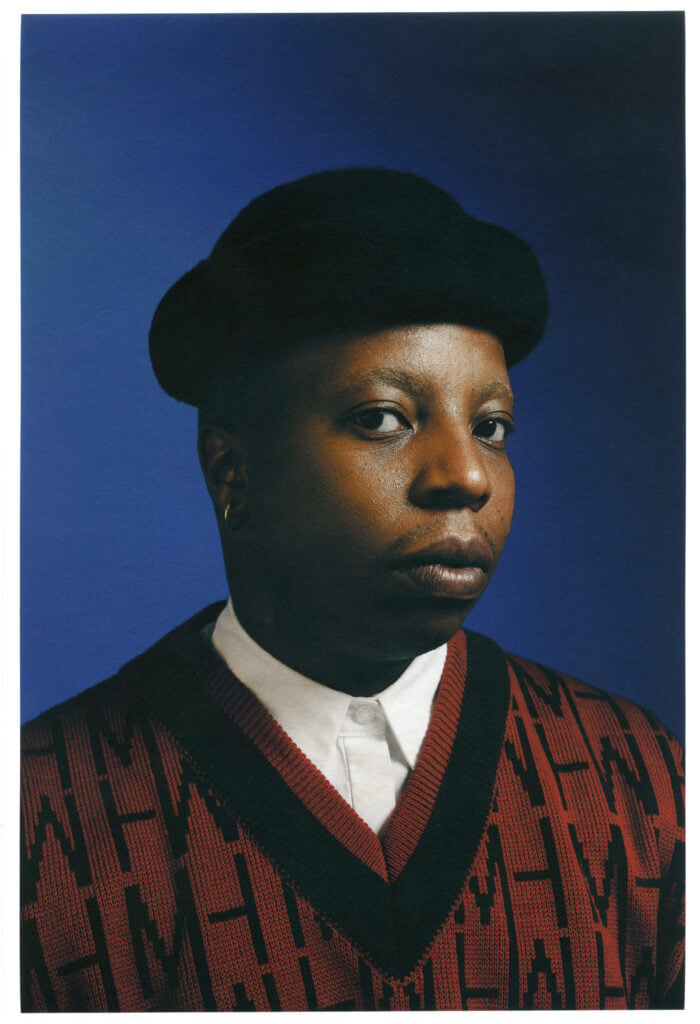
The event opens with a keynote from Omoyemi Akerele, founder of Lagos Fashion Week, the 2025 Earthshot Prize winner. She will present the Sustainable African Fashion Manifesto, setting the terms for a day grounded in policy, capital and systems change. Joining her are Harald Harvey, chair of the Localisation Support Fund; Simone Smit, director of Africa at The Earthshot Prize; conservation ecologist Lumko Mboyi; and fashion thinker and designer Wanda Lephoto. It is a deliberately mixed room: corporate leadership alongside conservationists, economists and designers.
Day two: the materials
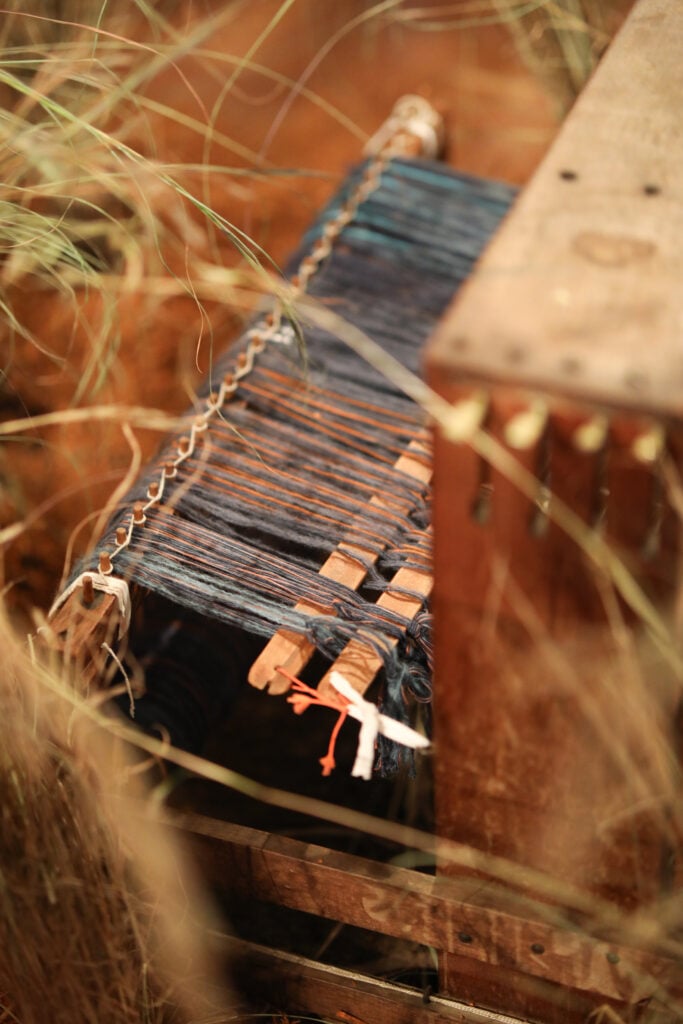
If day one is about systems, day two turns to substance. The programme brings together biomaterials innovator Shaakira Jassat; artist and researcher Thulile Gamedze; circular economy researchers Berendje Willemina and Nkhensani Mkari; and sustainability consultant and researcher Zara Odu, alongside specialists working directly with hemp fibre, fish leather, mopani worm silk, mohair, wool and cotton.
Readers of our Material Literacy series will recognise the territory: what a fibre actually is, where it comes from, who profits from it. The Cape Town slate takes those questions into production: how these materials can be grown, harvested and processed in ways that regenerate the land and communities they come from. Regenerative farming, responsible fibre production and clean manufacturing run through the day as a working method rather than a checklist of sustainability keywords.
The next generation
The clearest signal of where Africa Textile Talks is headed is its newest addition, the Future Fabrics Student Challenge. The initiative invites emerging designers, makers and thinkers from across Africa to imagine textile futures that are regenerative, rooted in African knowledge systems and responsive to the resources of the continent. Selected works will be exhibited throughout the event, and the winner announced on closing day. Two days of conversation end with a look at who picks up the thread next.
There is a difference between an event that happens once and one that returns year after year, building an audience and a body of work as it goes. Six years in, Africa Textile Talks is no longer an experiment testing whether these conversations can happen on African soil. That question has been answered several times over. The real work now lies in what gets built from them: which platforms turn into policy, which material experiments turn into supply chains, and which student finalists become the designers and entrepreneurs shaping this industry a decade from now.
Africa Textile Talks 2026 runs 31 July to 1 August at Workshop17, V&A Watershed, Cape Town. Tickets are available via Quicket, and the full programme is on Twyg’s website.
Guzangs is a media partner of Africa Textile Talks 2026.