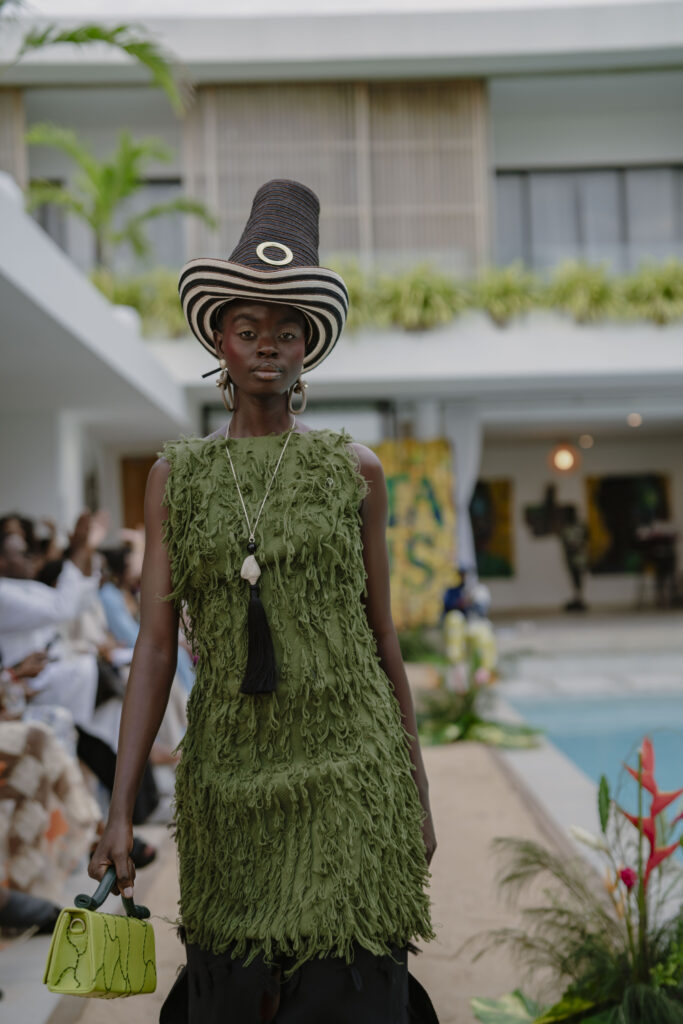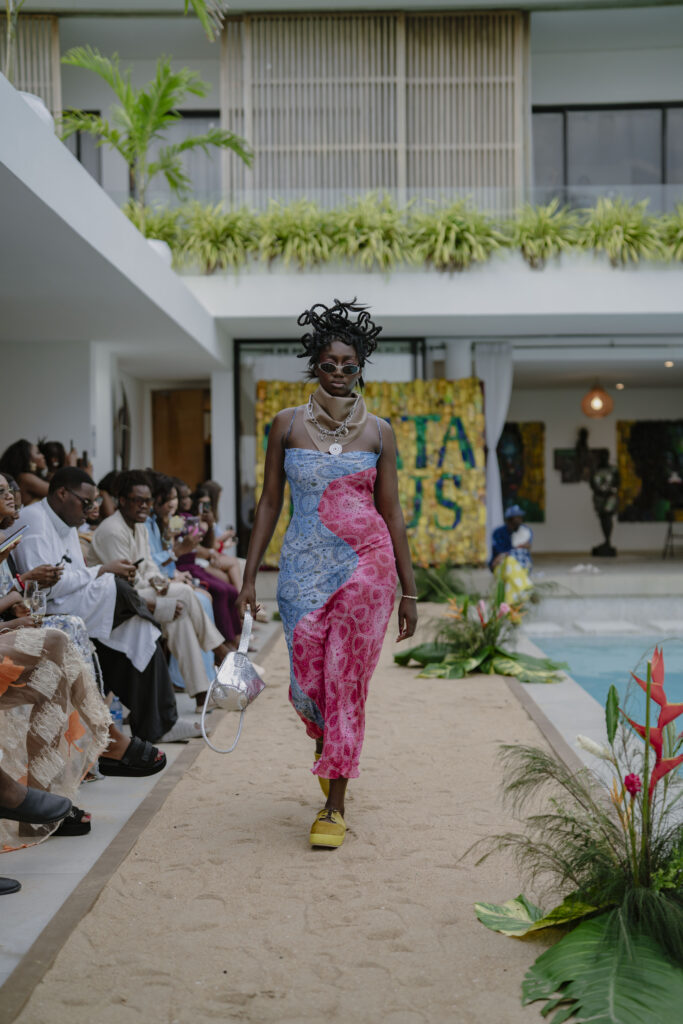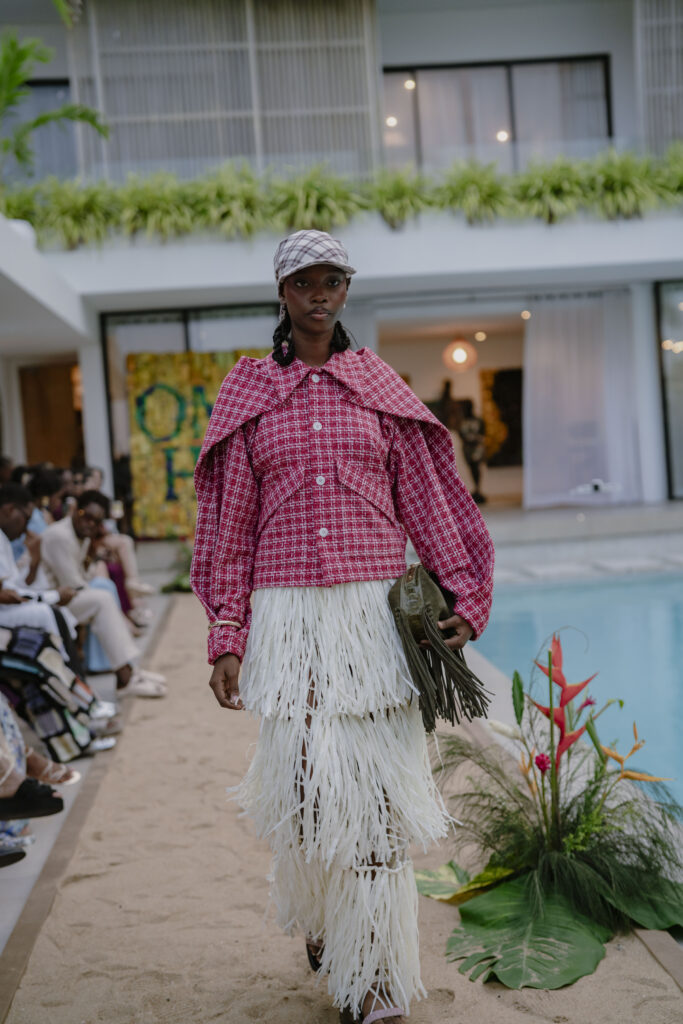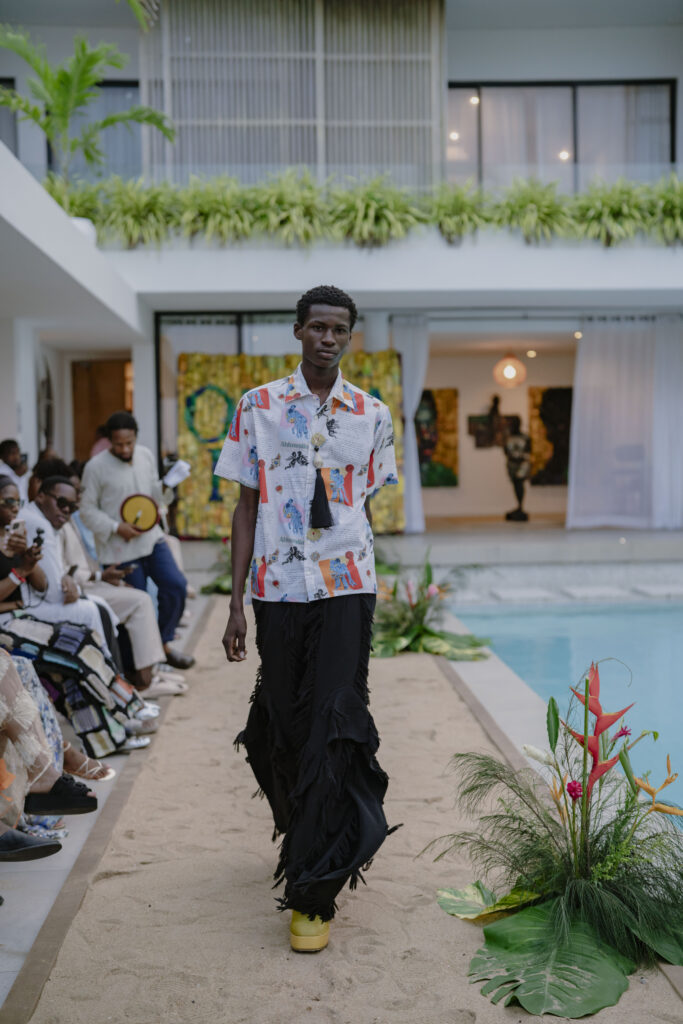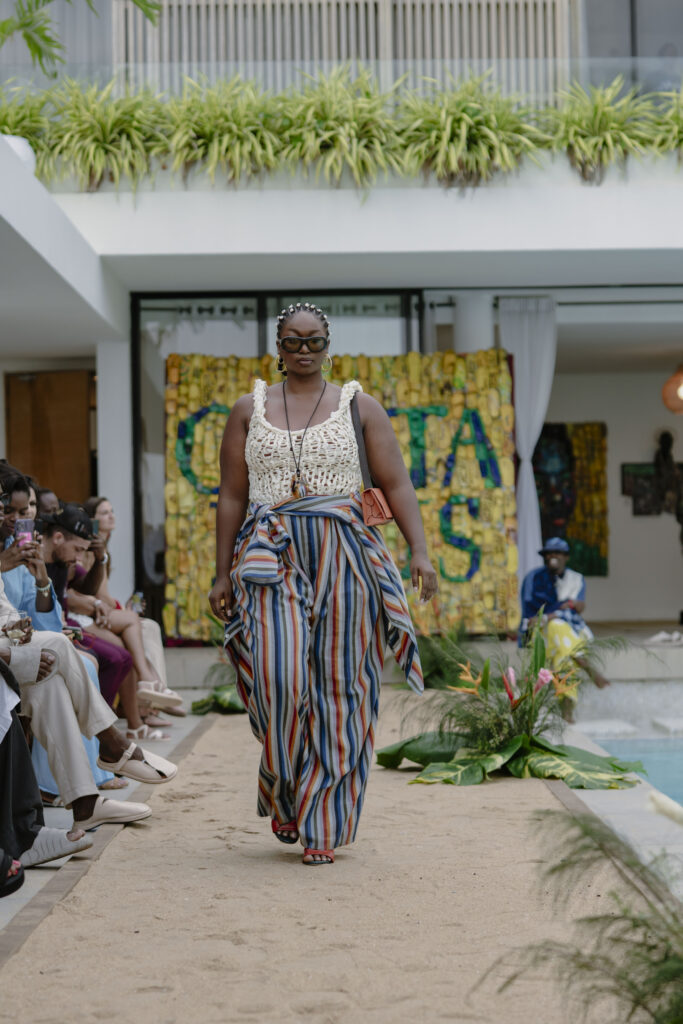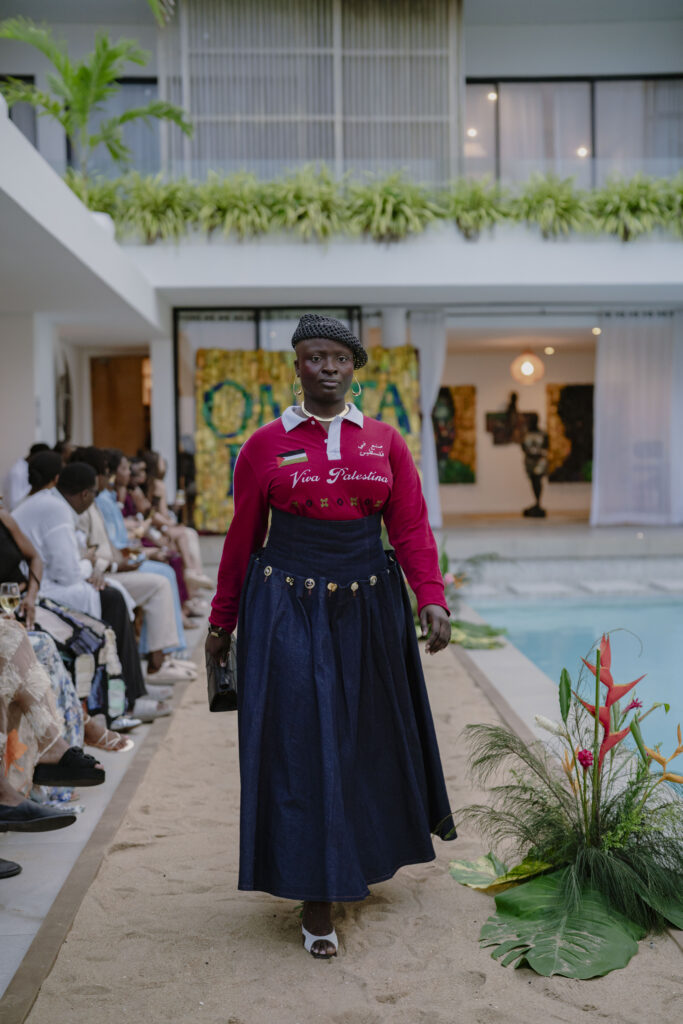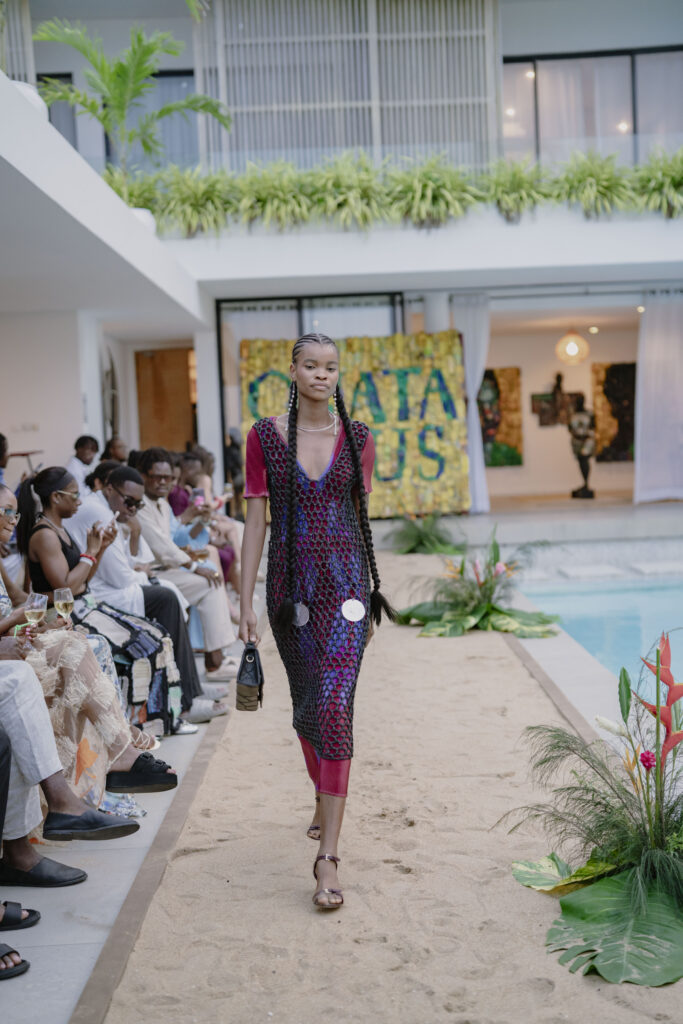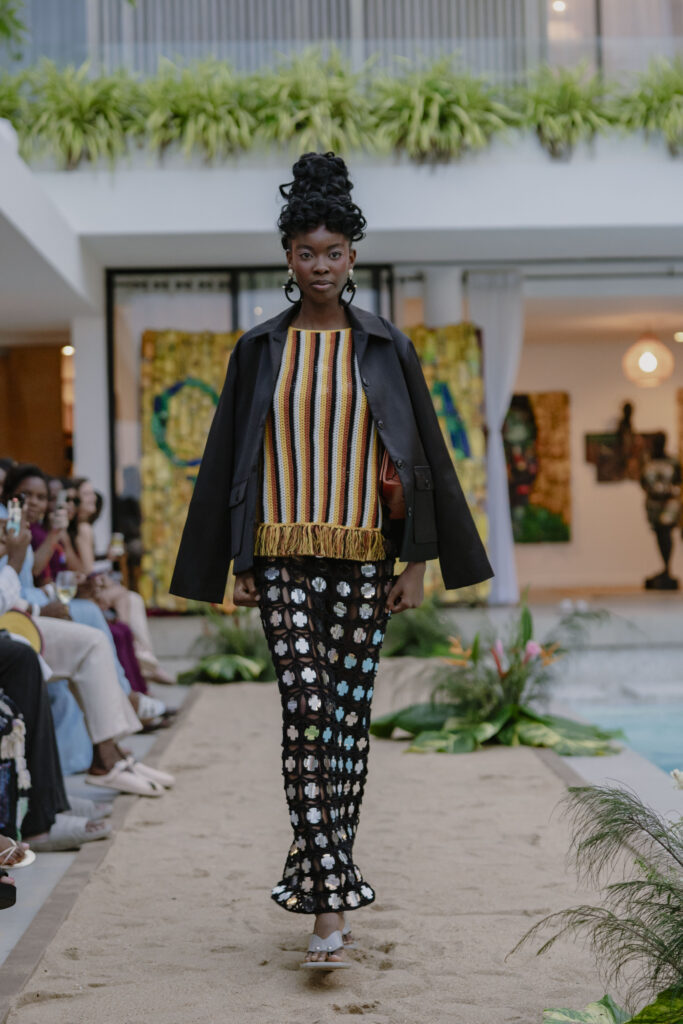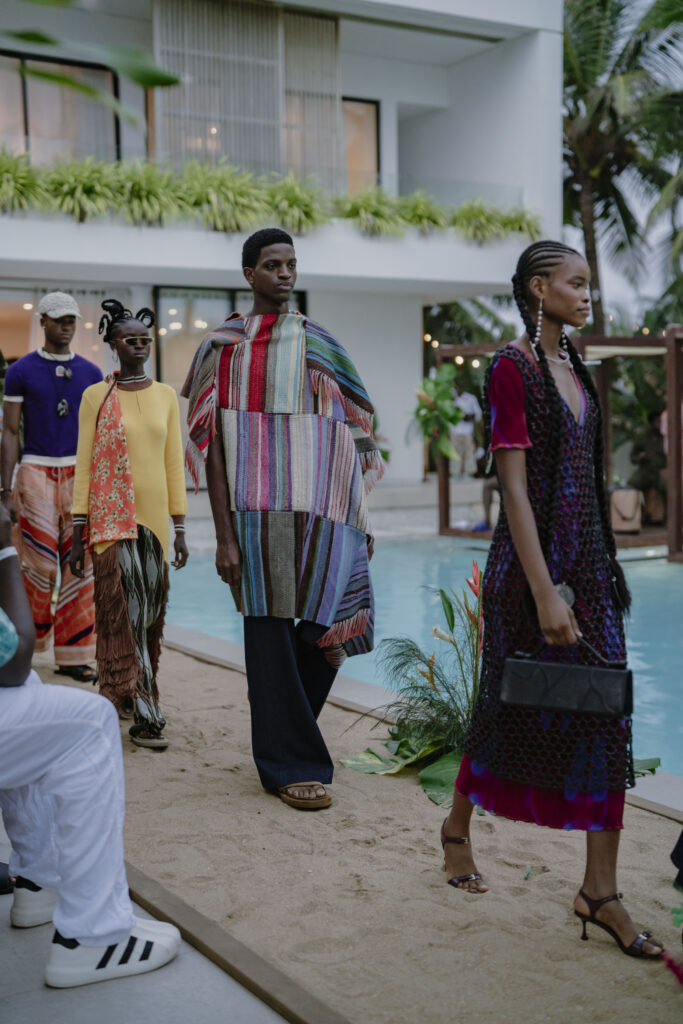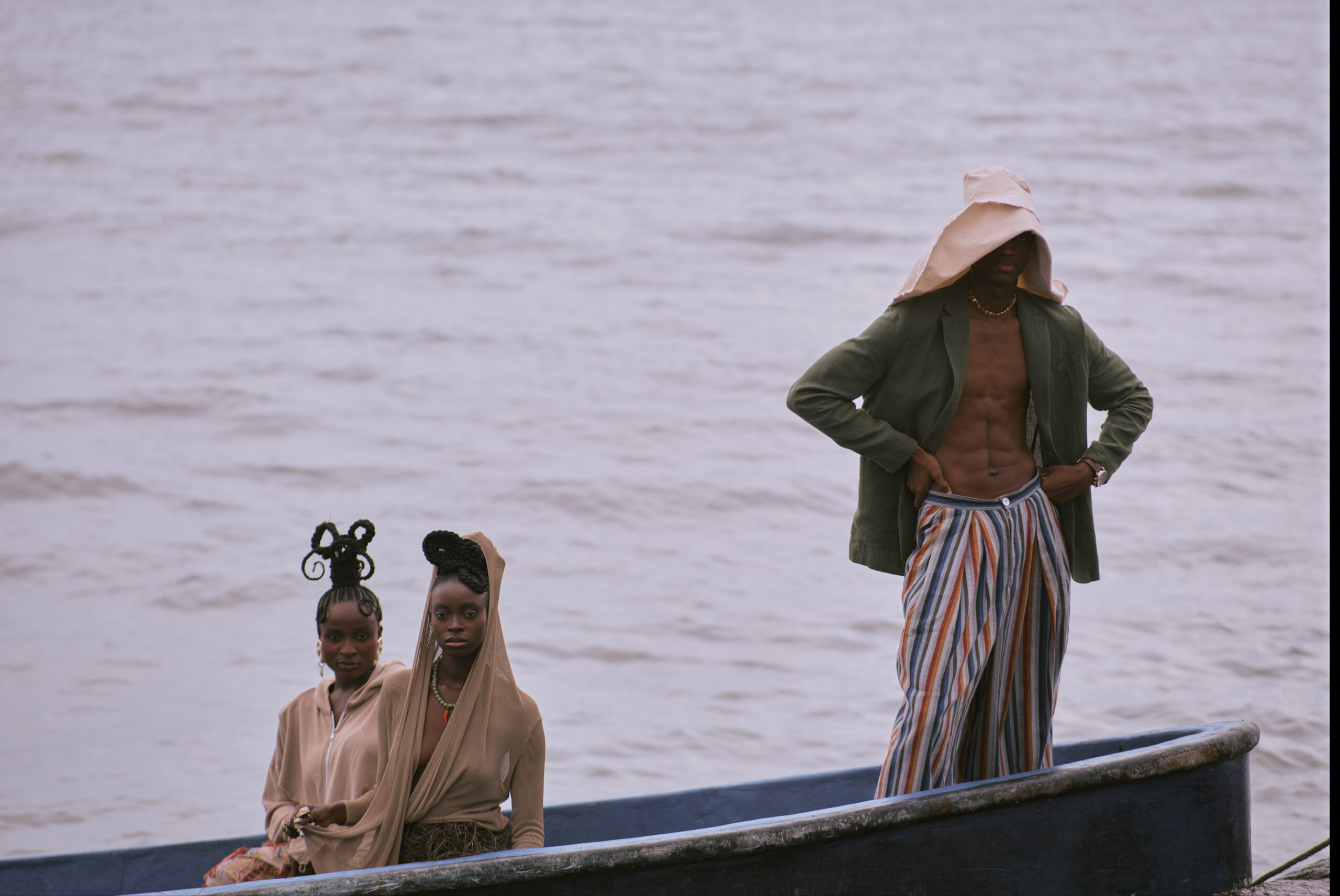
Lagos, Nigeria — The runway begins where the sand ends. On a private beach in Ilashe, far from the city’s honking chaos, Onata Haus unveiled its vision Monday night: 30 looks drifting past sculptures forged from Lagos market waste. Nigerian artists Konboye and Patrick Ozuma had spent weeks twisting discarded ankara scraps and plastic bottles into towering forms — silent accusations against fashion’s 92 million tons of annual landfill.
This wasn’t Paris. This was Lagos Fashion and Art Week, and the message was shoppable.
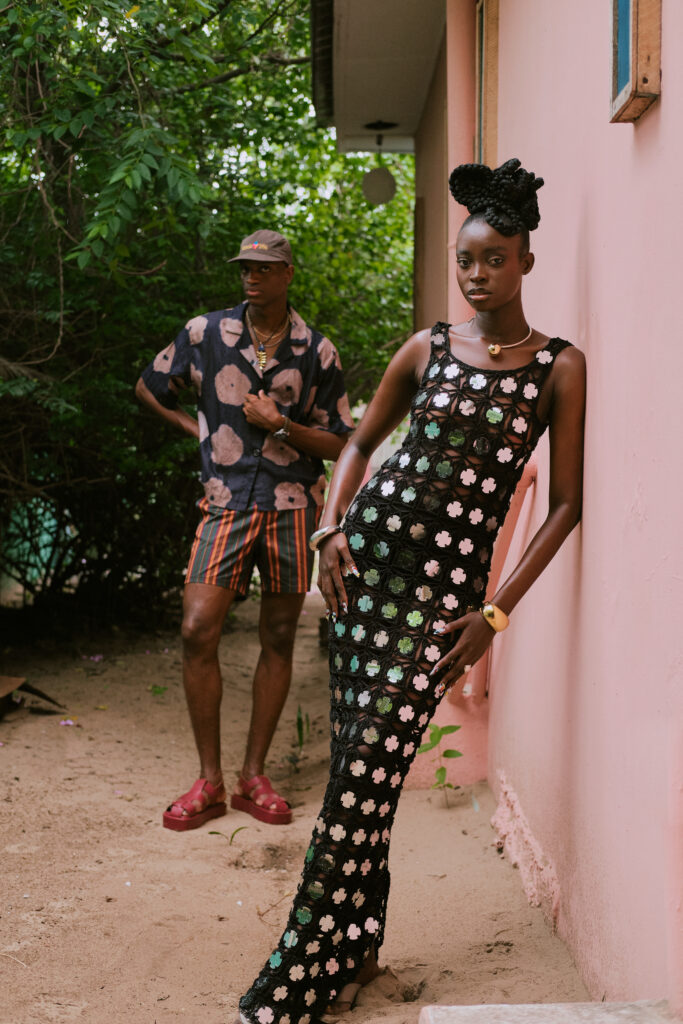
Onata Haus, cofounded by sustainable stylist Cassandra Dittmer Nweze, launched its e-commerce platform the same evening. Live at www.onatahaus.com, it carries over 20 independent labels — more than half exclusive — from Africa, Latin America, Europe, and beyond. Ahluwalia’s upcycled denim, Lukhanyo Mdingi’s Cape Town knits, ESCVDO’s Peruvian leather, Kkerelé’s genderless Lagos tailoring. Every piece is vetted for fair wages, transparent supply chains, and climate accountability.
Dittmer Nweze grew up in the U.S., styled Hollywood red carpets for 13 years — Laura Dern, Melinda Gates, Maggie Baird — then moved to Lagos. The city rewired her.
“Lagos is special to me. I always say the city chose me and continues to draw me in for many reasons,” she told Guzangs in a two-hour interview the day before the show. “Living in Lagos has reshaped how I see the entire industry (and the world)… Lagos represents risk and audacity… opportunity and community.”
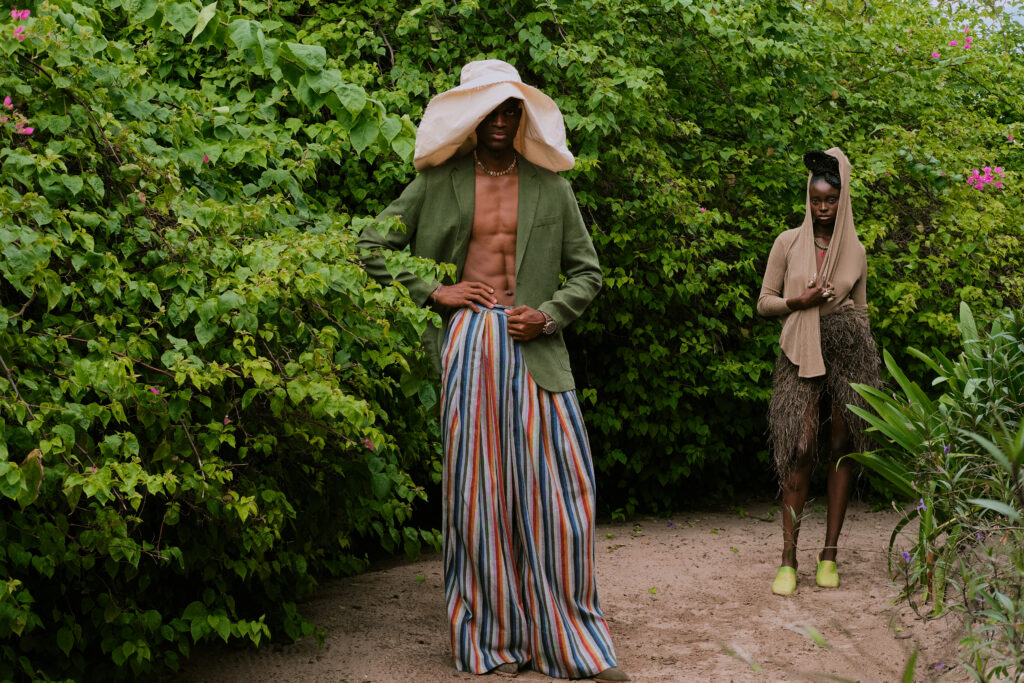
Lagos is fashion’s unspoken engine. Over 200 million people, a $5 billion local textile market, and a creative class that blends Ankara with archive Yohji in the same breath. Yet global coverage still frames sustainability through a European lens.
“Unfortunately, so much of global fashion coverage is through a western lens,” she said. “The Global South has just as much if not more significance and influence considering the large percentage of clothes that are physically crafted there.”
Business Model: Stylist as Supply-Chain Architect
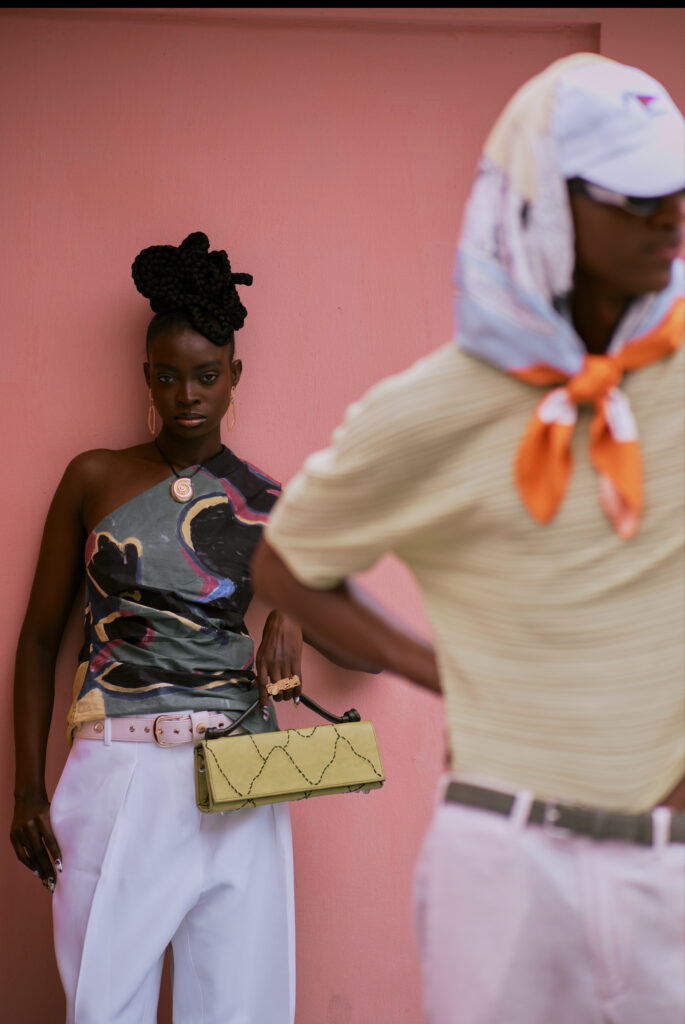
Speaking with Cassandra and team, Onata Haus is built on four pillars — craftsmanship, innovation, community, education — but the engine is commerce with conscience.
- Pricing: A hand-beaded ESCVDO top is $380; an Ahluwalia deadstock jacket, $295. Fair wages baked in, not bolted on.
- Exclusivity: 60% of brands are Black- or women-owned; many were appointment-only before Onata.
- Service: Digital styling sessions with Dittmer Nweze, made-to-order, “closet audit” tool launching 2026.
- Tech: Every garment ships with a digital passport — factory audits, water usage, CO₂ per wear.
Within 24 hours of launch, the site crashed from traffic. A Nia Thomas crochet dress sold out in 40 minutes. Pre-orders for a Studio Amelia shearling coat hit 200% of forecast.
“All ONATA brands prioritize connection beyond transaction, have a story, and embrace innovation with purpose,” she said. “I gravitate towards brands that feel fashion-forward and bold, but wearable… When I can see a piece styled many different ways I know it’s an ONATA piece.”
Fashion is the world’s second-largest industrial polluter, responsible for 10% of global carbon emissions — more than aviation and shipping combined. Onata’s brands average 40% lower water usage and 25% lower emissions than fast-fashion equivalents, verified by third-party audits.
Take Cruda Cruda: Peruvian alpaca knitwear dyed with rainforest plants, zero synthetic fertilizers. Or OpéraSPORT: Copenhagen deadstock fabrics, carbon-neutral shipping. Lukhanyo Mdingi employs 42 South African artisans on living wages; every meter of wool is traced to the farm.
“Conscious fashion means that you have centered people and the planet in your decision-making processes from the very beginning,” she said. “This starts from sourcing and ideation and not as a charitable afterthought.”
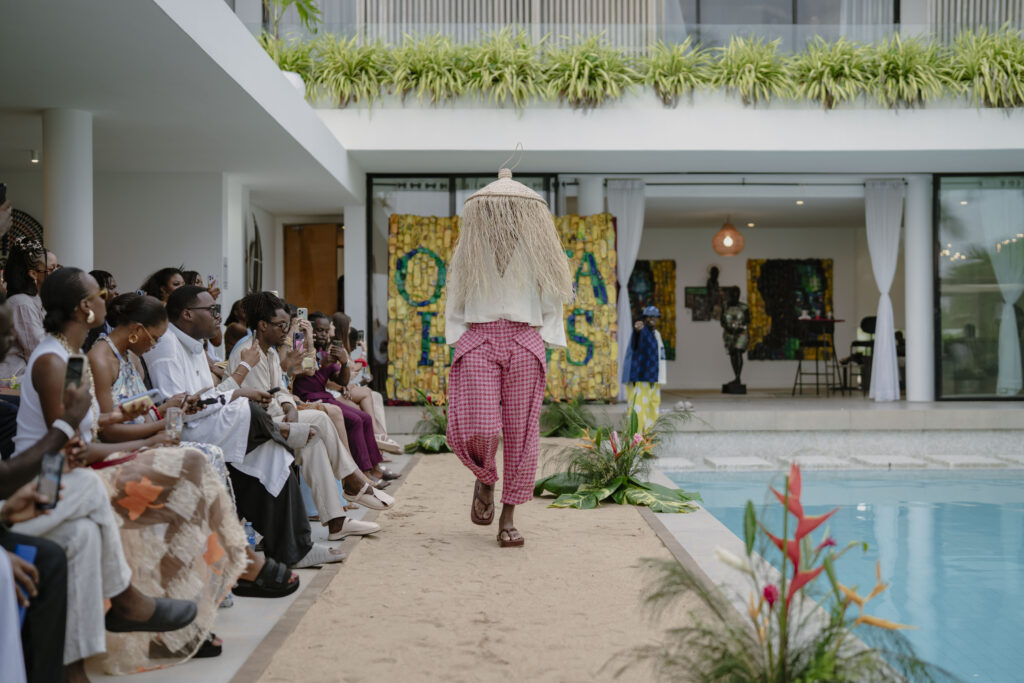
The Ilashe runway was a dialogue, not a dictate. Models wore ESCVDO leather skirts with Lagos-tailored agbadas. A Sami Miro lace slip layered over Mdingi knits. Genderless, borderless, wearable.
“We are looking to showcase a shoppable runway experience,” she said. “A lot of times there is a disconnect between what you see on a runway, how to acquire these items, the story behind the brand, and how to style it in your actual wardrobe… The goal is to not only inspire, but also acquire seamlessly.”
Guests left with QR codes linking to artisan interviews. One sculptor’s piece — a 12-foot wave of plastic bottles — now tours Lagos galleries, funded by Onata sales.
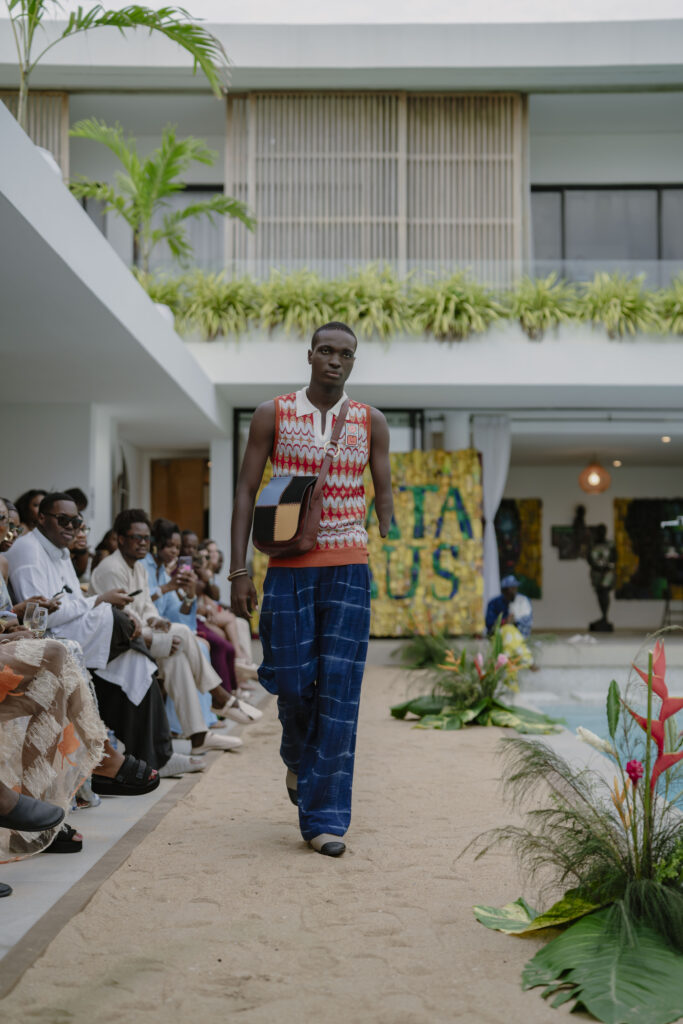
Hollywood taught Dittmer Nweze scale. Lagos taught her soul.
“For me, creating with craftsmanship and community is a much more natural and organic way to operate,” she reflected. “If people are investing their money and energy into styles, I want them to feel like it is a timeless and thoughtful expression… Ideally by buying pieces in a collected way, people actually buy less, but feel very connected to what they own.”
She dreams of dressing world-changers: Quannah ChacingHorse, Leonardo DiCaprio, world leaders who can speak about their clothing in a way that is educated, aligned, and inspirational.
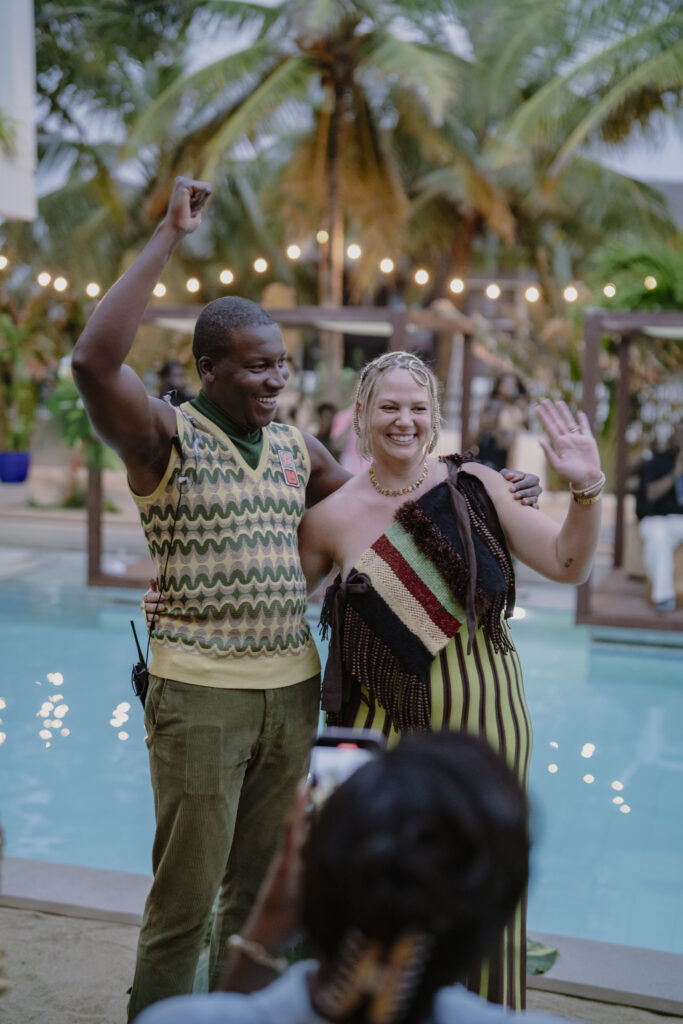
“Having a personal style that reflects your values is now the highest form of luxury because it can’t be replicated,” she said. “An heirloom from your grandma, paired with a handmade 1/1 item… At that point it’s not the money — it’s the mind.”
Looking ahead, Onata Haus plans an Accra pop-up with Ghanaian indigo dyers in early 2026, a digital “closet audit” tool mid-year, and a carbon-negative target by 2027 through reforestation credits tied to purchases.
Onata Haus is small — 20 brands, one beach, one night. But it’s a relay. The baton is culture, commerce, and climate. Lagos passed it first.
Onata Haus Lagos Fashion Week 2025 Runway — Photographed by Adedamola Odetara