


At MoMA, a New Exhibition Celebrates West Africa’s Modernist Architectural Legacy
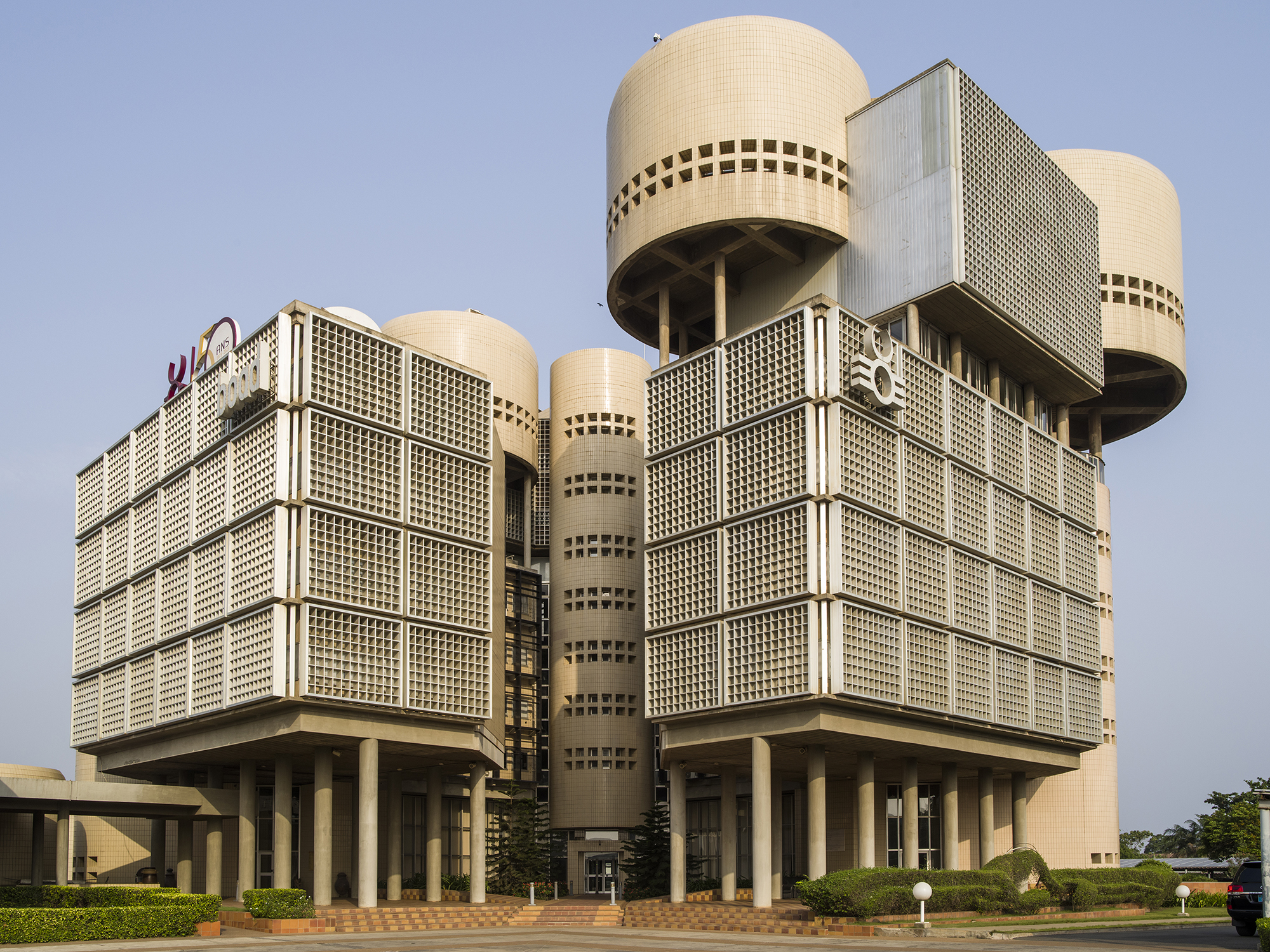
In 1960, 17 African countries gained independence in what became known as the “Year of Africa.” For many of these newly sovereign nations, political freedom was only the beginning. They were confronted with what an independent African nation actually looked like, a question that stretched beyond governance and infrastructure into the continent’s creative life: art, music, literature, and, most visibly, architecture.
The Museum of Modern Art takes up that question in a new exhibition, Architects of Liberation: Modernism in Western Africa, on view from July 5, 2026, through January 2, 2027, at the Robert B. Menschel Galleries on the Museum’s third floor. The exhibition, the result of four years of extensive research in the region, presents modern architecture from the late 1950s through the early 1980s and frames the independence years as a prolific era of architectural production, one in which the leaders of newly founded African nations set out to redefine themselves and their countries against colonial rule.
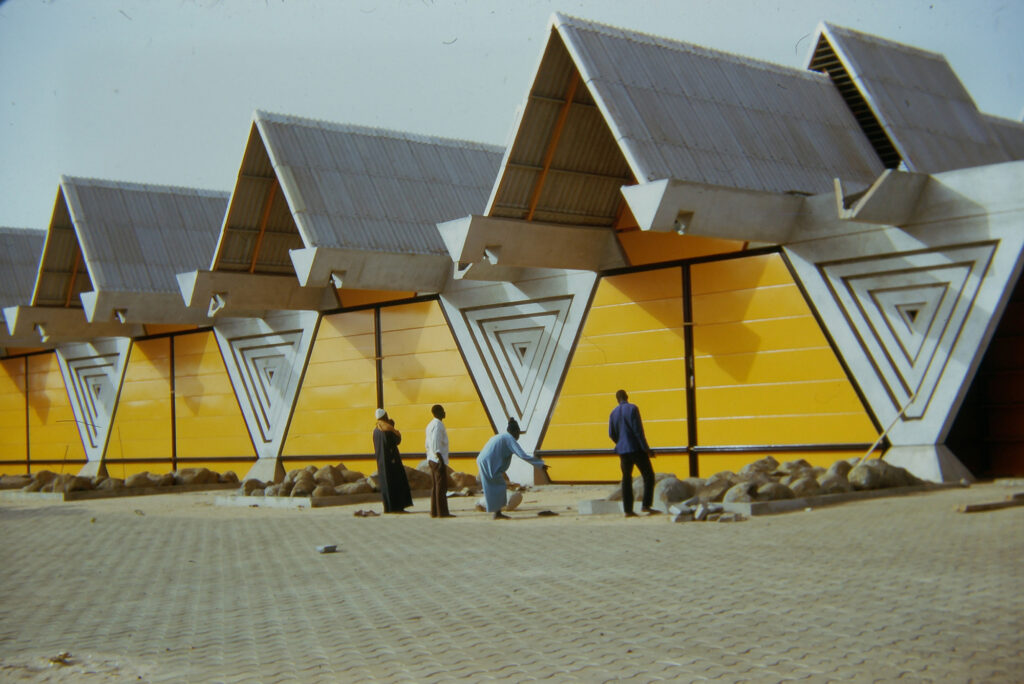
For decades, African cities had been shaped largely by European architectural traditions. Independence created an opening to rethink the built environment through African eyes. Across Western Africa, a new generation of architects began designing buildings that answered to local climates, to the materials at hand, and to the cultures they served. In Nigeria, Demas Nwoko brought the Zaria Art Society’s principle of “Natural Synthesis,” a term coined by his contemporary Uche Okeke, into the practice of building, developing his own “New Culture” philosophy grounded in ecological design and indigenous knowledge. In Ghana, John Owusu Addo became one of the leading figures of post-independence modernism, designing climate-responsive buildings that blended international modernist principles with Ghanaian tradition and the aspirations of a newly independent nation. Such buildings made the case that a modern African architecture need not be an imported one.
That argument tells only part of the story. Many of the independence era’s most prominent buildings were designed by foreign and Eastern-bloc architects working on commission, and the exhibition holds both realities in view.
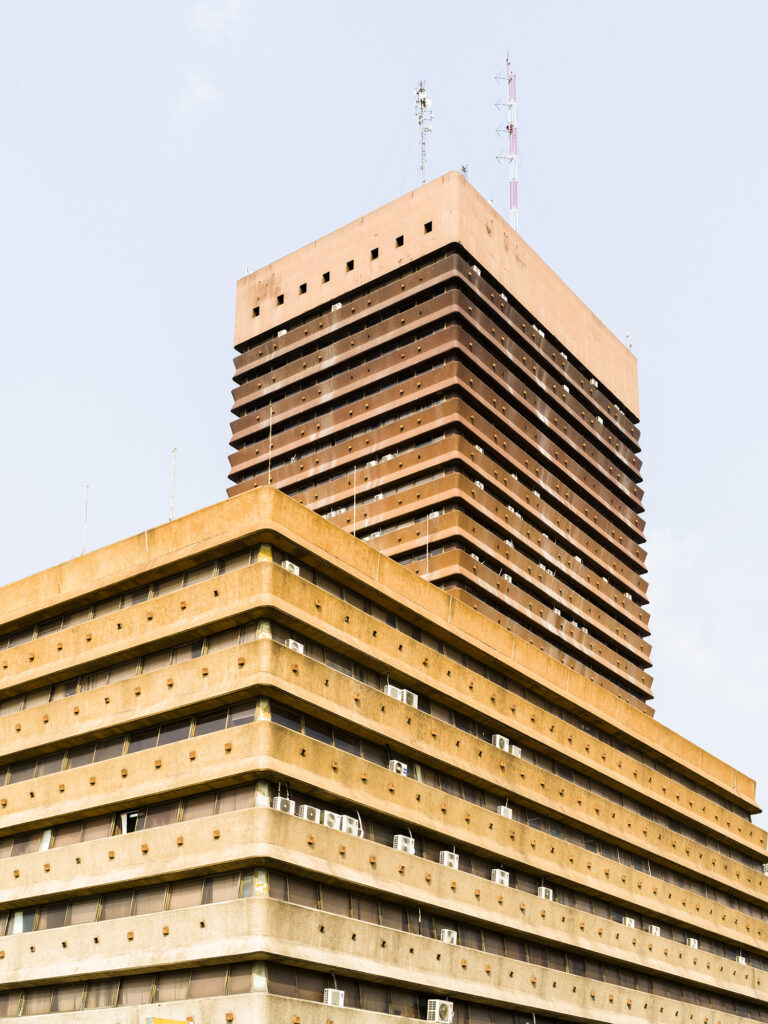
In a statement, Martino Stierli, the Philip Johnson Chief Curator of Architecture and Design, said the exhibition seeks to spotlight a pivotal yet often overlooked chapter of African history, presenting the independence era as a period of remarkable innovation and optimism. “Our exhibition will shed light on a crucial, under-examined period of African history at mid-century, providing a new perspective on the continent,” he said. “The stunning works of architecture produced during the independence period are testaments to an extraordinary moment of design innovation and optimism.”
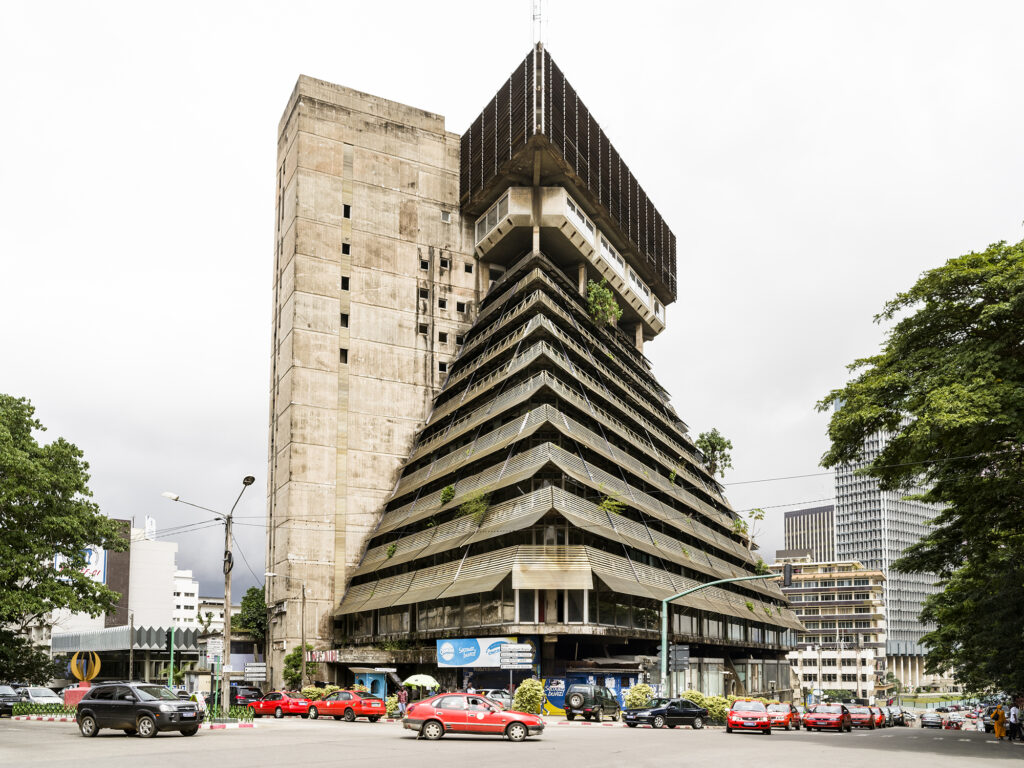
The exhibition brings together approximately 450 works, including architectural drawings, scale models, and archival photographs, drawn from the collections of more than 50 lenders across 17 countries. Among the projects on view are the circular Africa Pavilion at the Accra Trade Fair in Ghana, designed by Victor Adegbite with the Polish architects Jacek Chyrosz and Stanisław Rymaszewski between 1962 and 1967; La Pyramide in Abidjan, the high-rise completed by the Italian architect Rinaldo Olivieri in 1973; the Centre International du Commerce Extérieur du Sénégal (CICES), designed by the French architects Jean-François Lamoureux and Jean Louis Marin as an expression of President Léopold Sédar Senghor’s vision of “asymmetrical parallelism”; the Gare de Bessengue railway station in Cameroon by Jacques Nsangue Akwa and Emilien Douala Bell; and the master plan for the University of Ife in Nigeria, conceived by the Israeli architect Arieh Sharon.
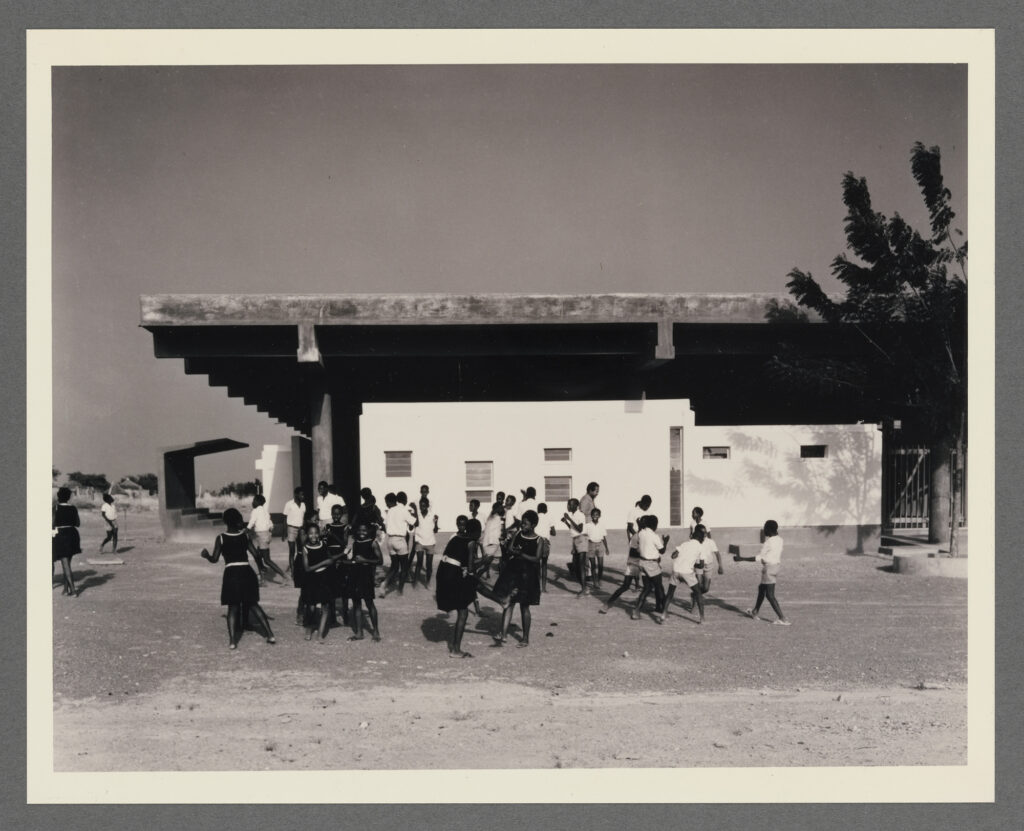
The exhibition also features the photographers James Barnor, Paul Kodjo, François-Xavier Gbré, Jean-Pierre Minost, Marilyn Nance, and Carrie Mae Weems, whose images offer a visual record of the continent’s built environment and its social transformations, while the artist Kader Attia contributes broader reflections on identity and memory.
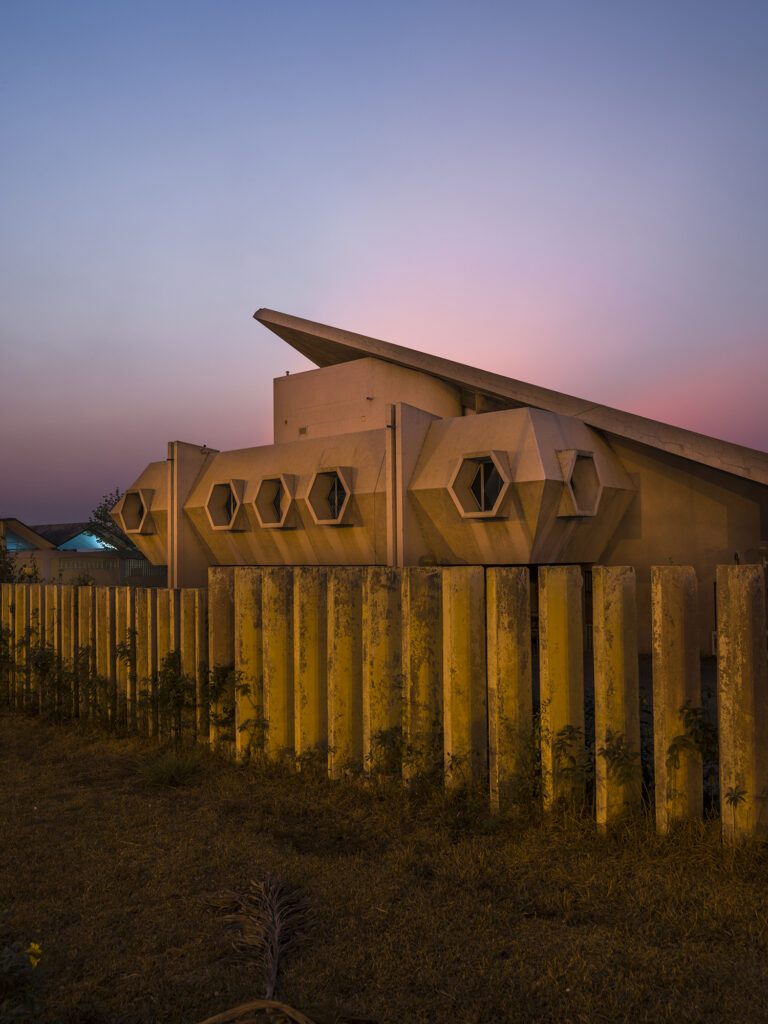
Beyond revisiting an overlooked chapter of architectural history, Architects of Liberation arrives as architects across West Africa are again asking how the built environment can better reflect the way people actually live. The post-independence generation it documents designed with ecological sensitivity, indigenous knowledge, and cultural identity already in mind. Seen now, the exhibition is less a historical reflection than a working argument: that much of what African architecture is reaching for today was already being drawn sixty years ago.
Subscribe to Guzangs to keep reading the design and culture shaping African and diaspora life.