

How DJs Helped Take Afrobeats Global
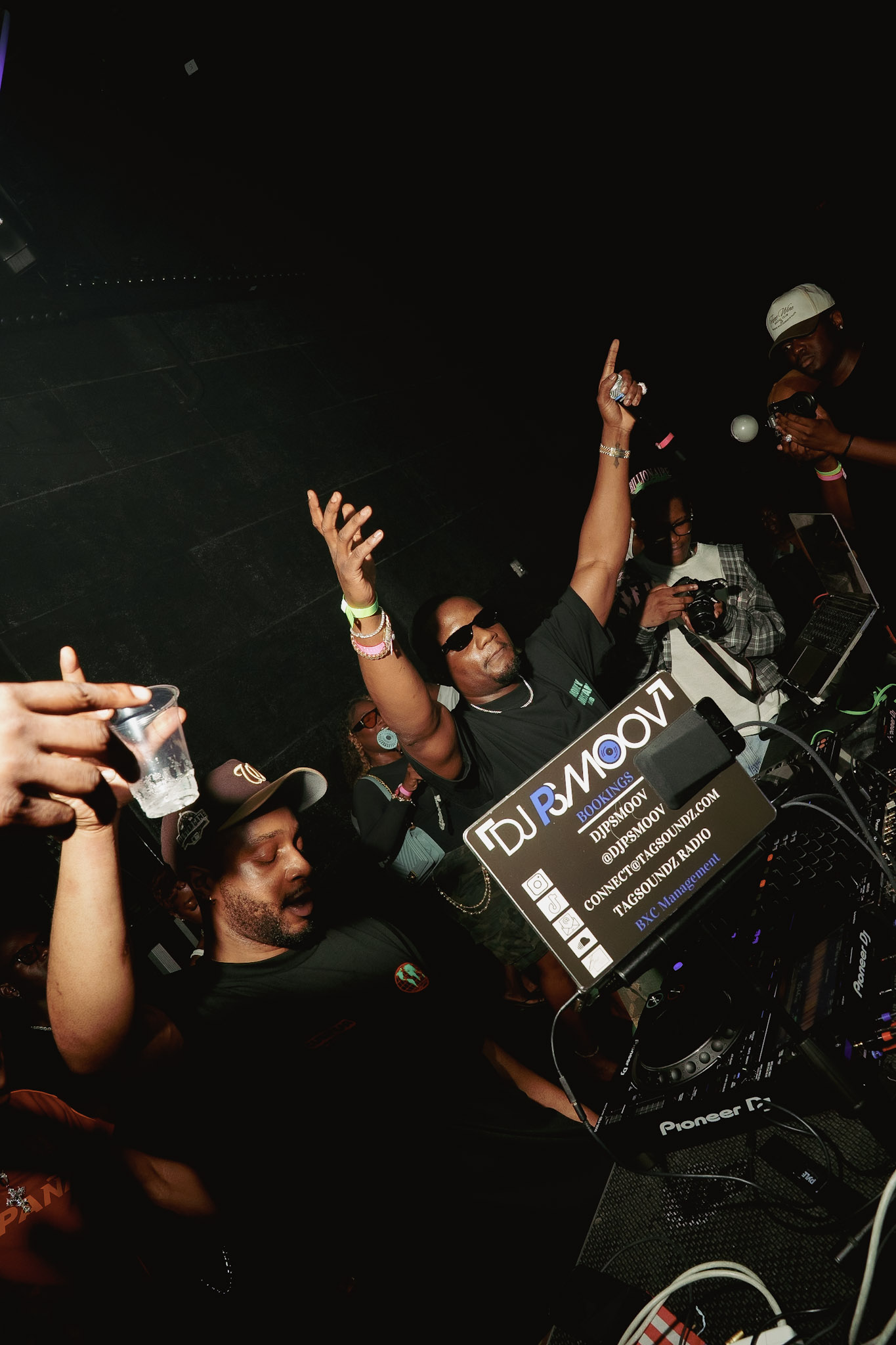
Trill Xoe, a Lagos-raised DJ and producer who studied in Mauritius and has worked with Native Records, remembers hearing Afrobeats there, thousands of miles from home. Hearing the sound playing loudly from a DJ set felt like more than a surprise. “Just being in a foreign man’s land where they don’t speak English, and just hearing Burna Boy on repeat out there was so crazy to me,” he says. “They were mixing our records into their own sets. And that told me everything about the cultural impact the genre has had.”
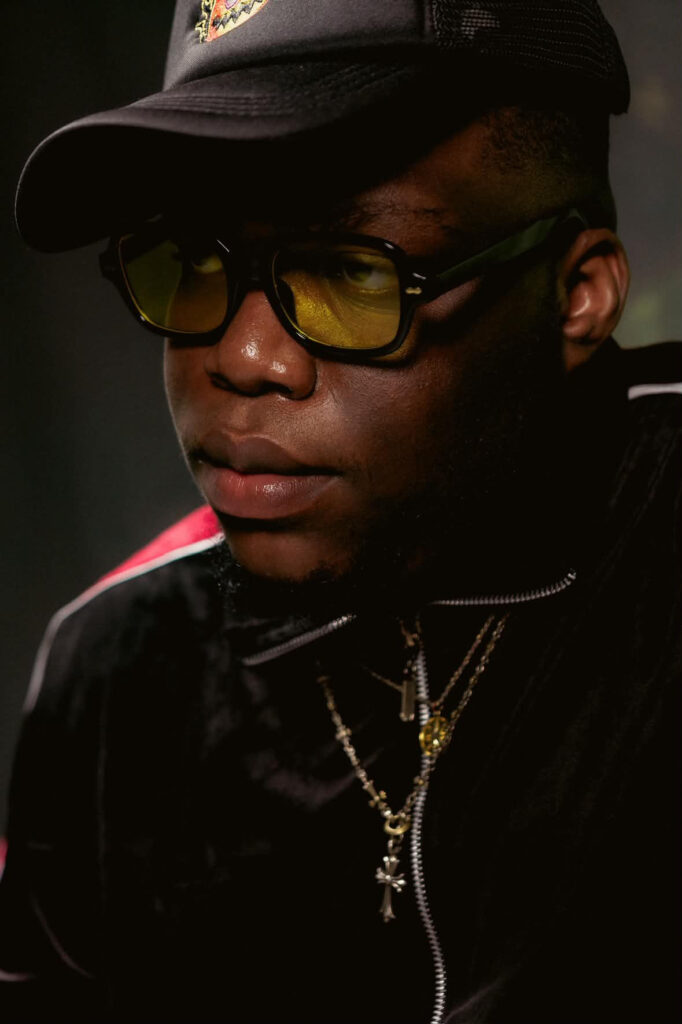
Afrobeats has travelled farther than its early architects could have imagined. For many listeners, however, its public story still ends with the artist. Rarely does it extend to the intricate ecosystem of producers, songwriters, A&R executives, managers, booking agents, label executives, publicists, promoters and distributors whose labour quietly shapes the industry’s global success. Among the least celebrated are the DJs, whose contribution is still frequently reduced to little more than pressing play.
DJs have always been the custodians of taste, even before algorithms curated playlists and streaming platforms dictated discovery. They decided which songs deserved another spin, introduced unfamiliar records to new audiences, and patiently built the momentum that transformed obscure tracks into anthems. They did more than fill dance floors. They shaped listening habits, connected cities through sound, and carried music across borders before the rest of the world caught up.
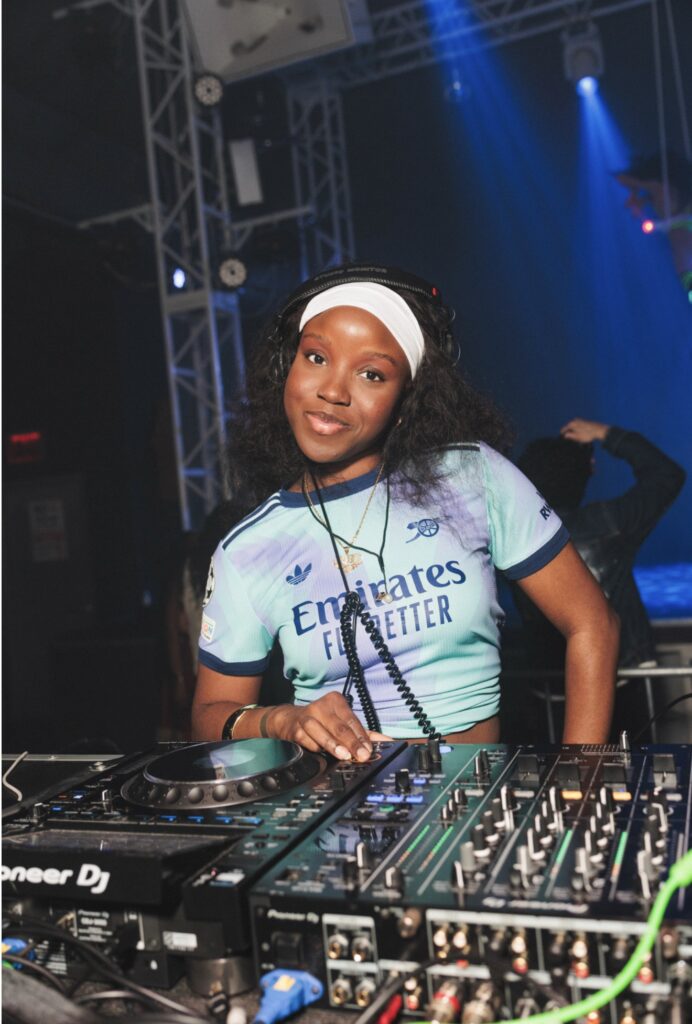
Tobego, a Nigerian-born DJ who began spinning at student parties in Houston, remembers an argument that pushed her deeper into DJing. Someone told her Afrobeats could not carry a full night on its own. “That argument is actually what made me want to DJ,” she recalls. “I just felt like Afrobeats and African music wasn’t really getting the respect that it deserved… that’s when people started to realise that you actually can play a full party of Afrobeats and have everybody actually enjoy it.”
But Houston was only one stop in a much larger story. Across West African cities, DJs have been proving that Afrobeats can successfully create its own spaces while existing alongside other global genres. That has been achieved through fusion. Afrobeats has grown beyond its identity as a genre rooted in West Africa into a musical language that readily absorbs and converses with sounds from across the world. Today, Afro-pop sits alongside Afro-house, Afro-R&B, Afro-jazz and Afro-fusion, with DJs and producers weaving these influences together through electronic music, house, amapiano, dancehall and hip-hop.
One of the clearest expressions of that work has been the rave scene, encompassing the late-night dance floors, warehouse parties and festivals that have come to define much of millennial and Gen Z nightlife. Abonten, a Ghana-based DJ, director and cultural curator, points to Group Therapy, a leading Lagos rave series founded by Nigerian DJ Aniko, as an example of how far these communities can travel. “Aniko has her own show and it’s no longer an event that’s just based in Lagos, she’s performing in Europe, Barcelona, London,” he says.
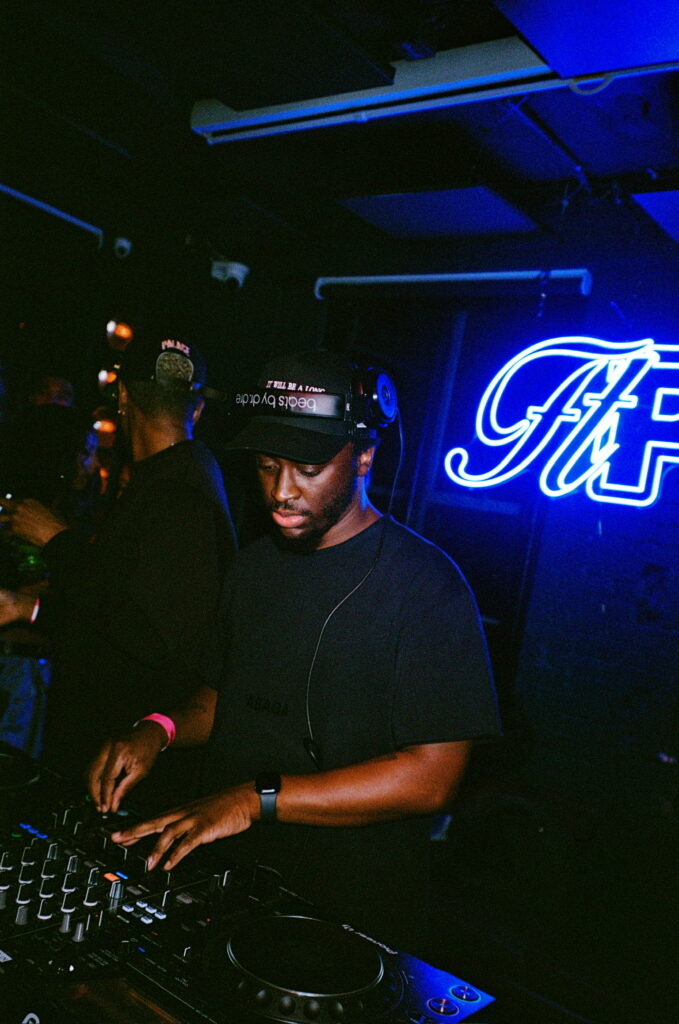
“DJs are the backbone of nightlife and night culture,” says Selecta Suave, a London-based DJ of Togolese and Ghanaian heritage with roughly a decade in the scene. Suave has a philosophy, “No DJ, no vibes,” and it encapsulates something deeper about the art of DJing. DJs control the music and the emotional direction of a room. A great set is built on timing, instinct and trust. The DJ has to know when to introduce something unfamiliar, when to bring back something familiar and when a crowd is ready to be moved somewhere new.
Suave recalls receiving an unreleased remix months before its official release. The first time he played it, he says, the reaction was immediate. The dance floor erupted, and fellow DJs spent the rest of the night asking where he had found the record. For months afterwards, the remix became a fixture in clubs, even before it reached the wider public.
For moments like that to happen, DJs are doing more than selecting songs. They are acting as early tastemakers, testing records before the industry knows whether they will connect. Abonten describes that responsibility more directly. “I feel like I’m in charge of everyone in the room,” he says.
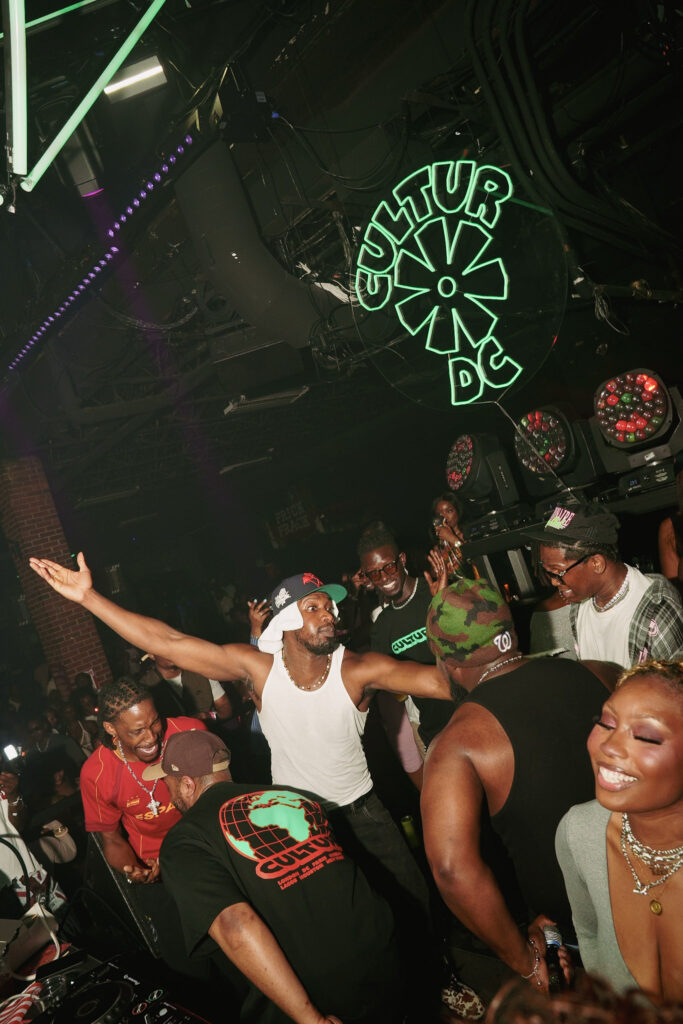
Despite the influence DJs wield in shaping Afrobeats culture, recognition and financial security rarely follow in equal measure. What audiences witness is the finished set. What they seldom see are the countless hours spent digging for records, studying crowds, refining transitions and taking chances on songs long before they become hits. “There is so much preparation that goes into creating moments like that,” Suave explains. “You have to spend ages collecting music, having to bet on what you think is going to work and what you think isn’t going to work.”
The work also comes with barriers beyond the music itself. For Tobego, being a woman in the industry meant constantly proving she belonged behind the decks. “Being a woman in such a male-dominated industry is absolutely terrible. I’ve had many instances where they wouldn’t let me into the party because they didn’t believe that I was a DJ,” she says.
The gap between what a night earns and what a DJ takes home is starker still. “You see people spending thousands and thousands of pounds on bottles,” Suave says. “You could easily spend a grand on one bottle. But when you walk home, you get paid like 200 pounds.”
For many DJs, this is less about attention than about recognition of their role in creating the experiences that make nightlife profitable in the first place.
DJs are also building audiences around their own identities and taste. Their influence is not limited to one night, and many are developing communities that follow them specifically. Trill Xoe points to DJs who produce their own music, educate audiences and build relationships through their sets. “Some of these guys are producers too, so they give tips, and it’s an educational thing… Take my guy Kevin London, for example, he interacts with people, produces his own songs he uses in his tracks, and he’ll drop one and say, ‘this one’s mine,’ track ID,” he explains.
He also believes DJs have become attractions in their own right. It is no longer unusual for audiences to arrive solely for a particular DJ’s set before leaving once it is over.
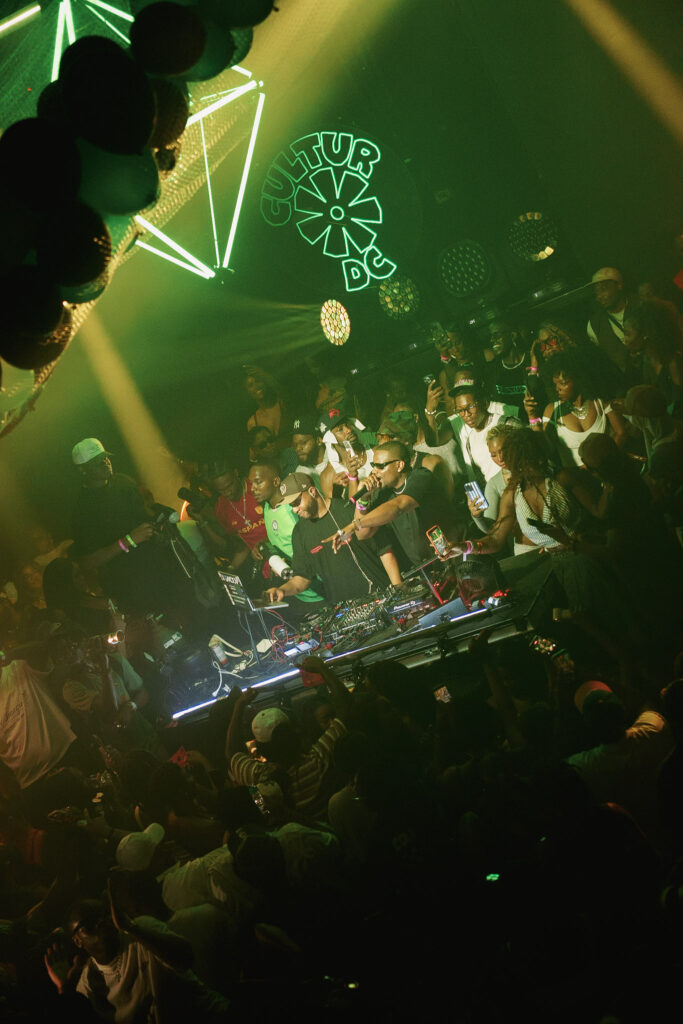
If DJs have historically worked behind the scenes, platforms built around DJ culture represent an attempt to change that.
CULTUR FM was created to highlight people who might otherwise be overlooked, says co-founder Tobi. The platform champions DJs, African sounds and the wider diaspora through DJ-led experiences. “Our reason was to be able to give back and spotlight people that wouldn’t necessarily get the same opportunities as other people,” he says.
He points to DJs who may not enjoy the global recognition of the world’s biggest electronic artists but hold significant influence within their own communities.
As we speak, Tobi asks rhetorically, “How can we find a way to give opportunities to people that look like us and represent us and represent the music?” and I think about how this question sits at the centre of Afrobeats’ next chapter. The genre’s future depends on the artists creating songs and on the people building the spaces where those songs become culture.
Afrobeats became global in the rooms where DJs convinced people to listen, as much as in the moment the world discovered its biggest stars. They were among the curators, connectors and cultural drivers who carried the sound across borders. The recognition has not caught up with the work.
Iyanuoluwa Osatimehin is a London-based fashion journalist and creative writer whose work focuses on African fashion, art, design, and culture. Her journalism covers emerging and established African and diaspora fashion designers.
The rooms where the music gets decided are rarely the ones getting written about. Subscribe to Guzangs.