


A decade ago, it might’ve been unimaginable to envision African design expanding across global platforms and shaping the future of design. But today, it’s clear: Africa is no longer on the sidelines—it’s leading.
Milan Design Week remains one of the most anticipated events in the global design calendar. It’s a stage for innovation, where the future of design—technological, vernacular, or speculative—takes shape. This year, for the first time, West African design takes center stage.
Titled Craft West Africa and curated by Nigerian designer Lani Adeoye, the exhibition is a compelling showcase of creativity rooted in heritage and reimagined for tomorrow. The show gathers a curated group of designers and studios from across the region, illuminating how West African creatives are reframing tradition within global design conversations.
Here’s a look at the featured designers:
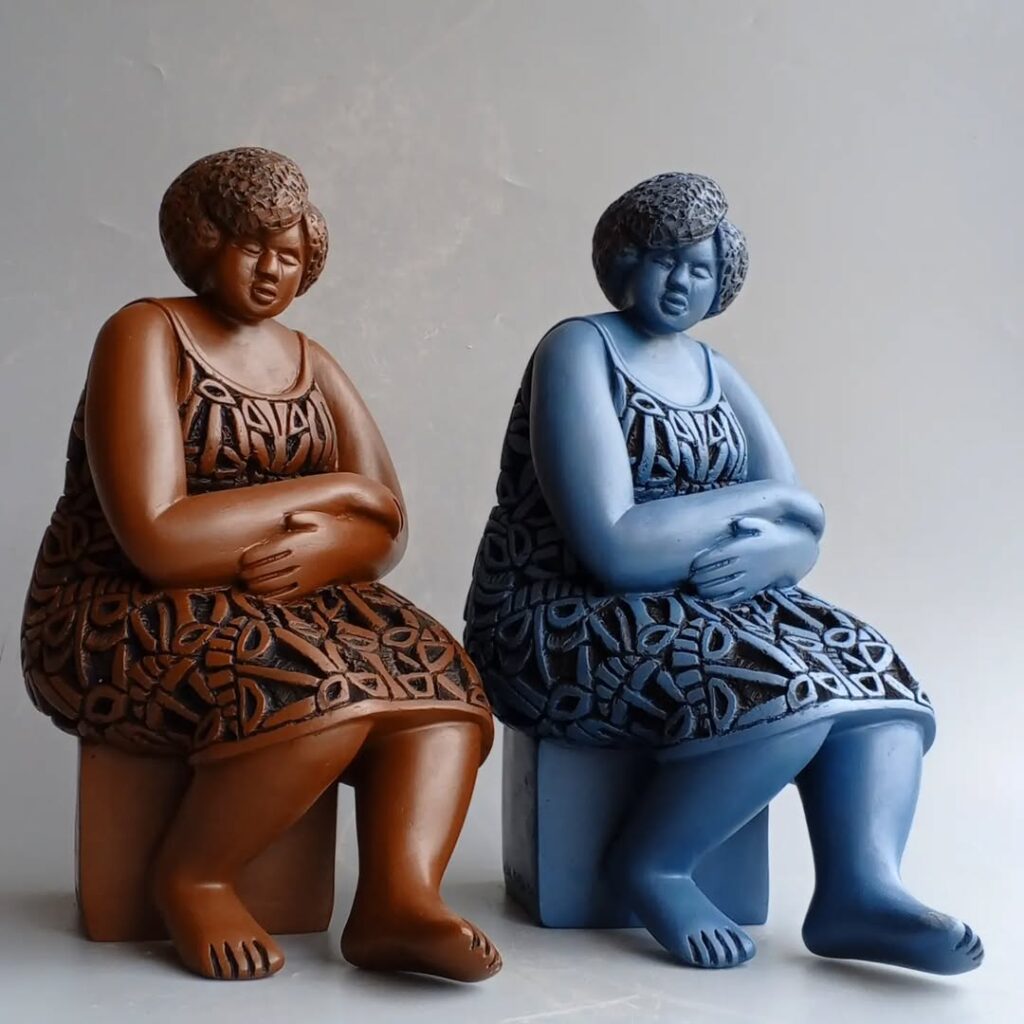
Wisdom’s Rest by Djakou Kassi Nathalie

Cameroonian ceramicist Djakou Kassi Nathalie is known for her textured vessels and sculptural pieces that merge ancestral knowledge with a refined modern sensibility. Her work draws heavily from African decorative motifs, especially those of Nok terracottas and Bamileke carvings.
At Milan Design Week, Nathalie presents Wisdom’s Rest—a captivating wooden chair carved with rhythmic perforations and swirling textures. The piece draws viewers into a quiet meditation on memory, ritual, and identity.
Ade Stool by Maison Intègre
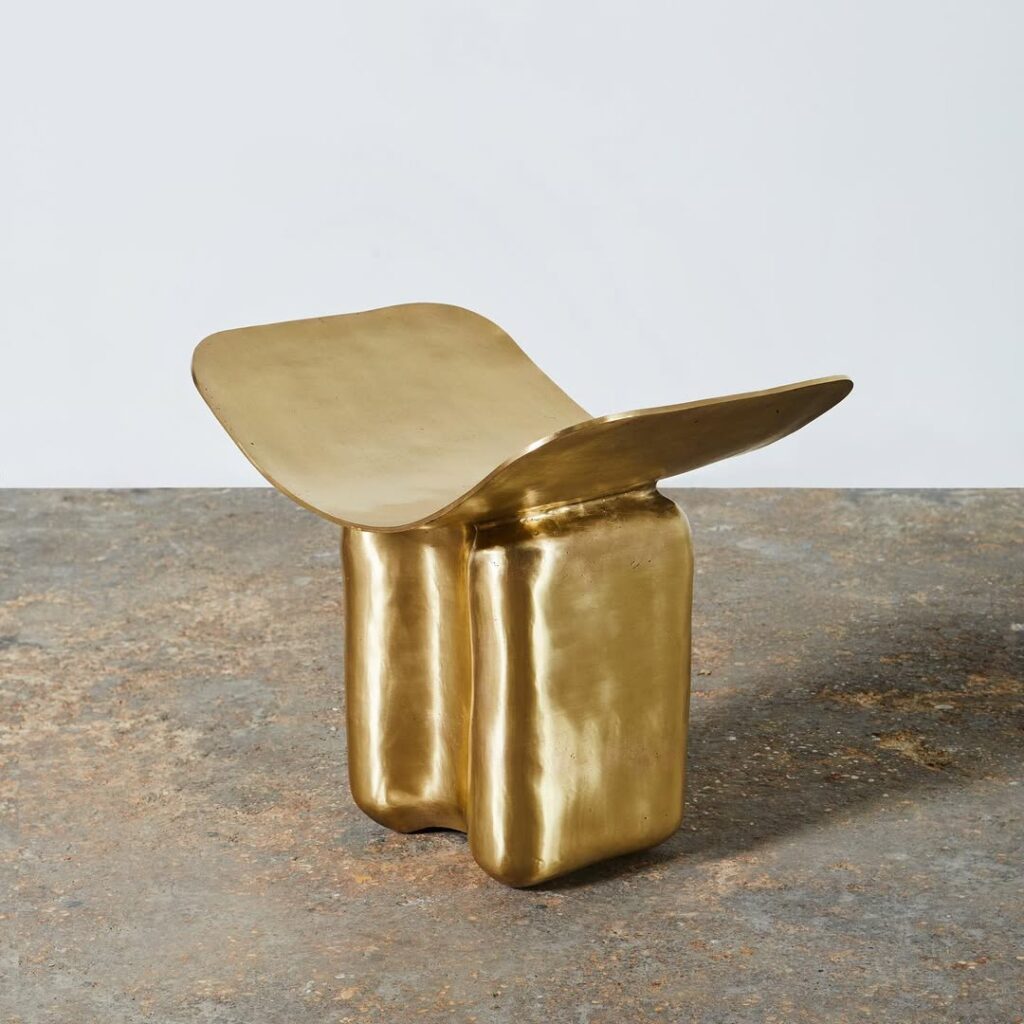
Founded by Ambre Jarrosson in Ouagadougou, Burkina Faso, Maison Intègre specializes in the lost-wax casting tradition, working alongside local artisans to craft bronze furniture and sculptural objects that reflect both legacy and restraint.
Their Milan Design Week piece, the Ade Stool, is an opened bronze form that marries ceremonial design with clean, sculptural lines.
Stool by Papa Mamadou Ndoye
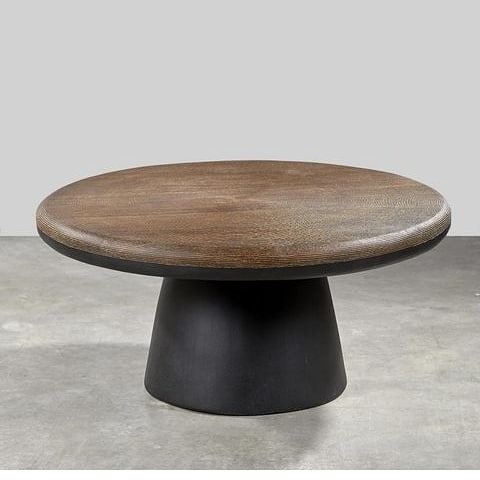
Senegalese architect and designer Papa Mamadou Ndoye brings architecture and design into dialogue through his reflections on space, material, and identity. His work often navigates cultural memory and how built forms can carry meaning.
At Milan, he unveils a new stool—untitled but conceptually rich, inviting interpretation through its quiet power.
The Talking Stool & Ekaabo Light by Studio Lani
Founded by Nigerian-Canadian designer Lani Adeoye, Studio Lani is a multidisciplinary practice grounded in storytelling, sustainability, and social design. Known for her award-winning lighting and furniture pieces, Adeoye often fuses Yoruba influences with futuristic shapes and movement.
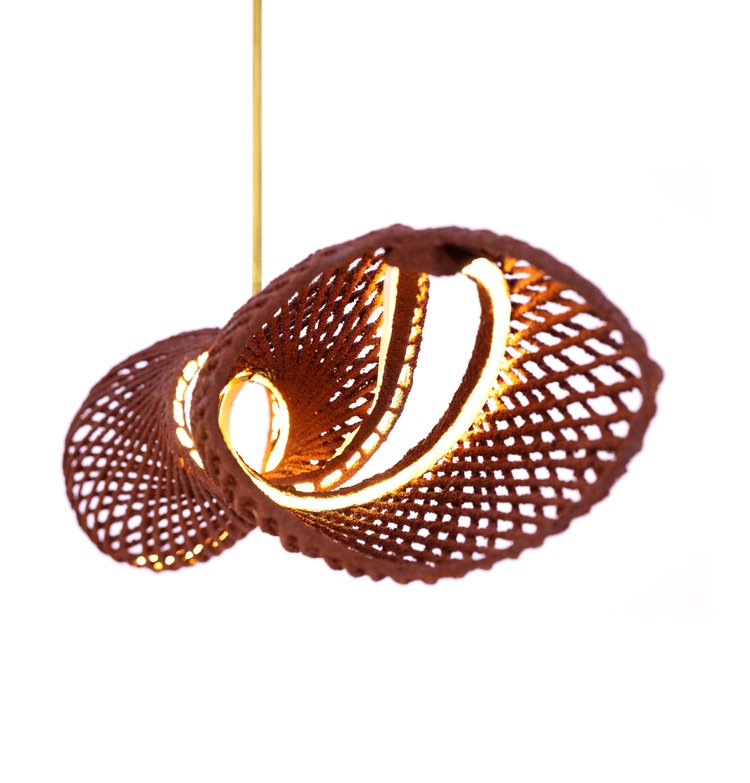
For Craft West Africa, she presents the Talking Stool and the Ekaabo Light—works that speak not just in form, but in spirit.
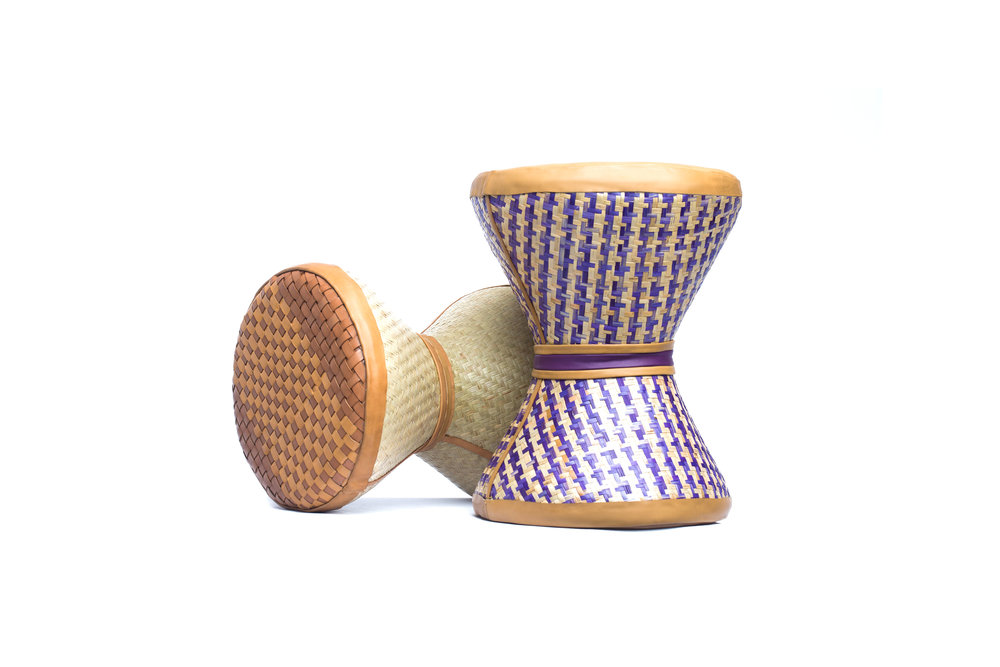
Stool by Tekura
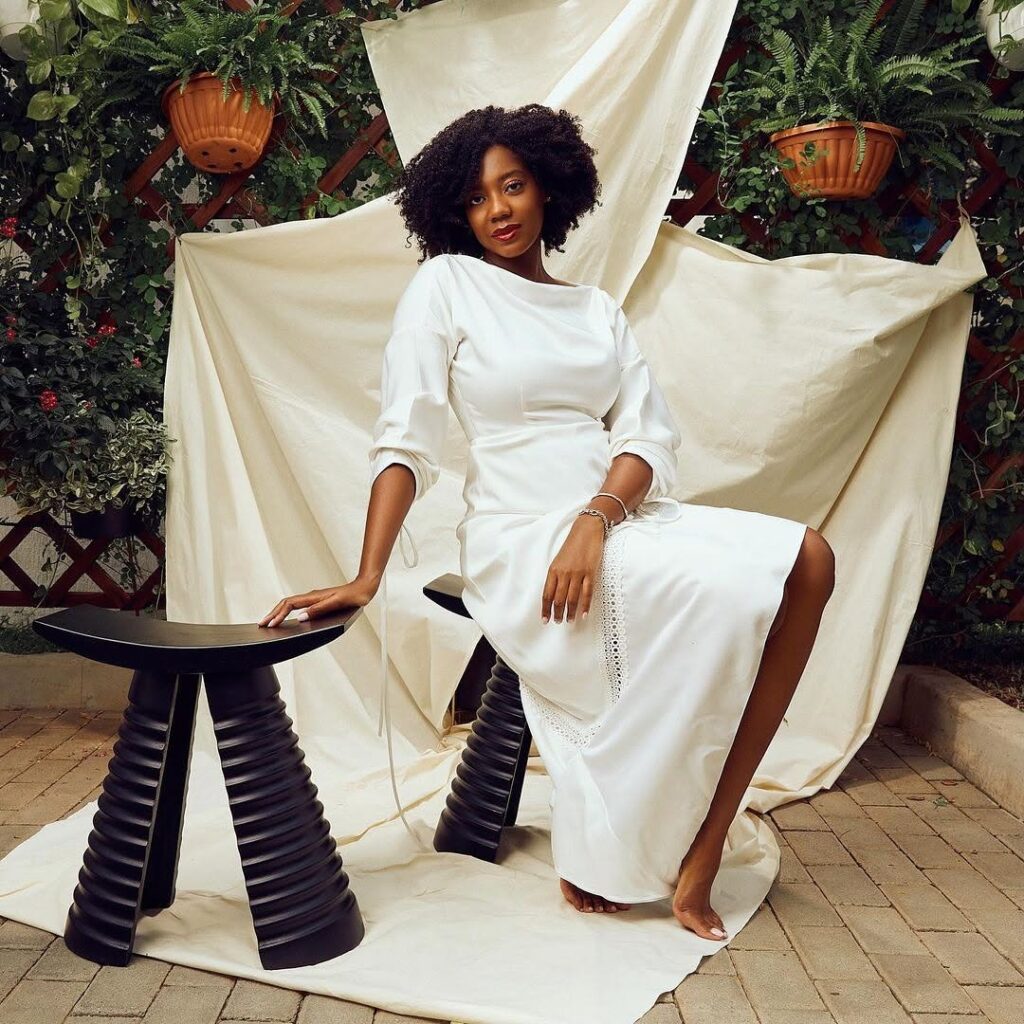
Tekura, one of Ghana’s foremost design houses, is led by Josephine and Kweku Biritwum. The brand is widely recognized for its eco-conscious craftsmanship and signature Afrocentric aesthetic, crafting pieces from reclaimed wood, bamboo, and clay.
At Milan Design Week, Tekura introduces an elegant, untitled stool that reflects its ethos: design with a conscience, grounded in tradition and made for modern living.