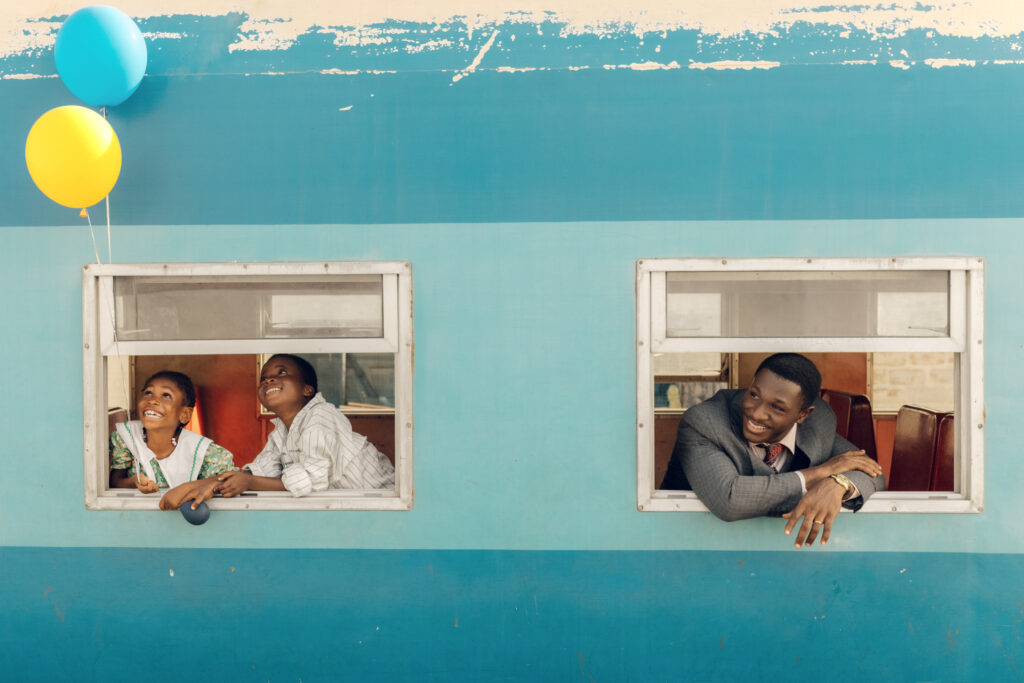
Carlos Idun-Tawiah’s portraits reimagine absence, softness, and legacy in Black fatherhood. Timed for Father’s Day, his series Hero, Father, Friend invites us into a world where care is quiet, presence is sacred, and the everyday becomes monumental.
Carlos is a Ghanaian artist, photographer, and filmmaker based in Accra. Drawing inspiration from African archival treasures, he explores dynamic landscapes that blend fiction, non-fiction, memory, and imagination. His photography highlights uplifting themes such as youth, community, aging, faith, and love. With sincerity and grace, Carlos authentically captures the vibrancy of contemporary African life, grounding his work in both personal experience and cultural memory.
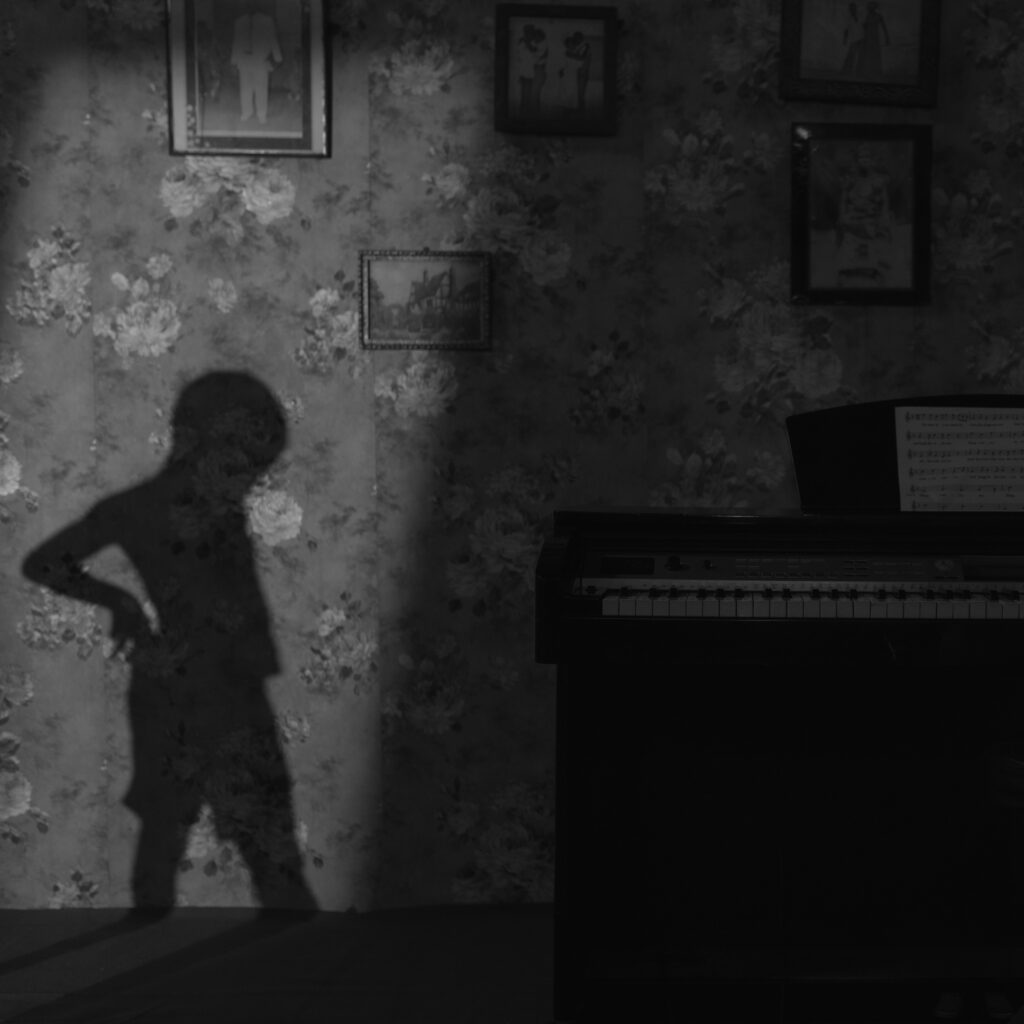
That absence became a calling. Carlos lost his father at the age of 18, and with him, the visual proof of their bond. No portraits lined the walls. No candid snapshots of morning routines or father-son rituals. Where most people have family albums, Carlos had longing. Hero, Father, Friend emerged from that emptiness—a series of images born from imagination, reverence, and grief.
His process is meticulous and emotionally layered. He doesn’t just construct scenes—he excavates feelings. “My work often begins with questions about memory and the archive: Who gets remembered? Who decides how people and cultures are positioned in history? Can memory exist without physical evidence?”
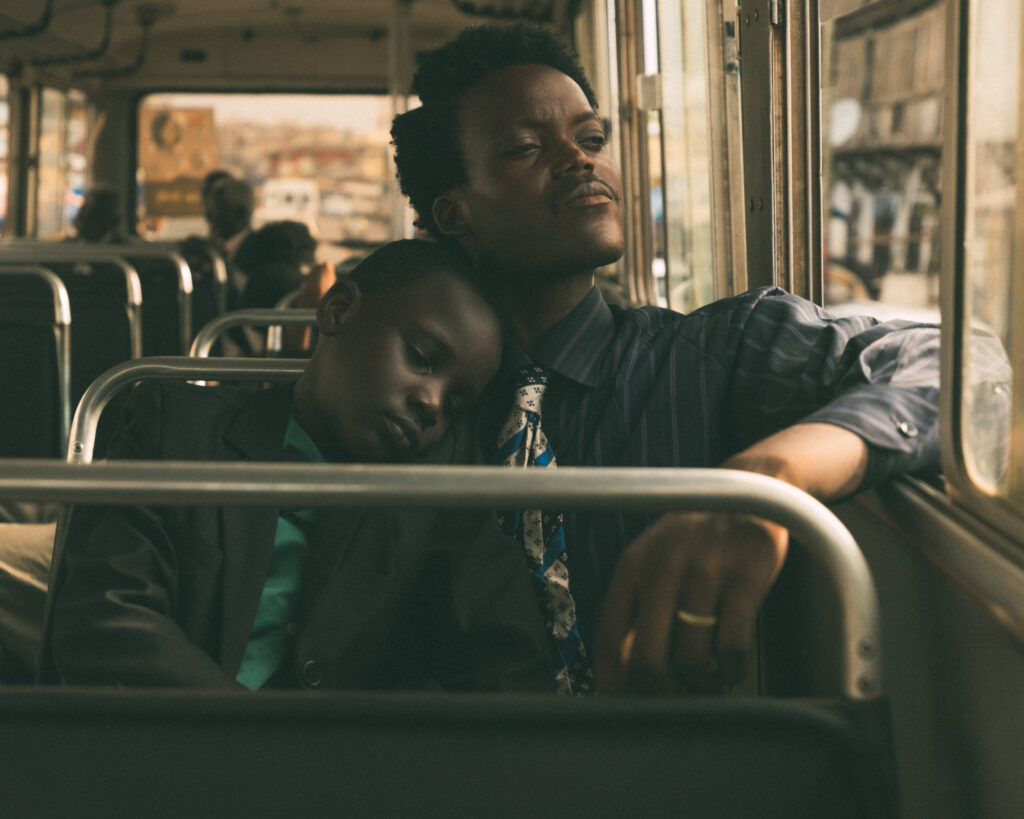
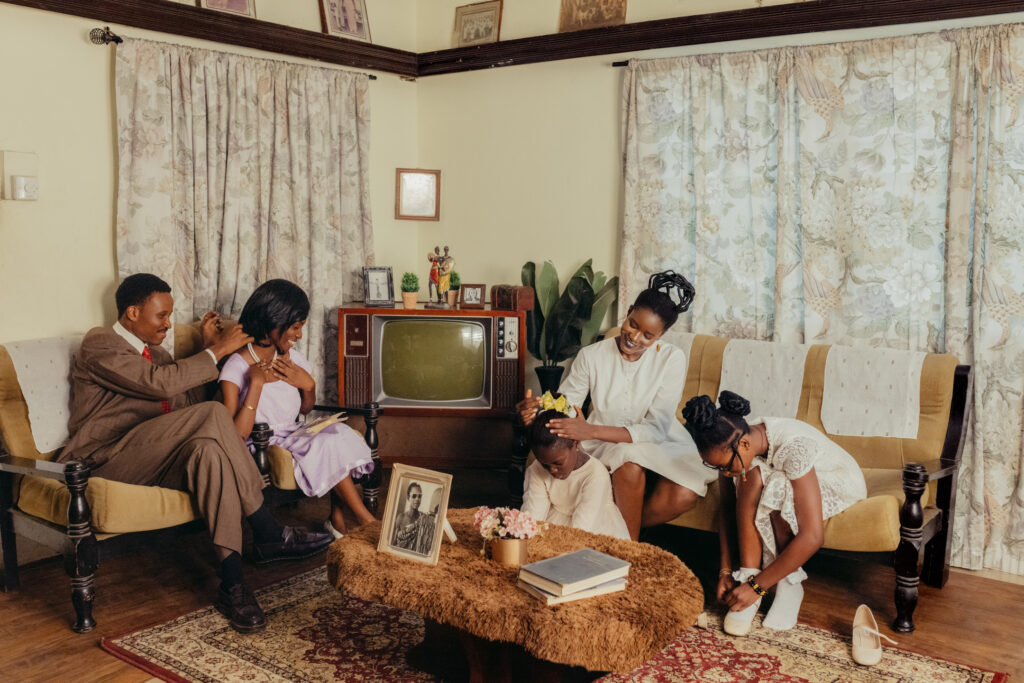
With Hero, Father, Friend, Carlos ventures into speculative documentaries. He doesn’t claim to tell the truth in a literal sense. Instead, he invites viewers into a dreamscape of Black fatherhood as it could have been, and as it too often goes unseen: soft, intimate, mundane, sacred.
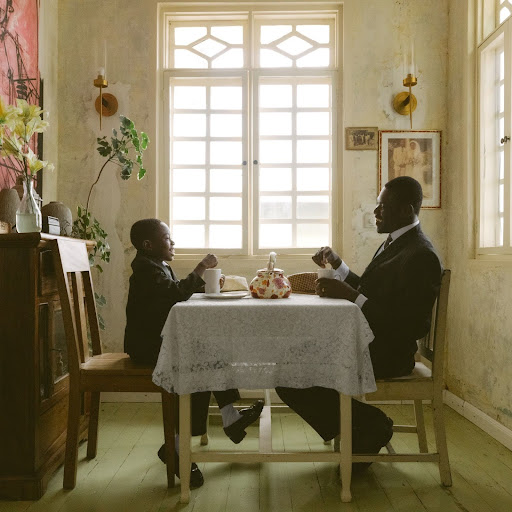
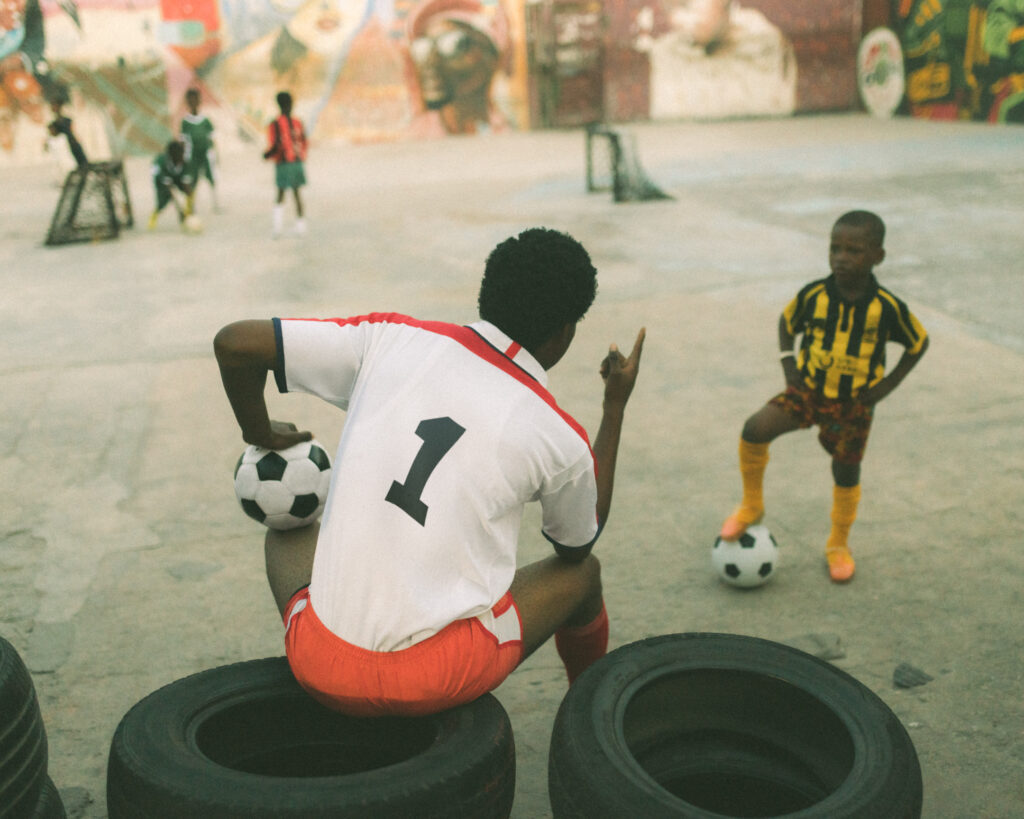
From a grandfather’s hands guiding a child across piano keys, to an older cousin steadying a basketball shot, every frame is a meditation on presence. These are not heroic snapshots in the conventional sense. There are no stoic patriarchs or over-glamorized milestones. Rather, there are quiet gestures of care—subtle, fleeting, yet foundational.
“There’s a certain weight to working with memory,” Carlos says. “Especially when some of it feels just out of reach. Going through the archives brought up a mix of emotions—grief, nostalgia, even joy. Research was the most challenging part—coming across information that’s hard to sit with—but that’s also where the work starts to feel alive.”
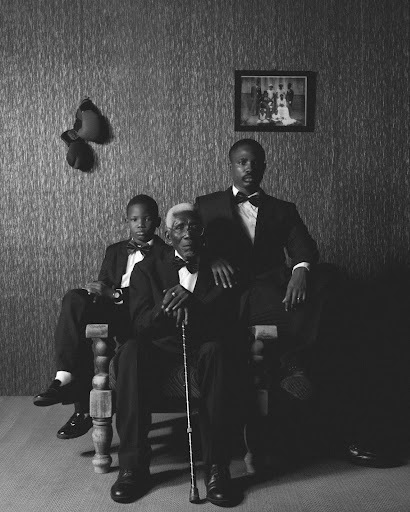
Each image is a visual offering to the past and a reclamation of narrative. In many ways, Carlos is filling in the blanks of not only his own story but a collective one. He is stitching emotional reality into the archival gaps left by systemic erasure and familial silences.
He recalls the making of In the Hand of the Father, a photograph set in a hospital room. It’s an intimate depiction of care, vulnerability, and emotional tension. “I was thinking about how places like hospitals hold deep emotion and intimate family interactions that rarely get documented,” he says. The image resists spectacle. It is not performative. It simply is.
“Photography has a beautiful way of shifting our focus—from the extraordinary to the everyday,” he adds. “It allows us to slow down and give space to the mundane, fragile moments that often go unnoticed.”
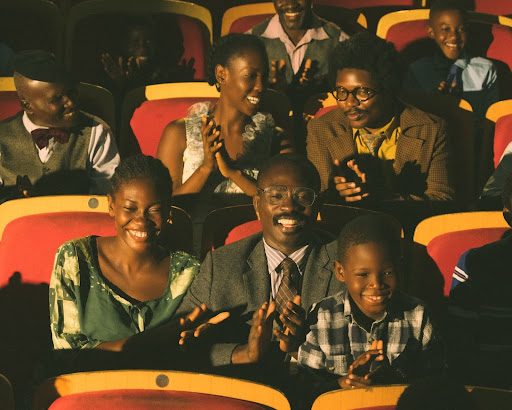
Therein lies the magic of Carlos’s practice. His camera doesn’t seek to dramatize Black life. Instead, it honors its ordinariness. The mundane becomes meaningful: a hand resting on a shoulder, eyes meeting across a shared joke, the warmth of a living room bathed in afternoon light.
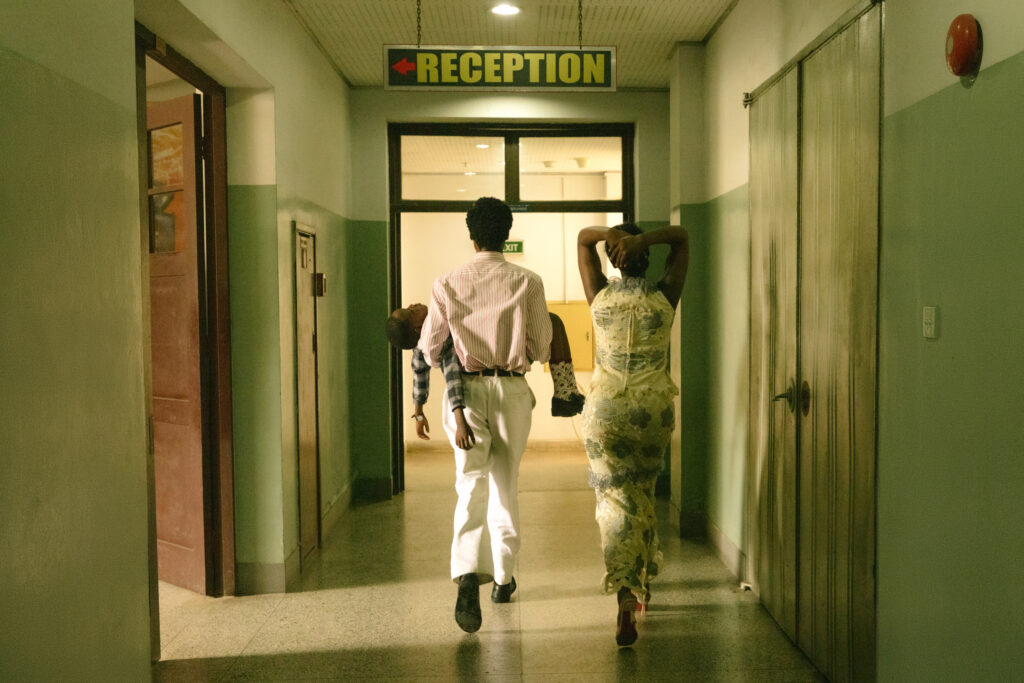
“Because the moments that escape the camera often reveal our truest selves,” he says. “These small, everyday scenes carry a kind of honesty that staged images can miss.”
His influences are telling. He speaks reverently of Roy DeCarava, the Harlem-based photographer known for his soft, tender portrayals of Black life in mid-century America. “So many images of African people felt posed—beautiful, but not always reflective of how we actually live. I love seeing us at ease, with joy, simply being—because that, too, deserves space in the archive.”
The legacy of Hero, Father, Friend lies in its refusal to generalize. Each scene may be fictional, but its emotion is deeply personal. Yet, paradoxically, it is this personal truth that resonates most universally.
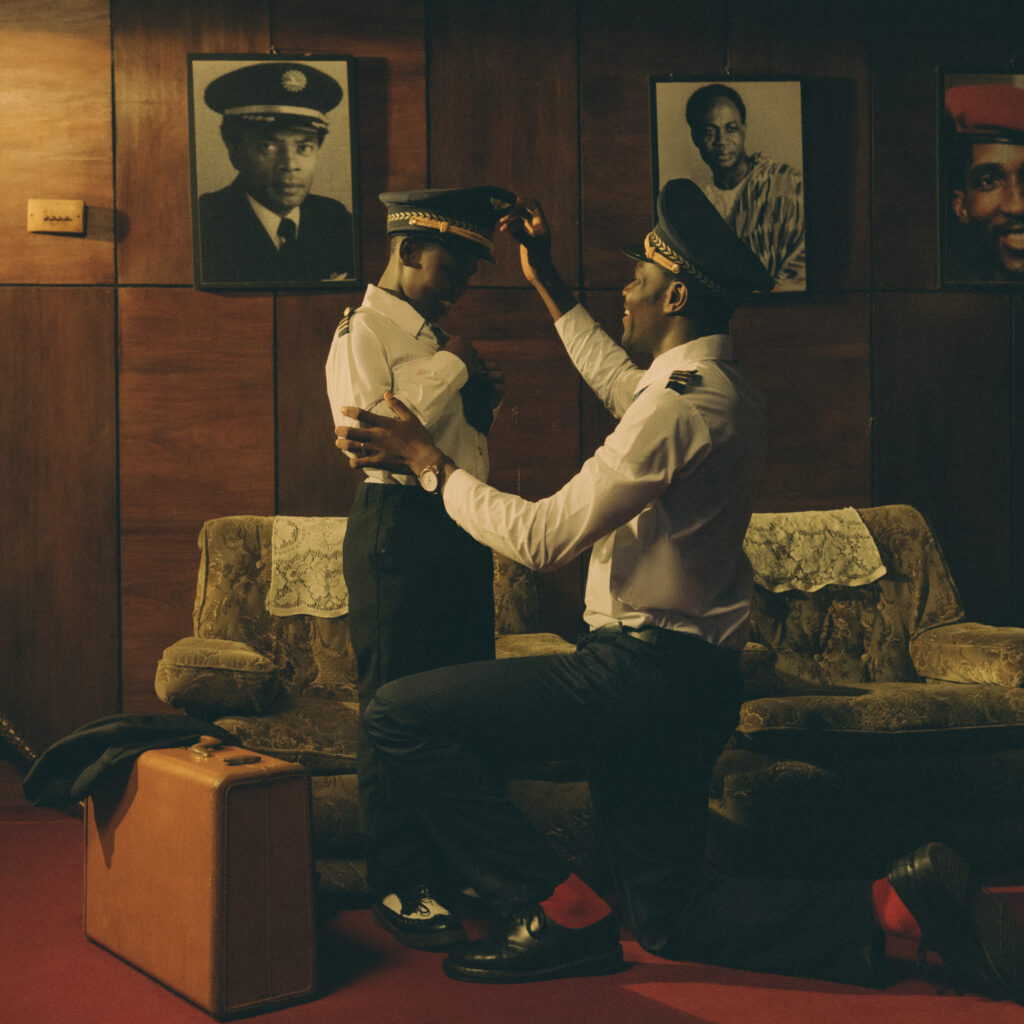
“I try not to think too much about how the work will be perceived while I’m making it,” Idun reflects. “To me, the work needs to be personal first—that’s when it’s at its sincerest. What’s been most humbling is realising how many people see themselves in these images. That shared nostalgia reminds me that, in many ways, we’ve all lived the same lives.”
Hero, Father, Friend is not just a photographic series. It is a son’s love letter to his father. It is a protest against erasure. It is an invitation to reconsider who we memorialize and how. Carlos is building an archive not from photographs passed down, but from the soul—from yearning, from memory, from the quiet insistence that these stories, too, deserve to be told.
At a recent exhibition opening, a middle-aged man stood long after the crowd had thinned out. He stared at one particular image: a father teaching his son how to fix a bicycle. His eyes welled up. Later, he approached Carlos and said, simply, “Thank you. I didn’t know I needed to see this.”
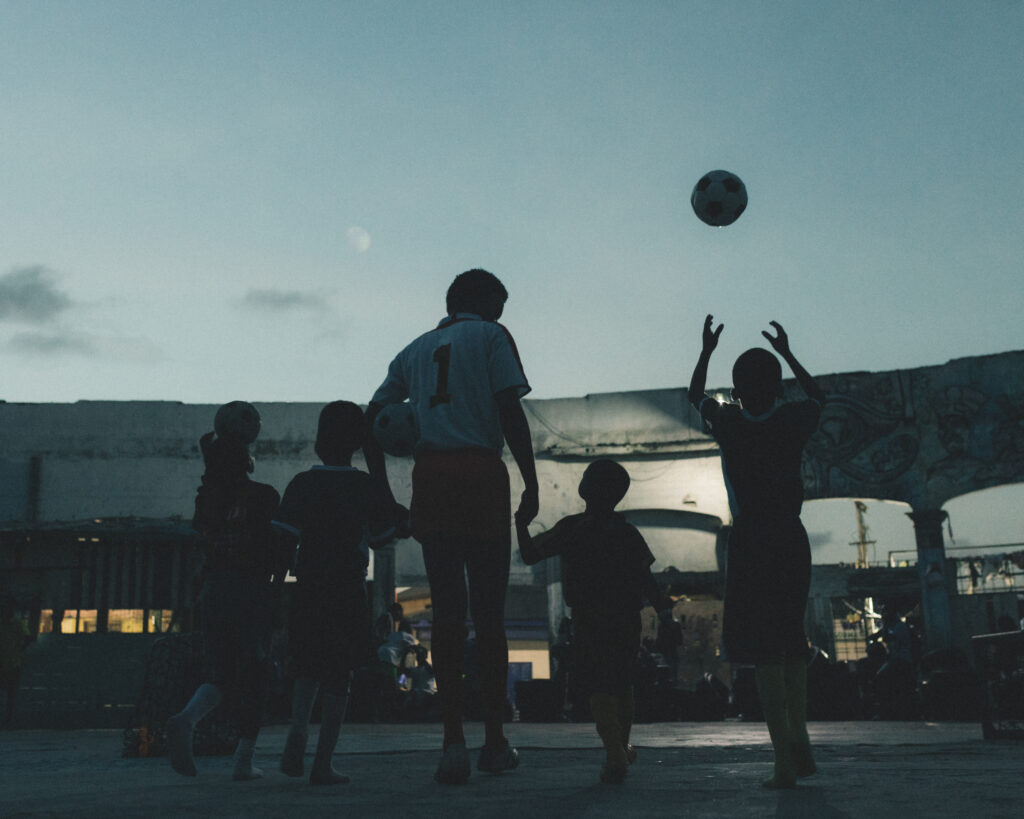
That’s the quiet power of Carlos Idun-Tawiah’s work. It whispers rather than shouts. It lingers. It heals.
On this Father’s Day, we at Guzangs invite you to step into this visual language of longing and love. Hero, Father, Friend is more than an art project. It is a call to honor the men who raised us—remembered or forgotten, related by blood or chosen by heart. It is a testament to presence: not only what was, but what could have been, and what still might be.
In Carlos’s world, Black fatherhood is not defined by absence but by a thousand moments of gentle, persistent care. And in his photographs, those moments live on—beautiful, mundane, and immortal.
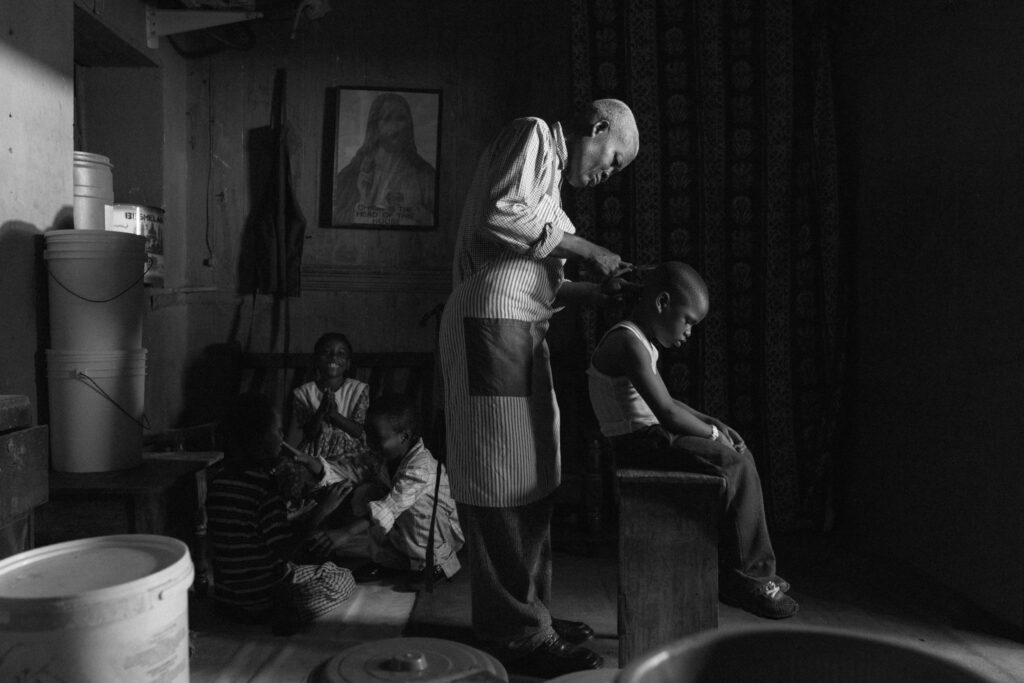
Carlos will present this body of work in his first solo exhibition at the Paris Photo Fair this November.
Get stories like this in your inbox. Sign up for the Guzangs newsletter to discover more African creatives redefining heritage, style, and identity.