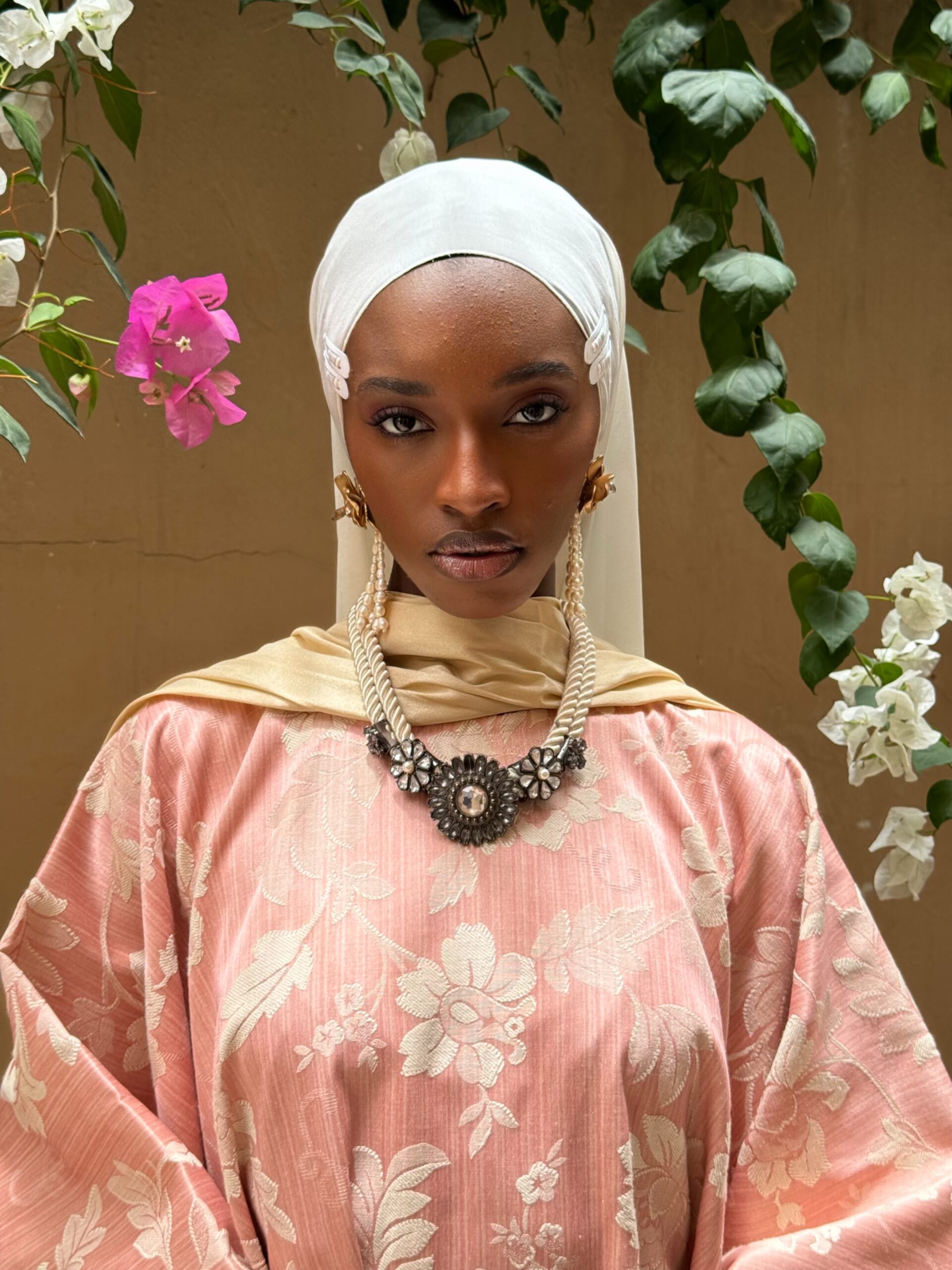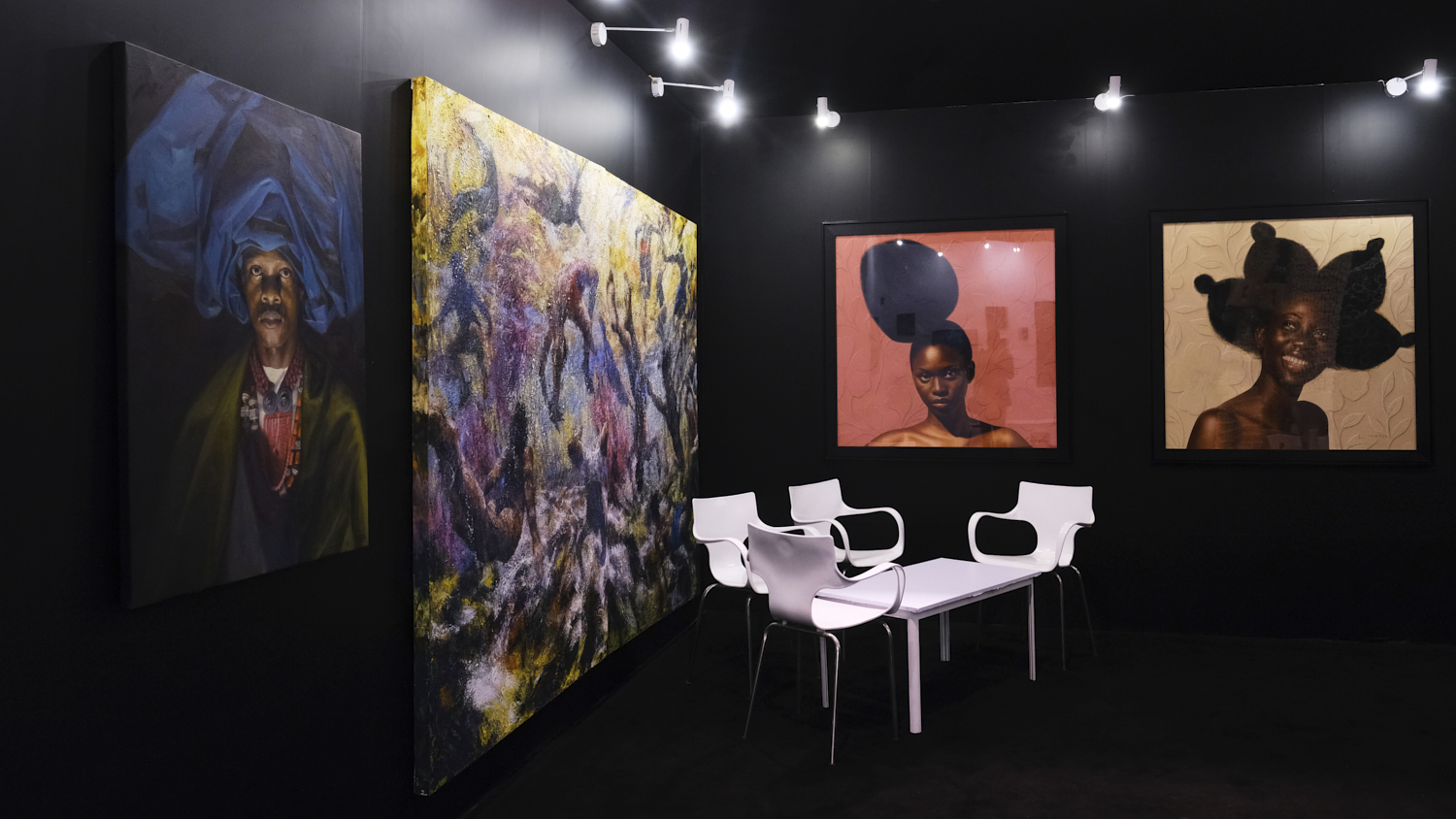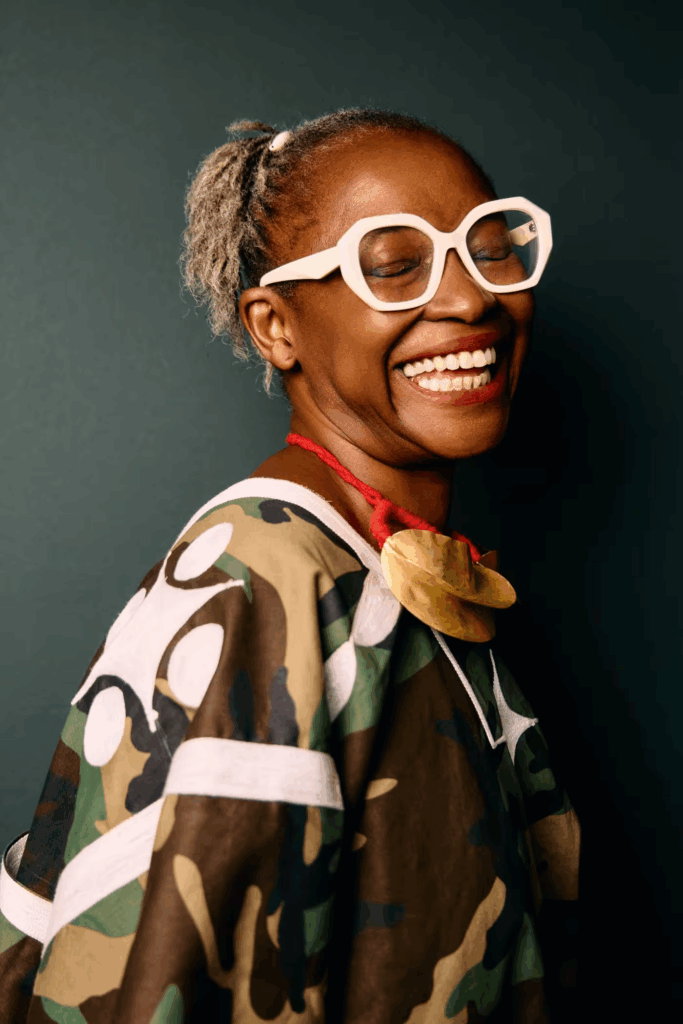
There are women who walk into a room and shift its temperature. Not with volume or flash, but with presence — that quiet, calibrated command that makes the air feel more intentional. Koyo Kouoh was one of those women. She moved like meaning. She spoke with tempo. She walked as if she were carrying a gallery inside her and often, she was.
When we lost her on May 10, 2025, in Basel it felt like a cultural axis tilting. As though a particular kind of frequency had gone silent. But to say we lost Koyo is only partly true. Because her vision, sharp as a blade, soft as a psalm remains with us. She spent her life planting what cannot be buried: institutions, archives, ideas, movements, people.
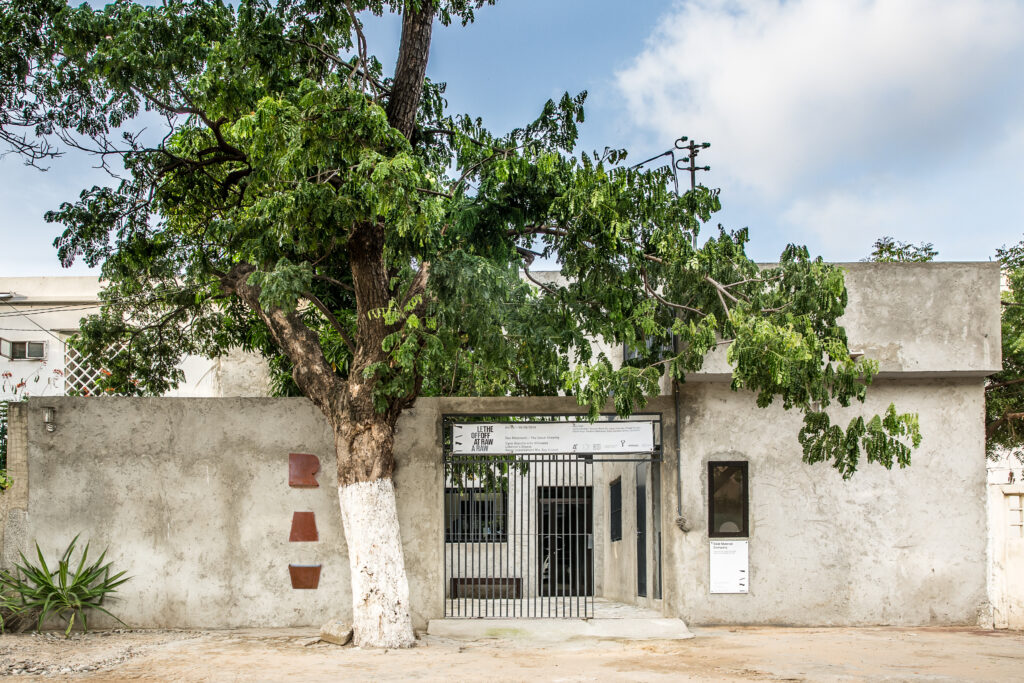
Koyo Kouoh was not merely a curator. That word feels too narrow now, too flat. She was a spiritual architect of our cultural futures. Through RAW Material Company, which she founded in 2008 in Dakar, she created not only a space, but a sanctuary — a place where African thought could expand without constraint, where contemporary art could be political without apology, where history could be interrogated and the archive could breathe.
She curated not with checklists, but with questions. With conviction. With care. Her exhibitions were essays — textured, layered, intellectually rigorous. From Still (the) Barbarians (2016) in Limerick, which examined colonial residue in Ireland, to Body Talk (2015) in Brussels, which centered the Black female body in European institutional spaces, and her tenure as Executive Director and Chief Curator of Zeitz MOCAA in Cape Town (2019–2022), her work was never about decoration, it was declaration.
And in 2024, Koyo Kouoh was appointed curator of the 61st Venice Biennale — a historic milestone not just for her, but for the continent. That appointment was not an arrival; it was a recognition. Of what she had long been: one of the sharpest cultural minds of our time.
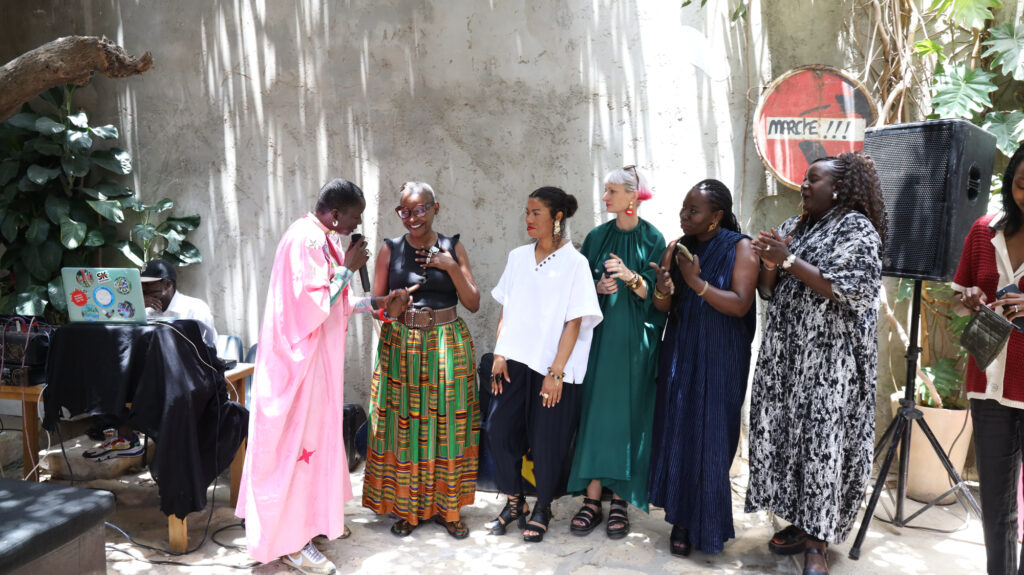
Yet what many remember most is not the prestige, but her generosity. She was a gatherer. A weaver of minds and movements. She brought people together — artists, thinkers, writers, elders and made them feel seen in the fullness of their complexity. She had the gift of holding space. Of listening with intent. Of finding brilliance in what the world too often ignored: the unfinished thought, the quiet resistance, the soft-spoken radical. She heard us in our minor keys and called it music.
Koyo’s curatorial practice was rooted in political intimacy. She believed in institutions, yes — but only if they could hold multiplicity, memory, and accountability. She understood that how we exhibit is as crucial as what we exhibit. That the space between artworks could carry as much meaning as the works themselves.
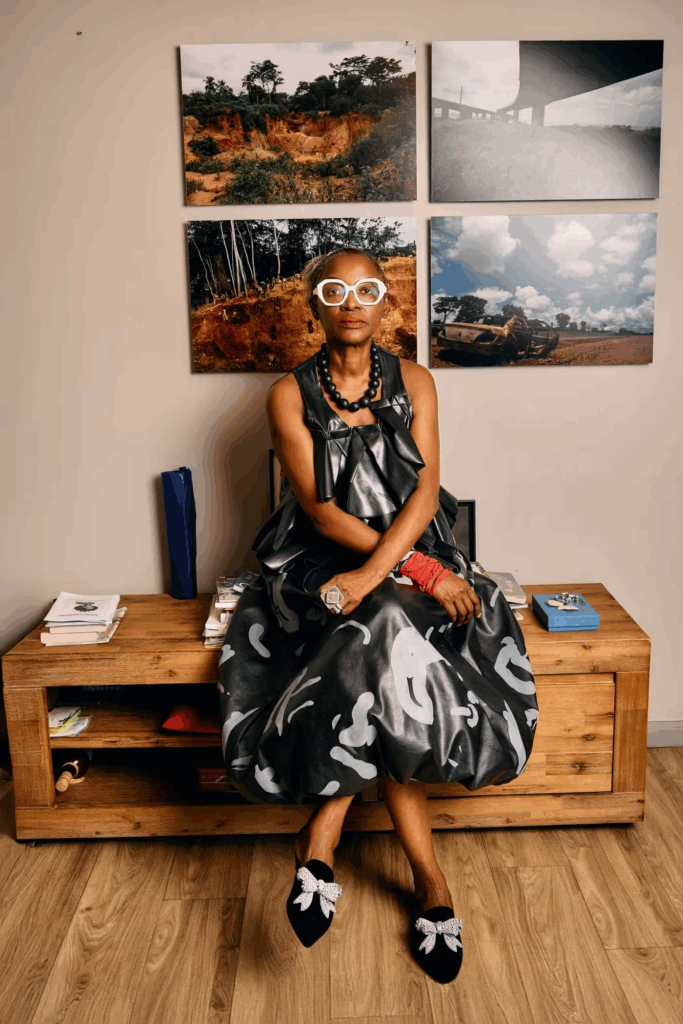
And then there was her style.
Koyo was a maximalist, a sovereign dresser unafraid of bold textures, rich colors, and layered prints. She wore fashion the way she curated: with conviction, with history, with joy. Her silhouettes were unapologetic, Pan-African, unmistakably hers. Kaftans, wax prints, sharply tailored jackets, silk scarves, bold jewelry always worn with intention, never for spectacle. Her clothes spoke not to impress, but to affirm. She embodied what it meant to move through the world as a visual archive, a walking theory, a philosophy in motion.
She made beauty political. Her posture. Her gaze. Her stride. All of it was a kind of knowledge. And when she stood still, people leaned in not out of fear, but out of reverence.
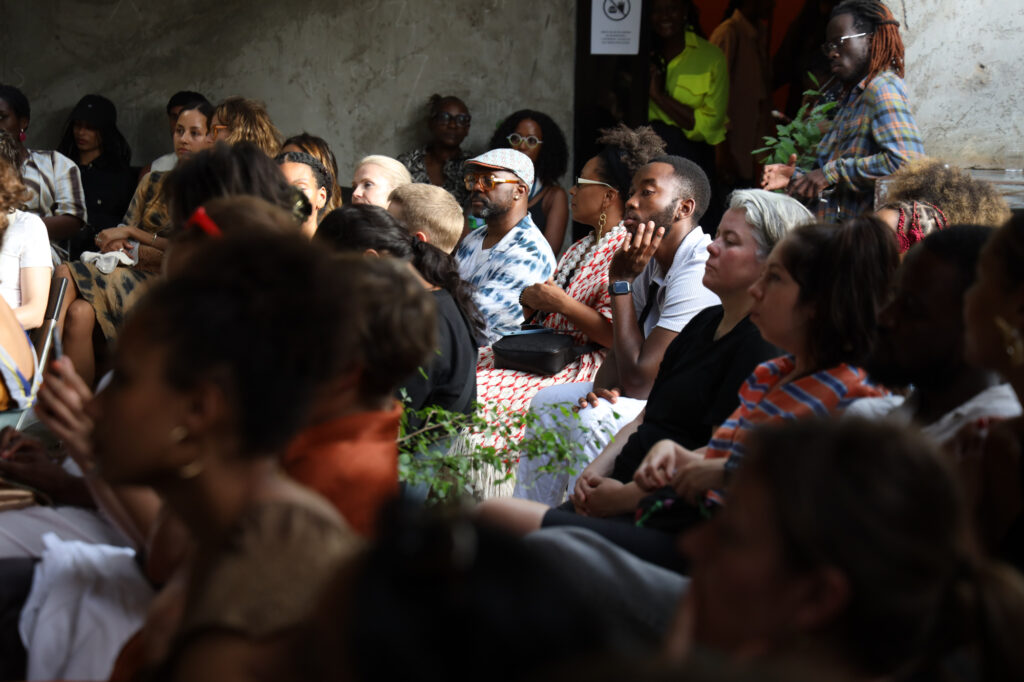
On June 14, 2025, RAW Material Company — her heartbeat, her altar, her gift to Dakar and to the world opened its doors for a public memorial. It was not a farewell. It was an inheritance. A gathering of those she once gathered. Artists, thinkers, elders, kin. Those who had been shaped by her vision, held by her belief, sharpened by her questions.
The gathering carried a refrain not a formal title, but a kind of curatorial heartbeat:
“When We See Us in Minor Keys.”
And in that phrase — poetic, intentional, layered we found the essence of her legacy. It honored the subtle, the whispered, the yet-to-be-resolved. The curatorial choices that refused spectacle in favor of resonance. It was a call to look at ourselves more closely in all our variations, in all our dignified dissonance.
From a luminous sonic offering by Felwine Sarr and Ablaye Cissoko, to an incantation by Otobong Nkanga and Ami Weickaane, to deeply moving words from friends, family, and collaborators — Philippe Mall, Ken Bugul, Maman Kouoh, Alfredo Jaar, Rasha Salti, and many more the day unfolded as a living archive. There were films, performances, and a reading of her Biennale curatorial vision. Germaine Acogny danced in her honor. And as dusk turned to night, the DJ set led by Ntone Edjabe and DJ Tchoub Tchoub reminded us that grief, too, can hold joy. That remembrance is a rhythm.
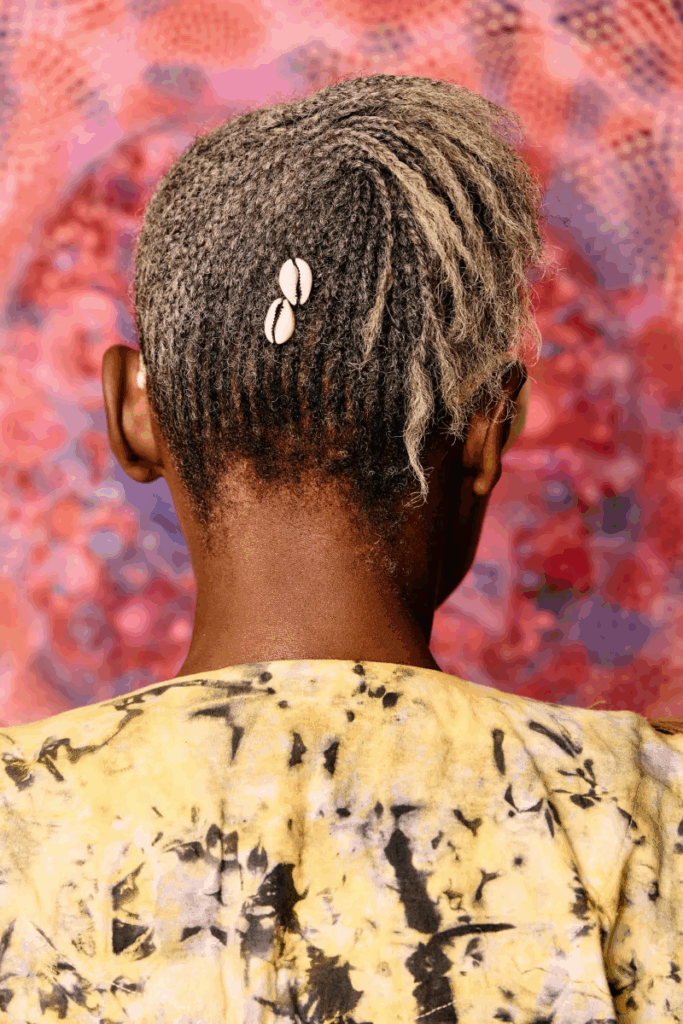
It was a ceremony of echoes. Every offering spoken, sung, danced circled back to one truth:
Koyo was a gatherer.
And on that day, we gathered her — through memory, through music, through movement.
We gathered what she gave us. And we vowed to keep gathering.
Because how do you mourn a woman who refused to perform power, but rather redistributed it?
How do you say goodbye to someone who taught us that curation is not a career, but a commitment?
You don’t.
You build. You create. You gather. You remember.
You honor her by making room for others.
You honor her by refusing erasure.
You honor her by seeing us — fully, tenderly, in our minor keys.
Koyo Kouoh lived between cities — Dakar, Cape Town, Basel — but she belonged to no single place. Every institution she touched grew deeper. Every person she believed in now carries a part of her fire.
She is no longer here and yet, she is everywhere.
Rest well, Koyo. Rise, always.