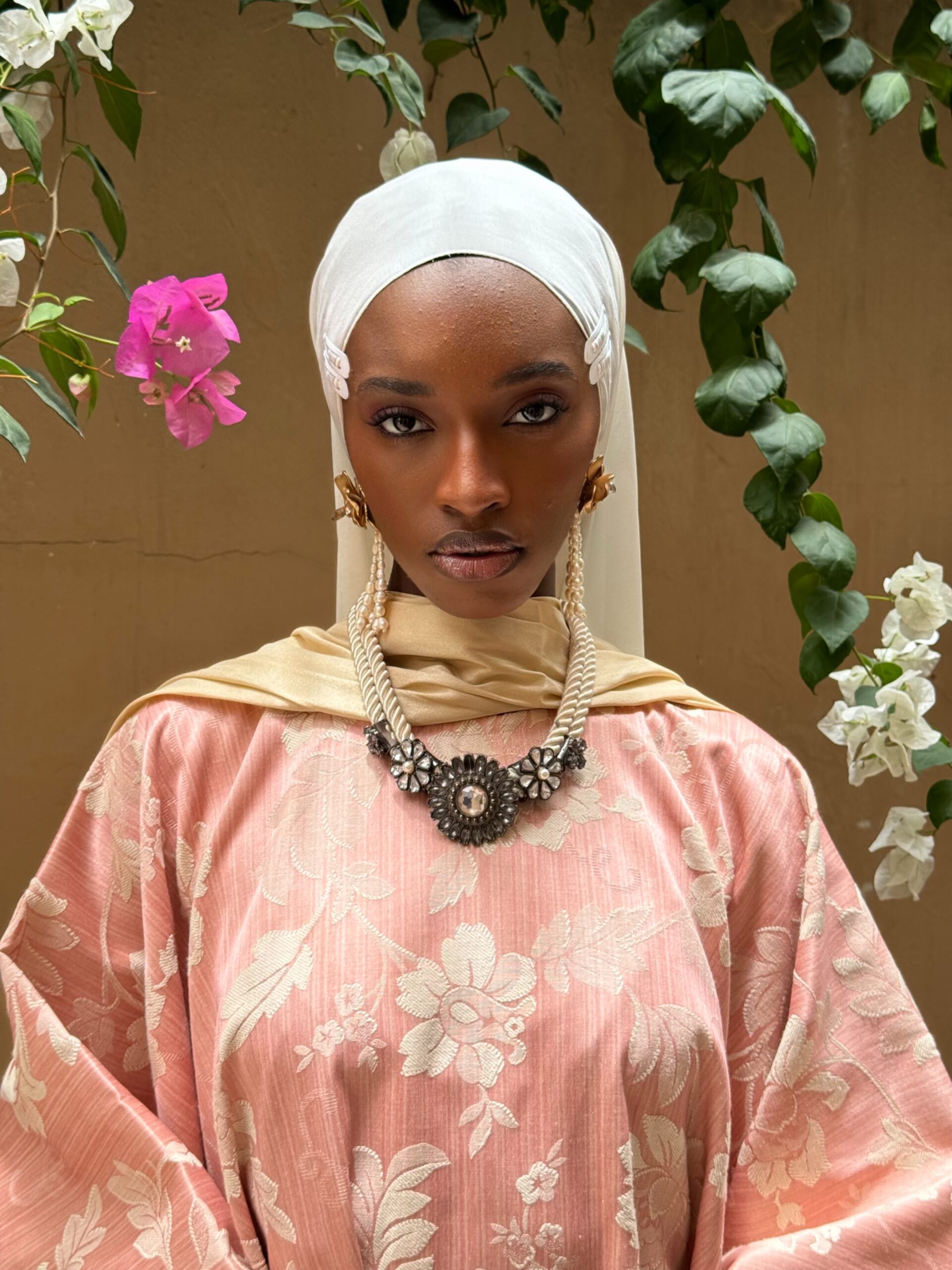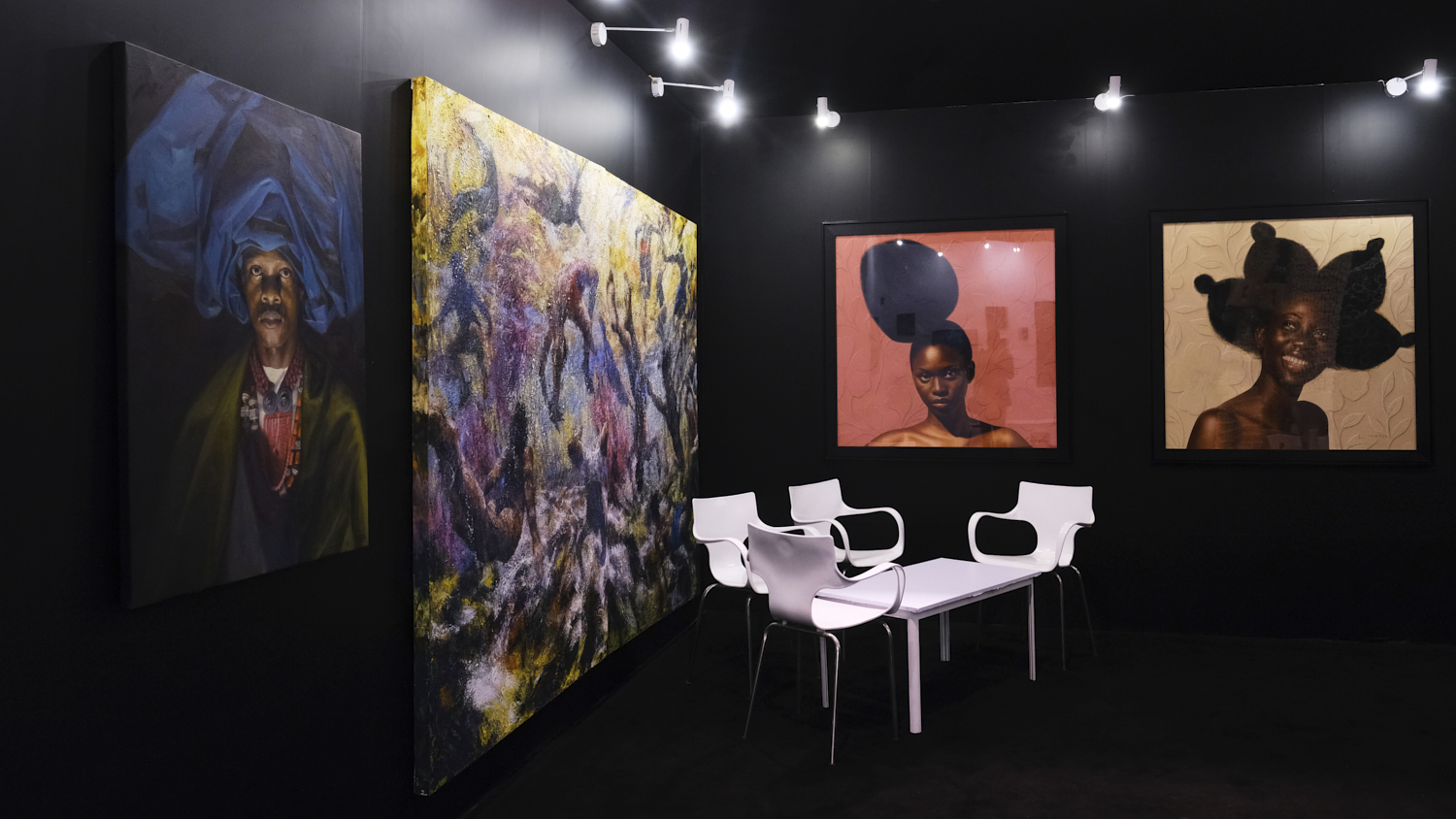
Hair across Africa has never been a mere accessory. It has long functioned as a living archive, carrying messages of lineage, spirituality, and social status. In every braid and parting, identity is inscribed.
Today, conversations around African hair have widened beyond what past generations could have imagined. On Instagram, TikTok, and YouTube, hairstylists, cultural historians, and everyday wearers are reclaiming the narratives once silenced or stigmatized. Slowly, the weight of “bad hair” rhetoric is receding.
This series, Woven Histories, enters that conversation by tracing hair back to its origins. Each installment moves region by region, uncovering how traditions of adornment, ritual, and creativity continue to shape contemporary Black expression. For this first chapter, we turn to North Africa, where Amazigh, Nubian, Sahrawi, and Arab-Islamic cultures braided meaning into every strand.
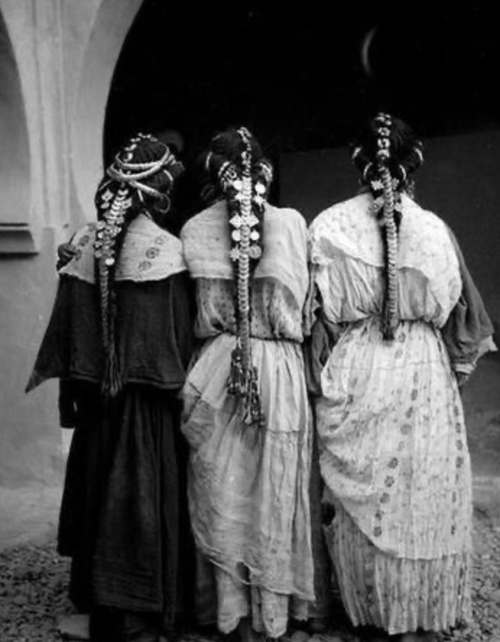
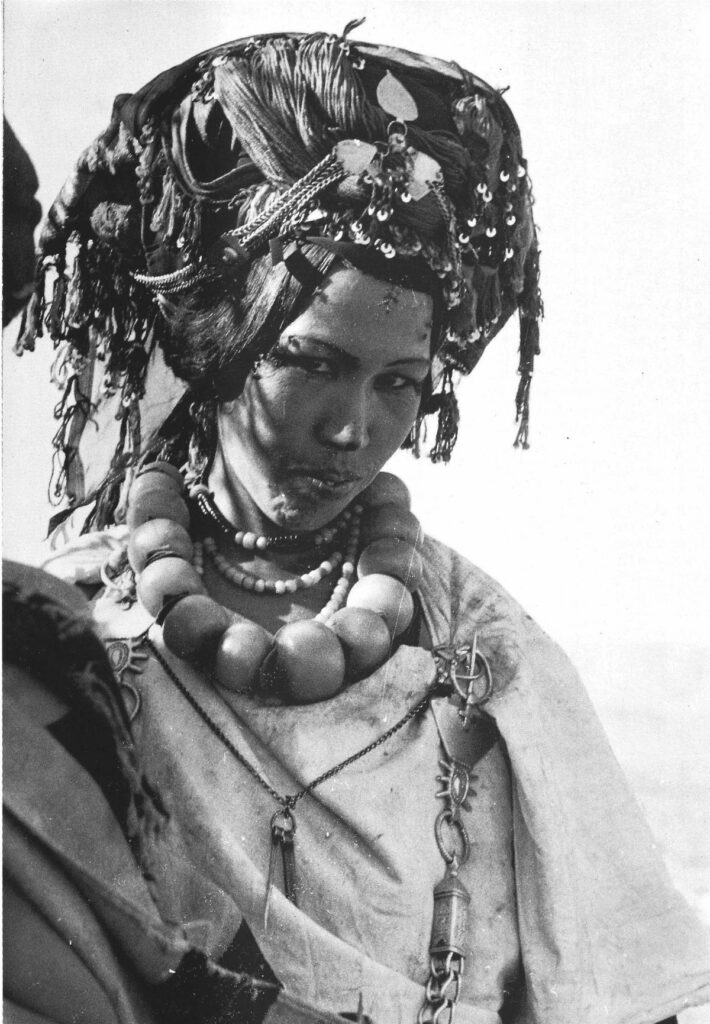
For centuries, hairstyles in North Africa carried layered meanings. Among Berber women in Morocco and Algeria, braids threaded with silver jewelry and amulets marked both marital status and tribal belonging. In Egypt, henna has long served as both cosmetic dye and spiritual purifier, integral to celebration and ritual. Across the Maghreb, families passed down recipes of argan oil, olive oil, and kohl as essential hair care rituals—beauty as heritage, coded in texture and scent.
Today, that continuum remains. While many women still use traditional oils and braiding practices, global beauty trends and digital media have expanded the possibilities. Urban youth experiment with natural curls, protective styles, or straightened looks that blend African and Arab aesthetics. Men navigate both conservative grooming and fashion-forward cuts. The result is a layered landscape where heritage meets modernity.
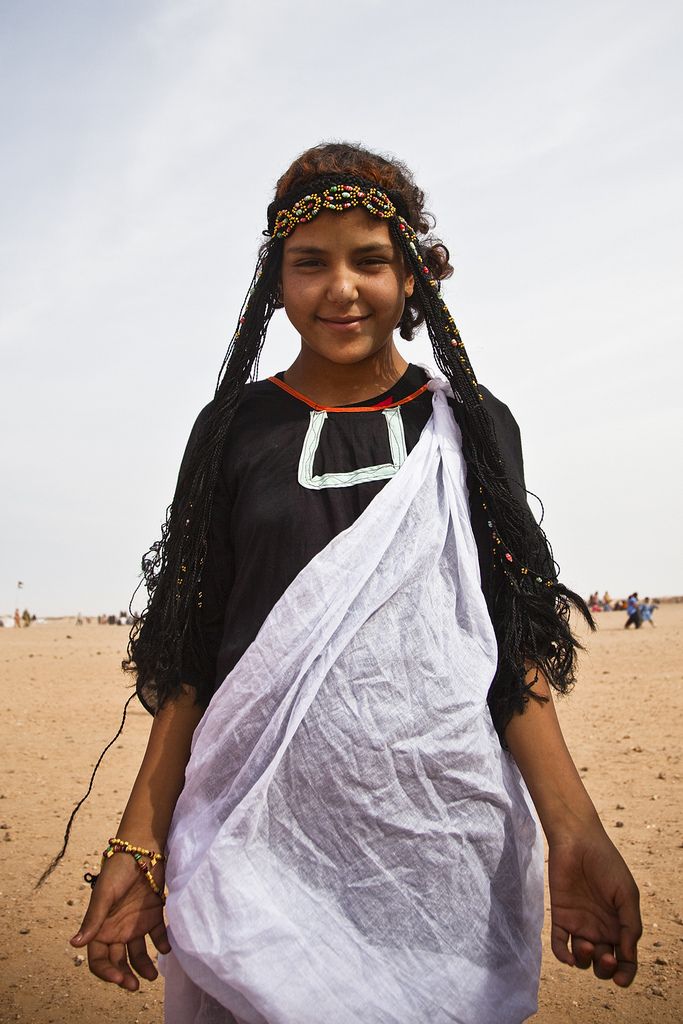
Cornrows trace deep roots across North Africa. Among the Nubians of Sudan and Egypt, the style was worn in straight, neat lines, while the Sahrawi people favored curving, structured patterns often referred to as Sahrawi cornrows. Typically divided down the middle into two halves, these braids were prized for both beauty and function: easy maintenance and long wear. Their endurance speaks to how a hairstyle can survive centuries, carrying with it both identity and memory.
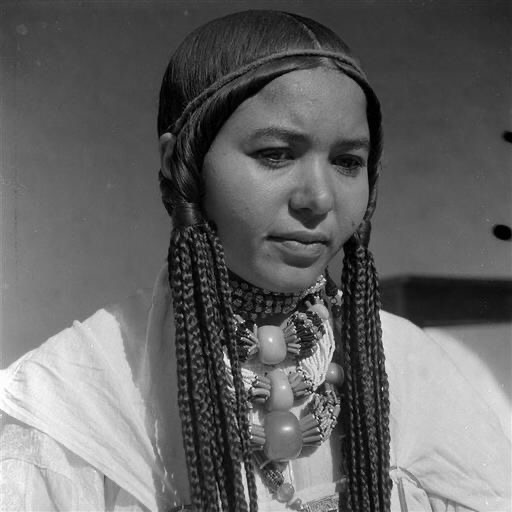
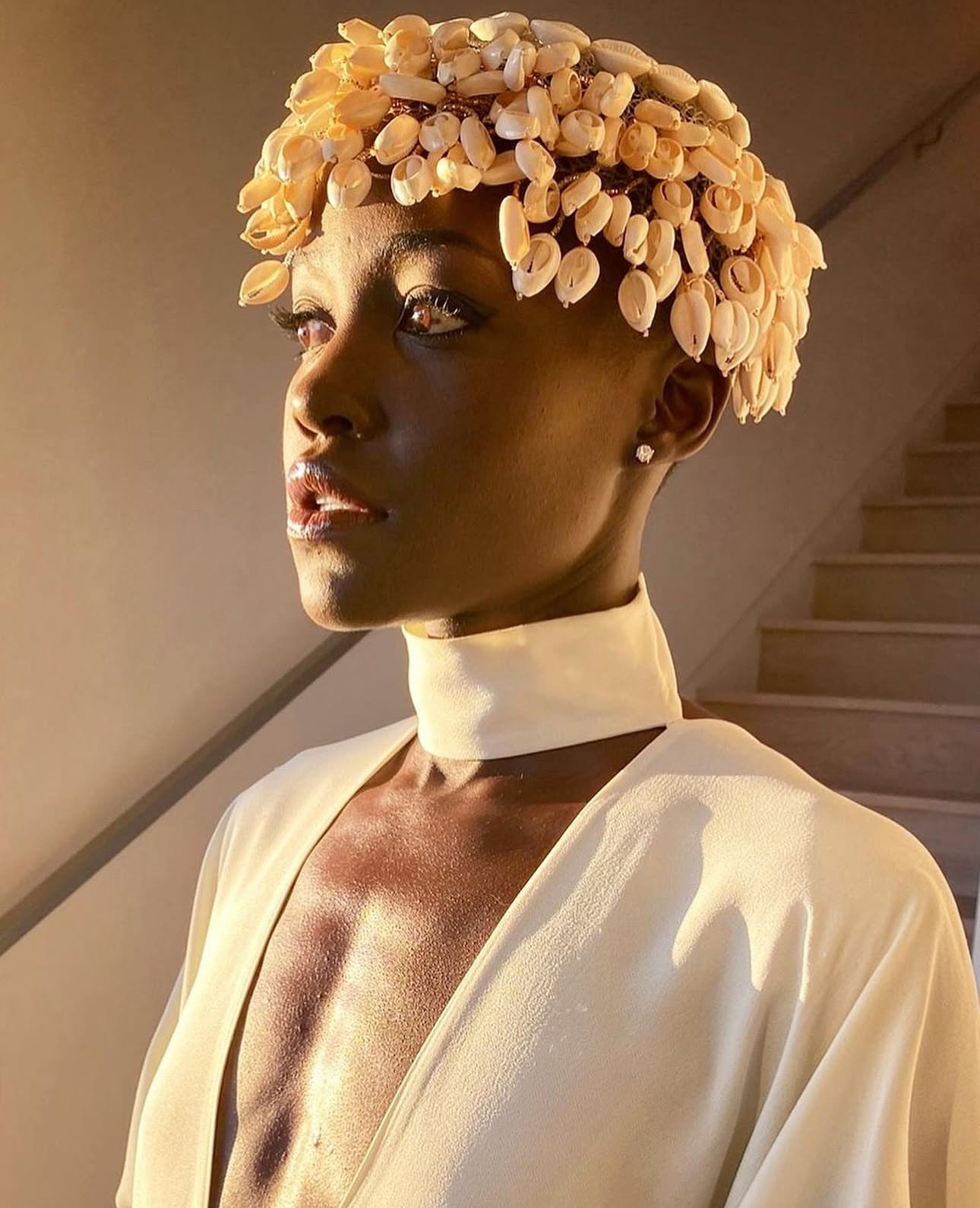
For the Amazigh—indigenous to Morocco, Algeria, and Tunisia—braiding was as much ornament as language. Amazigh braids were long, intricate, and richly decorated with beads, shells, pearls, and silver ornaments that signaled ethnic and social belonging.
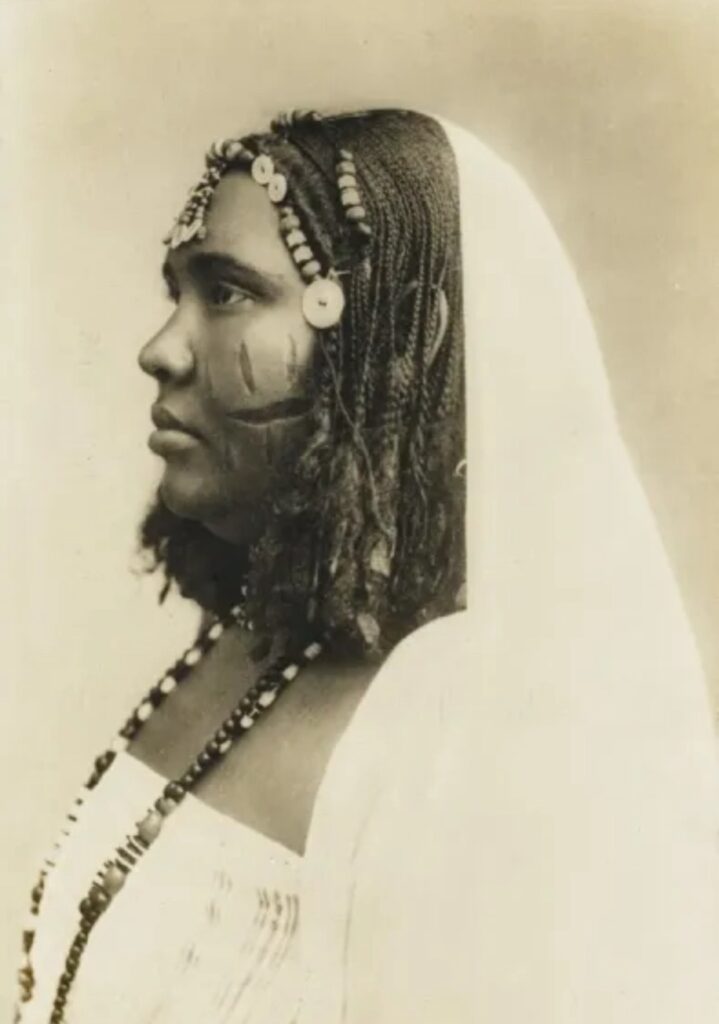
In Sudan, Mushat braids carried a different story. Thin—half the width of a pencil—and extended with silky black thread, they prepared brides for the celebrated wedding dance in which the bride-to-be would bend backward, her long braids cascading in ritual display. More than aesthetics, the act of braiding itself fostered intimacy: hours of conversation, memory-sharing, and community-building among women. Over time, what began as gift exchange became a source of economic empowerment as Sudanese women carried their skills abroad.
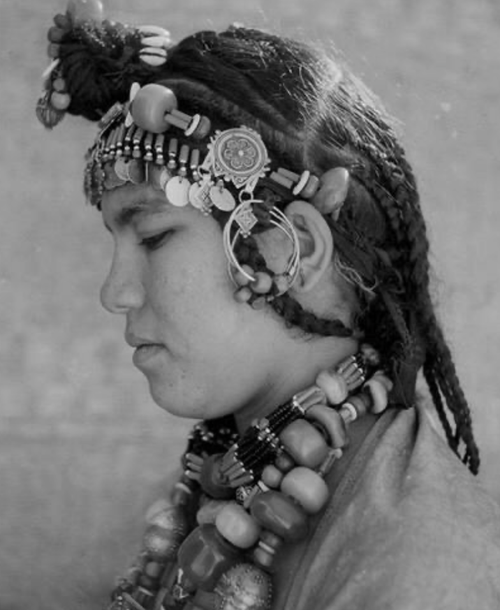
From Morocco to Mauritania, Maghrebi coiffures intertwined spirituality and style. Braids were threaded with charms to ward off the evil eye, nourished with argan and olive oil, and crowned with scarves, threads, or jewelry such as fibulae and silver headpieces. Geometry defined the aesthetic: sectioned parts braided into plaits that could fall freely or wrap around the head, transforming hair into both shield and ornament.
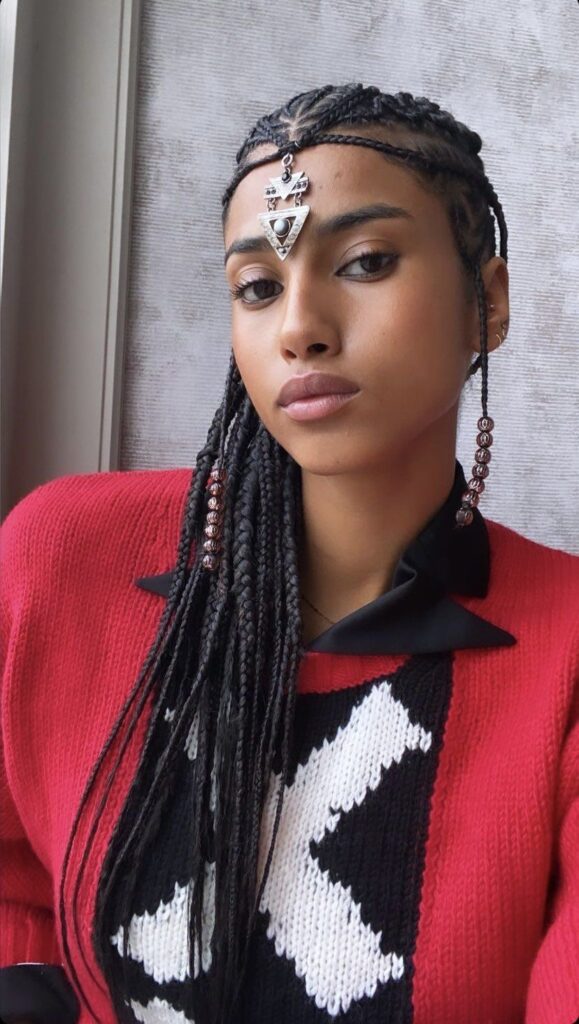
North African hairstyles have not stayed bound to their regions. Cornrows and braids have been reimagined into freestyle geometric designs that echo hieroglyphic motifs, resurfacing on TikTok in 2023 and gaining momentum ever since. Jumbo cornrows, two-layer braids, knotless braids, and box braids represent contemporary evolutions of these ancient forms.
What began as intimate acts of identity—braids woven in desert towns, oils applied in family courtyards—has become central to global fashion storytelling. On red carpets, magazine covers, and catwalks, cornrows now signal defiance, reclamation, and beauty. Once dismissed under colonial eyes as “unruly,” these styles are now celebrated by figures from Beyoncé to Tracee Ellis Ross, anchoring a broader movement of Black expression and pride.
The thread, however, runs back. From Nubian cornrows to Amazigh braids, hair in North Africa shows us that what is trending today began as a language of belonging—woven histories that still speak.