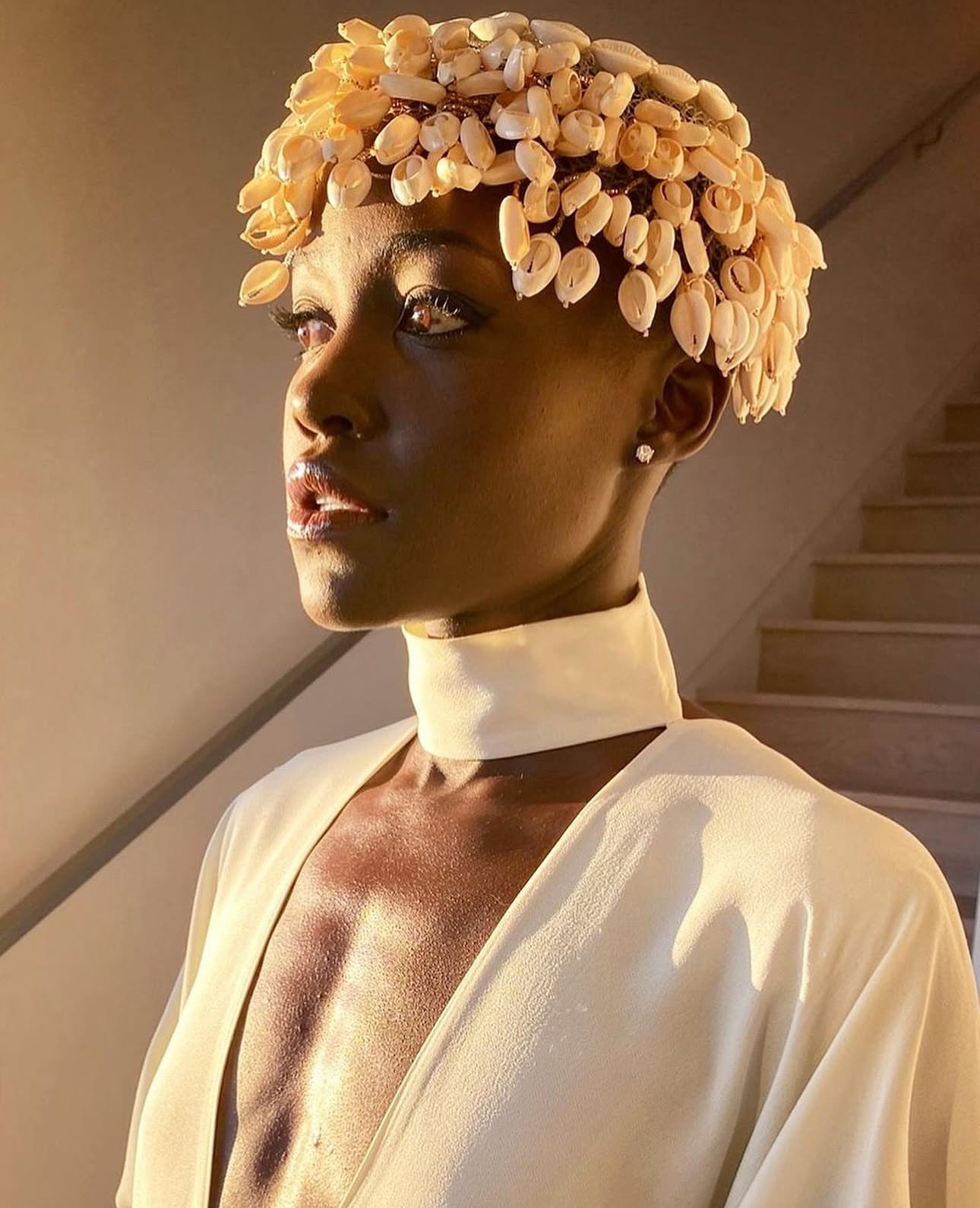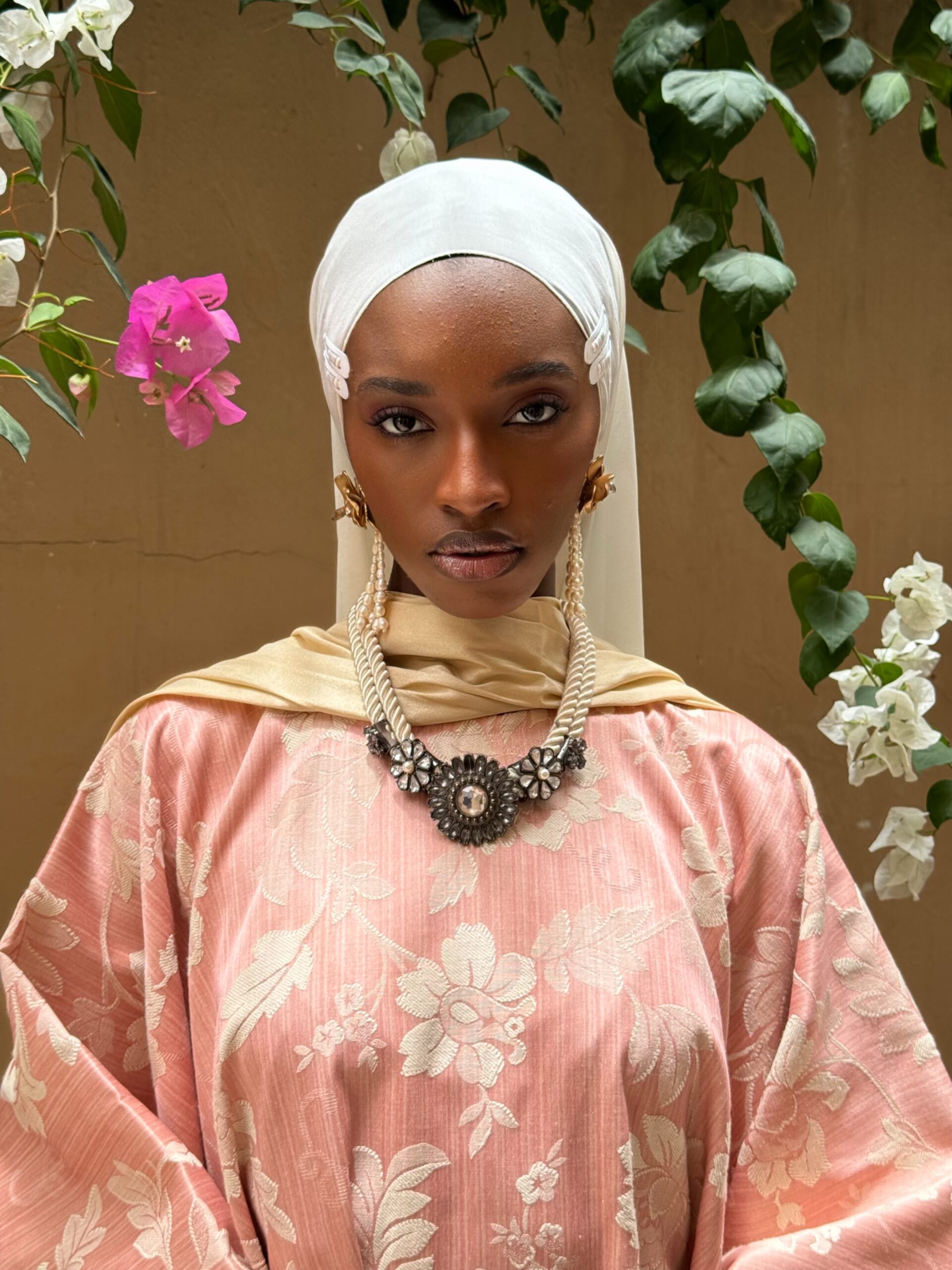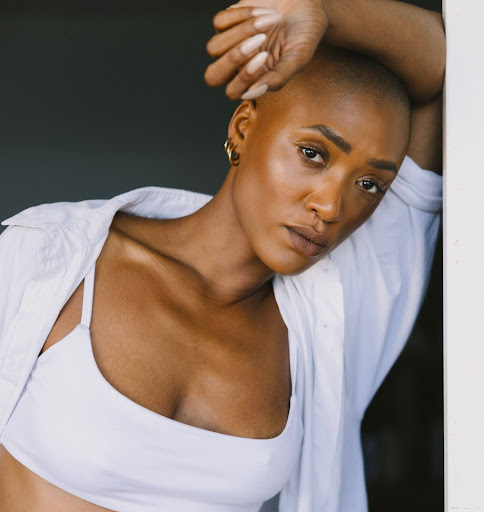
Naëtt Mbaye isn’t interested in categories. Not in art, not in identity, and definitely not in career paths. She’s worked as a producer for Chanel, styled shoots at WAD Magazine, and shot analog portraits that feel more like memory than documentation. She’s also acted, written scripts, and quietly made her mark as one of Dakar’s most interesting image-makers without shouting for attention.
“I’ve always wanted to create, but for a long time I stayed behind the scenes,” she says. “Then something shifted. I realized—I have stories too.”
Born in France but raised in Dakar, Naëtt grew up in a house filled with art. Her Ivorian-French mother, a self-described art obsessive, brought her to exhibitions and screenings long before she ever picked up a camera. Her Senegalese father’s presence, she says, was quieter—but no less shaping. “My mom is the biggest art nerd I know,” she laughs. “Exhibitions, painters, cinema… art was breathing in every room.”
“When I applied to university, I told my mom: I’ll do your two choices first, but my third pick is art school. If I get in, I’m going.” She did.
What followed was a decade inside the fashion world—first behind the lens, then stepping slowly into it. She helped build sets, cast models, and produce campaigns for some of fashion’s biggest names: Hermès, Jean Paul Gaultier, Chanel. But even with that resume, she hesitated to claim her own creative space. “I was too shy to show my work. I kept thinking, ‘You’re a producer, not an artist.’ But when I moved back to Dakar, everything clicked.”
Naëtt’s return home marked a turning point—not just professionally, but personally. For years, she’d been negotiating the complexity of being mixed-race and multicultural. “I didn’t grow up speaking Wolof. I went to French schools. And for a long time, I felt out of place. Too French in Senegal. Too Black in France. Too soft, too serious, too in-between.”
She stopped trying to belong. Instead, she made space for contradiction. That space became her work.
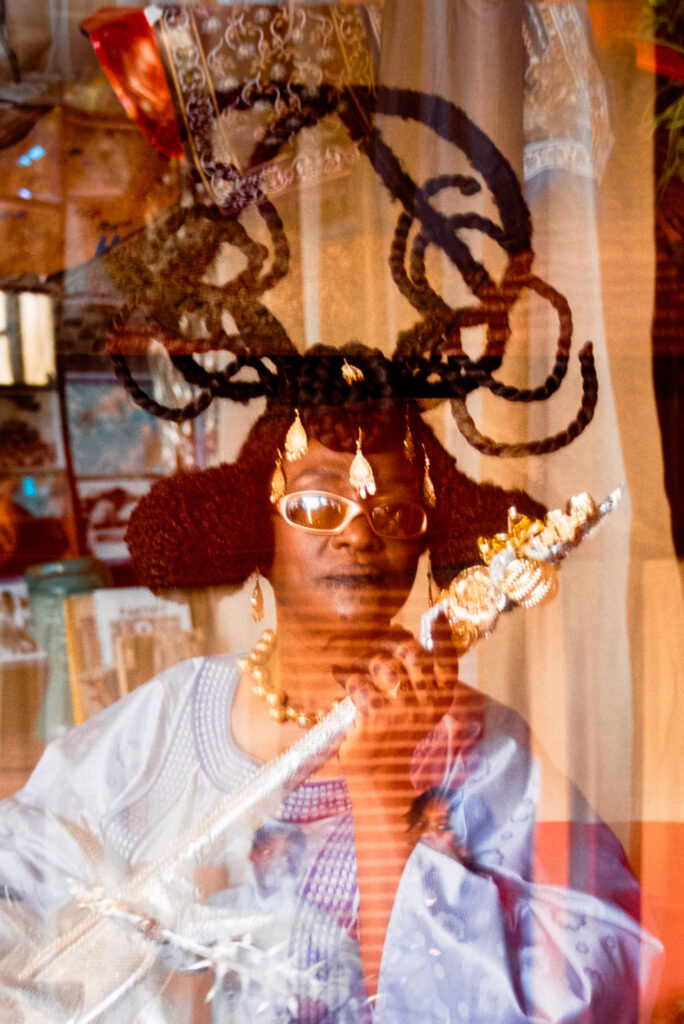
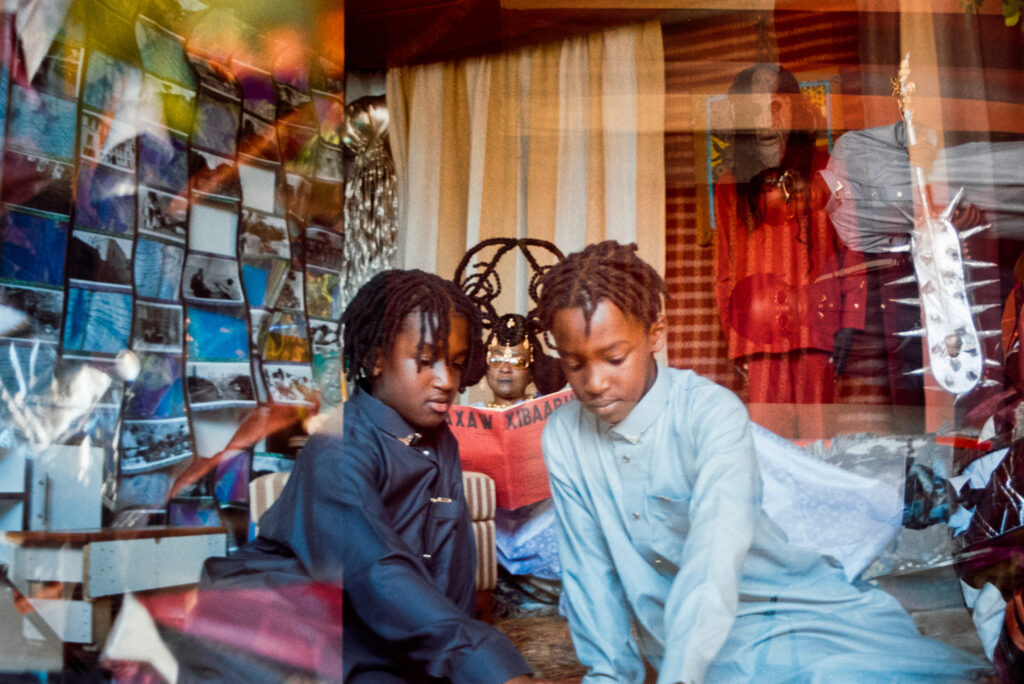
Her photography is intentionally raw. Shot almost entirely on analog film, her portraits blur, bleed, and breathe. She embraces grain, blur, light leaks, and double exposure—elements that many might edit out. “I don’t retouch much. I don’t want glossy. I want images that bruise a little. That feel like they happened.”
Her portraits don’t chase perfection. They chase feeling. “If someone looks at my images and feels nothing, that’s my worst fear. I’d rather they hate it than scroll past without a reaction.”
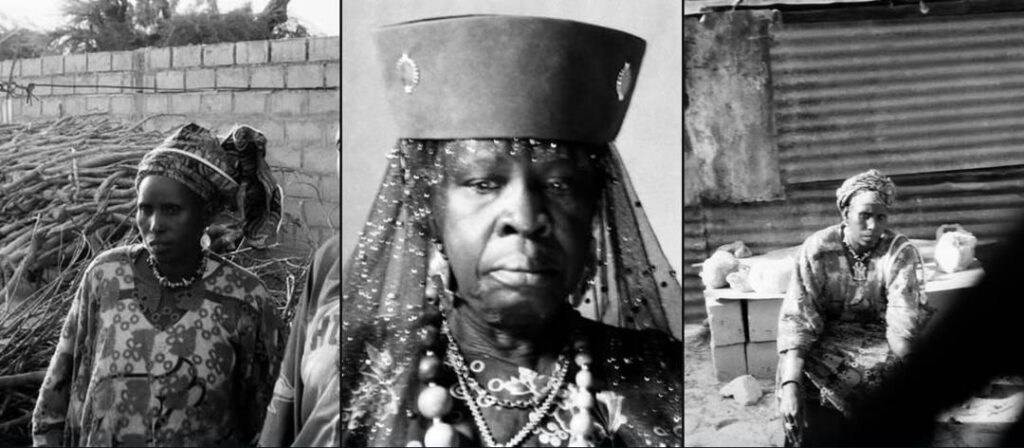
Naëtt rarely photographs strangers. Her subjects are usually people she knows—friends, family, lovers. “I need to feel the person. If they’re too aware of the camera, too posed, I lose interest. I’m looking for softness. Something real.”
Acting changed the way she photographs. “Being in front of the camera changed me. It’s terrifying. It’s intimate. It made me more gentle behind the lens. Now I know—models need safety. They need laughter. They need space to exhale.”
She describes her process as intuitive. “I build moodboards, then throw them out. I follow the energy in the room.” Her background in styling and production means every shoot is intentional, even if it looks effortless.
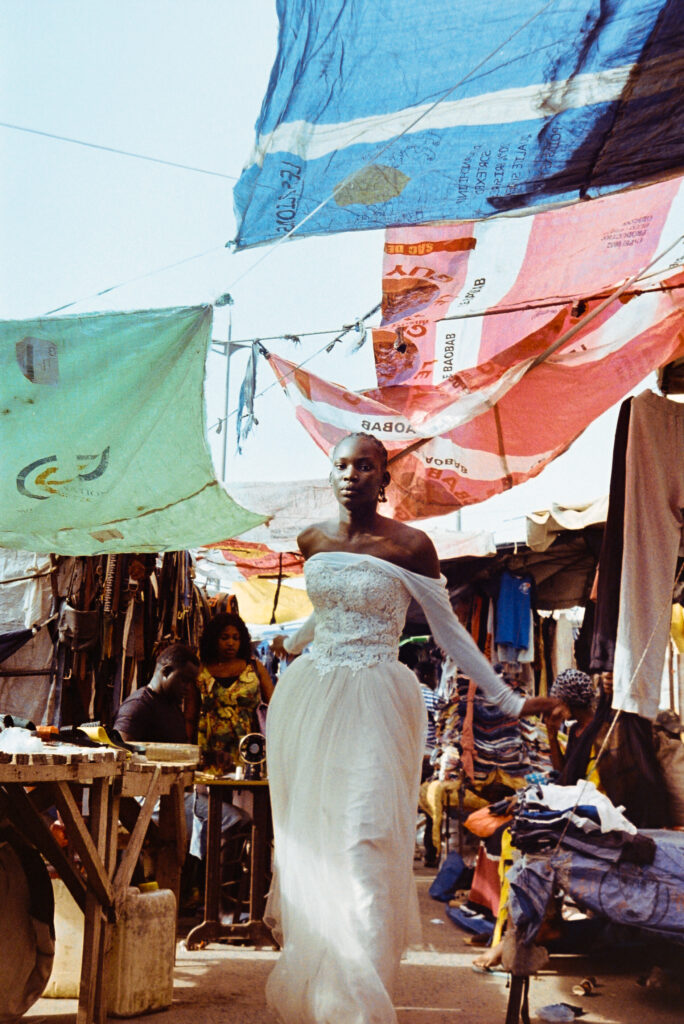
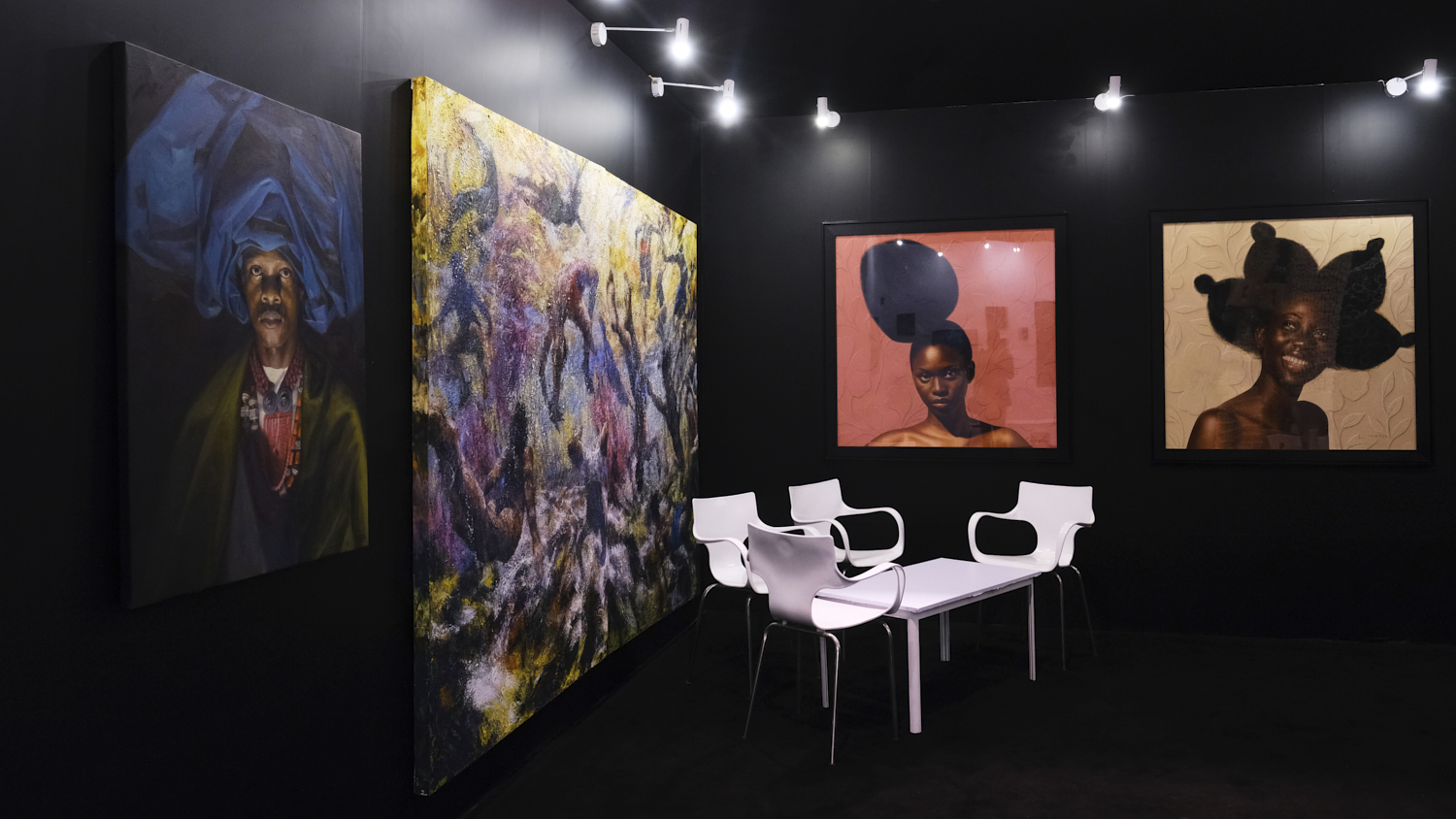
Her breakthrough moment came with the series Drianké, shown at the Institut Français in Dakar. The portraits reframe the image of the modern Senegalese woman. “There’s this idea that you have to choose: tradition or modernity. But why? A moussor with jeans in Paris is still power.”
Her references are clear: the aunties, the matriarchs, the women who never left the house without heels and a headwrap.“I’m obsessed with hyper-feminine African women. The Drianké, the aunties, the godmothers, the women who never leave the house without a headwrap, heels, and confidence. They don’t dress for the gaze. They dress for the gods.”
That energy carried into her work on the Daara J Family album cover—a landmark collaboration with designer Selly Raby Kane. Shot entirely on analog film, using double exposure and no digital previews, it was a leap of faith. “I didn’t sleep for ten days. I was terrified I’d ruined it.” She hadn’t. The result was raw, layered, and arresting—an image that felt like memory and myth at once.
Now, Naëtt is thinking bigger. She’s developing a TV series. Writing a feature film. And pushing toward a cinematic language that moves differently. “Senegal has a rich theatrical tradition, but I want to push beyond. Less spectacle. More slow-burning, universal stories. Not ‘African stories’ for African people—but global stories told by African artists.”
And she’s clear: labels can be limiting.
“I take the ‘African’ label off—not because I’m ashamed. But because it’s been used to box us in. I want to make global stories that come from us, not just for us.”
Recognition doesn’t always come in the form of press or posts. Sometimes it happens on rooftops.
“Right before I left Dakar, I was having a drink at Espace Trames. A woman came up to me and said, ‘I love your work—especially your writing.’ I almost cried. In this Instagram world, someone actually read the words. She saw me.”
If she could go back, she knows exactly what she’d say to her younger self:
“You are an artist. Stop hiding. Enough. Be the thing you already are.”