
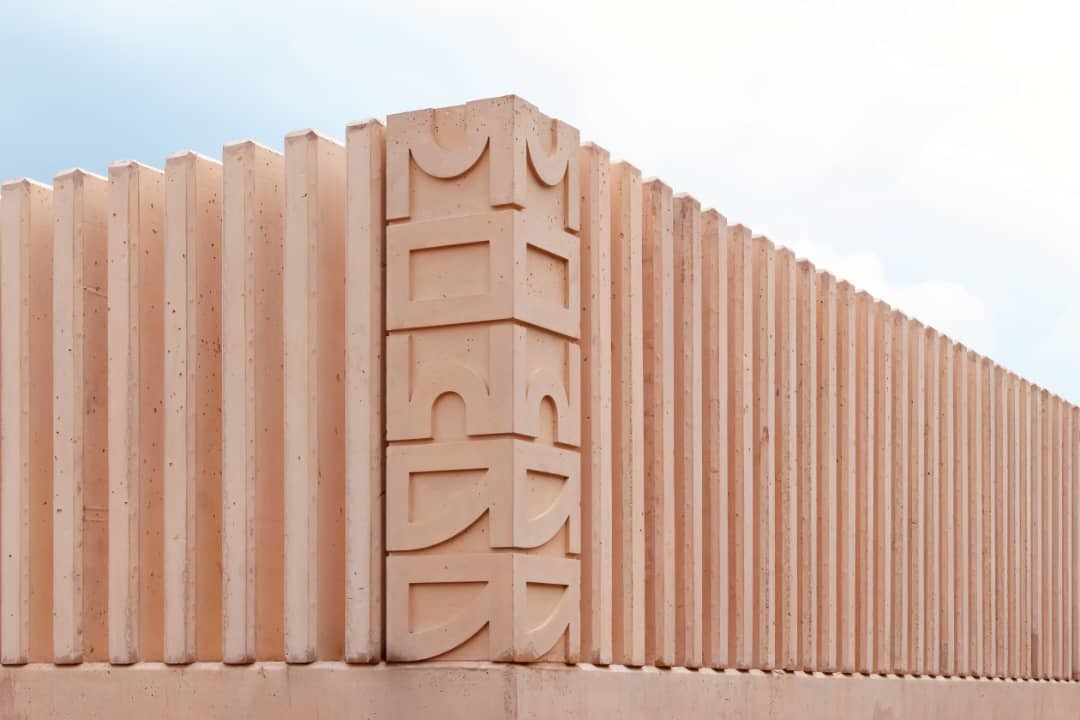
The Museum of West African Art (MOWAA), founded in 2020 and envisioned as one of the most ambitious cultural infrastructures in the region, has carried a striking duality: a bold promise on paper and a complicated reality on the ground. Benin is the city where heritage is not merely historical but spiritual, political, and deeply territorial. In this setting, cultural institutions cannot operate as neutral spaces. Their legitimacy rests not only on architectural renderings or institutional language, but on the clarity of their mandate and their relationship with the people and structures whose histories they seek to steward.
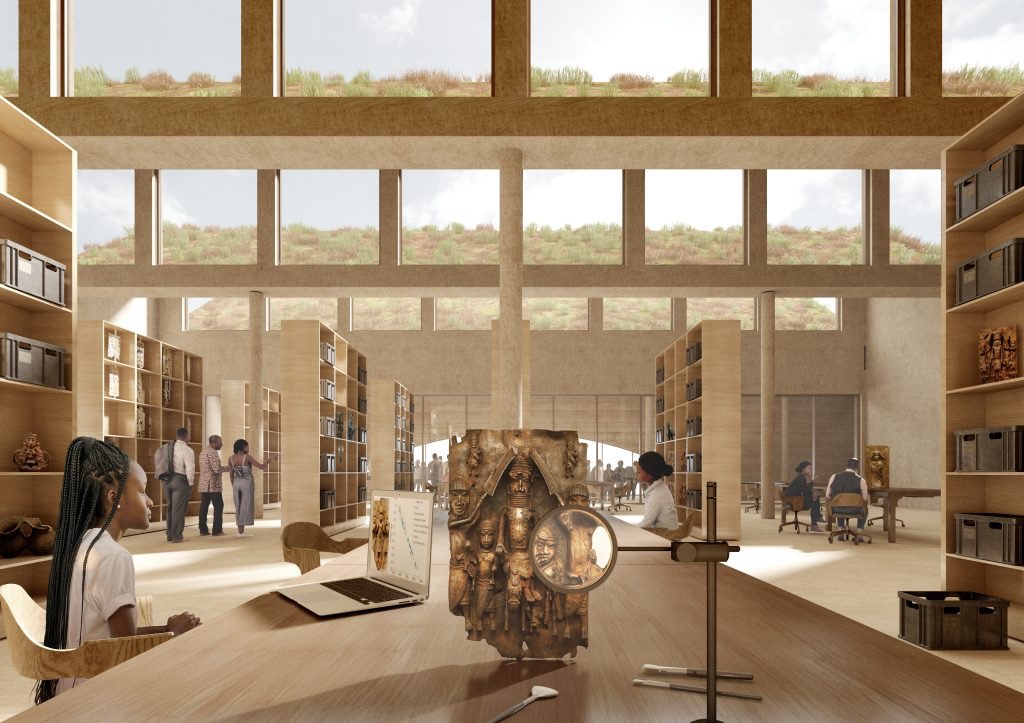
From the beginning, MOWAA presented itself as a cultural engine: part museum, part research center, part educational hub, and part creative district. Plans for conservation laboratories, archaeology units, artist development programs, reading rooms, and modern exhibition spaces generated international interest and framed the project as a future epicenter for heritage, creativity, and innovation in West Africa. The ambition is not in question. But ambition without clearly defined ownership and unimpeachable trust quickly becomes vulnerability.
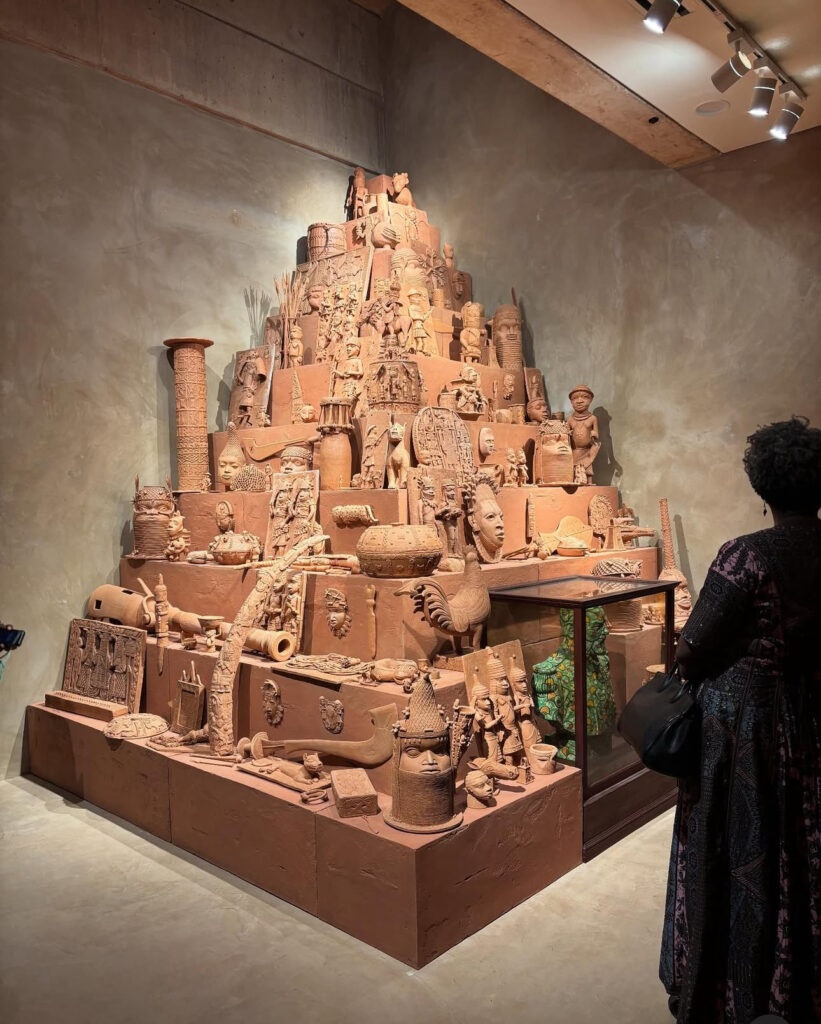
The events of the scheduled opening day revealed the fragility of MOWAA’s social contract. A group of protesters — many of whom voiced loyalty to Oba Ewuare II and demanded the institution be renamed the Benin Royal Museum — stormed the museum grounds. They disrupted what was meant to be a soft launch attended by international diplomats, guests, and artists, chanting war songs, intimidating attendees, vandalising parts of the reception pavilion and courtyard, and forcing the evacuation of foreign and domestic guests under heavy security. Within about two hours, police intervened and escorted the overwhelmed guests to safety. As a result, the museum’s management cancelled further preview events, including the grand opening scheduled for the following Tuesday, and announced the postponement pending resolution of the dispute.
But the conflict didn’t start on the 9th of November. According to David Anosike, a political analyst, the conflict began when the original plan for a museum to house repatriated heritage was presented as the Benin Royal Museum (BRM) — a palace-backed institution meant to safeguard the artefacts of the Benin Kingdom under the custodianship of its monarch Oba Ewuare II. “It happened that under Obaseki, the former state government, a plan was made to quietly change the proposed Edo Museum of West African Art (EMOWAA) to be renamed MOWAA which was a move to erase palace control and re-purpose the museum as a general West African art space,” Anosike said.
In 2021 the Oba publicly rejected the change, accusing the government of diverting donor funds and undermining the traditional ownership of the kingdom’s heritage. By 2023, that conflict deepened when the federal government recognised the Oba as the rightful custodian of any returned artefacts — but MOWAA’s trust-based, non-palace structure made it unable to claim custody, leading to growing mistrust, resentment, and a sense among palace supporters that the Western-funded museum was a provocation.
At the moment, there is a scheduled court hearing concerning the ownership and control of the Museum of West African Art. A suit filed by Chief Osaro Idah on behalf of the Benin Traditional Council seeks to restrain MOWAA and the National Commission for Museums and Monuments from operating a museum or handling Benin artefacts without the consent of the Oba of Benin. The Federal High Court in Benin City set a hearing date to consider an interlocutory injunction on the matter, as the dispute centres on who holds rightful authority over repatriated Benin artworks and whether MOWAA can legally exhibit or manage them pending the court’s final decision.
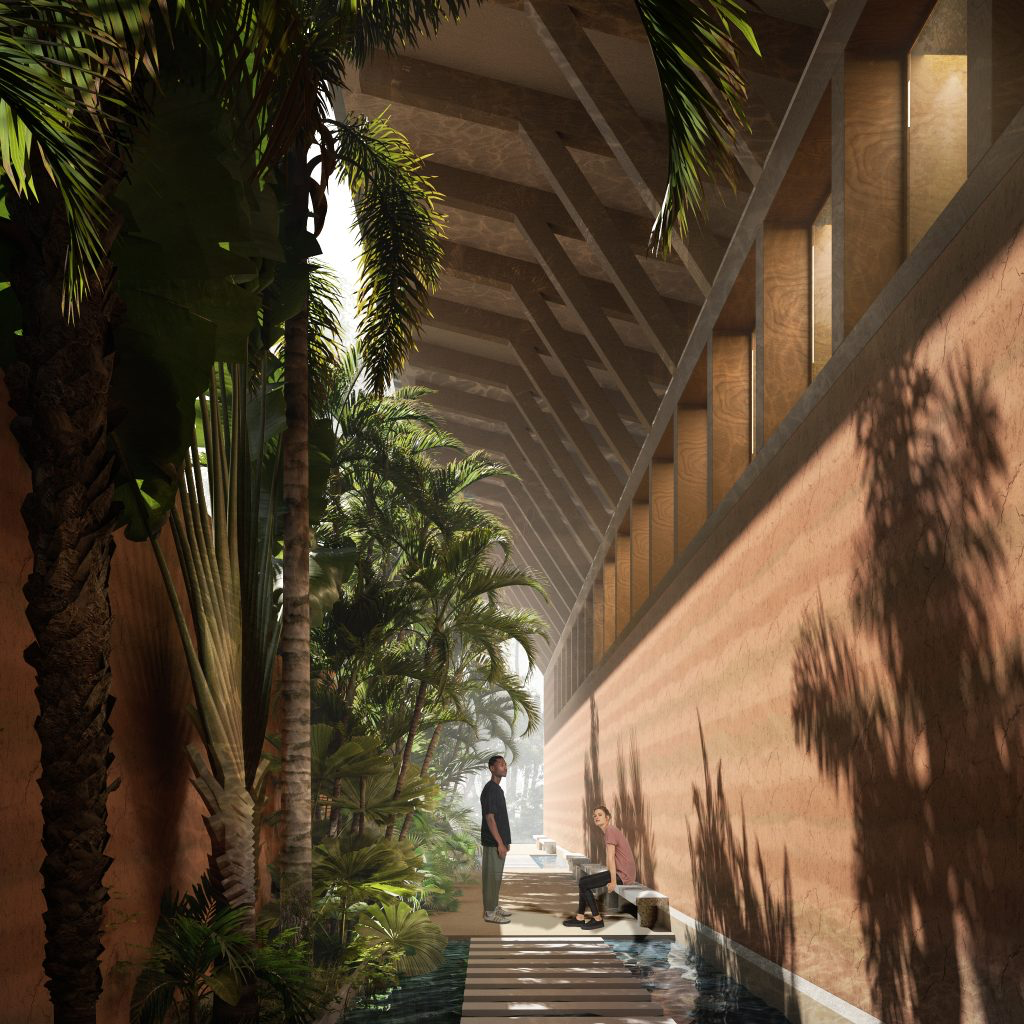
What MOWAA faces is not merely opposition but a crisis of institutional clarity. In heritage-rich regions, museums require more than funding and international attention; they require social legitimacy, transparent governance, and alignment with local custodianship structures. Benin City, with its history of looting, repatriation debates, and the sacredness of royal artefacts, is especially sensitive to perceived attempts to reassign cultural authority.
A museum that attempts to situate itself at the center of West African heritage must first situate itself correctly within the community that holds that heritage.
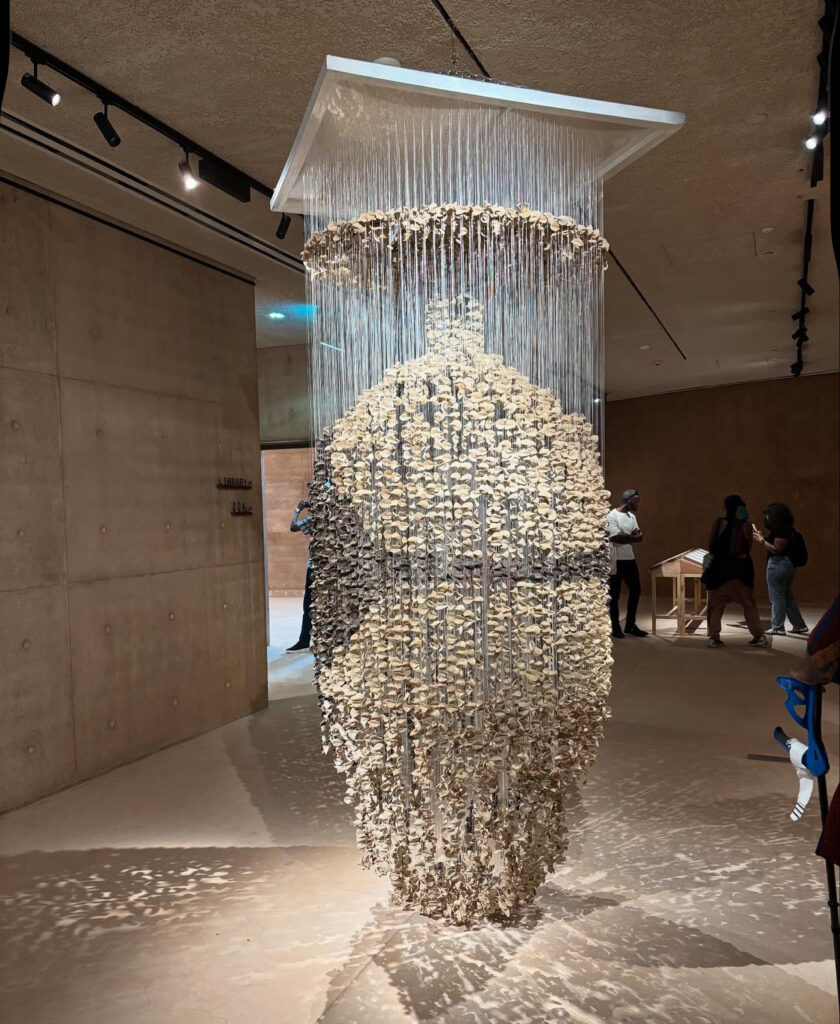
Critiquing MOWAA’s governance is not a rejection of its promise. If anything, the depth of scrutiny reflects how transformative the institution could be if its vision is fully realized. At its most ambitious, MOWAA has the capacity to reshape Benin City’s cultural and economic landscape for generations.
A completed MOWAA would introduce specialized knowledge pathways rarely available within Nigeria. Its proposed conservation laboratories, archaeology units, and heritage research programs could cultivate expertise in conservation science, digital archiving, museum education, exhibition design, and cultural management — fields that currently require young professionals to seek training abroad. Its planned creative district could act as a catalyst for Benin’s expanding cultural scene, supporting fashion, digital art, bronze casting, film, and photography through residencies, equipment access, workshops, and funding pipelines. The institution could anchor a new creative economy rooted in Edo heritage.
The museum also carries clear tourism potential. A functional cultural ecosystem would not only enrich heritage tourism but expand economic opportunities for hotels, transportation networks, artisans, food vendors, and other local businesses. In cities where cultural institutions thrive, the surrounding economy often rises with them. Beyond tourism, MOWAA’s research infrastructure could position Benin City as a scholarly center for heritage studies, attracting archaeologists, conservation experts, and academics from across the world. This shift would help reclaim the authority to interpret West African history, moving research away from Western institutions and back into local hands.
Perhaps most importantly, MOWAA has the power to become a long-term cultural anchor — a place where West African heritage is preserved, studied, contextualized, and innovated within West Africa. In a world where African artefacts and narratives have long been displaced, this symbolic return matters deeply.
We are not writing this to diminish MOWAA’s potential, which we have already stated. We are, like many others, asking for accountability from the parties involved. One unavoidable truth is that MOWAA has already been marked by this controversy — it will be remembered as the museum whose opening was met with protest before its community questions were answered. That stain means considerable work lies ahead to establish credibility and ensure history does not repeat itself.
The stakes are considerable. With a court case pending, the question of who holds rightful authority over repatriated Benin artworks remains unresolved. Before MOWAA can fulfill its promise, the parties involved must confront foundational questions: Who controls its narrative and its objects? What governance structure ensures legitimacy and accountability? How will the institution coexist — or conflict — with the authority of the Oba? What tangible protections and commitments does it offer to the local community? What does transparency look like in practice, beyond institutional language?
Only when these questions are answered can we address who MOWAA is truly for. Only then can it move from aspiration to authority, and from controversy to cultural legacy.