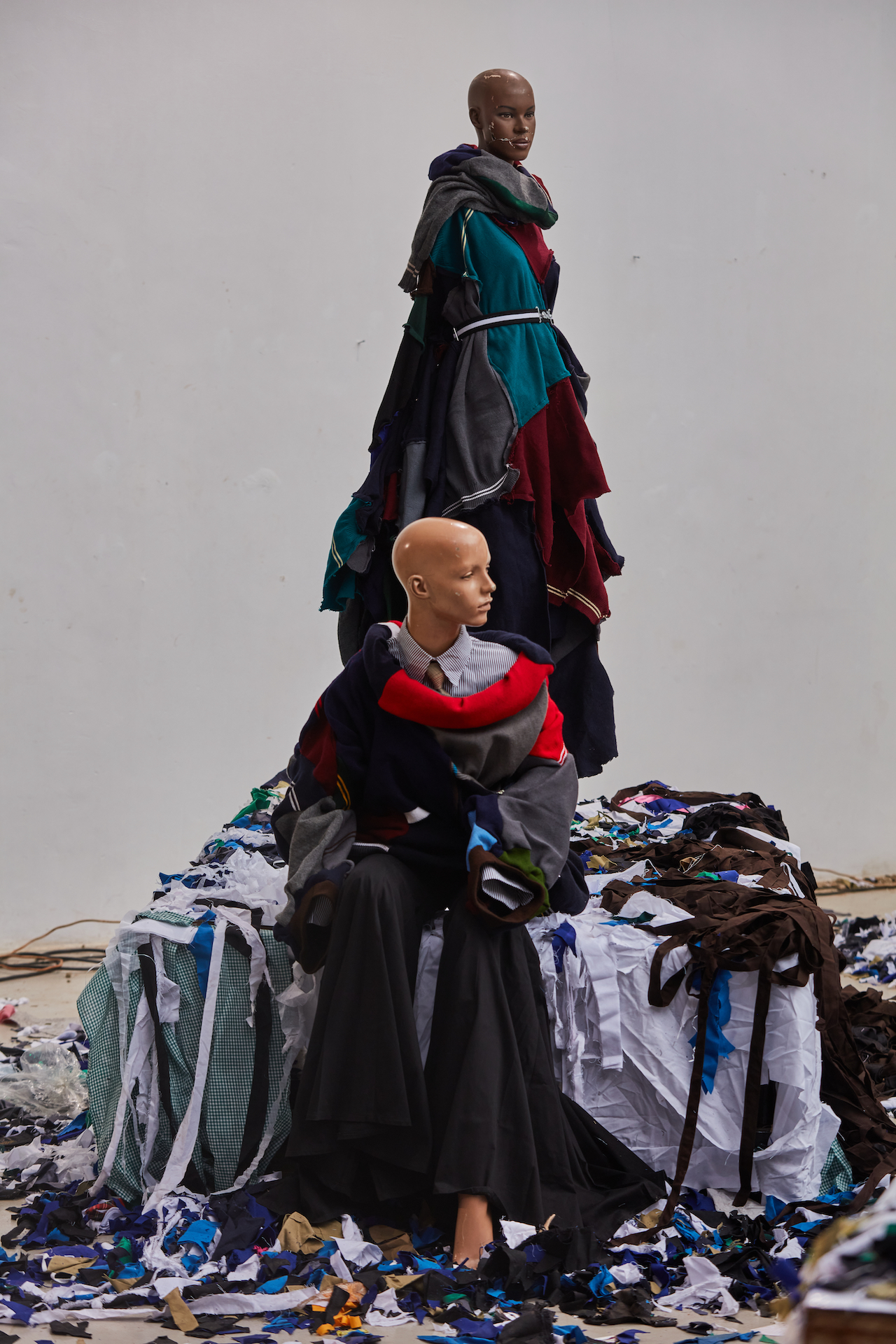
Sustainability and Ethical Fashion

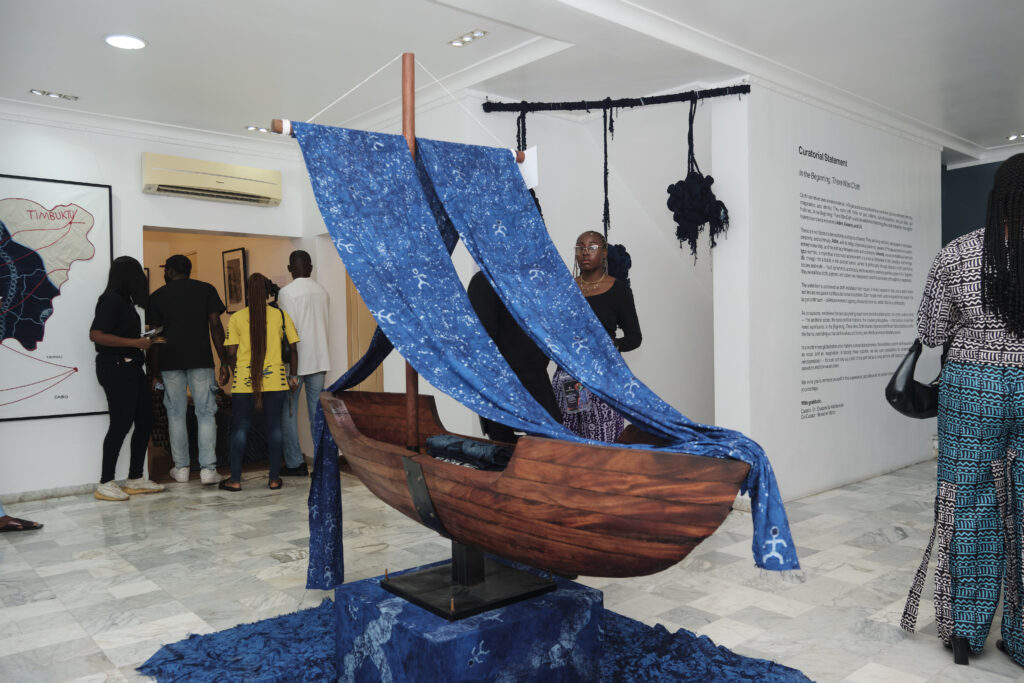
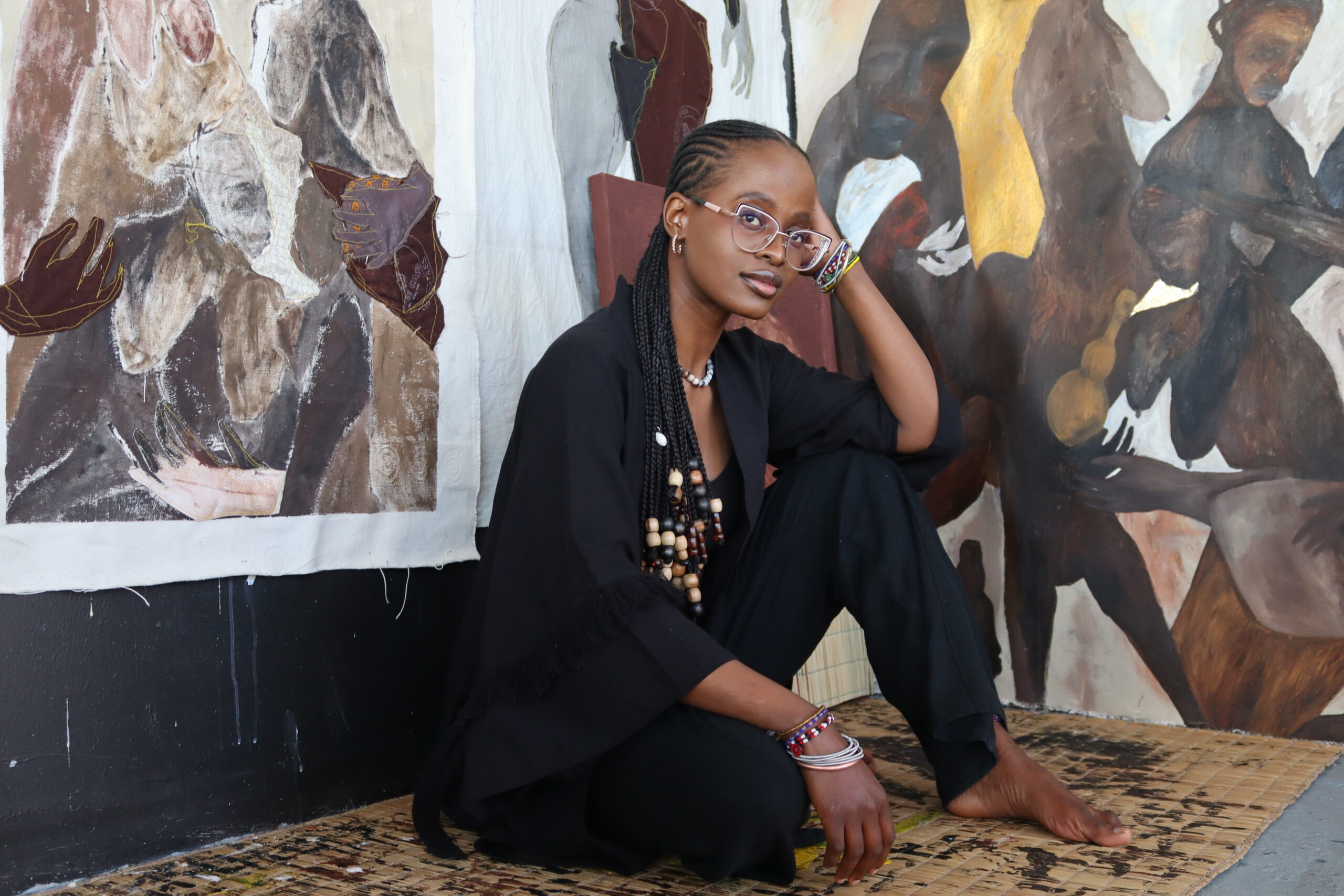
Ifebuche Madu believes fashion storytelling must move beyond surface optics, and it’s what led her deeper into curating “In the Beginning, There Was Cloth”—a textile exhibition that brings this truth to the fore, tracing the layered narratives woven into Adire, Akwete, and Uli. “It is a journey that takes us back to our ancient times as Africans,” she begins.
“For centuries, cloth—or perhaps more truly, patterns—were a form of identity. They marked where we came from, who we belonged to, and the stories our people told. Patterns separated the Yoruba from the Igbo, and even spoke across tribes. Unlike today, where we mostly see abstract designs and plain fabrics, these patterns carried heritage and community.”
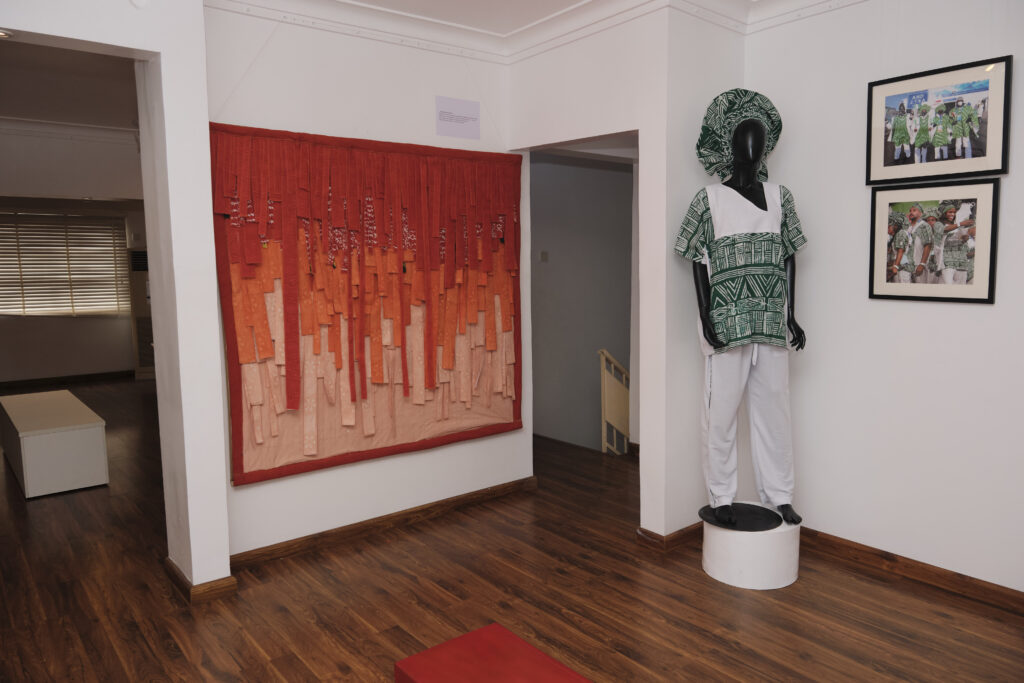
In a four-day event, this exhibition takes visitors on a guided passage through time, linking ancestral memory to contemporary practice within a single room and different installations. Every work on view is handmade, with sustainability as a throughline: textiles woven by artisans across regions in Nigeria. Behind the scenes, the project has been shaped by a wide network of collaborators. Artisans partnered closely with the Afrikstabel team, while academic researchers and curators like Dr. Damola Adebowale tested claims and contextualized traditions to keep the storytelling precise and true.
“For me, this exhibition is a reawakening,” Madu continues. “It is about situating our cloth not only as fashion, but as identity, as history, as resistance, and as continuity. It’s about showing how something as everyday as cloth has carried our people through joy, grief, war, and even faith. So, yes, it’s about fabric—but really, it’s about who we are, where we have been, and where we are going. And I think this moment, when the world is paying attention to Africa in new ways, is the perfect time to say: here we are, in our fullness.”
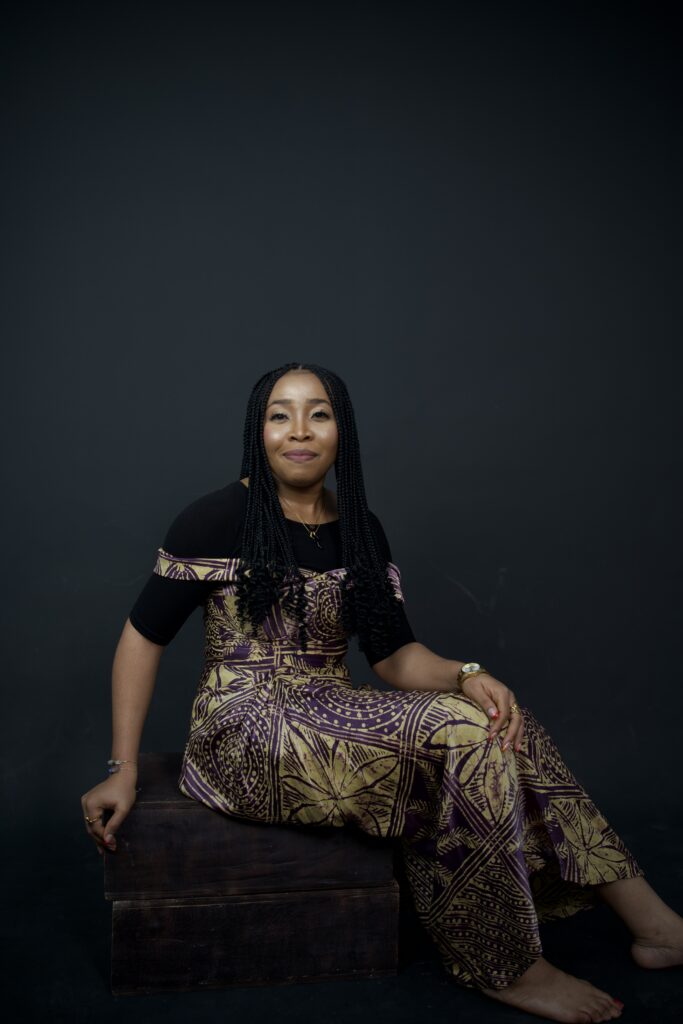
Ifebuche Madu is the founder of Afrikstabel, a textile company dedicated to creating sustainable and indigenous textiles for fashion and interior design companies globally. Her path began in 2015, after she won the Dare2Dream Pan-African Talent Hunt as a designer. She was already making garments and, at times, producing the fabrics herself, but the work kept steering her toward the origins of those textiles and the people who make them.
During her NYSC posting in Ondo, she met highly skilled female artisans whose craftsmanship was routinely undervalued. The encounters reframed her priorities, becoming a means of securing a seat at the table for the women, safeguarding their knowledge, and proving its relevance in a modern economy.
Today, Afrikstabel works with more than 150 artisans, 92% of them women, to revive and reimagine indigenous textiles, including Adire, Akwete, and Aso-oke. Afrikstabel has also grown from a small idea into a brand that has produced for WhatsApp, dressed the Nigerian Olympic team, and collaborated with international brands.
“At Afrikstabel, we currently produce handcrafted prints such as Adire, Batik, Nsibidi, and Uli. On the handwoven side, we work with Akwete, Aso Oke, Luru, and Saki. Each of these materials carries its own story, and that’s what makes our work so fulfilling,” she says.
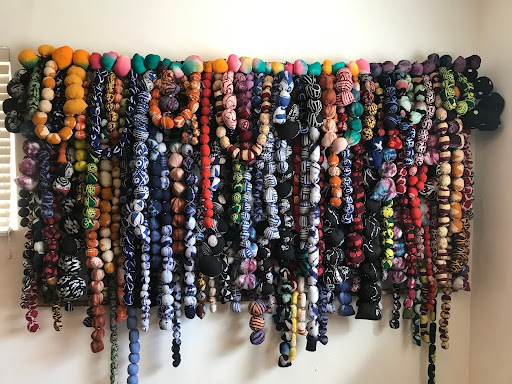
They are also open to experimenting through collaborations with international artists and designers who understand the value of dialogue between cultures. The goal is to push boundaries while staying rooted in authenticity. However, it hasn’t been without challenges. They are largely self-funded, which means growth has sometimes been slower. Government support and stronger institutional backing would make a big difference—not just for Afrikstabel, but for the entire textile ecosystem. Still, despite these hurdles, the journey has affirmed that what they are building will be written in the sands of time.
“For the future of Afrikstabel, I see us not just as a textile house, but as a cultural institution. A place where African fabrics are globally recognised for their beauty, their sustainability, and storytelling power,” Madu notes.
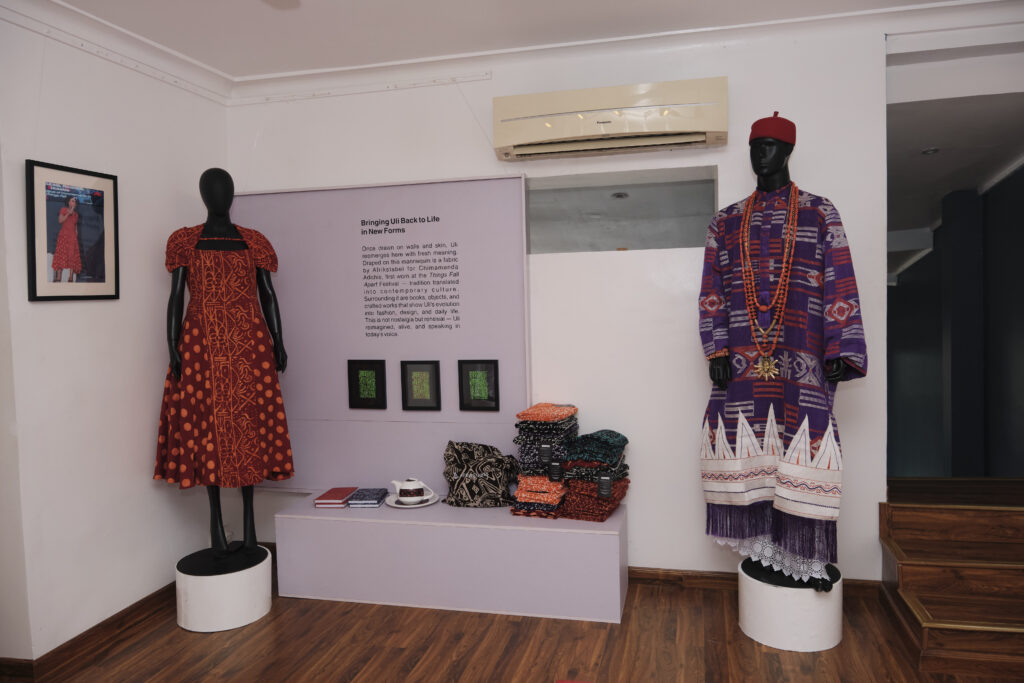
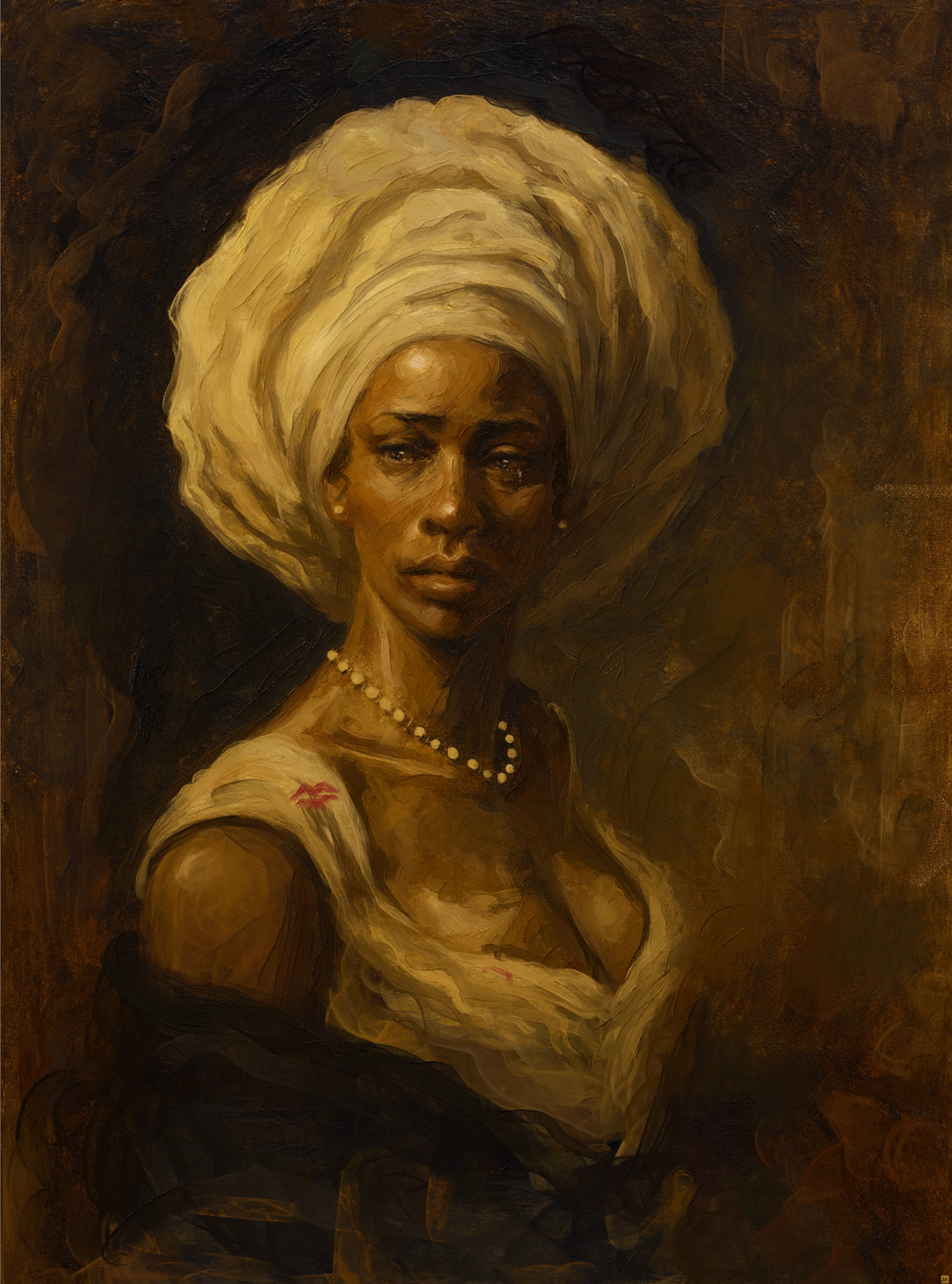
Part of the exhibition lies in its focus on Igbo culture and on craft traditions edging toward extinction. While Yoruba adire is widely documented and celebrated, many Igbo art forms remain understudied and under-seen. Take Uli—a dye used for adornment. It might be unfamiliar to an average Igbo person, yet the improvised body markings and wall motifs that appear in Nollywood village scenes trace back to Uli.
Historically a refined visual language developed and practiced by women, Uli fused beauty, meaning, spirituality, and artistic expression. Colonial rule recast it as suspect, misreading benign symbols, imagining a motif for light as something dark or dangerous. The result was not only the dismissal of an art form but the muting of women’s voices.
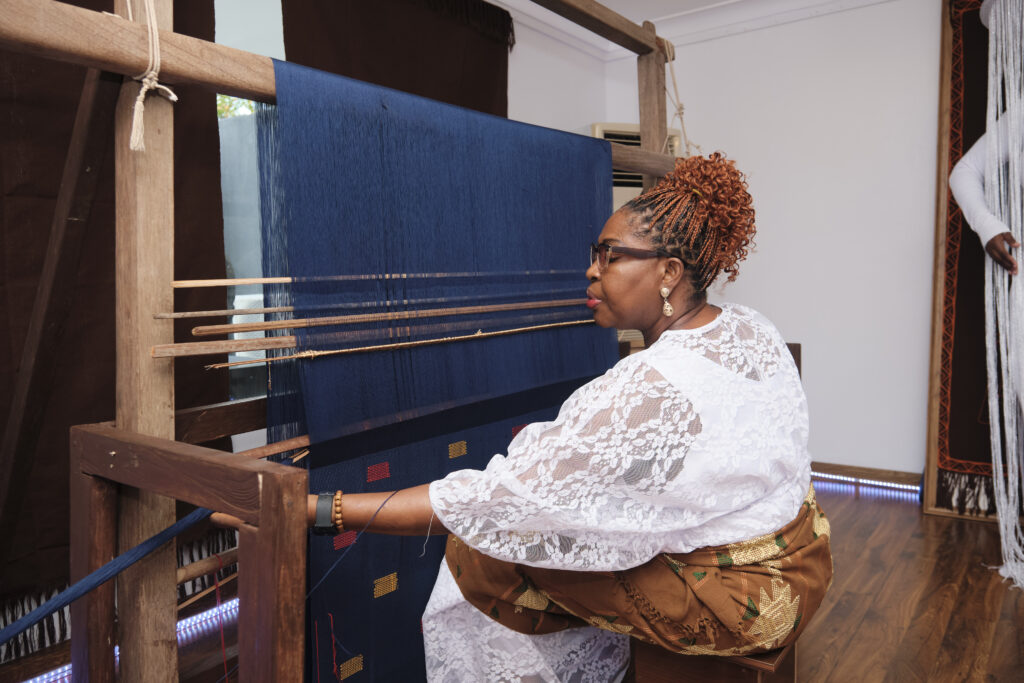
Speaking on what she would want people to take from the exhibition, Ifebuche adds that she would want viewers to walk away understanding that art is not just about drawings and colours—that it is layered with meaning, especially for Africans. Every line, every motif, every pattern tells a story that goes beyond aesthetics.
“My hope is that after this exhibition, people start noticing patterns in their daily lives differently—say on a wrapper, on a wall, in the fabrics around them—and that these observations spark conversations. Maybe someone pauses and asks, ‘What does this design actually mean?’ That, for me, would be the beginning of deeper appreciation: when art becomes both a lens and a language,” she tells Guzangs.